Fleet and Delivery INSURANCE for Restaurants
OR call us: (214) 667-2729
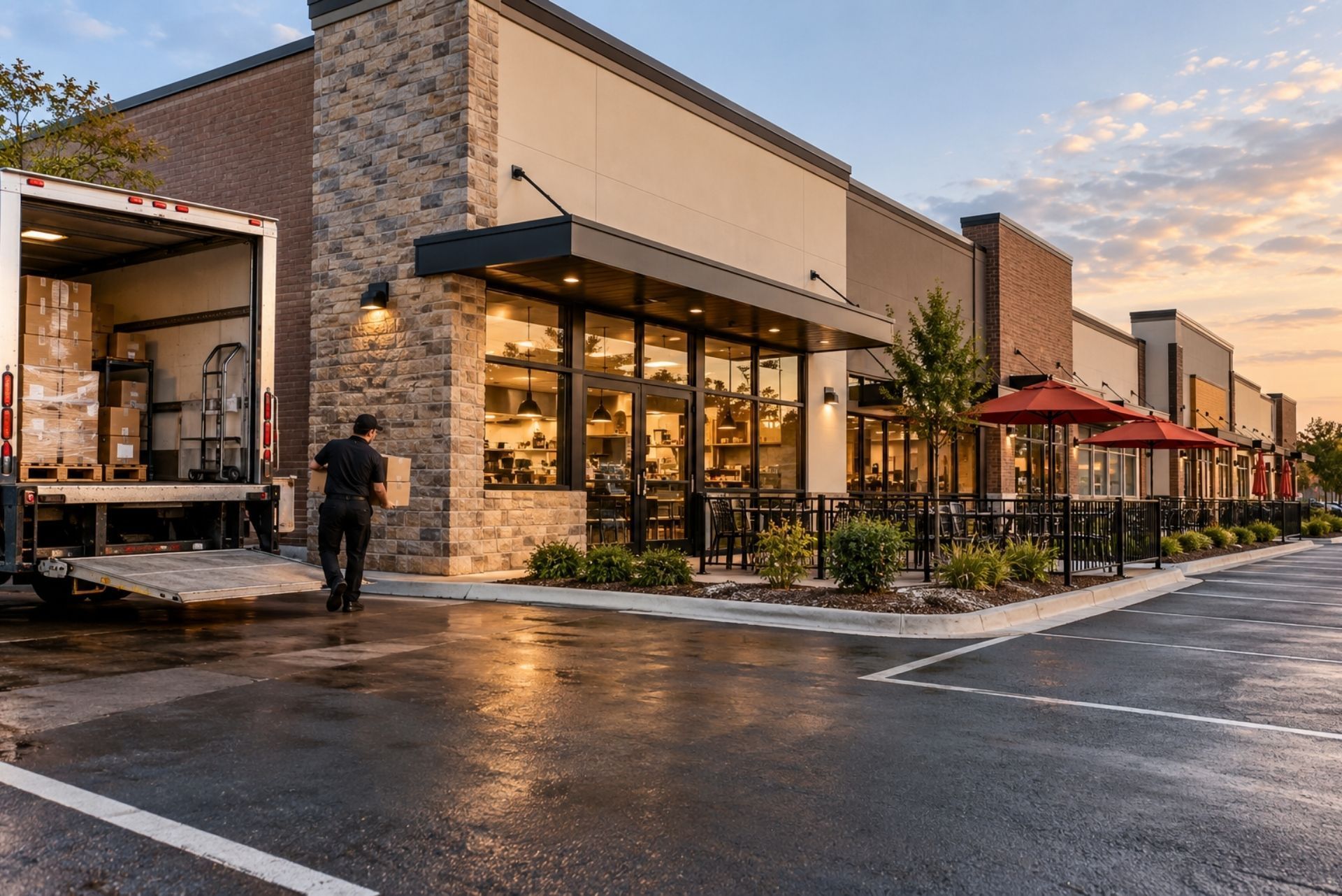
Running a restaurant with a delivery service means more than just managing food and staff. It means managing a fleet of vehicles that are constantly on the road, facing risks from traffic, weather, and driver behavior. With over 250 million vehicles in the U.S. commercial fleet alone, the stakes are high when it comes to protecting your assets and your drivers according to WIFI Talents. Understanding fleet and delivery insurance is essential for restaurant owners who want to keep their operations running smoothly and safely.
Why Fleet and Delivery Insurance Matters for Restaurants
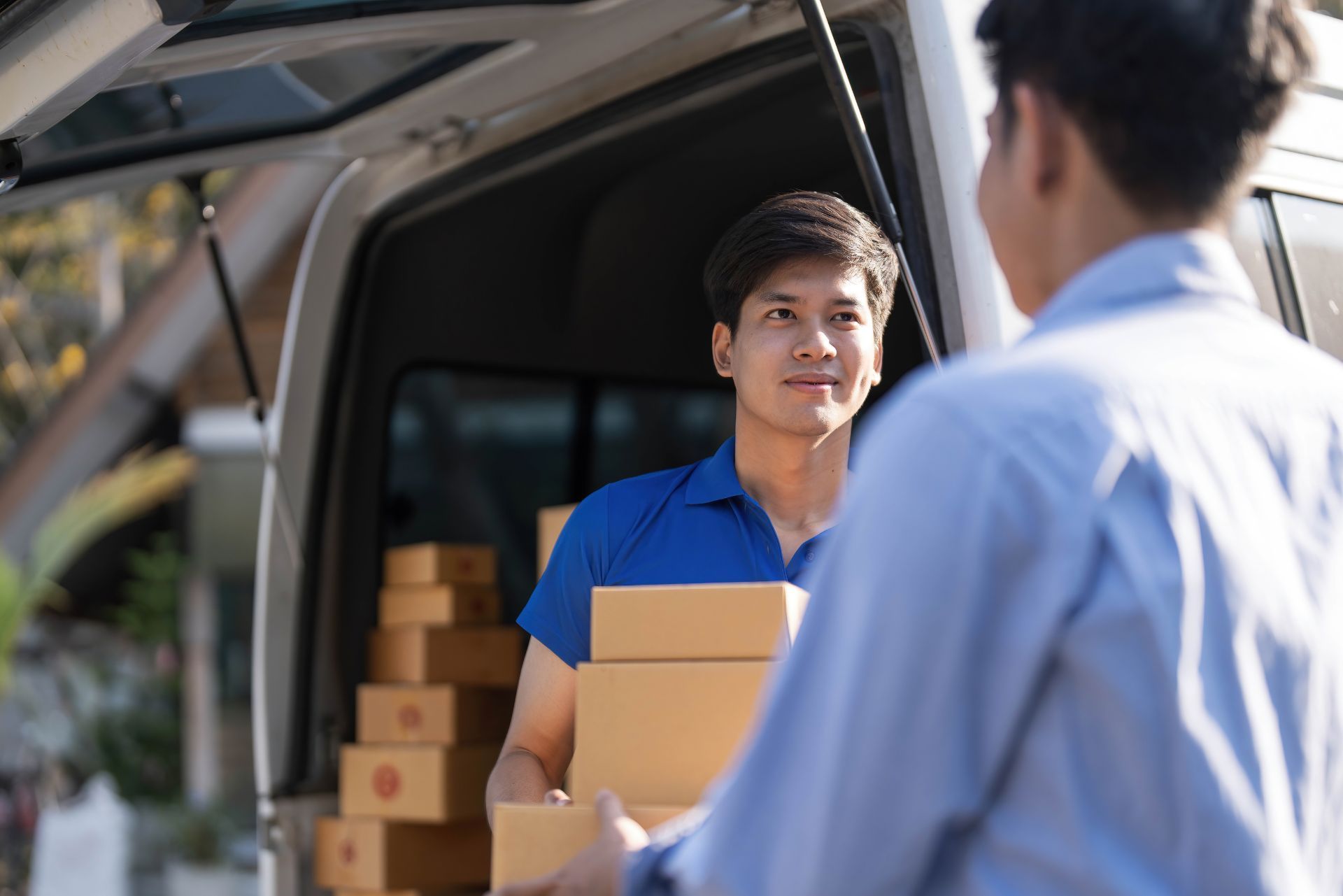
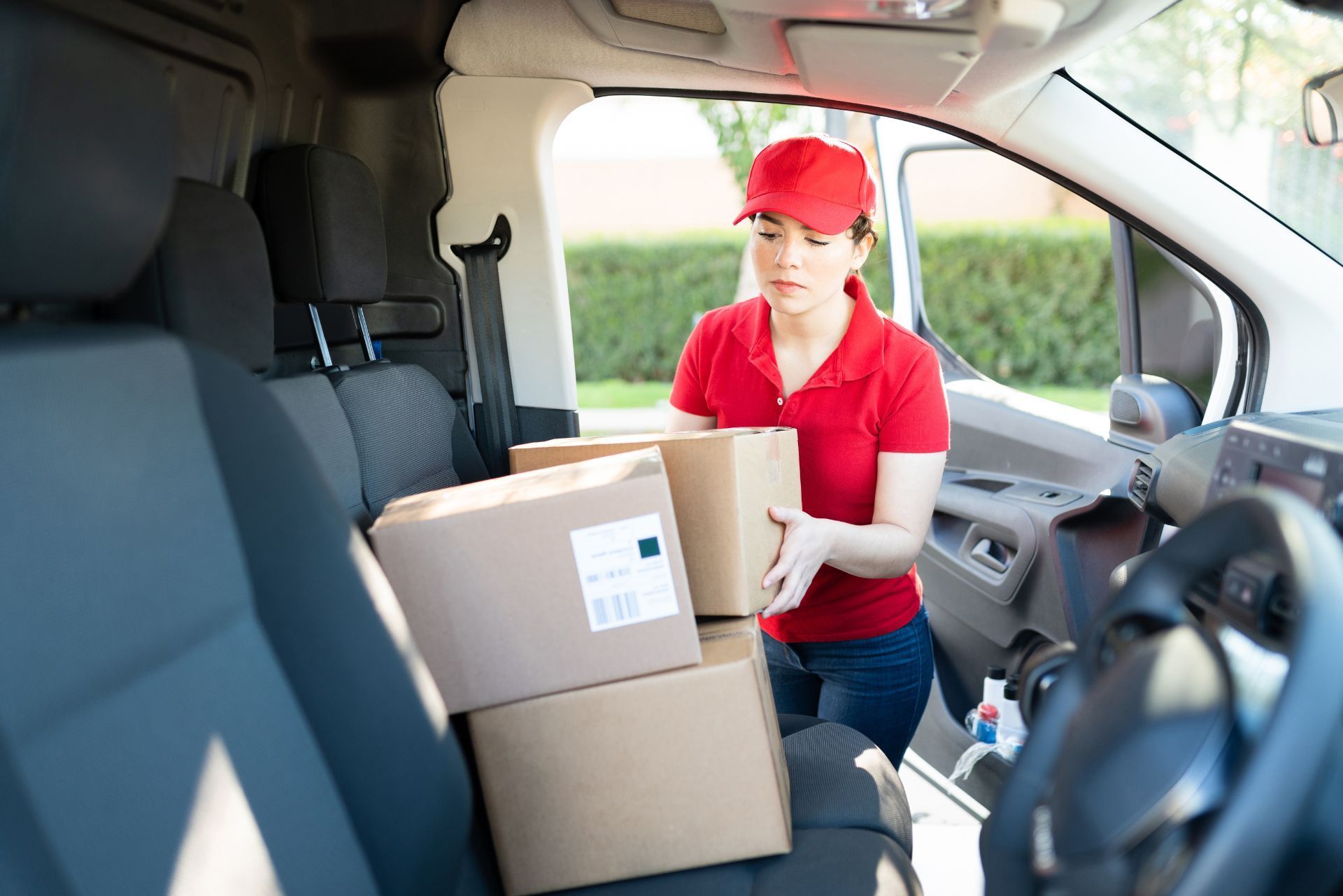
Restaurants that offer delivery services rely heavily on their vehicles and drivers. These vehicles are not just transportation tools; they represent a significant investment and a potential liability. Without proper insurance, a single accident can lead to costly claims, legal trouble, and downtime that disrupts business.
Fleet insurance is designed to cover multiple vehicles under one policy, which can be more cost-effective than insuring each vehicle separately. For restaurants, this means protecting everything from scooters and motorcycles to cars and vans used for deliveries. The average cost of fleet insurance runs about $1,200 per vehicle annually, a price that reflects the risks involved in commercial driving WIFI Talents reports.
Delivery drivers face unique challenges, including navigating busy streets, managing tight schedules, and dealing with unpredictable weather. These factors increase the risk of accidents, making insurance coverage critical not only for the vehicles but also for the drivers themselves. Additionally, the nature of food delivery often requires drivers to handle hot and perishable items, adding another layer of responsibility and urgency to their tasks. This can lead to distractions that may further increase the likelihood of incidents on the road.
The Rising Costs of Truck and Fleet Insurance
Insurance premiums for commercial vehicles have been climbing steadily. Truck insurance premiums, for example, rose 12.5% in just one year and have surged 40% over the last decade according to Schneider. This trend is driven by factors such as increased accident rates, higher repair costs, and evolving regulatory requirements. As the food delivery market continues to expand, the demand for reliable and efficient delivery services has never been higher, putting additional pressure on restaurants to ensure their fleets are adequately insured.
For restaurants, this means budgeting carefully and considering how to reduce risks to keep premiums manageable. Investing in safety technology and driver training can help offset these rising costs. Advanced GPS tracking systems, dash cams, and collision avoidance technology can not only enhance driver safety but may also lead to discounts on insurance premiums. Furthermore, implementing comprehensive training programs that focus on defensive driving and safe handling of food can cultivate a culture of safety within the team, ultimately benefiting both the employees and the business's bottom line.

By: Dustin Hulett
Founder & CEO of Cuisine Coverage
How Technology is Changing Fleet Safety
Modern technology plays a crucial role in improving fleet safety and reducing insurance claims. One of the most effective tools is AI-enabled driver-facing cameras. These devices monitor driver behavior in real time and can send audible alerts inside the cab if risky behaviors like tailgating, distracted driving, or drowsiness are detected CarInsurance.com explains. The integration of these cameras into fleet operations not only enhances immediate safety but also provides valuable data for long-term behavioral analysis. Fleet managers can review footage to conduct thorough investigations into incidents, ensuring that corrective measures are based on concrete evidence rather than assumptions.
Distracted driving accounts for about 25% of fleet accidents, highlighting the importance of monitoring and correcting driver behavior WIFI Talents notes. These technologies not only protect drivers but also help fleet managers identify patterns and implement targeted training. For instance, if a particular driver frequently receives alerts for distracted driving, tailored coaching sessions can be arranged to address specific issues, thereby fostering a culture of safety and accountability within the fleet.
Telematics systems, which track vehicle location, speed, and maintenance needs, have also shown significant benefits. Around 74% of fleet managers reported that telematics improved fleet safety in 2022 according to ZipDo Education Reports. For restaurants, using telematics can mean fewer accidents, lower insurance claims, and better overall fleet management. Additionally, these systems can alert managers to potential mechanical issues before they lead to breakdowns, ensuring that vehicles are always in optimal condition. This proactive maintenance approach not only enhances safety but also extends the lifespan of the fleet, ultimately saving costs in the long run.
Investing in Safety Pays Off
Beyond technology, investing in modern equipment and safety protocols is essential. Schneider emphasizes that upgrading to safer vehicles and implementing comprehensive safety programs protects both drivers and the business Schneider reports. This proactive approach reduces accident rates and can lead to lower insurance premiums over time. Furthermore, fostering a safety-first culture within the organization can enhance employee morale and retention. When drivers feel that their safety is prioritized, they are more likely to remain committed to their roles, reducing turnover and the associated costs of hiring and training new staff.
Moreover, the implementation of regular safety audits and training sessions can further reinforce the importance of safe driving practices. By continuously updating training materials to reflect the latest safety technologies and regulations, fleet operators can ensure their teams are well-equipped to handle the challenges of the road. This commitment to safety not only protects the workforce but also enhances the company's reputation, making it more attractive to potential clients and partners who value reliability and responsibility in their service providers.
Choosing the Right Fleet and Delivery Insurance for Your Restaurant
Not all insurance policies are created equal. When selecting coverage, restaurant owners should consider the size of their fleet, the types of vehicles used, and the specific risks associated with delivery operations. Understanding these factors can significantly impact both the safety of your operations and your financial bottom line.
Fleet insurance typically includes liability coverage, collision, comprehensive, and uninsured motorist protection. Liability coverage is crucial as it covers damages or injuries caused to others in an accident. Collision and comprehensive cover repairs or replacement of your vehicles after accidents, theft, or natural disasters. Additionally, it’s essential to consider the unique challenges faced by delivery drivers, such as navigating busy urban environments or dealing with inclement weather, which can increase the likelihood of accidents.
Some policies offer additional protections tailored to delivery services, such as coverage for goods in transit or hired and non-owned vehicle coverage for occasional use of personal vehicles for deliveries. This is particularly relevant as many restaurants have adapted to a gig economy model, where drivers may not be full-time employees but rather contracted workers using their own vehicles. Ensuring that your insurance policy accounts for these scenarios is vital to protecting your business and your delivery personnel.
Balancing Coverage and Cost
With the average fleet insurance cost around $1,200 per vehicle annually, it’s important to balance adequate coverage with budget constraints WIFI Talents data. Higher deductibles can lower premiums but increase out-of-pocket expenses after a claim. Conversely, comprehensive coverage offers peace of mind but at a higher price. Restaurant owners should also be aware of the potential for premium increases based on claims history, which can affect long-term budgeting.
Working with an insurance professional who understands the restaurant delivery industry can help tailor coverage to your specific needs. They can also advise on risk management strategies that may qualify you for discounts. For instance, implementing driver training programs or utilizing technology to monitor driver behavior can not only enhance safety but also demonstrate to insurers that you are proactive about minimizing risks. Additionally, some insurers may offer rewards for businesses that maintain a clean driving record, further incentivizing safe practices among your delivery team.
Managing Risks Beyond Insurance
Insurance is a safety net, not a substitute for good risk management. Restaurants can take several steps to reduce accidents and claims.
Driver Training: Regular training sessions focused on defensive driving, handling adverse weather, and avoiding distractions can make a big difference.
Vehicle Maintenance: Keeping vehicles in top condition prevents breakdowns and accidents caused by mechanical failure.
Monitoring and Feedback: Using telematics and driver-facing cameras to provide feedback helps drivers improve continuously.
These efforts not only protect your drivers but also contribute to lowering insurance premiums by demonstrating a commitment to safety. Additionally, fostering a culture of safety within the organization can enhance employee morale and retention, as drivers feel valued and supported in their roles. Implementing regular safety meetings and encouraging open communication about risks can empower employees to take ownership of their safety and that of their colleagues.
The Growing Fleet Management Market
The global fleet management market is booming, valued at $21.75 billion in 2020 and expected to reach $68.66 billion by 2028 ZipDo Education Reports. This growth reflects the increasing adoption of technology and services designed to optimize fleet operations and safety.
For restaurant owners, tapping into these advancements can provide a competitive edge. Efficient fleet management means faster deliveries, happier customers, and a safer work environment for drivers. Moreover, leveraging data analytics can help restaurant owners identify trends in delivery times, customer preferences, and even fuel consumption. By analyzing this data, businesses can make informed decisions about route planning, vehicle usage, and overall operational efficiency, ultimately leading to cost savings and improved service quality.
Frequently Asked Questions
Q: Do I need separate insurance for each delivery vehicle?
A: Not necessarily. Fleet insurance allows you to cover multiple vehicles under one policy, which can be more cost-effective and easier to manage. This type of insurance is particularly beneficial for businesses that operate a range of vehicles, as it simplifies the administrative process and can often lead to significant savings on premiums. Additionally, fleet insurance can provide tailored coverage options that address the unique needs of your business, such as coverage for specialized equipment or cargo.
Q: How can I reduce my fleet insurance premiums?
A: Investing in driver training, safety technology like AI cameras, and maintaining your vehicles well can lower the risk of accidents and help reduce premiums. Furthermore, implementing regular safety audits and encouraging a culture of safety within your organization can lead to fewer claims and, consequently, lower insurance costs. Some insurers may also offer discounts for businesses that adopt green initiatives, such as using fuel-efficient vehicles or electric cars, which can not only save on insurance but also contribute to sustainability goals.
Q: Does fleet insurance cover drivers using their personal vehicles for deliveries?
A: Standard fleet insurance usually does not. You may need hired and non-owned vehicle coverage to protect drivers using personal vehicles for work. This type of coverage is crucial for businesses that rely on independent contractors or employees who may use their own vehicles for deliveries. Ensuring that you have the right coverage in place can protect your business from potential liabilities arising from accidents involving personal vehicles while on duty.
Q: What role does telematics play in fleet safety?
A: Telematics tracks driving behavior and vehicle status, helping managers identify risks and improve safety. About 74% of fleet managers saw safety improvements using telematics in 2022. By analyzing data on speed, braking patterns, and route efficiency, fleet operators can implement targeted training programs for drivers, thereby reducing the likelihood of accidents. Moreover, telematics can assist in real-time monitoring, allowing for immediate interventions if unsafe driving behaviors are detected, ultimately fostering a safer driving environment.
Q: Are delivery drivers covered if they cause an accident while on the job?
A: Yes, if the vehicles and drivers are properly insured under a commercial fleet policy, liability coverage will typically protect against damages caused in accidents. This coverage is essential for safeguarding your business from financial loss due to legal claims or medical expenses resulting from accidents. Additionally, comprehensive policies may also cover damages to the delivery vehicle itself, ensuring that your operations can continue with minimal disruption after an incident.
Q: How often should I update my fleet insurance policy?
A: Review your policy annually or whenever you add or remove vehicles, change delivery routes, or update your safety measures to ensure adequate coverage. It's also wise to reassess your policy in light of changes in your business operations, such as expanding into new markets or increasing the number of deliveries. Staying proactive about your insurance needs can help you avoid coverage gaps and ensure that your fleet remains protected against evolving risks.
Before You Go: Protecting Your Restaurant’s Fleet and Drivers
Fleet and delivery insurance is more than a regulatory requirement. It’s a vital part of running a restaurant that depends on timely, safe deliveries. Rising insurance costs and the risks associated with distracted or drowsy driving make it essential to invest in both coverage and safety technology.
By combining the right insurance policy with driver training, vehicle maintenance, and modern monitoring tools, restaurant owners can protect their vehicles, drivers, and bottom line. Staying informed about industry trends and leveraging advances in fleet management will keep your delivery service moving forward safely and efficiently.
In addition to traditional insurance, many restaurants are now exploring usage-based insurance options that adapt to driving behavior, potentially lowering costs for safe drivers. These policies utilize telematics to monitor factors such as speed, braking patterns, and even time of day when driving occurs. This data not only helps in reducing premiums but also provides valuable insights into driver performance, enabling restaurant owners to tailor their training programs effectively.
Moreover, investing in technology such as GPS tracking and route optimization software can significantly enhance delivery efficiency. By analyzing traffic patterns and delivery times, restaurant owners can streamline their operations, ensuring that food arrives hot and fresh while minimizing fuel costs. This proactive approach not only enhances customer satisfaction but also fosters a culture of safety and responsibility among drivers, ultimately leading to a more sustainable and profitable delivery service.
About The Author:
Dustin Hulett
As Owner of Cuisine Coverage powered by Hulett Insurance, I specialize in protecting restaurants, bars, and hospitality businesses with smart, reliable insurance solutions. With years of experience serving the food and beverage industry, my goal is to make coverage simple, transparent, and built around the unique risks that owners face every day.
Contact Us
Business Coverage
Protection for Every Part of Your Food Business
Cuisine Coverage provides specialized insurance for restaurants, food trucks, catering services, and other hospitality businesses. We help owners protect their property, staff, and reputation with policies built around the most common industry risks.

General Liability Insurance
Protects your business from claims related to injury, property damage, or accidents that happen during operations.
General Liability
Liquor Liability Insurance
Covers alcohol-related incidents for restaurants, bars, or venues that serve or sell alcohol.
Liquor Liability
Workers Compensation Insurance
Provides wage replacement and medical benefits to employees injured on the job.
Workers Compensation
Business Interruption Insurance
Helps replace lost income and cover ongoing expenses if your business operations are temporarily halted.
Business Interruption
Product Liability Insurance
Protects against claims related to foodborne illness, contamination, or product defects.
Product Liability
Cyber Liability Insurance
Covers data breaches, online payment issues, and digital risks that can affect modern food businesses.
Cyber Liability
Serving the Food and Hospitality Industry
Insurance Solutions for Every Type of Food Business
Cuisine Coverage provides specialized insurance for restaurants, cafés, and food service professionals across the country. Whether you run a casual kitchen or a mobile food truck, we offer coverage that fits your operations and risk level.

How It Works
Insurance Made Easy for Food Business Owners
We know you don’t have time to deal with complicated insurance forms. That’s why our process is built for speed and simplicity — so you can get back to running your kitchen.
Your Insurance Questions Answered
What Restaurant and Food Business Owners Ask Most
What types of insurance do restaurants and food businesses need?
Most food businesses need general liability, property, and workers’ compensation coverage. These protect against injuries, equipment damage, and employee-related incidents. Businesses serving alcohol should also include liquor liability insurance for extra protection.
Having the right mix of policies helps reduce financial risks. We’ll help you identify the specific coverages your business needs based on your setup, size, and operations.
Do you provide insurance for food trucks and mobile kitchens?
Yes. We specialize in insurance for food trucks, trailers, and mobile vendors. Our coverage includes vehicle protection, cooking equipment, and liability for events or customer interactions.
We can also help you meet licensing and vendor requirements by issuing certificates of insurance quickly — often the same day.
How fast can I get a quote or start coverage?
In most cases, quotes are ready within 24 hours once we have your business details. After approval, coverage and certificates can be issued immediately.
Our process is fully digital but supported by real agents who review each policy for accuracy. You’ll always know exactly what you’re getting before coverage starts.
Do you offer liquor liability insurance for bars or restaurants?
Yes. We provide liquor liability insurance for bars, taverns, and restaurants that sell or serve alcohol. This coverage protects against claims involving intoxicated patrons or alcohol-related incidents.
It’s essential for maintaining compliance with local laws and protecting your business from costly lawsuits. We’ll ensure your policy meets all licensing requirements.
How can I reduce my insurance costs?
You can often lower premiums by bundling multiple coverages, maintaining clean safety records, and conducting regular policy reviews. Many insurers also offer discounts for installing safety systems and training employees.
At Cuisine Coverage, we proactively review your policy before renewal to help you keep costs down without reducing protection.
Do you help with certificates of insurance (COIs)?
Yes. We provide same-day certificates for vendors, landlords, and event partners. You can request them by phone or email anytime.
Having your COI ready keeps your business compliant and avoids delays in operations. Our team handles these requests quickly so you can stay focused on running your business.
From the Kitchen to Coverage
Real Advice for the Food and Hospitality Industry
We share tips, updates, and real-world stories from the food and insurance industries. Whether you’re managing a restaurant or rolling out a food truck, our articles give you useful guidance to protect your business and grow with confidence.
Contact Us
Phone
Location