Baked Goods Business INSURANCE
OR call us: (214) 667-2729
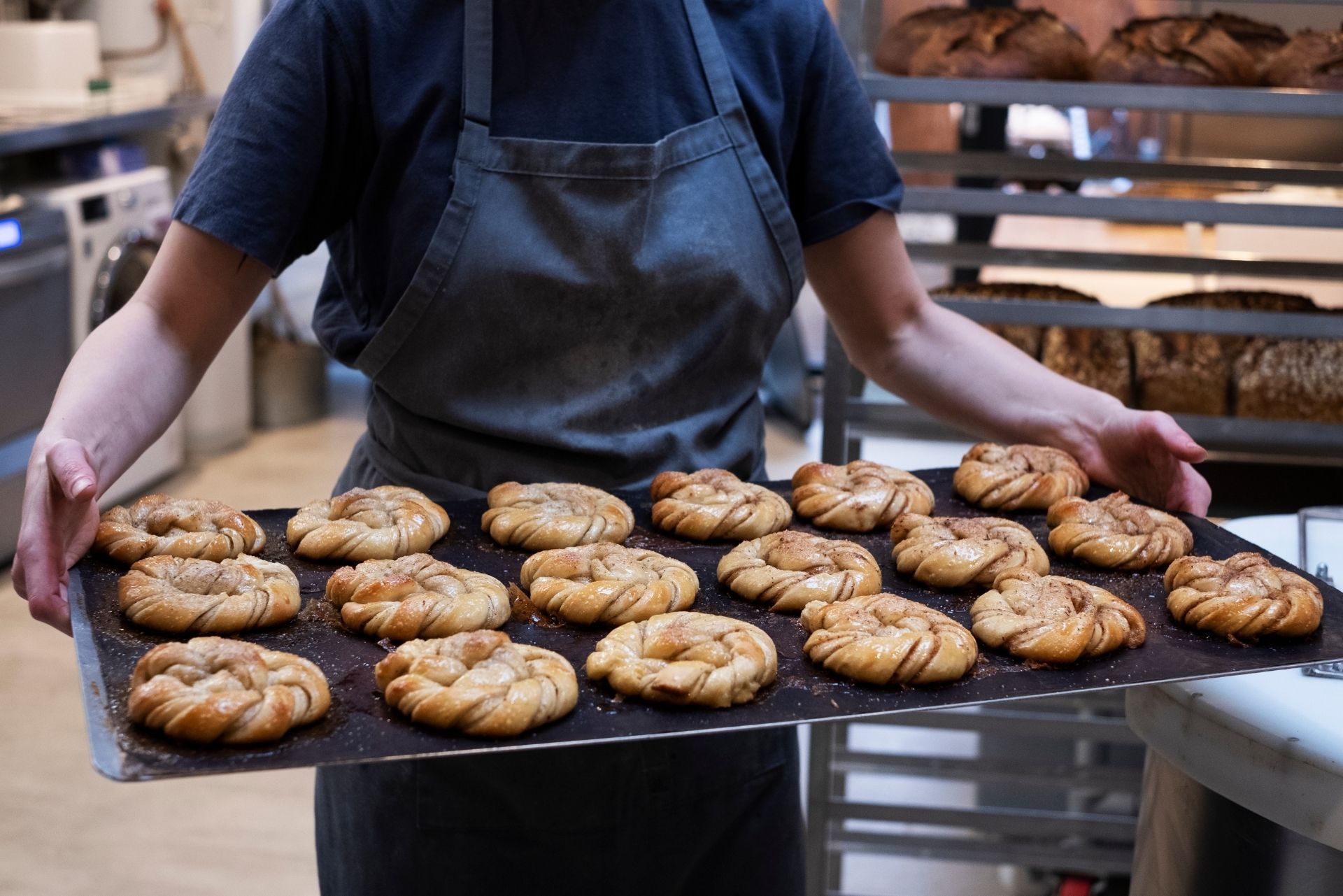
Running a bakery means juggling countless details-from perfecting recipes to managing daily sales. But one element that often slips under the radar is insurance. Without the right coverage, a single mishap could cost a bakery far more than lost ingredients or equipment downtime. For pastry chefs, bread bakers, and dessert makers alike, understanding business insurance is crucial to protect the heart of their craft.
The global bakery market was valued at around $418 billion in 2021, reflecting the scale and importance of this industry worldwide. As this sector grows, so does the complexity of risks that bakers face. Whether you’re a small artisan bakery or a larger commercial operation, insurance tailored to baked goods businesses can safeguard your livelihood. For a deeper look at the bakery industry’s size and trends, check out this baking industry statistics.
Why Bakery Insurance Matters
Bakeries operate in a unique environment. Unlike many retail businesses, bakers handle food products that require strict safety standards and timely delivery. Mark Hotze, Vice President of North America at Corbion, notes how the bakery landscape has changed: “It’s really a completely different environment... back then, we were worried about keeping bread on the shelves.” Today, challenges include not only supply chain issues but also liability risks and equipment breakdowns. With the increasing demand for artisanal and specialty baked goods, bakeries must also navigate the complexities of sourcing high-quality ingredients, which can sometimes lead to unexpected price fluctuations and availability concerns.
Insurance helps manage these risks by providing financial protection against common threats. For example, a slip-and-fall accident inside your bakery or a fire in the kitchen could lead to costly lawsuits or repairs. Without insurance, these expenses come directly out of your pocket, potentially threatening your business’s survival. Additionally, the financial implications of a temporary closure due to unforeseen circumstances can be devastating. Bakeries often rely on a steady stream of customers, and any disruption can lead to a significant loss of revenue, making it crucial to have a safety net in place.
Moreover, bakeries face product liability risks. If a customer becomes ill from a contaminated product or suffers an allergic reaction, the bakery could be held responsible. Having coverage that includes product liability can help cover legal fees and settlements in such cases. This is especially important as consumers become more health-conscious and aware of food safety issues, leading to a heightened scrutiny of ingredients and production practices. Bakeries must not only ensure the quality of their products but also keep detailed records of ingredient sourcing and preparation methods to mitigate potential claims.
Key Risks for Bakeries
Some of the most frequent risks bakeries encounter include:
- Property damage from fires, floods, or equipment failure
- Employee injuries during baking or delivery
- Customer injuries on premises
- Product contamination or allergen exposure
- Theft or vandalism
Understanding these risks is the first step toward selecting the right insurance coverage. Additionally, bakeries must remain vigilant about compliance with local health regulations and safety standards, as failing to do so can lead to fines and further liability issues. Regular training for staff on safety protocols and emergency procedures can also help minimize risks, ensuring that both employees and customers are protected. By proactively addressing these challenges, bakeries can create a safer environment and foster a positive reputation within their communities.

By: Dustin Hulett
Founder & CEO of Cuisine Coverage
Types of Insurance Coverage for Baked Goods Businesses
Bakery insurance isn’t one-size-fits-all. Different policies cover different risks, so it’s important to know what each type offers.
General Liability Insurance
This is the foundation of most bakery insurance plans. It covers bodily injury and property damage claims from customers or third parties. For example, if a customer slips on a wet floor, general liability can cover medical expenses and legal fees. Additionally, it can protect against claims related to advertising injuries, such as if a competitor feels that your marketing materials infringe on their intellectual property. This aspect of coverage is crucial in a competitive market where branding and reputation can make or break a business.
Product Liability Insurance
Given the nature of food products, product liability is critical. It protects against claims related to foodborne illnesses, allergic reactions, or other harm caused by your baked goods. This coverage is especially important as demand for specialty products like gluten-free items grows—gluten-free bakery products saw a 17% increase in demand between 2018 and 2022, showing how consumer preferences are evolving. Furthermore, with the rise of online sales and delivery services, bakeries must be vigilant about ensuring the safety and quality of their products throughout the entire supply chain, making product liability insurance an essential component of risk management.
Property Insurance
Property insurance covers damage to your bakery’s physical assets, including the building, ovens, refrigerators, and inventory. Fires, storms, or theft can cause significant losses, and this coverage helps you recover without a financial crisis. It's also worth noting that some policies may include coverage for equipment breakdown, which can be particularly beneficial for bakeries relying on specialized machinery for production. The downtime caused by equipment failure can lead to lost revenue and customer dissatisfaction, so having this additional layer of protection can be a game changer.
Business Owner’s Policy (BOP)
A BOP bundles general liability and property insurance, often with additional protections like business interruption coverage. For many small bakeries, this is a cost-effective way to get broad protection. The average bakery insurance cost for a BOP is about $67 per month, making it accessible for small operations. Moreover, BOPs can sometimes be customized to include specific coverage options tailored to the unique needs of a bakery, such as equipment breakdown or spoilage coverage, ensuring that you are comprehensively protected against various risks.
Workers’ Compensation Insurance
If you have employees, workers’ comp is usually required by law. It covers medical bills and lost wages if an employee is injured on the job. Baking involves physical labor and hot equipment, so workplace injuries are a real risk. In addition to the standard coverage, some policies may offer additional benefits, such as rehabilitation services and return-to-work programs, which can help injured employees transition back to their roles more smoothly. Investing in a safe work environment and proper training can also help reduce the likelihood of accidents, ultimately benefiting both your employees and your business's bottom line.
How Bakery Insurance Supports Business Growth
The bakery industry is growing steadily. In the UK, for example, the market is projected to expand at a compound annual growth rate of 2.7% through 2028-29, reaching £3.8 billion. This growth means more opportunities but also more exposure to risks as businesses scale operations and diversify product lines.
Employment in baking is also expected to grow faster than average, with a 6% increase projected between 2024 and 2034. More bakers in the workforce means more complexity in managing safety and liability. Having the right insurance coverage helps businesses navigate this growth with confidence.
Insurance also plays a role in profitability. Small bakeries typically operate on margins of 7-9%. Unexpected costs from accidents or damage can quickly erode these margins. Insurance acts as a financial buffer, keeping businesses stable during tough times.
Adapting to Consumer Trends
Consumer preferences are shifting toward healthier and specialty baked goods. Gluten-free options, for instance, have surged in popularity. This trend requires bakers to implement new production processes and manage allergen risks carefully. Insurance policies that include product liability and contamination coverage become even more important in this context.
Moreover, the rise of online ordering and delivery services has transformed the way bakeries operate. With the convenience of e-commerce, bakeries can reach a broader customer base, but this shift also introduces new challenges. Increased delivery logistics and the need for proper food handling during transport can lead to potential liabilities. Insurance that covers delivery-related incidents, such as vehicle accidents or product spoilage during transit, becomes essential for bakeries looking to expand their reach without compromising safety.
Additionally, as bakeries innovate with unique flavors and artisanal techniques, they may also explore collaborations with local businesses or participate in community events. These ventures can enhance brand visibility and customer engagement but can also introduce new risks. For example, hosting a pop-up event or collaborating with a local café might require additional coverage for public liability or event insurance. By understanding and addressing these evolving risks through comprehensive insurance solutions, bakeries can foster growth while ensuring their operations remain secure and resilient.
Choosing the Right Insurance for Your Bakery
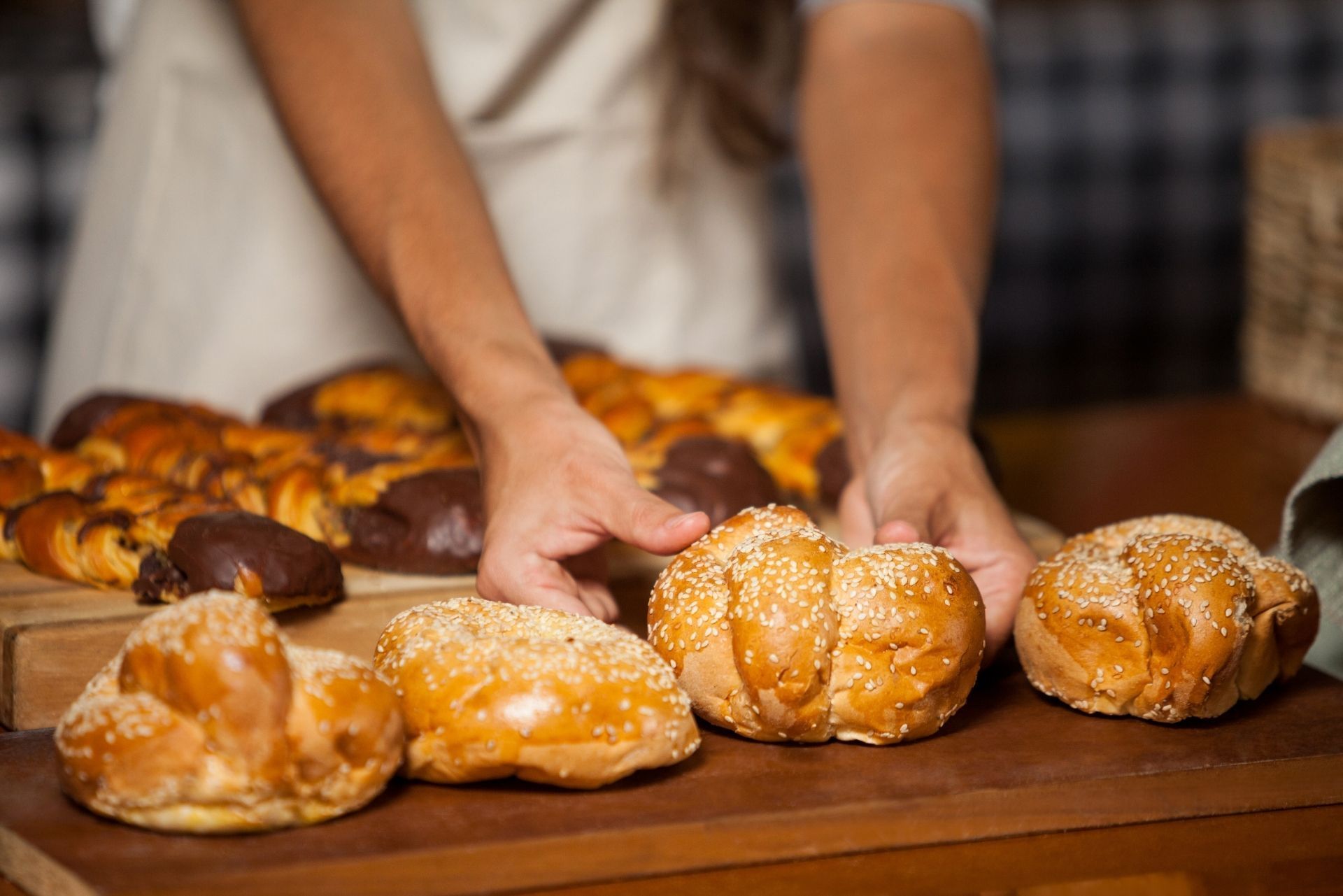
Every bakery is different. Your insurance needs depend on factors like business size, product range, location, and whether you have employees.
Assess Your Risks
Start by identifying your biggest risks. Are you primarily a storefront bakery with many customers visiting daily? Or do you focus on wholesale baked goods? Do you offer allergen-sensitive products? Each scenario demands a tailored approach. For instance, if you have a high foot traffic location, you may need to consider coverage for slip-and-fall accidents that could occur on your premises. On the other hand, if you ship products to customers, you should think about transit insurance to cover any potential damages during delivery.
Work with Experienced Providers
Insurance companies familiar with the food and bakery industry can offer policies that fit your unique needs. They understand the nuances of food safety regulations, equipment risks, and liability concerns specific to baked goods businesses. Additionally, these providers can help you navigate the complexities of health department requirements, ensuring that your bakery remains compliant while also protecting your assets. Their expertise can also extend to advising on best practices for risk management, which can further mitigate potential claims.
Consider Bundled Policies
Business Owner’s Policies often provide the best value for small to mid-sized bakeries. Bundling coverage reduces administrative hassle and can lower premiums. This can include general liability, property insurance, and even business interruption insurance, which can be crucial if your bakery faces unexpected closures due to a disaster or equipment failure. By consolidating your insurance needs, you not only save money but also simplify your insurance management, allowing you to focus more on baking and less on paperwork.
Review Coverage Limits
Make sure your policy limits are sufficient to cover potential claims. Underinsured bakeries risk facing out-of-pocket expenses that could cripple their operations. It’s essential to regularly reassess your coverage limits, especially as your business grows or if you introduce new products. For example, if you start offering custom cakes or catering services, your risk exposure changes, and so should your coverage. Regular discussions with your insurance agent can help ensure that your policy evolves alongside your business, providing peace of mind as you expand your offerings.
Common Questions About Bakery Insurance
What does bakery insurance typically cover?
It usually includes general liability, product liability, property insurance, and workers’ compensation. Some policies also offer business interruption and equipment breakdown coverage. Additionally, many insurers provide options for coverage against theft, vandalism, and even cyber liability, which is increasingly important as more bakeries establish an online presence for orders and marketing. This comprehensive approach ensures that all aspects of your bakery operations are safeguarded, allowing you to focus on what you do best: baking delicious goods.
Is product liability insurance necessary for all bakeries?
Yes. Since bakeries sell food products, product liability protects against claims related to illness or injury caused by those products. This is particularly crucial for bakeries that offer items containing common allergens like nuts, dairy, or gluten. In the event of a customer experiencing an allergic reaction or foodborne illness, having product liability insurance can help cover legal fees and settlements, which can be financially devastating without proper coverage. Furthermore, it demonstrates to customers that you take their safety seriously, potentially enhancing your bakery's reputation.
How much does bakery insurance cost?
The average cost for a Business Owner’s Policy is around $67 per month, but this varies based on location, size, and coverage limits. Factors such as the type of baked goods you produce, your bakery's location, and the number of employees can also influence premiums. For instance, bakeries in high-traffic urban areas may face higher rates due to increased risk of accidents or theft. It's advisable to shop around and compare quotes from different insurance providers to find the best policy that fits your specific needs and budget.
Do I need workers’ compensation insurance if I have employees?
In most states, yes. Workers’ compensation covers medical expenses and lost wages for employees injured on the job. This is especially relevant in a bakery environment where employees may be exposed to potential hazards such as hot ovens, heavy equipment, and slippery floors. Additionally, some states have specific regulations regarding the number of employees that necessitate coverage, so it's essential to stay informed about local laws. Having this insurance not only protects your employees but also fosters a safer workplace culture, which can lead to higher employee morale and retention.
Can insurance help if my bakery has to close temporarily?
Business interruption coverage can provide financial support if your bakery must close due to a covered event like a fire or natural disaster. This type of insurance can help cover lost income and ongoing expenses, such as rent and utilities, during the closure period. Additionally, it can also extend to situations like a pandemic, where government mandates may force temporary shutdowns. Understanding the specifics of your policy is crucial, as some may have waiting periods or caps on coverage amounts, so you can effectively plan for unexpected disruptions.
How does insurance handle gluten-free or specialty products?
Product liability coverage extends to all your products, including specialty items. It helps protect against claims related to allergens or contamination. Given the increasing popularity of gluten-free and vegan options, it's essential to ensure that your bakery's insurance policy adequately covers these unique products, as they may carry different risks compared to traditional baked goods. Additionally, if your bakery offers custom orders or unique flavor combinations, it's wise to discuss these with your insurance provider to ensure all potential liabilities are addressed, safeguarding both your business and your customers.
What to Remember When Insuring Your Bakery
Insurance is more than a regulatory requirement. It’s a strategic tool that protects your passion and investment. The bakery industry contributes significantly to the economy-over $533 billion in the U.S. alone, according to the American Bakers Association’s 2023 Economic Impact Study. This scale underscores the importance of maintaining strong risk management practices.
Choosing the right insurance means balancing cost with comprehensive protection. It requires understanding your unique risks and working with knowledgeable providers. With the right coverage, bakers can focus on what they do best: creating delicious pastries, breads, and desserts without worrying about what might go wrong.
For a detailed look at employment trends in baking, visit the
U.S. Bureau of Labor Statistics. To explore market projections, see the IBISWorld bakery market report
About The Author:
Dustin Hulett
As Owner of Cuisine Coverage powered by Hulett Insurance, I specialize in protecting restaurants, bars, and hospitality businesses with smart, reliable insurance solutions. With years of experience serving the food and beverage industry, my goal is to make coverage simple, transparent, and built around the unique risks that owners face every day.
Contact Us
Business Coverage
Protection for Every Part of Your Food Business
Cuisine Coverage provides specialized insurance for restaurants, food trucks, catering services, and other hospitality businesses. We help owners protect their property, staff, and reputation with policies built around the most common industry risks.

General Liability Insurance
Protects your business from claims related to injury, property damage, or accidents that happen during operations.
General Liability
Liquor Liability Insurance
Covers alcohol-related incidents for restaurants, bars, or venues that serve or sell alcohol.
Liquor Liability
Workers Compensation Insurance
Provides wage replacement and medical benefits to employees injured on the job.
Workers Compensation
Business Interruption Insurance
Helps replace lost income and cover ongoing expenses if your business operations are temporarily halted.
Business Interruption
Product Liability Insurance
Protects against claims related to foodborne illness, contamination, or product defects.
Product Liability
Cyber Liability Insurance
Covers data breaches, online payment issues, and digital risks that can affect modern food businesses.
Cyber Liability
Serving the Food and Hospitality Industry
Insurance Solutions for Every Type of Food Business
Cuisine Coverage provides specialized insurance for restaurants, cafés, and food service professionals across the country. Whether you run a casual kitchen or a mobile food truck, we offer coverage that fits your operations and risk level.

How It Works
Insurance Made Easy for Food Business Owners
We know you don’t have time to deal with complicated insurance forms. That’s why our process is built for speed and simplicity — so you can get back to running your kitchen.
Your Insurance Questions Answered
What Restaurant and Food Business Owners Ask Most
What types of insurance do restaurants and food businesses need?
Most food businesses need general liability, property, and workers’ compensation coverage. These protect against injuries, equipment damage, and employee-related incidents. Businesses serving alcohol should also include liquor liability insurance for extra protection.
Having the right mix of policies helps reduce financial risks. We’ll help you identify the specific coverages your business needs based on your setup, size, and operations.
Do you provide insurance for food trucks and mobile kitchens?
Yes. We specialize in insurance for food trucks, trailers, and mobile vendors. Our coverage includes vehicle protection, cooking equipment, and liability for events or customer interactions.
We can also help you meet licensing and vendor requirements by issuing certificates of insurance quickly — often the same day.
How fast can I get a quote or start coverage?
In most cases, quotes are ready within 24 hours once we have your business details. After approval, coverage and certificates can be issued immediately.
Our process is fully digital but supported by real agents who review each policy for accuracy. You’ll always know exactly what you’re getting before coverage starts.
Do you offer liquor liability insurance for bars or restaurants?
Yes. We provide liquor liability insurance for bars, taverns, and restaurants that sell or serve alcohol. This coverage protects against claims involving intoxicated patrons or alcohol-related incidents.
It’s essential for maintaining compliance with local laws and protecting your business from costly lawsuits. We’ll ensure your policy meets all licensing requirements.
How can I reduce my insurance costs?
You can often lower premiums by bundling multiple coverages, maintaining clean safety records, and conducting regular policy reviews. Many insurers also offer discounts for installing safety systems and training employees.
At Cuisine Coverage, we proactively review your policy before renewal to help you keep costs down without reducing protection.
Do you help with certificates of insurance (COIs)?
Yes. We provide same-day certificates for vendors, landlords, and event partners. You can request them by phone or email anytime.
Having your COI ready keeps your business compliant and avoids delays in operations. Our team handles these requests quickly so you can stay focused on running your business.
From the Kitchen to Coverage
Real Advice for the Food and Hospitality Industry
We share tips, updates, and real-world stories from the food and insurance industries. Whether you’re managing a restaurant or rolling out a food truck, our articles give you useful guidance to protect your business and grow with confidence.
Contact Us
Phone
Location