Drive-Thru Restaurant INSURANCE
OR call us: (214) 667-2729
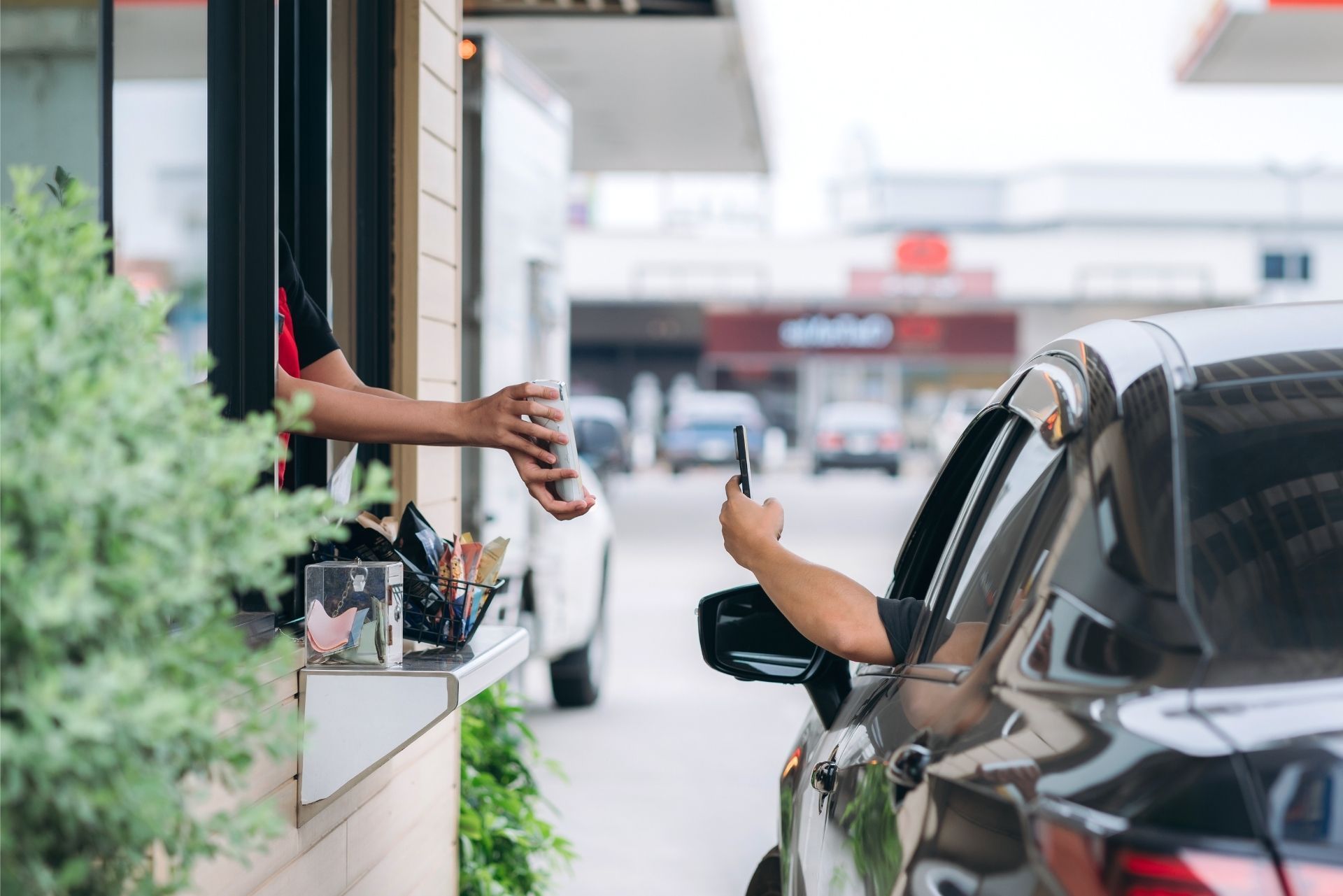
Drive-thru restaurants have become a cornerstone of the quick service restaurant (QSR) industry, generating a staggering 60% of QSR revenue in the United States. This business model offers convenience and speed, but it also introduces unique risks that traditional dine-in establishments might not face. Understanding the insurance coverage necessary for a drive-thru restaurant is crucial to protect against accidents, equipment failures, and liability claims that can quickly escalate into costly losses.
Insurance for drive-thru operations goes beyond standard restaurant policies. It must address specific challenges like high customer traffic in confined spaces, equipment breakdowns that can halt service, and liability exposures from slip-and-fall incidents or weather-related damages. This article breaks down the key insurance coverages every drive-thru restaurant owner should consider to safeguard their business effectively.
Why Drive-Thru Restaurants Need Specialized Insurance Coverage
Drive-thru restaurants operate in a fast-paced environment where customer safety, food quality, and operational continuity are top priorities. Unlike traditional restaurants, drive-thrus handle a continuous flow of vehicles and customers, increasing the probability of accidents on site. Slip-and-fall incidents alone generate insurance payouts that are 4.5 times higher than injuries from cuts or punctures, highlighting the costly nature of these accidents in restaurant settings.
Moreover, drive-thru restaurants rely heavily on specialized equipment to prepare and serve food quickly. Equipment breakdowns can disrupt service, leading to lost revenue and dissatisfied customers. Between January 2021 and July 2024, equipment breakdown was one of the top categories for restaurant insurance claims, alongside employee injuries, theft, and vandalism.
Given these risks, insurance policies for drive-thru restaurants must be tailored to cover the full spectrum of exposures. This includes general liability for customer injuries, property insurance for equipment and premises, and business interruption coverage to mitigate losses during downtime.
In addition to the physical risks associated with the drive-thru environment, there are also unique challenges related to food safety and compliance. Drive-thru restaurants must adhere to strict health regulations, ensuring that food is prepared and served at the correct temperatures to prevent foodborne illnesses. Failure to comply with these regulations can result in costly fines and damage to the restaurant's reputation. Specialized insurance can help mitigate these risks by covering legal fees and penalties associated with health code violations.
Furthermore, the rise of digital ordering and payment systems has introduced new vulnerabilities, including cybersecurity threats. Drive-thru restaurants that utilize mobile apps and online ordering platforms must protect customer data from breaches and fraud. Cyber liability insurance is becoming increasingly important for these establishments, as it can provide coverage for data recovery, legal fees, and customer notification costs in the event of a data breach. As technology continues to evolve, drive-thru restaurants must stay vigilant and ensure their insurance policies adapt to cover these emerging risks.
For more insight into the financial impact of these risks, see this
hospitality insurance claim statistics that detail common claim types and costs.

By: Dustin Hulett
Founder & CEO of Cuisine Coverage
Key Insurance Coverages for Drive-Thru Restaurants
General Liability Insurance
General liability insurance is fundamental for any restaurant, including drive-thrus. It protects against third-party claims of bodily injury or property damage occurring on the premises. For drive-thru restaurants, this often involves slip-and-fall accidents in parking or waiting areas, which are notably expensive claims. The average loss per restaurant insurance claim is around $9,000, with slip-and-fall incidents being among the costliest.
This coverage also extends to incidents like customer injuries caused by faulty equipment or accidents in the drive-thru lane. Without adequate liability insurance, a single lawsuit could threaten the financial stability of the business. Moreover, the presence of high foot traffic and the nature of quick service can increase the likelihood of accidents, making it imperative for drive-thru operators to prioritize this coverage. In addition, many customers may not be aware of the risks involved in a fast-paced environment, which can lead to unexpected liabilities for the restaurant owner.
Property and Equipment Insurance
Drive-thru restaurants depend on a range of equipment, from fryers and grills to point-of-sale systems and drive-thru intercoms. Equipment breakdowns not only incur repair or replacement costs but also disrupt service, potentially leading to lost sales during peak hours.
Property insurance covers damage to the building and equipment caused by fire, water damage, vandalism, or other covered perils. Fire and water damage are among the most expensive claim categories for restaurants, underscoring the importance of comprehensive property coverage. Additionally, drive-thru restaurants often have unique structures, such as canopies and signage, which may require specialized coverage to ensure that all aspects of the business are protected. Investing in a thorough property insurance policy can safeguard against unexpected events that could otherwise lead to significant financial loss.
Given the reliance on equipment for fast service, some policies offer equipment breakdown insurance as a standalone or add-on coverage to address mechanical failures specifically. This can be particularly beneficial for drive-thrus, where any delay can result in lost customers and diminished reputation.
Business Interruption Insurance
When equipment breaks down or the restaurant sustains damage from a covered peril, business interruption insurance helps cover lost income and ongoing expenses during the downtime. This coverage is critical for drive-thru restaurants where even short closures can significantly impact revenue, especially during busy seasons.
Claims tend to peak during summer months, coinciding with increased customer traffic and higher risk of workplace accidents. Having business interruption coverage ensures the restaurant can recover financially without jeopardizing staff or operations. Furthermore, this type of insurance can also cover expenses related to relocating temporarily, such as renting equipment or leasing a different space, which can be crucial for maintaining customer relationships and brand loyalty during unforeseen disruptions.
Workers’ Compensation Insurance
Employee injuries are a common claim source in the restaurant industry. Drive-thru staff face hazards like slips on wet surfaces, burns from hot equipment, or injuries from repetitive tasks. Workers’ compensation insurance covers medical expenses and lost wages for injured employees, protecting both the staff and the business owner from costly lawsuits.
Between 2021 and 2024, employee injuries consistently ranked among the top causes of insurance claims in restaurants, emphasizing the need for this coverage. Additionally, providing a safe working environment not only fulfills legal obligations but also boosts employee morale and retention. Drive-thru operators can enhance safety protocols by investing in training programs and safety equipment, which can further reduce the likelihood of accidents and, consequently, insurance claims.
Weather-Related Coverage
Extreme weather events pose a growing threat to restaurant operations. Despite this, 38% of restaurant owners lack business insurance coverage for extreme weather in 2025, up from 29% the previous year. Another 37% remain uncertain about their coverage, which leaves many businesses vulnerable to losses from storms, flooding, or wind damage.
Drive-thru restaurants should evaluate their policies to ensure protection against weather-related risks. This includes coverage for physical damage to the building and equipment, as well as business interruption caused by weather events. The unpredictability of climate patterns makes it essential for restaurant owners to stay informed about their insurance options and adjust their coverage as necessary. Moreover, proactive measures such as reinforcing structures and implementing drainage solutions can mitigate damage and reduce insurance costs over time.
According to a recent report, 45% of restaurant owners feel very prepared for severe weather, but a significant portion still lack confidence in their readiness. Investing in appropriate insurance can bridge this gap and provide peace of mind. Additionally, staying connected with local weather services and emergency management can help drive-thru restaurants respond swiftly to weather-related threats, ensuring the safety of both employees and customers.
Learn more about these trends at
restaurant insurance coverage for extreme weather.
Maintaining Food Quality and Its Impact on Liability
Food quality is a critical factor in a drive-thru restaurant’s success. Customers expect their orders to taste as expected every time, and temperature plays a major role in this perception. Studies show that food quality, defined as food tasting ‘as expected,’ is 24% higher when food is received hot compared to when it is not.
Maintaining proper food temperature reduces the risk of foodborne illness claims and customer dissatisfaction. Brands like Chick-fil-A and Raising Cane’s have set high standards, both scoring 99% for the taste of their main items. Chick-fil-A has held this spot for three years running, while Raising Cane’s made a strong debut tying for first place.
Ensuring food quality through proper equipment maintenance and handling procedures is not just a matter of customer satisfaction—it also helps minimize liability risks related to food safety. The importance of training staff in food handling protocols cannot be overstated. Employees should be well-versed in the safe storage, preparation, and serving of food, as improper handling can lead to contamination and subsequent health risks. Regular training sessions and updates on food safety regulations can empower staff to take ownership of food quality, fostering a culture of excellence within the establishment.
Moreover, the role of technology in maintaining food quality is becoming increasingly significant. Advanced temperature monitoring systems can help ensure that food is kept at safe temperatures throughout the preparation and serving process. These systems can alert staff in real-time if temperatures fall outside of safe ranges, allowing for immediate corrective actions. Additionally, implementing customer feedback mechanisms can provide invaluable insights into food quality perceptions, enabling restaurants to make data-driven improvements. More details on how temperature affects food quality can be found in this
drive-thru report on food quality.
Common Insurance Claims and How to Prevent Them
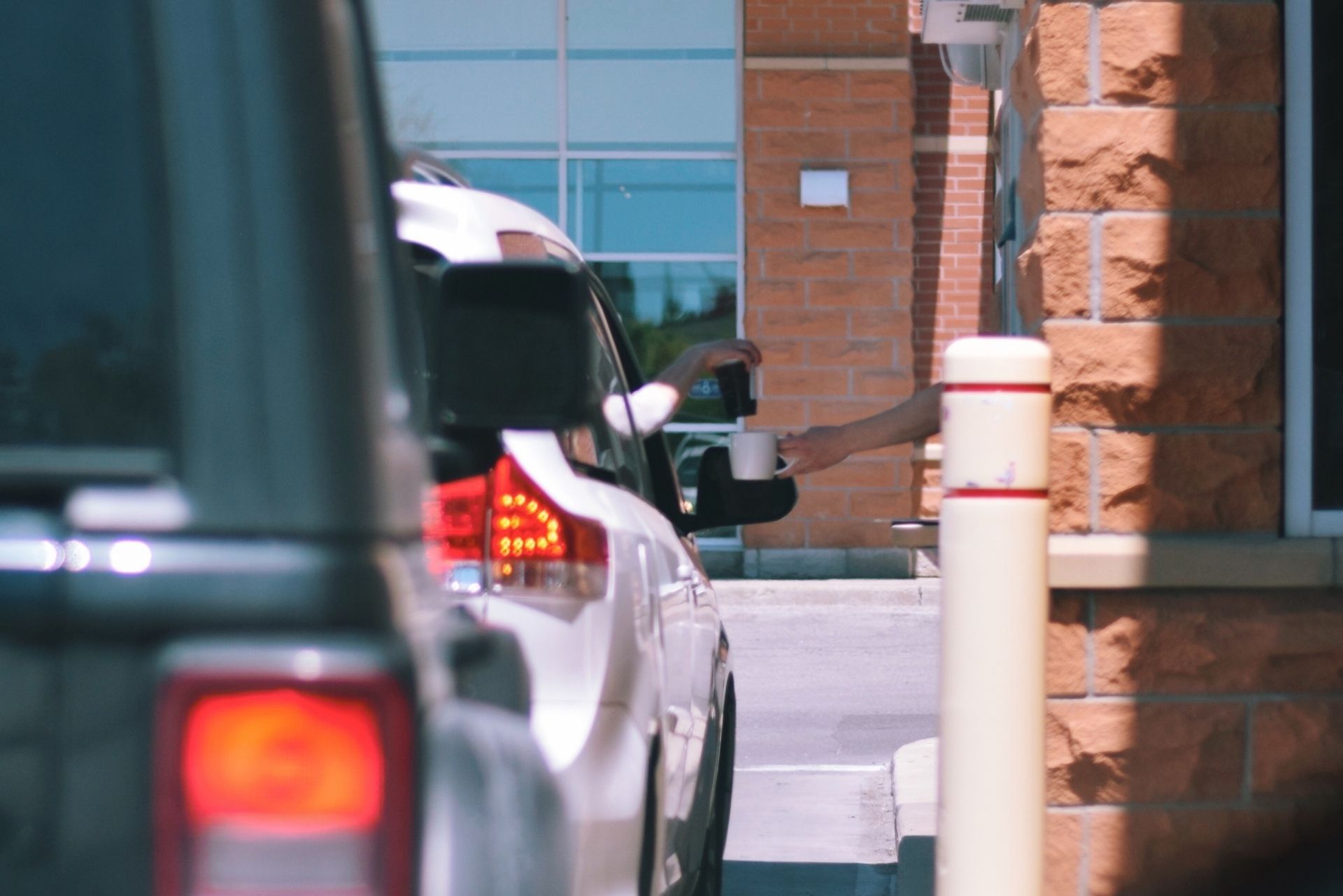
Understanding the most frequent and costly insurance claims in drive-thru restaurants can help owners take proactive steps to reduce risks.
Slip-and-Fall Incidents
Slip-and-fall accidents are the leading cause of costly claims in restaurant settings. These incidents often occur in drive-thru lanes, parking lots, or entryways where spills, wet surfaces, or uneven pavement pose hazards. Because these claims generate payouts 4.5 times higher than other injury types, preventing them should be a top priority.
Regular maintenance, prompt spill cleanup, clear signage, and well-lit areas can significantly reduce the risk of slip-and-fall accidents. Training staff to recognize and address hazards quickly is equally important. Additionally, implementing a routine inspection checklist for high-risk areas can help ensure that potential dangers are identified and mitigated before they lead to accidents. Engaging customers with visible safety reminders, such as floor mats with anti-slip features, can also enhance awareness and encourage caution.
Equipment Breakdown
Breakdowns of kitchen appliances, heating and cooling systems, or drive-thru communication equipment disrupt operations and lead to insurance claims. Preventive maintenance schedules and investing in high-quality equipment can lower the likelihood of unexpected failures.
Having equipment breakdown insurance ensures that repair or replacement costs are covered without draining business funds. Additionally, keeping an inventory of essential spare parts on hand can minimize downtime when equipment malfunctions. Training staff on basic troubleshooting techniques can also empower them to address minor issues before they escalate into major problems, thus maintaining operational efficiency.
Theft and Vandalism
Drive-thru restaurants can be targets for theft or vandalism, especially during off-hours. Security measures such as cameras, alarms, and secure storage for cash and supplies help mitigate these risks.
Insurance coverage for theft and vandalism protects the business from financial losses and supports recovery efforts. Furthermore, fostering a strong community relationship can act as a deterrent against crime; engaging local residents through outreach programs or neighborhood watch initiatives can create a sense of shared responsibility for safety. Regularly reviewing security protocols and updating them based on emerging threats can also enhance the overall security posture of the restaurant.
Fire and Water Damage
Fires and water damage rank among the costliest claims for restaurants. Fire prevention strategies include regular inspections of electrical systems, proper storage of flammable materials, and employee training on emergency procedures. Water damage can result from plumbing failures, storms, or sprinkler system malfunctions.
Property insurance with coverage for fire and water damage is essential to avoid devastating financial consequences. Additionally, investing in fire suppression systems and ensuring that all employees are familiar with evacuation routes can significantly enhance safety. Implementing a robust water management plan, which includes routine checks of plumbing systems and drainage, can also help prevent water-related incidents. By being proactive in these areas, restaurant owners can not only protect their assets but also ensure the safety of their employees and customers.
How to Choose the Right Insurance for Your Drive-Thru Restaurant
Selecting the right insurance policy involves assessing your specific risks and business needs. Consider the following steps:
- Evaluate your risk exposures: Identify areas prone to accidents, equipment failure, or weather damage.
- Compare coverage options: Look for policies that cover general liability, property, equipment breakdown, workers’ compensation, and business interruption.
- Review policy limits and deductibles: Ensure they align with your potential losses and financial capacity.
- Work with an experienced insurance advisor: A professional can tailor coverage to your drive-thru’s unique challenges and help navigate complex terms.
Remember, nearly 40% of restaurant owners lack adequate insurance coverage for extreme weather, and many are uncertain about their protection. Taking a proactive approach to insurance can save your business from unexpected setbacks.
What to Remember About Drive-Thru Restaurant Insurance
Drive-thru restaurants face distinct risks that require specialized insurance coverage. Slip-and-fall incidents, equipment breakdowns, employee injuries, and weather-related damages are among the top challenges that can lead to costly claims. On average, restaurants filing insurance claims experience losses around $9,000, with fine dining venues facing nearly double that amount.
Maintaining food quality, especially serving hot food, not only satisfies customers but also reduces liability risks. Brands excelling in this area demonstrate how critical operational excellence is for success.
Insurance policies should be comprehensive, covering liability, property, equipment, workers’ compensation, and business interruption. Regular risk assessments and preventive measures can further minimize claims and protect your bottom line.
For a deeper dive into restaurant insurance claim trends and coverage details, visit this
hospitality insurance claim report.
Frequently Asked Questions
Q: Is general liability insurance enough for a drive-thru restaurant?
A: General liability is essential but usually not enough. You also need property, equipment breakdown, workers’ compensation, and business interruption coverage to fully protect your business.
Q: How can I reduce slip-and-fall risks at my drive-thru?
A: Regularly inspect and maintain walkways, clean spills promptly, use clear signage, and ensure good lighting to prevent accidents.
Q: What should I do if my equipment breaks down during peak hours?
A: Having equipment breakdown insurance helps cover repair costs. Also, schedule regular maintenance to reduce the chance of unexpected failures.
Q: How does weather affect my insurance needs?
A: Extreme weather can cause property damage and business interruptions. Ensure your policy includes coverage for these risks to avoid costly out-of-pocket expenses.
Q: Why is food temperature important for liability?
A: Serving food at the right temperature ensures quality and safety. Cold or improperly handled food can lead to customer complaints or foodborne illness claims.
Q: Are fine dining restaurants more expensive to insure than drive-thru restaurants?
A: Fine dining venues typically report nearly double the average claim costs compared to other restaurants, reflecting higher liability and property risks.
About The Author:
Dustin Hulett
As Owner of Cuisine Coverage powered by Hulett Insurance, I specialize in protecting restaurants, bars, and hospitality businesses with smart, reliable insurance solutions. With years of experience serving the food and beverage industry, my goal is to make coverage simple, transparent, and built around the unique risks that owners face every day.
Contact Us
Business Coverage
Protection for Every Part of Your Food Business
Cuisine Coverage provides specialized insurance for restaurants, food trucks, catering services, and other hospitality businesses. We help owners protect their property, staff, and reputation with policies built around the most common industry risks.

General Liability Insurance
Protects your business from claims related to injury, property damage, or accidents that happen during operations.
General Liability
Liquor Liability Insurance
Covers alcohol-related incidents for restaurants, bars, or venues that serve or sell alcohol.
Liquor Liability
Workers Compensation Insurance
Provides wage replacement and medical benefits to employees injured on the job.
Workers Compensation
Business Interruption Insurance
Helps replace lost income and cover ongoing expenses if your business operations are temporarily halted.
Business Interruption
Product Liability Insurance
Protects against claims related to foodborne illness, contamination, or product defects.
Product Liability
Cyber Liability Insurance
Covers data breaches, online payment issues, and digital risks that can affect modern food businesses.
Cyber Liability
Serving the Food and Hospitality Industry
Insurance Solutions for Every Type of Food Business
Cuisine Coverage provides specialized insurance for restaurants, cafés, and food service professionals across the country. Whether you run a casual kitchen or a mobile food truck, we offer coverage that fits your operations and risk level.
How It Works
Insurance Made Easy for Food Business Owners
We know you don’t have time to deal with complicated insurance forms. That’s why our process is built for speed and simplicity — so you can get back to running your kitchen.
Your Insurance Questions Answered
What Restaurant and Food Business Owners Ask Most
What types of insurance do restaurants and food businesses need?
Most food businesses need general liability, property, and workers’ compensation coverage. These protect against injuries, equipment damage, and employee-related incidents. Businesses serving alcohol should also include liquor liability insurance for extra protection.
Having the right mix of policies helps reduce financial risks. We’ll help you identify the specific coverages your business needs based on your setup, size, and operations.
Do you provide insurance for food trucks and mobile kitchens?
Yes. We specialize in insurance for food trucks, trailers, and mobile vendors. Our coverage includes vehicle protection, cooking equipment, and liability for events or customer interactions.
We can also help you meet licensing and vendor requirements by issuing certificates of insurance quickly — often the same day.
How fast can I get a quote or start coverage?
In most cases, quotes are ready within 24 hours once we have your business details. After approval, coverage and certificates can be issued immediately.
Our process is fully digital but supported by real agents who review each policy for accuracy. You’ll always know exactly what you’re getting before coverage starts.
Do you offer liquor liability insurance for bars or restaurants?
Yes. We provide liquor liability insurance for bars, taverns, and restaurants that sell or serve alcohol. This coverage protects against claims involving intoxicated patrons or alcohol-related incidents.
It’s essential for maintaining compliance with local laws and protecting your business from costly lawsuits. We’ll ensure your policy meets all licensing requirements.
How can I reduce my insurance costs?
You can often lower premiums by bundling multiple coverages, maintaining clean safety records, and conducting regular policy reviews. Many insurers also offer discounts for installing safety systems and training employees.
At Cuisine Coverage, we proactively review your policy before renewal to help you keep costs down without reducing protection.
Do you help with certificates of insurance (COIs)?
Yes. We provide same-day certificates for vendors, landlords, and event partners. You can request them by phone or email anytime.
Having your COI ready keeps your business compliant and avoids delays in operations. Our team handles these requests quickly so you can stay focused on running your business.
From the Kitchen to Coverage
Real Advice for the Food and Hospitality Industry
We share tips, updates, and real-world stories from the food and insurance industries. Whether you’re managing a restaurant or rolling out a food truck, our articles give you useful guidance to protect your business and grow with confidence.
Contact Us
Phone
Location