Salad Bar INSURANCE
OR call us: (214) 667-2729
Running a fresh-serve restaurant like a salad bar means juggling a unique set of risks. From food safety concerns to equipment breakdowns and employee injuries, these health-focused eateries face challenges that require specialized insurance coverage. With the restaurant industry projected to surpass $1 trillion in sales this year, understanding how to protect your business is more important than ever according to the National Restaurant Association.
Insurance for salad bars isn’t just about ticking a box. It’s about making sure your fresh ingredients, equipment, and staff are covered against the risks that can quickly turn a busy day into a costly disaster. This article breaks down the key insurance needs for salad bars and similar health-conscious restaurants, helping owners make informed decisions to safeguard their operations.
Why Salad Bars Need Specialized Insurance Coverage
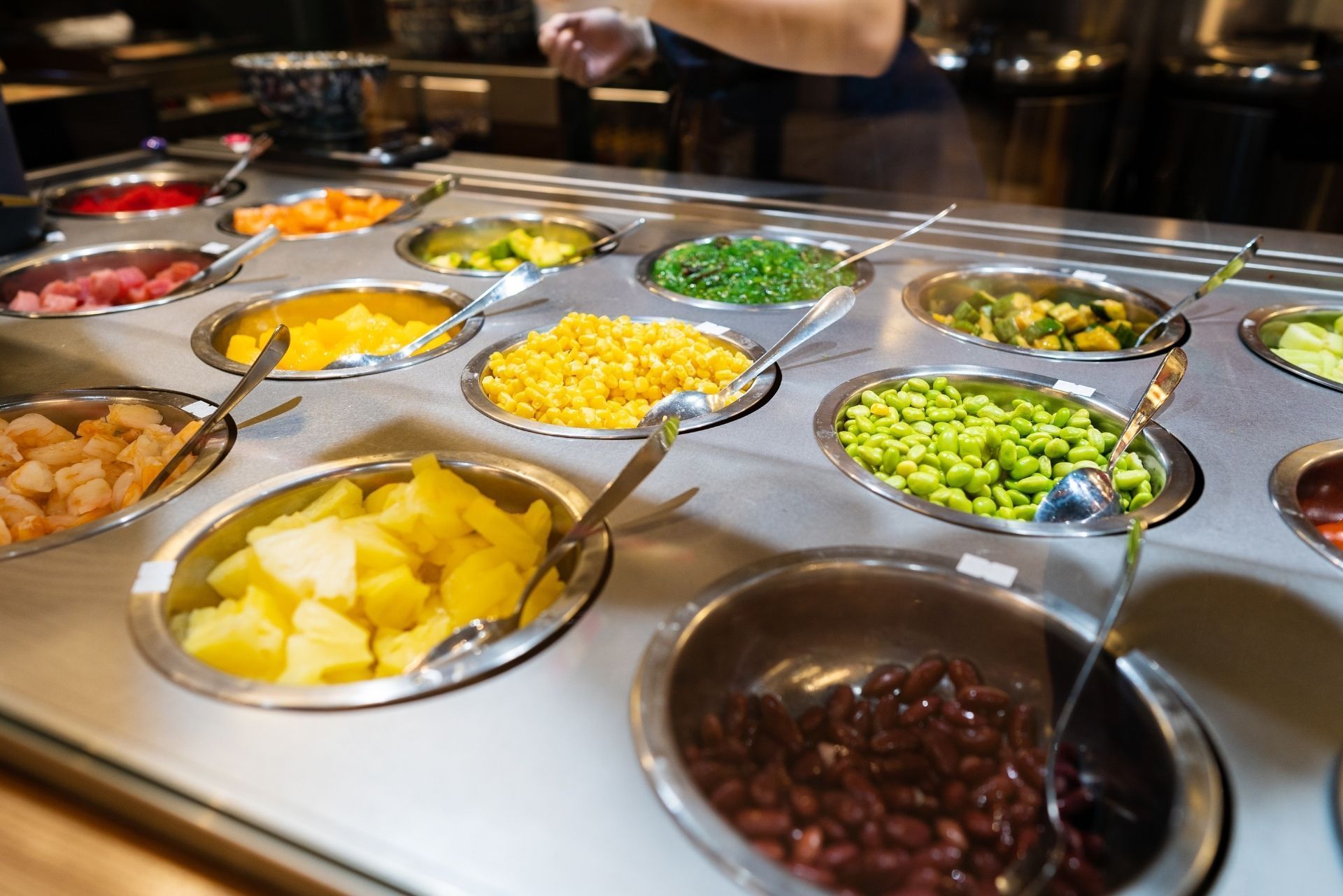
Salad bars operate differently from traditional restaurants. They rely heavily on fresh produce, cold storage, and a self-serve model that introduces specific liabilities. For example, food spoilage can happen fast if refrigeration fails, leading to significant losses. Plus, the open layout where customers serve themselves increases the risk of slip-and-fall accidents.
Equipment breakdown claims top the list for restaurant insurance claims at 17%, closely followed by employee injuries and slip-and-fall incidents, which account for nearly 13% each according to Oysterlink. For salad bars, these risks are front and center, making tailored insurance essential.
Beyond physical risks, health-focused restaurants often face pressure from rising operational costs. Health insurance for employees is a growing concern, with the average family health plan costing over $25,500 in 2024, a 7% increase from last year according to restaurant.org. This financial strain can impact a restaurant’s ability to maintain comprehensive coverage. Additionally, the competitive landscape of the health food industry demands that salad bars not only attract customers with quality offerings but also ensure that their operational practices are sustainable and compliant with health regulations.
Food Safety and Liability Risks
Salad bars must maintain strict food safety standards to avoid contamination and foodborne illnesses. A single outbreak can lead to lawsuits and reputational damage. General liability insurance protects against claims arising from customer illnesses linked to your food. The importance of rigorous food handling procedures cannot be overstated; implementing regular training sessions for staff on hygiene practices and safe food preparation can significantly mitigate these risks. Furthermore, maintaining clear records of food sourcing and preparation can bolster a salad bar's defense in the event of a liability claim.
Also, product liability coverage can be crucial if a supplier’s ingredient causes harm. This coverage helps cover legal fees and settlements, shielding your business from unexpected costs. Given the reliance on various suppliers for fresh produce, it is vital for salad bars to establish strong relationships with reputable vendors who prioritize quality and safety in their products. Regular audits of supplier practices can further enhance a salad bar’s risk management strategy.
Employee Injuries and Workers Compensation
Handling fresh produce and operating refrigeration equipment exposes staff to potential injuries. From cuts to slips on wet floors, these incidents are common in fresh-serve environments. Workers compensation insurance is mandatory in most states and covers medical expenses and lost wages for injured employees. Beyond compliance, fostering a culture of safety within the workplace can significantly reduce the incidence of injuries. Regular safety drills and the implementation of ergonomic practices can empower employees to work more safely and efficiently.
Given that restaurants often operate on thin profit margins—sometimes as low as 10% after expenses
according to Ambassador Group Insurance CEO David DeLorenzo—unexpected injury claims can quickly erode profits. Moreover, investing in safety equipment, such as non-slip mats and proper cutting tools, can be a proactive measure that not only protects employees but also enhances overall operational efficiency. By prioritizing both employee well-being and customer safety, salad bars can create a more sustainable business model that withstands the challenges of the industry.

By: Dustin Hulett
Founder & CEO of Cuisine Coverage
Key Insurance Policies for Salad Bars and Health-Focused Restaurants
Choosing the right mix of insurance policies can feel overwhelming, but focusing on the core risks helps simplify the process. Here are the essential coverages salad bars should consider.
General Liability Insurance
This is the foundation of any restaurant’s insurance portfolio. It covers bodily injury, property damage, and personal injury claims from customers or third parties. For salad bars, this includes slip-and-fall incidents and allergic reactions. In a bustling environment where customers are often interacting with food stations, the risk of accidents increases. Ensuring that your establishment is adequately covered can protect you from costly legal battles and settlements, which can arise from even minor incidents.
Property Insurance
Protects your physical assets such as refrigeration units, salad bar stations, and kitchen equipment from damage due to fire, theft, vandalism, or natural disasters. Considering that 38% of U.S. restaurant owners currently lack business insurance coverage for extreme weather events, up from 29% last year according to a January 2025 survey, this coverage is critical. Additionally, the unique layout of salad bars, often featuring open displays of fresh ingredients, necessitates a robust property insurance policy to ensure that all aspects of the business are safeguarded against unforeseen circumstances that could lead to spoilage or loss of inventory.
Workers Compensation Insurance
Covers employee injuries and illnesses related to work. Given the physical nature of salad bar operations, this insurance is not optional in most states. It helps manage costs and protects your business from lawsuits. With employees frequently lifting heavy containers and working with sharp utensils, the likelihood of workplace injuries increases. Moreover, providing a safe working environment is not only a legal obligation but also enhances employee satisfaction and productivity, fostering a positive workplace culture.
Business Interruption Insurance
If your salad bar has to close temporarily due to an insured event, this coverage helps replace lost income and covers ongoing expenses. For fresh-serve restaurants, even a short closure can lead to significant revenue loss. In addition to covering fixed costs like rent and utilities, this insurance can also help fund marketing efforts to regain customer loyalty after reopening, ensuring that your business can bounce back more effectively.
Equipment Breakdown Insurance
Refrigeration and food prep equipment are vital to salad bars. Equipment failure can cause spoilage and halt operations. This insurance covers repair or replacement costs, minimizing downtime. Given the perishable nature of salad ingredients, even a brief equipment malfunction can lead to substantial financial losses. Regular maintenance and inspections can help mitigate risks, but having equipment breakdown insurance provides an added layer of security, allowing you to focus on serving your customers without the constant worry of unexpected expenses.
Health Insurance for Employees
Offering health insurance is a major expense for restaurant owners. About 38% of restaurants stopped offering health insurance from one year to the next in 2019 according to Schneider Insurance, often due to rising costs. A 10% increase in health insurance premiums raises the likelihood of dropping coverage by 5.5 percentage points. This trend puts pressure on restaurants to balance employee benefits with tight profit margins. Still, providing health insurance can improve staff retention and morale. Additionally, offering comprehensive health benefits can attract top talent in a competitive job market, positioning your salad bar as a desirable place to work. Investing in your employees' health not only fosters loyalty but can also lead to a more engaged and productive workforce, ultimately benefiting your bottom line.
Managing Costs While Maintaining Adequate Coverage
Profit margins in the restaurant industry are notoriously slim. Many operators struggle to cover rising labor, food, and insurance costs. Smaller restaurants often consider dropping certain coverages to save money, but this can expose them to greater risks.
Paul P. DiBenedetto, senior vice president at HUB International Limited, notes that smaller restaurants are more willing to go “bare” on some insurance lines due to cost pressures according to mynewmarkets.com. This approach can backfire if an unexpected claim arises. For instance, a minor incident, such as a customer slipping on a wet floor, can escalate into a costly lawsuit if the restaurant lacks adequate liability coverage. The potential financial repercussions can be devastating, leading to not only monetary loss but also damage to the restaurant's reputation.
Smart risk management includes regularly reviewing coverage, comparing policies, and working with an insurance agent who understands the unique needs of fresh-serve restaurants. Bundling policies or increasing deductibles can also help reduce premiums without sacrificing essential protection. Additionally, some operators are exploring alternative risk financing options, such as captives or self-insurance, which can provide more tailored coverage and potentially lower costs in the long run.
Preventative Measures to Lower Insurance Claims
Implementing strong safety protocols can reduce the frequency of claims. For example, regular equipment maintenance prevents breakdowns, and clear signage helps minimize slip-and-fall accidents. Training employees on food safety and proper handling reduces liability risks. Furthermore, establishing a culture of safety within the restaurant can empower employees to take ownership of their work environment, leading to proactive measures that prevent accidents before they occur.
Investing in these measures not only protects customers and staff but can also lead to lower insurance premiums over time. Insurance companies often reward businesses that demonstrate a commitment to safety with discounts on their policies. Additionally, maintaining a clean and organized establishment can enhance the overall dining experience, fostering customer loyalty and encouraging repeat business, which is crucial for long-term success in the competitive restaurant landscape.
Emerging Risks and Considerations for Salad Bars
Extreme weather events are becoming more common, yet many restaurants remain underinsured against these risks. Nearly 40% of restaurant owners lack coverage for extreme weather damage, a significant increase from just a few years ago according to recent surveys.
For salad bars, this means potential damage to perishable inventory and equipment during storms or power outages. Business interruption insurance becomes even more critical under these conditions. The financial repercussions can be devastating; not only can a storm lead to immediate loss of stock, but the long-term effects of disrupted supply chains can further strain resources. As a result, salad bar owners must proactively assess their insurance options and consider investing in comprehensive coverage that includes protection against natural disasters.
Additionally, as consumer demand for health-focused dining grows, so does scrutiny around ingredient sourcing and allergen management. Liability claims related to food allergies could increase, making product liability coverage a wise investment. This trend is further compounded by the rise of social media, where customers are quick to share their experiences, positive or negative. A single incident involving allergen mismanagement can lead to significant reputational damage, amplifying the need for rigorous training and clear communication about ingredients and potential allergens.
Technology and Cyber Risks
Many salad bars now use digital ordering systems, online payments, and customer loyalty apps. These technologies introduce cyber risks like data breaches and ransomware attacks. Cyber liability insurance is becoming a necessary layer of protection even for small restaurants. The increasing sophistication of cybercriminals means that even the smallest establishments are not immune to attacks. Salad bars must ensure that they have robust cybersecurity measures in place, including regular software updates, employee training on phishing scams, and secure payment processing systems.
Moreover, the integration of technology extends beyond just payment systems. Many salad bars are leveraging data analytics to understand customer preferences and optimize inventory management. While this can lead to improved efficiency and customer satisfaction, it also raises concerns about data privacy. Customers expect their information to be handled securely, and any breach could result in not only financial loss but also a loss of trust. Therefore, salad bar owners need to prioritize not only the implementation of technology but also the safeguarding of customer data through stringent privacy policies and practices.
What to Remember When Choosing Salad Bar Insurance
Insurance needs vary widely based on location, size, and business model. Fresh-serve restaurants should focus on coverage that protects their most valuable assets: food quality, equipment, employees, and customers.
Working with an insurance professional who understands the nuances of the restaurant industry can help identify gaps and tailor policies. Regularly revisiting your coverage as your business grows or changes ensures you stay protected without overpaying.
Ultimately, the goal is to keep your salad bar thriving, even when unexpected challenges arise. A well-structured insurance plan is a crucial part of that stability.
Frequently Asked Questions
Q: Do salad bars need special insurance compared to other restaurants?
A: Yes. Salad bars face unique risks like food spoilage and slip-and-fall accidents due to self-service setups, so tailored coverage is important.
Q: How can I reduce my insurance costs without sacrificing coverage?
A: Regular safety training, equipment maintenance, and working with an experienced insurance agent can help you find affordable policies that fit your needs.
Q: Is health insurance for employees mandatory for salad bars?
A: While requirements vary by state and business size, offering health insurance can improve employee retention and is often a significant expense to plan for.
Q: What should I do if I don’t have coverage for extreme weather?
A: Consider adding property and business interruption insurance that includes extreme weather coverage to protect your assets and income.
Q: Are cyber risks a concern for salad bars?
A: Yes. With digital payments and online ordering, cyber liability insurance can help protect against data breaches and other cyber threats.
Q: How often should I review my insurance policies?
A: At least annually or whenever your business undergoes significant changes such as expansion, new equipment, or changes in staff size.
Comparison of Key Insurance Coverages for Salad Bars
| Coverage Type | What It Covers | Why It Matters for Salad Bars |
|---|---|---|
| General Liability | Bodily injury, property damage, allergic reactions | Protects against customer accidents and food-related claims |
| Property Insurance | Equipment, inventory, physical damage | Essential for protecting refrigeration and salad bar stations |
| Workers Compensation | Employee injuries and illnesses | Mandatory in most states, covers medical costs and lost wages |
| Business Interruption | Lost income during closures | Helps maintain cash flow if you must close temporarily |
| Equipment Breakdown | Repair or replacement of kitchen and refrigeration equipment | Minimizes downtime and spoilage losses |
| Health Insurance | Employee medical benefits | Supports staff wellbeing and retention |
About The Author:
Dustin Hulett
As Owner of Cuisine Coverage powered by Hulett Insurance, I specialize in protecting restaurants, bars, and hospitality businesses with smart, reliable insurance solutions. With years of experience serving the food and beverage industry, my goal is to make coverage simple, transparent, and built around the unique risks that owners face every day.
Contact Us
Business Coverage
Protection for Every Part of Your Food Business
Cuisine Coverage provides specialized insurance for restaurants, food trucks, catering services, and other hospitality businesses. We help owners protect their property, staff, and reputation with policies built around the most common industry risks.

General Liability Insurance
Protects your business from claims related to injury, property damage, or accidents that happen during operations.
General Liability
Liquor Liability Insurance
Covers alcohol-related incidents for restaurants, bars, or venues that serve or sell alcohol.
Liquor Liability
Workers Compensation Insurance
Provides wage replacement and medical benefits to employees injured on the job.
Workers Compensation
Business Interruption Insurance
Helps replace lost income and cover ongoing expenses if your business operations are temporarily halted.
Business Interruption
Product Liability Insurance
Protects against claims related to foodborne illness, contamination, or product defects.
Product Liability
Cyber Liability Insurance
Covers data breaches, online payment issues, and digital risks that can affect modern food businesses.
Cyber Liability
Serving the Food and Hospitality Industry
Insurance Solutions for Every Type of Food Business
Cuisine Coverage provides specialized insurance for restaurants, cafés, and food service professionals across the country. Whether you run a casual kitchen or a mobile food truck, we offer coverage that fits your operations and risk level.
How It Works
Insurance Made Easy for Food Business Owners
We know you don’t have time to deal with complicated insurance forms. That’s why our process is built for speed and simplicity — so you can get back to running your kitchen.
Your Insurance Questions Answered
What Restaurant and Food Business Owners Ask Most
What types of insurance do restaurants and food businesses need?
Most food businesses need general liability, property, and workers’ compensation coverage. These protect against injuries, equipment damage, and employee-related incidents. Businesses serving alcohol should also include liquor liability insurance for extra protection.
Having the right mix of policies helps reduce financial risks. We’ll help you identify the specific coverages your business needs based on your setup, size, and operations.
Do you provide insurance for food trucks and mobile kitchens?
Yes. We specialize in insurance for food trucks, trailers, and mobile vendors. Our coverage includes vehicle protection, cooking equipment, and liability for events or customer interactions.
We can also help you meet licensing and vendor requirements by issuing certificates of insurance quickly — often the same day.
How fast can I get a quote or start coverage?
In most cases, quotes are ready within 24 hours once we have your business details. After approval, coverage and certificates can be issued immediately.
Our process is fully digital but supported by real agents who review each policy for accuracy. You’ll always know exactly what you’re getting before coverage starts.
Do you offer liquor liability insurance for bars or restaurants?
Yes. We provide liquor liability insurance for bars, taverns, and restaurants that sell or serve alcohol. This coverage protects against claims involving intoxicated patrons or alcohol-related incidents.
It’s essential for maintaining compliance with local laws and protecting your business from costly lawsuits. We’ll ensure your policy meets all licensing requirements.
How can I reduce my insurance costs?
You can often lower premiums by bundling multiple coverages, maintaining clean safety records, and conducting regular policy reviews. Many insurers also offer discounts for installing safety systems and training employees.
At Cuisine Coverage, we proactively review your policy before renewal to help you keep costs down without reducing protection.
Do you help with certificates of insurance (COIs)?
Yes. We provide same-day certificates for vendors, landlords, and event partners. You can request them by phone or email anytime.
Having your COI ready keeps your business compliant and avoids delays in operations. Our team handles these requests quickly so you can stay focused on running your business.
From the Kitchen to Coverage
Real Advice for the Food and Hospitality Industry
We share tips, updates, and real-world stories from the food and insurance industries. Whether you’re managing a restaurant or rolling out a food truck, our articles give you useful guidance to protect your business and grow with confidence.
Contact Us
Phone
Location