Cyber Liability INSURANCE for Restaurants
OR call us: (214) 667-2729
magine a busy restaurant on a Friday night. Orders flood in through online platforms, credit card payments process nonstop, and the kitchen hums with activity. Now picture a sudden cyberattack that compromises the restaurant’s payment system or exposes customer data. The fallout could be devastating, not just financially but in trust and reputation. This scenario is more common than many realize, especially as restaurants increasingly rely on digital tools to manage orders and payments.
Cyber liability insurance is becoming a crucial safety net for restaurants. It protects against the financial and legal repercussions of cyber incidents, including data breaches and ransomware attacks. With the U.S. cyber liability insurance market valued at $6.4 billion in 2024 and growing steadily, the demand for such coverage reflects the rising risks businesses face online (IBISWorld).
Why Restaurants Are Prime Targets for Cyberattacks
Restaurants handle a wealth of sensitive information daily. Customer credit card details, personal contact information, and even employee data pass through their systems. Payment processing platforms, online ordering apps, and reservation systems create multiple access points for cybercriminals.
Small businesses, including many restaurants, are particularly vulnerable. In 2024, small businesses accounted for 43% of cyberattacks, highlighting that hackers do not only target large corporations (SmartFinancial). Many restaurants operate with limited IT resources and may lack robust cybersecurity measures, making them easier targets. The fast-paced nature of the restaurant industry often leads to a focus on customer service and operational efficiency, sometimes at the expense of cybersecurity awareness and training. Staff may not be adequately equipped to recognize phishing attempts or suspicious activity, further exacerbating the risk.
Additionally, 91% of organizations reported at least one cyber incident in 2024, indicating that nearly all businesses face some level of cyber risk (SmartFinancial). For restaurants, this could mean anything from a phishing attack on staff to ransomware locking down critical systems during peak hours. The consequences of such attacks can be devastating, leading to not only financial losses but also damage to a restaurant's reputation. Customers expect their data to be secure, and any breach can result in a loss of trust that is difficult to regain.
Payment Systems and Online Orders: The Weak Links
Payment systems are often the most attractive entry points for cybercriminals. Point-of-sale (POS) terminals, online payment gateways, and mobile payment apps must be secure to prevent breaches. When attackers gain access, they can steal credit card numbers or install malware that captures transaction data. The sophistication of these attacks has increased, with cybercriminals employing advanced techniques such as skimming devices that can be unnoticed by staff, allowing them to harvest data from unsuspecting customers.
Online ordering platforms add another layer of complexity. Many restaurants use third-party services or integrate multiple systems, increasing the risk of vulnerabilities. In fact, 40% of data breaches in 2024 involved data stored across multiple sites, which can complicate response efforts and increase costs (SmartFinancial). This reliance on third-party vendors means that restaurants must not only secure their own systems but also ensure that their partners adhere to strict cybersecurity protocols. Moreover, as the demand for online ordering continues to grow, restaurants may feel pressured to implement new technologies quickly, sometimes without adequate security assessments, leaving them exposed to potential breaches.


By: Dustin Hulett
Founder & CEO of Cuisine Coverage
The Financial Impact of Cyber Incidents on Restaurants
Data breaches and cyberattacks can lead to significant financial losses. The average cost of a data breach in 2024 was $4.88 million, a staggering figure that includes legal fees, notification costs, and lost business (SmartFinancial).
For small and medium-sized restaurants, losses might be smaller but still impactful. The average loss due to cyberattacks for these businesses was about $25,000 in 2024. While this may seem manageable, it can threaten the survival of smaller operations with tight margins (SmartFinancial).
Breaches involving data stored in public clouds were even costlier, averaging $5.17 million per incident. Many restaurants rely on cloud-based services for order management and data storage, making cloud security a critical concern (SmartFinancial).
Hidden Costs and Insurance Exclusions
Beyond direct financial losses, restaurants face reputational damage, regulatory fines, and operational downtime. However, not all cyber insurance policies cover every type of claim. In 2024, 27% of data breach claims had exclusions within their insurance packages, leading to partial or no payments (Cyphere).
This makes it essential for restaurant owners to carefully review policy terms and understand what is covered. Gaps in coverage can leave businesses exposed to unexpected costs after a cyber incident. Additionally, the emotional toll on owners and staff cannot be overlooked; the stress of dealing with a cyber incident can lead to decreased morale and productivity, further compounding the financial strain. Employees may feel insecure about their personal information, leading to higher turnover rates and the associated costs of hiring and training new staff.
Furthermore, the ripple effects of a cyber incident can extend to customer relationships. Patrons may lose trust in a restaurant that has experienced a data breach, leading to a decline in repeat business. In an industry where customer loyalty is paramount, the long-term implications of a cyberattack can be devastating. Restaurants may find themselves investing heavily in marketing campaigns to rebuild their reputation, all while grappling with the immediate financial fallout from the breach. As cyber threats continue to evolve, the importance of robust cybersecurity measures and comprehensive insurance coverage has never been more critical for restaurant owners.
Why Cyber Liability Insurance Matters for Restaurants
Cyber liability insurance offers a financial safety net that can cover a range of costs related to cyber incidents. This includes expenses for data breach response, legal defense, customer notification, credit monitoring services, and even ransom payments in some cases.
With cyber insurance claims doubling in frequency over the past three years, the trend clearly shows growing awareness and reliance on this coverage (Cyphere).
For restaurants, this insurance can mean the difference between surviving a cyberattack and facing closure. It also helps manage the complex aftermath, allowing owners to focus on restoring operations and customer trust. The restaurant industry, often characterized by tight margins and high competition, cannot afford the financial strain that a cyber incident can impose. The costs associated with downtime, lost revenue, and damage to reputation can be staggering, making proactive measures like cyber liability insurance a crucial part of a restaurant's risk management strategy.
Addressing the Preparedness Gap
Despite the risks, only 14% of small businesses, including many restaurants, felt prepared for a cyberattack in 2024 (SmartFinancial). This lack of readiness makes insurance even more critical. Many restaurant owners may underestimate their vulnerability, believing that their operations are too small to attract cybercriminals. However, the reality is that hackers often target smaller establishments precisely because they lack robust security measures.
Cyber liability insurance is not a substitute for good cybersecurity practices but a vital complement. It helps mitigate financial damage when prevention measures fail or a sophisticated attack gets through. Additionally, having this insurance can prompt restaurant owners to adopt better cybersecurity protocols, as insurers often require certain safeguards to be in place before issuing a policy. This creates a dual benefit: not only does the restaurant gain financial protection, but it also enhances its overall security posture, making it less appealing to potential attackers.

Key Coverage Areas for Restaurant Cyber Insurance
Understanding what cyber liability insurance covers helps restaurant owners choose the right policy. Here are some essential coverage areas:
- Data Breach Response: Covers costs related to notifying customers, legal fees, and credit monitoring services.
- Business Interruption: Compensates for lost income and extra expenses during downtime caused by a cyber event.
- Cyber Extortion: Covers ransom payments and related costs if the restaurant faces ransomware attacks.
- Network Security Liability: Protects against claims from third parties affected by the restaurant’s security failure.
- Payment Card Industry (PCI) Fines: Helps cover fines related to non-compliance with payment card security standards.
Choosing a policy that fits the restaurant’s specific risks and technology setup is crucial. For example, a restaurant heavily reliant on online orders might prioritize coverage for cloud data breaches and third-party service vulnerabilities. Additionally, as restaurants increasingly adopt digital payment systems and loyalty programs, the potential for cyber threats grows. This makes it essential for owners to not only understand the coverage areas but also to stay informed about emerging cyber threats that could impact their operations.
Furthermore, restaurants should consider the importance of employee training in cybersecurity awareness. A significant number of data breaches occur due to human error, such as falling victim to phishing scams or mishandling sensitive information. By investing in comprehensive training programs, restaurant owners can reduce the likelihood of incidents that would trigger their cyber insurance policy. This proactive approach not only protects sensitive customer data but also enhances the overall security posture of the restaurant, making it a more attractive candidate for favorable insurance terms.
How to Strengthen Cybersecurity Alongside Insurance
Insurance works best when paired with strong cybersecurity practices. Restaurants can take several steps to reduce their risk:
- Regularly update and patch POS and payment systems.
- Train staff to recognize phishing and social engineering attacks.
- Use multi-factor authentication for critical systems.
- Secure Wi-Fi networks and segment guest access from business systems.
- Back up data frequently and test recovery procedures.
These measures lower the likelihood of a breach and can also reduce insurance premiums by demonstrating risk management.
Awareness and Education
With 66% of U.S. adults familiar with cyber insurance in 2024, awareness is growing but still not universal (Security.org). Restaurant owners should stay informed about evolving cyber threats and insurance options to make smart decisions. Regularly attending cybersecurity workshops and seminars can provide valuable insights into the latest trends and threats in the digital landscape. Networking with other restaurant owners can also facilitate the sharing of best practices and experiences, enhancing the overall security posture of the industry.
Additionally, implementing a culture of cybersecurity within the restaurant can significantly bolster defenses. This involves not only training staff but also fostering an environment where employees feel empowered to report suspicious activities without fear of repercussions. By encouraging open communication about potential threats, restaurants can create a proactive approach to cybersecurity, ensuring that every team member is vigilant and informed. Furthermore, establishing a clear incident response plan can help mitigate the impact of any breaches that do occur, allowing for a swift recovery and minimal disruption to business operations.
Costs and Affordability of Cyber Insurance for Restaurants
Many restaurant owners worry about the cost of cyber liability insurance. Fortunately, premiums can be affordable, especially for small businesses. In 2024, 43% of U.S. adults believed that annual premiums for personal cyber insurance policies with up to $25,000 coverage cost under $100 (Security.org).
Business policies vary based on size, industry, and risk factors. Restaurants with strong cybersecurity controls may qualify for lower rates. Investing in insurance is a small price compared to the potential costs of a breach.
Balancing Coverage and Budget
Restaurant owners should evaluate their risk exposure and choose coverage limits accordingly. A basic policy might cover immediate breach response costs, while more comprehensive plans include business interruption and cyber extortion protection.
Working with an insurance professional who understands restaurant operations can help tailor the right package without paying for unnecessary extras.
What Restaurant Owners Should Ask Before Buying Cyber Insurance
Not all cyber insurance policies are created equal. Before purchasing, consider these questions:
- What specific cyber risks does the policy cover?
- Are there exclusions that could affect claims related to payment systems or online orders?
- Does the policy cover third-party vendors or cloud service providers?
- What are the limits and deductibles for different types of claims?
- Does the insurer provide incident response support or resources?
Careful review helps avoid surprises when filing a claim and ensures the policy aligns with the restaurant’s unique needs.
Wrapping Things Up: Protecting Your Restaurant’s Digital Frontline
Restaurants face growing cyber risks as payment systems and online ordering become integral to daily operations. Cyber liability insurance offers critical protection against the financial fallout of data breaches, ransomware, and other cyber incidents.
With small businesses accounting for a large share of cyberattacks and only a fraction feeling prepared, insurance is a practical step toward resilience. Combining coverage with strong cybersecurity practices creates a robust defense that safeguards both the business and its customers.
Investing in cyber liability insurance tailored to restaurant needs helps owners focus on what matters most: serving great food and keeping customers coming back.
Frequently Asked Questions
Q: Is cyber liability insurance necessary for small restaurants?
A: Yes. Even small restaurants handle sensitive payment and customer data that can be targeted by cybercriminals. Insurance helps cover costs if a breach occurs.
Q: What does cyber liability insurance typically cover?
A: It usually covers data breach response, business interruption, cyber extortion, network security liability, and PCI fines, among other expenses.
Q: How can restaurants reduce their cyber insurance premiums?
A: Implementing strong cybersecurity measures like regular software updates, staff training, and multi-factor authentication can lower premiums.
Q: Are online ordering platforms covered under cyber insurance?
A: Coverage depends on the policy. It’s important to ensure the policy includes risks related to third-party platforms and cloud data storage.
Q: What should I look for in a cyber insurance policy for my restaurant?
A: Look for clear coverage of payment system breaches, data breach response, exclusions, limits, and whether incident response support is included.
Q: Can cyber liability insurance cover ransomware payments?
A: Many policies include cyber extortion coverage that can help pay ransom demands and related costs, but it varies by insurer.
Q: How common are cyber incidents in the restaurant industry?
A: Cyber incidents are very common, with 91% of organizations reporting at least one incident in 2024. Restaurants are no exception.
About The Author:
Dustin Hulett
As Owner of Cuisine Coverage powered by Hulett Insurance, I specialize in protecting restaurants, bars, and hospitality businesses with smart, reliable insurance solutions. With years of experience serving the food and beverage industry, my goal is to make coverage simple, transparent, and built around the unique risks that owners face every day.
Contact Us
Business Coverage
Protection for Every Part of Your Food Business
Cuisine Coverage provides specialized insurance for restaurants, food trucks, catering services, and other hospitality businesses. We help owners protect their property, staff, and reputation with policies built around the most common industry risks.

General Liability Insurance
Protects your business from claims related to injury, property damage, or accidents that happen during operations.
General Liability
Liquor Liability Insurance
Covers alcohol-related incidents for restaurants, bars, or venues that serve or sell alcohol.
Liquor Liability
Workers Compensation Insurance
Provides wage replacement and medical benefits to employees injured on the job.
Workers Compensation
Business Interruption Insurance
Helps replace lost income and cover ongoing expenses if your business operations are temporarily halted.
Business Interruption
Product Liability Insurance
Protects against claims related to foodborne illness, contamination, or product defects.
Product Liability
Cyber Liability Insurance
Covers data breaches, online payment issues, and digital risks that can affect modern food businesses.
Cyber Liability
Serving the Food and Hospitality Industry
Insurance Solutions for Every Type of Food Business
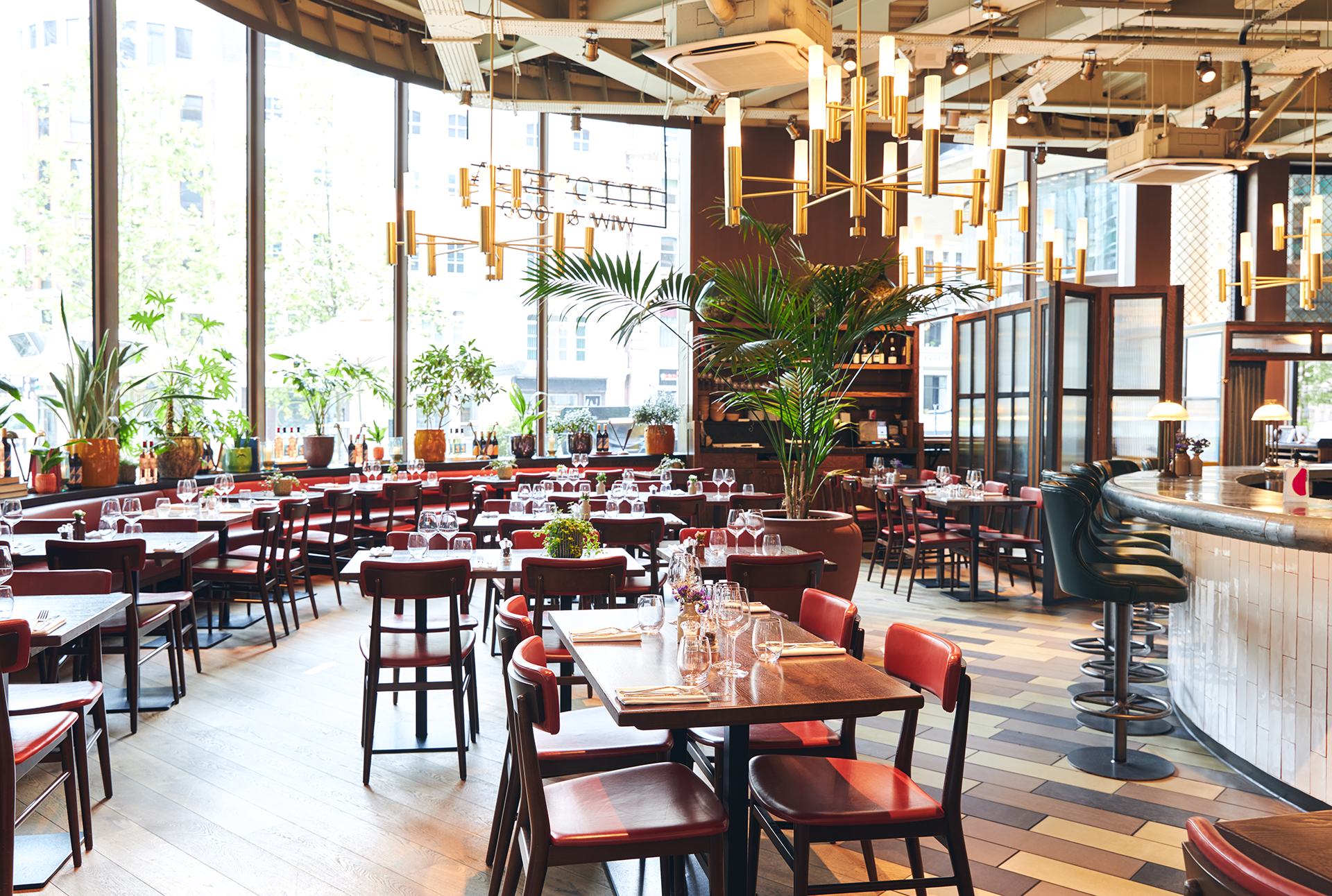
Cuisine Coverage provides specialized insurance for restaurants, cafés, and food service professionals across the country. Whether you run a casual kitchen or a mobile food truck, we offer coverage that fits your operations and risk level.

How It Works
Insurance Made Easy for Food Business Owners
We know you don’t have time to deal with complicated insurance forms. That’s why our process is built for speed and simplicity — so you can get back to running your kitchen.
Your Insurance Questions Answered
What Restaurant and Food Business Owners Ask Most
What types of insurance do restaurants and food businesses need?
Most food businesses need general liability, property, and workers’ compensation coverage. These protect against injuries, equipment damage, and employee-related incidents. Businesses serving alcohol should also include liquor liability insurance for extra protection.
Having the right mix of policies helps reduce financial risks. We’ll help you identify the specific coverages your business needs based on your setup, size, and operations.
Do you provide insurance for food trucks and mobile kitchens?
Yes. We specialize in insurance for food trucks, trailers, and mobile vendors. Our coverage includes vehicle protection, cooking equipment, and liability for events or customer interactions.
We can also help you meet licensing and vendor requirements by issuing certificates of insurance quickly — often the same day.
How fast can I get a quote or start coverage?
In most cases, quotes are ready within 24 hours once we have your business details. After approval, coverage and certificates can be issued immediately.
Our process is fully digital but supported by real agents who review each policy for accuracy. You’ll always know exactly what you’re getting before coverage starts.
Do you offer liquor liability insurance for bars or restaurants?
Yes. We provide liquor liability insurance for bars, taverns, and restaurants that sell or serve alcohol. This coverage protects against claims involving intoxicated patrons or alcohol-related incidents.
It’s essential for maintaining compliance with local laws and protecting your business from costly lawsuits. We’ll ensure your policy meets all licensing requirements.
How can I reduce my insurance costs?
You can often lower premiums by bundling multiple coverages, maintaining clean safety records, and conducting regular policy reviews. Many insurers also offer discounts for installing safety systems and training employees.
At Cuisine Coverage, we proactively review your policy before renewal to help you keep costs down without reducing protection.
Do you help with certificates of insurance (COIs)?
Yes. We provide same-day certificates for vendors, landlords, and event partners. You can request them by phone or email anytime.
Having your COI ready keeps your business compliant and avoids delays in operations. Our team handles these requests quickly so you can stay focused on running your business.
From the Kitchen to Coverage
Real Advice for the Food and Hospitality Industry
We share tips, updates, and real-world stories from the food and insurance industries. Whether you’re managing a restaurant or rolling out a food truck, our articles give you useful guidance to protect your business and grow with confidence.
Contact Us
Phone
Location