Sushi Restaurants and Japanese Dining INSURANCE
OR call us: (214) 667-2729
A single case of foodborne illness traced back to your sushi bar can generate headlines, lawsuits, and health department scrutiny that threatens everything you've built. Raw fish demands precision at every step, from the fishing boat to the customer's plate, and the insurance protecting your Japanese dining establishment needs to match that level of care. Sushi restaurant insurance addresses the unique vulnerabilities that come with serving raw seafood, maintaining specialized refrigeration, and creating the authentic atmosphere your guests expect.
The stakes run higher for
sushi restaurants than typical dining establishments. Your itamae trains for years to master knife skills and fish selection. Your refrigeration systems must maintain exact temperatures around the clock. Your sake program requires proper licensing and liability awareness. Each element creates specific risks that generic restaurant policies often miss or exclude. Understanding what coverage you actually need, rather than what a standard policy offers, protects both your investment and your reputation in a
competitive market where trust means everything.
Core Liability Protections for Japanese Dining
Japanese restaurants face a distinct liability landscape shaped by raw food service, cultural dining experiences, and beverage programs featuring sake and Japanese beer. Your liability coverage forms the foundation of your entire insurance program.
General Liability for Customer Injuries
Slip-and-fall claims represent the most common liability exposure for any restaurant, but sushi establishments add unique twists. Tatami rooms with floor seating create different injury patterns than standard dining chairs. Customers unfamiliar with removing shoes or sitting on cushions may lose their balance. Hibachi stations, where applicable, introduce burn risks from hot surfaces and spattering oil.
Your general liability policy responds when a customer claims injury on your premises, covering medical expenses, legal defense costs, and potential settlements. Policy limits typically start at $1 million per occurrence with $2 million aggregate, though high-traffic locations in major cities often warrant higher limits. The policy also covers property damage to customer belongings, such as a spilled drink ruining an expensive handbag.
Product Liability and Foodborne Illness Coverage
Raw seafood amplifies product liability concerns exponentially. Parasites, bacteria, and contamination can occur despite your best efforts. A single case of scombroid poisoning from improperly stored tuna or Vibrio infection from contaminated oysters generates medical bills, lost wages, and pain-and-suffering claims that escalate quickly.
Product liability coverage, typically included within your general liability policy, responds to claims that your food caused illness or injury. This coverage pays for legal defense even when claims lack merit, which matters because defending against a foodborne illness lawsuit costs $75,000 to $150,000 on average, regardless of outcome.
Liquor Liability for Sake and Beer Service
Serving alcohol creates dram shop liability exposure in most states. If an intoxicated patron causes an accident after leaving your restaurant, the injured party may sue your establishment. Sake's higher alcohol content compared to beer and wine, combined with the tradition of pouring for others at the table, can lead to overconsumption scenarios.
Liquor liability coverage, sometimes called dram shop coverage, protects against these third-party claims. Premiums depend on your alcohol-to-food sales ratio, state regulations, and claims history. Some insurers offer discounts for staff training in responsible alcohol service programs like TIPS or ServSafe Alcohol.

By: Dustin Hulett
Founder & CEO of Cuisine Coverage
Managing Sushi-Specific Risks and Food Safety
The raw fish at the heart of your menu creates risk management challenges that require specialized insurance solutions. Temperature control failures and contamination events can devastate your business within hours.
Raw Seafood Spoilage and Contamination Insurance
Your walk-in coolers hold thousands of dollars in premium fish at any moment. Bluefin tuna, uni, and imported specialties represent significant inventory investments that standard property insurance may not adequately cover. Spoilage insurance reimburses you when refrigeration failures, power outages, or equipment breakdowns render your seafood inventory unsaleable.
Coverage triggers vary by policy. Some respond only to mechanical breakdown, while others include power failures from utility problems. Review the waiting period, which is the time equipment must be down before coverage activates. A 24-hour waiting period might be acceptable for some inventory but catastrophic for raw fish that begins deteriorating within hours.
Equipment Breakdown for Refrigeration and Sushi Cases
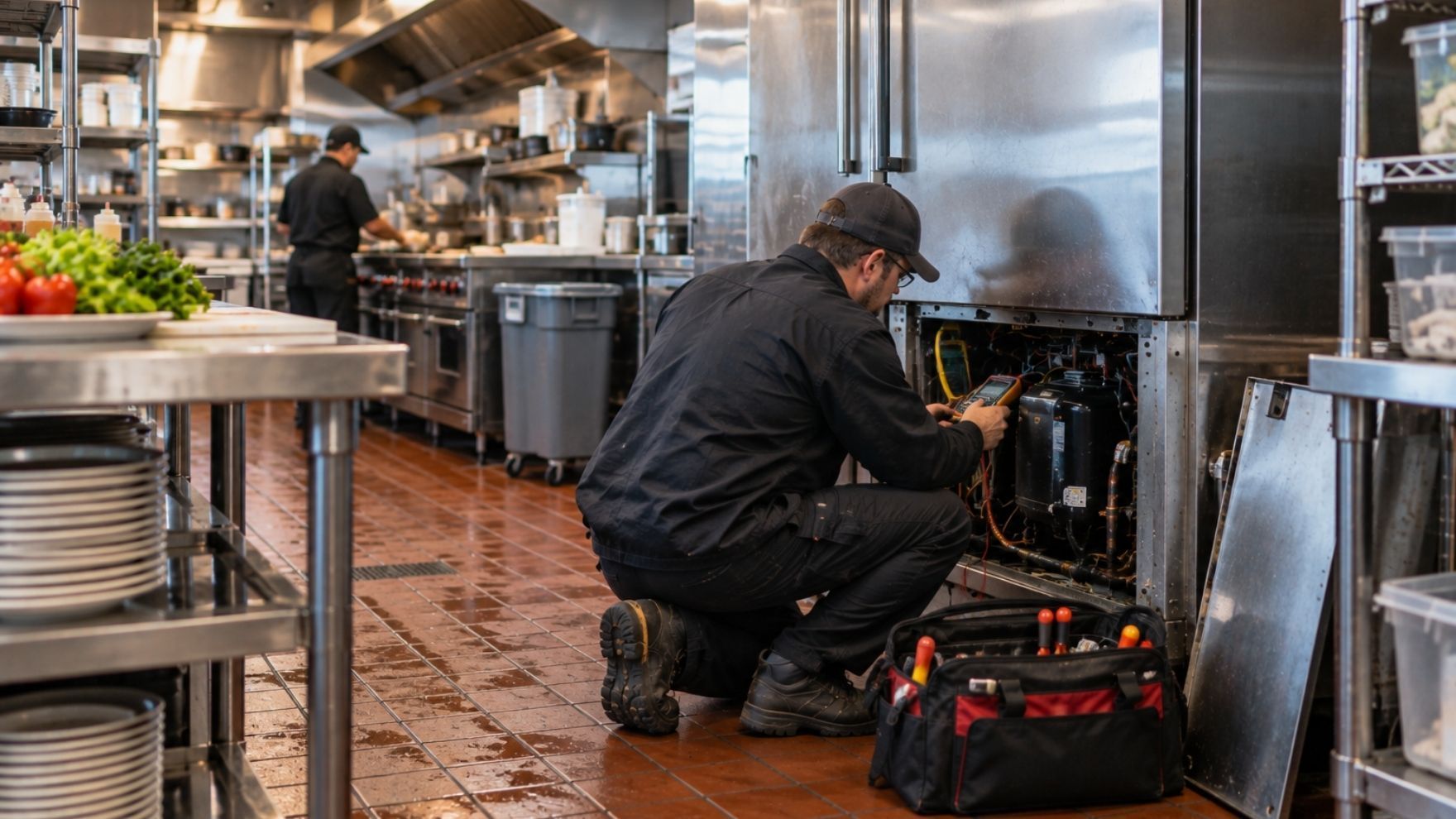
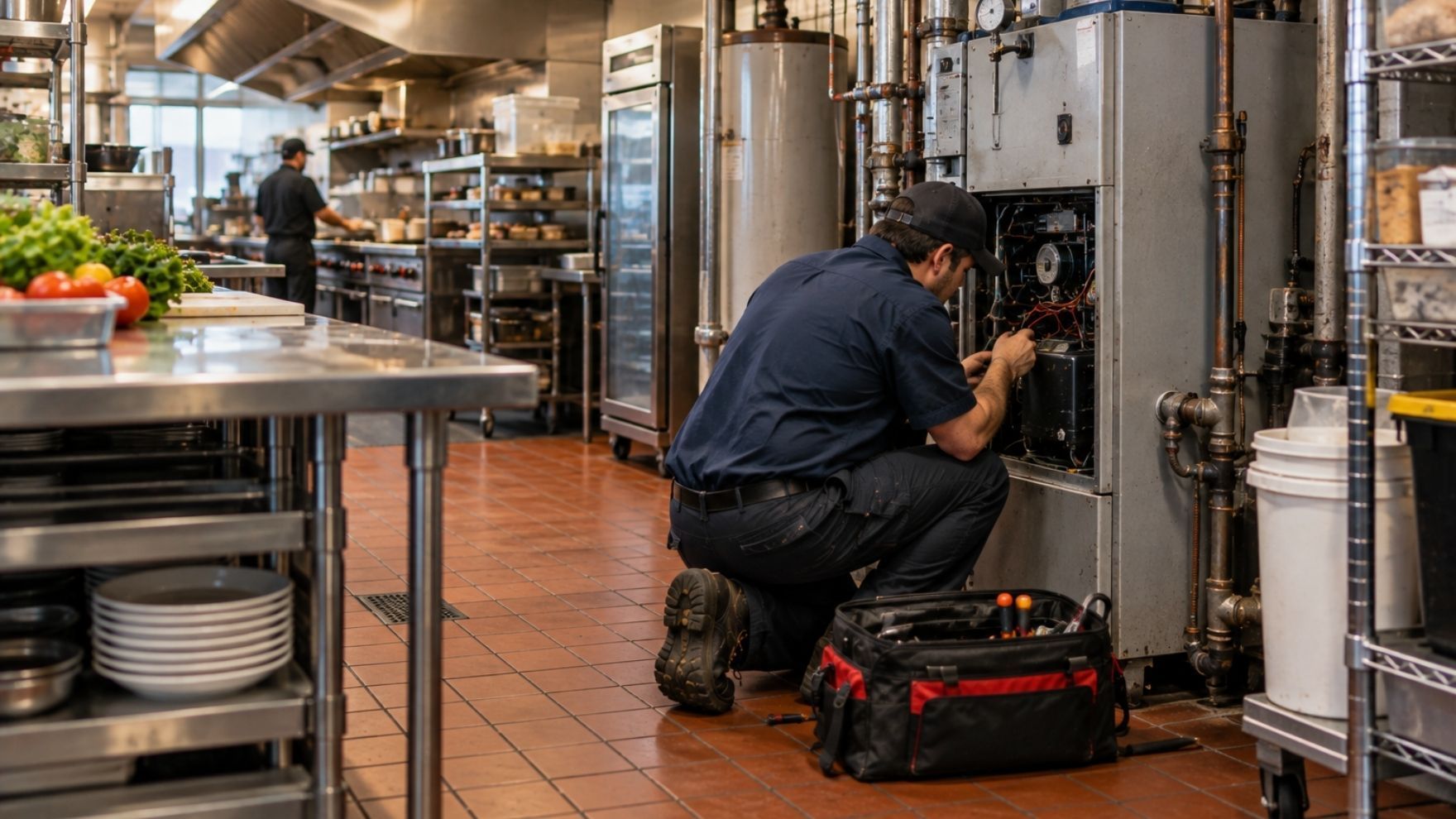
Your sushi display cases, walk-in freezers, and ice machines aren't just equipment; they're the infrastructure keeping your product safe and your customers healthy. Equipment breakdown coverage, sometimes called mechanical breakdown insurance, covers repair or replacement costs when critical equipment fails.
This coverage differs from property insurance, which typically covers damage from external causes like fire or vandalism. Equipment breakdown responds to internal failures: compressor burnout, electrical damage to motors, or refrigerant leaks. Given that commercial refrigeration repairs often exceed $5,000 and replacement units cost $15,000 to $50,000, this coverage pays for itself after a single claim.
Protecting Restaurant Assets and Physical Property
Japanese restaurants often feature distinctive design elements that cost significantly more to replace than standard restaurant fixtures. Your property coverage should reflect these investments.
Commercial Property for Custom Interiors and Sushi Bars
The sushi bar itself represents a major investment, with custom-built stations featuring specialized wood, integrated refrigeration, and precise dimensions for proper itamae workflow. Shoji screens, imported lanterns, tatami flooring, and authentic artwork contribute to the atmosphere that distinguishes your restaurant.
Commercial property insurance should cover these items at replacement cost rather than actual cash value, which deducts depreciation. Document your specialized fixtures with photographs, receipts, and appraisals. Standard property forms may classify custom millwork as "improvements and betterments" with separate sublimits, so verify your sushi bar and interior buildout receive adequate coverage.
| Coverage Type | What It Covers | Typical Limit Range |
|---|---|---|
| Building | Structure if you own it | $500K - $2M+ |
| Contents | Equipment, furniture, inventory | $100K - $500K |
| Improvements | Custom buildout in leased space | $50K - $300K |
| Spoilage | Food inventory loss | $10K - $50K |
Business Interruption for Revenue Recovery
When fire, flood, or other covered events force your restaurant to close, business interruption insurance replaces lost income during the recovery period. This coverage pays ongoing expenses like rent, loan payments, and employee salaries while you're unable to operate.
Sushi restaurants face extended interruption periods because specialized equipment takes longer to source and install than standard restaurant gear. Custom sushi bars require skilled craftspeople who may have lengthy lead times. Calculate your coverage period based on realistic reconstruction timelines, not optimistic estimates. Most restaurants need 6 to 12 months of coverage, though complex buildouts may require longer periods.

Employee and Operational Safeguards
Your staff faces occupational hazards ranging from knife injuries to repetitive motion strain. Protecting them protects your business.
Workers' Compensation for Kitchen and Service Staff
Workers' compensation insurance is mandatory in nearly every state, covering medical expenses and lost wages when employees suffer work-related injuries or illnesses. Sushi chefs face particular risks from extremely sharp knives, repetitive cutting motions, and standing for extended periods on hard floors.
Premiums are calculated based on payroll and job classifications. Kitchen staff typically fall into higher-risk classifications than servers, meaning your workers' comp costs reflect your staffing mix. Implementing safety training, providing anti-fatigue mats, and maintaining sharp knives, which actually cause fewer injuries than dull ones, can help control your experience modification rate and reduce premiums over time.
Employment Practices Liability Insurance (EPLI)
Claims alleging wrongful termination, discrimination, harassment, or wage violations have increased across the restaurant industry. EPLI covers legal defense costs and settlements arising from these employment-related claims.
The restaurant industry's high turnover rates and diverse workforces create frequent opportunities for disputes. A single harassment allegation can generate $50,000 to $200,000 in legal expenses before any settlement. EPLI policies typically include access to employment law hotlines and HR resources that help prevent claims before they arise.
Strategic Coverage Customization and Cost Factors
Building the right insurance program means balancing comprehensive protection against budget realities. Several strategies can optimize your coverage while controlling costs.
Bundling with a Business Owner's Policy (BOP)
A Business Owner's Policy combines general liability, commercial property, and business interruption coverage into a single package, typically at 15% to 25% lower premiums than purchasing policies separately. BOPs work well for smaller sushi restaurants with straightforward operations.
That said, BOPs have limitations. Coverage limits may cap below what larger or higher-revenue restaurants need. Liquor liability, workers' compensation, and EPLI require separate policies. Review BOP exclusions carefully, as some exclude food spoilage or equipment breakdown unless specifically endorsed.
Determining Premiums Based on Revenue and Location
Insurance companies price restaurant policies based on several factors you can influence and several you cannot. Annual revenue drives premium calculations because higher sales typically mean more customers, more employees, and more exposure. Location matters because urban areas with higher claim frequencies and repair costs generate higher premiums than suburban or rural locations.
Your claims history significantly impacts pricing. A clean loss history over three to five years qualifies you for better rates, while multiple claims can make coverage difficult to obtain at any price. Investing in food safety certifications, security systems, and employee training demonstrates risk management commitment that some insurers reward with premium credits.
Frequently Asked Questions
How much does sushi restaurant insurance typically cost? Annual premiums range from $5,000 to $20,000 for most sushi restaurants, depending on revenue, location, and coverage limits. High-volume establishments in major cities may pay more.
Does my policy cover contaminated fish from my supplier? Your product liability coverage responds to customer claims regardless of contamination source. You may have subrogation rights against suppliers, but your policy protects you first.
What happens if my refrigeration fails overnight and I lose all my fish? Spoilage coverage reimburses inventory losses from equipment breakdown or power failure. Check your policy's waiting period and coverage triggers.
Do I need separate coverage for delivery or takeout service? Delivery operations may require commercial auto coverage for company vehicles or hired and non-owned auto coverage for employees using personal vehicles.
Are my imported sake and specialty items covered under standard policies? Yes, but verify your contents limits adequately reflect inventory values. High-value items may need scheduled coverage with specific limits.
Making the Right Coverage Decisions
Building proper insurance protection for your sushi restaurant requires understanding both standard restaurant risks and the specialized exposures that come with raw fish service. Work with an agent or broker who understands foodservice operations and can explain how different coverage options address your specific situation.
Request quotes from multiple insurers, comparing not just premiums but coverage terms, exclusions, and claims handling reputation. The cheapest policy rarely provides the best value when you actually need to file a claim. Review your coverage annually as your business grows, updating limits and adding endorsements to keep pace with your investment in equipment, inventory, and reputation.
About The Author:
Dustin Hulett
As Owner of Cuisine Coverage powered by Hulett Insurance, I specialize in protecting restaurants, bars, and hospitality businesses with smart, reliable insurance solutions. With years of experience serving the food and beverage industry, my goal is to make coverage simple, transparent, and built around the unique risks that owners face every day.
Contact Us
Business Coverage
Protection for Every Part of Your Food Business
Cuisine Coverage provides specialized insurance for restaurants, food trucks, catering services, and other hospitality businesses. We help owners protect their property, staff, and reputation with policies built around the most common industry risks.

General Liability Insurance
Protects your business from claims related to injury, property damage, or accidents that happen during operations.
General Liability
Liquor Liability Insurance
Covers alcohol-related incidents for restaurants, bars, or venues that serve or sell alcohol.
Liquor Liability
Workers Compensation Insurance
Provides wage replacement and medical benefits to employees injured on the job.
Workers Compensation
Business Interruption Insurance
Helps replace lost income and cover ongoing expenses if your business operations are temporarily halted.
Business Interruption
Product Liability Insurance
Protects against claims related to foodborne illness, contamination, or product defects.
Product Liability
Cyber Liability Insurance
Covers data breaches, online payment issues, and digital risks that can affect modern food businesses.
Cyber Liability
Serving the Food and Hospitality Industry
Insurance Solutions for Every Type of Food Business
Cuisine Coverage provides specialized insurance for restaurants, cafés, and food service professionals across the country. Whether you run a casual kitchen or a mobile food truck, we offer coverage that fits your operations and risk level.
How It Works
Insurance Made Easy for Food Business Owners
We know you don’t have time to deal with complicated insurance forms. That’s why our process is built for speed and simplicity — so you can get back to running your kitchen.
Your Insurance Questions Answered
What Restaurant and Food Business Owners Ask Most
What types of insurance do restaurants and food businesses need?
Most food businesses need general liability, property, and workers’ compensation coverage. These protect against injuries, equipment damage, and employee-related incidents. Businesses serving alcohol should also include liquor liability insurance for extra protection.
Having the right mix of policies helps reduce financial risks. We’ll help you identify the specific coverages your business needs based on your setup, size, and operations.
Do you provide insurance for food trucks and mobile kitchens?
Yes. We specialize in insurance for food trucks, trailers, and mobile vendors. Our coverage includes vehicle protection, cooking equipment, and liability for events or customer interactions.
We can also help you meet licensing and vendor requirements by issuing certificates of insurance quickly — often the same day.
How fast can I get a quote or start coverage?
In most cases, quotes are ready within 24 hours once we have your business details. After approval, coverage and certificates can be issued immediately.
Our process is fully digital but supported by real agents who review each policy for accuracy. You’ll always know exactly what you’re getting before coverage starts.
Do you offer liquor liability insurance for bars or restaurants?
Yes. We provide liquor liability insurance for bars, taverns, and restaurants that sell or serve alcohol. This coverage protects against claims involving intoxicated patrons or alcohol-related incidents.
It’s essential for maintaining compliance with local laws and protecting your business from costly lawsuits. We’ll ensure your policy meets all licensing requirements.
How can I reduce my insurance costs?
You can often lower premiums by bundling multiple coverages, maintaining clean safety records, and conducting regular policy reviews. Many insurers also offer discounts for installing safety systems and training employees.
At Cuisine Coverage, we proactively review your policy before renewal to help you keep costs down without reducing protection.
Do you help with certificates of insurance (COIs)?
Yes. We provide same-day certificates for vendors, landlords, and event partners. You can request them by phone or email anytime.
Having your COI ready keeps your business compliant and avoids delays in operations. Our team handles these requests quickly so you can stay focused on running your business.
From the Kitchen to Coverage
Real Advice for the Food and Hospitality Industry
We share tips, updates, and real-world stories from the food and insurance industries. Whether you’re managing a restaurant or rolling out a food truck, our articles give you useful guidance to protect your business and grow with confidence.
Contact Us
Phone
Location