Cafeteria INSURANCE
OR call us: (214) 667-2729
Running a cafeteria means juggling more than just food preparation and customer service. Whether you manage a self-serve setup in a corporate building or an institutional food operation in a school or hospital, risks are everywhere. From foodborne illnesses to slips and falls, the potential for costly claims is real. Understanding cafeteria insurance and how it shields your business can save you from financial headaches down the line. This article breaks down what cafeteria insurance covers, why it matters, and how to tailor coverage to your unique operation.
Why Cafeteria Insurance Is Essential for Food Service Operations
Food service environments face a unique blend of risks. For cafeterias, these include everything from food contamination to customer injuries on slippery floors. According to the Alera Group, around 48 million people fall ill annually due to food-related illnesses, with 128,000 hospitalized and 3,000 deaths. For a cafeteria, a single outbreak can lead to devastating financial consequences, with costs ranging from $4,000 to nearly $2 million depending on the severity.
Beyond food safety, labor costs are a significant factor in food service. The National Restaurant Association reports that labor expenses make up 36.5% of total sales in a typical restaurant. This means employee-related risks, including workers' compensation and health insurance, are critical components of managing your cafeteria's overall risk profile.
With the restaurant industry projected to surpass $1 trillion in sales in 2024, the stakes for protecting food service operations have never been higher. Cafeteria insurance helps mitigate these risks by covering liability claims, property damage, and employee-related exposures.
Moreover, the complexities of compliance with health regulations add another layer of risk management for cafeterias. Each state has its own set of health codes that govern food safety practices, and failing to comply can lead to fines, closures, or worse—serious health risks for consumers. Cafeteria insurance can often include coverage for regulatory fines, helping operators navigate the often murky waters of compliance without the fear of crippling financial repercussions. This not only protects the business but also fosters a culture of safety and accountability among staff.
Additionally, the rise of digital ordering and delivery services has transformed the food service landscape, introducing new challenges and risks. Cafeterias must now consider cybersecurity threats, as customer data is increasingly stored online. Data breaches can lead to significant financial losses and damage to reputation. Insurance policies that cover
cyber liability can provide peace of mind, ensuring that cafeterias are protected against the financial fallout from potential data breaches while allowing them to embrace modern technology to enhance customer service.


By: Dustin Hulett
Founder & CEO of Cuisine Coverage
Core Coverage Components of Cafeteria Insurance
Cafeteria insurance isn’t a one-size-fits-all policy. It bundles several types of coverage to address the specific risks faced by self-serve and institutional food operations. Understanding these components helps you build a comprehensive protection plan.
General Liability Insurance
This is the backbone of cafeteria insurance. It covers claims related to bodily injury or property damage caused by your operations. For example, if a customer slips on a wet floor or suffers food poisoning, general liability insurance can cover legal fees, settlements, and medical expenses.
Given the high incidence of foodborne illnesses, this coverage is crucial. The Alera Group highlights that food-related outbreaks can cripple a business financially, making liability protection a must-have. Furthermore, it not only protects against direct claims but also offers peace of mind, allowing business owners to focus on providing quality service without the constant worry of potential legal repercussions.
Property Insurance
Protecting your physical assets is another vital piece. Property insurance covers damage to your kitchen equipment, dining area, and inventory caused by fire, theft, or natural disasters. For cafeterias operating in institutional settings, this coverage ensures that disruptions don’t spiral into costly downtime.
In addition to safeguarding against physical damage, property insurance can also extend to business interruption coverage, which compensates for lost income during periods when operations are halted due to covered events. This is especially important for cafeterias that rely on consistent foot traffic, as even a short closure can lead to significant financial strain.
Workers’ Compensation
Employee injuries are common in food service, from cuts and burns to slips in the kitchen. Workers’ compensation insurance covers medical expenses and lost wages for injured employees, shielding your business from lawsuits related to workplace injuries.
With labor costs accounting for over a third of restaurant sales, managing employee risks efficiently can have a significant impact on your bottom line. Moreover, investing in a robust workers’ compensation policy can foster a safer workplace culture, encouraging employees to adhere to safety protocols and reducing the likelihood of accidents. This proactive approach not only protects your staff but also enhances overall operational efficiency.
Commercial Auto Insurance
If your cafeteria operation involves delivery services or catering, commercial auto insurance protects vehicles and drivers. This coverage handles liability and physical damage claims arising from accidents during business use.
Additionally, commercial auto insurance can cover a range of vehicles, from delivery vans to trucks used for transporting bulk supplies. It often includes coverage for cargo, ensuring that the food and equipment you transport are protected in case of an accident. As the demand for delivery services continues to grow, having comprehensive auto insurance becomes increasingly essential to maintain smooth operations and customer satisfaction.
Special Considerations for Self-Serve and Institutional Cafeterias
Self-serve cafeterias and institutional food operations have distinct risk profiles compared to traditional restaurants. These differences affect how insurance policies should be structured.
Self-Serve Risks and Coverage Needs
Self-serve cafeterias often feature buffet lines or grab-and-go stations where customers handle food directly. This setup increases the risk of contamination and customer injury. Insurance policies should emphasize product liability and food contamination coverage to address these exposures.
Additionally, because customers interact with the food and serving equipment, slip-and-fall claims may be more frequent. General liability limits should be carefully evaluated to ensure adequate protection. Moreover, the design of the cafeteria plays a crucial role in mitigating risks; for instance, ensuring that food stations are well-organized and that there are clear signage and instructions can significantly reduce the likelihood of accidents. Regular staff training on food safety practices and emergency procedures is also vital, as it empowers employees to respond effectively to potential hazards and enhances the overall safety environment.
Institutional Food Operations
Schools, hospitals, and corporate cafeterias serve large groups daily, often under strict regulatory oversight. These operations must comply with health codes and safety standards, but even minor lapses can lead to significant claims.
Institutional cafeterias benefit from insurance policies that include enhanced coverage for regulatory fines and business interruption. Since these cafeterias often operate within larger organizations, coordinating insurance with the parent entity’s policies is essential to avoid coverage gaps. Additionally, the scale of operations in institutional settings means that any disruption—be it due to equipment failure or supply chain issues—can have far-reaching consequences. Therefore, having a robust contingency plan in place is critical. This plan should outline alternative sourcing strategies and emergency protocols to ensure that food service can continue with minimal interruption, safeguarding the health and satisfaction of patrons while also protecting the institution's financial interests.
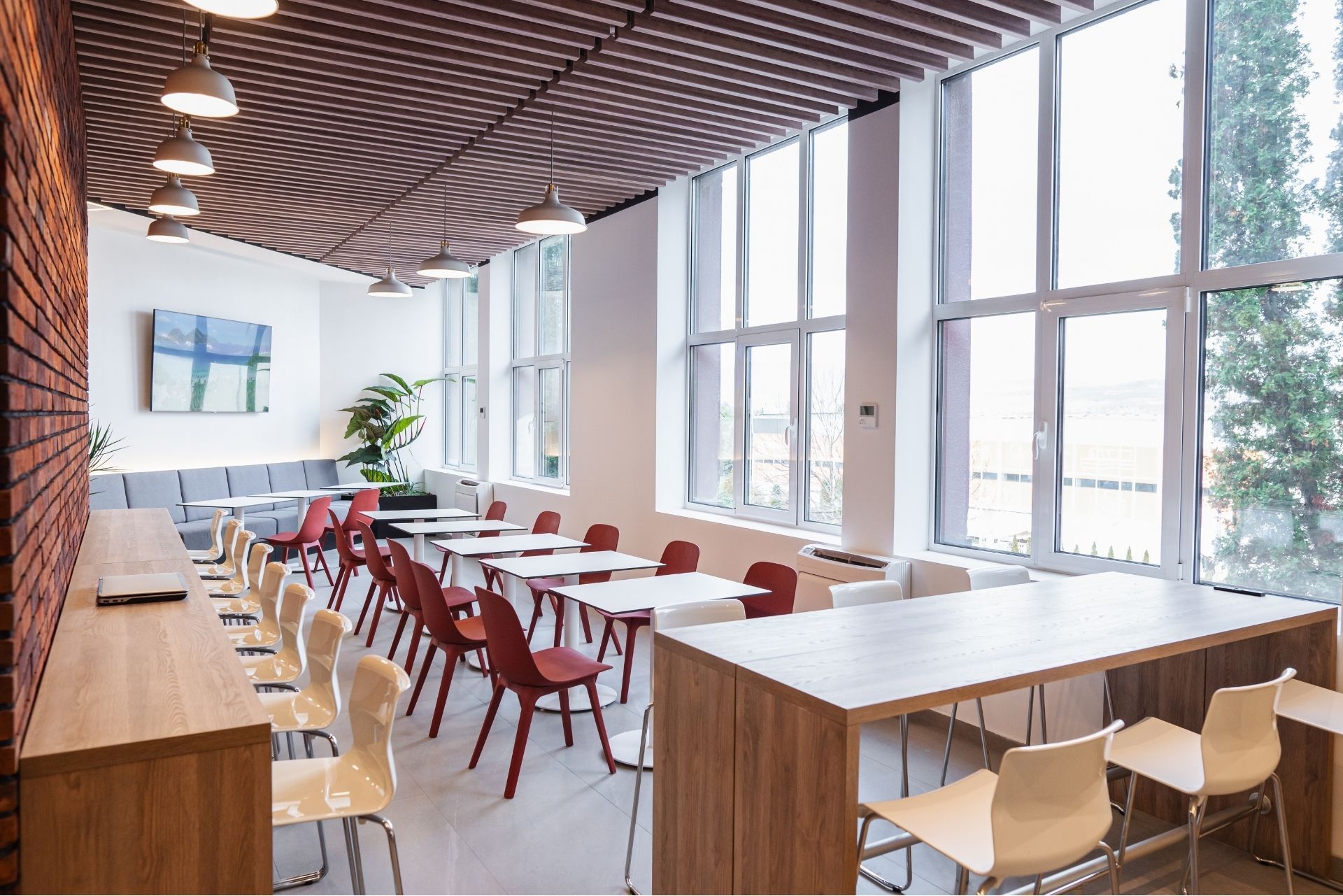
Special Considerations for Self-Serve and Institutional Cafeterias
Self-serve cafeterias and institutional food operations have distinct risk profiles compared to traditional restaurants. These differences affect how insurance policies should be structured.
Self-Serve Risks and Coverage Needs
Self-serve cafeterias often feature buffet lines or grab-and-go stations where customers handle food directly. This setup increases the risk of contamination and customer injury. Insurance policies should emphasize product liability and food contamination coverage to address these exposures.
Additionally, because customers interact with the food and serving equipment, slip-and-fall claims may be more frequent. General liability limits should be carefully evaluated to ensure adequate protection. Moreover, the design of the cafeteria plays a crucial role in mitigating risks; for instance, ensuring that food stations are well-organized and that there are clear signage and instructions can significantly reduce the likelihood of accidents. Regular staff training on food safety practices and emergency procedures is also vital, as it empowers employees to respond effectively to potential hazards and enhances the overall safety environment.
Institutional Food Operations
Schools, hospitals, and corporate cafeterias serve large groups daily, often under strict regulatory oversight. These operations must comply with health codes and safety standards, but even minor lapses can lead to significant claims.
Institutional cafeterias benefit from insurance policies that include enhanced coverage for regulatory fines and business interruption. Since these cafeterias often operate within larger organizations, coordinating insurance with the parent entity’s policies is essential to avoid coverage gaps. Additionally, the scale of operations in institutional settings means that any disruption—be it due to equipment failure or supply chain issues—can have far-reaching consequences. Therefore, having a robust contingency plan in place is critical. This plan should outline alternative sourcing strategies and emergency protocols to ensure that food service can continue with minimal interruption, safeguarding the health and satisfaction of patrons while also protecting the institution's financial interests.
Managing Health Insurance Costs in Food Service
Health insurance is a major expense for food service employers. The average family health insurance plan for a family of four in 2024 costs $25,572, a 7% increase from the previous year, according to the National Restaurant Association. Single coverage costs have also risen nearly 19% since 2020.
These rising costs impact cafeteria operators who provide employee health benefits. While workers typically pay about 17% of the premium, the majority falls on the employer. Balancing competitive benefits with cost control requires careful planning. Employers are increasingly looking at innovative solutions, such as wellness programs and preventive care initiatives, which not only promote healthier lifestyles among employees but can also lead to long-term savings by reducing the frequency of claims.
Interestingly, the restaurant industry has seen a 24% decrease in the median health insurance payroll burden from 2018 to 2023, dropping from 8% to 6.1%. This suggests that many operators are finding ways to manage these expenses more efficiently, possibly through plan design or employee cost-sharing strategies. Some companies are exploring options like health reimbursement arrangements (HRAs) or flexible spending accounts (FSAs) to empower employees to take control of their health spending while alleviating some financial pressure from the employer.
High-Deductible Health Plans
Nearly 70% of Americans with private health insurance are enrolled in high-deductible health plans as of 2023. These plans can reduce premiums but shift more out-of-pocket costs to employees. Cafeteria operators considering these plans should weigh employee satisfaction against cost savings. It’s essential to provide adequate resources and support to help employees navigate these plans, including educational sessions about how to manage high deductibles and maximize their benefits effectively.
Delays in Medical Care Due to Cost
About 11% of U.S. adults delayed or skipped medical care in 2022 because of cost concerns. This highlights the importance of offering affordable, accessible health coverage to maintain a healthy workforce and reduce absenteeism. Employers might consider integrating telehealth services into their offerings, which can provide employees with immediate access to medical advice and care without the additional costs associated with in-person visits. Furthermore, promoting a culture of health within the workplace can encourage employees to prioritize their well-being, ultimately leading to a more engaged and productive workforce.
Food Safety and Liability: Protecting Against Outbreaks
Food safety is a top priority for cafeterias. A single foodborne illness outbreak can have catastrophic consequences, not just financially but also reputationally. The costs of such outbreaks vary widely but can reach up to $1.9 million for large-scale incidents. This staggering figure encompasses not only direct medical expenses but also the potential loss of business, legal fees, and the cost of implementing corrective measures to restore consumer confidence.
Insurance policies that include product liability and contamination coverage are essential. These protect against claims arising from contaminated food served to customers. Additionally, risk management practices such as regular staff training, stringent hygiene protocols, and supplier vetting complement insurance protection. For instance, implementing a Hazard Analysis Critical Control Point (HACCP) plan can help identify and mitigate risks at every stage of food handling, from procurement to service. This proactive approach not only safeguards the health of patrons but also fortifies the cafeteria's standing in the community.
Given that 48 million people get sick annually from food-related illnesses, investing in both prevention and insurance is a sound strategy for cafeteria operators. The impact of foodborne illnesses extends beyond individual cases; it can lead to widespread panic and distrust among consumers. To combat this, many cafeterias are adopting transparency initiatives, such as providing detailed ingredient lists and sourcing information, which can help reassure customers about the quality and safety of their food. Furthermore, embracing technology, such as temperature monitoring systems and digital checklists for sanitation, can enhance compliance and accountability, ensuring that safety standards are consistently met.
How to Choose the Right Cafeteria Insurance Policy
Choosing the right insurance policy involves evaluating your specific risks and operational needs. Here are key steps to guide the process:
- Assess Your Risks: Identify potential hazards unique to your cafeteria, including food safety, customer injuries, and employee risks.
- Review Coverage Limits: Ensure liability and property limits align with your business size and risk exposure.
- Consider Industry Standards: Look at benchmarks such as the average health insurance premiums and labor cost percentages to budget effectively.
- Coordinate with Other Policies: If part of a larger institution, confirm how your insurance integrates with broader organizational coverage.
- Work with Experienced Brokers: Insurance professionals familiar with food service can tailor policies and help navigate claims efficiently.
Remember, an 85% approval rate for health insurance claims means paperwork and coverage details matter. Proper documentation and understanding policy terms can prevent costly claim denials.
Wrapping Things Up: Protecting Your Cafeteria’s Future
Operating a cafeteria comes with complex risks that demand a thoughtful insurance approach. From managing foodborne illness liability to controlling employee health insurance costs, the right coverage safeguards your business against unpredictable challenges.
With restaurant sales expected to exceed $1 trillion in 2024, the food service sector is booming but also facing mounting pressures. Cafeteria insurance tailored to self-serve and institutional settings offers peace of mind so operators can focus on delivering quality food and service.
Investing in comprehensive insurance coverage, combined with proactive risk management, is the best way to protect your cafeteria’s reputation and financial health. For more insights on health insurance trends and labor costs in the restaurant industry, explore the
National Restaurant Association’s detailed reports.
Frequently Asked Questions About Cafeteria Insurance
Q: What does cafeteria insurance typically cover?
A: It usually includes general liability, property insurance, workers' compensation, and sometimes commercial auto coverage for delivery vehicles.
Q: Why is food contamination coverage important?
A: Food contamination can lead to serious illness outbreaks, resulting in costly lawsuits and reputational damage. This coverage helps protect against those risks.
Q: How can cafeterias manage rising health insurance costs?
A: Options include offering high-deductible plans, sharing premium costs with employees, and working with brokers to find cost-effective policies.
Q: Are self-serve cafeterias riskier than traditional restaurants?
A: They have unique risks like increased chances of contamination and slip-and-fall incidents due to customer interaction with food and equipment.
Q: How does workers’ compensation apply to cafeteria employees?
A: It covers medical expenses and lost wages if employees get injured on the job, which is common in food service environments.
Q: Can cafeteria insurance help with business interruptions?
A: Yes, especially for institutional cafeterias. Business interruption coverage can compensate for income loss during closures caused by covered events.
Q: How important is it to coordinate cafeteria insurance with a parent organization’s policies?
A: Very important. Coordination prevents coverage gaps and ensures comprehensive protection across the entire operation.
About The Author:
Dustin Hulett
As Owner of Cuisine Coverage powered by Hulett Insurance, I specialize in protecting restaurants, bars, and hospitality businesses with smart, reliable insurance solutions. With years of experience serving the food and beverage industry, my goal is to make coverage simple, transparent, and built around the unique risks that owners face every day.
Contact Us
Business Coverage
Protection for Every Part of Your Food Business
Cuisine Coverage provides specialized insurance for restaurants, food trucks, catering services, and other hospitality businesses. We help owners protect their property, staff, and reputation with policies built around the most common industry risks.

General Liability Insurance
Protects your business from claims related to injury, property damage, or accidents that happen during operations.
General Liability
Liquor Liability Insurance
Covers alcohol-related incidents for restaurants, bars, or venues that serve or sell alcohol.
Liquor Liability
Workers Compensation Insurance
Provides wage replacement and medical benefits to employees injured on the job.
Workers Compensation
Business Interruption Insurance
Helps replace lost income and cover ongoing expenses if your business operations are temporarily halted.
Business Interruption
Product Liability Insurance
Protects against claims related to foodborne illness, contamination, or product defects.
Product Liability
Cyber Liability Insurance
Covers data breaches, online payment issues, and digital risks that can affect modern food businesses.
Cyber Liability
Serving the Food and Hospitality Industry
Insurance Solutions for Every Type of Food Business
Cuisine Coverage provides specialized insurance for restaurants, cafés, and food service professionals across the country. Whether you run a casual kitchen or a mobile food truck, we offer coverage that fits your operations and risk level.

How It Works
Insurance Made Easy for Food Business Owners
We know you don’t have time to deal with complicated insurance forms. That’s why our process is built for speed and simplicity — so you can get back to running your kitchen.
Your Insurance Questions Answered
What Restaurant and Food Business Owners Ask Most
What types of insurance do restaurants and food businesses need?
Most food businesses need general liability, property, and workers’ compensation coverage. These protect against injuries, equipment damage, and employee-related incidents. Businesses serving alcohol should also include liquor liability insurance for extra protection.
Having the right mix of policies helps reduce financial risks. We’ll help you identify the specific coverages your business needs based on your setup, size, and operations.
Do you provide insurance for food trucks and mobile kitchens?
Yes. We specialize in insurance for food trucks, trailers, and mobile vendors. Our coverage includes vehicle protection, cooking equipment, and liability for events or customer interactions.
We can also help you meet licensing and vendor requirements by issuing certificates of insurance quickly — often the same day.
How fast can I get a quote or start coverage?
In most cases, quotes are ready within 24 hours once we have your business details. After approval, coverage and certificates can be issued immediately.
Our process is fully digital but supported by real agents who review each policy for accuracy. You’ll always know exactly what you’re getting before coverage starts.
Do you offer liquor liability insurance for bars or restaurants?
Yes. We provide liquor liability insurance for bars, taverns, and restaurants that sell or serve alcohol. This coverage protects against claims involving intoxicated patrons or alcohol-related incidents.
It’s essential for maintaining compliance with local laws and protecting your business from costly lawsuits. We’ll ensure your policy meets all licensing requirements.
How can I reduce my insurance costs?
You can often lower premiums by bundling multiple coverages, maintaining clean safety records, and conducting regular policy reviews. Many insurers also offer discounts for installing safety systems and training employees.
At Cuisine Coverage, we proactively review your policy before renewal to help you keep costs down without reducing protection.
Do you help with certificates of insurance (COIs)?
Yes. We provide same-day certificates for vendors, landlords, and event partners. You can request them by phone or email anytime.
Having your COI ready keeps your business compliant and avoids delays in operations. Our team handles these requests quickly so you can stay focused on running your business.
From the Kitchen to Coverage
Real Advice for the Food and Hospitality Industry
We share tips, updates, and real-world stories from the food and insurance industries. Whether you’re managing a restaurant or rolling out a food truck, our articles give you useful guidance to protect your business and grow with confidence.
Contact Us
Phone
Location