Bake Sale Liability INSURANCE
OR call us: (214) 667-2729
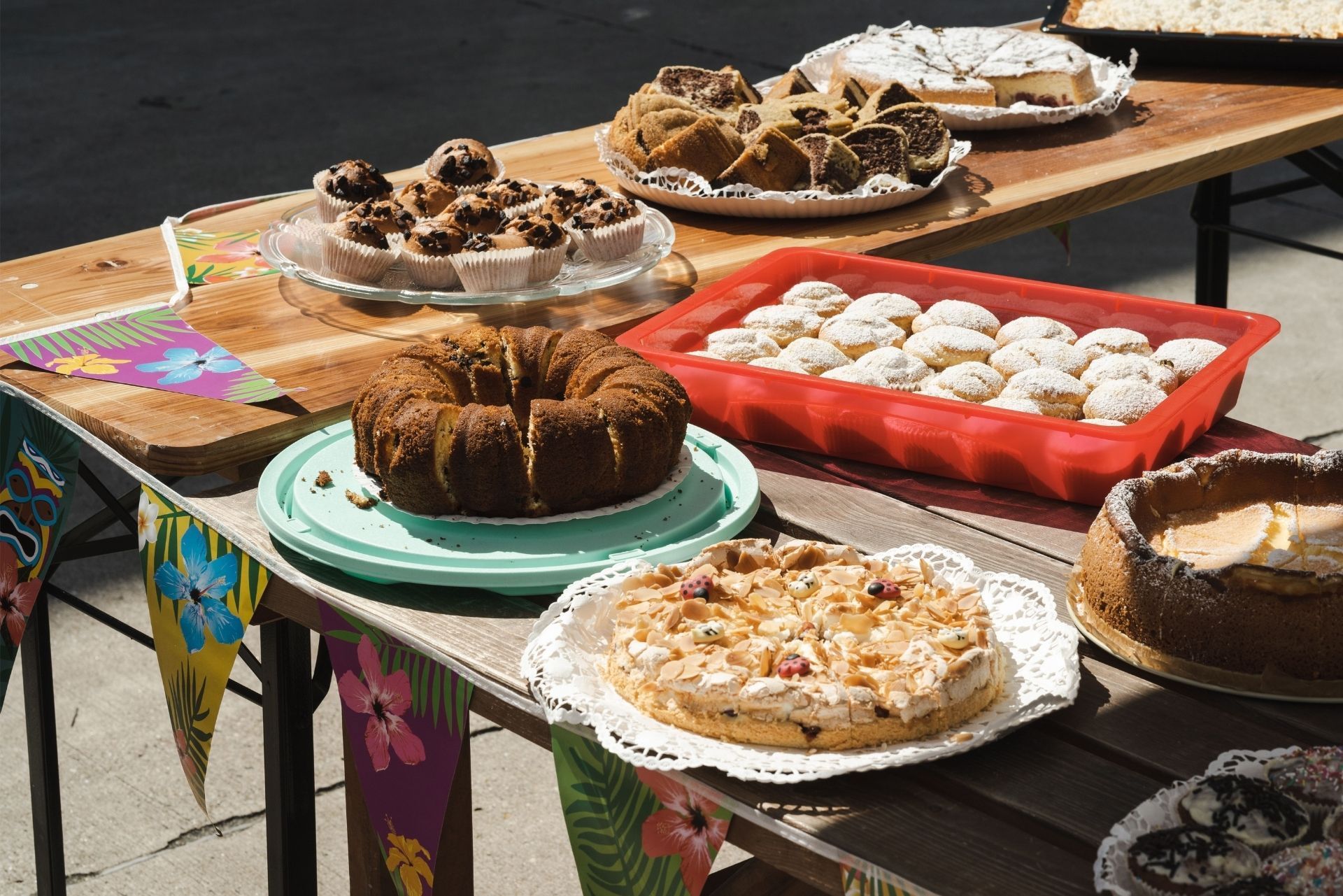
Imagine this: your community group organizes a bake sale to raise funds for a local cause. Everything is set-the tables, the treats, the eager volunteers. But what if a customer gets sick from one of the baked goods, or someone slips and falls near the event? These scenarios might seem unlikely, yet they can lead to costly claims that threaten your fundraiser’s success. That’s where bake sale liability insurance steps in, offering straightforward protection that keeps your event safe and your mind at ease.
Understanding this type of coverage is essential for anyone involved in community fundraising or small food businesses. It’s not just about compliance; it’s about safeguarding your efforts against unexpected legal and financial troubles. This article breaks down how bake sale liability insurance works, why it matters, and what it typically costs, helping you make informed decisions for your next event.
For those curious about how liability insurance costs can vary across industries, the CoinLaw report offers insightful data on recent trends.
What Is Bake Sale Liability Insurance?
Bake sale liability insurance is a specialized form of business liability coverage designed for small-scale food sales, often organized by schools, churches, clubs, or community groups. It protects event organizers and vendors from financial losses resulting from claims of bodily injury or property damage caused by the products sold or the event itself.
Unlike general business insurance, this coverage focuses specifically on the unique risks tied to selling homemade or small-batch food items to the public. These risks include foodborne illnesses, allergic reactions, and accidents occurring on the premises during the event.
Because bake sales are often run by volunteers or small home-based businesses, the insurance is typically affordable and easy to obtain. For example, the Food Liability Insurance Program offers policies starting as low as $25.92 per month or $299 annually, making it accessible for most community groups.
Why This Coverage Matters
Even a small incident can lead to a liability claim. The average cost of defending a liability claim in the U.S. is around $75,000, and product liability claims can reach an average payout of $7 million at trial worldwide in 2025, according to CoinLaw. While these figures may seem extreme for a bake sale, they highlight the financial risks involved when food safety or event safety is compromised.
Having liability insurance means your fundraiser can cover legal fees, medical expenses, and settlements without draining your resources. It also reassures customers and volunteers that your event is professionally managed and prepared for unforeseen issues.
Moreover, bake sale liability insurance can also provide peace of mind to event organizers, allowing them to focus on the joy of fundraising and community engagement rather than worrying about potential legal repercussions. This sense of security can encourage more volunteers to participate, knowing that they are protected should any mishaps occur. Additionally, some insurance providers offer resources and guidance on best practices for food safety, which can further enhance the overall quality and safety of the event.
In many cases, having this insurance can also open doors to larger fundraising opportunities. Organizations that have liability coverage may find it easier to partner with local businesses or sponsors, as these entities often prefer to collaborate with groups that demonstrate a commitment to safety and professionalism. This can lead to increased visibility and support for the bake sale, ultimately benefiting the cause being supported.

By: Dustin Hulett
Founder & CEO of Cuisine Coverage
Who Needs Bake Sale Liability Insurance?
Not every bake sale organizer will need this insurance, but it’s highly recommended for anyone selling food to the public, especially when the event is open to a broad audience. Here are some common scenarios where this coverage is essential:
- School Fundraisers: Bake sales held by parent-teacher associations or student groups.
- Church or Religious Groups: Community events that include food sales or giveaways.
- Home Bakers and Cottage Food Businesses: Individuals selling baked goods at markets or events.
- Charity Events: Fundraisers where food is sold to raise money for causes.
For home bakery owners, insurance costs typically average about $67 per month or $802 annually for a business owner’s policy, according to Insureon. This coverage often includes product liability, which is crucial for protecting against claims related to food safety. Additionally, it can cover legal fees, medical expenses, and damages that may arise from food-related incidents, providing peace of mind for bakers who are passionate about their craft.
Small Vendors and Micro-Brands
Insurance expert Loretta Worters from the Insurance Information Institute points out that viral social media posts can escalate legal expenses even for micro-brands. This means that even small-scale bakers or community groups can face significant liability if a product issue gains public attention. Having proper coverage helps mitigate these risks and supports long-term sustainability. Furthermore, the rise of online marketplaces and social media platforms has enabled many home bakers to reach wider audiences, but it also increases the stakes. A single negative review or incident can lead to a rapid decline in reputation, making it even more crucial for these vendors to protect themselves.
Moreover, many local health departments require certain food safety certifications and insurance as prerequisites for selling food at public events. This not only ensures compliance with regulations but also reassures customers about the safety and quality of the products they are purchasing. For those looking to expand their baking ventures, investing in liability insurance can serve as a stepping stone towards building a reputable brand, as it demonstrates a commitment to professionalism and customer safety. Ultimately, understanding the nuances of liability insurance can empower bakers to focus on what they do best—creating delicious treats—while minimizing potential risks associated with their business endeavors.
What Does Bake Sale Liability Insurance Cover?
Coverage varies depending on the policy, but typical bake sale liability insurance includes several key protections:
- General Liability: Covers bodily injury or property damage claims that occur during the event, such as a customer slipping on a wet floor.
- Product Liability: Protects against claims arising from foodborne illnesses, allergic reactions, or contamination linked to the baked goods sold.
- Legal Defense Costs: Pays for attorney fees and court costs if a claim goes to trial, which can be substantial even for small businesses.
Some policies may also offer optional add-ons like coverage for equipment or event cancellation, but these are less common for bake sales. Additionally, some insurers provide coverage for volunteers, which is particularly important for community-driven events where individuals may be helping out without formal employment status. This can help ensure that everyone involved in the bake sale is protected, reducing the risk of personal liability for those who might be assisting with food preparation or serving.
Understanding Policy Limits and Deductibles
Most bake sale liability policies have limits on how much they will pay per claim and in total. For example, a policy might cover up to $1 million per incident with a $2,000 deductible. Choosing the right limits depends on your event size, expected attendance, and risk tolerance. It’s also essential to consider the location of the bake sale; for instance, if it’s held in a public park, the potential for larger crowds may necessitate higher coverage limits.
Since product liability claims can be costly—averaging millions in payouts globally—it’s wise to balance affordable premiums with adequate coverage. The Food Liability Insurance Program offers straightforward policies that help organizers avoid underinsuring their events. Furthermore, it’s beneficial to review any local regulations or requirements that might influence the type of coverage needed. Some municipalities may have specific insurance mandates for food vendors, which could affect the overall planning and execution of your bake sale. Understanding these nuances can help you better prepare and ensure a successful event without unexpected financial burdens.

How Much Does Bake Sale Liability Insurance Cost?
Cost is a major consideration for community groups and small bakers. Fortunately, bake sale liability insurance is among the most affordable types of business coverage.
Prices generally start at around $25.92 per month or $299 per year for basic coverage, as reported by the Food Liability Insurance Program. Home bakery owners might pay closer to $67 monthly, reflecting broader business insurance needs.
Factors influencing cost include:
- Event Size: Larger events with more attendees typically face higher premiums.
- Sales Volume: Higher expected sales increase risk and cost.
- Location: Some regions have higher legal and regulatory risks.
- Coverage Limits: Higher limits mean higher premiums.
Despite rising premiums in some food-related sectors-such as a 15% year-over-year increase in product liability premiums for the food and beverage industry-bake sale insurance remains accessible for most community fundraisers (CoinLaw).
Getting Insured: What to Expect
Jean Hutchings, a customer of the Food Liability Insurance Program, describes the process as “a snap” and “so easy and straightforward.” This simplicity is important for volunteers and small business owners who may not have insurance expertise but need reliable protection fast.
Many providers offer online applications with quick quotes and immediate coverage options, making it simple to secure insurance before your event. Additionally, some insurers provide tailored packages that cater specifically to the unique needs of bake sales, ensuring that you have the right protection without paying for unnecessary extras. This customization can be particularly beneficial for community organizations that may have varying levels of risk depending on their specific activities and the nature of the baked goods being sold.
Moreover, understanding the nuances of your policy can help you avoid common pitfalls. For instance, some policies may have exclusions for certain types of baked goods or specific events, so it’s crucial to read the fine print. Engaging with an insurance agent who specializes in food-related coverage can provide valuable insights and help clarify any uncertainties, ensuring that your bake sale is not only a delightful affair but also a well-protected one.
Common Questions About Bake Sale Liability Insurance
Q: Do I need liability insurance if my bake sale is a small, local event?
A: While not always legally required, insurance is highly recommended to protect against unexpected claims that could jeopardize your fundraiser.
Q: Does my homeowners insurance cover bake sale activities?
A: Usually not. Homeowners policies often exclude business activities, especially those involving food sales to the public.
Q: Can I get coverage for a one-time bake sale event?
A: Yes. Many insurers offer short-term or event-specific policies designed for single-day fundraisers.
Q: What if someone gets sick after eating my baked goods?
A: Product liability coverage helps cover legal costs and settlements related to foodborne illness claims.
Q: How soon should I get bake sale insurance before my event?
A: It’s best to secure coverage at least a few weeks in advance to ensure all paperwork is processed and you have proof of insurance.
Q: Can volunteers be covered under the policy?
A: Most policies include coverage for volunteers acting on behalf of the event organizer, but confirm with your insurer.
Comparing Bake Sale Liability Insurance Options
| Feature | Basic Bake Sale Policy | Home Bakery Business Policy |
|---|---|---|
| Monthly Cost | $25.92+ | Approx. $67 |
| Annual Cost | $299+ | Approx. $802 |
| Coverage Type | General & Product Liability | General Liability, Product Liability, Property |
| Ideal For | One-time or small community events | Home bakers with ongoing sales |
| Claims Defense Cost Coverage | Included | Included |
This comparison highlights how coverage needs and costs can vary depending on whether you’re running a one-off bake sale or a small bakery business. Both options provide crucial protection but differ in scope and price.
What to Remember When Choosing Coverage
Liability insurance is not one-size-fits-all. Consider your event’s scale, your role in the food preparation, and potential risks. Larger fundraisers or those involving multiple vendors might need more comprehensive policies.
Also, keep in mind the importance of clear communication with your insurer. Ask about what is covered, any exclusions, and how claims are handled. This clarity helps avoid surprises if you ever need to file a claim.
With the U.S. holding about 45% of the global product liability insurance market, it’s clear that this type of coverage remains a priority for many businesses and organizations (CoinLaw). Bake sale organizers can benefit from this robust market by choosing policies tailored to their needs.
Wrapping Things Up
Organizing a bake sale is a rewarding way to support your community, but it comes with risks that can be costly without proper protection. Bake sale liability insurance offers a simple, affordable way to shield your event from unexpected claims related to food safety and accidents.
Whether you’re a volunteer planning a one-day fundraiser or a home baker selling regularly, understanding your insurance options helps you focus on what matters most: making your event a success without worrying about legal pitfalls.
Take advantage of accessible policies that start as low as $25.92 a month and enjoy peace of mind knowing you’re covered. As Jean Hutchings put it, getting insured can be “so easy and straightforward,” letting you concentrate on baking, selling, and giving back.
About The Author:
Dustin Hulett
As Owner of Cuisine Coverage powered by Hulett Insurance, I specialize in protecting restaurants, bars, and hospitality businesses with smart, reliable insurance solutions. With years of experience serving the food and beverage industry, my goal is to make coverage simple, transparent, and built around the unique risks that owners face every day.
Contact Us
Business Coverage
Protection for Every Part of Your Food Business
Cuisine Coverage provides specialized insurance for restaurants, food trucks, catering services, and other hospitality businesses. We help owners protect their property, staff, and reputation with policies built around the most common industry risks.

General Liability Insurance
Protects your business from claims related to injury, property damage, or accidents that happen during operations.
General Liability
Liquor Liability Insurance
Covers alcohol-related incidents for restaurants, bars, or venues that serve or sell alcohol.
Liquor Liability
Workers Compensation Insurance
Provides wage replacement and medical benefits to employees injured on the job.
Workers Compensation
Business Interruption Insurance
Helps replace lost income and cover ongoing expenses if your business operations are temporarily halted.
Business Interruption
Product Liability Insurance
Protects against claims related to foodborne illness, contamination, or product defects.
Product Liability
Cyber Liability Insurance
Covers data breaches, online payment issues, and digital risks that can affect modern food businesses.
Cyber Liability
Serving the Food and Hospitality Industry
Insurance Solutions for Every Type of Food Business
Cuisine Coverage provides specialized insurance for restaurants, cafés, and food service professionals across the country. Whether you run a casual kitchen or a mobile food truck, we offer coverage that fits your operations and risk level.
How It Works
Insurance Made Easy for Food Business Owners
We know you don’t have time to deal with complicated insurance forms. That’s why our process is built for speed and simplicity — so you can get back to running your kitchen.
Your Insurance Questions Answered
What Restaurant and Food Business Owners Ask Most
What types of insurance do restaurants and food businesses need?
Most food businesses need general liability, property, and workers’ compensation coverage. These protect against injuries, equipment damage, and employee-related incidents. Businesses serving alcohol should also include liquor liability insurance for extra protection.
Having the right mix of policies helps reduce financial risks. We’ll help you identify the specific coverages your business needs based on your setup, size, and operations.
Do you provide insurance for food trucks and mobile kitchens?
Yes. We specialize in insurance for food trucks, trailers, and mobile vendors. Our coverage includes vehicle protection, cooking equipment, and liability for events or customer interactions.
We can also help you meet licensing and vendor requirements by issuing certificates of insurance quickly — often the same day.
How fast can I get a quote or start coverage?
In most cases, quotes are ready within 24 hours once we have your business details. After approval, coverage and certificates can be issued immediately.
Our process is fully digital but supported by real agents who review each policy for accuracy. You’ll always know exactly what you’re getting before coverage starts.
Do you offer liquor liability insurance for bars or restaurants?
Yes. We provide liquor liability insurance for bars, taverns, and restaurants that sell or serve alcohol. This coverage protects against claims involving intoxicated patrons or alcohol-related incidents.
It’s essential for maintaining compliance with local laws and protecting your business from costly lawsuits. We’ll ensure your policy meets all licensing requirements.
How can I reduce my insurance costs?
You can often lower premiums by bundling multiple coverages, maintaining clean safety records, and conducting regular policy reviews. Many insurers also offer discounts for installing safety systems and training employees.
At Cuisine Coverage, we proactively review your policy before renewal to help you keep costs down without reducing protection.
Do you help with certificates of insurance (COIs)?
Yes. We provide same-day certificates for vendors, landlords, and event partners. You can request them by phone or email anytime.
Having your COI ready keeps your business compliant and avoids delays in operations. Our team handles these requests quickly so you can stay focused on running your business.
From the Kitchen to Coverage
Real Advice for the Food and Hospitality Industry
We share tips, updates, and real-world stories from the food and insurance industries. Whether you’re managing a restaurant or rolling out a food truck, our articles give you useful guidance to protect your business and grow with confidence.
Contact Us
Phone
Location