Steakhouse INSURANCE
OR call us: (214) 667-2729
Running a steakhouse means managing more than just prime cuts and exceptional service. It involves protecting a high-value dining business against risks that can quickly turn into costly setbacks. From equipment breakdowns to weather-related damages, the insurance landscape for premium steakhouses demands careful attention. Understanding the right coverage can safeguard your investment and keep your doors open, no matter what challenges arise.
The premium dining market, which includes upscale steakhouses, is a booming sector. Valued at around $161 to $167 billion in 2024, it is expected to grow to $243 to $253 billion by 2030–2031, expanding at a compound annual growth rate of about 6.5 to 6.7%
according to BusinessDojo. This growth highlights the importance of tailored insurance solutions that keep pace with the evolving risks faced by these businesses.
Why Steakhouse Insurance Needs to Be Premium
Steakhouses are not your average restaurants. They operate with high-end equipment, expensive ingredients, and often luxurious interiors. These factors increase the stakes when it comes to insurance.
Equipment breakdown claims are the most common in the restaurant industry, accounting for 17% of insurance claims between January 2021 and July 2024 according to OysterLink. For a steakhouse, a malfunctioning grill or refrigeration unit can halt operations and lead to significant losses. Insurance policies must cover such equipment failures comprehensively to avoid prolonged downtime and costly repairs.
Slip-and-fall incidents are another major concern. These accidents result in payouts that are 4.5 times higher than claims for cuts or punctures, reflecting their serious financial impact OysterLink reports. Upscale steakhouses, with their polished floors and busy dining rooms, must prioritize liability coverage that protects against these costly claims.
The Unique Risks of High-Value Dining
Beyond equipment and liability, steakhouses face risks linked to their premium status. Fine furnishings, artwork, and custom decor can be expensive to replace. Additionally, these establishments often serve a clientele with high expectations, increasing the risk of customer disputes or even reputational damage following incidents.
Insurance policies tailored for steakhouses should include coverage for property damage, business interruption, and even reputational harm in some cases. This ensures that a single event does not spiral into a financial crisis.
Moreover, the culinary landscape is ever-evolving, and steakhouses must adapt to trends such as sustainability and farm-to-table dining. This shift often requires investment in new suppliers and practices, which can introduce additional risks. For instance, sourcing specialty meats or organic ingredients may involve complex logistics and increased costs, making it essential for insurance to cover potential losses from supply chain disruptions. Furthermore, as steakhouses embrace technology—like online reservations and digital payment systems—they must also consider cyber liability insurance to protect against data breaches and other cyber threats, which can be particularly damaging in an industry where customer trust is paramount.
Finally, the seasonal nature of the restaurant business can pose unique challenges for steakhouses. During peak seasons, such as holidays or special events, the influx of customers can strain resources and increase the likelihood of accidents or service failures. Insurance coverage that accounts for these fluctuations can provide peace of mind, allowing owners to focus on delivering an exceptional dining experience without the looming worry of financial repercussions from unforeseen incidents.
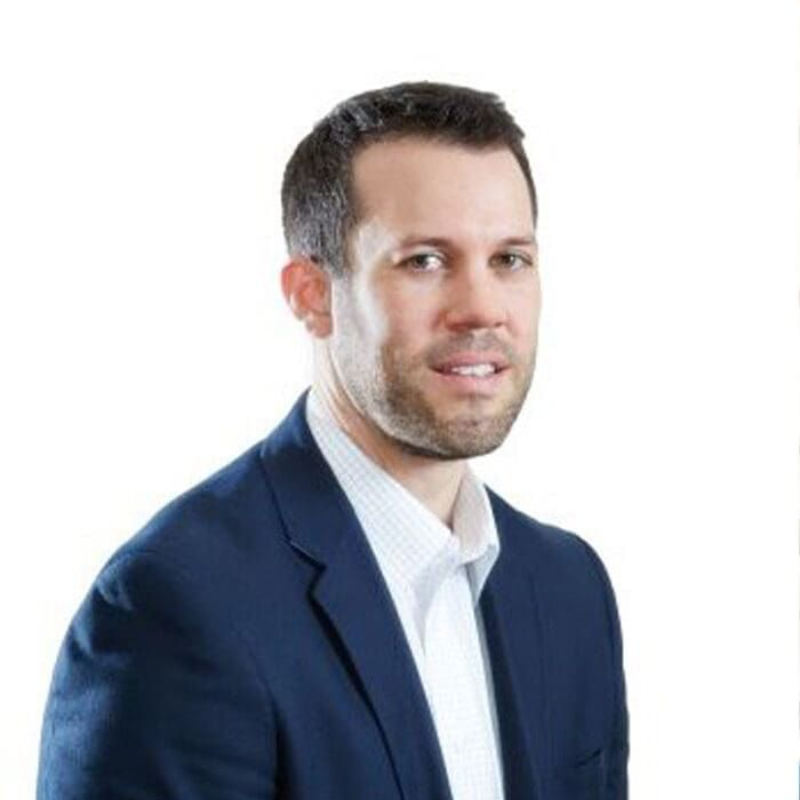
By: Dustin Hulett
Founder & CEO of Cuisine Coverage
Weather-Related Risks and Insurance Gaps
Severe weather is an unpredictable threat that can cause extensive damage to restaurant properties. The challenge is that many restaurant owners are underinsured or unsure about their coverage when it comes to extreme weather events.
In 2025, 38% of U.S. restaurant owners reported lacking business insurance coverage for extreme weather events, up from 29% in 2024 according to NEXT Insurance. This gap leaves many steakhouses vulnerable to costly repairs or closures following storms, floods, or winter weather.
Furthermore, 37% of restaurant owners were uncertain if their insurance covered damage from extreme winter weather in 2025, a rise from 26% in 2024. This uncertainty adds to the risk of unexpected out-of-pocket expenses NEXT Insurance data shows.
Preparation and Vulnerability
While 45% of restaurant owners felt very prepared for severe weather in 2025, a significant 33% felt unprepared, and 22% only somewhat prepared. This split reveals a large portion of steakhouse owners who may not have adequate plans or insurance in place to handle weather-related damages effectively.
Winter weather-related property damage affected 40% of restaurant owners in 2025, down from 48% in 2024. Although this decrease is promising, the frequency remains high enough to warrant serious attention to insurance coverage and risk mitigation strategies. Many restaurant owners are beginning to recognize the importance of proactive measures, such as investing in weather-resistant infrastructure and developing contingency plans that include emergency funds and alternative operational strategies. These steps can significantly reduce the financial impact of severe weather and ensure a quicker recovery.
Moreover, the increasing unpredictability of weather patterns due to climate change has led to a growing awareness among restaurant owners about the need for comprehensive risk assessments. By collaborating with insurance agents who specialize in commercial coverage, restaurant owners can better understand their policies and identify any gaps in their protection. This proactive approach not only helps in safeguarding their investments but also enhances their overall resilience against future weather-related challenges.
Financial Pressures and Insurance Considerations
Running a premium steakhouse involves balancing rising costs with revenue growth. The average revenue for U.S. restaurants hit $490,197 in 2024, marking a 19% increase since 2021 according to NEXT Insurance. This recovery is encouraging but comes with new challenges. As the industry rebounds, steakhouses must navigate not only the complexities of supply chain disruptions but also the shifting consumer preferences that demand higher quality and sustainability in sourcing. Diners are increasingly looking for transparency about where their food comes from, which can add to the operational costs of sourcing premium ingredients.
Payroll costs have risen by an average of 10.9% annually since 2021, outpacing revenue gains by nearly 5%. This squeeze on margins makes it crucial for steakhouses to avoid unexpected expenses from uninsured losses or liability claims. Additionally, the competitive landscape requires steakhouses to invest in staff training and retention strategies to maintain high service standards. With the ongoing labor shortages in the hospitality sector, attracting and keeping skilled chefs and waitstaff is more critical than ever, further complicating financial planning.
Insurance costs themselves are also climbing. For example, hotel insurance costs rose by 19.5% in 2023, now averaging $939 per available room and consuming 1.7% of revenue OysterLink reports. While not a direct comparison, this trend signals rising premiums in hospitality insurance overall, which steakhouses must factor into their budgets. Moreover, steakhouses face unique risks, from food spoilage due to equipment failure to potential lawsuits stemming from foodborne illnesses, making it imperative to have robust coverage that addresses these specific vulnerabilities.
Balancing Coverage and Costs
Choosing the right insurance means finding a balance between comprehensive protection and affordable premiums. Over-insuring can strain finances, but under-insuring can lead to devastating losses. Working with an insurance professional who understands the premium dining market can help steakhouses tailor policies to their unique risks. Furthermore, regular reviews of insurance policies are essential to ensure that coverage keeps pace with the evolving nature of the business, including changes in operations, expansions, or shifts in the menu that could introduce new liabilities.
Additionally, steakhouses should consider investing in risk management strategies that can help mitigate potential losses and, in turn, lower insurance premiums. Implementing rigorous food safety protocols, conducting regular maintenance on equipment, and training staff on emergency procedures can not only enhance operational efficiency but also demonstrate to insurers that the business is proactive about minimizing risks. This approach not only protects the restaurant's bottom line but can also foster a culture of safety and excellence that resonates with both staff and customers alike.
Key Insurance Coverages for Steakhouses
Understanding the essential types of insurance coverage is critical for steakhouses aiming to protect their business effectively.
Property Insurance
This covers damage to the physical building, kitchen equipment, furniture, and inventory caused by fire, theft, vandalism, or weather events. Given the high value of equipment and decor in steakhouses, property insurance should be robust and regularly reviewed to reflect current replacement costs. Additionally, it is wise for steakhouses to consider including coverage for outdoor dining areas, which have become increasingly popular. Damage to these spaces can occur from storms or accidents, and having this coverage ensures that the investment in outdoor ambiance is safeguarded.
Business Interruption Insurance
When a covered event forces a steakhouse to close temporarily, business interruption insurance helps cover lost income and ongoing expenses like rent and payroll. This coverage is vital to keep the business afloat during repairs or recovery. Furthermore, steakhouses should assess their historical revenue patterns to determine the appropriate coverage limits, ensuring they are adequately protected against potential losses during peak seasons or major events that could impact their operations.
General Liability Insurance
This protects against third-party claims for bodily injury or property damage, such as slip-and-fall accidents. Considering the high payouts associated with these incidents, liability insurance is a must-have for steakhouses. It is also important for steakhouses to implement safety protocols and training for staff to minimize risks, as proactive measures can not only reduce the likelihood of accidents but may also lead to lower insurance premiums over time.
Workers' Compensation Insurance
Employee injuries are common in restaurant settings, accounting for nearly 13% of insurance claims in the industry. Workers' compensation covers medical expenses and lost wages for injured employees, reducing legal risks for the business. In addition to this coverage, steakhouses can benefit from investing in employee safety training programs, which can help reduce the frequency of workplace injuries and create a safer environment for both staff and customers.
Equipment Breakdown Coverage
Standard property insurance may not cover all types of equipment failure. Equipment breakdown coverage fills this gap, protecting against costly repairs or replacements of kitchen machinery and HVAC systems. Given the critical role that kitchen equipment plays in daily operations, steakhouses should also consider regular maintenance schedules to prolong the life of their equipment, as this can mitigate the risk of unexpected breakdowns and associated costs.
Additional Coverages to Consider
- Cyber Liability Insurance: Protects against data breaches and cyberattacks, increasingly relevant as restaurants handle online orders and customer data. With the rise of digital payment systems and loyalty programs, steakhouses must be vigilant about cybersecurity measures to safeguard sensitive information.
- Liquor Liability Insurance: Required if the steakhouse serves alcohol, covering claims related to intoxicated patrons. This is particularly important in a steakhouse setting where a fine dining experience often includes wine pairings, and establishments must ensure responsible service to avoid potential legal issues.
- Employment Practices Liability: Covers
claims related to workplace discrimination, harassment, or wrongful termination. As steakhouses often employ a diverse workforce, having this coverage can protect against claims that may arise from misunderstandings or conflicts in the workplace.
Steps to Ensure Adequate Steakhouse Insurance
Securing the right insurance starts with a thorough risk assessment. Identify the specific hazards your steakhouse faces, including local weather patterns, equipment age, and customer traffic. For instance, if your steakhouse is located in a region prone to hurricanes or heavy snowfall, it’s crucial to consider how these factors could affect your operations and property. Additionally, understanding the demographics of your clientele can help you gauge potential liabilities, as a higher volume of patrons increases the likelihood of accidents or incidents on your premises.
Next, review existing policies carefully. Many restaurant owners remain uncertain about their coverage, especially regarding extreme weather. Clarify what is included and what requires additional riders or endorsements. For example, standard policies may not cover flood damage, which is vital for establishments near bodies of water. It’s also important to assess liability coverage, particularly if your steakhouse hosts events or has outdoor seating, as these factors can introduce additional risks that need to be managed.
Regularly update coverage limits to match business growth and inflation. The premium dining market is expanding rapidly, and insurance should keep pace with increasing asset values and revenue. As you invest in high-quality equipment, décor, and staff training, ensure your policy reflects these enhancements. Consider conducting annual reviews of your insurance needs to account for any changes in your business operations, such as menu expansions or renovations that could affect your risk profile.
Engage with insurance professionals who specialize in hospitality or premium dining. Their expertise can help tailor policies that address unique risks without unnecessary costs. These professionals can also provide insights into industry trends and emerging risks, such as food safety regulations or changes in liability laws, ensuring that your steakhouse remains compliant and protected against unforeseen challenges.
Preparing for Severe Weather
Given the rising frequency of extreme weather events, steakhouses should implement preventive measures alongside insurance. These include installing storm shutters, maintaining heating systems, and developing emergency response plans. Regular training sessions for staff on emergency procedures can enhance preparedness, ensuring everyone knows their role during a crisis. Additionally, consider investing in backup power systems to maintain operations during outages, which can be particularly crucial for preserving perishable inventory.
Combining physical preparedness with adequate insurance coverage reduces downtime and financial impact when severe weather strikes. Establishing a communication plan that includes notifying customers about closures or changes in operations can also mitigate losses. Utilizing social media and your restaurant's website can keep patrons informed and engaged, fostering loyalty even during challenging times. Furthermore, consider forming partnerships with local emergency services to stay updated on weather forecasts and community resources, allowing your steakhouse to respond swiftly and effectively in the face of adversity.
What Steakhouse Owners Should Remember
Insurance is not just a regulatory checkbox but a strategic tool for protecting your business. The premium dining market’s growth means more opportunities but also more exposure to risks.
Steakhouses face unique challenges, from costly equipment breakdowns to high-liability claims. Weather-related damages remain a significant threat, with many owners still underinsured or uncertain about their coverage.
Investing time in understanding and updating insurance policies can prevent devastating losses. It also provides peace of mind, allowing owners to focus on delivering exceptional dining experiences.
Frequently Asked Questions
Q: What type of insurance covers equipment breakdown in a steakhouse?
A: Equipment breakdown coverage specifically protects kitchen appliances and machinery from unexpected failures not covered under standard property insurance.
Q: How can I know if my insurance covers weather-related damages?
A: Review your policy details or consult your insurance agent to confirm if extreme weather events like storms or winter damage are included or require additional coverage.
Q: Why is slip-and-fall insurance important for steakhouses?
A: Slip-and-fall incidents lead to high insurance payouts, often much more costly than other injury claims, making liability coverage essential for protecting your business.
Q: How often should I update my steakhouse insurance policy?
A: At least annually, or whenever you make significant changes to your property, equipment, or business operations, to ensure coverage limits remain adequate.
Q: Can insurance help cover lost income if my steakhouse closes temporarily?
A: Yes, business interruption insurance compensates for lost revenue and ongoing expenses during covered closures.
Q: Are there special insurance considerations for steakhouses serving alcohol?
A: Yes, liquor liability insurance is necessary to cover claims related to alcohol service and intoxicated patrons.
Q: What are common insurance claims in the restaurant industry?
A: The most frequent claims include equipment breakdown (17%), employee injuries (12.9%), and slip-and-fall incidents (12.8%)
OysterLink data.
About The Author:
Dustin Hulett
As Owner of Cuisine Coverage powered by Hulett Insurance, I specialize in protecting restaurants, bars, and hospitality businesses with smart, reliable insurance solutions. With years of experience serving the food and beverage industry, my goal is to make coverage simple, transparent, and built around the unique risks that owners face every day.
Contact Us
Business Coverage
Protection for Every Part of Your Food Business
Cuisine Coverage provides specialized insurance for restaurants, food trucks, catering services, and other hospitality businesses. We help owners protect their property, staff, and reputation with policies built around the most common industry risks.

General Liability Insurance
Protects your business from claims related to injury, property damage, or accidents that happen during operations.
General Liability
Liquor Liability Insurance
Covers alcohol-related incidents for restaurants, bars, or venues that serve or sell alcohol.
Liquor Liability
Workers Compensation Insurance
Provides wage replacement and medical benefits to employees injured on the job.
Workers Compensation
Business Interruption Insurance
Helps replace lost income and cover ongoing expenses if your business operations are temporarily halted.
Business Interruption
Product Liability Insurance
Protects against claims related to foodborne illness, contamination, or product defects.
Product Liability
Cyber Liability Insurance
Covers data breaches, online payment issues, and digital risks that can affect modern food businesses.
Cyber Liability
Serving the Food and Hospitality Industry
Insurance Solutions for Every Type of Food Business
Cuisine Coverage provides specialized insurance for restaurants, cafés, and food service professionals across the country. Whether you run a casual kitchen or a mobile food truck, we offer coverage that fits your operations and risk level.
How It Works
Insurance Made Easy for Food Business Owners
We know you don’t have time to deal with complicated insurance forms. That’s why our process is built for speed and simplicity — so you can get back to running your kitchen.
Your Insurance Questions Answered
What Restaurant and Food Business Owners Ask Most
What types of insurance do restaurants and food businesses need?
Most food businesses need general liability, property, and workers’ compensation coverage. These protect against injuries, equipment damage, and employee-related incidents. Businesses serving alcohol should also include liquor liability insurance for extra protection.
Having the right mix of policies helps reduce financial risks. We’ll help you identify the specific coverages your business needs based on your setup, size, and operations.
Do you provide insurance for food trucks and mobile kitchens?
Yes. We specialize in insurance for food trucks, trailers, and mobile vendors. Our coverage includes vehicle protection, cooking equipment, and liability for events or customer interactions.
We can also help you meet licensing and vendor requirements by issuing certificates of insurance quickly — often the same day.
How fast can I get a quote or start coverage?
In most cases, quotes are ready within 24 hours once we have your business details. After approval, coverage and certificates can be issued immediately.
Our process is fully digital but supported by real agents who review each policy for accuracy. You’ll always know exactly what you’re getting before coverage starts.
Do you offer liquor liability insurance for bars or restaurants?
Yes. We provide liquor liability insurance for bars, taverns, and restaurants that sell or serve alcohol. This coverage protects against claims involving intoxicated patrons or alcohol-related incidents.
It’s essential for maintaining compliance with local laws and protecting your business from costly lawsuits. We’ll ensure your policy meets all licensing requirements.
How can I reduce my insurance costs?
You can often lower premiums by bundling multiple coverages, maintaining clean safety records, and conducting regular policy reviews. Many insurers also offer discounts for installing safety systems and training employees.
At Cuisine Coverage, we proactively review your policy before renewal to help you keep costs down without reducing protection.
Do you help with certificates of insurance (COIs)?
Yes. We provide same-day certificates for vendors, landlords, and event partners. You can request them by phone or email anytime.
Having your COI ready keeps your business compliant and avoids delays in operations. Our team handles these requests quickly so you can stay focused on running your business.
From the Kitchen to Coverage
Real Advice for the Food and Hospitality Industry
We share tips, updates, and real-world stories from the food and insurance industries. Whether you’re managing a restaurant or rolling out a food truck, our articles give you useful guidance to protect your business and grow with confidence.
Contact Us
Phone
Location