Food Trailer Endorsement INSURANCE
OR call us: (214) 667-2729
Owning a food trailer can be a rewarding venture, but it comes with unique risks that traditional restaurant insurance might not cover. If your business involves parking a food trailer detached from a towing vehicle to serve customers, understanding the nuances of food trailer endorsement insurance is essential. This specialized coverage protects your trailer and operations in ways a standard policy cannot.
Starting at just $38.42 per month, food trailer insurance combines a general liability base with an exclusive endorsement tailored to the needs of mobile food vendors. This affordable protection can save you from costly claims and operational disruptions. Learn more about the specifics of this coverage and why it matters for your food trailer business at
FLIP Program’s food trailer insurance page.
What Is Food Trailer Endorsement Insurance?
Food trailer endorsement insurance is an add-on to your general liability policy designed specifically for food trailers that operate independently of their towing vehicles. Unlike food trucks, which are motorized and insured as vehicles, food trailers are often detached and parked at various locations for vending. This creates a coverage gap that the endorsement fills.
The endorsement provides liability protection when your trailer is stationary and serving food, covering risks that arise from customer interactions, property damage, or accidents on site. Without it, your general liability policy may not extend to incidents occurring while the trailer is detached, leaving you exposed to potential lawsuits or costly claims.
According to experts at FLIP Program, this endorsement is unique and essential for food trailer owners who want comprehensive liability coverage during vending hours. It ensures that your business is protected whether you are actively serving customers or simply parked at an event.
In addition to liability coverage, food trailer endorsement insurance can also offer protection for equipment and inventory. This is particularly important for food trailer operators who invest in specialized cooking equipment and high-quality ingredients. If a fire were to break out or if your trailer were to suffer damage from a storm, having the right insurance can help you recover losses and keep your business running smoothly. Many policies also include coverage for lost income due to unforeseen circumstances, which can be a lifesaver for small business owners.
Moreover, food trailer endorsement insurance can also provide peace of mind when it comes to compliance with local health and safety regulations. Many municipalities require proof of insurance before allowing food vendors to operate at events or festivals. By having this endorsement, you can demonstrate that you are not only serious about your business but also prepared to handle any liabilities that may arise while serving your delicious offerings to the public. This can enhance your reputation and help you secure more lucrative vending opportunities in the future.


By: Dustin Hulett
Founder & CEO of Cuisine Coverage
Why Food Trailer Insurance Is Different from Food Truck Insurance
Food trucks and food trailers might seem similar, but insurance treats them differently. Food trucks are self-propelled vehicles, so their insurance includes vehicle coverage along with liability for food service. Food trailers, however, require a separate approach because they rely on a towing vehicle and are often stationary during operation.
This distinction means food trailer owners must secure coverage that protects the trailer itself when detached. The food trailer endorsement is designed to cover this scenario, addressing risks like slip-and-fall accidents near the trailer, equipment damage while parked, and liability claims from customers on site.
With food trailers being less common than traditional restaurants—there is roughly one food truck per county compared to 145 restaurants on average—the insurance market is still adapting to these unique needs. This gap highlights the importance of tailored coverage to avoid costly surprises.
Moreover, food trailers often have specific operational requirements that can further complicate their insurance needs. For instance, many food trailers are required to comply with local health regulations and codes, which can vary significantly from one municipality to another. This means that food trailer owners must not only consider their insurance needs but also ensure that their coverage aligns with local laws and regulations to avoid fines or shutdowns. Additionally, some food trailer operators may choose to participate in seasonal events or festivals, which can introduce new risks and necessitate additional coverage for those specific occasions.
Another important factor is the equipment housed within food trailers, which can be quite valuable. From commercial-grade ovens to refrigeration units, the cost of replacing or repairing this equipment can be significant. As such, food trailer insurance often includes provisions for
equipment breakdown, ensuring that owners are protected against unexpected malfunctions that could disrupt their business operations. This specialized coverage is crucial for maintaining the quality and safety of the food served, as well as for protecting the owner's investment in their mobile culinary venture.
Key Costs and Coverage Components
Food trailer insurance usually starts at $38.42 per month. This includes a base general liability policy costing about $25.92 monthly and an additional food trailer endorsement priced around $12.50 per month. These costs are relatively affordable compared to the potential expenses from claims or lawsuits. Given the nature of food service, where interactions with customers are frequent and the risk of accidents is heightened, having adequate insurance can be a financial lifesaver for food trailer operators.
The main coverage components typically include:
- General Liability: Covers bodily injury, property damage, and legal defense costs.
- Food Trailer Endorsement: Extends liability coverage to when the trailer is detached and stationary.
- Property Coverage: Protects your trailer and equipment from damage or theft.
Understanding these components helps restaurant owners choose the right policy limits and endorsements to match their risk profile. Since food trailers often operate in busy public spaces, liability coverage is critical to handle claims from accidents or injuries. Additionally, it’s important to consider the specific risks associated with the food industry, such as foodborne illnesses or allergic reactions, which could lead to costly claims. Many insurers offer specialized endorsements that can cover these unique risks, providing peace of mind to food trailer operators who are committed to serving their customers safely.
Moreover, food trailer owners should also be aware of the potential for seasonal fluctuations in their business, which can affect insurance needs. For instance, during peak seasons, when foot traffic is high, the likelihood of incidents may increase, necessitating higher coverage limits. Conversely, during slower months, it might be prudent to reassess the coverage levels to ensure they are not overpaying. Engaging with an insurance agent who understands the food service industry can provide tailored advice, helping owners navigate the complexities of their insurance needs while maximizing their protection against unforeseen events.
Operational Insights: When and Where Food Trailers Are Most Active
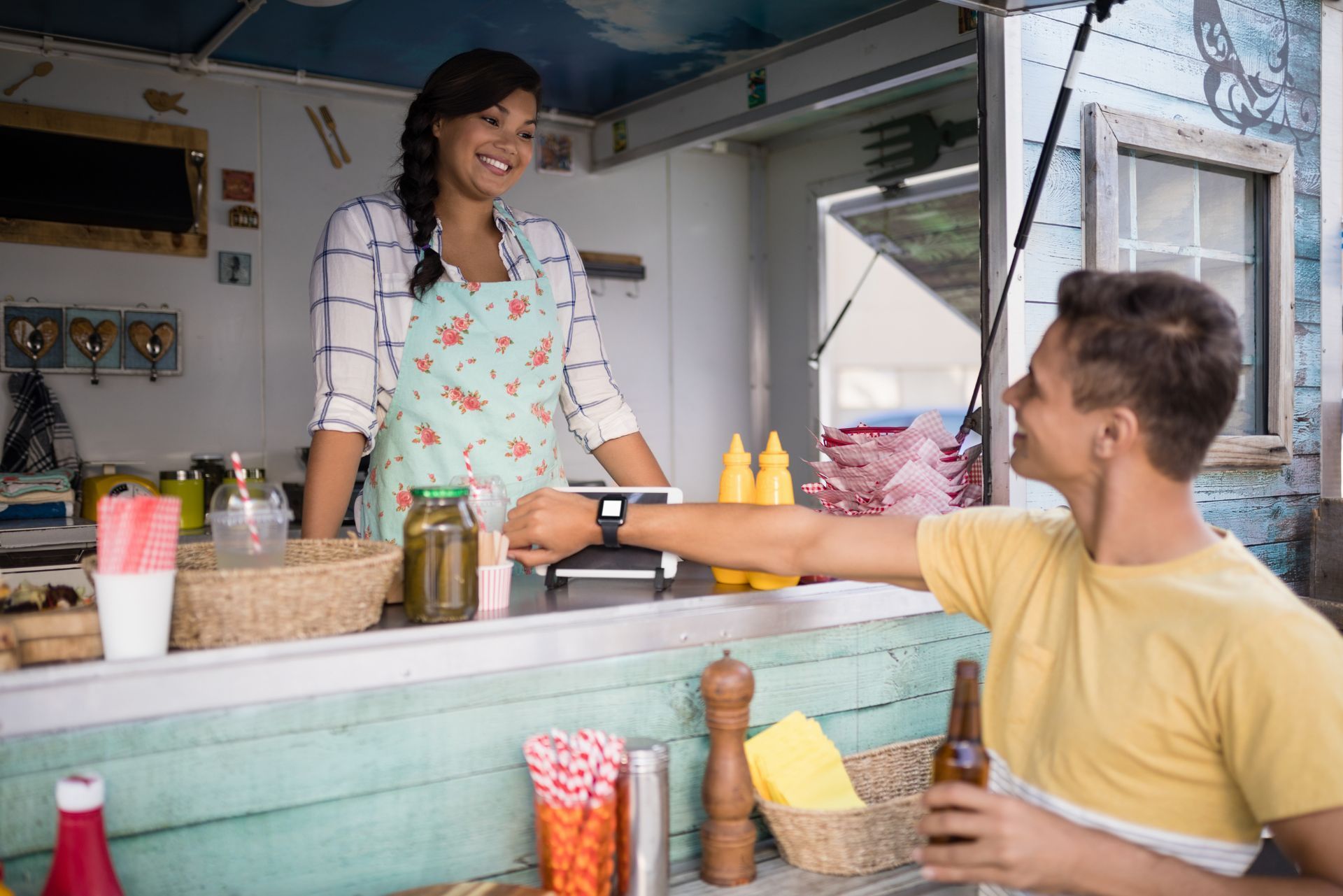
Food trailers tend to have specific peak hours and event participation patterns that influence insurance needs. Most operators report their busiest time between 5 PM and 8 PM, a window when foot traffic and demand are highest. This period is critical for business but also increases exposure to liability risks. During these hours, the combination of hungry patrons and limited dining options can create a bustling atmosphere, making it essential for food trailer operators to be prepared for the influx of customers. Operators often find themselves juggling multiple orders, managing queues, and ensuring that food safety standards are met—all while maintaining a friendly and efficient service.
Many food trailer owners participate in festivals and events to maximize sales. In 2023, over 30% attended 10 or more events, with a preference for food festivals (58.5%) and music festivals (51.2%). These environments bring large crowds and heightened risks, making comprehensive insurance coverage a must-have. Festivals not only provide a unique opportunity for exposure but also allow operators to showcase their culinary creations to a diverse audience. The vibrant atmosphere of these events can lead to spontaneous customer engagement and word-of-mouth promotion, which are invaluable for building a loyal customer base. However, the unpredictable nature of large gatherings can also lead to unforeseen incidents, from food allergies to accidents, underscoring the importance of robust insurance policies tailored to these scenarios.
Event participation also affects costs like permits, licensing, and fuel, which are among the top expenses for food trailer operators. Ensuring your insurance policy covers liabilities during these events is vital to avoid interruptions or financial loss. Additionally, operators must consider the logistics of transporting their trailers to various locations, which can incur additional fuel and maintenance costs. The need for proper planning extends beyond just financial aspects; it also includes understanding the local regulations that differ from one venue to another. Each event may have its own set of rules regarding health inspections, waste disposal, and even the types of food that can be sold, making it essential for operators to stay informed and compliant to ensure smooth operations and mitigate potential legal issues.
Profitability and Risk Management for Food Trailer Owners
Running a food trailer can be profitable, but it requires balancing revenue with risk management. About 40% of food truck and trailer owners describe their businesses as moderately profitable, while 14.1% report high profitability. Effective insurance coverage plays a role in maintaining this balance by protecting against unexpected claims.
Claims in the food business sector have increased slightly, with a 2.3% rise in 2023 compared to the previous year. The average claim payout was $4,632, illustrating the financial impact of accidents or liability issues. Having the right insurance, including a food trailer endorsement, can prevent these payouts from draining your business finances.
Proper coverage also supports business continuity. If a claim arises during a busy festival or peak operating hour, your insurance can cover legal fees and damages, allowing you to focus on serving customers without disruption. Moreover, comprehensive risk management strategies can further enhance your business resilience. This includes regular maintenance checks on your trailer to prevent mechanical failures, training staff in food safety protocols to avoid health violations, and implementing robust cash handling procedures to mitigate theft or fraud.
Additionally, understanding the local regulations and permits required for operating a food trailer can significantly reduce the risk of fines or shutdowns. Many municipalities have specific health codes and licensing requirements that must be adhered to, and failure to comply can lead to costly penalties. Engaging with local food truck associations can provide valuable insights into navigating these regulations, as well as networking opportunities that can lead to increased visibility and customer engagement. By fostering relationships within the community and staying informed on industry trends, food trailer owners can enhance their profitability while effectively managing the inherent risks of their business.
| Coverage Type | What It Covers | Why It Matters for Food Trailers |
|---|---|---|
| General Liability | Bodily injury, property damage, legal defense | Protects against customer injuries and accidents at your trailer |
| Commercial Auto & Trailer | Vehicle and trailer accidents, damage, theft | Essential for mobile operations; 28% of claims relate to this |
| Product Liability | Foodborne illness, contamination, allergic reactions | Guards against costly food safety lawsuits |
| Equipment & Property | Damage or loss of kitchen equipment and trailer property | Keeps your kitchen operational after incidents |
| Business Interruption | Lost income and expenses during downtime | Helps maintain cash flow if your trailer is out of service |
Choosing the Right Food Trailer Insurance Policy
Selecting the best insurance policy involves more than just price. Consider the following factors:
- Coverage Limits: Ensure your policy limits are sufficient to cover potential claims, especially during high-traffic events.
- Endorsements: Verify that your policy includes a food trailer endorsement to cover detached operations.
- Claims History: Review your insurer’s reputation for handling food business claims efficiently.
- Cost vs. Value: Balance affordability with comprehensive protection to avoid gaps in coverage.
Working with an insurance provider knowledgeable about food trailers can make a significant difference. They can tailor policies to your specific business model and operating locations, ensuring you get the protection you need without paying for unnecessary extras.
Additionally, consider the unique risks associated with operating a food trailer. For instance, food safety incidents can lead to costly lawsuits, and having liability coverage that specifically addresses these risks is crucial. Moreover, if you plan to operate at various locations, your policy should account for different regulations and requirements in each area, which can vary significantly. Understanding these nuances can help you avoid potential pitfalls and ensure that your business remains compliant and protected.
Furthermore, it’s essential to stay updated on industry trends and changes in legislation that may affect your insurance needs. For example, as food trailers become increasingly popular, some insurers are developing specialized products that cater specifically to this market. Engaging with a broker who specializes in food service can provide insights into these emerging options, allowing you to make informed decisions about your coverage. This proactive approach not only safeguards your business but also positions you to adapt to the evolving landscape of the food service industry.
Understanding Common Claims and How to Avoid Them
Food trailer owners face several common claim types, including slip-and-fall accidents, foodborne illness allegations, and equipment damage. Knowing these risks helps you implement safety measures that reduce claim frequency and severity.
For example, maintaining clean, dry walkways around your trailer and clearly marking any uneven surfaces can prevent slips. Proper food handling and storage practices minimize the risk of contamination claims. Regular equipment maintenance avoids breakdowns or accidents caused by faulty appliances.
Insurance claims increased slightly in 2023, emphasizing the need for vigilance. The average payout of $4,632 per claim can be financially damaging without proper coverage. Investing in a food trailer endorsement ensures your policy responds when incidents occur during detached vending operations.
Wrapping Things Up: Why Food Trailer Endorsement Insurance Matters
Food trailer endorsement insurance fills a critical gap in coverage for mobile food vendors operating detached trailers. It protects against liability risks unique to this business model, especially during peak hours and event participation.
With food trailer insurance starting at an accessible price point and offering tailored protection, it is a smart investment for restaurant owners looking to expand into mobile vending. Understanding your coverage options and operational risks empowers you to run your business confidently and sustainably.
For more detailed insights on food trailer insurance costs and coverage, visit
FLIP Program’s food trailer insurance cost guide.
Frequently Asked Questions
Q: What does a food trailer endorsement cover that regular liability insurance does not?
A: It covers liability risks when your food trailer is detached and parked, which standard general liability policies may exclude.
Q: Is food trailer insurance expensive?
A: Food trailer insurance starts at about $38.42 per month, combining general liability and the trailer endorsement, making it affordable for most operators.
Q: Can I use food trailer insurance for events and festivals?
A: Yes. The endorsement is designed to cover your trailer during events, including food and music festivals where many operators participate.
Q: How can I reduce the risk of insurance claims?
A: Implement safety measures like maintaining clean areas around your trailer, following food safety protocols, and regularly servicing your equipment.
Q: Do I need insurance if I only operate my food trailer occasionally?
A: Yes. Even occasional operations carry liability risks, and having proper coverage protects you from unexpected claims.
Q: How does food trailer insurance differ from food truck insurance?
A: Food truck insurance covers motorized vehicles, while food trailer insurance includes a special endorsement for trailers detached from towing vehicles.
About The Author:
Dustin Hulett
As Owner of Cuisine Coverage powered by Hulett Insurance, I specialize in protecting restaurants, bars, and hospitality businesses with smart, reliable insurance solutions. With years of experience serving the food and beverage industry, my goal is to make coverage simple, transparent, and built around the unique risks that owners face every day.
Contact Us
Business Coverage
Protection for Every Part of Your Food Business
Cuisine Coverage provides specialized insurance for restaurants, food trucks, catering services, and other hospitality businesses. We help owners protect their property, staff, and reputation with policies built around the most common industry risks.

General Liability Insurance
Protects your business from claims related to injury, property damage, or accidents that happen during operations.
General Liability
Liquor Liability Insurance
Covers alcohol-related incidents for restaurants, bars, or venues that serve or sell alcohol.
Liquor Liability
Workers Compensation Insurance
Provides wage replacement and medical benefits to employees injured on the job.
Workers Compensation
Business Interruption Insurance
Helps replace lost income and cover ongoing expenses if your business operations are temporarily halted.
Business Interruption
Product Liability Insurance
Protects against claims related to foodborne illness, contamination, or product defects.
Product Liability
Cyber Liability Insurance
Covers data breaches, online payment issues, and digital risks that can affect modern food businesses.
Cyber Liability
Serving the Food and Hospitality Industry
Insurance Solutions for Every Type of Food Business
Cuisine Coverage provides specialized insurance for restaurants, cafés, and food service professionals across the country. Whether you run a casual kitchen or a mobile food truck, we offer coverage that fits your operations and risk level.
How It Works
Insurance Made Easy for Food Business Owners
We know you don’t have time to deal with complicated insurance forms. That’s why our process is built for speed and simplicity — so you can get back to running your kitchen.
Your Insurance Questions Answered
What Restaurant and Food Business Owners Ask Most
What types of insurance do restaurants and food businesses need?
Most food businesses need general liability, property, and workers’ compensation coverage. These protect against injuries, equipment damage, and employee-related incidents. Businesses serving alcohol should also include liquor liability insurance for extra protection.
Having the right mix of policies helps reduce financial risks. We’ll help you identify the specific coverages your business needs based on your setup, size, and operations.
Do you provide insurance for food trucks and mobile kitchens?
Yes. We specialize in insurance for food trucks, trailers, and mobile vendors. Our coverage includes vehicle protection, cooking equipment, and liability for events or customer interactions.
We can also help you meet licensing and vendor requirements by issuing certificates of insurance quickly — often the same day.
How fast can I get a quote or start coverage?
In most cases, quotes are ready within 24 hours once we have your business details. After approval, coverage and certificates can be issued immediately.
Our process is fully digital but supported by real agents who review each policy for accuracy. You’ll always know exactly what you’re getting before coverage starts.
Do you offer liquor liability insurance for bars or restaurants?
Yes. We provide liquor liability insurance for bars, taverns, and restaurants that sell or serve alcohol. This coverage protects against claims involving intoxicated patrons or alcohol-related incidents.
It’s essential for maintaining compliance with local laws and protecting your business from costly lawsuits. We’ll ensure your policy meets all licensing requirements.
How can I reduce my insurance costs?
You can often lower premiums by bundling multiple coverages, maintaining clean safety records, and conducting regular policy reviews. Many insurers also offer discounts for installing safety systems and training employees.
At Cuisine Coverage, we proactively review your policy before renewal to help you keep costs down without reducing protection.
Do you help with certificates of insurance (COIs)?
Yes. We provide same-day certificates for vendors, landlords, and event partners. You can request them by phone or email anytime.
Having your COI ready keeps your business compliant and avoids delays in operations. Our team handles these requests quickly so you can stay focused on running your business.
From the Kitchen to Coverage
Real Advice for the Food and Hospitality Industry
We share tips, updates, and real-world stories from the food and insurance industries. Whether you’re managing a restaurant or rolling out a food truck, our articles give you useful guidance to protect your business and grow with confidence.
Contact Us
Phone
Location