Maine Restaurant INSURANCE
OR call us: (214) 667-2729
Maine’s restaurant scene is a vital part of its economy, especially along the coast where dining spots offer more than just meals-they provide an experience shaped by the rugged shoreline and maritime culture. With over 3,300 eating and drinking establishments employing nearly 63,000 people, restaurants make up 10% of the state’s workforce, underscoring their economic importance according to the National Restaurant Association. But running a restaurant in Maine comes with unique risks, from weather-related interruptions to the everyday hazards of food service. Understanding the right insurance coverage is critical to protect these coastal dining operations.
Why Insurance Matters for Maine’s Coastal Restaurants
Coastal restaurants face an elevated risk profile. Nearly half of all business interruption claims in coastal areas stem from weather-related events according to CompleteMarkets. Storms, flooding, and other natural disruptions can shutter businesses for days or weeks, draining revenue and damaging property. Yet, a 2025 survey found that 38% of U.S. restaurant owners lack insurance coverage for extreme weather events, leaving many vulnerable to catastrophic losses NEXT Insurance Survey.
For Maine’s coastal operators, this gap in protection is especially risky. The state’s economy benefits significantly from restaurant spending, with each dollar spent contributing $1.74 to the local economy National Restaurant Association. Interruptions can ripple through communities that rely on tourism and dining as economic pillars. The unique charm of Maine's coastal towns draws visitors from far and wide, and a thriving restaurant scene is essential to maintaining that allure. When a restaurant faces closure due to unforeseen events, it not only impacts the owners but also the local suppliers, farmers, and artisans who depend on these establishments for their livelihoods.
Key Risks Facing Coastal Dining Businesses
Beyond weather, restaurants contend with common hazards such as equipment breakdowns, employee injuries, and slip-and-fall accidents. These three categories top the list of insurance claims nationwide, accounting for nearly 43% of all restaurant claims OysterLink. For coastal businesses, the stakes are higher because repairs and replacements can be delayed by supply chain challenges or weather conditions. Moreover, the seasonal nature of Maine’s tourism can exacerbate these risks; during peak summer months, restaurants may be bustling with customers, increasing the likelihood of accidents and equipment failures. As such, having comprehensive insurance coverage isn't just a safety net—it's a critical component of operational strategy that ensures restaurants can weather the storms, both literal and figurative, that threaten their success.
Furthermore, the unique coastal environment presents additional challenges. Saltwater corrosion can affect kitchen equipment and outdoor dining structures, leading to unexpected maintenance costs. The proximity to the ocean also means that restaurants must be vigilant about health regulations, particularly concerning seafood and other perishables that can spoil rapidly in the event of a power outage or flooding. This necessitates not only robust insurance policies but also proactive risk management strategies to mitigate potential losses. By investing in comprehensive insurance coverage and implementing safety protocols, Maine’s coastal restaurants can better navigate the complexities of their environment while continuing to serve their communities delicious meals and unforgettable experiences.


By: Dustin Hulett
Founder & CEO of Cuisine Coverage
Understanding the Cost of Insurance in Maine
Insurance costs in Maine tend to be more affordable than the national averages, which can be a relief for restaurant owners managing tight margins. The average monthly cost for general liability insurance in Maine is $126, compared to $146 nationally MoneyGeek. Workers’ compensation rates are also relatively low at $1.03 per $100 of payroll Kickstand Insurance, which helps control labor-related insurance expenses.
Still, restaurant labor costs in Maine have been rising faster than menu prices, squeezing profits even as sales show modest growth. Between August 2023 and August 2024, restaurant sales increased by 2.0%, while menu prices climbed 4%, reflecting inflation pressures that affect both operators and customers Maine Department of Administrative and Financial Services.
Balancing Coverage and Cost
Finding the right balance between comprehensive coverage and affordable premiums is key. Coastal restaurants should prioritize policies that cover weather-related business interruptions, property damage, and liability risks. General liability insurance protects against customer injuries and property damage claims, while workers’ compensation covers employee injuries on the job.
Given the high incidence of equipment breakdown claims, coverage that includes kitchen equipment and refrigeration systems is essential to avoid costly downtime. This is especially important in Maine’s coastal climate, where salt air and humidity can accelerate wear and tear. Additionally, restaurants may want to consider adding business interruption insurance, which can provide crucial financial support in the event of unforeseen closures due to natural disasters or other emergencies. This type of coverage can help ensure that a restaurant can continue to meet its financial obligations, such as rent and payroll, even when operations are temporarily halted.
Moreover, understanding the nuances of insurance policies can also lead to potential savings. Many insurers offer discounts for bundling different types of coverage, such as combining general liability with property insurance. Restaurant owners should regularly review their policies and consult with insurance agents to ensure they are not only compliant with state regulations but also receiving the best possible rates. Engaging with local insurance experts who understand the unique challenges faced by Maine's restaurant industry can provide invaluable insights and help owners navigate the complexities of their insurance needs.
Business Interruption Insurance: A Must for Coastal Locations
Business interruption insurance is often overlooked but is crucial for coastal restaurants. It compensates for lost income during closures caused by covered events like storms or flooding. Since coastal businesses face frequent weather disruptions, this coverage can mean the difference between weathering a storm and permanent closure.
Nearly half of all business interruption claims for coastal restaurants are weather-related, highlighting the vulnerability of these operations CompleteMarkets. Without this protection, a single severe storm could wipe out weeks of revenue and force layoffs or debt accumulation. The financial strain can be particularly devastating for small businesses that may not have the cash reserves to survive prolonged closures. Moreover, the ripple effects of such disruptions can extend beyond immediate financial loss, impacting supplier relationships and customer loyalty.
Planning for the Unpredictable
Restaurants should work with insurance providers to tailor business interruption policies to their specific risks. This includes understanding the waiting period before benefits kick in and the maximum payout limits. Some policies also offer coverage for additional expenses, such as temporary relocation or extra staffing costs during recovery. It is essential for restaurant owners to conduct a thorough risk assessment to identify potential hazards unique to their location, such as tidal surges or hurricane paths, and ensure that their insurance coverage aligns with these risks.
Furthermore, investing time in developing a comprehensive disaster recovery plan can complement the financial safety net provided by business interruption insurance. This plan should include strategies for communication with employees and customers during a crisis, as well as a clear outline of operational steps to take in the aftermath of a disaster. By being proactive and prepared, coastal restaurants can not only safeguard their financial interests but also foster resilience in their operations, ensuring they remain a beloved part of the community even in the face of adversity.

Protecting Against Employee and Customer Risks
Employee injuries and customer accidents are common sources of claims. Slip-and-fall incidents alone account for nearly 13% of restaurant insurance claims nationwide OysterLink. In a busy coastal restaurant, wet floors or uneven surfaces can easily lead to accidents. Factors such as high foot traffic, the presence of outdoor seating, and seasonal weather changes can exacerbate these risks, making it essential for restaurant owners to remain vigilant. Regular inspections and maintenance of flooring, along with clear signage indicating wet areas, can significantly mitigate these hazards.
Workers’ compensation insurance is mandatory in Maine, and the state’s relatively low rate helps restaurants manage this cost. Still, investing in safety training and maintenance can reduce claims and keep premiums down. Training employees on proper lifting techniques, safe food handling practices, and emergency response can create a culture of safety that not only protects staff but also enhances customer confidence. Furthermore, implementing a robust incident reporting system can help identify recurring issues and facilitate timely interventions.
Liability Coverage Essentials
General liability insurance covers legal fees and settlements if a customer sues for injury or property damage. This is critical for restaurants, where the public regularly accesses the premises. Liability coverage also protects against foodborne illness claims or advertising injury. With the rise of social media, a single negative review or viral post can escalate into a significant reputational risk, making it even more important for restaurants to have comprehensive liability coverage. Additionally, some policies may offer coverage for incidents related to third-party vendors, which can further safeguard the restaurant from unforeseen liabilities.
Moreover, restaurants should consider the importance of specialized liability insurance options, such as liquor liability, especially if they serve alcohol. This type of coverage protects against claims arising from incidents involving intoxicated patrons, which can lead to serious legal consequences. By understanding the nuances of these different types of coverage, restaurant owners can better tailor their insurance policies to fit their unique operational risks and ensure they are adequately protected against a wide array of potential claims.
Trends in Maine’s Restaurant and Lodging Market
Maine’s restaurant sales have shown steady growth in 2024, with a 2.9% increase in June and a 2.7% rise in August compared to the previous year Maine Department of Administrative and Financial Services. Despite a slight dip in July, the overall trend points to a resilient dining sector. This growth can be attributed to several factors, including an increase in both local and tourist dining experiences, with many restaurants adapting to consumer preferences by offering outdoor seating and farm-to-table menus. The emphasis on local ingredients not only supports Maine's agricultural community but also enhances the dining experience, making it a unique selling point for visitors.
Lodging sales have also fluctuated, with a 5.3% increase in June but a 2.3% decline in July. Occupancy rates peaked at 81% in August but dropped in September compared to the prior year, reflecting seasonal and economic shifts. Many hotels and inns have started to diversify their offerings, providing packages that include dining experiences, adventure tours, and wellness retreats, which cater to a broader audience and encourage longer stays. This strategic approach not only boosts occupancy rates during peak seasons but also helps mitigate the impact of off-peak fluctuations.
Implications for Insurance Planning
These market dynamics mean restaurant owners must stay agile. Rising labor costs and menu price inflation add pressure, making insurance a critical tool for managing risk. As Maine’s coastal economy depends on tourism and dining, protecting these businesses ensures long-term stability for the community. Additionally, with the increasing unpredictability of weather patterns and the potential for natural disasters, having comprehensive insurance coverage has become more essential than ever. Restaurant and lodging owners are now more aware of the need for policies that cover not just property damage but also business interruption and liability, ensuring they can navigate any challenges that arise without jeopardizing their operations.
Furthermore, the growing trend of eco-conscious consumers is prompting establishments to adopt sustainable practices, which may also influence their insurance needs. For instance, businesses that implement energy-efficient systems or sustainable sourcing may qualify for specific insurance incentives or discounts. As Maine continues to position itself as a leader in sustainable tourism, those in the restaurant and lodging sectors must consider how their operational choices can impact not only their bottom line but also their insurance strategies.
Comparing Key Insurance Coverages for Maine Restaurants
| Coverage Type | What It Covers me | Why It Matters for Coastal Restaurants | Typical Cost in Maine |
|---|---|---|---|
| General Liability | Customer injuries, property damage, legal fees | Protects against slip-and-fall claims and food-related lawsuits | Approx. $126/month |
| Workers’ Compensation | Employee injury medical costs, lost wages | Mandatory in Maine; controls costs of workplace accidents | $1.03 per $100 payroll |
| Business Interruption | Lost income during closures, extra expenses | Essential for weather-related shutdowns common on the coast | Varies by policy and risk |
| Equipment Breakdown | Repairs or replacement of kitchen and refrigeration equipment | Prevents costly downtime from equipment failure | Often included or add-on |
Before You Go: Key Takeaways for Maine Restaurant Owners
Running a restaurant on Maine’s coast means navigating a unique set of risks. Weather disruptions, rising costs, and liability exposures require thoughtful insurance planning. Prioritize coverage that protects against weather-related business interruptions, employee injuries, and common liability claims.
With general liability insurance averaging $126 monthly and workers’ compensation rates at $1.03 per $100 payroll, Maine offers competitive insurance costs compared to national averages MoneyGeek. Still, the right policy mix depends on your specific location, menu, and operational risks.
Engage with an insurance expert who understands Maine’s coastal challenges to tailor a plan that safeguards your business and supports long-term success.
Frequently Asked Questions
Q: Do coastal restaurants in Maine need special insurance?
A: Yes. Coastal locations face higher risks from weather events, so business interruption coverage is especially important.
Q: How much does restaurant insurance typically cost in Maine?
A: General liability averages $126 per month, which is below the national average, while workers’ comp rates are about $1.03 per $100 of payroll.
Q: What are the most common insurance claims for restaurants?
A: Equipment breakdown, employee injuries, and slip-and-fall accidents are the top claim categories.
Q: Can rising labor costs affect my insurance?
A: Yes. Higher labor costs can increase workers’ compensation premiums, so managing safety and payroll is key.
Q: Is business interruption insurance necessary?
A: For coastal restaurants, it is critical because weather can cause extended closures that impact revenue.
Q: How can I reduce insurance claims?
A: Implementing safety training, maintaining equipment, and addressing hazards promptly helps lower risks and premiums.
About The Author:
Dustin Hulett
As Owner of Cuisine Coverage powered by Hulett Insurance, I specialize in protecting restaurants, bars, and hospitality businesses with smart, reliable insurance solutions. With years of experience serving the food and beverage industry, my goal is to make coverage simple, transparent, and built around the unique risks that owners face every day.
Contact Us
Business Coverage
Protection for Every Part of Your Food Business
Cuisine Coverage provides specialized insurance for restaurants, food trucks, catering services, and other hospitality businesses. We help owners protect their property, staff, and reputation with policies built around the most common industry risks.

General Liability Insurance
Protects your business from claims related to injury, property damage, or accidents that happen during operations.
General Liability
Liquor Liability Insurance
Covers alcohol-related incidents for restaurants, bars, or venues that serve or sell alcohol.
Liquor Liability
Workers Compensation Insurance
Provides wage replacement and medical benefits to employees injured on the job.
Workers Compensation
Business Interruption Insurance
Helps replace lost income and cover ongoing expenses if your business operations are temporarily halted.
Business Interruption
Product Liability Insurance
Protects against claims related to foodborne illness, contamination, or product defects.
Product Liability
Cyber Liability Insurance
Covers data breaches, online payment issues, and digital risks that can affect modern food businesses.
Cyber Liability
Serving the Food and Hospitality Industry
Insurance Solutions for Every Type of Food Business
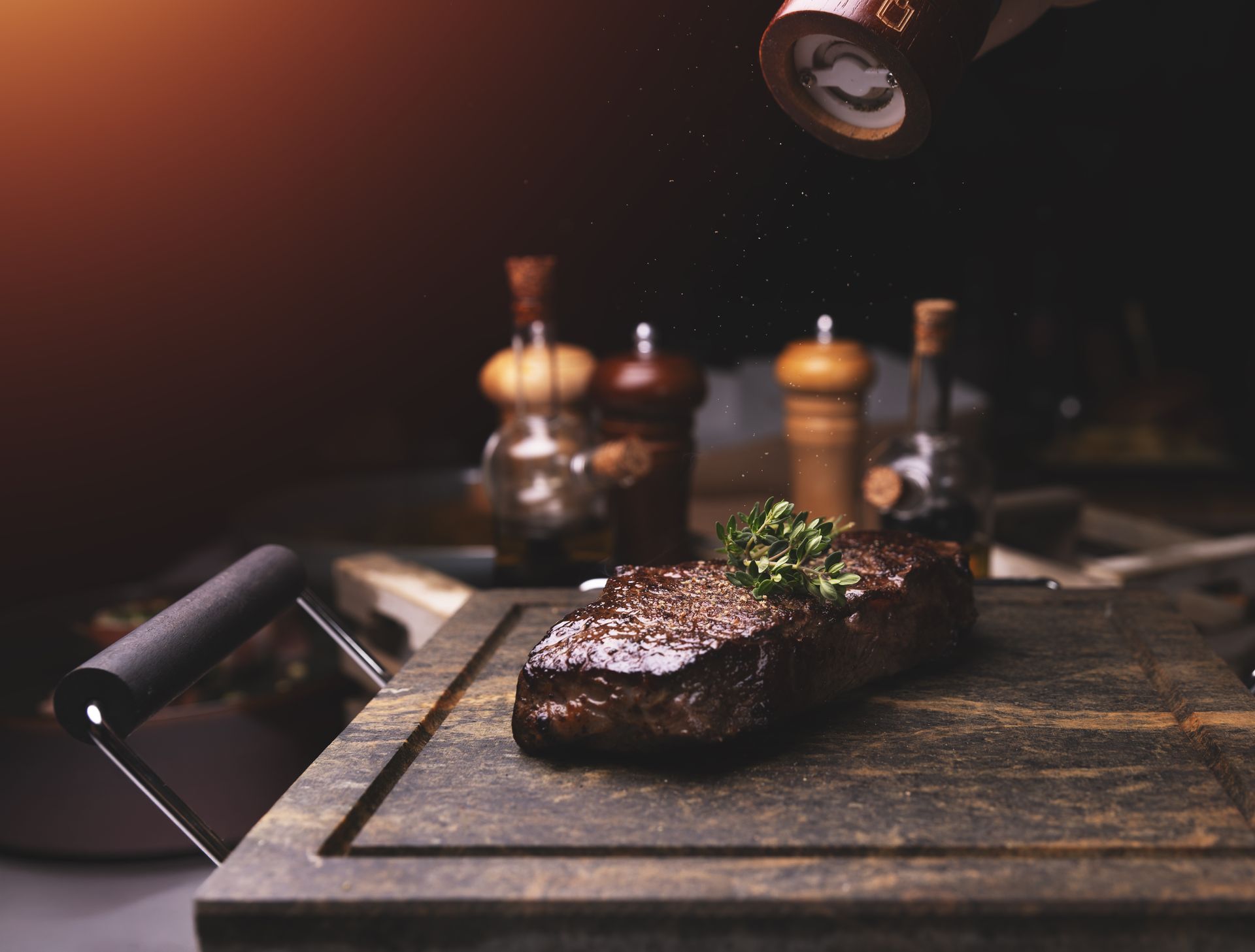
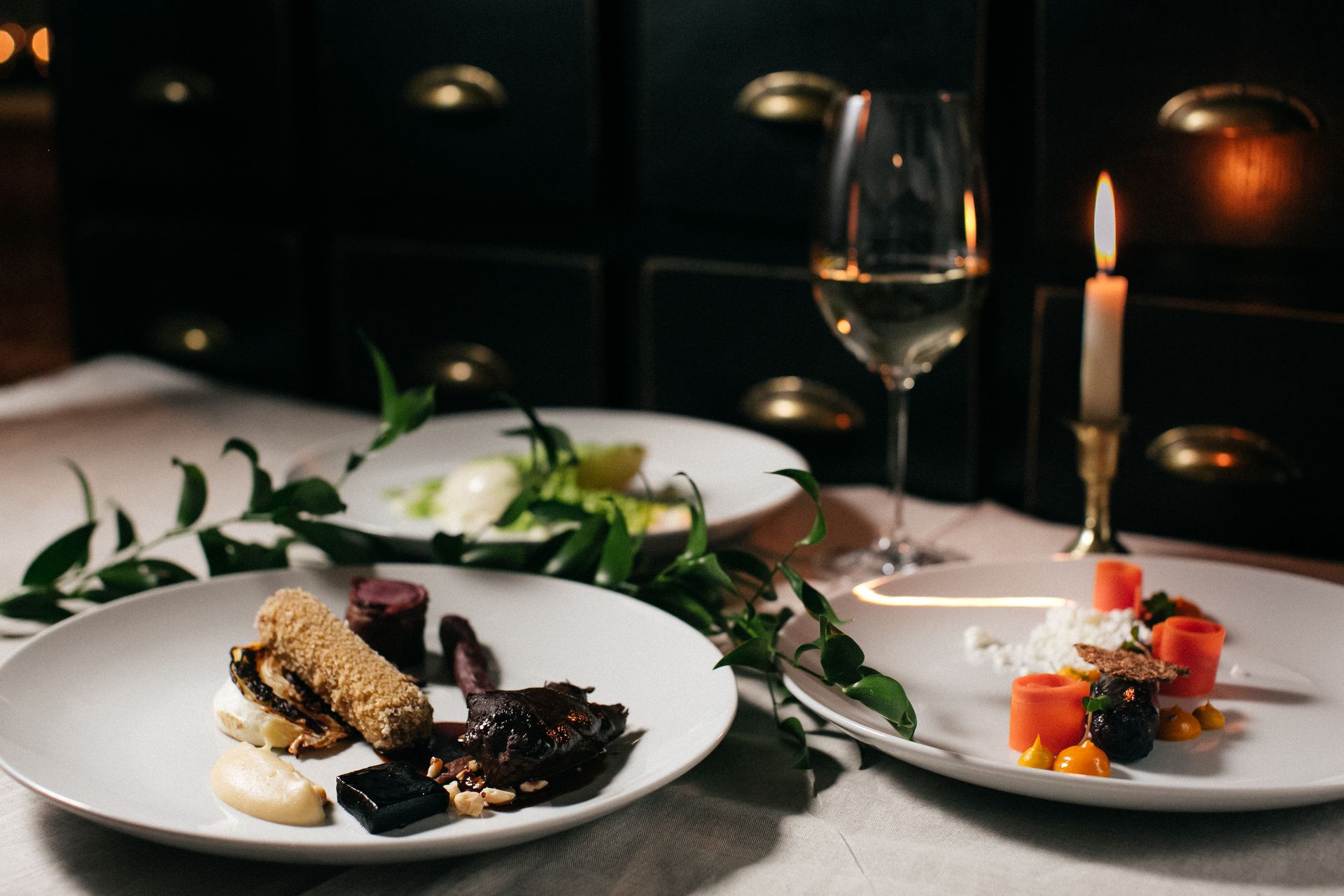
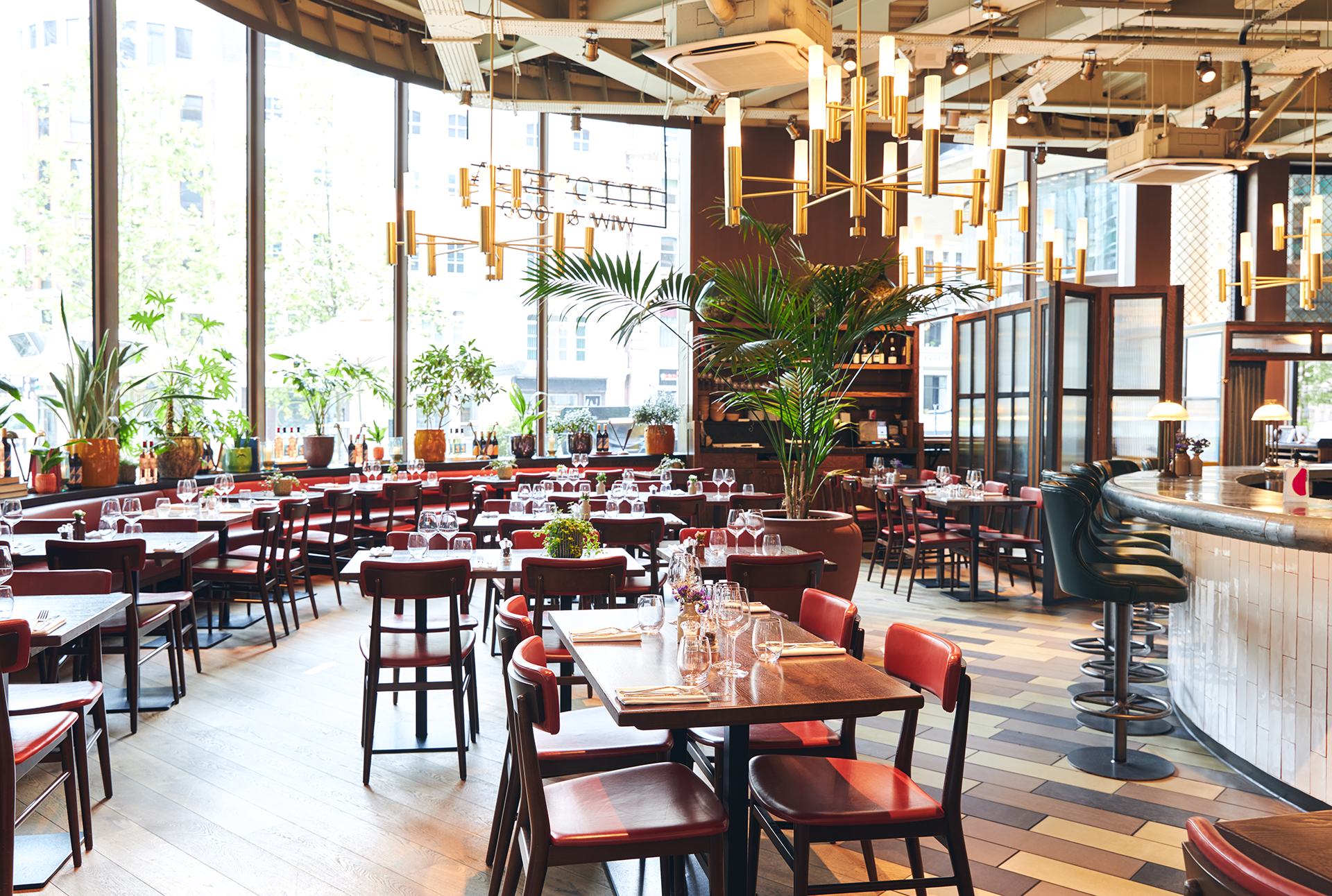
Cuisine Coverage provides specialized insurance for restaurants, cafés, and food service professionals across the country. Whether you run a casual kitchen or a mobile food truck, we offer coverage that fits your operations and risk level.
How It Works
Insurance Made Easy for Food Business Owners
We know you don’t have time to deal with complicated insurance forms. That’s why our process is built for speed and simplicity — so you can get back to running your kitchen.
Your Insurance Questions Answered
What Restaurant and Food Business Owners Ask Most
What types of insurance do restaurants and food businesses need?
Most food businesses need general liability, property, and workers’ compensation coverage. These protect against injuries, equipment damage, and employee-related incidents. Businesses serving alcohol should also include liquor liability insurance for extra protection.
Having the right mix of policies helps reduce financial risks. We’ll help you identify the specific coverages your business needs based on your setup, size, and operations.
Do you provide insurance for food trucks and mobile kitchens?
Yes. We specialize in insurance for food trucks, trailers, and mobile vendors. Our coverage includes vehicle protection, cooking equipment, and liability for events or customer interactions.
We can also help you meet licensing and vendor requirements by issuing certificates of insurance quickly — often the same day.
How fast can I get a quote or start coverage?
In most cases, quotes are ready within 24 hours once we have your business details. After approval, coverage and certificates can be issued immediately.
Our process is fully digital but supported by real agents who review each policy for accuracy. You’ll always know exactly what you’re getting before coverage starts.
Do you offer liquor liability insurance for bars or restaurants?
Yes. We provide liquor liability insurance for bars, taverns, and restaurants that sell or serve alcohol. This coverage protects against claims involving intoxicated patrons or alcohol-related incidents.
It’s essential for maintaining compliance with local laws and protecting your business from costly lawsuits. We’ll ensure your policy meets all licensing requirements.
How can I reduce my insurance costs?
You can often lower premiums by bundling multiple coverages, maintaining clean safety records, and conducting regular policy reviews. Many insurers also offer discounts for installing safety systems and training employees.
At Cuisine Coverage, we proactively review your policy before renewal to help you keep costs down without reducing protection.
Do you help with certificates of insurance (COIs)?
Yes. We provide same-day certificates for vendors, landlords, and event partners. You can request them by phone or email anytime.
Having your COI ready keeps your business compliant and avoids delays in operations. Our team handles these requests quickly so you can stay focused on running your business.
From the Kitchen to Coverage
Real Advice for the Food and Hospitality Industry
We share tips, updates, and real-world stories from the food and insurance industries. Whether you’re managing a restaurant or rolling out a food truck, our articles give you useful guidance to protect your business and grow with confidence.
Contact Us
Phone
Location