Food Trailer INSURANCE
OR call us: (214) 667-2729
Operating a food trailer means juggling many moving parts-from sourcing ingredients to managing permits and serving customers on the go. But one aspect often overlooked until it’s too late is insurance. Food trailer insurance is not just a safety net; it’s a critical part of running a mobile kitchen business that can protect you from costly claims and unexpected setbacks.
With food business insurance claims rising by 2.3% in 2023 and average payouts reaching $4,632, understanding your coverage options can save your business from financial strain. The Food Liability Insurance Program (FLIP) offers detailed insights into these trends, highlighting the growing importance of tailored insurance solutions for food vendors (FLIP Report 2024).
Why Food Trailer Insurance Matters
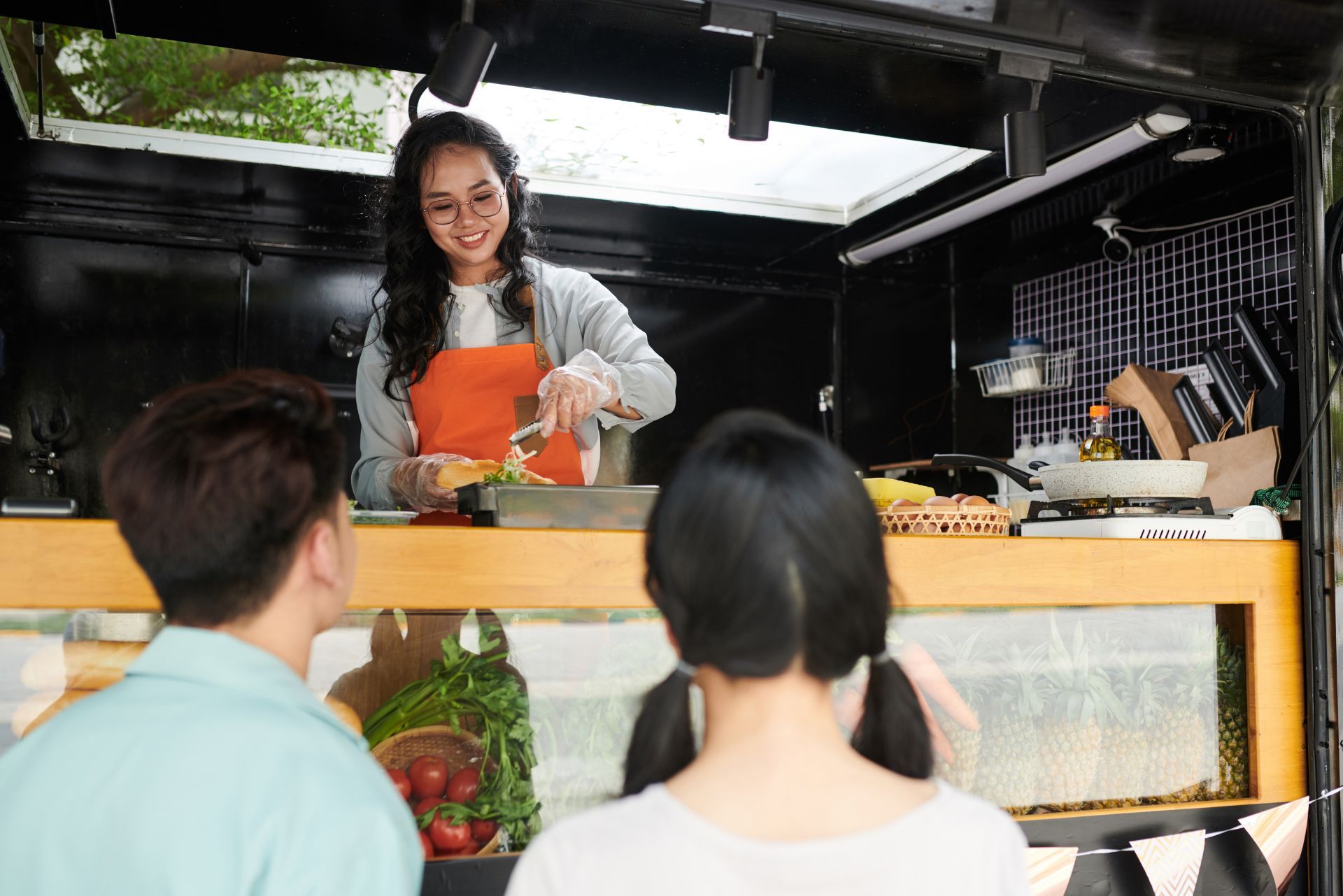
Food trailers face unique risks that differ from traditional restaurants or food trucks. These risks include accidents involving the trailer itself, food contamination claims, and liability issues stemming from customer injuries or property damage. Without the right insurance, a single incident can lead to significant financial losses or even force a business to close.
One key risk area is auto or trailer incidents, which accounted for about 28% of all claims filed by food businesses in 2023. This highlights how critical it is to have comprehensive coverage that protects not only your food products but also your trailer and vehicle (FLIP Report 2024).
Joel Paprocki, founder of Insure My Food, stresses the importance of understanding these specific insurance needs, noting that many food and craft beverage vendors are unaware of how specialized their coverage should be to address industry risks effectively (Texas Economic Development).
Common Risks for Food Trailer Businesses
Food trailers operate in dynamic environments—often parked on busy streets or at crowded events. This exposes them to:
- Vehicle and trailer accidents
- Foodborne illness claims
- Property damage or theft
- Slip and fall injuries
- Equipment breakdowns
Each of these risks can translate into costly claims, making insurance a vital investment rather than an optional expense.
Moreover, the nature of food service means that food trailers must adhere to strict health and safety regulations. Failure to comply with these regulations can lead to fines or even the closure of the business. For instance, if a customer falls ill after consuming food from your trailer, not only could you face a lawsuit, but you may also have to deal with the fallout of a damaged reputation. This is where liability insurance becomes crucial, as it can help cover legal fees and settlements, allowing you to focus on serving delicious food rather than worrying about potential legal troubles.
Additionally, food trailers often rely on specialized equipment, such as deep fryers, grills, and refrigeration units, which can be costly to repair or replace. Equipment breakdowns can lead to significant downtime, impacting revenue and customer satisfaction. Having insurance that covers equipment failure ensures that you can quickly get back to business, minimizing the financial impact of unexpected repairs. This coverage not only protects your investment but also helps maintain the quality and safety of the food you serve, which is paramount in the competitive food service industry.


By: Dustin Hulett
Founder & CEO of Cuisine Coverage
Types of Insurance Coverage for Food Trailers
Not all insurance policies are created equal, especially for mobile kitchens. Understanding the types of coverage available helps tailor protection to your business needs.
General Liability Insurance
This is the foundation of any food business insurance plan. It covers bodily injury, property damage, and legal defense costs if a customer sues over an accident or injury related to your business operations. For food trailers, this often includes slip and fall incidents or damage caused by your trailer. Additionally, general liability insurance can also protect against claims of false advertising or misrepresentation, which can be particularly relevant for food trailers that rely heavily on marketing their unique offerings and culinary creations.
Commercial Auto and Trailer Insurance
Since food trailers are mobile, protecting your vehicle and trailer is crucial. Commercial auto insurance covers accidents involving your vehicle, while trailer insurance specifically protects the trailer itself. Given that nearly 28% of claims relate to auto or trailer incidents, this coverage is indispensable (FLIP Report 2024). Furthermore, some policies may also include coverage for roadside assistance, which can be a lifesaver in case of breakdowns or other emergencies while on the road, ensuring that you can get back to serving customers as quickly as possible.
Product Liability Insurance
Foodborne illness outbreaks can devastate a food trailer’s reputation and finances. Product liability insurance covers claims related to food contamination or allergic reactions. A study in Choices magazine highlights how traceability practices help target costs to implicated firms, but insurance remains essential to manage these risks. In addition, many food trailers offer unique or gourmet items that may not be familiar to all customers, increasing the risk of allergic reactions. Product liability insurance can provide peace of mind, allowing you to focus on creating delicious dishes without the constant worry of potential claims.
Equipment and Property Insurance
Food trailers are packed with specialized equipment that can be expensive to repair or replace. This coverage protects against damage from fire, theft, or accidents, ensuring your kitchen stays operational. Moreover, it can also cover loss of income due to equipment failure, which can be critical during peak business hours. Many food trailer operators invest heavily in high-quality appliances and tools, and having this insurance ensures that your investment is safeguarded against unforeseen events, allowing you to maintain the quality of your offerings.
Business Interruption Insurance
If your trailer is damaged or you face a food safety shutdown,
business interruption insurance helps cover lost income and ongoing expenses during downtime. This type of coverage can be particularly beneficial for food trailers that rely on seasonal events or festivals for a significant portion of their revenue. It can help bridge the financial gap until you can resume normal operations, ensuring that you can continue to pay your staff and meet other financial obligations without incurring crippling losses. Additionally, some policies may also cover extra expenses incurred while trying to mitigate the impact of the interruption, such as renting temporary kitchen space or equipment.
How Rising Costs and Market Trends Affect Insurance
Insurance prices for food businesses have fluctuated recently. While 2024 saw a 5.7% decrease in food business insurance prices, costs remain about 25% higher than before the pandemic (FLIP Report 2024).
At the same time, food costs have risen sharply. A 2024 survey found that 65% of food businesses reported rising food costs impacting their net income, with only 25% able to adjust menu prices to offset these increases. This squeeze on margins makes managing insurance expenses even more critical (FLIP Report 2024).
Understanding market demand and growth prospects is also important. The Straits Research Food Truck Market Study offers valuable data for food trailer businesses looking to expand or adjust strategies in response to evolving consumer preferences. As the market shifts, food businesses must stay agile, adapting not just their menus but also their operational strategies to align with current trends. Factors such as the growing demand for plant-based options and sustainable sourcing are reshaping the landscape, pushing businesses to innovate while keeping an eye on their bottom line.
Why Tailored Insurance Solutions Are Key
Generic insurance policies often miss critical gaps for food trailers. Jeanine Morgan, owner of 7 Sisters Gourmet Food Truck, points out the value of specialized knowledge in crafting insurance plans that fit the unique challenges of mobile food vendors (Texas Economic Development). The intricacies of operating a food truck—such as varying locations, equipment needs, and compliance with local health regulations—require a nuanced approach to insurance that can address these specific risks.
Customizing your insurance means balancing adequate coverage with cost control, especially when food costs and insurance premiums are both on the rise. Additionally, as food businesses increasingly rely on technology for operations—like mobile payment systems and online ordering platforms—insurers must consider cyber liability as part of their coverage. The intersection of technology and food service not only enhances customer experience but also introduces new risks that require careful assessment and tailored solutions to mitigate potential losses.
Practical Steps to Protect Your Food Trailer Business
Insurance is only one piece of the puzzle. Combining the right coverage with proactive risk management can reduce claims and keep your business running smoothly.
Implement Food Safety and Traceability Practices
Foodborne illness claims are costly and damaging. Using traceability systems to track ingredients and batches can help isolate problems quickly and limit liability. This approach aligns with findings from Choices magazine, which notes how traceability shifts the financial burden more precisely to responsible parties. Additionally, investing in technology such as QR codes or blockchain can enhance your traceability efforts, allowing customers to see the journey of their food from farm to trailer. This transparency not only builds trust but also empowers consumers to make informed choices about their meals.
Regularly Maintain Your Trailer and Equipment
Preventive maintenance reduces the risk of breakdowns and accidents. Regular checks on brakes, tires, and cooking equipment help avoid costly claims related to mechanical failure or safety hazards. Moreover, keeping a detailed maintenance log can serve as evidence of your diligence in case of disputes. It’s also wise to establish a relationship with a reliable mechanic who understands the unique needs of food trailers, ensuring that any repairs are done promptly and to a high standard. This proactive approach can significantly extend the lifespan of your equipment and maintain the safety and efficiency of your operations.
Train Staff on Safety Protocols
Well-trained employees are less likely to cause accidents or food safety violations. Training should cover proper food handling, equipment use, and emergency procedures. Incorporating regular refresher courses and hands-on training sessions can reinforce these protocols and keep safety at the forefront of your team's mind. Additionally, consider implementing a buddy system where experienced staff mentor new hires, fostering a culture of safety and accountability. This not only enhances team cohesion but also ensures that everyone is well-versed in best practices, reducing the likelihood of errors that could lead to liability issues.
Review and Update Your Insurance Annually
As your business grows or changes, so do your insurance needs. An annual review ensures your coverage matches your current risks and market conditions. During this review, consider discussing potential expansions or new services with your insurance agent, as these could introduce new liabilities. Furthermore, staying informed about industry trends and regulatory changes can help you anticipate necessary adjustments to your policy. Engaging with a knowledgeable broker who specializes in food service can provide invaluable insights, ensuring that your coverage remains comprehensive and competitive in a rapidly evolving market.
Insurance Coverage Comparison for Food Trailers
| Coverage Type | What It Covers | Why It Matters for Food Trailers |
|---|---|---|
| General Liability | Bodily injury, property damage, legal defense | Protects against customer injuries and accidents at your trailer |
| Commercial Auto & Trailer | Vehicle and trailer accidents, damage, theft | Essential for mobile operations; 28% of claims relate to this |
| Product Liability | Foodborne illness, contamination, allergic reactions | Guards against costly food safety lawsuits |
| Equipment & Property | Damage or loss of kitchen equipment and trailer property | Keeps your kitchen operational after incidents |
| Business Interruption | Lost income and expenses during downtime | Helps maintain cash flow if your trailer is out of service |
What to Remember When Choosing Food Trailer Insurance
Insurance is not a one-size-fits-all solution. Each food trailer business has its own risk profile and budget. Here are key points to keep in mind:
- Assess your specific risks, including location, menu, and equipment.
- Look for policies that combine multiple coverages for better value.
- Understand claim histories in your area to anticipate common issues.
- Work with insurers who specialize in food businesses for tailored advice.
Staying informed about industry trends and insurance developments can give you a competitive edge. For example, the recent drop in insurance prices might offer an opportunity to enhance your coverage without breaking the bank (FLIP Report 2024).
Frequently Asked Questions About Food Trailer Insurance
Q: Do I need separate insurance for my food trailer and vehicle?
A: Yes. Commercial auto insurance covers your vehicle, while trailer insurance protects the trailer itself. Both are important since many claims involve trailer incidents.
Q: How can I lower my insurance premiums?
A: Maintaining good safety records, investing in staff training, and bundling multiple coverages can help reduce premiums. Regularly reviewing your policy also ensures you’re not paying for unnecessary coverage.
Q: Does general liability insurance cover food poisoning claims?
A: General liability may cover some bodily injury claims, but product liability insurance is specifically designed to handle foodborne illness and contamination claims.
Q: What happens if my food trailer is damaged and I cannot operate?
A: Business interruption insurance can cover lost income and ongoing expenses while your trailer is being repaired or replaced.
Q: Are food trailers more expensive to insure than food trucks?
A: Costs vary based on factors like location, equipment, and claims history. However, food trailers often require specialized coverage for the trailer itself, which can add to the cost.
Q: How often should I review my insurance coverage?
A: At least once a year or whenever you make significant changes to your business, such as expanding your menu or purchasing new equipment.
Q: Can rising food costs affect my insurance?
A: While food costs don’t directly impact insurance premiums, they affect your overall business finances. Managing insurance costs carefully is important when margins are tight.
Protecting your food trailer business with the right insurance coverage is about more than compliance-it’s about securing your livelihood. By understanding risks, choosing tailored policies, and staying proactive, you can keep your mobile kitchen rolling confidently through any challenge.
About The Author:
Dustin Hulett
As Owner of Cuisine Coverage powered by Hulett Insurance, I specialize in protecting restaurants, bars, and hospitality businesses with smart, reliable insurance solutions. With years of experience serving the food and beverage industry, my goal is to make coverage simple, transparent, and built around the unique risks that owners face every day.
Contact Us
Business Coverage
Protection for Every Part of Your Food Business
Cuisine Coverage provides specialized insurance for restaurants, food trucks, catering services, and other hospitality businesses. We help owners protect their property, staff, and reputation with policies built around the most common industry risks.

General Liability Insurance
Protects your business from claims related to injury, property damage, or accidents that happen during operations.
General Liability
Liquor Liability Insurance
Covers alcohol-related incidents for restaurants, bars, or venues that serve or sell alcohol.
Liquor Liability
Workers Compensation Insurance
Provides wage replacement and medical benefits to employees injured on the job.
Workers Compensation
Business Interruption Insurance
Helps replace lost income and cover ongoing expenses if your business operations are temporarily halted.
Business Interruption
Product Liability Insurance
Protects against claims related to foodborne illness, contamination, or product defects.
Product Liability
Cyber Liability Insurance
Covers data breaches, online payment issues, and digital risks that can affect modern food businesses.
Cyber Liability
Serving the Food and Hospitality Industry
Insurance Solutions for Every Type of Food Business
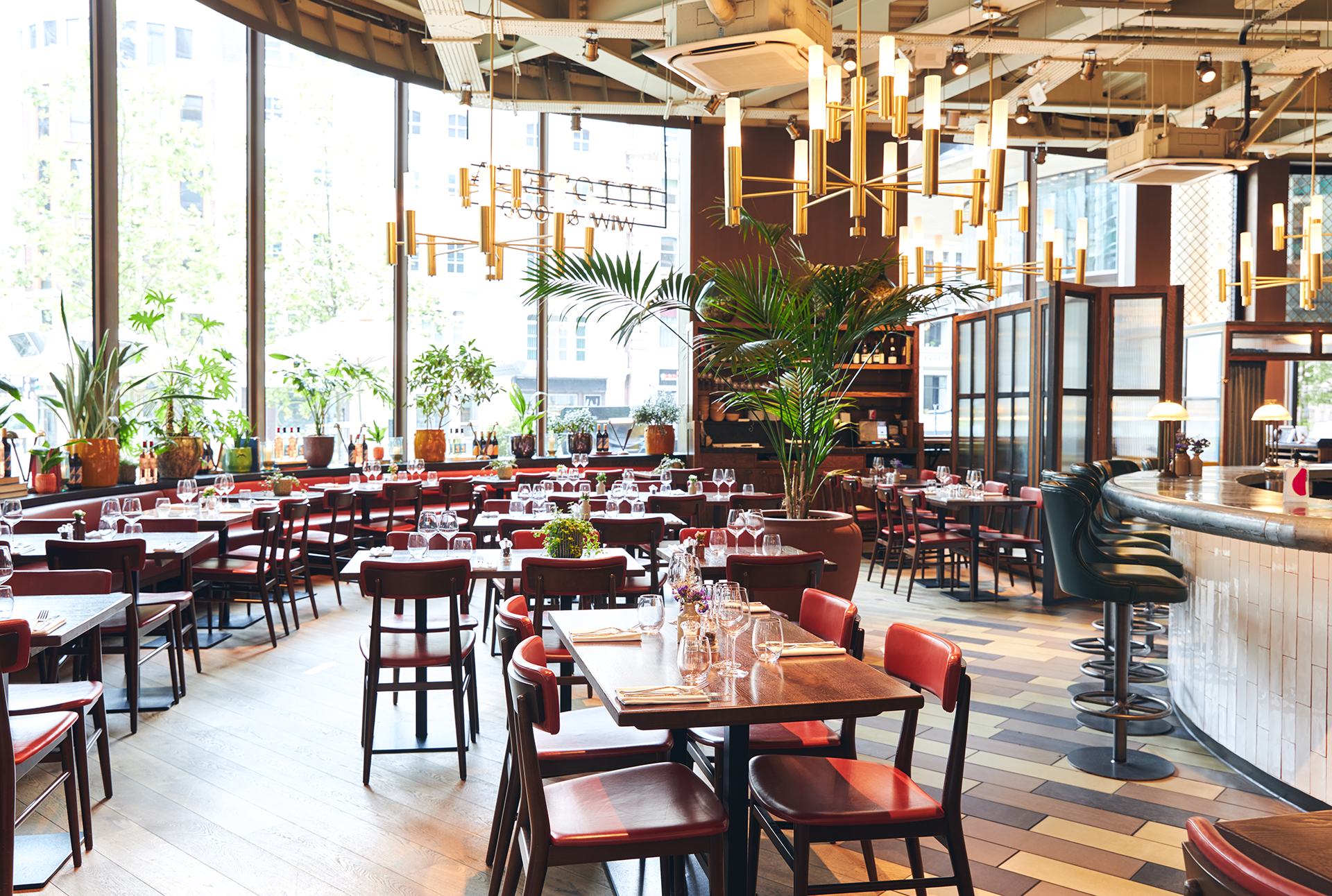
Cuisine Coverage provides specialized insurance for restaurants, cafés, and food service professionals across the country. Whether you run a casual kitchen or a mobile food truck, we offer coverage that fits your operations and risk level.
How It Works
Insurance Made Easy for Food Business Owners
We know you don’t have time to deal with complicated insurance forms. That’s why our process is built for speed and simplicity — so you can get back to running your kitchen.
Your Insurance Questions Answered
What Restaurant and Food Business Owners Ask Most
What types of insurance do restaurants and food businesses need?
Most food businesses need general liability, property, and workers’ compensation coverage. These protect against injuries, equipment damage, and employee-related incidents. Businesses serving alcohol should also include liquor liability insurance for extra protection.
Having the right mix of policies helps reduce financial risks. We’ll help you identify the specific coverages your business needs based on your setup, size, and operations.
Do you provide insurance for food trucks and mobile kitchens?
Yes. We specialize in insurance for food trucks, trailers, and mobile vendors. Our coverage includes vehicle protection, cooking equipment, and liability for events or customer interactions.
We can also help you meet licensing and vendor requirements by issuing certificates of insurance quickly — often the same day.
How fast can I get a quote or start coverage?
In most cases, quotes are ready within 24 hours once we have your business details. After approval, coverage and certificates can be issued immediately.
Our process is fully digital but supported by real agents who review each policy for accuracy. You’ll always know exactly what you’re getting before coverage starts.
Do you offer liquor liability insurance for bars or restaurants?
Yes. We provide liquor liability insurance for bars, taverns, and restaurants that sell or serve alcohol. This coverage protects against claims involving intoxicated patrons or alcohol-related incidents.
It’s essential for maintaining compliance with local laws and protecting your business from costly lawsuits. We’ll ensure your policy meets all licensing requirements.
How can I reduce my insurance costs?
You can often lower premiums by bundling multiple coverages, maintaining clean safety records, and conducting regular policy reviews. Many insurers also offer discounts for installing safety systems and training employees.
At Cuisine Coverage, we proactively review your policy before renewal to help you keep costs down without reducing protection.
Do you help with certificates of insurance (COIs)?
Yes. We provide same-day certificates for vendors, landlords, and event partners. You can request them by phone or email anytime.
Having your COI ready keeps your business compliant and avoids delays in operations. Our team handles these requests quickly so you can stay focused on running your business.
From the Kitchen to Coverage
Real Advice for the Food and Hospitality Industry
We share tips, updates, and real-world stories from the food and insurance industries. Whether you’re managing a restaurant or rolling out a food truck, our articles give you useful guidance to protect your business and grow with confidence.
Contact Us
Phone
Location