Breakfast Restaurant INSURANCE
OR call us: (214) 667-2729
Breakfast service sets the tone for many restaurants, often driving significant daily revenue. With morning hours accounting for a large share of customer traffic, these kitchens face unique risks that require tailored insurance coverage. Understanding the challenges and protection options available can help breakfast-focused restaurants stay resilient amid rising costs and operational pressures.
The Morning Rush: Why Breakfast Matters in Restaurant Sales
Breakfast has become a powerhouse segment in the restaurant industry. Back in 2013, Packaged Facts reported that breakfast sales reached $47 billion and have continued to grow since. This surge is no accident. Early-day diners often seek convenience and speed, creating a high-volume, fast-paced environment that can strain kitchen staff and equipment.
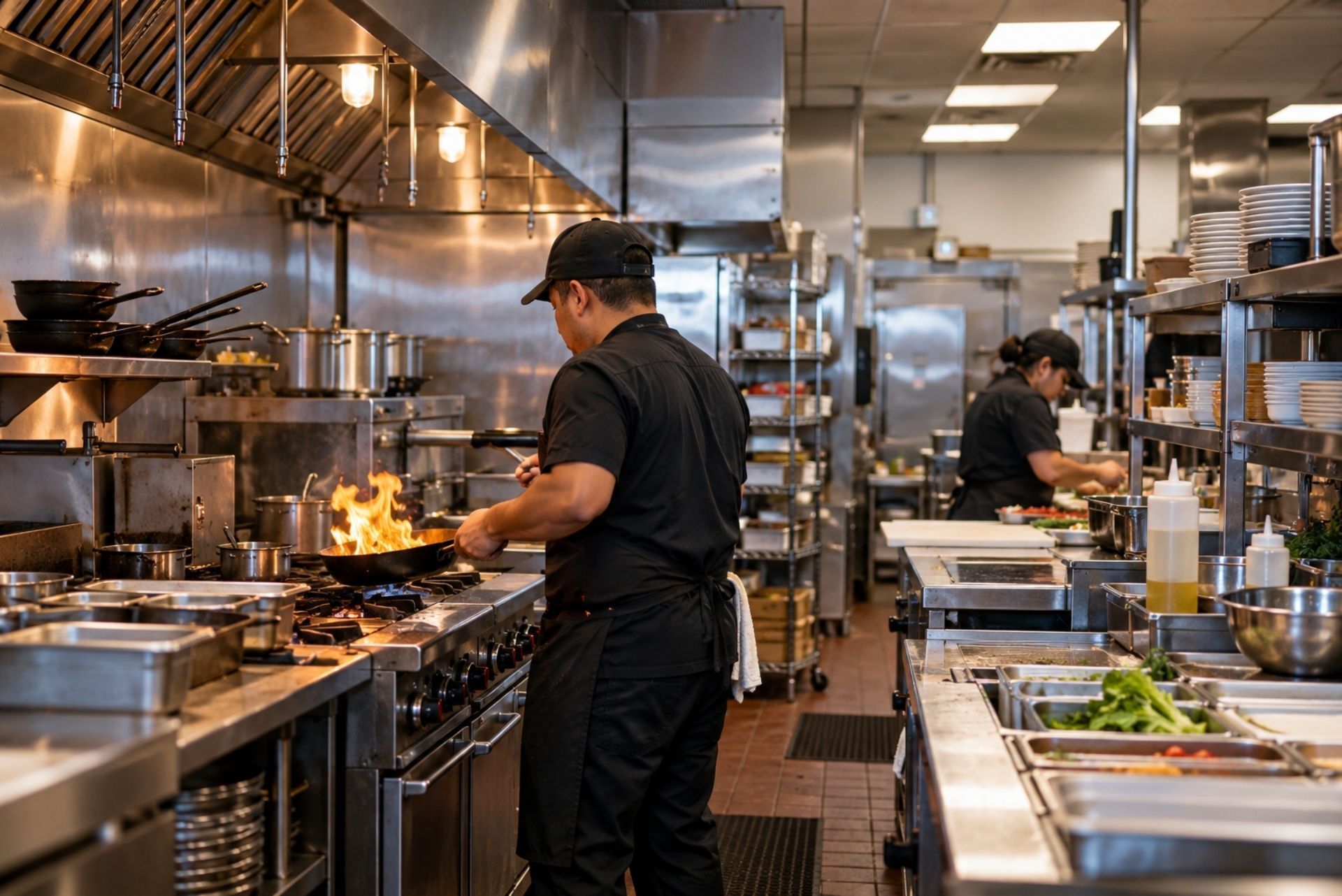
However, this rush also means increased exposure to workplace injuries and operational disruptions. Kitchens buzzing with activity during peak morning hours face a higher risk of accidents, from slips and burns to equipment failures. These risks translate into insurance considerations that differ from other meal periods.
Adding complexity, a 2024 Technomic survey found that 67% of operators notice consumers are more price-sensitive in the morning. This sensitivity can squeeze margins, making it even more important to manage insurance costs carefully without sacrificing coverage.
Moreover, the breakfast segment is not just about speed; it’s also about innovation. Restaurants are increasingly experimenting with unique menu items that cater to diverse dietary preferences, such as plant-based options and globally inspired dishes. This trend not only attracts a wider customer base but also encourages repeat visits from those seeking new flavors. As a result, establishments that embrace creativity in their breakfast offerings can differentiate themselves in a crowded market, enhancing customer loyalty and driving sales.
Additionally, the rise of technology in the restaurant industry has transformed how breakfast is served and marketed. Mobile ordering apps and delivery services have made it easier for customers to enjoy breakfast on the go, further fueling demand. Restaurants that leverage these technologies can streamline operations and improve customer satisfaction, but they must also navigate the complexities of maintaining food quality and safety during transport. This balancing act is crucial for sustaining the growth of breakfast sales while ensuring a positive dining experience for patrons.


By: Dustin Hulett
Founder & CEO of Cuisine Coverage
Rising Labor Costs and Their Impact on Insurance Premiums
Labor expenses have surged in recent years, directly affecting insurance premiums for breakfast restaurants. John Parkhurst, hospitality practice leader at Trucordia, points out that average restaurant labor costs have climbed by 31% over the last four years. This increase feeds into workers' compensation premiums, which are a significant part of overall insurance expenses.
For example, California’s $20 minimum wage has created a ripple effect. Jon Siglar, executive vice president at ALKEME, explains that such wage hikes have contributed to job losses and inflated insurance costs. Restaurants operating during the high-intensity morning rush often need more staff to maintain speed and quality, pushing labor costs higher and, consequently, insurance premiums as well.
Across the Food Services and Drinking Places industry, insurance premiums total $2.3 billion annually, covering 4,400 employers and nearly 4 million participants. The average premium per participant stands at $602, underscoring the financial weight insurance carries for restaurant operators.
In addition to rising wages, the complexity of regulations surrounding employee safety and health has further exacerbated the situation. Restaurants are now required to implement more stringent safety protocols, which can lead to increased training costs and additional staffing needs. For instance, the introduction of new health guidelines during the pandemic necessitated that many establishments invest in protective equipment and sanitation measures, further straining their budgets. As a result, the financial burden of compliance often translates into higher insurance premiums, as insurers assess the increased risk associated with these operational changes.
Moreover, the competitive landscape of the restaurant industry means that many establishments are reluctant to pass these costs onto consumers. Instead, they often absorb the rising expenses, which can lead to reduced profit margins. This delicate balance between maintaining quality service and managing operational costs has become a significant challenge for breakfast restaurants, particularly as they strive to attract and retain a loyal customer base in an increasingly crowded market. As labor costs continue to rise, restaurant owners must navigate these complexities while ensuring they remain compliant with insurance requirements, ultimately impacting their overall business sustainability.
Common Risks in Breakfast Kitchens and How Insurance Helps
Breakfast kitchens face several hazards that can lead to costly claims. The fast pace increases the chance of slips, falls, burns, and cuts. Equipment like griddles and deep fryers operate continuously, raising the risk of malfunctions or accidents. Additionally, food safety is critical; a single foodborne illness outbreak can devastate a restaurant’s reputation and finances.
A study from Johns Hopkins Bloomberg School of Public Health highlights that a foodborne illness outbreak can cost a restaurant anywhere from $4,000 to $1.9 million depending on severity. This range includes lost sales, legal fees, and remediation costs. For breakfast restaurants, where eggs, dairy, and meats are staples, maintaining strict safety protocols and insurance coverage is essential.
Insurance policies tailored for breakfast restaurants typically include general liability, workers' compensation, property coverage, and business interruption insurance. These protect against bodily injury claims, employee injuries, damage to kitchen equipment, and income loss due to unexpected closures. Without proper coverage, a morning mishap could quickly become a financial crisis.
Moreover, the unique layout of breakfast kitchens can contribute to risks. Narrow aisles and crowded workspaces can lead to accidents, especially during peak hours when staff are rushing to meet customer demands. Implementing safety measures, such as non-slip flooring and clearly marked walkways, can significantly reduce the likelihood of accidents. Training staff on safe handling procedures, especially when dealing with hot equipment or sharp utensils, is also crucial for minimizing risks.
In addition to these operational hazards, breakfast kitchens must also navigate the complexities of food supply chains. Fluctuations in ingredient availability can lead to last-minute menu changes, which may not only affect customer satisfaction but also increase the risk of food safety violations. Insurance can provide a safety net by covering losses incurred from spoiled inventory or unexpected supply chain disruptions, allowing restaurants to focus on delivering quality meals without the constant worry of financial repercussions.

The Growing Trend of Uninsured Breakfast Restaurants
Despite these risks, a concerning number of restaurant owners remain uninsured. A January 2025 survey by NEXT found that 38% of restaurant owners lack business insurance, up from 29% the previous year. This trend exposes many breakfast kitchens to significant vulnerabilities, especially when facing the unpredictable challenges of the morning rush.
Skipping insurance may seem like a cost-saving move, but it often leads to higher expenses down the line. Without coverage, restaurants bear the full brunt of claims, lawsuits, or disaster recovery. For breakfast operators, where margins can be tight and customer volume high, this gamble is particularly risky.
Insurance not only safeguards finances but also supports compliance with regulations and builds customer trust. Many consumers expect visible proof of insurance as a sign of professionalism and reliability.
Moreover, the absence of insurance can deter potential investors and lenders who view it as a red flag. In an industry where reputation is everything, being uninsured can significantly limit growth opportunities. Investors often seek assurance that their funds are protected against unforeseen circumstances, and without insurance, breakfast restaurants may find themselves at a disadvantage when competing for capital. Additionally, many suppliers and vendors require proof of insurance before entering into contracts, further complicating the operational landscape for uninsured establishments.
Furthermore, the unique challenges faced by breakfast restaurants, such as early morning hours and high customer turnover, can exacerbate the risks associated with being uninsured. Incidents like slip-and-fall accidents or equipment failures can happen at any moment, and without proper coverage, the financial repercussions can be devastating. In an environment where customer satisfaction is paramount, the potential fallout from a single incident can not only affect the bottom line but also tarnish the restaurant's reputation in the community.
Strategies to Manage Insurance Costs Without Sacrificing Coverage
Balancing adequate insurance with budget constraints is a challenge for many breakfast restaurant owners. Several strategies can help manage premiums while maintaining strong protection.
- Invest in Safety Training: Reducing workplace injuries through staff education lowers workers' comp claims and premiums.
- Implement Food Safety Protocols: Regular inspections and adherence to health standards minimize the risk of costly foodborne illness outbreaks.
- Review Coverage Annually: Adjust policies to reflect current operations, removing unnecessary coverage or adding essential protections as needed.
- Bundle Policies: Combining general liability, property, and workers' comp can often secure discounts.
- Work with Experienced Brokers: Specialists familiar with the breakfast restaurant niche can identify tailored solutions and competitive rates.
These approaches help restaurants navigate a tough insurance market marked by rising labor costs and increased claims frequency. Being proactive about risk management pays dividends in premium savings and business continuity. Moreover, fostering a culture of safety within the restaurant can significantly enhance employee morale and retention, as staff feel valued and protected. Regular safety drills and open discussions about potential hazards can empower employees to take ownership of their work environment, leading to fewer accidents and claims over time.
Additionally, embracing technology can further streamline operations and reduce risks. For instance, utilizing inventory management systems can help track food supplies and minimize waste, which not only saves money but also reduces the likelihood of food safety issues. Moreover, investing in modern kitchen equipment that adheres to safety standards can mitigate fire hazards and improve overall efficiency. By integrating these innovative solutions, breakfast restaurant owners can create a more resilient business model that not only protects their assets but also enhances their reputation in the community.
How Insurance Supports Resilience in the Face of Industry Growth
The restaurant industry is on track for remarkable growth. The National Restaurant Association projects sales will reach $1.5 trillion by 2025, accompanied by the addition of over 200,000 new jobs. This expansion means more breakfast establishments will open and compete, raising the stakes for risk management and insurance coverage.
Insurance acts as a foundation for resilience, enabling restaurants to recover from setbacks quickly. Whether a kitchen fire, a labor dispute, or a sudden drop in morning traffic, having the right coverage ensures that a breakfast restaurant can keep serving customers without interruption.
As the industry evolves, so do insurance products. Insurers are developing policies that address emerging risks specific to breakfast service, such as coverage for delivery operations and technology-driven ordering systems. Staying informed about these options helps operators protect their investments and adapt to changing market demands.
Breakfast Restaurant Insurance Coverage Comparison Table
| Coverage Type | What It Covers | Why It Matters for Breakfast Restaurants |
|---|---|---|
| General Liability | Third-party bodily injury and property damage claims | Protects against customer slip-and-fall incidents common in busy morning hours |
| Workers' Compensation | Employee injury medical costs and lost wages | Essential due to high labor intensity and injury risk in fast-paced kitchens |
| Property Insurance | Damage to kitchen equipment, building, and inventory | Breakfast kitchens rely on specialized equipment that can be costly to repair or replace |
| Business Interruption | Lost income during closures from covered events | Helps maintain cash flow when unexpected events shut down morning service |
| Food Contamination Liability | Costs related to foodborne illness outbreaks | Protects against lawsuits and losses from contaminated breakfast items |
Before You Go: Key Takeaways for Breakfast Restaurant Owners
Running a breakfast restaurant means managing a unique set of risks tied to the morning rush. Insurance is not just a regulatory box to check but a vital tool to protect your business, employees, and customers. Rising labor costs and a competitive market make it more important than ever to review your policies regularly and invest in risk reduction.
Ignoring insurance or underinsuring can lead to devastating financial consequences. With nearly 40% of restaurant owners lacking coverage, there is a clear opportunity to gain peace of mind and competitive advantage by securing the right protection.
Remember that breakfast service is a high-stakes game where speed meets safety. The right insurance coverage helps you focus on what matters most-delivering a great morning experience while keeping your kitchen and staff secure.
Frequently Asked Questions
Q: Do I need special insurance for a breakfast-only restaurant?
A: While basic coverage types like general liability and workers' comp are essential, breakfast restaurants often benefit from additional protections like food contamination liability due to specific food safety risks.
Q: How do rising labor costs affect my insurance premiums?
A: Higher wages increase workers' compensation costs because premiums are partly based on payroll. More staff during busy hours also raises exposure to injury claims.
Q: What can I do to lower my insurance premiums?
A: Implementing strong safety protocols, training staff, bundling policies, and working with a broker experienced in restaurant insurance can help reduce costs.
Q: Is business interruption insurance necessary for breakfast restaurants?
A: Yes. It covers lost income if your restaurant must close temporarily due to events like equipment failure or property damage, which can severely impact morning revenue.
Q: Why are so many restaurant owners uninsured?
A: Some owners may underestimate risks or try to cut costs. However, this leaves them vulnerable to large claims that could threaten their business.
Q: How does foodborne illness coverage protect my restaurant?
A: It helps cover costs related to outbreaks, including legal fees, settlements, and lost sales, which can be financially crippling without insurance.
About The Author:
Dustin Hulett
As Owner of Cuisine Coverage powered by Hulett Insurance, I specialize in protecting restaurants, bars, and hospitality businesses with smart, reliable insurance solutions. With years of experience serving the food and beverage industry, my goal is to make coverage simple, transparent, and built around the unique risks that owners face every day.
Contact Us
Business Coverage
Protection for Every Part of Your Food Business
Cuisine Coverage provides specialized insurance for restaurants, food trucks, catering services, and other hospitality businesses. We help owners protect their property, staff, and reputation with policies built around the most common industry risks.

General Liability Insurance
Protects your business from claims related to injury, property damage, or accidents that happen during operations.
General Liability
Liquor Liability Insurance
Covers alcohol-related incidents for restaurants, bars, or venues that serve or sell alcohol.
Liquor Liability
Workers Compensation Insurance
Provides wage replacement and medical benefits to employees injured on the job.
Workers Compensation
Business Interruption Insurance
Helps replace lost income and cover ongoing expenses if your business operations are temporarily halted.
Business Interruption
Product Liability Insurance
Protects against claims related to foodborne illness, contamination, or product defects.
Product Liability
Cyber Liability Insurance
Covers data breaches, online payment issues, and digital risks that can affect modern food businesses.
Cyber Liability
Serving the Food and Hospitality Industry
Insurance Solutions for Every Type of Food Business
Cuisine Coverage provides specialized insurance for restaurants, cafés, and food service professionals across the country. Whether you run a casual kitchen or a mobile food truck, we offer coverage that fits your operations and risk level.

How It Works
Insurance Made Easy for Food Business Owners
We know you don’t have time to deal with complicated insurance forms. That’s why our process is built for speed and simplicity — so you can get back to running your kitchen.
Your Insurance Questions Answered
What Restaurant and Food Business Owners Ask Most
What types of insurance do restaurants and food businesses need?
Most food businesses need general liability, property, and workers’ compensation coverage. These protect against injuries, equipment damage, and employee-related incidents. Businesses serving alcohol should also include liquor liability insurance for extra protection.
Having the right mix of policies helps reduce financial risks. We’ll help you identify the specific coverages your business needs based on your setup, size, and operations.
Do you provide insurance for food trucks and mobile kitchens?
Yes. We specialize in insurance for food trucks, trailers, and mobile vendors. Our coverage includes vehicle protection, cooking equipment, and liability for events or customer interactions.
We can also help you meet licensing and vendor requirements by issuing certificates of insurance quickly — often the same day.
How fast can I get a quote or start coverage?
In most cases, quotes are ready within 24 hours once we have your business details. After approval, coverage and certificates can be issued immediately.
Our process is fully digital but supported by real agents who review each policy for accuracy. You’ll always know exactly what you’re getting before coverage starts.
Do you offer liquor liability insurance for bars or restaurants?
Yes. We provide liquor liability insurance for bars, taverns, and restaurants that sell or serve alcohol. This coverage protects against claims involving intoxicated patrons or alcohol-related incidents.
It’s essential for maintaining compliance with local laws and protecting your business from costly lawsuits. We’ll ensure your policy meets all licensing requirements.
How can I reduce my insurance costs?
You can often lower premiums by bundling multiple coverages, maintaining clean safety records, and conducting regular policy reviews. Many insurers also offer discounts for installing safety systems and training employees.
At Cuisine Coverage, we proactively review your policy before renewal to help you keep costs down without reducing protection.
Do you help with certificates of insurance (COIs)?
Yes. We provide same-day certificates for vendors, landlords, and event partners. You can request them by phone or email anytime.
Having your COI ready keeps your business compliant and avoids delays in operations. Our team handles these requests quickly so you can stay focused on running your business.
From the Kitchen to Coverage
Real Advice for the Food and Hospitality Industry
We share tips, updates, and real-world stories from the food and insurance industries. Whether you’re managing a restaurant or rolling out a food truck, our articles give you useful guidance to protect your business and grow with confidence.
Contact Us
Phone
Location