Virtual Restaurant INSURANCE
OR call us: (214) 667-2729
A single contaminated batch of chicken wings can shut down a virtual restaurant overnight. Unlike traditional restaurants with dining rooms and walk-in customers, digital-only food brands face a distinct set of risks that standard restaurant insurance policies weren't designed to address. Your brand exists primarily online, your kitchen might be shared with three other concepts, and your entire revenue stream depends on delivery apps functioning properly.
Virtual restaurant insurance requires a different approach than coverage for brick-and-mortar establishments. The risks you face span food safety, cyber threats, equipment failures, and complex liability questions around who's responsible when a delivery driver causes an accident. Many virtual restaurant operators discover these coverage gaps only after filing a claim that gets denied. Understanding the specific coverage options available for digital-only food brands helps you build protection that actually matches your operational reality, not some generic restaurant template that misses half your exposure points.
The good news is that insurers have started developing
products specifically for ghost kitchens and virtual brands. The challenge is knowing what to ask for and understanding where your existing policies might leave you exposed.
Defining the Virtual Restaurant Risk Landscape
Virtual restaurants operate in a gray area that confuses many insurance underwriters. You're running a food business without a storefront, often without your own kitchen, and sometimes without any employees who handle delivery. This operational model creates risk profiles that don't fit neatly into traditional restaurant insurance categories.
Ghost Kitchens vs. Host Kitchen Models
Ghost kitchens and host kitchen arrangements carry different insurance implications. If you lease dedicated space in a commissary kitchen, you have more control over food safety protocols and equipment maintenance. Your insurance needs look more like a traditional restaurant, just without the dining room liability.
Host kitchen models, where you operate out of an existing restaurant's kitchen during off-hours, create shared liability situations. Who's responsible if a fire starts during your operating hours but spreads to damage the host restaurant's equipment? What happens if cross-contamination occurs between your ingredients and theirs? These scenarios require clear contractual agreements and insurance policies that address shared-space operations.
Unique Liability Challenges in Delivery-Only Operations
Every meal you prepare leaves your control the moment it's handed to a delivery driver. Temperature abuse during transport, tampering, and contamination become harder to prove or disprove. You might face a foodborne illness claim where the actual cause was a driver leaving food in a hot car for 45 minutes.
Your liability exposure also extends to people you've never met. A customer trips over a delivery bag left on their porch. A driver gets into an accident rushing to deliver your order. These scenarios create liability questions that traditional restaurant policies don't adequately address.

By: Dustin Hulett
Founder & CEO of Cuisine Coverage
Essential General Liability and Product Coverage
General liability forms the foundation of any virtual restaurant insurance program, but you need endorsements and coverage extensions that recognize how digital-only brands actually operate.
Foodborne Illness and Contamination Protection
Product liability coverage protects you when something you prepared makes someone sick. For virtual restaurants, this coverage needs to account for the extended chain of custody between your kitchen and the customer's plate.
Standard product liability policies often include exclusions for food that's been out of your control for extended periods. Work with your broker to ensure your policy covers claims even when delivery times exceed normal expectations. You should also verify that coverage extends to all menu items across multiple virtual brands if you operate more than one concept from the same kitchen.
Consider adding coverage for recall expenses. If you discover a contamination issue, you'll need to notify customers, pull affected products, and potentially compensate people who got sick. These costs add up quickly, and basic product liability doesn't always cover the operational expenses of managing a recall.
Third-Party Property Damage in Shared Spaces
Operating in shared kitchen facilities means your actions can damage property belonging to other tenants or the facility owner. Grease fires, water damage from dishwasher malfunctions, and equipment failures can affect neighboring operations.
Your general liability policy should include coverage for damage to premises you rent or occupy. Check the limits carefully, as some policies cap this coverage at amounts that wouldn't cover serious damage to commercial kitchen equipment. If you're in a high-end commissary with expensive shared equipment, you might need higher limits than the standard policy provides.
Protecting Digital Assets and Data Privacy
Your online ordering system, customer database, and digital marketing assets represent significant business value. A cyberattack or system failure can halt operations instantly.
Cyber Liability for Online Ordering Systems
Virtual restaurants collect sensitive customer data including names, addresses, phone numbers, and payment information. A data breach exposes you to notification costs, credit monitoring expenses, regulatory fines, and potential lawsuits from affected customers.
Cyber liability insurance covers these expenses along with the costs of forensic investigation, legal defense, and public relations support. For virtual restaurants, look for policies that specifically cover:
- Payment card industry fines and assessments
- Customer notification and credit monitoring costs
- Business interruption from cyber events
- Ransomware payments and recovery expenses
- Social engineering fraud coverage
- Business Interruption from Tech Failures
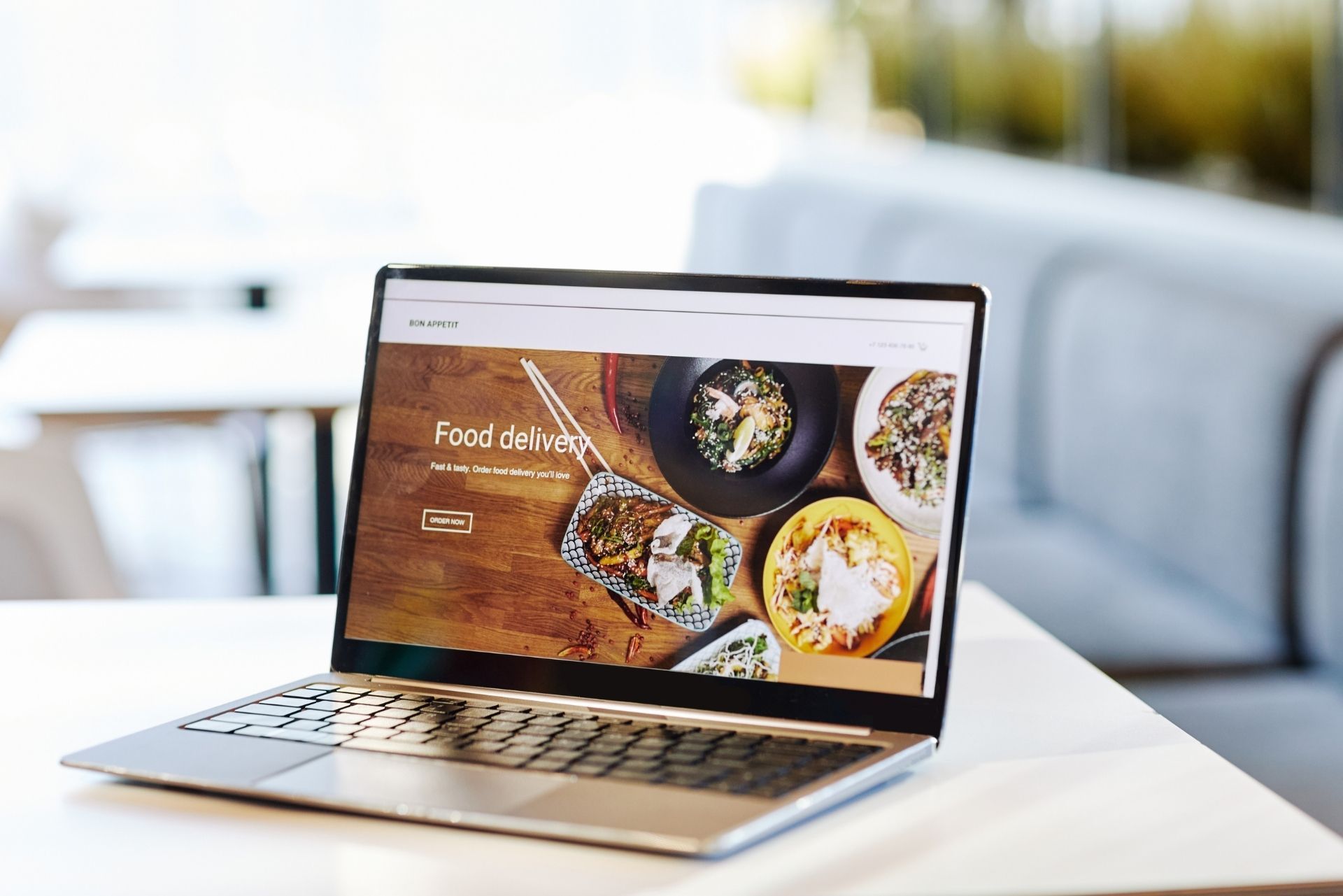
Your revenue stops when your ordering system goes down. Traditional business interruption insurance typically covers physical perils like fire or storm damage. You need coverage that extends to technology failures, whether from cyberattacks, software bugs, or third-party platform outages.
Some cyber policies include contingent business interruption coverage that kicks in when a vendor's systems fail. This matters if you rely on third-party ordering platforms, payment processors, or kitchen management software. Verify that your policy covers income loss from these dependent business interruptions.
Delivery and Logistics Risk Management
The delivery component of virtual restaurants creates some of the most complex insurance questions. Your exposure varies dramatically based on whether you use your own drivers, third-party platforms, or a combination.
Hired and Non-Owned Auto Insurance (HNOA)
If any employee ever uses their personal vehicle for business purposes, even occasionally, you need hired and non-owned auto coverage. This applies when a manager picks up emergency supplies, an employee delivers a catering order, or anyone runs a business errand in their own car.
HNOA coverage protects your business when an employee causes an accident while driving for work purposes. Their personal auto insurance is primary, but if their limits are exhausted or their policy excludes business use, your HNOA coverage fills the gap. Without this coverage, your business assets are directly exposed to lawsuits from auto accidents.
Managing Third-Party Delivery Platform Exposure
Using DoorDash, Uber Eats, or Grubhub doesn't eliminate your liability, it complicates it. These platforms carry their own insurance, but their coverage protects them, not you. If a customer claims they got food poisoning from your meal, the platform's insurance won't defend your business.
Review the indemnification clauses in your platform agreements carefully. Most require you to hold the platform harmless for claims arising from your food quality or preparation. Your general liability and product liability policies need to account for this exposure. Some insurers offer endorsements specifically designed for restaurants using third-party delivery platforms.
| Coverage Type | What It Protects | Virtual Restaurant Relevance |
|---|---|---|
| General Liability | Third-party injuries, property damage | Foundation coverage for all operations |
| Product Liability | Foodborne illness claims | Critical for delivery-only models |
| Cyber Liability | Data breaches, system failures | Essential for online ordering systems |
| HNOA | Employee vehicle accidents | Needed if any staff drives for business |
| Property Insurance | Income loss from covered events | Must include tech failure triggers |
Property and Equipment Safeguards
Even without a dining room, virtual restaurants have significant physical assets that need protection. Commercial kitchen equipment, inventory, and specialized tools represent substantial investment.
Specialized Kitchen Equipment Endorsements
Standard property insurance often undervalues or excludes specialized commercial kitchen equipment. High-end ranges, ventilation systems, refrigeration units, and specialized cooking equipment may require scheduled coverage with agreed-upon values.
If you lease equipment, verify whether your policy covers leased items or if the lessor's insurance is primary. For ghost kitchen operators using facility-owned equipment, understand where your coverage responsibility begins and ends. Some commissary leases require tenants to carry specific coverage for shared equipment.
Spoilage Coverage for Perishable Inventory
Refrigeration failures, power outages, and equipment breakdowns can destroy thousands of dollars in perishable inventory overnight. Spoilage coverage reimburses you for food loss from these mechanical or electrical failures.
Standard property policies often exclude or severely limit spoilage coverage. You may need a separate endorsement or standalone policy, especially if you maintain significant inventory. Document your typical inventory values and discuss appropriate limits with your broker.
Strategic Steps for Securing Robust Coverage
Building comprehensive protection for your virtual restaurant requires a systematic approach. Start by documenting your complete operational model, including all locations, equipment, delivery methods, and third-party relationships.
Work with a broker who understands food service operations and the specific challenges of digital-only brands. Generic commercial insurance agents often miss critical coverage needs because they're applying traditional restaurant frameworks to a different business model.
Request certificates of insurance from all partners, including commissary facilities, delivery platforms, and ingredient suppliers. Understand where their coverage ends and yours begins. Build these requirements into your vendor contracts.
Review your policies annually and whenever your operations change significantly. Adding a new virtual brand, switching kitchen facilities, or changing delivery methods can all affect your coverage needs. Don't wait until renewal to address these changes.
Frequently Asked Questions
Does my general liability policy cover delivery driver accidents? No. General liability covers premises and operations but excludes auto accidents. You need hired and non-owned auto coverage if employees ever drive for business purposes, even occasionally.
What insurance do I need if I operate from a shared commissary kitchen? You typically need general liability, product liability, and property coverage for your equipment and inventory. The facility may require specific coverage limits and additional insured status on your policy.
Will my insurance cover claims from third-party delivery platform orders? Your product liability should cover food quality claims regardless of how the order was placed. Review your policy to confirm delivery-related exposures are included and check platform agreements for indemnification requirements.
How much cyber liability coverage does a virtual restaurant need? Most small virtual restaurants should carry at least $500,000 to $1 million in cyber liability coverage. If you process high transaction volumes or store extensive customer data, consider higher limits.
Is business interruption coverage worth the cost for a small virtual brand? If your online ordering system going down for a week would create serious financial hardship, business interruption coverage is worth considering. Make sure any policy you purchase covers technology failures, not just physical damage.
Making the Right Choice for Your Brand
The virtual restaurant model offers flexibility and lower overhead, but it also creates insurance complexities that traditional restaurant policies weren't built to handle. Your coverage needs to reflect the reality of shared kitchens, digital ordering systems, and delivery logistics that define your operations.
Don't settle for a generic restaurant policy that leaves gaps in your protection. Take time to understand your specific exposures, document your operational model thoroughly, and work with insurance professionals who understand digital-only food brands. The right coverage protects not just your current operations but supports your growth as you add new concepts and expand your delivery footprint.
About The Author:
Dustin Hulett
As Owner of Cuisine Coverage powered by Hulett Insurance, I specialize in protecting restaurants, bars, and hospitality businesses with smart, reliable insurance solutions. With years of experience serving the food and beverage industry, my goal is to make coverage simple, transparent, and built around the unique risks that owners face every day.
Contact Us
Business Coverage
Protection for Every Part of Your Food Business
Cuisine Coverage provides specialized insurance for restaurants, food trucks, catering services, and other hospitality businesses. We help owners protect their property, staff, and reputation with policies built around the most common industry risks.

General Liability Insurance
Protects your business from claims related to injury, property damage, or accidents that happen during operations.
General Liability
Liquor Liability Insurance
Covers alcohol-related incidents for restaurants, bars, or venues that serve or sell alcohol.
Liquor Liability
Workers Compensation Insurance
Provides wage replacement and medical benefits to employees injured on the job.
Workers Compensation
Business Interruption Insurance
Helps replace lost income and cover ongoing expenses if your business operations are temporarily halted.
Business Interruption
Product Liability Insurance
Protects against claims related to foodborne illness, contamination, or product defects.
Product Liability
Cyber Liability Insurance
Covers data breaches, online payment issues, and digital risks that can affect modern food businesses.
Cyber Liability
Serving the Food and Hospitality Industry
Insurance Solutions for Every Type of Food Business
Cuisine Coverage provides specialized insurance for restaurants, cafés, and food service professionals across the country. Whether you run a casual kitchen or a mobile food truck, we offer coverage that fits your operations and risk level.
How It Works
Insurance Made Easy for Food Business Owners
We know you don’t have time to deal with complicated insurance forms. That’s why our process is built for speed and simplicity — so you can get back to running your kitchen.
Your Insurance Questions Answered
What Restaurant and Food Business Owners Ask Most
What types of insurance do restaurants and food businesses need?
Most food businesses need general liability, property, and workers’ compensation coverage. These protect against injuries, equipment damage, and employee-related incidents. Businesses serving alcohol should also include liquor liability insurance for extra protection.
Having the right mix of policies helps reduce financial risks. We’ll help you identify the specific coverages your business needs based on your setup, size, and operations.
Do you provide insurance for food trucks and mobile kitchens?
Yes. We specialize in insurance for food trucks, trailers, and mobile vendors. Our coverage includes vehicle protection, cooking equipment, and liability for events or customer interactions.
We can also help you meet licensing and vendor requirements by issuing certificates of insurance quickly — often the same day.
How fast can I get a quote or start coverage?
In most cases, quotes are ready within 24 hours once we have your business details. After approval, coverage and certificates can be issued immediately.
Our process is fully digital but supported by real agents who review each policy for accuracy. You’ll always know exactly what you’re getting before coverage starts.
Do you offer liquor liability insurance for bars or restaurants?
Yes. We provide liquor liability insurance for bars, taverns, and restaurants that sell or serve alcohol. This coverage protects against claims involving intoxicated patrons or alcohol-related incidents.
It’s essential for maintaining compliance with local laws and protecting your business from costly lawsuits. We’ll ensure your policy meets all licensing requirements.
How can I reduce my insurance costs?
You can often lower premiums by bundling multiple coverages, maintaining clean safety records, and conducting regular policy reviews. Many insurers also offer discounts for installing safety systems and training employees.
At Cuisine Coverage, we proactively review your policy before renewal to help you keep costs down without reducing protection.
Do you help with certificates of insurance (COIs)?
Yes. We provide same-day certificates for vendors, landlords, and event partners. You can request them by phone or email anytime.
Having your COI ready keeps your business compliant and avoids delays in operations. Our team handles these requests quickly so you can stay focused on running your business.
From the Kitchen to Coverage
Real Advice for the Food and Hospitality Industry
We share tips, updates, and real-world stories from the food and insurance industries. Whether you’re managing a restaurant or rolling out a food truck, our articles give you useful guidance to protect your business and grow with confidence.
Contact Us
Phone
Location