Restaurant Incubator
INSURANCE
OR call us: (214) 667-2729
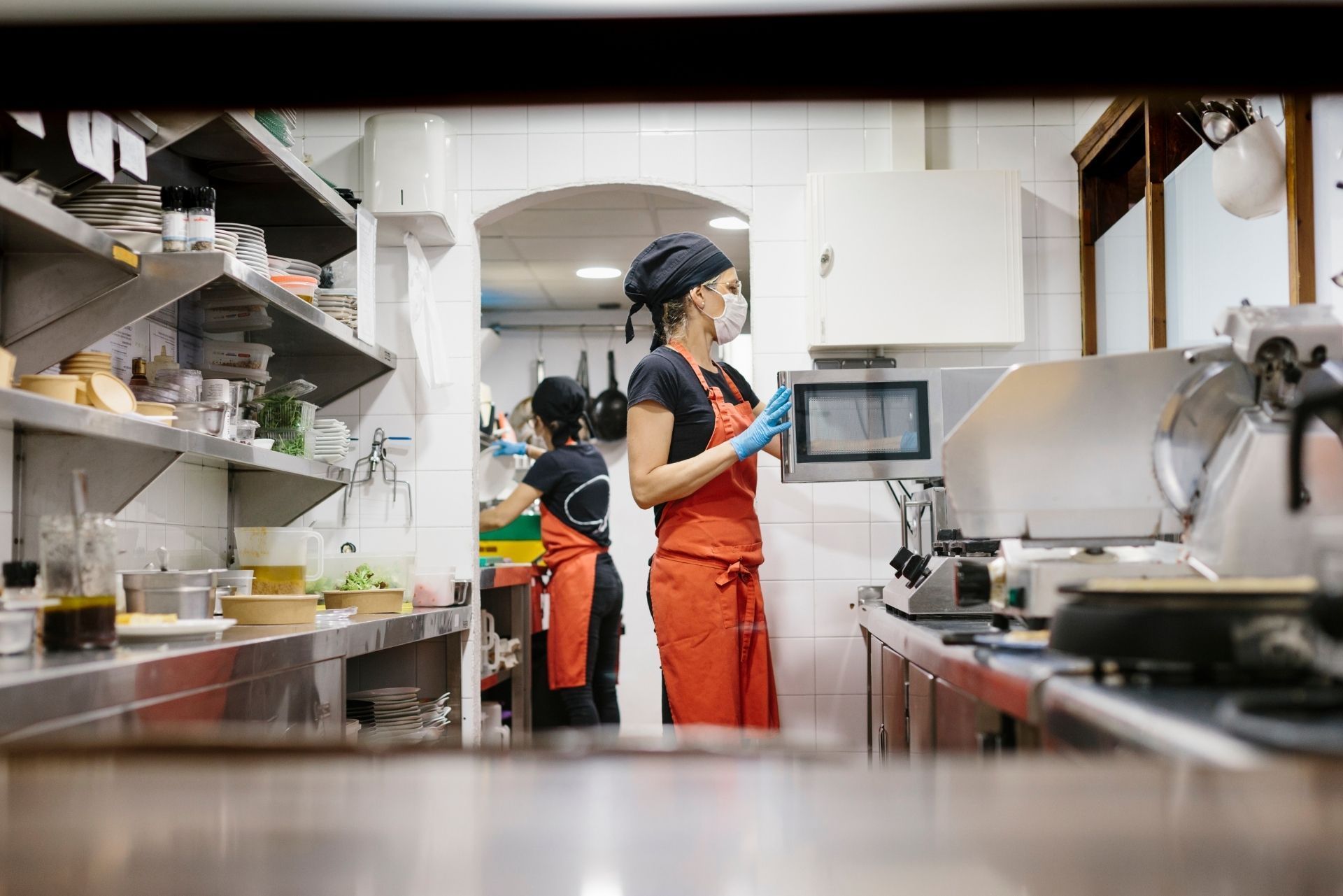
A chef with a breakthrough ramen concept shares a commercial kitchen with a vegan baker and a food truck operator testing a brick-and-mortar transition. Each brings different equipment, ingredients, and risk exposures into the same space. When a grease fire breaks out or a customer claims food poisoning, determining liability becomes a complex puzzle that standard insurance policies weren't designed to solve.
Restaurant incubator insurance protects emerging food concepts and culinary startups operating in these shared environments. Coverage needs differ significantly from traditional restaurant policies because multiple businesses operate under one roof, often with rotating schedules and varying levels of experience. Understanding how insurance works in these spaces helps both incubator operators and tenant startups protect their investments while building toward independent operations.
The stakes are high for food entrepreneurs. A single uninsured claim can wipe out months of progress and destroy a promising concept before it reaches profitability. Getting coverage right from the start creates a foundation for sustainable growth.
The Unique Risk Profile of Restaurant Incubators
Food incubators present insurance challenges that don't exist in conventional restaurant settings. Multiple businesses share equipment, storage, and common areas while maintaining separate operations. This arrangement creates overlapping exposures that require careful policy coordination.
Shared Kitchen Spaces and Liability Distribution
When six different food businesses use the same prep station throughout a week, tracing the source of a contamination incident becomes nearly impossible. Did the allergen cross-contact happen during the Monday lunch prep or the Thursday dinner service? Standard liability policies assume clear boundaries between businesses, but incubator environments blur these lines constantly.
Incubator operators typically carry master policies covering common areas and shared equipment. Tenant businesses need their own coverage that dovetails with the facility's insurance without creating gaps or redundant coverage. The interaction between these policies determines whether claims get paid or denied.
Some facilities require tenants to purchase coverage through a group program that ensures consistent terms and limits. Others allow independent policy selection but mandate specific coverage types and minimum limits. Either approach works, but tenants should understand exactly what the facility's master policy covers and where their responsibility begins.
Managing Risks for Multiple Rotating Tenants
A food hall with twenty rotating vendors faces different risks than a dedicated incubator with five long-term tenants. High turnover means constant onboarding of new businesses with varying insurance literacy and risk management practices.
Operators need systems for verifying coverage before tenants begin operations. Certificate of insurance requirements should specify exact coverage types, limits, and additional insured status. Automated tracking systems help prevent coverage lapses that could expose the entire facility to liability.
Tenant screening also matters. A startup with no food safety training presents higher risk than an experienced operator launching a new concept. Some facilities adjust insurance requirements based on tenant experience levels or menu complexity.

By: Dustin Hulett
Founder & CEO of Cuisine Coverage
Core Insurance Policies for Culinary Startups
Every food business needs certain foundational coverages regardless of operating model. The specifics vary based on menu, service style, and growth stage.
General Liability and Product Liability Coverage
General liability protects against third-party bodily injury and property damage claims. A customer slipping on a wet floor or a delivery person injured by falling boxes falls under this coverage. Most incubators require minimum limits of $1 million per occurrence and $2 million aggregate.
Product liability covers claims arising from your food itself. Foodborne illness, allergic reactions, and foreign objects in food all trigger product liability coverage. For food businesses, this coverage is essential since your product enters customers' bodies.
| Coverage Type | What It Covers | Typical Minimum Limits |
|---|---|---|
| General Liability | Slip-and-falls, property damage, advertising injury | $1M per occurrence / $2M aggregate |
| Product Liability | Foodborne illness, contamination, allergic reactions | Often combined with GL |
| Vacancy & OccupaRehabilitation Services ncy Rates | Delivery using personal vehicles | $1M combined single limit |
Business Personal Property and Equipment Protection
Your commercial mixer, specialty cookware, and proprietary recipe binders represent significant investment. Business personal property coverage protects these assets against fire, theft, vandalism, and certain other perils.
Incubator tenants face unique property coverage challenges. Some equipment may be shared, some owned by the facility, and some brought by the tenant. Your policy should clearly define which items you're covering and their values.
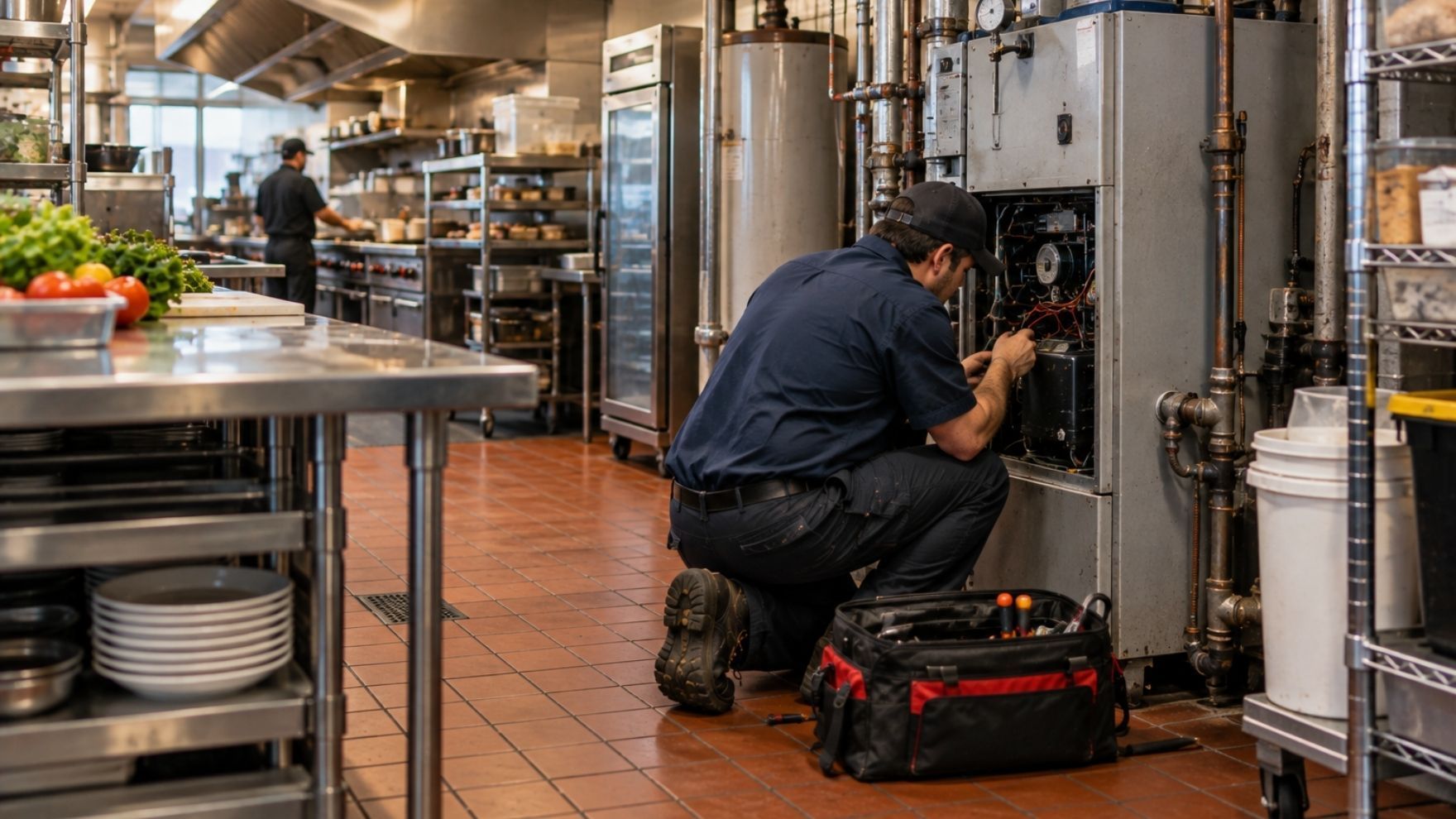
Equipment breakdown coverage adds protection for mechanical and electrical failures not covered by standard property policies. When your $8,000 combi oven fails during a critical catering contract, this coverage pays for repairs and potentially lost income.
Workers' Compensation for Early-Stage Teams
Even a two-person startup needs workers' compensation in most states. Kitchen work involves knives, hot surfaces, heavy lifting, and repetitive motions that lead to frequent injuries. Workers' comp covers medical expenses and lost wages for employees injured on the job.
Some states allow small businesses to exclude owners from coverage. This reduces premiums but leaves you personally exposed to injury costs. Consider whether the savings justify the risk, especially in high-hazard kitchen environments.
Classification codes affect your rates significantly. Make sure your policy reflects your actual operations. A
catering operation pays different rates than a
food manufacturing business, even if both work from the same incubator kitchen.
Specialized Coverage for Food Innovation Hubs
Beyond standard policies, food businesses face industry-specific risks requiring specialized coverage options.
Spoilage and Food Contamination Insurance
A power outage lasting 48 hours can destroy thousands of dollars in inventory. Spoilage coverage reimburses you for food loss due to equipment breakdown, power failure, or refrigeration malfunction.
Contamination coverage goes further, covering losses when a health department orders you to destroy inventory due to suspected contamination. This coverage also pays for recall expenses if contaminated products reach customers.
For startups working with expensive specialty ingredients or maintaining significant inventory, spoilage coverage provides essential protection. The premium cost typically runs far less than a single major loss event.
Liquor Liability for Pop-Up Concepts
Many incubator concepts include alcohol service at pop-up events or as part of their menu development. Liquor liability coverage protects against claims arising from alcohol-related incidents, including accidents caused by intoxicated customers.
Liquor liability requirements vary significantly by state. Some states hold servers strictly liable for damages caused by intoxicated patrons. Others require proof of negligent service. Understanding your state's dram shop laws helps determine appropriate coverage limits.
Pop-up events at third-party venues may require separate event-specific liquor liability policies. Your base policy might not extend to off-premises events, leaving you exposed during exactly the situations where alcohol-related incidents often occur.

Contractual Requirements and Indemnity Agreements
Insurance requirements often appear in lease agreements, vendor contracts, and event permits. Understanding these provisions prevents costly surprises.
Defining Insurance Obligations in Lease Agreements
Incubator leases typically specify required coverage types, minimum limits, and policy provisions. Common requirements include naming the landlord as additional insured, maintaining specific coverage throughout the lease term, and providing certificates of insurance before occupancy.
Read these requirements carefully before signing. Some provisions are negotiable, especially for startups with limited budgets. A requirement for $2 million in coverage might flex to $1 million with a personal guarantee or security deposit.
Lease agreements also define responsibility for various risks. Who covers the cost if shared equipment breaks? What happens if one tenant's negligence damages another tenant's inventory? These provisions determine where insurance responsibility lies.
The Role of Additional Insured Status
When you add another party as additional insured on your policy, they gain coverage under your policy for claims arising from your operations. Landlords request this status so your insurance responds first if your business causes a loss.
Additional insured status differs from being named as the policy holder. The additional insured receives coverage only for claims connected to your operations, not their own negligence. This distinction matters when determining which policy responds to a claim.
Certificates of insurance document additional insured status for third parties. These certificates don't modify your policy but confirm coverage exists. Make sure your certificates accurately reflect your actual coverage terms.
Scaling Coverage as the Concept Evolves
Insurance needs change as food businesses grow from incubator tenants to independent operators.
Transitioning from Incubator to Brick-and-Mortar
Moving to your own location fundamentally changes your insurance profile. You'll need property coverage for the building or leasehold improvements, higher liability limits, and potentially new coverage types like signs and glass insurance.
Start planning this transition six months before your anticipated move. Insurance applications for new restaurants require detailed information about equipment, occupancy, cooking methods, and fire suppression systems. Gathering this information takes time.
Your incubator insurance history matters during this transition. A clean claims record and documented risk management practices help secure better rates. Ask your current insurer for a loss run report showing your claims history.
Business Interruption Insurance for New Ventures
Business interruption coverage replaces lost income when covered events force you to close temporarily. A kitchen fire, major equipment failure, or building damage could shut down operations for weeks or months.
For incubator tenants, business interruption coverage often seems unnecessary since the facility handles many operational issues. Once you operate independently, this coverage becomes critical for surviving extended closures.
Coverage calculations depend on your actual revenue and operating expenses. Document your financials carefully so coverage limits reflect your real exposure. Underinsurance leaves you struggling to cover fixed costs during closures.
Smart risk management reduces both insurance costs and claim frequency.
Implement documented food safety protocols and train all employees. Insurers offer credits for businesses with formal safety programs. HACCP plans, allergen management procedures, and regular equipment maintenance all demonstrate lower risk profiles.
Bundle policies with a single carrier when possible. Package policies combining general liability, property, and other coverages typically cost less than separate policies from different insurers. You'll also simplify administration and claims handling.
Consider higher deductibles if your cash reserves can absorb small losses. A $2,500 deductible instead of $500 might reduce premiums by 15-20%. Just ensure you can actually pay that deductible when claims occur.
Frequently Asked Questions
How much does insurance cost for a food incubator tenant? Expect $2,000 to $5,000 annually for basic coverage, depending on your menu, revenue, and location. High-risk operations like deep frying or alcohol service increase premiums.
Can multiple incubator tenants share a single policy? Generally no. Each business needs its own policy to ensure proper coverage and avoid disputes over claims. The incubator's master policy covers common areas, not individual tenant operations.
What happens if my incubator closes unexpectedly? Your insurance follows your business, not the location. You'll need to update your policy with your new address, but coverage continues. Business interruption coverage may help if you can't operate during the transition.
Do I need insurance for pop-up events outside the incubator? Yes. Verify your policy covers off-premises events. Many venues require separate event insurance or proof that your existing coverage extends to their location.
When should I increase my coverage limits? Review limits when revenue increases significantly, you add employees, you expand to new locations, or you begin catering or wholesale operations. Annual policy reviews catch gaps before they cause problems.
Making the Right Coverage Choice
Building a food business from an incubator concept to a sustainable operation requires protecting your investment at every stage. The right insurance coverage provides that protection without draining resources you need for growth.
Start by understanding exactly what your incubator requires and what their master policy covers. Fill gaps with your own coverage tailored to your specific concept and risk profile. As you grow, revisit your coverage regularly to ensure it keeps pace with your expanding operations.
Working with an insurance agent experienced in food service businesses saves time and prevents costly mistakes. They understand the unique exposures culinary startups face and can structure coverage that grows with your concept from shared kitchen to standalone restaurant.
About The Author:
Dustin Hulett
As Owner of Cuisine Coverage powered by Hulett Insurance, I specialize in protecting restaurants, bars, and hospitality businesses with smart, reliable insurance solutions. With years of experience serving the food and beverage industry, my goal is to make coverage simple, transparent, and built around the unique risks that owners face every day.
Contact Us
Business Coverage
Protection for Every Part of Your Food Business
Cuisine Coverage provides specialized insurance for restaurants, food trucks, catering services, and other hospitality businesses. We help owners protect their property, staff, and reputation with policies built around the most common industry risks.

General Liability Insurance
Protects your business from claims related to injury, property damage, or accidents that happen during operations.
General Liability
Liquor Liability Insurance
Covers alcohol-related incidents for restaurants, bars, or venues that serve or sell alcohol.
Liquor Liability
Workers Compensation Insurance
Provides wage replacement and medical benefits to employees injured on the job.
Workers Compensation
Business Interruption Insurance
Helps replace lost income and cover ongoing expenses if your business operations are temporarily halted.
Business Interruption
Product Liability Insurance
Protects against claims related to foodborne illness, contamination, or product defects.
Product Liability
Cyber Liability Insurance
Covers data breaches, online payment issues, and digital risks that can affect modern food businesses.
Cyber Liability
Serving the Food and Hospitality Industry
Insurance Solutions for Every Type of Food Business
Cuisine Coverage provides specialized insurance for restaurants, cafés, and food service professionals across the country. Whether you run a casual kitchen or a mobile food truck, we offer coverage that fits your operations and risk level.
How It Works
Insurance Made Easy for Food Business Owners
We know you don’t have time to deal with complicated insurance forms. That’s why our process is built for speed and simplicity — so you can get back to running your kitchen.
Your Insurance Questions Answered
What Restaurant and Food Business Owners Ask Most
What types of insurance do restaurants and food businesses need?
Most food businesses need general liability, property, and workers’ compensation coverage. These protect against injuries, equipment damage, and employee-related incidents. Businesses serving alcohol should also include liquor liability insurance for extra protection.
Having the right mix of policies helps reduce financial risks. We’ll help you identify the specific coverages your business needs based on your setup, size, and operations.
Do you provide insurance for food trucks and mobile kitchens?
Yes. We specialize in insurance for food trucks, trailers, and mobile vendors. Our coverage includes vehicle protection, cooking equipment, and liability for events or customer interactions.
We can also help you meet licensing and vendor requirements by issuing certificates of insurance quickly — often the same day.
How fast can I get a quote or start coverage?
In most cases, quotes are ready within 24 hours once we have your business details. After approval, coverage and certificates can be issued immediately.
Our process is fully digital but supported by real agents who review each policy for accuracy. You’ll always know exactly what you’re getting before coverage starts.
Do you offer liquor liability insurance for bars or restaurants?
Yes. We provide liquor liability insurance for bars, taverns, and restaurants that sell or serve alcohol. This coverage protects against claims involving intoxicated patrons or alcohol-related incidents.
It’s essential for maintaining compliance with local laws and protecting your business from costly lawsuits. We’ll ensure your policy meets all licensing requirements.
How can I reduce my insurance costs?
You can often lower premiums by bundling multiple coverages, maintaining clean safety records, and conducting regular policy reviews. Many insurers also offer discounts for installing safety systems and training employees.
At Cuisine Coverage, we proactively review your policy before renewal to help you keep costs down without reducing protection.
Do you help with certificates of insurance (COIs)?
Yes. We provide same-day certificates for vendors, landlords, and event partners. You can request them by phone or email anytime.
Having your COI ready keeps your business compliant and avoids delays in operations. Our team handles these requests quickly so you can stay focused on running your business.
From the Kitchen to Coverage
Real Advice for the Food and Hospitality Industry
We share tips, updates, and real-world stories from the food and insurance industries. Whether you’re managing a restaurant or rolling out a food truck, our articles give you useful guidance to protect your business and grow with confidence.
Contact Us
Phone
Location