Vegetarian Restaurant INSURANCE
OR call us: (214) 667-2729
Running a vegetarian restaurant means managing risks that traditional steakhouses and seafood joints never face. Your walk-in cooler isn't filled with frozen beef that can survive a power outage for days. Instead, you're storing delicate microgreens, fresh produce, and plant-based proteins that spoil within hours. Your kitchen equipment looks different too: high-powered blenders, commercial juicers, and specialized food processors that cost thousands to replace. These unique operational realities demand insurance coverage options tailored specifically for meat-free dining establishments.
Beyond the obvious differences in inventory and equipment, vegetarian restaurants face distinct liability concerns.
Cross-contamination takes on new meaning when your customers choose your establishment specifically to avoid animal products. A single mistake with an ingredient containing hidden dairy or eggs can trigger severe allergic reactions or violate deeply held ethical beliefs.
Standard restaurant insurance policies often miss these nuances, leaving gaps that could devastate your business after a single claim. Understanding what coverage you actually need, and what's just padding your premium, can save thousands annually while keeping your plant-based venture properly protected.
Essential Liability Protections for Plant-Based Establishments
General Liability and Third-Party Risks
General liability insurance forms the foundation of any restaurant's risk management strategy. This coverage protects you when a customer slips on a wet floor, when your server accidentally spills hot soup on a guest, or when your outdoor signage falls and damages a parked car. Most landlords require proof of general liability before signing a lease, and many vendors won't work with you without it.
For vegetarian restaurants, third-party risks extend beyond typical slip-and-fall scenarios. Consider the customer who has a severe reaction after being assured a dish was completely vegan. Think about the food blogger who claims your social media post damaged their reputation. General liability typically covers bodily injury, property damage, and personal injury claims, with most policies offering between $1 million and $2 million in coverage per occurrence.
Product Liability and Food Allergy Concerns
Product liability coverage specifically addresses harm caused by what you serve. This matters enormously for vegetarian establishments because your customers often have heightened concerns about ingredients. Someone choosing your restaurant because they're allergic to shellfish expects zero cross-contamination risk. A vegan customer trusts that your "plant-based" menu actually contains no animal products.
Claims in this category have increased significantly over the past decade. A customer who experiences anaphylaxis after consuming hidden tree nuts in your house-made pesto can sue for medical expenses, lost wages, and pain and suffering. Product liability coverage handles defense costs even if the claim proves frivolous, which matters when legal fees alone can exceed $50,000 before a case reaches trial.


By: Dustin Hulett
Founder & CEO of Cuisine Coverage
Protecting Physical Assets and Specialized Equipment
Commercial Property for Kitchens and Dining Areas
Commercial property insurance covers your physical space and its contents. This includes your dining room furniture, kitchen fixtures, point-of-sale systems, and decorative elements that create your restaurant's atmosphere. If a fire destroys your custom-built juice bar or a burst pipe floods your dining room, property coverage pays for repairs and replacement.
Vegetarian restaurants often invest heavily in creating specific aesthetics: reclaimed wood tables, living plant walls, custom lighting designed to showcase colorful dishes. Document these investments thoroughly with photos and receipts. Many restaurateurs underestimate their property's replacement value, leading to painful shortfalls after a major loss. Review your coverage limits annually, especially after renovations or equipment upgrades.
Equipment Breakdown for High-End Juicers and Processing Units
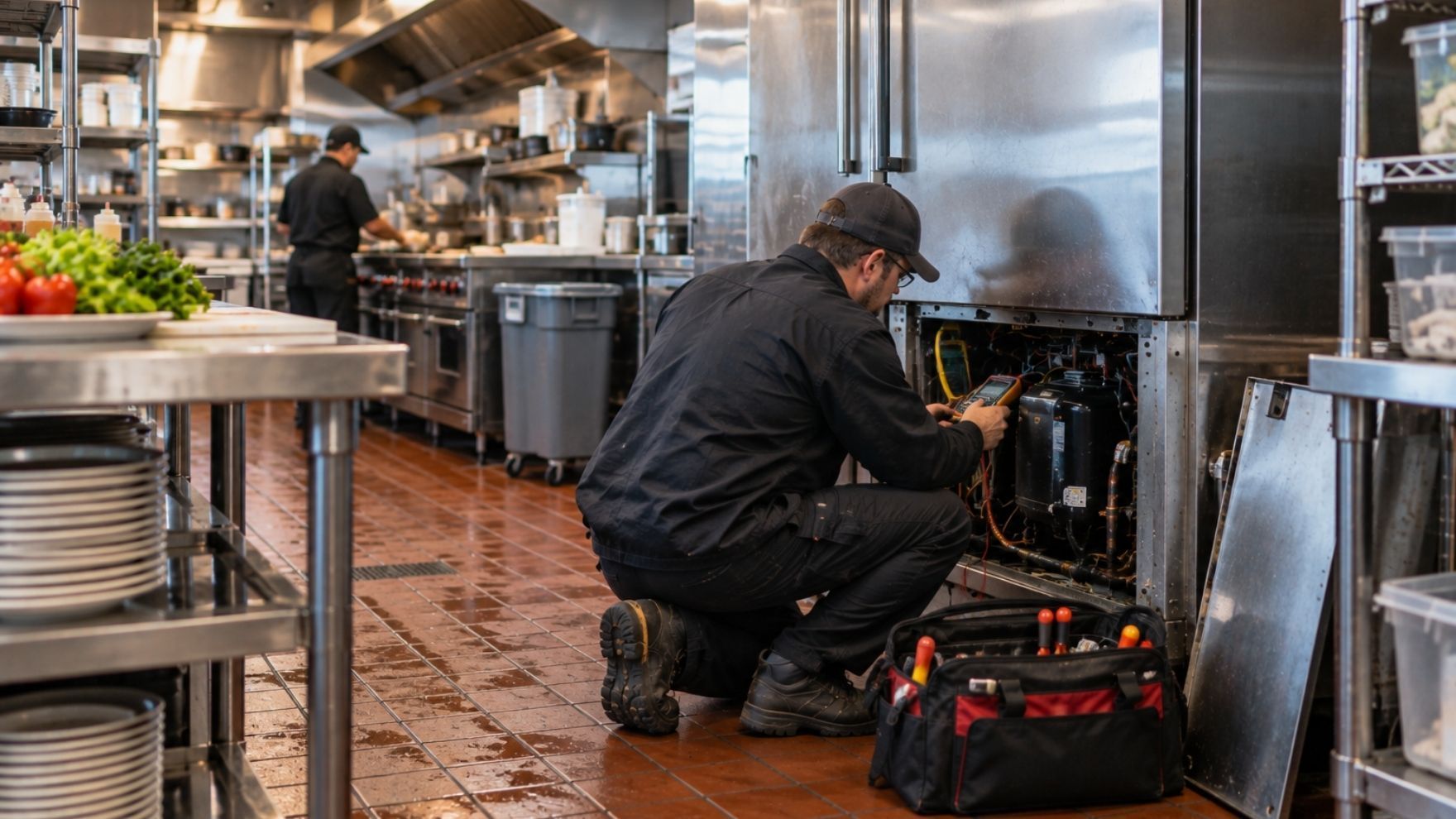
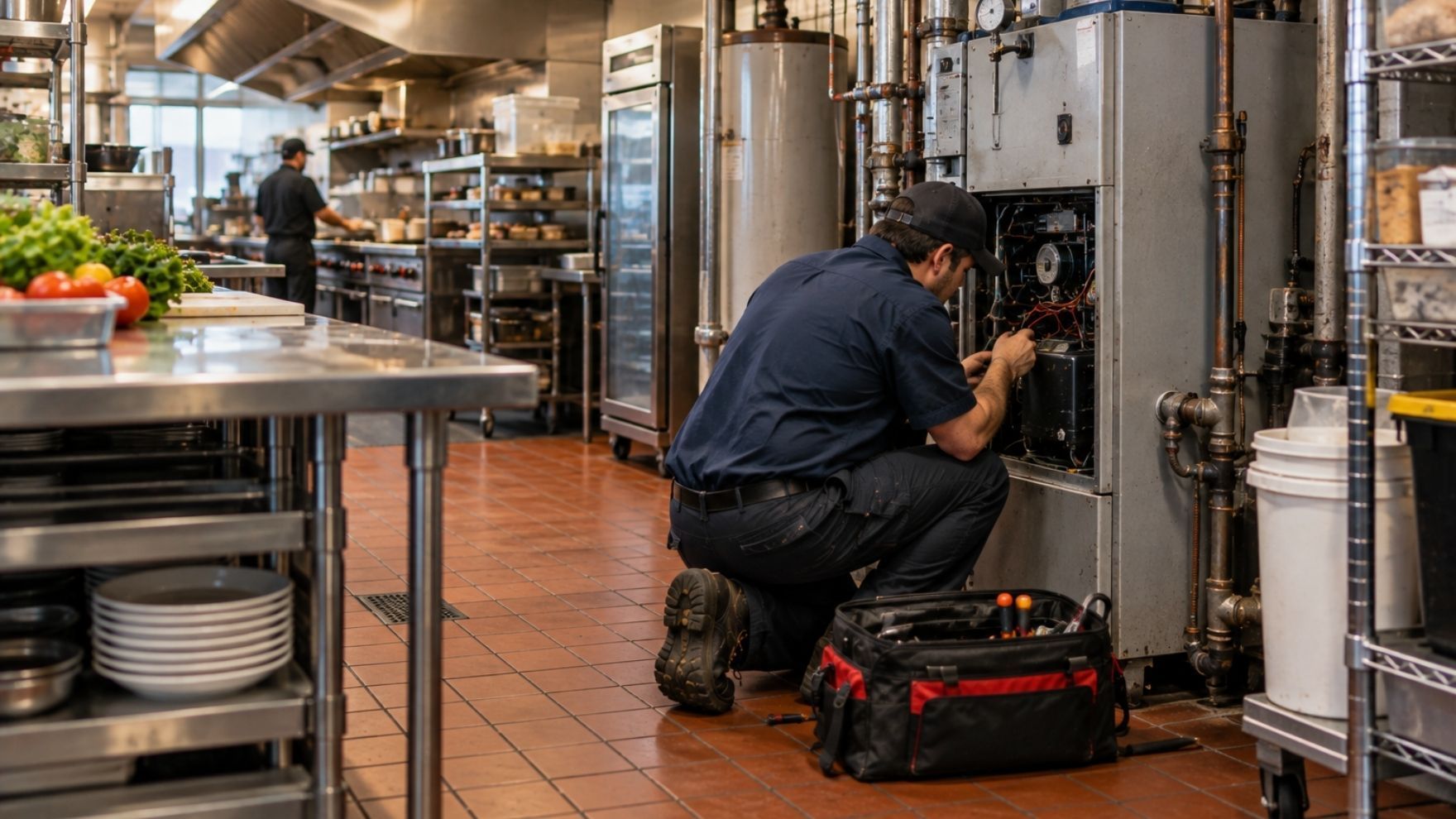
Standard property insurance typically excludes mechanical and electrical breakdown, which creates a dangerous gap for vegetarian kitchens. Your $8,000 commercial blender, $12,000 cold-press juicer, and $15,000 dehydrator represent significant investments that can fail without warning. Equipment breakdown coverage, sometimes called boiler and machinery insurance, fills this gap.
This coverage pays for repairs or replacement when equipment fails due to electrical shorts, motor burnout, or mechanical breakdown. It also covers the cost of spoiled inventory if a refrigeration unit fails. For restaurants relying heavily on specialized plant-based food preparation equipment, this endorsement often proves invaluable after a single claim.
Safeguarding Against Spoilage and Supply Chain Disruptions
Spoilage Coverage for Perishable Fresh Produce
Fresh produce doesn't forgive equipment failures. Unlike a steakhouse that might salvage frozen proteins after a brief power outage, your organic greens, ripe avocados, and fresh herbs become worthless within hours of temperature abuse. Spoilage coverage reimburses you for inventory losses caused by equipment breakdown, power failures, or refrigerant leaks.
Policy limits for spoilage coverage typically range from $5,000 to $50,000, depending on your inventory levels. Calculate your maximum walk-in cooler value during peak periods when setting limits. Remember to include specialty items like imported cheeses, house-made fermented products, and expensive ingredients like saffron or high-quality olive oils. Some policies require specific temperature monitoring equipment as a condition of coverage.
Business Interruption for Revenue Recovery
When disaster strikes and you can't open your doors, business interruption insurance replaces lost income. This coverage kicks in after covered property damage forces closure, paying for ongoing expenses like rent, loan payments, and employee salaries while you rebuild. Most policies cover the time needed to restore operations to pre-loss levels.
| Coverage Type | What It Covers | Typical Waiting Period |
|---|---|---|
| Standard BI | Lost income after property damage | 24-72 hours |
| Extended BI | Continued losses after reopening | None after trigger |
| Contingent BI | Supplier/customer property damage | 24-72 hours |
| Civil Authority | Government-ordered closure | 24-48 hours |
For vegetarian restaurants with loyal customer bases, extended business interruption coverage helps recover revenue lost while rebuilding that following after reopening.
Specialized Endorsements for Vegetarian Business Models
Liquor Liability for Vegan Wine and Craft Beer Bars
Many vegetarian restaurants expand revenue by offering curated wine lists featuring vegan-certified bottles or craft beer selections from plant-focused breweries. Serving alcohol introduces significant liability exposure that general liability doesn't adequately cover. Liquor liability insurance specifically protects against claims arising from intoxicated patrons.
If an overserved customer causes a car accident after leaving your establishment, you could face a lawsuit. Liquor liability coverage handles defense costs and settlements. Premium costs vary dramatically by state, with some jurisdictions imposing strict liability on alcohol-serving establishments regardless of apparent intoxication. Check your state's dram shop laws to understand your exposure level.
Off-Premises Coverage for Catering and Farmers Markets
Vegetarian restaurants often generate substantial revenue through catering services and farmers market booths. Your standard policy may exclude or limit coverage for operations conducted away from your primary location. Off-premises coverage extends your liability and property protection to these external venues.
Catering events present unique risks: unfamiliar kitchens, temperature control challenges during transport, and serving customers in environments you don't control. Farmers market operations face weather exposure, theft risks, and liability for incidents at shared venues. Review your policy carefully, as some insurers require advance notification of off-premises events while others provide blanket coverage up to certain limits.
Employer Obligations and Workers' Compensation
Workers' compensation insurance is mandatory in nearly every state once you hire your first employee. This coverage pays medical expenses and partial wage replacement when employees suffer work-related injuries or illnesses. Kitchen work remains inherently dangerous: burns, cuts, slips, and repetitive stress injuries occur regularly regardless of what you're cooking.
Vegetarian kitchens present some unique occupational hazards worth noting. High-powered blenders and food processors can cause severe injuries if misused. Repetitive chopping of large vegetable volumes leads to carpal tunnel and tendonitis claims. Commercial juicers require careful operation to avoid crushing injuries. Train staff thoroughly and document that training to demonstrate good faith efforts at injury prevention.
Premium calculations depend on your payroll, job classifications, and claims history. Restaurants typically pay between $2 and $5 per $100 of payroll, though rates vary significantly by state. Implementing safety programs and maintaining a clean claims history can reduce premiums over time through experience modification factors.
Smart risk management directly impacts your insurance costs. Installing commercial-grade fire suppression systems, maintaining documented food safety protocols, and implementing thorough employee training programs all signal lower risk to underwriters. Some insurers offer specific discounts for certifications like ServSafe or organic handling credentials.
Bundle policies whenever possible. Purchasing general liability, property, and business interruption coverage as a Business Owner's Policy typically costs 15-25% less than buying each separately. Work with an agent who understands restaurant operations and can identify coverage gaps before they become expensive lessons.
Review your policies annually, especially after changes to your business model. Adding delivery services, expanding catering operations, or opening a second location all require coverage adjustments. The cheapest policy rarely provides the best value when you're filing a claim.
Frequently Asked Questions
Does my general liability policy cover food allergy reactions? General liability may provide some coverage, but product liability specifically addresses harm from consumed products. Many restaurateurs carry both to ensure adequate protection against allergy-related claims.
How much spoilage coverage do I actually need? Calculate your maximum refrigerated inventory value during your busiest season, then add 20% for safety. Most vegetarian restaurants need between $10,000 and $30,000 in spoilage coverage.
Will my insurance cover claims if a dish labeled vegan contains dairy? Product liability typically covers such claims, but repeated incidents suggest negligence that could void coverage. Implement rigorous ingredient verification and labeling protocols.
Do I need separate coverage for my food truck or farmers market booth? Usually yes. Standard policies often exclude or limit off-premises operations. Ask your agent about adding an endorsement or purchasing separate mobile vendor coverage.
How can I reduce my workers' compensation premiums? Implement documented safety training, maintain a clean claims history, and ensure employees are classified correctly. Some states offer premium discounts for formal safety programs.
Making the Right Coverage Decision
Protecting your vegetarian restaurant requires understanding both standard restaurant risks and the unique exposures your meat-free model creates. The right insurance portfolio balances comprehensive protection against manageable premium costs. Start with the essentials: general liability, property coverage, and workers' compensation. Then evaluate specialized endorsements based on your specific operations.
Work with an insurance professional who asks detailed questions about your business model, equipment investments, and growth plans. The agent who simply quotes the cheapest policy isn't serving your interests. Request quotes from multiple carriers, compare coverage details rather than just premiums, and read policy exclusions carefully before signing. Your plant-based venture deserves protection as thoughtful as the food you serve.
About The Author:
Dustin Hulett
As Owner of Cuisine Coverage powered by Hulett Insurance, I specialize in protecting restaurants, bars, and hospitality businesses with smart, reliable insurance solutions. With years of experience serving the food and beverage industry, my goal is to make coverage simple, transparent, and built around the unique risks that owners face every day.
Contact Us
Business Coverage
Protection for Every Part of Your Food Business
Cuisine Coverage provides specialized insurance for restaurants, food trucks, catering services, and other hospitality businesses. We help owners protect their property, staff, and reputation with policies built around the most common industry risks.

General Liability Insurance
Protects your business from claims related to injury, property damage, or accidents that happen during operations.
General Liability
Liquor Liability Insurance
Covers alcohol-related incidents for restaurants, bars, or venues that serve or sell alcohol.
Liquor Liability
Workers Compensation Insurance
Provides wage replacement and medical benefits to employees injured on the job.
Workers Compensation
Business Interruption Insurance
Helps replace lost income and cover ongoing expenses if your business operations are temporarily halted.
Business Interruption
Product Liability Insurance
Protects against claims related to foodborne illness, contamination, or product defects.
Product Liability
Cyber Liability Insurance
Covers data breaches, online payment issues, and digital risks that can affect modern food businesses.
Cyber Liability
Serving the Food and Hospitality Industry
Insurance Solutions for Every Type of Food Business
Cuisine Coverage provides specialized insurance for restaurants, cafés, and food service professionals across the country. Whether you run a casual kitchen or a mobile food truck, we offer coverage that fits your operations and risk level.
How It Works
Insurance Made Easy for Food Business Owners
We know you don’t have time to deal with complicated insurance forms. That’s why our process is built for speed and simplicity — so you can get back to running your kitchen.
Your Insurance Questions Answered
What Restaurant and Food Business Owners Ask Most
What types of insurance do restaurants and food businesses need?
Most food businesses need general liability, property, and workers’ compensation coverage. These protect against injuries, equipment damage, and employee-related incidents. Businesses serving alcohol should also include liquor liability insurance for extra protection.
Having the right mix of policies helps reduce financial risks. We’ll help you identify the specific coverages your business needs based on your setup, size, and operations.
Do you provide insurance for food trucks and mobile kitchens?
Yes. We specialize in insurance for food trucks, trailers, and mobile vendors. Our coverage includes vehicle protection, cooking equipment, and liability for events or customer interactions.
We can also help you meet licensing and vendor requirements by issuing certificates of insurance quickly — often the same day.
How fast can I get a quote or start coverage?
In most cases, quotes are ready within 24 hours once we have your business details. After approval, coverage and certificates can be issued immediately.
Our process is fully digital but supported by real agents who review each policy for accuracy. You’ll always know exactly what you’re getting before coverage starts.
Do you offer liquor liability insurance for bars or restaurants?
Yes. We provide liquor liability insurance for bars, taverns, and restaurants that sell or serve alcohol. This coverage protects against claims involving intoxicated patrons or alcohol-related incidents.
It’s essential for maintaining compliance with local laws and protecting your business from costly lawsuits. We’ll ensure your policy meets all licensing requirements.
How can I reduce my insurance costs?
You can often lower premiums by bundling multiple coverages, maintaining clean safety records, and conducting regular policy reviews. Many insurers also offer discounts for installing safety systems and training employees.
At Cuisine Coverage, we proactively review your policy before renewal to help you keep costs down without reducing protection.
Do you help with certificates of insurance (COIs)?
Yes. We provide same-day certificates for vendors, landlords, and event partners. You can request them by phone or email anytime.
Having your COI ready keeps your business compliant and avoids delays in operations. Our team handles these requests quickly so you can stay focused on running your business.
From the Kitchen to Coverage
Real Advice for the Food and Hospitality Industry
We share tips, updates, and real-world stories from the food and insurance industries. Whether you’re managing a restaurant or rolling out a food truck, our articles give you useful guidance to protect your business and grow with confidence.
Contact Us
Phone
Location