Workers Compensation INSURANCE for Restaurants
OR call us: (214) 667-2729
Running a restaurant means juggling many responsibilities, but one that often gets overlooked until it’s too late is workers compensation insurance. With nearly 94,000 nonfatal injuries reported in full-service restaurants in 2019 alone, the risks are real and costly. Whether you’re hiring your first employee or expanding your team, understanding workers comp insurance can protect your business from unexpected claims and keep your kitchen running smoothly. This guide breaks down what you need to know before hiring, so you can make informed decisions that safeguard your staff and your bottom line.
Why Workers Compensation Insurance Matters in Restaurants
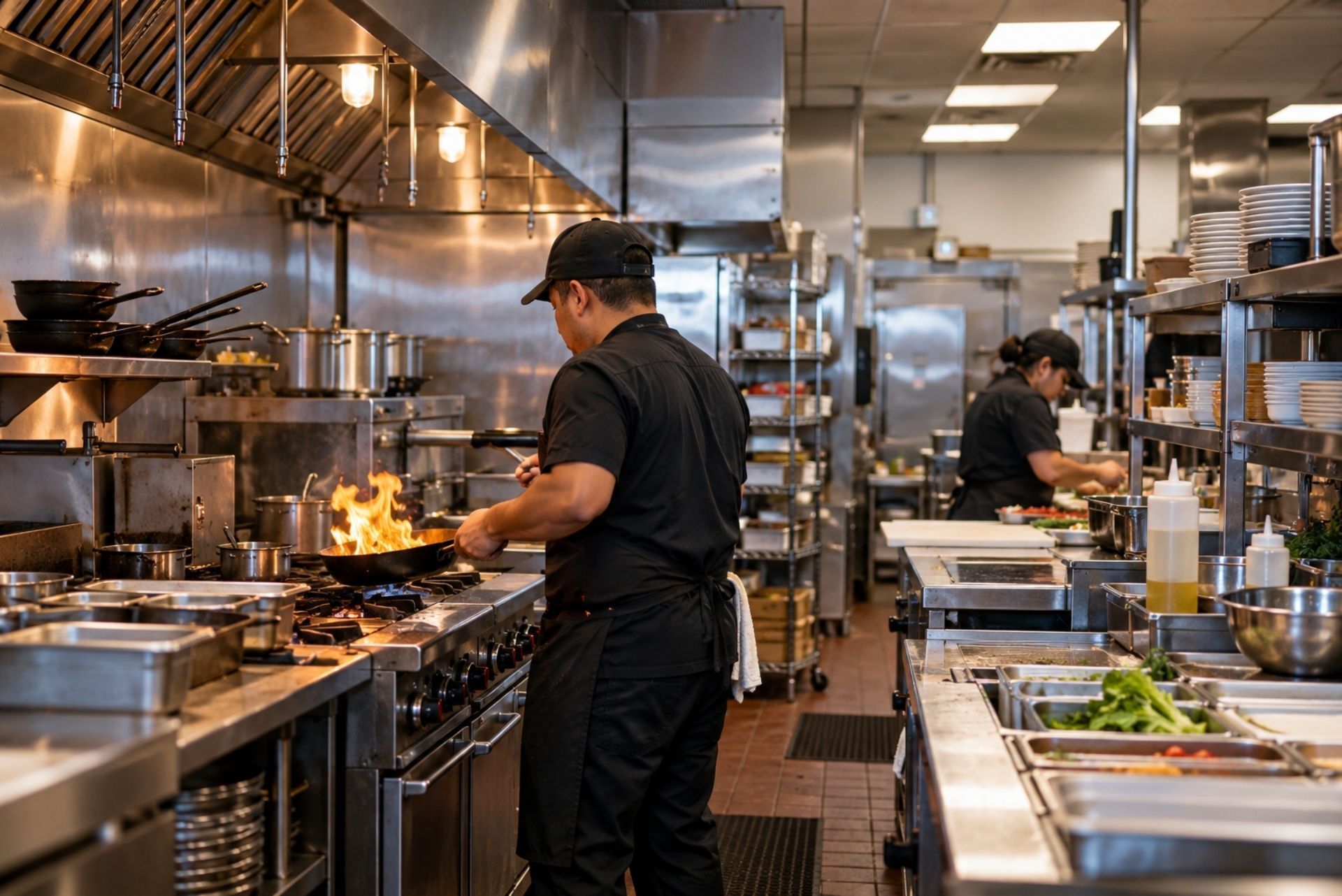
Restaurants are fast-paced environments where accidents happen frequently. From slips on wet floors to cuts from kitchen knives, the potential for injury is high. In 2019, the U.S. Bureau of Labor Statistics reported 93,800 nonfatal injuries and illnesses in full-service restaurants, with over 8,000 cases leading to days away from work. These numbers highlight just how common workplace injuries are in this industry.
Workers compensation insurance covers medical expenses and lost wages for employees injured on the job. Without it, restaurant owners may face hefty out-of-pocket costs and even legal action. Given the physical demands and hazards in kitchens, having this coverage is not just a legal requirement in most states but a vital safety net for your business.
California, for instance, has over 52,000 workers’ compensation policies in the restaurant sector, accounting for more than 7% of all state premiums. This reflects how seriously the industry takes injury risks and the financial impact of claims according to the Workers' Compensation Insurance Rating Bureau of California.
Moreover, the implications of not having workers compensation insurance extend beyond immediate financial concerns. A restaurant that lacks this coverage may struggle to attract and retain skilled workers, as employees often look for job security and benefits when choosing an employer. In an industry where turnover rates can be high, offering comprehensive benefits, including workers compensation, can set a restaurant apart from its competitors. Additionally, a strong safety record, bolstered by proper insurance coverage, can enhance a restaurant's reputation, encouraging more customers to dine there, knowing that the establishment values the well-being of its staff.
Furthermore, training and safety protocols play a crucial role in minimizing workplace injuries. Restaurants that invest in regular safety training and create a culture of safety are more likely to see a reduction in claims. This proactive approach not only protects employees but can also lead to lower insurance premiums over time. By fostering an environment where safety is prioritized, restaurant owners can create a more efficient workplace, ultimately benefiting both staff and patrons alike.


By: Dustin Hulett
Founder & CEO of Cuisine Coverage
Common Injuries in the Restaurant Industry and Their Costs
Understanding the types of injuries your staff might face helps in assessing the right coverage. Cuts, punctures, and scrapes are the most frequent injuries in restaurants, often affecting fingers. These injuries tend to be less expensive to treat, averaging around $1,798 per claim. However, they still disrupt operations and can add up quickly if safety measures aren’t in place. The fast-paced environment of a restaurant, where staff are constantly moving between the kitchen and dining area, increases the likelihood of these minor injuries. Simple practices, such as proper knife handling techniques and the use of cut-resistant gloves, can significantly reduce the incidence of such injuries.
More severe injuries involve musculoskeletal disorders, such as back pain or repetitive strain injuries like “barista wrist.” These are not only painful for employees but also the most expensive to treat. Matt Zender, Senior Vice President at AmTrust Financial Services, points out that these injuries rack up the highest costs in workers comp claims for restaurant workers according to industry insights. The physical demands of the job, including prolonged standing, lifting heavy items, and performing repetitive motions, contribute to these conditions. Implementing ergonomic practices, such as adjustable workstations and regular breaks, can help mitigate these risks and promote a healthier work environment.
Wrist and hand injuries are particularly costly in terms of lost time, averaging 265 days away from work. This downtime can severely impact staffing and productivity. In 2021, the average cost of a workers compensation claim in food service was $4,474, but lost time claims soared to an average of $18,345
according to Marsh's 2022 Restaurant Industry Loss Cost Trends. Additionally, the emotional toll on employees who are sidelined due to injury can lead to decreased morale and increased turnover rates. Restaurants may also face reputational damage if they are known for poor working conditions, making it crucial to
prioritize employee safety and implement comprehensive training programs that emphasize injury prevention strategies.
How Staffing Shortages Affect Workers Compensation Claims
Recent staffing shortages have made it harder for restaurants to maintain experienced teams. This has led to a rise in workers compensation claims as less experienced workers are more prone to accidents. The fast turnover and pressure to fill shifts quickly can result in insufficient training and increased injury rates. In many cases, new hires may not be fully aware of safety protocols or the proper handling of equipment, which can lead to dangerous situations in a bustling restaurant environment. The combination of high-pressure service demands and a lack of experience creates a perfect storm for workplace injuries.
Marsh’s 2022 report highlights that the influx of inexperienced workers is a significant factor driving up claims. This trend underscores the importance of investing in proper training and safety programs alongside securing workers compensation insurance. It’s not just about coverage; it’s about reducing the likelihood of claims in the first place according to Marsh's Restaurant Industry Practice Report. Furthermore, the financial implications of increased claims can be staggering for restaurant owners, who may face higher premiums and potential legal costs. As the industry grapples with these challenges, many establishments are beginning to prioritize comprehensive onboarding processes that emphasize safety and risk management as a critical part of their operational strategy.
In addition to training, fostering a culture of safety within the workplace can significantly mitigate risks associated with staffing shortages. Establishments that encourage open communication about safety concerns and empower employees to report hazards without fear of reprisal tend to see lower injury rates. This proactive approach not only enhances the overall work environment but also builds a sense of community among staff, which can be crucial in retaining employees during challenging times. As the restaurant industry continues to navigate these staffing challenges, the focus on creating a safe, supportive workplace will be essential for both employee well-being and the financial health of the business.

What to Look for When Choosing Workers Compensation Insurance
Not all workers comp policies are created equal, especially for restaurants. Here are some key factors to consider before hiring and selecting coverage:
- Coverage Limits: Ensure the policy covers medical expenses, lost wages, and rehabilitation costs adequately. Consider the average claim costs in your area and industry.
- Claims Handling: Look for insurers with a strong reputation for timely and fair claims processing to avoid prolonged disruptions.
- Risk Management Support: Some insurers offer safety training and loss prevention programs tailored to restaurants, helping reduce injury risks.
- Compliance: Verify that the policy meets your state’s legal requirements for workers compensation insurance.
Since finger injuries and cuts are common, check if the insurer provides guidance on kitchen safety and ergonomic practices to minimize repetitive strain injuries. These proactive measures can lower your premiums over time.
Additionally, consider the insurer's experience with the restaurant industry specifically. A company that understands the unique challenges and risks associated with food service can offer tailored advice and coverage options that address your specific needs. For instance, they might provide insights into seasonal fluctuations in staffing and how that impacts your coverage requirements. Furthermore, it’s beneficial to inquire about any additional endorsements or riders that can be added to your policy for enhanced protection, such as coverage for foodborne illnesses or equipment breakdowns, which can be particularly relevant in a restaurant setting.
Another important aspect to evaluate is the insurer's financial stability and customer service reputation. You want to partner with a company that not only has the resources to pay out claims but also provides accessible support when you need it. Reading reviews and testimonials from other restaurant owners can give you a clearer picture of what to expect. Additionally, consider asking for a detailed breakdown of the policy's terms and conditions, including any exclusions that may apply, to ensure you fully understand the coverage you are purchasing.
How Workers Compensation Insurance Protects Your Restaurant
When an employee gets injured, workers compensation insurance steps in to cover their medical bills and part of their lost wages. This coverage shields your business from lawsuits related to workplace injuries, which can be financially devastating.
Without workers comp, you might face claims that drain your resources and damage your reputation. Having insurance also reassures employees that their well-being is a priority, which can improve morale and retention.
Injuries to hands and wrists cause the most lost time, with workers missing an average of 265 days. This kind of absence can cripple a small kitchen. Insurance helps manage these costs and supports your staff’s recovery, keeping your operation stable according to AmTrust Financial Services.
Moreover, workers compensation insurance can provide additional resources for training and safety programs, which are essential in a fast-paced restaurant environment. By investing in safety measures, you not only reduce the likelihood of accidents but also create a culture of care and responsibility among your staff. This proactive approach can lead to fewer injuries overall, which translates to lower insurance premiums over time, making it a financially savvy decision for restaurant owners.
Furthermore, the emotional and psychological impact of workplace injuries should not be overlooked. Employees who feel supported during their recovery are more likely to return to work with a positive attitude and renewed commitment. This can foster a sense of loyalty and teamwork, essential qualities in the high-pressure atmosphere of a restaurant. By ensuring that your workers are protected, you cultivate an environment where everyone can thrive, ultimately enhancing the dining experience for your customers.
Practical Steps to Reduce Workers Compensation Claims
Insurance is essential, but preventing injuries is even better. Here are some practical steps restaurants can take:
- Implement Safety Training: Regularly train staff on safe knife handling, proper lifting techniques, and slip prevention.
- Maintain Equipment: Keep kitchen tools and floors in good repair to avoid accidents.
- Encourage Reporting: Create a culture where employees feel comfortable reporting hazards or minor injuries before they escalate.
- Use Ergonomic Tools: Invest in equipment that reduces strain, such as anti-fatigue mats and ergonomic utensils.
These measures not only protect your team but can also lower your insurance premiums by reducing the frequency and severity of claims.
What to Expect When Hiring and Managing Workers Compensation Insurance
Before hiring, understand your state’s workers compensation requirements. Most states mandate coverage as soon as you have employees, even part-time. Failing to comply can lead to fines and legal trouble.
Once you hire, promptly notify your insurer and ensure your new hires receive safety training. Keep detailed records of any incidents and claims to monitor trends and adjust your safety programs accordingly.
Regularly review your policy to make sure it still fits your business size and risk profile. As your restaurant grows or changes, your coverage needs may evolve.
Workers Compensation Insurance Comparison for Restaurants
| Policy Feature | Basic Coverage | Enhanced Coverage |
|---|---|---|
| Medical Expenses | Covered up to state limits | Expanded coverage including alternative therapies |
| Lost Wages | Standard percentage of wages | Higher wage replacement, including bonusesedictability |
| Vacancy & OccupaRehabilitation Services ncy Rates | Basic rehab support | Comprehensive rehab and return-to-work programs |
| Risk Management | Limited resources | Dedicated safety training and consulting |
| Claims Handling | Standard processing times | Priority claims service with dedicated adjusters |
Before You Go: Key Takeaways for Restaurant Owners
Workers compensation insurance is more than a legal checkbox. It’s a critical part of managing your restaurant’s risks and protecting your team. The high incidence of cuts, scrapes, and especially musculoskeletal injuries means your coverage needs to be robust and tailored to your operations.
Staffing challenges make it even more important to invest in training and safety programs alongside insurance. Choosing the right policy means balancing cost with comprehensive protection and support services.
Remember, the goal is not only to cover claims but to reduce them. A safer kitchen means fewer disruptions, happier employees, and a healthier bottom line.
Frequently Asked Questions
Q: Is workers compensation insurance required for all restaurant employees?
A: In most states, yes. Once you have employees, even part-time, you typically must carry workers comp insurance.
Q: What are the most common injuries in restaurants?
Cuts, punctures, and scrapes are most common, especially to fingers. Musculoskeletal disorders are costly and cause significant lost work time.
Q: How can I reduce workers compensation claims in my restaurant?
Implement safety training, maintain equipment, encourage hazard reporting, and use ergonomic tools to prevent injuries.
Q: How does workers compensation insurance benefit my restaurant?
It covers medical costs and lost wages for injured employees and protects your business from lawsuits related to workplace injuries.
Q: What should I look for in a workers compensation policy?
Check coverage limits, claims handling reputation, risk management support, and compliance with state laws.
Q: Can inexperienced workers increase my insurance costs?
Yes. Staffing shortages that lead to hiring less experienced workers can raise injury rates and claims, impacting premiums.
About The Author:
Dustin Hulett
As Owner of Cuisine Coverage powered by Hulett Insurance, I specialize in protecting restaurants, bars, and hospitality businesses with smart, reliable insurance solutions. With years of experience serving the food and beverage industry, my goal is to make coverage simple, transparent, and built around the unique risks that owners face every day.
Contact Us
Business Coverage
Protection for Every Part of Your Food Business
Cuisine Coverage provides specialized insurance for restaurants, food trucks, catering services, and other hospitality businesses. We help owners protect their property, staff, and reputation with policies built around the most common industry risks.

General Liability Insurance
Protects your business from claims related to injury, property damage, or accidents that happen during operations.
General Liability
Liquor Liability Insurance
Covers alcohol-related incidents for restaurants, bars, or venues that serve or sell alcohol.
Liquor Liability
Workers Compensation Insurance
Provides wage replacement and medical benefits to employees injured on the job.
Workers Compensation
Business Interruption Insurance
Helps replace lost income and cover ongoing expenses if your business operations are temporarily halted.
Business Interruption
Product Liability Insurance
Protects against claims related to foodborne illness, contamination, or product defects.
Product Liability
Cyber Liability Insurance
Covers data breaches, online payment issues, and digital risks that can affect modern food businesses.
Cyber Liability
Serving the Food and Hospitality Industry
Insurance Solutions for Every Type of Food Business
Cuisine Coverage provides specialized insurance for restaurants, cafés, and food service professionals across the country. Whether you run a casual kitchen or a mobile food truck, we offer coverage that fits your operations and risk level.

How It Works
Insurance Made Easy for Food Business Owners
We know you don’t have time to deal with complicated insurance forms. That’s why our process is built for speed and simplicity — so you can get back to running your kitchen.
Your Insurance Questions Answered
What Restaurant and Food Business Owners Ask Most
What types of insurance do restaurants and food businesses need?
Most food businesses need general liability, property, and workers’ compensation coverage. These protect against injuries, equipment damage, and employee-related incidents. Businesses serving alcohol should also include liquor liability insurance for extra protection.
Having the right mix of policies helps reduce financial risks. We’ll help you identify the specific coverages your business needs based on your setup, size, and operations.
Do you provide insurance for food trucks and mobile kitchens?
Yes. We specialize in insurance for food trucks, trailers, and mobile vendors. Our coverage includes vehicle protection, cooking equipment, and liability for events or customer interactions.
We can also help you meet licensing and vendor requirements by issuing certificates of insurance quickly — often the same day.
How fast can I get a quote or start coverage?
In most cases, quotes are ready within 24 hours once we have your business details. After approval, coverage and certificates can be issued immediately.
Our process is fully digital but supported by real agents who review each policy for accuracy. You’ll always know exactly what you’re getting before coverage starts.
Do you offer liquor liability insurance for bars or restaurants?
Yes. We provide liquor liability insurance for bars, taverns, and restaurants that sell or serve alcohol. This coverage protects against claims involving intoxicated patrons or alcohol-related incidents.
It’s essential for maintaining compliance with local laws and protecting your business from costly lawsuits. We’ll ensure your policy meets all licensing requirements.
How can I reduce my insurance costs?
You can often lower premiums by bundling multiple coverages, maintaining clean safety records, and conducting regular policy reviews. Many insurers also offer discounts for installing safety systems and training employees.
At Cuisine Coverage, we proactively review your policy before renewal to help you keep costs down without reducing protection.
Do you help with certificates of insurance (COIs)?
Yes. We provide same-day certificates for vendors, landlords, and event partners. You can request them by phone or email anytime.
Having your COI ready keeps your business compliant and avoids delays in operations. Our team handles these requests quickly so you can stay focused on running your business.
From the Kitchen to Coverage
Real Advice for the Food and Hospitality Industry
We share tips, updates, and real-world stories from the food and insurance industries. Whether you’re managing a restaurant or rolling out a food truck, our articles give you useful guidance to protect your business and grow with confidence.
Contact Us
Phone
Location