Takeout Restaurant INSURANCE
OR call us: (214) 667-2729
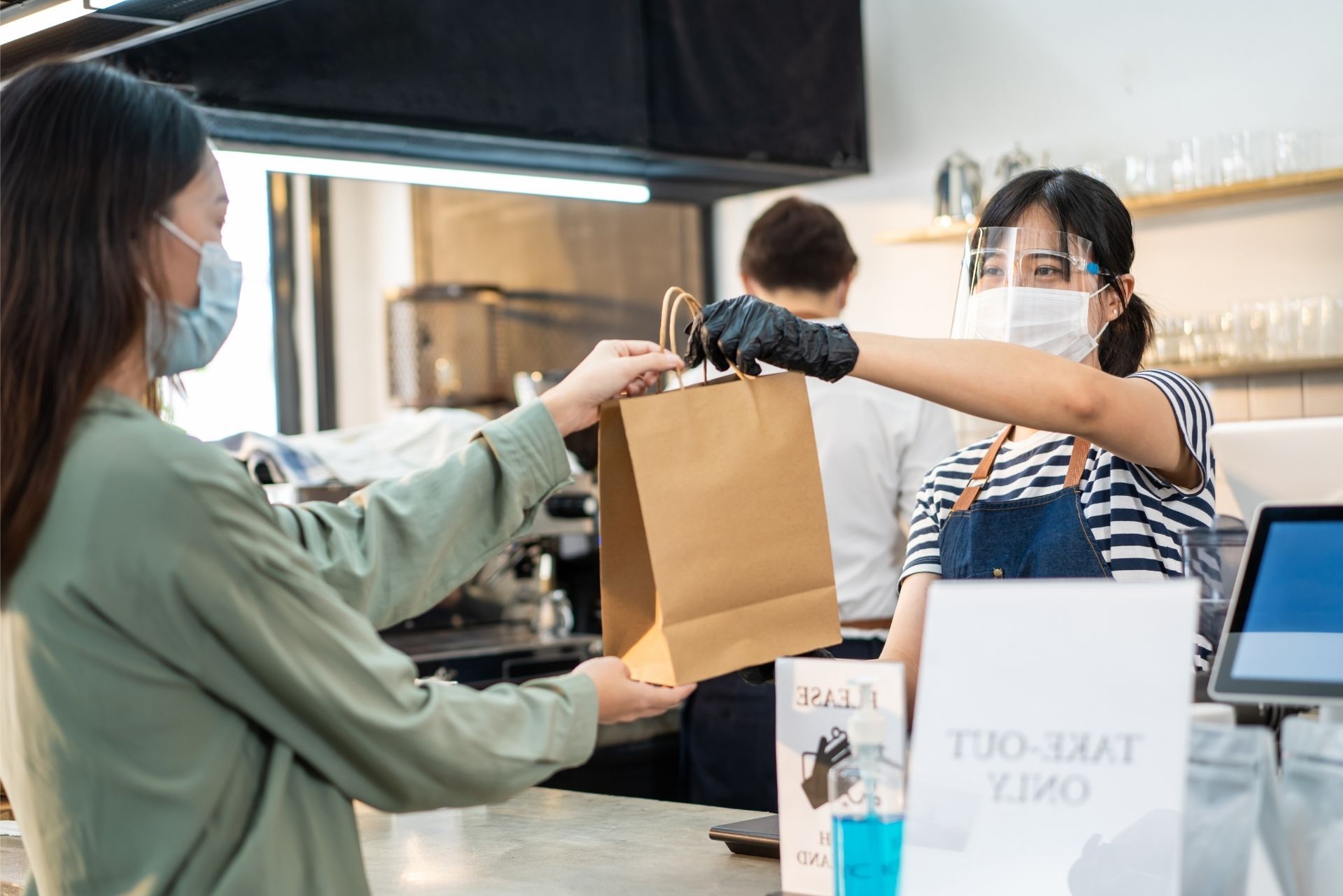
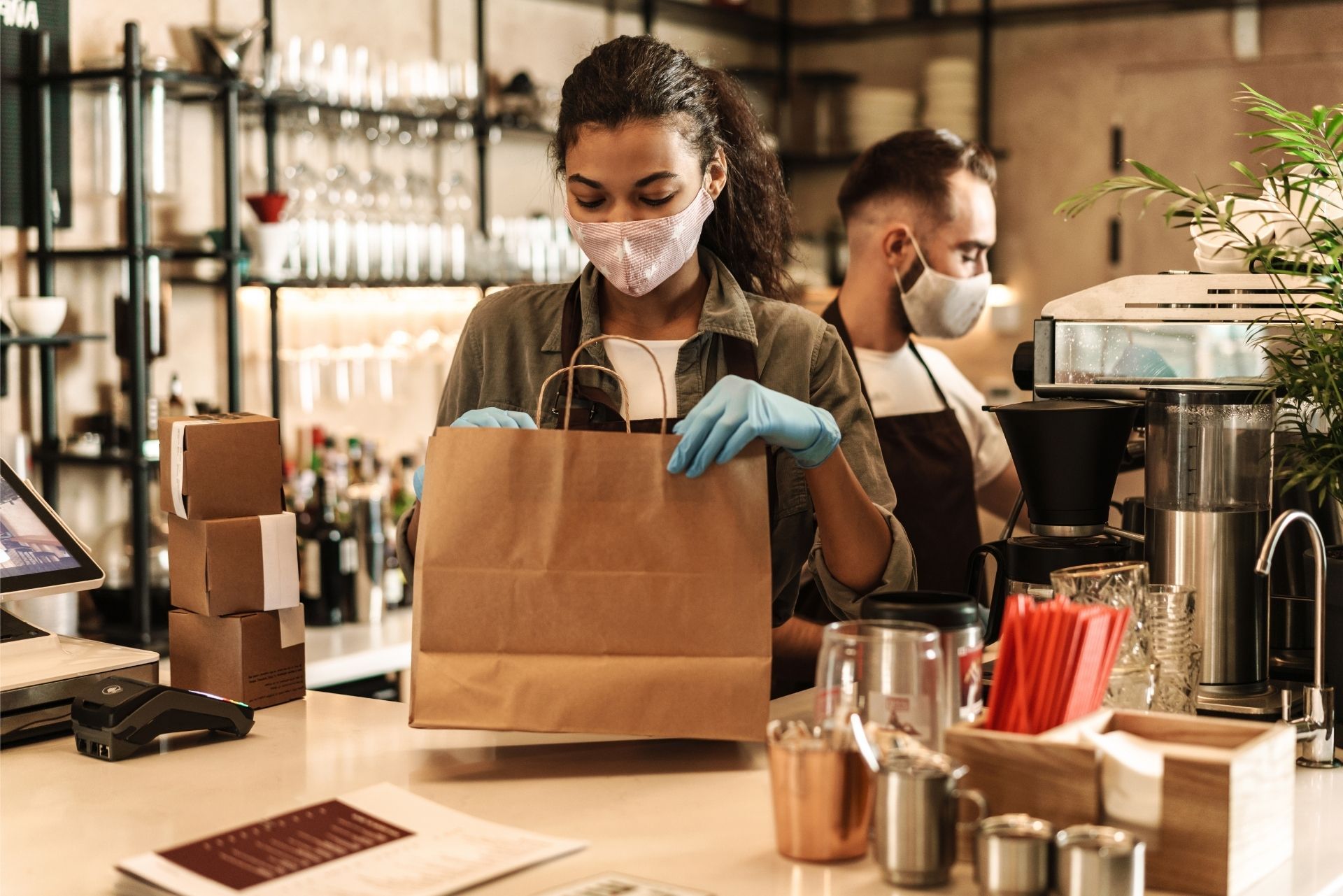
Restaurants that focus on takeout and delivery have reshaped how people enjoy dining. With roughly 75% of all restaurant orders now delivered or taken to go, the shift toward off-premises dining is undeniable. This trend has created new opportunities and risks for kitchens that rely on pickup-only and delivery services. Understanding the unique insurance needs of these businesses is essential for protecting operations, staff, and customers alike.
The National Restaurant Association highlights how convenience drives this growing segment, especially for busy lifestyles.
Why Takeout and Delivery Kitchens Need Specialized Insurance
Takeout and delivery-focused restaurants operate differently from traditional dine-in establishments. The absence of in-house dining changes the risk profile significantly. For example, there is less exposure to slip-and-fall incidents inside the restaurant, but increased risks related to food handling, packaging, and transportation. Delivery drivers, whether employees or contractors, introduce liability concerns that standard restaurant insurance might not fully cover.
Approximately 65% of Quick Service Restaurant (QSR) sales come from takeout or delivery, according to GITNUXREPORT 2025. This means many kitchens rely heavily on these services for revenue. Insurance policies must reflect this reliance by addressing specific exposures such as vehicle liability, food contamination, and customer injury during pickup or delivery.
Key Risks for Pickup-Only and Delivery Kitchens
Food safety remains a top priority. Contamination or spoilage can lead to costly claims and damage to reputation. Packaging failures that cause spills or burns during delivery also increase liability. Delivery drivers face risks on the road, including accidents that could involve third parties.
Additionally, contactless payments have surged by over 50% in restaurant transactions recently, highlighting the need for secure transaction coverage and cyber liability protection. Such details matter when customers order online or through apps, which are common in takeout and delivery models.
Furthermore, the rapid growth of the food delivery industry has led to increased competition, prompting restaurants to innovate their offerings. This innovation often includes unique packaging solutions designed to maintain food quality during transit. However, these new packaging methods can also introduce unforeseen risks, such as chemical leaching from materials not intended for hot food. Restaurants must stay informed about packaging regulations and ensure compliance to avoid potential legal issues.
Moreover, the reliance on third-party delivery services adds another layer of complexity. While these platforms can expand a restaurant's reach, they also shift some liability to the delivery service provider. However, restaurants must still ensure that their insurance covers any gaps that may arise from using these services. This includes understanding the contractual obligations with delivery partners and how they affect liability in the event of an incident. As the landscape continues to evolve, staying proactive about these risks is essential for the sustainability of takeout and delivery kitchens.

By: Dustin Hulett
Founder & CEO of Cuisine Coverage
Essential Insurance Coverage Types for Takeout and Delivery Restaurants
Choosing the right insurance means covering all bases without paying for unnecessary extras. Here are the core types of coverage that pickup-only and delivery-focused kitchens should consider.
General Liability Insurance
This is the foundation of any restaurant insurance plan. It protects against claims of bodily injury or property damage that occur on the premises or due to business operations. For takeout kitchens, this might include injuries during order pickup or incidents caused by packaging defects. Additionally, it can cover legal fees associated with defending against claims, which can be particularly important for small businesses that may not have the financial resources to handle unexpected legal battles. Ensuring that your general liability insurance includes coverage for food-related incidents, such as allergic reactions to ingredients, can also provide peace of mind in an industry where customer safety is paramount.
Commercial Auto Insurance
Delivery drivers are on the road constantly, making vehicle insurance critical. Commercial auto policies cover accidents involving delivery vehicles, whether owned by the restaurant or drivers. This coverage protects the business from liability claims arising from crashes or injuries during deliveries. Furthermore, it can also include coverage for vehicle damage, theft, and even roadside assistance, which can be invaluable for maintaining a reliable delivery service. As the demand for food delivery continues to rise, ensuring that your delivery fleet is adequately insured not only protects your business but also enhances your brand's reputation for reliability and safety.
Product Liability Insurance
Food-related claims can be devastating. Product liability insurance covers illnesses or injuries caused by contaminated or defective food products. Given the high volume of takeout orders—30% of U.S. restaurant revenue comes from delivery and takeout—this coverage safeguards against costly lawsuits. Moreover, it can also extend to cover claims related to mislabeling of ingredients, which is crucial for customers with food allergies. As consumer awareness of food safety increases, having robust product liability insurance not only protects your business financially but also builds trust with your customers, reassuring them that their health and safety are your top priorities.
Workers’ Compensation Insurance
Employees working in kitchens or delivering orders face physical risks daily. Workers’ compensation insurance covers medical expenses and lost wages if staff are injured on the job. This coverage is essential for protecting both employees and the business. In addition to covering immediate medical costs, it can also provide rehabilitation services for employees who need help returning to work after an injury. Investing in a comprehensive workers’ compensation policy reflects a commitment to employee welfare, which can enhance morale and reduce turnover, ultimately benefiting the business in the long run.
Cyber Liability Insurance
With the rise of online ordering and contactless payments, cyber threats have become a concern.
Cyber liability insurance helps cover losses from data breaches, hacking, or payment fraud. This is increasingly important as digital transactions grow in popularity. As restaurants collect more customer data, including payment information and personal preferences, the risk of cyberattacks increases. Cyber liability insurance can also provide access to resources for improving data security measures, helping restaurants not only respond to incidents but also proactively prevent them. In an age where customer trust is paramount, having this insurance can be a vital part of a restaurant's risk management strategy, ensuring that both the business and its patrons are protected in the digital landscape.
How Takeout Trends Influence Insurance Needs
The restaurant industry’s shift toward off-premises dining has accelerated rapidly. About 75% of all orders are now delivered or taken to go, reflecting a permanent change in consumer habits. This shift means kitchens must adapt their insurance to cover new risks associated with delivery logistics and packaging.
Chad Moutray, Senior Vice President of Research at the National Restaurant Association, notes that convenience has become a key driver for takeout and delivery services. This convenience comes with operational challenges that insurance must address to keep businesses protected and running smoothly.
With 80% of consumers checking reviews before choosing a restaurant, reputation management is also vital. Insurance that supports crisis management and public relations can help restaurants respond effectively to incidents that might otherwise harm their brand.
Impact of Delivery on Profit Margins and Risks
The global restaurant industry was valued at approximately $3.5 trillion in 2023, yet average profit margins remain slim, around 5-6%. Delivery and takeout help boost sales, but they also introduce new costs and liabilities. Insurance plans tailored to these models can help control expenses related to claims and lawsuits.
For example, delivery-related accidents or food contamination claims can quickly erode profits. Taking proactive steps to secure comprehensive coverage is a smart investment in long-term stability.
Moreover, as restaurants increasingly rely on third-party delivery services, they face additional complexities in their insurance needs. These partnerships can blur the lines of liability, making it essential for restaurant owners to understand their coverage limits and the responsibilities of delivery partners. This evolving landscape necessitates a thorough review of existing policies to ensure they adequately cover scenarios such as driver accidents or food safety issues during transit, which could have significant financial repercussions.
Additionally, the rise of technology in the food delivery space, such as mobile apps and online ordering platforms, introduces further considerations for insurance. Cybersecurity risks associated with handling customer data and payment information are paramount. Restaurants must consider cyber liability insurance to protect against data breaches that could compromise customer trust and lead to costly legal battles. As the industry continues to innovate, staying ahead of these insurance needs will be crucial for maintaining a competitive edge in a rapidly changing market.
Tips for Choosing the Right Takeout Restaurant Insurance
Finding the right insurance plan means balancing coverage, cost, and the specific needs of a pickup-only or delivery-focused kitchen. Here are some tips to guide the process.
Assess Your Unique Risks
Start by identifying the specific exposures your business faces. Do you use in-house drivers or third-party services? How do you handle packaging and food safety? Understanding these factors helps tailor coverage to your operation. For instance, if you utilize in-house drivers, you may need to consider additional auto liability coverage to protect against accidents that could occur during deliveries. Additionally, evaluating your packaging methods is crucial, as improper packaging can lead to food spoilage or contamination, which may result in costly liability claims.
Work with an Experienced Agent
Insurance professionals familiar with the foodservice industry can recommend policies that fit your needs. They can also help navigate claims and adjust coverage as your business evolves. An experienced agent can provide insights into industry-specific risks, such as foodborne illnesses or equipment breakdowns, and suggest endorsements that might be beneficial, like coverage for food spoilage or business interruption due to unforeseen events. Their expertise can be invaluable in ensuring that you have comprehensive protection tailored to the nuances of your operation.
Review Coverage Annually
Takeout and delivery trends continue to change. Regularly reviewing your insurance ensures you stay protected against emerging risks and industry shifts. As consumer preferences evolve, such as the growing demand for contactless delivery options, your insurance needs may also change. By conducting an annual review, you can identify any gaps in coverage that may have arisen due to new services or changes in regulations, ensuring that your business remains compliant and protected against potential liabilities.
Consider Bundled Policies
Many insurers offer package policies combining general liability, property, and auto insurance. Bundling can simplify management and sometimes reduce costs. Additionally, bundled policies often provide a more comprehensive safety net, covering various aspects of your business under one umbrella. This can be particularly advantageous for takeout restaurants, where multiple risks are present, from kitchen accidents to delivery mishaps. By consolidating your insurance needs, you can streamline your administrative tasks and potentially negotiate better terms with your insurer, making it a win-win for your operational efficiency and financial planning.
Protecting Your Business and Customers
Insurance is more than a safety net. It’s a tool to build trust with customers and partners. Knowing that your takeout or delivery kitchen is fully insured can reassure diners and delivery personnel alike. This assurance can lead to increased customer loyalty, as patrons feel more secure knowing that their favorite restaurant takes their safety seriously. In an industry where reputation is paramount, having robust insurance coverage can set your business apart from competitors who may not prioritize these protections.
With 30% of U.S. restaurant revenue coming from delivery and takeout, according to Wifitalents.com, protecting this revenue stream is critical. Insurance helps ensure that unexpected events do not derail your business or harm your reputation. Additionally, having a solid insurance plan can provide peace of mind, allowing you to focus on enhancing your menu and improving customer service, rather than worrying about potential liabilities that could arise from unforeseen circumstances.
Maintaining Food Safety and Quality
Insurance works hand-in-hand with best practices in food safety and packaging. Preventing claims is always preferable to managing them. Training staff, using quality packaging materials, and following health regulations reduce risks and insurance costs. Moreover, implementing a rigorous food safety management system not only minimizes the chances of contamination but also demonstrates to customers that you prioritize their health. Regular audits and staff refresher courses can keep everyone informed about the latest safety protocols, ensuring that your kitchen remains compliant and your food quality stays top-notch.
Supporting Delivery Drivers
Whether drivers are employees or contractors, their safety impacts your liability. Providing proper training, ensuring vehicle maintenance, and verifying insurance coverage are key steps. Commercial auto insurance complements these efforts by covering accidents on the road. Furthermore, creating a supportive environment for drivers can enhance their performance and reduce turnover. Offering incentives for safe driving, providing necessary equipment such as insulated bags for food delivery, and maintaining open lines of communication can foster a sense of community and responsibility among your delivery team. This not only protects your business but also contributes to a positive brand image, as satisfied drivers are more likely to deliver exceptional service to your customers.
Frequently Asked Questions
Q: Do I need commercial auto insurance if I use third-party delivery services?
A: Generally, third-party services carry their own insurance, but you should verify coverage and consider commercial auto insurance if you use in-house drivers. It's essential to understand the specifics of the third-party service's insurance policy, as it may not cover all potential liabilities. For instance, if a driver gets into an accident while delivering your food, the liability may fall on you if the third-party insurance has limitations or exclusions. Therefore, having your own commercial auto insurance can provide additional peace of mind and financial protection.
Q: How does product liability insurance protect my takeout kitchen?
A: It covers claims related to foodborne illnesses or injuries caused by your food products, which is crucial for takeout and delivery businesses. Product liability insurance can protect you from the financial fallout of lawsuits stemming from claims that your food caused harm to customers. This type of insurance not only covers legal fees and settlements but also helps maintain your business's reputation. In an industry where customer trust is paramount, having this coverage can reassure your clients that you prioritize their safety and well-being.
Q: Can contactless payments increase my insurance risks?
A: Yes, increased digital transactions raise cyber risks. Cyber liability insurance helps protect against data breaches and fraud. As more customers opt for contactless payments, the volume of sensitive information being transmitted increases, making your business a target for cybercriminals. This insurance can cover costs associated with data recovery, legal fees, and even customer notification in the event of a breach. Additionally, implementing robust cybersecurity measures can further mitigate risks and demonstrate to your insurer that you are proactive in protecting your business.
Q: Is workers’ compensation necessary for delivery drivers?
A: Yes. If drivers are employees, workers’ compensation covers injuries sustained on the job, including during deliveries. This coverage is not only a legal requirement in many states but also a vital component of employee welfare. It ensures that your drivers receive medical care and compensation for lost wages if they are injured while working. Furthermore, offering workers’ compensation can enhance employee morale and retention, as drivers feel valued and protected in their roles.
Q: How often should I review my restaurant insurance?
It’s best to review your coverage annually or whenever you make significant changes to your business operations. Factors such as expanding your menu, increasing staff, or changing your delivery methods can all impact your insurance needs. Additionally, staying informed about industry trends and regulatory changes can help you identify potential gaps in your coverage. Regularly consulting with your insurance agent ensures that you are adequately protected and can adapt your policy to align with your evolving business model.
About The Author:
Dustin Hulett
As Owner of Cuisine Coverage powered by Hulett Insurance, I specialize in protecting restaurants, bars, and hospitality businesses with smart, reliable insurance solutions. With years of experience serving the food and beverage industry, my goal is to make coverage simple, transparent, and built around the unique risks that owners face every day.
Contact Us
Business Coverage
Protection for Every Part of Your Food Business
Cuisine Coverage provides specialized insurance for restaurants, food trucks, catering services, and other hospitality businesses. We help owners protect their property, staff, and reputation with policies built around the most common industry risks.

General Liability Insurance
Protects your business from claims related to injury, property damage, or accidents that happen during operations.
General Liability
Liquor Liability Insurance
Covers alcohol-related incidents for restaurants, bars, or venues that serve or sell alcohol.
Liquor Liability
Workers Compensation Insurance
Provides wage replacement and medical benefits to employees injured on the job.
Workers Compensation
Business Interruption Insurance
Helps replace lost income and cover ongoing expenses if your business operations are temporarily halted.
Business Interruption
Product Liability Insurance
Protects against claims related to foodborne illness, contamination, or product defects.
Product Liability
Cyber Liability Insurance
Covers data breaches, online payment issues, and digital risks that can affect modern food businesses.
Cyber Liability
Serving the Food and Hospitality Industry
Insurance Solutions for Every Type of Food Business
Cuisine Coverage provides specialized insurance for restaurants, cafés, and food service professionals across the country. Whether you run a casual kitchen or a mobile food truck, we offer coverage that fits your operations and risk level.
How It Works
Insurance Made Easy for Food Business Owners
We know you don’t have time to deal with complicated insurance forms. That’s why our process is built for speed and simplicity — so you can get back to running your kitchen.
Your Insurance Questions Answered
What Restaurant and Food Business Owners Ask Most
What types of insurance do restaurants and food businesses need?
Most food businesses need general liability, property, and workers’ compensation coverage. These protect against injuries, equipment damage, and employee-related incidents. Businesses serving alcohol should also include liquor liability insurance for extra protection.
Having the right mix of policies helps reduce financial risks. We’ll help you identify the specific coverages your business needs based on your setup, size, and operations.
Do you provide insurance for food trucks and mobile kitchens?
Yes. We specialize in insurance for food trucks, trailers, and mobile vendors. Our coverage includes vehicle protection, cooking equipment, and liability for events or customer interactions.
We can also help you meet licensing and vendor requirements by issuing certificates of insurance quickly — often the same day.
How fast can I get a quote or start coverage?
In most cases, quotes are ready within 24 hours once we have your business details. After approval, coverage and certificates can be issued immediately.
Our process is fully digital but supported by real agents who review each policy for accuracy. You’ll always know exactly what you’re getting before coverage starts.
Do you offer liquor liability insurance for bars or restaurants?
Yes. We provide liquor liability insurance for bars, taverns, and restaurants that sell or serve alcohol. This coverage protects against claims involving intoxicated patrons or alcohol-related incidents.
It’s essential for maintaining compliance with local laws and protecting your business from costly lawsuits. We’ll ensure your policy meets all licensing requirements.
How can I reduce my insurance costs?
You can often lower premiums by bundling multiple coverages, maintaining clean safety records, and conducting regular policy reviews. Many insurers also offer discounts for installing safety systems and training employees.
At Cuisine Coverage, we proactively review your policy before renewal to help you keep costs down without reducing protection.
Do you help with certificates of insurance (COIs)?
Yes. We provide same-day certificates for vendors, landlords, and event partners. You can request them by phone or email anytime.
Having your COI ready keeps your business compliant and avoids delays in operations. Our team handles these requests quickly so you can stay focused on running your business.
From the Kitchen to Coverage
Real Advice for the Food and Hospitality Industry
We share tips, updates, and real-world stories from the food and insurance industries. Whether you’re managing a restaurant or rolling out a food truck, our articles give you useful guidance to protect your business and grow with confidence.
Contact Us
Phone
Location