Buffet Restaurant INSURANCE
OR call us: (214) 667-2729
Running a buffet restaurant means managing a bustling kitchen filled with high-volume equipment and constant customer traffic. This environment brings unique risks that demand specialized insurance coverage. From ovens working overtime to the steady flow of guests navigating slippery floors, buffet restaurants face challenges that can quickly turn into costly claims. Understanding the right insurance options is crucial to protect your investment and keep your doors open.
With over 1 million restaurant locations across the U.S., the competition is fierce, and the stakes are high. Buffets, in particular, must navigate equipment breakdowns, employee injuries, and slip-and-fall accidents-the top three claim categories in the restaurant industry, accounting for 17%, 12.9%, and 12.8% of claims respectively
according to Oysterlink. This article breaks down the insurance essentials for buffet restaurants, focusing on coverage that addresses the realities of high-volume kitchens and the risks unique to this dining style.
Understanding the Risks Unique to Buffet Restaurants
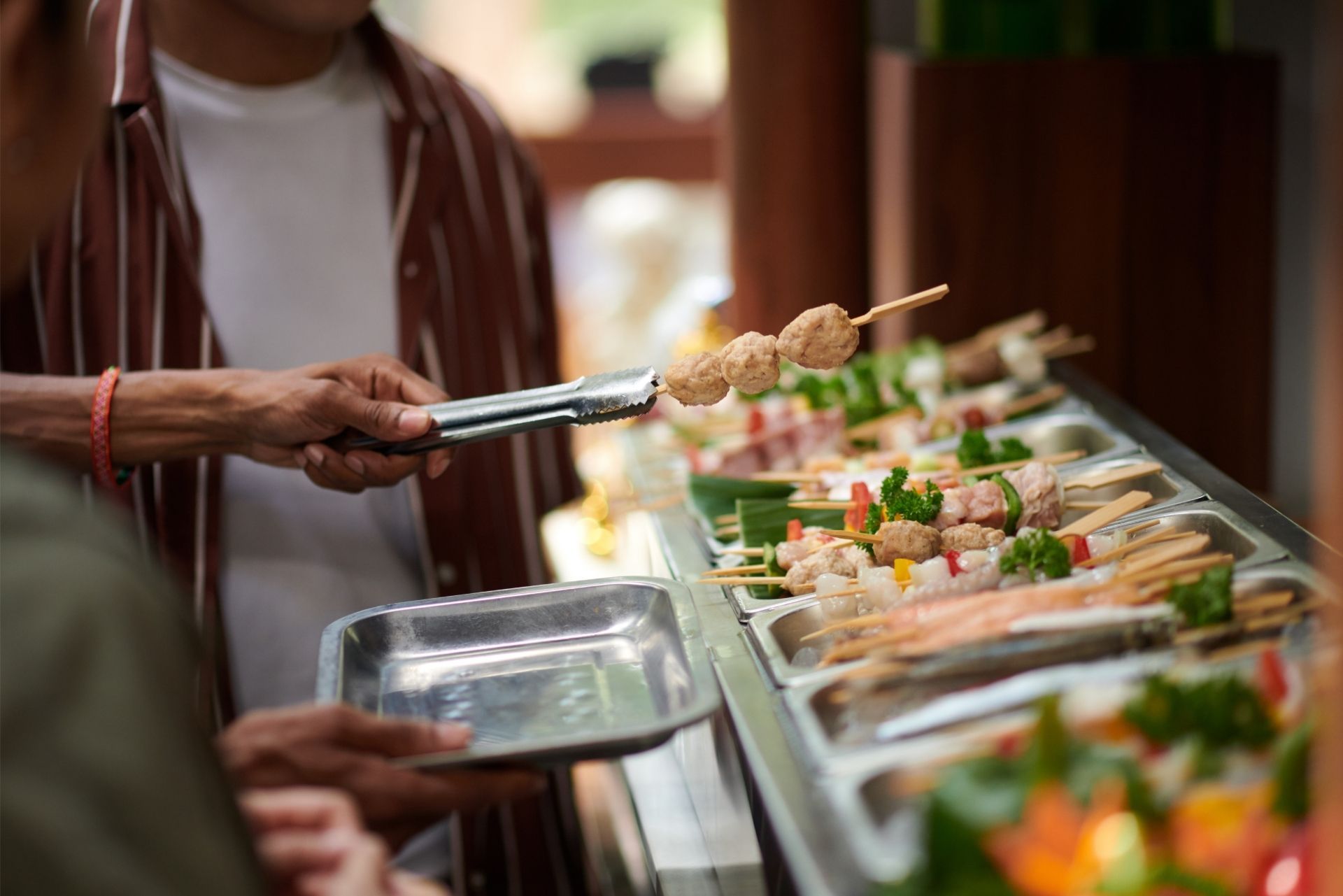
Buffet restaurants operate at a scale that magnifies common restaurant risks. The sheer volume of food prepared and served means kitchen equipment is under constant strain. Commercial ovens, refrigerators, and warming stations run for hours, increasing the chance of mechanical failure. When equipment breaks down, it can halt operations, spoil food, and lead to lost revenue. Moreover, the high turnover of food items necessitates strict adherence to health and safety regulations, which can be challenging to maintain in a bustling buffet environment. Failure to comply with these regulations not only risks health code violations but can also lead to costly fines and reputational damage.
Employee injuries are another significant concern. Staff members handle heavy trays, work near hot surfaces, and move quickly to keep up with demand. The risk of burns, cuts, and repetitive strain injuries is high. Additionally, the self-service nature of buffets means customers are on their feet, often carrying plates while navigating crowded spaces. This increases the likelihood of slip-and-fall accidents, which make up nearly 13% of restaurant claims. To mitigate these risks, buffet restaurants must invest in comprehensive training programs that emphasize safe food handling practices, proper lifting techniques, and emergency response protocols. Regular safety drills can help ensure that staff are prepared for unexpected incidents, ultimately fostering a safer working environment.
Understanding these risks is the first step to securing the right insurance. Buffets need coverage that not only protects physical assets but also addresses potential liabilities from customer and employee injuries. This includes general liability insurance, workers' compensation, and property insurance tailored to the unique operational challenges of buffet dining. Additionally, buffets should consider specialized coverage for food spoilage and equipment breakdowns, as these factors can significantly impact profitability. By proactively managing these risks and securing appropriate insurance, buffet restaurants can create a safer dining experience for customers and a more secure workplace for employees.

By: Dustin Hulett
Founder & CEO of Cuisine Coverage
Key Insurance Coverages for High-Volume Kitchen Operations
Equipment Breakdown Insurance
High-volume kitchens rely heavily on specialized equipment. When a key appliance fails, it can disrupt service and cause significant losses. Equipment breakdown insurance is designed to cover the cost of repairing or replacing damaged machinery. It also helps cover lost income during downtime and the cost of replacing spoiled food, which is critical for buffet restaurants where large quantities of food are prepared in advance.
This coverage is especially important given that equipment breakdown claims represent 17% of restaurant insurance claims. Without it, a single oven failure could lead to a domino effect of operational and financial challenges. Buffets should ensure their policy includes this protection to avoid costly interruptions as noted by AdvisorSmith. Additionally, investing in regular maintenance and inspections can help mitigate risks and extend the lifespan of kitchen equipment, ultimately reducing the likelihood of breakdowns. Having a contingency plan in place, such as a backup supplier for essential ingredients, can also help maintain service levels during unexpected equipment failures.
General Liability Insurance
General liability insurance protects against claims arising from bodily injury or property damage suffered by customers or third parties. For buffets, this often means covering slip-and-fall incidents, which are common due to crowded dining areas and potential spills. Since slip-and-fall claims account for nearly 13% of restaurant claims, this coverage is essential.
It also covers legal fees and settlements if a customer sues after an injury. Given the high foot traffic in buffets, liability coverage should be robust enough to handle multiple claims that could arise from a single incident. Furthermore, buffets can enhance their safety protocols by implementing regular cleaning schedules, using slip-resistant flooring, and training staff to promptly address spills and hazards. These proactive measures not only help reduce the risk of accidents but can also demonstrate to insurers that the business is committed to maintaining a safe environment, potentially leading to lower premiums.
Workers’ Compensation Insurance
Employee injuries in buffet kitchens are frequent, given the fast-paced environment and physical demands. Workers’ compensation insurance provides wage replacement and medical benefits to employees injured on the job. It also protects the business from lawsuits related to workplace injuries.
With the restaurant industry projected to employ 16.9 million people by 2029
according to Burns & Wilcox, managing employee risk is more important than ever. Insurers favor restaurants that actively manage these risks, which can lead to better coverage terms and pricing
as explained by Alera Group. Implementing comprehensive training programs focused on safety and ergonomics can significantly reduce the incidence of workplace injuries. Additionally, fostering a culture of safety where employees feel empowered to report hazards or unsafe practices can further enhance workplace safety and potentially lower insurance costs over time.
Additional Coverage to Consider for Buffet Restaurants
Food Contamination and Spoilage Coverage
Buffet restaurants handle large quantities of food, increasing the risk of spoilage due to power outages or equipment failure. Food contamination outbreaks can be devastating, not just for public health but financially. A single foodborne illness outbreak can cost millions in lawsuits, lost business, and reputational damage according to Johns Hopkins Bloomberg School of Public Health research.
Insurance policies that include food contamination and spoilage coverage can help absorb these costs. This coverage reimburses for spoiled inventory and related losses, providing a safety net in crisis situations. Additionally, many insurance providers offer risk management services that can help buffet restaurants implement better food safety protocols, reducing the likelihood of contamination incidents. Training staff on proper food handling techniques and maintaining equipment can further mitigate risks, ensuring that the restaurant remains a safe dining option for patrons.
Business Interruption Insurance
When equipment breaks down or a health inspection forces temporary closure, business interruption insurance helps cover lost income and ongoing expenses. For buffet restaurants, where daily revenue depends on continuous operation, this coverage is vital.
It ensures that bills, payroll, and other fixed costs can be met even when the kitchen is offline. Pairing this with equipment breakdown coverage creates a comprehensive shield against operational disruptions. Furthermore, many buffet restaurants rely on seasonal fluctuations and special events to boost their income. Business interruption insurance can be tailored to account for these variables, ensuring that the restaurant is protected during peak times when any disruption could have an outsized impact on revenue. By understanding the specific needs of their operation, restaurant owners can work with their insurers to create a policy that not only covers losses but also supports their long-term growth and stability.
Choosing the Right Insurance Partner
Buffet restaurants benefit from working with insurers who understand the hospitality industry’s nuances. Providers offering tailored commercial package policies and workers’ compensation plans can better address the specific needs of high-volume kitchens. This understanding is crucial, as buffet establishments often face unique challenges, such as managing food safety, high employee turnover, and the potential for slip-and-fall accidents due to the bustling environment. An insurer that recognizes these factors can provide more relevant coverage options and risk management resources.
AmTrust North America, for example, offers coverage designed to meet the commercial package and workers’ comp needs of restaurateurs, including buffets according to their industry report. Choosing a carrier with hospitality expertise helps ensure claims are handled efficiently and policies are aligned with real-world risks. Moreover, these specialized insurers often provide additional resources, such as training programs for staff on safety protocols and risk mitigation strategies, which can significantly reduce the likelihood of incidents that lead to claims.
Insurance costs in the hospitality sector have been rising, with hotel insurance premiums increasing by 19.5% in 2023 and now averaging $939 per available room
as reported by Oysterlink. Buffet operators should budget accordingly and seek policies that balance cost with comprehensive protection. It's essential to regularly review and compare coverage options, as the insurance landscape can change rapidly, influenced by factors such as natural disasters, economic shifts, and evolving regulations. By staying informed and proactive, buffet owners can better navigate these challenges and secure a partnership that not only protects their business but also supports its growth and sustainability.
Risk Management Practices to Lower Insurance Costs
Insurers are cautious about restaurant risks, especially in high-traffic environments like buffets. Demonstrating a proactive approach to risk management can improve coverage terms and reduce premiums.
Implementing safety protocols such as regular equipment maintenance, employee training on injury prevention, and rigorous cleaning schedules to prevent slips can make a significant difference. Insurers look favorably on restaurants that understand their vulnerabilities and actively manage them according to expert insights.
Investing in risk management not only protects staff and customers but also strengthens the business’s insurance profile, making it easier to secure favorable terms in a competitive market.
In addition to the aforementioned practices, restaurants can benefit from implementing comprehensive emergency response plans. These plans should include procedures for various scenarios, such as fire, natural disasters, or health emergencies, ensuring that all staff members are well-informed and prepared to act swiftly. Regular drills can help reinforce these protocols, fostering a culture of safety and preparedness that can be attractive to insurers. Moreover, utilizing technology, such as surveillance cameras and alarm systems, can further enhance security measures, demonstrating to insurers that the restaurant is committed to minimizing risks.
Another critical aspect of risk management involves maintaining thorough documentation of all safety practices and incidents. Keeping detailed records of employee training sessions, maintenance logs, and any accidents that occur can provide valuable insights into areas needing improvement. This documentation not only aids in internal assessments but also serves as evidence to insurers that the restaurant is dedicated to maintaining a safe environment. By showcasing a well-documented safety history, restaurants can negotiate better premiums and coverage options, ultimately leading to a more sustainable business model.
Coverage Comparison: What Buffet Restaurants Should Look For
| Coverage Type | What It Covers | Why It Matters for Buffets |
|---|---|---|
| Equipment Breakdown Insurance | Repairs/replacement of kitchen equipment, lost income, spoiled food | High equipment usage means breakdowns can halt service and spoil food |
| General Liability Insurance | Customer injuries, property damage, legal fees | Protects against slip-and-fall claims common in crowded buffet areas |
| Workers’ Compensation Insurance | Employee medical costs, wage replacement, legal protection | Addresses frequent kitchen injuries in fast-paced, physical work |
| Food Contamination & Spoilage Coverage | Reimbursement for spoiled or contaminated food | Mitigates financial impact of foodborne illness outbreaks and spoilage |
| Business Interruption Insurance | Lost income and ongoing expenses during closures | Helps maintain cash flow when operations are disrupted |
Frequently Asked Questions
Q: Is equipment breakdown insurance necessary for buffet restaurants?
A: Yes. Buffets rely on high-use kitchen equipment, and breakdowns can cause costly downtime and food spoilage. This coverage helps cover those expenses.
Q: How can buffet restaurants reduce slip-and-fall risks?
A: Regular floor cleaning, prompt spill cleanup, clear signage, and staff training can lower slip-and-fall incidents, improving safety and insurance costs.
Q: Does workers’ compensation insurance cover all employee injuries?
A: It covers most work-related injuries, including medical expenses and lost wages, but policies vary. It is essential for protecting both staff and the business.
Q: What should buffet owners look for in a commercial insurance policy?
A: Look for policies tailored to the hospitality industry that include equipment breakdown, liability, workers’ comp, and food contamination coverage.
Q: Can business interruption insurance cover closures due to health inspections?
A: Yes. This coverage can help replace lost income and cover ongoing expenses during forced closures.
Q: How do insurance costs for buffet restaurants compare to other hospitality businesses?
A: Insurance costs have been rising across hospitality. Buffet restaurants may face higher premiums due to equipment intensity and customer volume, similar to trends seen in hotel insurance.
What to Remember When Insuring Your Buffet Restaurant
Buffet restaurants face a complex mix of risks that require comprehensive insurance solutions. Equipment breakdown, employee injuries, and customer accidents are the leading causes of claims. Coverage tailored to these risks helps protect your business from costly interruptions and liabilities.
Partner with insurers who understand the hospitality industry and offer specialized policies. Invest in risk management to improve safety and reduce premiums. Finally, keep an eye on your insurance costs as the market evolves, ensuring your coverage keeps pace with your restaurant’s growth and challenges.
Protecting a buffet restaurant means preparing for the unexpected. The right insurance coverage is not just a safety net-it’s a foundation for resilience in a high-volume, high-risk environment.
About The Author:
Dustin Hulett
As Owner of Cuisine Coverage powered by Hulett Insurance, I specialize in protecting restaurants, bars, and hospitality businesses with smart, reliable insurance solutions. With years of experience serving the food and beverage industry, my goal is to make coverage simple, transparent, and built around the unique risks that owners face every day.
Contact Us
Business Coverage
Protection for Every Part of Your Food Business
Cuisine Coverage provides specialized insurance for restaurants, food trucks, catering services, and other hospitality businesses. We help owners protect their property, staff, and reputation with policies built around the most common industry risks.

General Liability Insurance
Protects your business from claims related to injury, property damage, or accidents that happen during operations.
General Liability
Liquor Liability Insurance
Covers alcohol-related incidents for restaurants, bars, or venues that serve or sell alcohol.
Liquor Liability
Workers Compensation Insurance
Provides wage replacement and medical benefits to employees injured on the job.
Workers Compensation
Business Interruption Insurance
Helps replace lost income and cover ongoing expenses if your business operations are temporarily halted.
Business Interruption
Product Liability Insurance
Protects against claims related to foodborne illness, contamination, or product defects.
Product Liability
Cyber Liability Insurance
Covers data breaches, online payment issues, and digital risks that can affect modern food businesses.
Cyber Liability
Serving the Food and Hospitality Industry
Insurance Solutions for Every Type of Food Business
Cuisine Coverage provides specialized insurance for restaurants, cafés, and food service professionals across the country. Whether you run a casual kitchen or a mobile food truck, we offer coverage that fits your operations and risk level.

How It Works
Insurance Made Easy for Food Business Owners
We know you don’t have time to deal with complicated insurance forms. That’s why our process is built for speed and simplicity — so you can get back to running your kitchen.
Your Insurance Questions Answered
What Restaurant and Food Business Owners Ask Most
What types of insurance do restaurants and food businesses need?
Most food businesses need general liability, property, and workers’ compensation coverage. These protect against injuries, equipment damage, and employee-related incidents. Businesses serving alcohol should also include liquor liability insurance for extra protection.
Having the right mix of policies helps reduce financial risks. We’ll help you identify the specific coverages your business needs based on your setup, size, and operations.
Do you provide insurance for food trucks and mobile kitchens?
Yes. We specialize in insurance for food trucks, trailers, and mobile vendors. Our coverage includes vehicle protection, cooking equipment, and liability for events or customer interactions.
We can also help you meet licensing and vendor requirements by issuing certificates of insurance quickly — often the same day.
How fast can I get a quote or start coverage?
In most cases, quotes are ready within 24 hours once we have your business details. After approval, coverage and certificates can be issued immediately.
Our process is fully digital but supported by real agents who review each policy for accuracy. You’ll always know exactly what you’re getting before coverage starts.
Do you offer liquor liability insurance for bars or restaurants?
Yes. We provide liquor liability insurance for bars, taverns, and restaurants that sell or serve alcohol. This coverage protects against claims involving intoxicated patrons or alcohol-related incidents.
It’s essential for maintaining compliance with local laws and protecting your business from costly lawsuits. We’ll ensure your policy meets all licensing requirements.
How can I reduce my insurance costs?
You can often lower premiums by bundling multiple coverages, maintaining clean safety records, and conducting regular policy reviews. Many insurers also offer discounts for installing safety systems and training employees.
At Cuisine Coverage, we proactively review your policy before renewal to help you keep costs down without reducing protection.
Do you help with certificates of insurance (COIs)?
Yes. We provide same-day certificates for vendors, landlords, and event partners. You can request them by phone or email anytime.
Having your COI ready keeps your business compliant and avoids delays in operations. Our team handles these requests quickly so you can stay focused on running your business.
From the Kitchen to Coverage
Real Advice for the Food and Hospitality Industry
We share tips, updates, and real-world stories from the food and insurance industries. Whether you’re managing a restaurant or rolling out a food truck, our articles give you useful guidance to protect your business and grow with confidence.
Contact Us
Phone
Location