South Carolina Restaurant INSURANCE
OR call us: (214) 667-2729
Running a restaurant in South Carolina means navigating a complex insurance landscape, especially when it comes to liquor liability coverage. The state’s unique challenges have made securing affordable and reliable insurance a pressing concern for many hospitality businesses. Understanding your options and the recent changes in the market can make a significant difference in protecting your restaurant while managing costs.
Why Liquor Liability Insurance Is Crucial for South Carolina Restaurants
Liquor liability insurance covers claims related to alcohol service, including injuries or damages caused by intoxicated patrons. For restaurants serving alcohol, this coverage is not just a precaution-it’s often a legal requirement. South Carolina’s statistics highlight why this insurance is vital. In 2022, 43% of traffic fatalities in the state were linked to drunk driving, a rate notably higher than the national average of 32%. This elevated risk translates into greater exposure for businesses serving alcohol.
Because of these risks, insurers in South Carolina have faced significant losses. Over the past six years, the liquor liability insurance market has lost about $1.77 for every $1.00 of premium earned. This unprofitability has made insurers cautious, driving up premiums and limiting coverage availability for bars and restaurants.
Russ Dubisky, executive director of the South Carolina Insurance Association, described the state as “truly an outlier” in this market, underscoring how South Carolina’s challenges differ from other states. For restaurant owners, this means finding liquor liability insurance can be more difficult and costly than in many other regions. More details on these challenges can be found in the South Carolina Department of Insurance’s 2023 report.
Furthermore, the implications of not having adequate liquor liability insurance can be severe. In the event of an incident involving an intoxicated patron, a restaurant could face costly lawsuits, damage to its reputation, and even the potential loss of its liquor license. These outcomes can be devastating, especially for small businesses that rely heavily on alcohol sales as part of their revenue stream. The financial burden of legal fees and settlements can quickly escalate, making it crucial for restaurant owners to prioritize this coverage.
In addition to the legal and financial ramifications, liquor liability insurance can also provide peace of mind for restaurant owners and their staff. Knowing that they are protected against potential claims allows them to focus on providing exceptional service and creating a welcoming atmosphere for their patrons. This sense of security can ultimately translate into a better dining experience, fostering a loyal customer base that appreciates the establishment’s commitment to safety and responsibility.


By: Dustin Hulett
Founder & CEO of Cuisine Coverage
Understanding the Impact of Recent Legislative Reforms
Recognizing the strain on the hospitality industry, South Carolina lawmakers took action in May 2025 by passing bipartisan reforms aimed at easing liquor liability insurance requirements. These changes are designed to reduce the financial burden on bars and restaurants, helping to stabilize the market and improve insurance availability.
The reforms include tort law adjustments intended to lower insurance rates by limiting certain types of claims and damages. Governor Henry McMaster signed the bill into law with the goal of supporting the state’s hospitality sector, which has faced rising insurance costs and shrinking coverage options.
These legislative efforts offer hope for restaurant owners struggling with high premiums. As Chris Oxford, a hospitality insurance broker, put it, “We are in a crisis in South Carolina when it comes to the availability and affordability of liquor liability.” The new laws aim to address this crisis and make insurance more accessible. For more on this development, see the WJCL 22 coverage of the new law.
The impact of these reforms is expected to ripple through the hospitality industry, potentially leading to a renaissance in local dining and nightlife. With reduced insurance costs, many establishments may feel empowered to expand their offerings, hire additional staff, or even invest in renovations that enhance the customer experience. This revitalization could not only benefit the businesses directly involved but also stimulate local economies by attracting more visitors and encouraging spending in surrounding areas.
Moreover, the legislation reflects a growing recognition of the unique challenges faced by the hospitality sector, especially in a post-pandemic landscape. As consumer behavior shifts and more people seek out social experiences, the ability for bars and restaurants to operate without the looming threat of exorbitant insurance costs is crucial. This reform could serve as a model for other states grappling with similar issues, highlighting the importance of legislative support in fostering a thriving hospitality environment.
Key Insurance Options for South Carolina Restaurants
Restaurants in South Carolina typically need a combination of insurance policies to cover the full range of risks they face. Here’s a breakdown of the most important options:
General Liability Insurance
This is the foundational coverage protecting against claims of bodily injury, property damage, and personal injury occurring on your premises. It covers incidents like slip-and-fall accidents or damage caused by your employees.
General liability is essential for all restaurants, regardless of whether alcohol is served. It provides the baseline protection that keeps your business safe from everyday risks. Moreover, it can also cover legal fees in the event of a lawsuit, which can be financially devastating for small business owners. Understanding the nuances of your policy can help you tailor coverage to your specific needs, ensuring that you are not left vulnerable in the face of unforeseen circumstances.
Liquor Liability Insurance
Specifically designed for establishments that serve alcohol, this policy covers claims arising from intoxicated patrons who cause injury or damage. Given South Carolina’s high rate of alcohol-related traffic fatalities and the troubled insurance market, this coverage can be costly but is crucial.
Because of the state’s underwriting losses, many insurers have tightened their terms or increased premiums. However, the recent reforms may help ease some of these pressures over time. It's also worth noting that some insurers offer discounts for establishments that implement responsible service training programs for their staff, which can not only reduce premiums but also promote a safer environment for patrons.
Property Insurance
Protecting your physical assets—from kitchen equipment to the building itself—property insurance covers losses due to fire, theft, or natural disasters. For restaurants, this coverage is vital to ensure business continuity after unexpected events. Additionally, it can cover the costs of replacing inventory, such as food and beverages, which can be particularly significant in the restaurant industry where perishable items are involved.
Many policies also include coverage for outdoor signage and patio furniture, which can be particularly important for establishments that rely on outdoor dining. Understanding the full scope of what your property insurance covers can help you avoid costly surprises in the event of a claim.
Workers’ Compensation Insurance
Required for most businesses with employees, workers’ compensation covers medical expenses and lost wages if an employee is injured on the job. Given the fast-paced and sometimes hazardous environment of a restaurant, this insurance is a must-have. It not only protects your employees but also shields your business from potential lawsuits related to workplace injuries.
Furthermore, many states, including South Carolina, have specific regulations regarding workers' compensation that restaurant owners must adhere to. Staying informed about these regulations can help ensure compliance and foster a safer workplace, ultimately leading to a more productive environment.
Business Interruption Insurance
This coverage helps replace lost income if your restaurant must close temporarily due to a covered event like a fire or severe weather. It can be a lifesaver when unexpected disruptions threaten your cash flow. This type of insurance can cover fixed expenses, such as rent and utilities, even when the business is not operational, allowing owners to focus on recovery rather than financial strain.
Additionally, some policies may offer coverage for extra expenses incurred during the recovery period, such as renting temporary space to continue operations or investing in marketing to attract customers back once you reopen. Understanding the terms of your business interruption insurance can provide peace of mind, knowing that you have a safety net during challenging times.

How to Navigate Insurance Costs and Coverage Challenges
South Carolina restaurant owners face a delicate balancing act. On one hand, they must secure adequate coverage to protect their business and comply with legal requirements. On the other, they must manage rising insurance premiums driven by the state’s difficult liquor liability market.
One practical approach is to work closely with an insurance broker who understands the local market and can tailor policies to your specific risks. Brokers can help identify discounts, bundle coverages, and negotiate terms that fit your budget. They often have access to multiple insurance providers and can leverage relationships to find the best rates and coverage options. This personalized service can be invaluable, especially for restaurant owners who may not have the time or expertise to navigate the complex world of insurance on their own.
Another strategy is risk management. Training staff on responsible alcohol service, implementing safety protocols, and maintaining a secure environment can reduce the likelihood of claims and improve your standing with insurers. Regularly reviewing and updating safety measures, such as ensuring that exits are clearly marked and that fire extinguishers are easily accessible, can further mitigate risks. Additionally, conducting routine audits of your establishment can help identify potential hazards before they lead to accidents or claims.
For businesses seeking detailed insights on market conditions, the Insurance Journal’s analysis offers expert perspectives on South Carolina’s unique insurance challenges. Understanding these market dynamics can empower restaurant owners to make informed decisions about their coverage and financial planning. Moreover, engaging with local restaurant associations can provide valuable resources and networking opportunities, allowing owners to share experiences and strategies for managing insurance costs effectively.
Furthermore, staying informed about legislative changes that may affect insurance requirements is crucial. South Carolina's regulatory environment can shift, impacting everything from liability limits to coverage mandates. By subscribing to industry newsletters or participating in local business forums, restaurant owners can stay ahead of these changes and adapt their insurance strategies accordingly. This proactive approach not only safeguards their business but also fosters a culture of preparedness that can enhance overall operational resilience.
What the Future Holds for South Carolina Restaurant Insurance
With the new reforms in place, the outlook for liquor liability insurance in South Carolina is cautiously optimistic. The hope is that tort reform will reduce costly claims and encourage more insurers to enter or stay in the market.
Still, the state’s high rate of alcohol-related incidents means that risk remains elevated. Restaurants should expect insurance to remain a significant expense and plan accordingly.
Staying informed about legislative updates and market trends will be critical. Engaging with industry groups and insurance professionals can provide early warnings and guidance on adapting coverage as conditions evolve.
Moreover, as the restaurant industry continues to rebound post-pandemic, many establishments are exploring innovative ways to enhance their service offerings while managing risk. This includes diversifying their beverage menus, incorporating craft cocktails, and even hosting events that promote responsible drinking. Such initiatives not only attract a broader customer base but also require careful consideration of the associated insurance implications. Understanding how these changes can impact liability coverage will be essential for restaurant owners looking to thrive in a competitive landscape.
Additionally, technology is playing an increasingly pivotal role in the restaurant sector, with many establishments adopting digital solutions for inventory management, customer engagement, and compliance tracking. These advancements can help mitigate risks by ensuring better oversight of alcohol service and consumption patterns. As restaurants leverage technology to enhance operational efficiency, they should also consult with their insurance providers to ensure that their policies adequately reflect these new practices and the potential risks they may introduce.
Frequently Asked Questions
Q: Is liquor liability insurance mandatory for all South Carolina restaurants?
A: While not always legally required, liquor liability insurance is strongly recommended for any restaurant serving alcohol to protect against claims related to intoxicated patrons. This type of insurance can cover legal fees, medical expenses, and damages resulting from incidents involving intoxicated individuals, which can be costly and damaging to a restaurant's reputation. Furthermore, many landlords and suppliers may require proof of liquor liability insurance as a condition of doing business, making it a practical necessity for operational continuity.
Q: How have recent South Carolina laws affected liquor liability insurance?
A: Bipartisan reforms passed in May 2025 aim to lower insurance rates and improve coverage availability by limiting certain claims and damages. These changes are designed to encourage more insurers to enter the market, fostering competition that can lead to better pricing for restaurant owners. Additionally, the reforms include provisions for enhanced training and certification programs for staff, which not only promote responsible alcohol service but also serve as a risk mitigation strategy that can further influence insurance premiums positively.
Q: Why are liquor liability premiums higher in South Carolina than in other states?
A: The state has experienced significant underwriting losses, with insurers losing about $1.77 for every $1.00 of premium earned, leading to higher premiums and stricter underwriting. This financial strain is compounded by the state's unique demographic and cultural factors, which can lead to higher instances of alcohol-related incidents. Furthermore, the prevalence of social events and festivals in South Carolina, where alcohol is often served, increases the risk exposure for insurers, prompting them to adjust their rates accordingly to maintain profitability.
Q: Can risk management reduce my insurance costs?
A: Yes. Training staff on responsible alcohol service and maintaining safety protocols can lower the risk of claims and potentially reduce premiums. Implementing a comprehensive risk management plan that includes regular staff training, monitoring customer behavior, and establishing clear policies for serving alcohol can significantly minimize liability risks. Additionally, utilizing technology such as point-of-sale systems that track alcohol sales can help identify patterns and prevent over-serving, further enhancing safety and potentially leading to lower insurance costs.
Q: What other insurance should South Carolina restaurants consider?
A: Besides liquor liability, general liability, property, workers’ compensation, and business interruption insurance are important to cover various business risks. General liability insurance protects against third-party claims for bodily injury or property damage, while property insurance covers physical assets like equipment and inventory. Workers' compensation is essential for covering employee injuries, and business interruption insurance can help replace lost income during unforeseen events like natural disasters or pandemics. Each of these policies plays a crucial role in safeguarding a restaurant's financial stability and operational success.
Q: How can I find the best insurance coverage for my restaurant?
A: Working with a knowledgeable insurance broker who understands South Carolina’s market can help tailor coverage and find the best rates. A good broker will not only assess your specific needs but also stay updated on the latest industry trends and regulatory changes that could impact your coverage options. They can provide insights into various insurers’ reputations and claims handling processes, ensuring you choose a provider that aligns with your restaurant's risk profile and operational goals.
Q: Has the insurance market improved since the reforms?
A: It is too early for definitive results, but the reforms are expected to gradually stabilize the market and improve insurance availability for restaurants. As more insurers begin to re-enter the market, competition may lead to more favorable terms for restaurant owners. Additionally, the focus on responsible alcohol service and risk management initiatives may contribute to a decrease in claims over time, further enhancing the overall health of the insurance landscape in South Carolina. Stakeholders are optimistic that these changes will not only benefit restaurant owners but also contribute to a safer dining environment for patrons.
About The Author:
Dustin Hulett
As Owner of Cuisine Coverage powered by Hulett Insurance, I specialize in protecting restaurants, bars, and hospitality businesses with smart, reliable insurance solutions. With years of experience serving the food and beverage industry, my goal is to make coverage simple, transparent, and built around the unique risks that owners face every day.
Contact Us
Business Coverage
Protection for Every Part of Your Food Business
Cuisine Coverage provides specialized insurance for restaurants, food trucks, catering services, and other hospitality businesses. We help owners protect their property, staff, and reputation with policies built around the most common industry risks.

General Liability Insurance
Protects your business from claims related to injury, property damage, or accidents that happen during operations.
General Liability
Liquor Liability Insurance
Covers alcohol-related incidents for restaurants, bars, or venues that serve or sell alcohol.
Liquor Liability
Workers Compensation Insurance
Provides wage replacement and medical benefits to employees injured on the job.
Workers Compensation
Business Interruption Insurance
Helps replace lost income and cover ongoing expenses if your business operations are temporarily halted.
Business Interruption
Product Liability Insurance
Protects against claims related to foodborne illness, contamination, or product defects.
Product Liability
Cyber Liability Insurance
Covers data breaches, online payment issues, and digital risks that can affect modern food businesses.
Cyber Liability
Serving the Food and Hospitality Industry
Insurance Solutions for Every Type of Food Business
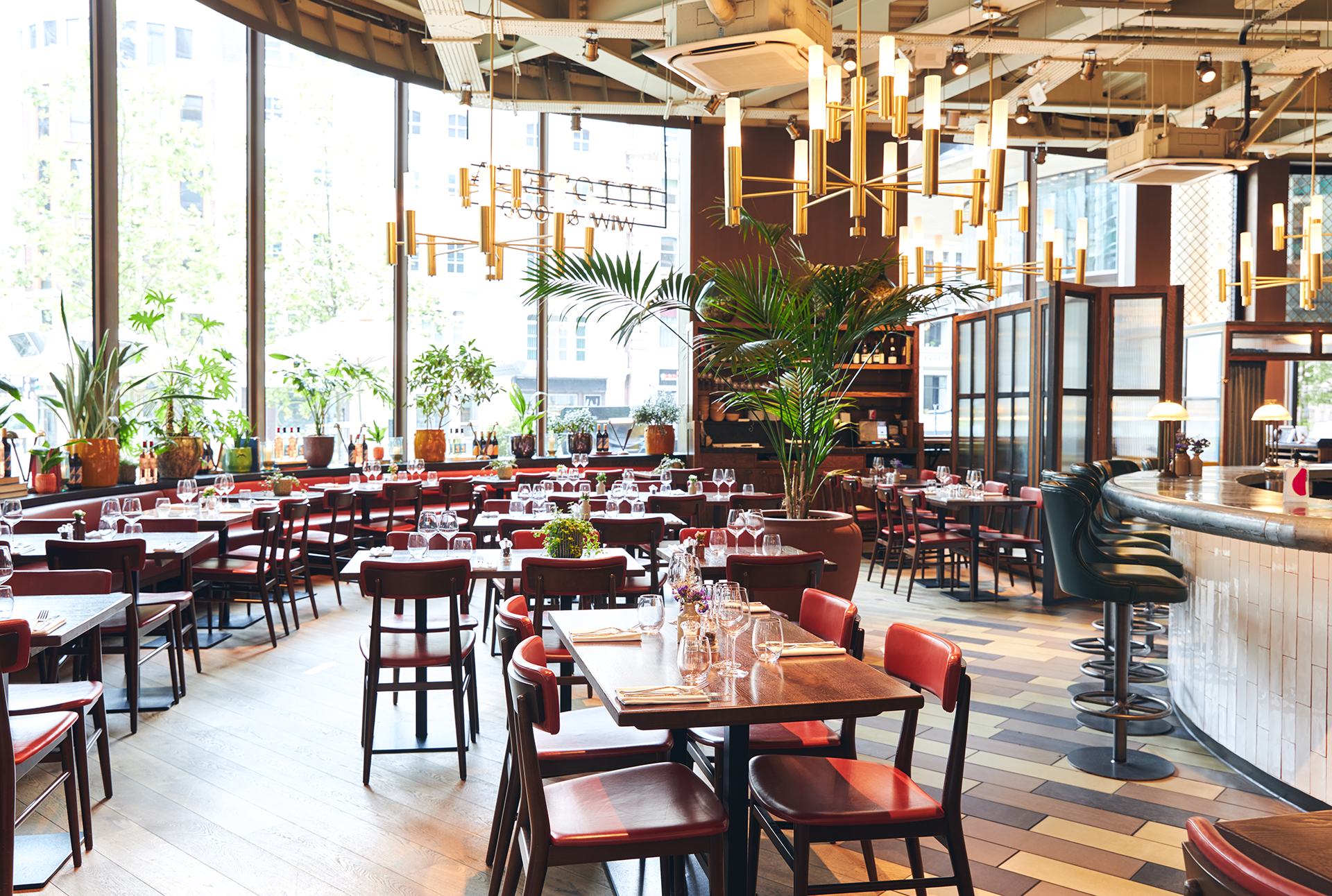
Cuisine Coverage provides specialized insurance for restaurants, cafés, and food service professionals across the country. Whether you run a casual kitchen or a mobile food truck, we offer coverage that fits your operations and risk level.

How It Works
Insurance Made Easy for Food Business Owners
We know you don’t have time to deal with complicated insurance forms. That’s why our process is built for speed and simplicity — so you can get back to running your kitchen.
Your Insurance Questions Answered
What Restaurant and Food Business Owners Ask Most
What types of insurance do restaurants and food businesses need?
Most food businesses need general liability, property, and workers’ compensation coverage. These protect against injuries, equipment damage, and employee-related incidents. Businesses serving alcohol should also include liquor liability insurance for extra protection.
Having the right mix of policies helps reduce financial risks. We’ll help you identify the specific coverages your business needs based on your setup, size, and operations.
Do you provide insurance for food trucks and mobile kitchens?
Yes. We specialize in insurance for food trucks, trailers, and mobile vendors. Our coverage includes vehicle protection, cooking equipment, and liability for events or customer interactions.
We can also help you meet licensing and vendor requirements by issuing certificates of insurance quickly — often the same day.
How fast can I get a quote or start coverage?
In most cases, quotes are ready within 24 hours once we have your business details. After approval, coverage and certificates can be issued immediately.
Our process is fully digital but supported by real agents who review each policy for accuracy. You’ll always know exactly what you’re getting before coverage starts.
Do you offer liquor liability insurance for bars or restaurants?
Yes. We provide liquor liability insurance for bars, taverns, and restaurants that sell or serve alcohol. This coverage protects against claims involving intoxicated patrons or alcohol-related incidents.
It’s essential for maintaining compliance with local laws and protecting your business from costly lawsuits. We’ll ensure your policy meets all licensing requirements.
How can I reduce my insurance costs?
You can often lower premiums by bundling multiple coverages, maintaining clean safety records, and conducting regular policy reviews. Many insurers also offer discounts for installing safety systems and training employees.
At Cuisine Coverage, we proactively review your policy before renewal to help you keep costs down without reducing protection.
Do you help with certificates of insurance (COIs)?
Yes. We provide same-day certificates for vendors, landlords, and event partners. You can request them by phone or email anytime.
Having your COI ready keeps your business compliant and avoids delays in operations. Our team handles these requests quickly so you can stay focused on running your business.
From the Kitchen to Coverage
Real Advice for the Food and Hospitality Industry
We share tips, updates, and real-world stories from the food and insurance industries. Whether you’re managing a restaurant or rolling out a food truck, our articles give you useful guidance to protect your business and grow with confidence.
Contact Us
Phone
Location