Coffee Shop INSURANCE
OR call us: (214) 667-2729
Running a coffee shop means juggling many moving parts - from brewing the perfect espresso to managing daily operations and ensuring a safe environment for everyone. One of the biggest risks often overlooked is insurance coverage tailored specifically to protect your business assets, employees, and customers. With the coffee shop market valued at over $100 billion globally, and 68% of independent owners reporting stable or increased revenue in 2024, safeguarding your investment is more important than ever (coffeeshopkeys.com, zipdo.co).
This guide breaks down the essential insurance considerations every coffee shop owner should know. From protecting your expensive equipment to managing fire risks and covering labor challenges, understanding your insurance needs can save you from costly setbacks.
Protecting Your Equipment: The Backbone of Your Coffee Shop
Equipment in a coffee shop is a major investment. On average, American coffee shops spend around $250,000 annually on equipment and renovations, covering everything from espresso machines to grinders and refrigeration units (wifitalents.com). This equipment is essential to daily operations and any downtime can directly impact revenue.
Business Owner’s Policies (BOP) typically cover equipment breakdown, but it’s crucial to understand the limits and exclusions. For example, damage caused by power surges or mechanical failure might require additional coverage. Also, equipment replacement costs can be high, so make sure your policy reflects current market values.
Renovations and upgrades add complexity. If you’re remodeling your shop, coverage for construction-related risks, including theft or accidental damage during the process, is often separate. Discuss these details with your insurance provider to avoid gaps.
Fire Risks Around Equipment
One of the biggest hazards in coffee shops is fire, especially around cooking equipment and grease traps. Peter Takos, CEO of Halo Underwriting, highlights that brokers and owners need to pay close attention to these areas, including housekeeping and maintenance practices, to reduce fire risk (insurancebusinessmag.com).
Grease buildup can ignite quickly, and faulty wiring or poorly maintained machines increase the chance of fire. Regular inspections and cleaning schedules are not only good practice but can also affect your insurance premiums. Some insurers offer discounts for shops that demonstrate proactive fire prevention measures.
In addition to fire risks, it’s important to consider other environmental hazards that can threaten your equipment. Water damage, for instance, can arise from leaks in plumbing or malfunctioning refrigeration units. Such incidents can lead to mold growth and equipment rust, which can be detrimental to both your machinery and the health of your customers. Implementing a routine maintenance schedule that includes checking for leaks, ensuring proper drainage, and monitoring humidity levels can help mitigate these risks.
Moreover, the placement of your equipment plays a significant role in preventing accidents and ensuring safety. For example, ensuring that heavy machinery is placed on stable surfaces and that there is adequate space around equipment for proper ventilation can help reduce the risk of overheating and subsequent failures. Training your staff on safe equipment handling and emergency procedures can also create a safer working environment, ultimately protecting your investment and ensuring smooth operations.

By: Dustin Hulett
Founder & CEO of Cuisine Coverage
Covering Your Staff: Managing Labor Challenges and Liability
Staffing is a top concern for 75% of coffee shop owners, reflecting challenges in recruitment, retention, and training (coffeeshopkeys.com). Beyond hiring, protecting your team through insurance is vital.
Workers’ compensation insurance is mandatory in most states and covers medical expenses and lost wages if an employee is injured on the job. Coffee shops face unique risks - burns, slips on wet floors, or cuts from equipment are common. Having this coverage ensures your employees get care without exposing your business to lawsuits.
General liability insurance also protects against claims of bodily injury or property damage caused by your staff. For example, if a customer slips and falls, this coverage can handle legal fees and settlements. It’s a safety net that every coffee shop should have.
Staff Training and Insurance Costs
Investing in staff training not only improves customer experience but can reduce insurance claims. Well-trained employees know how to handle equipment safely and maintain cleanliness standards that minimize accidents. This proactive approach can sometimes lower your premiums, which average around $92 per month for a business owner’s policy (insureon.com).
Moreover, comprehensive training programs can foster a culture of safety and accountability within your coffee shop. Regular workshops on safe handling of machinery, emergency response protocols, and customer service excellence can empower your staff to act confidently and responsibly. This not only enhances team morale but also builds a strong reputation for your establishment as a safe and welcoming environment for both employees and customers alike. Additionally, consider implementing a mentorship system where seasoned employees guide newcomers, ensuring that knowledge is passed down and best practices are consistently upheld.
Another critical aspect to consider is the evolving landscape of labor laws and regulations. Staying informed about changes in employment law can help you navigate potential liabilities more effectively. For instance, understanding the implications of the Fair Labor Standards Act (FLSA) and local wage laws can prevent costly legal disputes. Regularly reviewing your policies and procedures in light of these regulations ensures that your coffee shop remains compliant and minimizes the risk of unexpected liabilities. Engaging with a legal expert or insurance advisor can provide tailored insights that align your operational practices with current legal standards, ultimately safeguarding your business and your employees.
Customer Experience and Liability: What You Need to Know
Customer experience is as important as the product in the coffee industry, with 80% of consumers valuing it equally (zipdo.co). Creating a welcoming, safe environment is essential not only for business growth but also for reducing liability risks. A positive customer experience can lead to repeat business and word-of-mouth referrals, which are invaluable in a competitive market. Establishing a strong connection with customers through personalized service and attention to detail can significantly enhance their overall experience, encouraging them to return time and again.
Slip-and-fall incidents, allergic reactions, or foodborne illnesses can lead to costly claims. General liability insurance covers these risks, but prevention is key. Clear signage, regular cleaning, and staff awareness about allergens help protect customers and reduce incidents. Additionally, training employees to recognize potential hazards and respond appropriately can further mitigate risks. Implementing a thorough safety protocol, including regular inspections and maintenance of equipment, can create a safer environment for both customers and staff, ultimately fostering a culture of safety within the establishment.
Technology also plays a role in customer safety and convenience. Over half of customers now prefer ordering via AI kiosks instead of traditional cashiers, which can streamline service and reduce human error (zipdo.co). However, integrating new technology requires updated insurance considerations, especially around data security and equipment coverage. As customers increasingly engage with digital platforms, ensuring that their personal information is protected becomes paramount. Investing in cybersecurity measures not only safeguards customer data but also enhances the overall trust in your brand, which is crucial in today’s digital age.
Liability for Delivery and Takeout
With more customers ordering takeout or delivery, liability extends beyond your physical location. Insurance policies should include coverage for products once they leave the premises, protecting against claims related to food safety or delivery mishaps. Discuss these specifics with your insurer to ensure adequate protection. Furthermore, establishing a reliable delivery protocol can help minimize risks associated with takeout orders. Training delivery personnel on safe handling practices and ensuring that food is transported in appropriate conditions can significantly reduce the likelihood of incidents that could lead to liability claims. Additionally, utilizing tracking systems for deliveries can provide transparency and accountability, further enhancing customer trust and satisfaction.
Choosing the Right Insurance Policy for Your Coffee Shop
Business owner’s policies (BOP) are popular for coffee shops because they bundle general liability, property, and business interruption coverage. The average annual premium is about $1,105, but costs vary based on location, size, and risk factors (insureon.com).
When selecting a policy, consider:
- Property coverage: Protects your building, equipment, and inventory from damage or theft.
- Liability coverage: Covers injuries or damages to customers and third parties.
- Workers’ compensation: Mandatory in most states, protects employees.
- Business interruption: Helps cover lost income if your shop must close temporarily due to a covered event.
- Equipment breakdown: Covers repair or replacement of critical machinery.
Some coffee shops may also need specialized coverage, such as cyber liability if using AI kiosks or delivery services. Consulting an insurance expert familiar with the coffee industry can help tailor the right package. Additionally, consider the potential for events like coffee tastings or community gatherings that may require additional liability coverage. These events can enhance customer engagement but also introduce new risks that should be accounted for in your insurance strategy.
Insurance and Market Trends
Despite challenges like staffing, 68% of independent coffee shop owners reported stable or increased revenue in 2024, showing resilience in the market (coffeeshopkeys.com). This growth underscores the importance of protecting your business against unexpected setbacks. As the coffee culture evolves, so do consumer preferences, with many patrons seeking unique experiences and high-quality products. This shift can lead to increased foot traffic and sales, but it also necessitates a careful evaluation of your risk exposure.
With the global coffee shop market continuing to expand, staying updated on insurance trends and risks is essential. Regularly review your policies, especially after renovations or adding new technology, to keep coverage aligned with your evolving needs. Furthermore, consider the impact of climate change on your supply chain and how it may affect your operations. For instance, extreme weather can disrupt coffee bean supply, which may necessitate adjustments in your business model and insurance coverage to mitigate potential losses.
Before You Go: Key Takeaways for Coffee Shop Owners
Insurance is more than a formality - it’s a critical part of running a successful coffee shop. Protecting your equipment, staff, and customers with the right coverage can prevent financial disaster and keep your business thriving. In the bustling world of coffee shops, where every cup counts, having the right insurance can mean the difference between a minor setback and a major catastrophe.
Focus on understanding your unique risks, from fire hazards around cooking equipment to liability for customer safety. Invest in staff training and maintenance to reduce claims and possibly lower premiums. Regular safety drills and equipment checks not only enhance safety but also foster a culture of responsibility among your team. And don’t forget to review your policy regularly as your business grows or changes; as you expand your menu or increase your seating capacity, your insurance needs may evolve significantly.
With thoughtful planning and the right insurance, you can focus on what matters most: serving great coffee and creating a welcoming space for your community. Additionally, consider engaging with local businesses and organizations to build a network of support. Collaborations can lead to shared resources, such as bulk purchasing discounts for supplies or joint marketing efforts, which can further enhance your shop's resilience. Remember, a well-prepared coffee shop not only serves delicious brews but also stands as a pillar of strength in the community, ready to face any challenges that may arise.
Frequently Asked Questions
Q: What type of insurance does a coffee shop need?
A: Most coffee shops need a business owner’s policy (BOP) that includes general liability, property coverage, and business interruption. Workers’ compensation is also required if you have employees. Additionally, coffee shops might consider specialized coverage such as equipment breakdown insurance, which can protect against the costs associated with repairing or replacing essential equipment like espresso machines or grinders. Given the unique nature of coffee shops, it’s also wise to look into product liability insurance, especially if you offer food items or specialty drinks that could potentially cause allergic reactions or other health issues.
Q: How much does coffee shop insurance typically cost?
A: On average, coffee shops pay about $92 per month or $1,105 annually for a business owner’s policy, but costs vary based on location and risk factors. Factors influencing the premium include the size of the shop, the number of employees, and the types of services offered. For instance, a coffee shop that also serves baked goods or has a full kitchen may face higher premiums due to increased liability risks. Additionally, coffee shops located in high-traffic urban areas might see different rates compared to those in quieter neighborhoods, reflecting the varying levels of risk associated with foot traffic and potential accidents.
Q: Are fire risks a major concern for coffee shops?
A: Yes. Fire hazards around cooking equipment and grease traps are significant. Proper maintenance and housekeeping can reduce risks and insurance costs. Regular inspections of electrical systems and ensuring that all appliances are in good working order can also mitigate fire risks. Furthermore, implementing a comprehensive fire safety plan, including staff training on emergency procedures and the installation of fire suppression systems, can not only protect your business but may also lead to discounts on insurance premiums as insurers recognize the proactive measures taken to minimize risk.
Q: Does insurance cover customer injuries like slip and fall?
A: General liability insurance covers injuries to customers on your premises, including slip and fall accidents. It’s essential to maintain a clean and safe environment to minimize these risks. Regularly inspecting your flooring for hazards, ensuring that spills are promptly cleaned, and clearly marking any wet floor areas can help protect your customers. Additionally, documenting any incidents and maintaining a log of safety measures can be beneficial if a claim arises, as it shows due diligence in maintaining a safe environment for patrons.
Q: Is workers’ compensation required for coffee shop employees?
A: In most states, yes. It covers medical expenses and lost wages if an employee is injured on the job. This coverage is crucial in a bustling coffee shop environment where employees are often on their feet and handling hot liquids or heavy equipment. Beyond the legal requirements, offering workers’ compensation can enhance employee morale and retention, as it demonstrates a commitment to their safety and well-being. Additionally, some states provide incentives for businesses that maintain a strong safety record, which can lead to lower premiums over time.
Q: Should I update my insurance if I add AI kiosks or delivery services?
A: Absolutely. New technology and delivery increase risks that may require additional coverage such as cyber liability or product liability. With the rise of digital transactions and customer data collection, protecting sensitive information becomes paramount. Cyber liability insurance can safeguard against data breaches and cyberattacks, which are becoming more common in the retail space. Moreover, if you partner with third-party delivery services, it’s crucial to understand how their insurance interacts with your own, ensuring that you are adequately covered in case of accidents or issues during the delivery process.
Q: How can I reduce my coffee shop insurance premiums?
A: Implementing safety measures, regular equipment maintenance, staff training, and fire prevention can help lower premiums over time. Additionally, bundling different types of insurance policies with the same provider can often lead to discounts. Engaging in risk management practices, such as conducting regular safety audits and encouraging employee feedback on safety concerns, can also demonstrate to insurers that you are committed to minimizing risk. Furthermore, maintaining a good claims history—meaning fewer claims over time—can lead to lower premiums as insurers view your business as less risky.
About The Author:
Dustin Hulett
As Owner of Cuisine Coverage powered by Hulett Insurance, I specialize in protecting restaurants, bars, and hospitality businesses with smart, reliable insurance solutions. With years of experience serving the food and beverage industry, my goal is to make coverage simple, transparent, and built around the unique risks that owners face every day.
Contact Us
Business Coverage
Protection for Every Part of Your Food Business
Cuisine Coverage provides specialized insurance for restaurants, food trucks, catering services, and other hospitality businesses. We help owners protect their property, staff, and reputation with policies built around the most common industry risks.

General Liability Insurance
Protects your business from claims related to injury, property damage, or accidents that happen during operations.
General Liability
Liquor Liability Insurance
Covers alcohol-related incidents for restaurants, bars, or venues that serve or sell alcohol.
Liquor Liability
Workers Compensation Insurance
Provides wage replacement and medical benefits to employees injured on the job.
Workers Compensation
Business Interruption Insurance
Helps replace lost income and cover ongoing expenses if your business operations are temporarily halted.
Business Interruption
Product Liability Insurance
Protects against claims related to foodborne illness, contamination, or product defects.
Product Liability
Cyber Liability Insurance
Covers data breaches, online payment issues, and digital risks that can affect modern food businesses.
Cyber Liability
Serving the Food and Hospitality Industry
Insurance Solutions for Every Type of Food Business
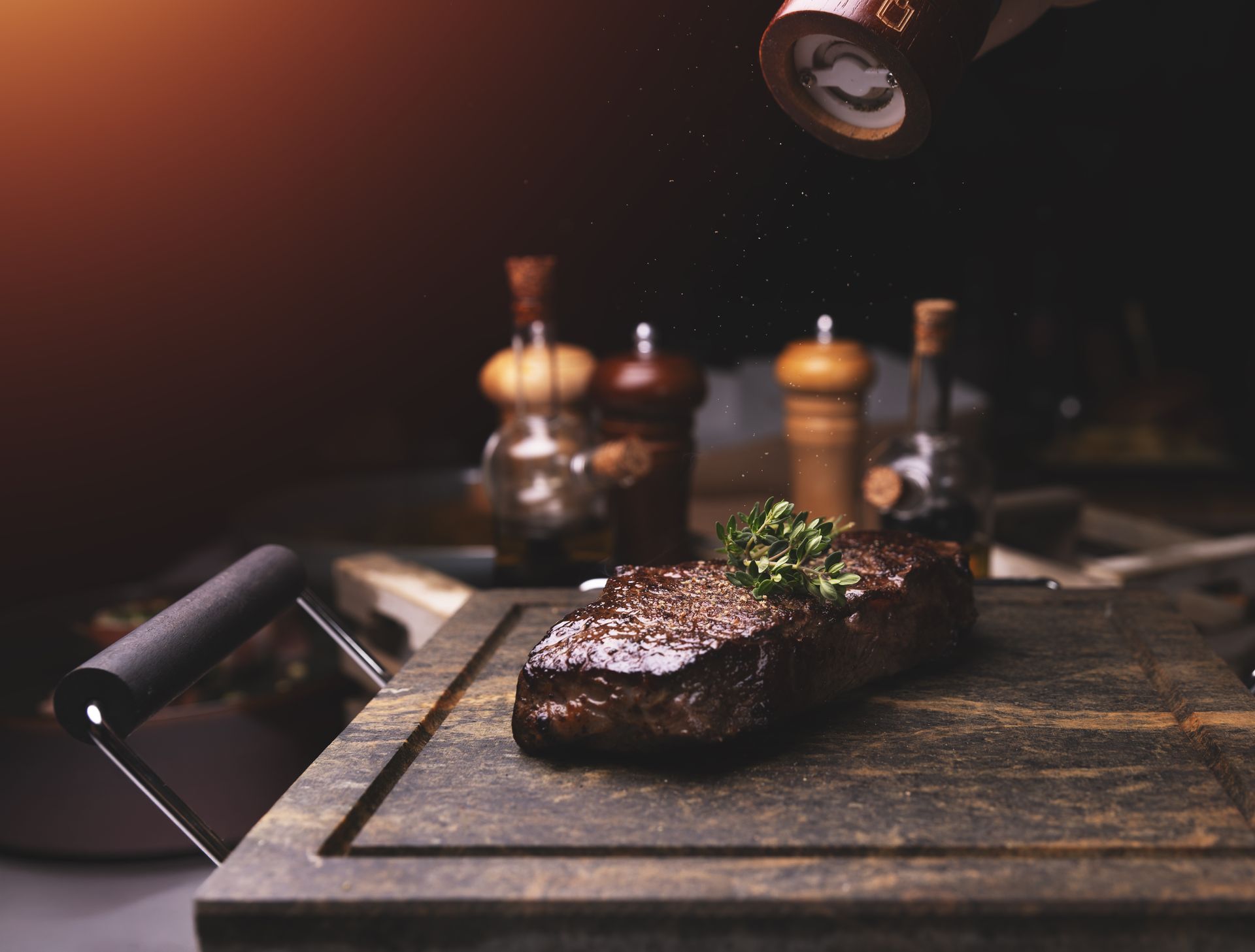
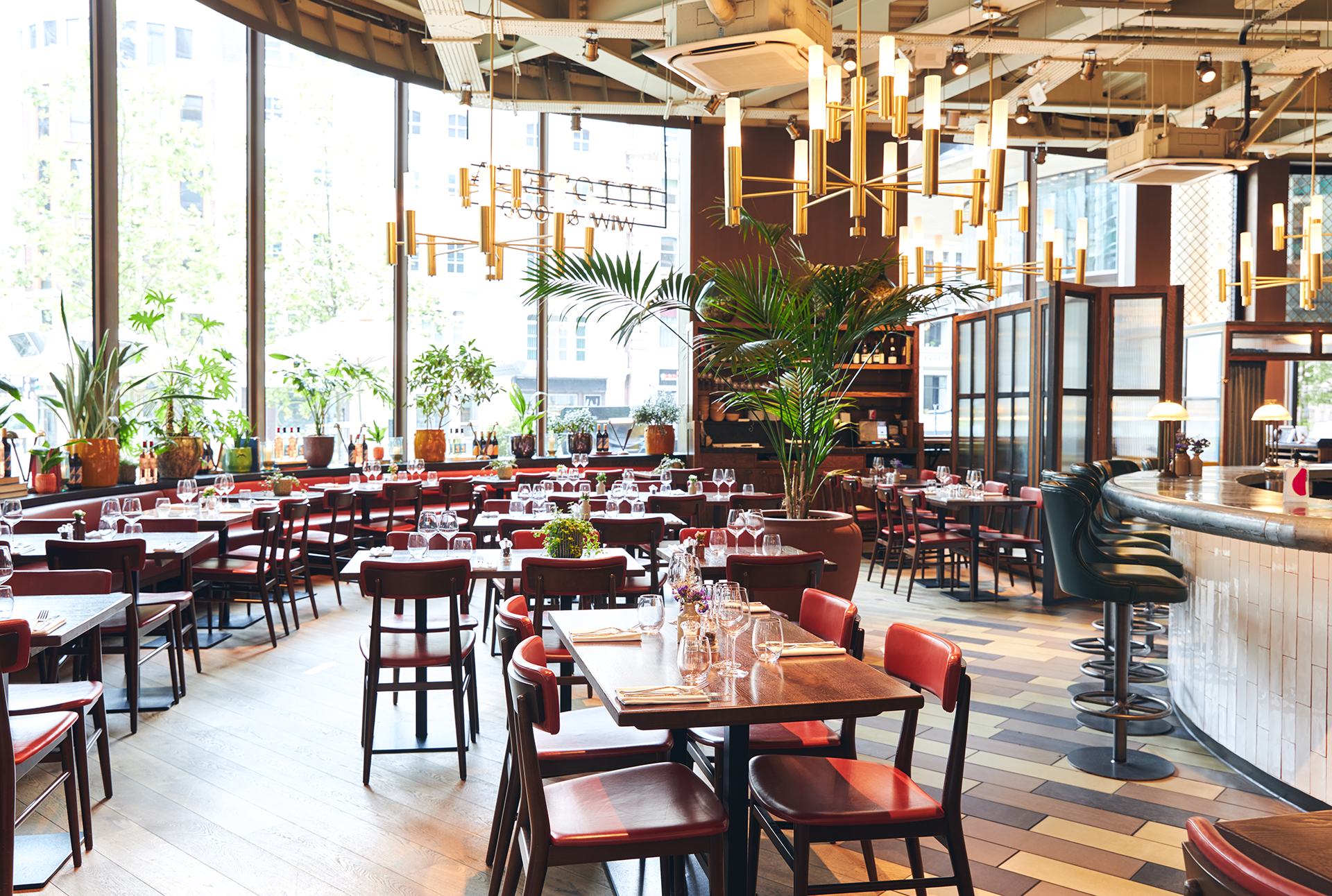
Cuisine Coverage provides specialized insurance for restaurants, cafés, and food service professionals across the country. Whether you run a casual kitchen or a mobile food truck, we offer coverage that fits your operations and risk level.

How It Works
Insurance Made Easy for Food Business Owners
We know you don’t have time to deal with complicated insurance forms. That’s why our process is built for speed and simplicity — so you can get back to running your kitchen.
Your Insurance Questions Answered
What Restaurant and Food Business Owners Ask Most
What types of insurance do restaurants and food businesses need?
Most food businesses need general liability, property, and workers’ compensation coverage. These protect against injuries, equipment damage, and employee-related incidents. Businesses serving alcohol should also include liquor liability insurance for extra protection.
Having the right mix of policies helps reduce financial risks. We’ll help you identify the specific coverages your business needs based on your setup, size, and operations.
Do you provide insurance for food trucks and mobile kitchens?
Yes. We specialize in insurance for food trucks, trailers, and mobile vendors. Our coverage includes vehicle protection, cooking equipment, and liability for events or customer interactions.
We can also help you meet licensing and vendor requirements by issuing certificates of insurance quickly — often the same day.
How fast can I get a quote or start coverage?
In most cases, quotes are ready within 24 hours once we have your business details. After approval, coverage and certificates can be issued immediately.
Our process is fully digital but supported by real agents who review each policy for accuracy. You’ll always know exactly what you’re getting before coverage starts.
Do you offer liquor liability insurance for bars or restaurants?
Yes. We provide liquor liability insurance for bars, taverns, and restaurants that sell or serve alcohol. This coverage protects against claims involving intoxicated patrons or alcohol-related incidents.
It’s essential for maintaining compliance with local laws and protecting your business from costly lawsuits. We’ll ensure your policy meets all licensing requirements.
How can I reduce my insurance costs?
You can often lower premiums by bundling multiple coverages, maintaining clean safety records, and conducting regular policy reviews. Many insurers also offer discounts for installing safety systems and training employees.
At Cuisine Coverage, we proactively review your policy before renewal to help you keep costs down without reducing protection.
Do you help with certificates of insurance (COIs)?
Yes. We provide same-day certificates for vendors, landlords, and event partners. You can request them by phone or email anytime.
Having your COI ready keeps your business compliant and avoids delays in operations. Our team handles these requests quickly so you can stay focused on running your business.
From the Kitchen to Coverage
Real Advice for the Food and Hospitality Industry
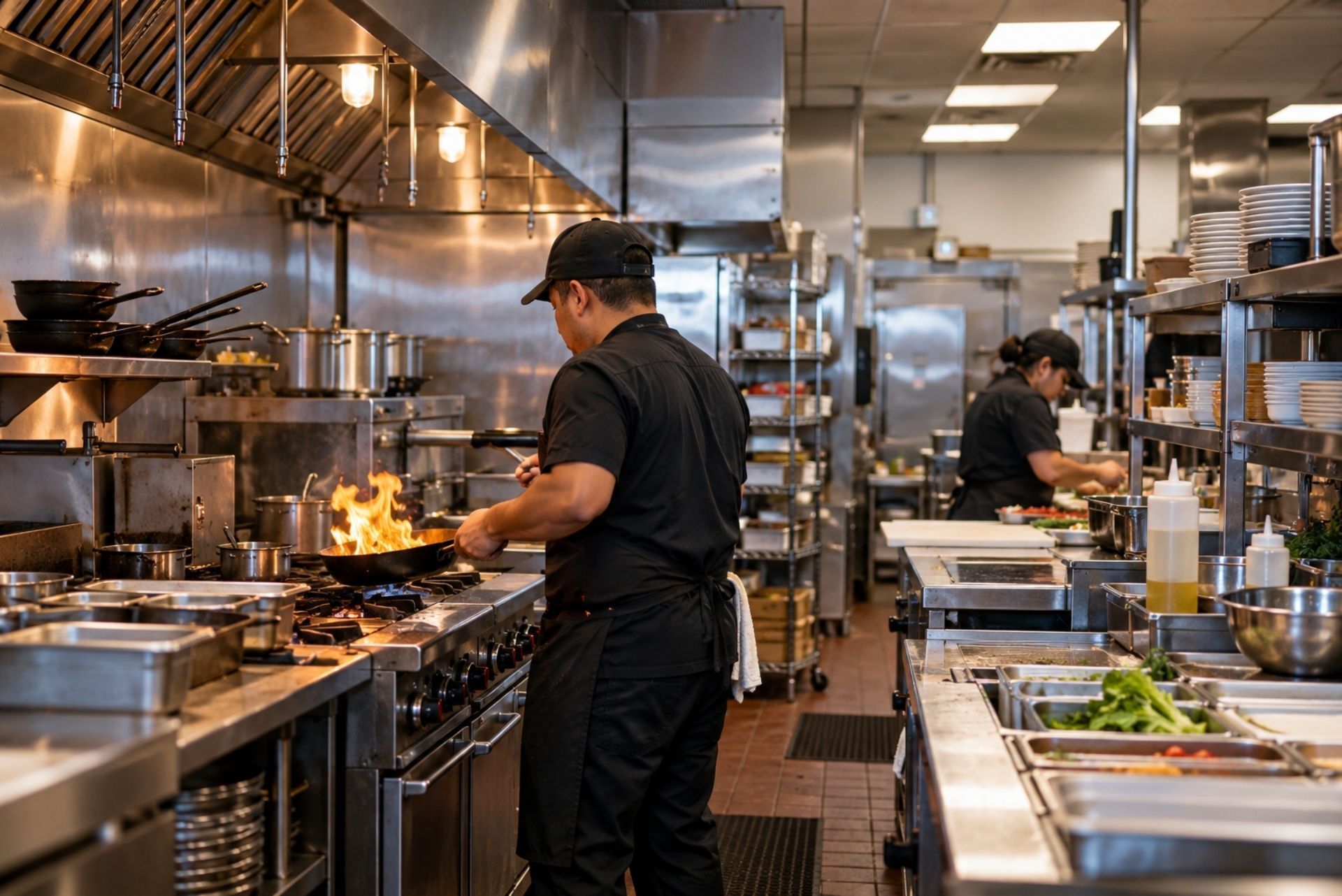
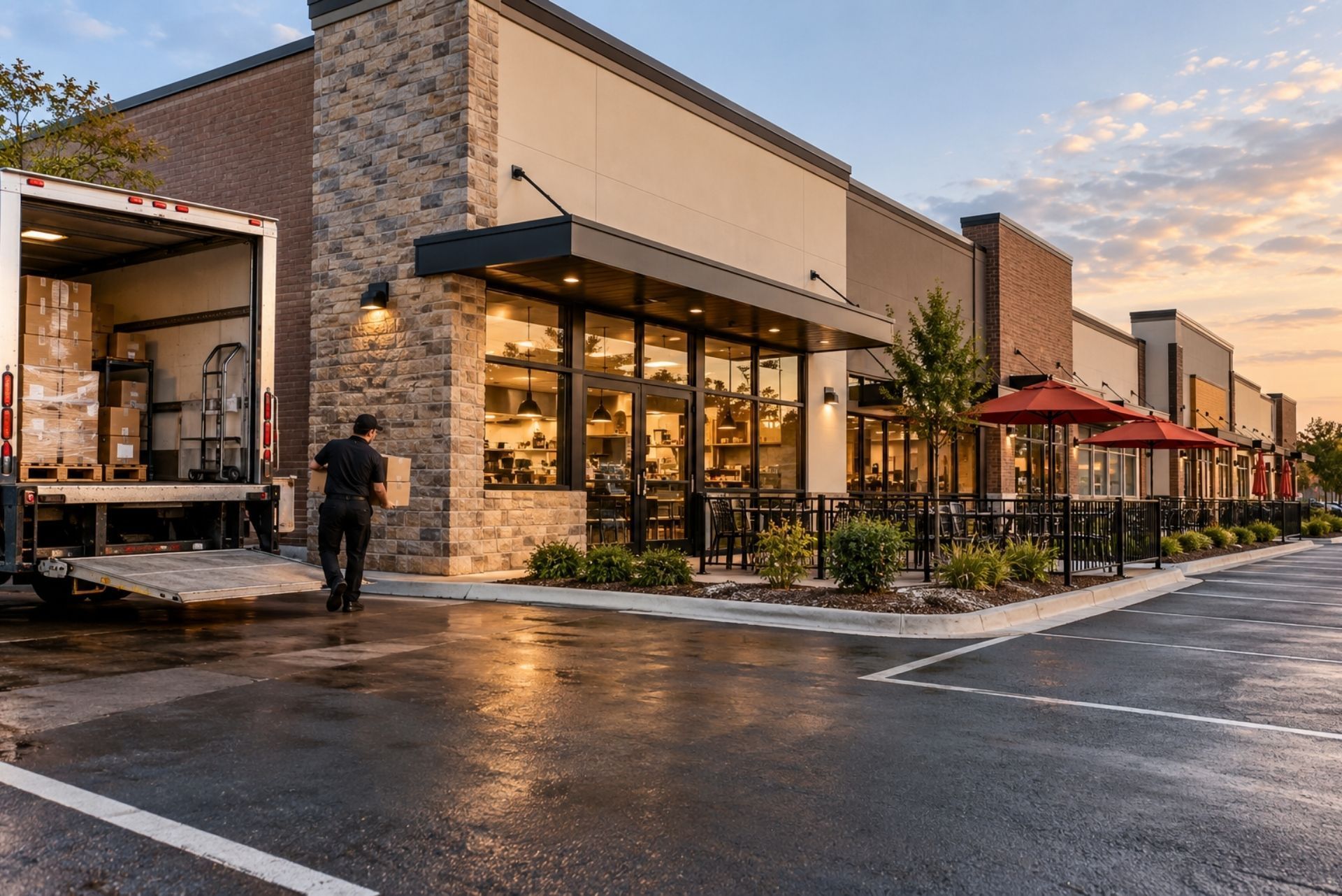
We share tips, updates, and real-world stories from the food and insurance industries. Whether you’re managing a restaurant or rolling out a food truck, our articles give you useful guidance to protect your business and grow with confidence.
Contact Us
Phone
Location