Espresso Bar INSURANCE
OR call us: (214) 667-2729
Running an espresso bar or specialty coffee shop means more than just crafting the perfect cup. It involves managing risks that come with serving customers, handling equipment, and sometimes even offering alcoholic coffee beverages. Understanding the right insurance coverage is essential to protect your business from unexpected setbacks and liabilities.
The coffee shop industry in the U.S. alone generates over $47 billion annually, with more than 33,000 establishments serving millions of customers every day. Specialty coffee sales make up about 55% of these revenues, reflecting a growing demand for high-quality, artisanal beverages. With such a dynamic market, having tailored insurance coverage is not just smart-it’s necessary. For more insight into these industry figures, see Wifitalents coffee shop industry statistics.
Why Espresso Bar Insurance Matters
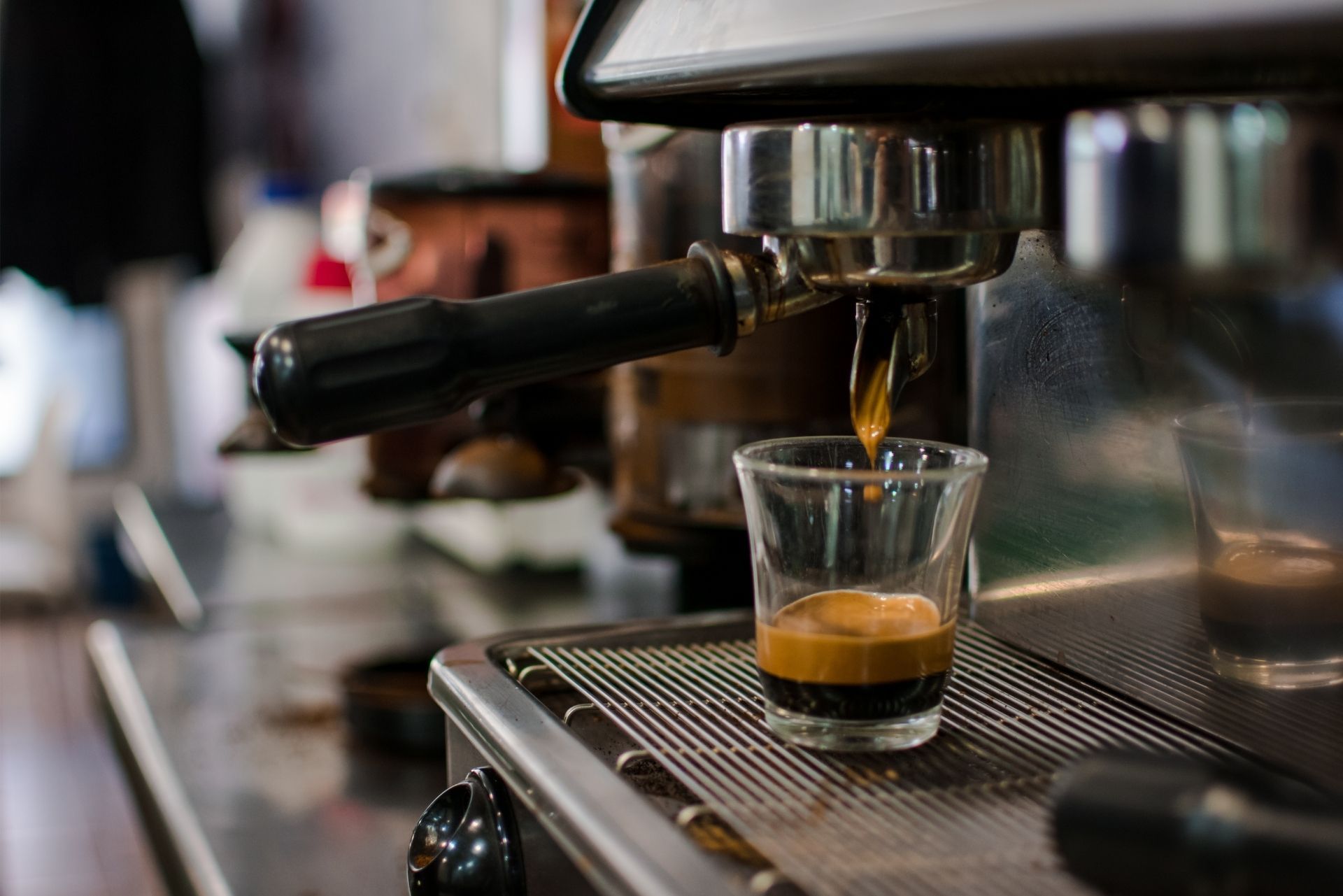
Espresso bars face a unique set of risks compared to traditional cafes or restaurants. The combination of high-value equipment, food and beverage service, and sometimes alcohol sales creates exposures that standard business insurance may not fully cover.
Consider the daily hazards: a customer slipping on a wet floor, a barista getting injured while operating an espresso machine, or equipment breakdowns that halt operations. Without proper insurance, these incidents can lead to costly claims that threaten your business’s survival.
Additionally, many espresso bars now offer espresso martinis and other coffee-based cocktails. This adds liquor liability risks that require specialized coverage. According to Overproof’s espresso martini report, nearly 9,400 venues in the U.S. serve these drinks, with independent bars making up about half of that number. This trend means more espresso bars need to consider liquor liability insurance to stay compliant and protected.
Moreover, the equipment used in espresso bars, such as high-end espresso machines and grinders, can be quite expensive. In the event of theft or damage, replacing this equipment can be financially devastating. Espresso bar insurance can help mitigate these risks by covering the costs associated with repairs or replacements, ensuring that your business can continue to operate smoothly without significant financial strain. Additionally, many policies offer coverage for loss of income due to business interruption, which can be a lifesaver during unforeseen events like natural disasters or equipment failures.
Furthermore, the evolving landscape of health and safety regulations means that espresso bars must stay vigilant about compliance. This includes adhering to food safety standards and managing the risks associated with serving alcohol. With the rise of foodborne illnesses and the increasing scrutiny from health inspectors, having the right insurance can provide peace of mind. It can also cover legal fees in the event of a lawsuit stemming from health violations or customer complaints, allowing you to focus on what you do best—serving exceptional coffee and creating a welcoming atmosphere for your patrons.

By: Dustin Hulett
Founder & CEO of Cuisine Coverage
Core Insurance Coverages for Specialty Coffee Shops
General Liability Insurance
This is the foundation of any espresso bar’s insurance portfolio. It covers bodily injury, property damage, and personal injury claims from customers or third parties. For example, if a customer slips and falls inside your shop, general liability insurance helps cover medical expenses and legal fees.
The average cost of general liability insurance for coffee shops is around $63 per month, but smaller cafes may pay closer to $27 monthly, depending on location and risk factors. This coverage is non-negotiable for protecting your business against common liability claims. Additionally, it can also cover incidents like a customer alleging food poisoning from a pastry purchased at your café, which can lead to costly legal battles if not properly insured.
Property Insurance
Espresso bars rely heavily on specialized equipment like espresso machines, grinders, and refrigeration units. Property insurance protects these assets against damage from fire, theft, or natural disasters. It also covers your physical location, including furniture and fixtures.
Small cafes typically pay about $51 monthly for commercial property insurance. Given the investment in high-end coffee equipment, this coverage ensures you can recover quickly from unexpected losses without a major financial hit. Moreover, it often includes coverage for inventory, meaning that if your stock of premium coffee beans is lost due to a covered peril, you can be compensated for those losses, allowing you to maintain your offerings without significant disruption.
Workers’ Compensation Insurance
If you employ baristas and other staff, workers’ compensation insurance is essential. It covers medical costs and lost wages if an employee is injured on the job. Operating heavy machinery and handling hot liquids make espresso bars particularly vulnerable to workplace injuries.
Costs vary, but the average monthly premium for workers’ comp insurance in small cafes is around $110. This coverage not only protects your employees but also shields your business from lawsuits related to workplace injuries. Furthermore, having this insurance can enhance employee morale, as staff members feel safer knowing they are protected in case of an accident, which can lead to higher productivity and better customer service.
Liquor Liability Insurance
For espresso bars serving alcoholic beverages like espresso martinis, liquor liability insurance is crucial. It covers claims related to alcohol-related incidents, such as a customer causing damage or injury after consuming drinks at your establishment.
The average cost for liquor liability insurance is about $29 to $31 per month for small cafes and coffee shops. This coverage reduces the risks associated with alcohol service and helps ensure compliance with local regulations. Additionally, it can protect your business from potential fines or penalties that may arise from serving alcohol without the proper insurance, ensuring that your establishment remains in good standing with local authorities.
Business Owner’s Policy (BOP)
A BOP bundles general liability, property insurance, and business interruption coverage into a single policy. This package is often more cost-effective and simplifies managing your insurance needs. For small cafes, the average BOP cost is approximately $42.50 monthly, while larger operations might pay around $90.
Business interruption insurance included in a BOP helps cover lost income if your espresso bar must temporarily close due to a covered event, such as a fire or severe weather. This is vital for maintaining financial stability during unforeseen disruptions. Moreover, a BOP can also provide additional resources for marketing or operational adjustments during recovery, helping your business bounce back more effectively after a setback.
Additional Coverages to Consider
Depending on your espresso bar’s operations, you might also need:
- Cyber Insurance: With mobile ordering apps increasing usage by 35%, protecting customer data and your digital systems is becoming more important. Cyber insurance averages $145 per month. This coverage can be a lifesaver in the event of a data breach, as it helps cover the costs of notifying affected customers and any potential legal fees that arise from the incident.
- Commercial Auto Insurance: If your business uses vehicles for deliveries or catering, this coverage is necessary. It costs around $176 monthly on average. This insurance not only covers the vehicles themselves but also protects against liability claims that may arise during the course of business operations, such as accidents while delivering coffee or pastries.
- Product Liability Insurance: Protects against claims related to food or beverage contamination, costing about $34 per month. This is particularly important for specialty coffee shops that may serve unique or artisanal products, as any claims against the quality or safety of these items can lead to significant reputational damage and financial loss.
Understanding Insurance Costs and Factors Affecting Premiums
Insurance premiums for espresso bars vary widely based on location, size, sales volume, and risk profile. For example, the average coffee shop in the U.S. earns about $790,000 annually, which influences coverage needs and costs. The unique nature of espresso bars, often blending the casual coffee shop atmosphere with a more upscale cocktail experience, can create a distinct set of risks that need to be carefully evaluated when determining insurance premiums.
Other factors include:
- Number of Employees: More staff means higher workers’ compensation premiums.
- Alcohol Sales: Serving espresso martinis or other cocktails increases liquor liability risks and premiums.
- Safety Measures: Implementing slip-resistant flooring or employee training can lower general liability costs.
- Location: Urban areas with higher crime or accident rates may face steeper insurance costs.
Additionally, the type of equipment used in espresso bars can also influence insurance costs. High-end espresso machines and grinders, while essential for quality, can be expensive to replace and may require specialized coverage. Furthermore, seasonal fluctuations in sales can impact the risk profile; for instance, a bar that sees a significant increase in customers during the winter months may need to reassess its coverage to account for the higher foot traffic and potential for accidents. Balancing adequate coverage with cost-efficiency requires working closely with an insurance professional who understands the specialty coffee industry.
Moreover, the reputation of the espresso bar can play a role in determining premiums. Establishments known for high-quality products and excellent customer service may attract a loyal clientele, which can lead to fewer claims and lower premiums over time. Conversely, a bar that has faced legal issues or negative reviews may find itself paying higher rates due to perceived risks. Understanding these nuances is crucial for espresso bar owners as they navigate the complexities of insuring their business while striving to maintain a positive and safe environment for both employees and customers.
Trends Impacting Espresso Bar Insurance Needs
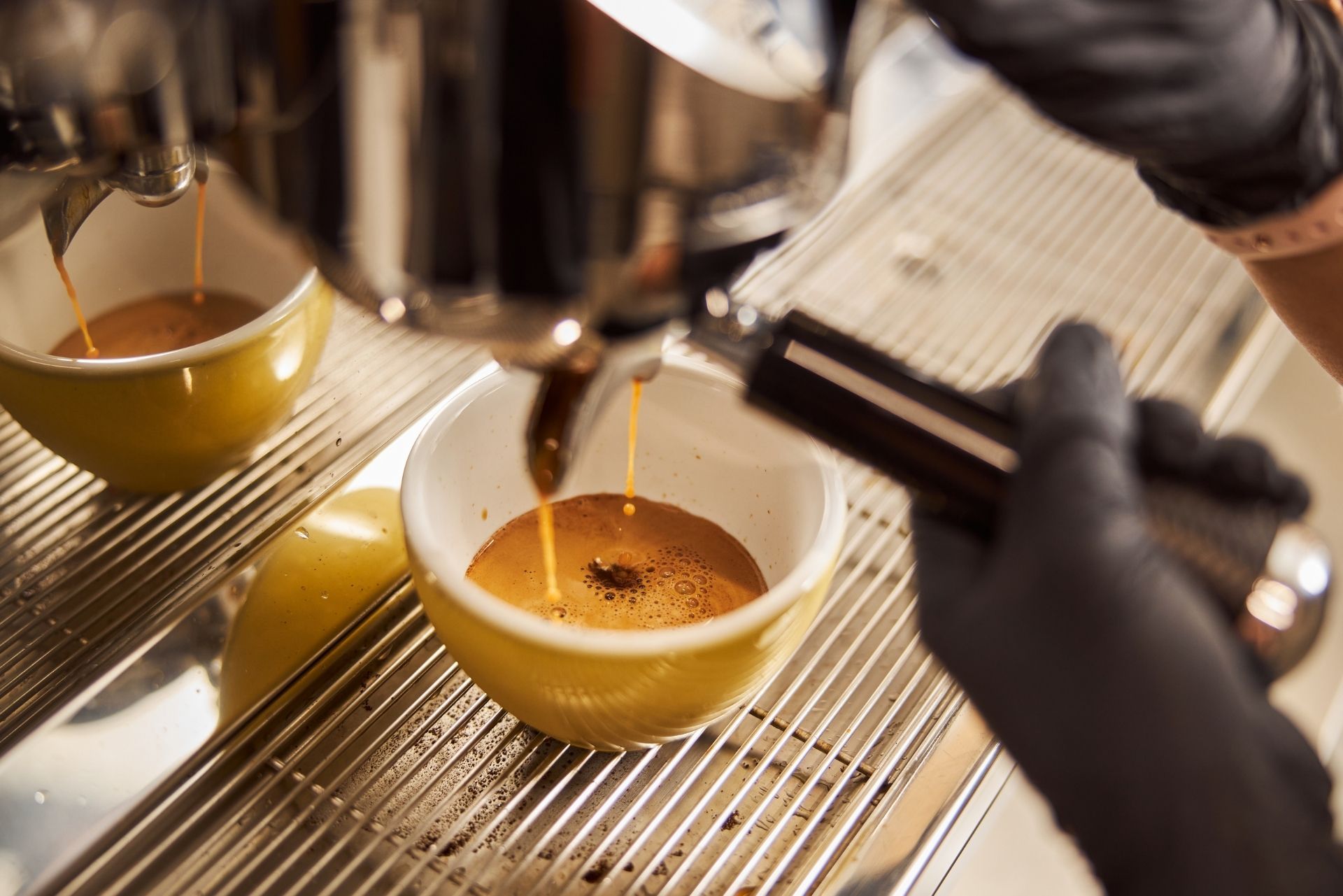
Several trends are shaping insurance requirements for espresso bars today. First, specialty coffee continues to grow, with a 15% increase in specialty coffee shops between 2018 and 2023. This growth brings more competition and higher stakes for protecting unique assets and brand reputation. As espresso bars strive to differentiate themselves, they often invest in high-end equipment and unique interior designs, which can significantly increase their overall value and the need for property insurance. Moreover, with the rise of social media, the visual appeal of an espresso bar can directly impact its success, making it vital for owners to safeguard their brand image against potential reputational risks.
Millennials make up about 39% of coffee shop customers, often valuing convenience and technology. The rise of mobile ordering apps, which have seen a 35% increase in usage, means espresso bars must consider cyber risks seriously. This trend not only requires robust cybersecurity measures to protect customer data but also necessitates liability coverage for potential data breaches. Additionally, as espresso bars integrate more technology, such as contactless payment systems and customer loyalty programs, they must also be aware of the potential for system failures that could disrupt service and lead to financial losses.
On the beverage side, espresso martinis have surged in popularity. With brands like Pernod Ricard and Kahlua dominating the market, and Tito’s Vodka leading as the preferred vodka for these cocktails, espresso bars are expanding their alcohol offerings. This diversification demands comprehensive liquor liability coverage to manage new risks. Furthermore, the trend towards craft cocktails means that bars are often experimenting with unique ingredients and methods, which can lead to increased liability if customers have adverse reactions or if drinks are improperly served. As such, owners must stay informed about local regulations and ensure they have adequate training for staff to minimize these risks.
Additionally, sustainability has become a significant trend within the coffee industry, with many consumers seeking out eco-friendly practices. Espresso bars are increasingly adopting sustainable sourcing for their coffee beans, utilizing biodegradable cups, and implementing waste-reduction strategies. While these practices can enhance brand loyalty and attract a conscientious customer base, they also introduce new liabilities related to supply chain management and compliance with environmental regulations. As espresso bars navigate these complexities, they must ensure their insurance policies reflect their commitment to sustainability while protecting them from potential environmental claims.
How to Choose the Right Insurance for Your Espresso Bar
Start by assessing your business’s specific risks. Consider the size of your operation, whether you serve alcohol, how many employees you have, and your reliance on technology. A thorough risk evaluation helps identify necessary coverages without overpaying.
Next, compare insurance providers and policies. Look for companies with experience in the food and beverage sector, especially those familiar with specialty coffee operations. Ask about bundling options like a Business Owner’s Policy to save on premiums.
Finally, review your policy annually. As your espresso bar grows or changes, your insurance needs will evolve. Keeping coverage up to date ensures ongoing protection and compliance with any new regulations.
Frequently Asked Questions
Q: Do I need liquor liability insurance if I only serve espresso martinis occasionally?
A: Yes. Even occasional alcohol service carries risks that liquor liability insurance covers, protecting your business from alcohol-related claims.
Q: How much does workers’ compensation insurance typically cost for a small espresso bar?
A: On average, small cafes pay about $110 per month for workers’ compensation insurance, though rates vary based on employee count and location.
Q: Can I bundle multiple insurance coverages to save money?
A: Yes. A Business Owner’s Policy (BOP) often combines general liability, property, and business interruption insurance at a lower cost than purchasing separately.
Q: Is cyber insurance necessary for espresso bars?
A: If you use mobile ordering or store customer data digitally, cyber insurance helps protect against data breaches and cyberattacks, which are increasingly common.
Q: What factors influence the cost of espresso bar insurance?
A: Key factors include your location, size, number of employees, alcohol sales, safety practices, and the value of your equipment.
Final Thoughts on Protecting Specialty Coffee Operations
Espresso bars and specialty coffee shops operate in a vibrant, competitive market that demands both quality and safety. Insurance is a critical tool for managing the risks inherent in this business-from customer injuries to equipment damage and alcohol-related liabilities.
By understanding the types of coverage available and the factors influencing costs, espresso bar owners can make informed decisions that safeguard their investment and support long-term success. Staying proactive about insurance not only protects your bottom line but also gives you peace of mind to focus on what matters most: serving exceptional coffee.
For a deeper dive into coffee industry statistics and trends, visit Wifitalents coffee shop statistics.
About The Author:
Dustin Hulett
As Owner of Cuisine Coverage powered by Hulett Insurance, I specialize in protecting restaurants, bars, and hospitality businesses with smart, reliable insurance solutions. With years of experience serving the food and beverage industry, my goal is to make coverage simple, transparent, and built around the unique risks that owners face every day.
Contact Us
Business Coverage
Protection for Every Part of Your Food Business
Cuisine Coverage provides specialized insurance for restaurants, food trucks, catering services, and other hospitality businesses. We help owners protect their property, staff, and reputation with policies built around the most common industry risks.

General Liability Insurance
Protects your business from claims related to injury, property damage, or accidents that happen during operations.
General Liability
Liquor Liability Insurance
Covers alcohol-related incidents for restaurants, bars, or venues that serve or sell alcohol.
Liquor Liability
Workers Compensation Insurance
Provides wage replacement and medical benefits to employees injured on the job.
Workers Compensation
Business Interruption Insurance
Helps replace lost income and cover ongoing expenses if your business operations are temporarily halted.
Business Interruption
Product Liability Insurance
Protects against claims related to foodborne illness, contamination, or product defects.
Product Liability
Cyber Liability Insurance
Covers data breaches, online payment issues, and digital risks that can affect modern food businesses.
Cyber Liability
Serving the Food and Hospitality Industry
Insurance Solutions for Every Type of Food Business
Cuisine Coverage provides specialized insurance for restaurants, cafés, and food service professionals across the country. Whether you run a casual kitchen or a mobile food truck, we offer coverage that fits your operations and risk level.
How It Works
Insurance Made Easy for Food Business Owners
We know you don’t have time to deal with complicated insurance forms. That’s why our process is built for speed and simplicity — so you can get back to running your kitchen.
Your Insurance Questions Answered
What Restaurant and Food Business Owners Ask Most
What types of insurance do restaurants and food businesses need?
Most food businesses need general liability, property, and workers’ compensation coverage. These protect against injuries, equipment damage, and employee-related incidents. Businesses serving alcohol should also include liquor liability insurance for extra protection.
Having the right mix of policies helps reduce financial risks. We’ll help you identify the specific coverages your business needs based on your setup, size, and operations.
Do you provide insurance for food trucks and mobile kitchens?
Yes. We specialize in insurance for food trucks, trailers, and mobile vendors. Our coverage includes vehicle protection, cooking equipment, and liability for events or customer interactions.
We can also help you meet licensing and vendor requirements by issuing certificates of insurance quickly — often the same day.
How fast can I get a quote or start coverage?
In most cases, quotes are ready within 24 hours once we have your business details. After approval, coverage and certificates can be issued immediately.
Our process is fully digital but supported by real agents who review each policy for accuracy. You’ll always know exactly what you’re getting before coverage starts.
Do you offer liquor liability insurance for bars or restaurants?
Yes. We provide liquor liability insurance for bars, taverns, and restaurants that sell or serve alcohol. This coverage protects against claims involving intoxicated patrons or alcohol-related incidents.
It’s essential for maintaining compliance with local laws and protecting your business from costly lawsuits. We’ll ensure your policy meets all licensing requirements.
How can I reduce my insurance costs?
You can often lower premiums by bundling multiple coverages, maintaining clean safety records, and conducting regular policy reviews. Many insurers also offer discounts for installing safety systems and training employees.
At Cuisine Coverage, we proactively review your policy before renewal to help you keep costs down without reducing protection.
Do you help with certificates of insurance (COIs)?
Yes. We provide same-day certificates for vendors, landlords, and event partners. You can request them by phone or email anytime.
Having your COI ready keeps your business compliant and avoids delays in operations. Our team handles these requests quickly so you can stay focused on running your business.
From the Kitchen to Coverage
Real Advice for the Food and Hospitality Industry
We share tips, updates, and real-world stories from the food and insurance industries. Whether you’re managing a restaurant or rolling out a food truck, our articles give you useful guidance to protect your business and grow with confidence.
Contact Us
Phone
Location