Food Manufacturers INSURANCE
OR call us: (214) 667-2729
Every day, food manufacturers face a complex web of risks. From contamination and product recalls to supply chain disruptions and cybersecurity threats, the stakes are high. Insurance tailored specifically for food manufacturers is no longer optional-it is a critical safeguard that protects production lines, distribution networks, and ultimately, consumer trust. Understanding the nuances of this coverage can mean the difference between weathering a costly claim and facing a business-ending crisis.
With the global food and beverage product liability insurance market valued at nearly USD 7.8 billion in 2022 and expected to grow steadily, it’s clear that businesses are recognizing the importance of robust protection. Insights from industry leaders highlight how shifting geopolitics and economic uncertainty continue to reshape risk profiles, making innovative insurance solutions a priority for food manufacturers today. OpenPR’s market data underscores this growing demand for specialized coverage.
Understanding the Unique Risks in Food Manufacturing
Food manufacturing is a sector where a single mistake can ripple through the supply chain, causing widespread damage. Contamination incidents, for example, not only threaten consumer health but also trigger expensive recalls and legal claims. The contaminated food insurance market is projected to reach USD 4.96 billion by 2029, growing at a faster pace than general product liability insurance, reflecting the high stakes involved.
Beyond contamination, manufacturers must contend with fluctuating raw material costs, regulatory compliance challenges, and the complexities of global supply chains. These factors increase vulnerability to disruptions. Lloyd’s recently emphasized how economic uncertainty and geopolitical shifts are reshaping risks in the food and drink industry, pushing companies to rethink their risk management strategies and insurance needs. Lloyd’s insight reveals a growing protection gap in supply chains that insurance must address.
Cybersecurity is another emerging threat. A review of 30 cybersecurity incidents in the food and agriculture sector between 2011 and 2023 shows an alarming rise in attacks. These breaches can disrupt operations, compromise sensitive data, and even affect product safety. Insurance policies that include cyber risk coverage are becoming essential components of comprehensive protection.
Moreover, the rise of e-commerce and online food delivery services has introduced new layers of complexity and risk. As consumers increasingly turn to digital platforms for their food purchases, manufacturers must ensure that their online interfaces are secure and user-friendly. This shift not only requires investment in technology but also in training staff to handle potential cyber threats and customer data breaches effectively. The integration of advanced technologies, such as artificial intelligence and machine learning, can aid in predicting supply chain disruptions and enhancing overall operational efficiency, but they also necessitate robust cybersecurity measures to prevent exploitation by malicious actors.
Additionally, environmental factors are becoming a significant concern for food manufacturers. Climate change poses risks such as extreme weather events and shifting agricultural patterns, which can affect the availability and quality of raw materials. Companies are increasingly recognizing the need for sustainable practices, not just for regulatory compliance but also to meet consumer demand for environmentally friendly products. This shift towards sustainability can mitigate some risks but requires careful planning and investment to implement effectively, ensuring that food safety and quality remain uncompromised during the transition.


By: Dustin Hulett
Founder & CEO of Cuisine Coverage
Key Coverage Areas for Food Manufacturers Insurance
Food manufacturers require a blend of coverage types to shield their operations effectively. Here are the most critical areas to consider:
- Product Liability Insurance: Covers claims arising from injury or illness caused by defective or contaminated products. Given the average payout of $4,632 per claim reported by the Food Liability Insurance Program (FLIP), this coverage helps manage financial exposure from consumer lawsuits and recall costs. Additionally, as consumer awareness of food safety increases, the potential for litigation grows, making this insurance not just a safety measure but a crucial component of a manufacturer’s risk management strategy.
- Contamination Insurance: Specifically targets risks related to food contamination incidents. With the contaminated food insurance market growing rapidly, this coverage addresses both direct losses and consequential damages such as lost sales and brand damage. As the food industry faces heightened scrutiny from regulatory bodies and consumers alike, having robust contamination insurance can also enhance a manufacturer's credibility and trustworthiness in the marketplace.
- Supply Chain Insurance: Protects against disruptions in sourcing, production, and distribution. Simon Lusher, global food and beverage leader at WTW, points out the increasing demand for innovation in supply chain coverage, reflecting the complexities manufacturers face today. The interconnected nature of global supply chains means that a disruption in one area can have cascading effects, making this coverage vital for maintaining operational stability and ensuring timely delivery of products to consumers.
- Cyber Insurance: Covers losses from cyberattacks, including data breaches and operational disruptions. The food sector’s rising cyber threats make this coverage indispensable. With the increasing digitization of manufacturing processes and the use of IoT devices, food manufacturers must be proactive in safeguarding their sensitive data and operational integrity against evolving cyber threats.
- Property and Equipment Insurance: Safeguards physical assets like manufacturing plants, machinery, and inventory from damage or loss due to fire, natural disasters, or accidents. This coverage not only protects against financial loss but also ensures that manufacturers can quickly recover and resume operations after an incident, minimizing downtime and maintaining customer trust.
Each of these coverage areas addresses a distinct risk, but together they form a safety net that helps food manufacturers maintain continuity and protect their reputation. Moreover, as the food industry continues to evolve with trends such as sustainability and organic production, manufacturers must stay informed about emerging risks and adapt their insurance coverage accordingly. This proactive approach not only mitigates potential losses but also positions manufacturers favorably in a competitive market, where consumer preferences are increasingly leaning towards transparency and accountability in food production.
How Economic Trends Influence Insurance Needs
The food manufacturing industry is massive, with sales reaching over $970 billion in 2023. This scale means that even small disruptions can translate into significant financial losses. On average, each manufacturing facility generates about $37 million in sales, underscoring the high value at risk. Furthermore, the industry's reliance on complex supply chains makes it particularly vulnerable to fluctuations in global markets, where even a minor event can ripple through the entire sector, affecting everything from ingredient sourcing to distribution logistics.
Economic uncertainty, inflation, and geopolitical tensions add layers of complexity to risk management. For example, supply chain interruptions caused by trade disputes or political instability can delay raw materials, increase costs, and force production halts. These factors have led to a 2.3% increase in insurance claims in 2023 compared to the previous year, as reported by FLIP. Additionally, the rising costs of raw materials, driven by inflationary pressures, have compelled manufacturers to reassess their insurance coverage to ensure they are adequately protected against potential losses that could arise from price volatility.
Insurance providers are responding by developing more flexible and innovative products. These solutions aim to cover emerging risks and adapt to changing market conditions. The growing appetite for such products is well documented in industry reports, including insights shared by Insurance Business Asia. Moreover, insurers are increasingly leveraging data analytics and technology to offer tailored coverage options that meet the specific needs of food manufacturers. This trend not only enhances risk assessment capabilities but also enables companies to proactively manage their exposure to various threats, ranging from natural disasters to cyber-attacks that could compromise their operations.
As the industry evolves, there is a growing emphasis on sustainability and environmental responsibility, which is also influencing insurance needs. Manufacturers are now facing pressures not only from regulatory bodies but also from consumers who demand transparency and eco-friendly practices. This shift has prompted insurers to consider environmental risks in their underwriting processes, leading to the introduction of policies that reward companies for adopting sustainable practices. Consequently, food manufacturers are beginning to recognize that their insurance strategies must align with their broader corporate social responsibility goals, making it essential to stay ahead of both market trends and regulatory changes.
Emerging Technologies and Insurance Innovation
Technology is reshaping how food manufacturers manage risk and insurance. Satellite data and index insurance are gaining traction, especially in agriculture, where demand for index insurance in the U.S. is surprisingly high at 30% to 40% of total demand. This approach uses objective data triggers to streamline claims and reduce disputes. By utilizing satellite imagery and weather data, insurers can assess crop conditions and yield forecasts with remarkable accuracy, allowing for more precise underwriting and risk assessment. This not only benefits insurers by minimizing losses but also provides farmers with a safety net that encourages investment in innovative agricultural practices.
For manufacturers, integrating data analytics, IoT devices, and real-time monitoring can enhance risk visibility and prevention. Insurers are increasingly leveraging these technologies to offer tailored policies and faster claims processing. For instance, IoT sensors can monitor temperature and humidity levels in storage facilities, alerting manufacturers to potential spoilage before it occurs. This proactive approach not only mitigates losses but also helps in maintaining compliance with food safety regulations. As a result, manufacturers can operate more efficiently while also benefiting from lower insurance costs due to reduced risk profiles.
Cybersecurity remains a critical focus. With the frequency of cyberattacks rising, insurers are expanding coverage to include incident response, data recovery, and liability protection. Food manufacturers that invest in cyber resilience can benefit from lower premiums and better risk management support. Additionally, the implementation of robust cybersecurity measures not only safeguards sensitive data but also enhances consumer trust. As more consumers demand transparency in food sourcing and production practices, manufacturers that prioritize data security can differentiate themselves in a competitive market. Furthermore, training employees on cybersecurity best practices can create a culture of awareness, significantly reducing the likelihood of breaches caused by human error.
Choosing the Right Insurance Partner
Selecting an insurance provider with deep expertise in food manufacturing is crucial. The nuances of product liability, contamination risks, and supply chain vulnerabilities require specialized knowledge. A partner that understands industry-specific challenges can offer more than just policies—they provide strategic risk advice and claims support. For instance, they may help identify potential hazards in the production process that could lead to costly recalls or lawsuits, allowing manufacturers to take preventive measures before issues arise.
Food manufacturers should evaluate potential insurers based on their track record, financial strength, and willingness to innovate. Customized coverage options and flexible policy terms are also important, given the dynamic nature of the industry. Insurers that stay ahead of regulatory changes and emerging risks can provide invaluable insights that help businesses adapt and thrive in a competitive marketplace. Additionally, understanding the insurer's claims process and response time can be a deciding factor, as timely support can significantly mitigate losses during a crisis.
Working with brokers or consultants who specialize in food and beverage insurance can help navigate complex policy language and identify coverage gaps. This proactive approach ensures manufacturers are not caught off guard when claims arise. These professionals can also facilitate communication between the manufacturer and the insurer, ensuring that all parties are aligned and informed. Furthermore, they can offer ongoing education about best practices in risk management, empowering manufacturers to implement effective strategies that enhance safety and compliance throughout their operations.
What Food Manufacturers Should Prioritize
Risk management starts with identifying vulnerabilities. For food manufacturers, this means:
- Regularly reviewing product safety protocols to minimize contamination risks.
- Strengthening supply chain resilience through diversified sourcing and contingency planning.
- Implementing robust cybersecurity measures to protect operational technology and data.
- Maintaining clear documentation and traceability throughout production and distribution.
- Investing in employee training to reduce human error and improve compliance.
Insurance is the last line of defense, but it works best when paired with strong prevention strategies. Claims data from FLIP shows that the average payout per claim is manageable, but repeated incidents or large-scale recalls can quickly escalate costs.
Before You Go: Key Takeaways for Food Manufacturers
Food manufacturing is a high-risk, high-reward industry. Insurance designed specifically for this sector offers protection against a wide range of threats-from product liability and contamination to cyberattacks and supply chain disruptions. As the global market grows and risks evolve, manufacturers must stay ahead by choosing comprehensive coverage and embracing innovative solutions.
Understanding the interplay between economic trends, emerging technologies, and insurance products can help manufacturers safeguard their operations and reputation. Partnering with knowledgeable insurers and continually refining risk management practices are essential steps toward long-term resilience.
For food manufacturers, insurance is not just a safety net-it is a strategic asset that supports growth and stability in an unpredictable world.
Frequently Asked Questions
Q: What does product liability insurance cover for food manufacturers?
A: It covers legal claims and damages arising from injuries or illnesses caused by defective or contaminated food products.
Q: How does contamination insurance differ from general product liability?
Contamination insurance specifically addresses losses related to food contamination, including recall costs and lost sales, which may not be fully covered under general liability policies.
Q: Why is cyber insurance important for food manufacturers?
Food manufacturers face increasing cyber threats that can disrupt operations and compromise data. Cyber insurance helps cover costs related to breaches and recovery.
Q: Can insurance help with supply chain disruptions?
Yes. Supply chain insurance can protect against financial losses caused by delays, shortages, or interruptions in sourcing and distribution.
Q: How often should food manufacturers review their insurance coverage?
Coverage should be reviewed annually or whenever there are significant changes in operations, products, or market conditions to ensure adequate protection.
Q: Are there insurance options that use data or technology to improve claims?
Yes. Index insurance and policies leveraging satellite data or IoT devices are becoming more common, offering faster claims processing and better risk assessment.
About The Author:
Dustin Hulett
As Owner of Cuisine Coverage powered by Hulett Insurance, I specialize in protecting restaurants, bars, and hospitality businesses with smart, reliable insurance solutions. With years of experience serving the food and beverage industry, my goal is to make coverage simple, transparent, and built around the unique risks that owners face every day.
Contact Us
Business Coverage
Protection for Every Part of Your Food Business
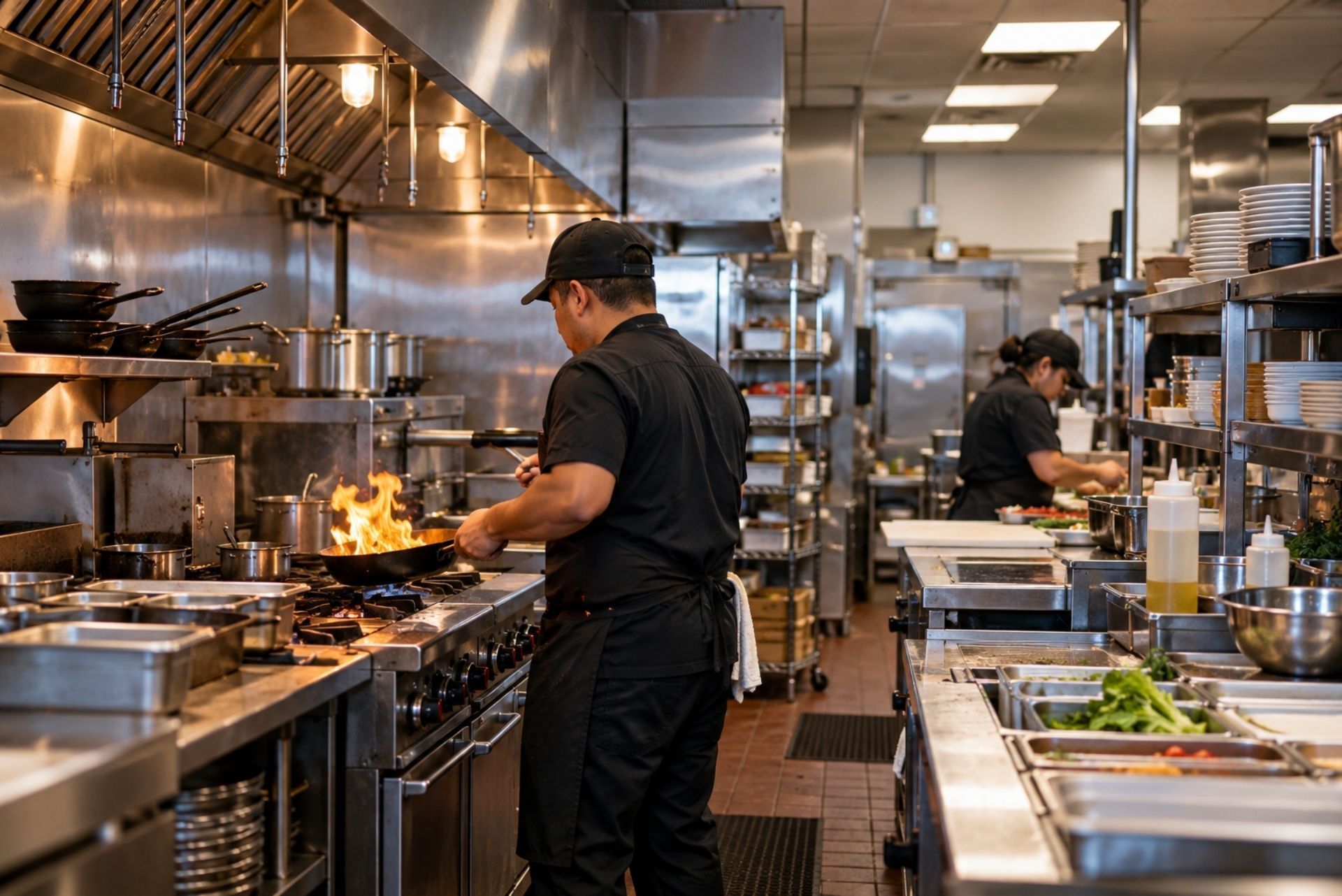
Cuisine Coverage provides specialized insurance for restaurants, food trucks, catering services, and other hospitality businesses. We help owners protect their property, staff, and reputation with policies built around the most common industry risks.

General Liability Insurance
Protects your business from claims related to injury, property damage, or accidents that happen during operations.
General Liability
Liquor Liability Insurance
Covers alcohol-related incidents for restaurants, bars, or venues that serve or sell alcohol.
Liquor Liability
Workers Compensation Insurance
Provides wage replacement and medical benefits to employees injured on the job.
Workers Compensation
Business Interruption Insurance
Helps replace lost income and cover ongoing expenses if your business operations are temporarily halted.
Business Interruption
Product Liability Insurance
Protects against claims related to foodborne illness, contamination, or product defects.
Product Liability
Cyber Liability Insurance
Covers data breaches, online payment issues, and digital risks that can affect modern food businesses.
Cyber Liability
Serving the Food and Hospitality Industry
Insurance Solutions for Every Type of Food Business
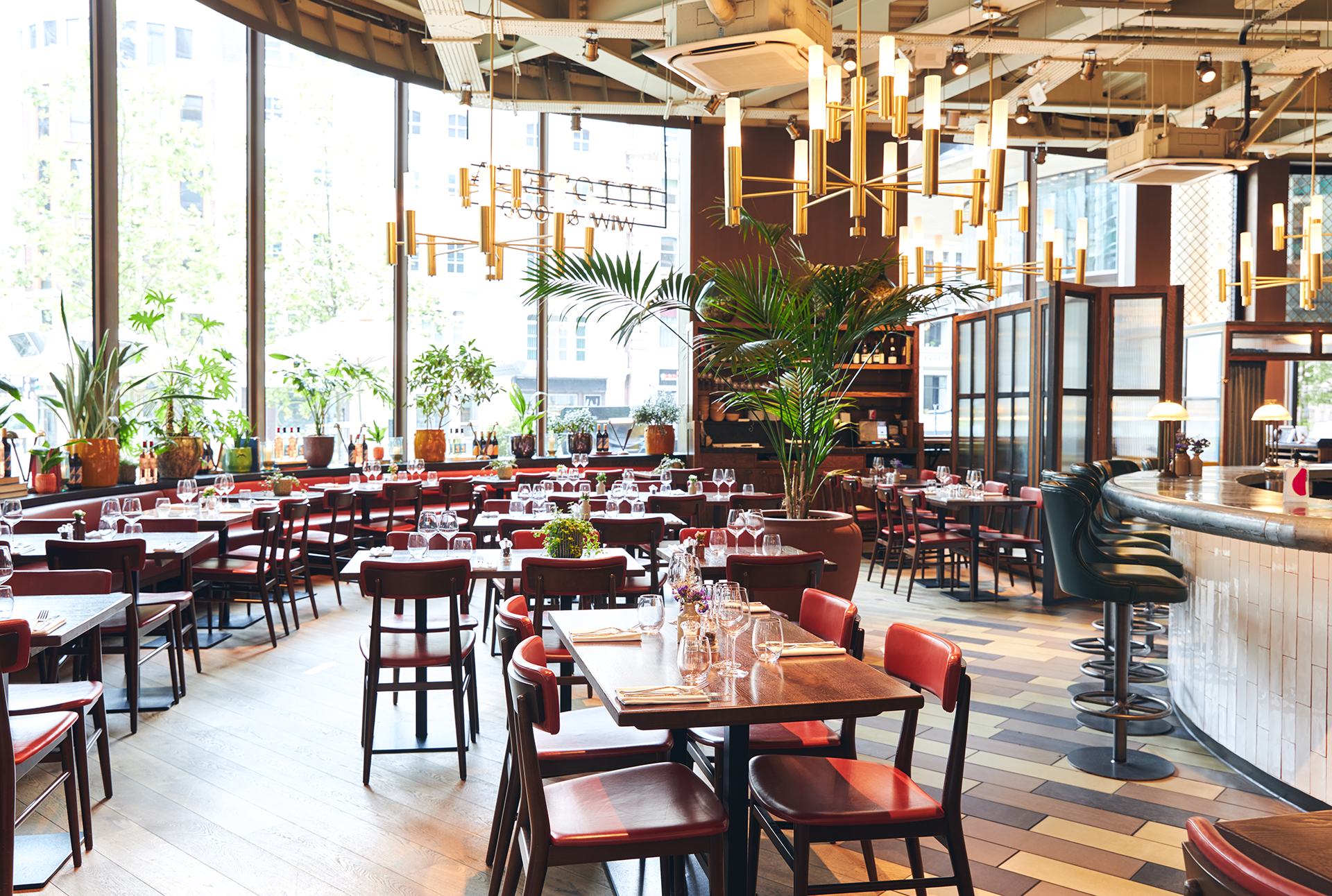
Cuisine Coverage provides specialized insurance for restaurants, cafés, and food service professionals across the country. Whether you run a casual kitchen or a mobile food truck, we offer coverage that fits your operations and risk level.

How It Works
Insurance Made Easy for Food Business Owners
We know you don’t have time to deal with complicated insurance forms. That’s why our process is built for speed and simplicity — so you can get back to running your kitchen.
Your Insurance Questions Answered
What Restaurant and Food Business Owners Ask Most
What types of insurance do restaurants and food businesses need?
Most food businesses need general liability, property, and workers’ compensation coverage. These protect against injuries, equipment damage, and employee-related incidents. Businesses serving alcohol should also include liquor liability insurance for extra protection.
Having the right mix of policies helps reduce financial risks. We’ll help you identify the specific coverages your business needs based on your setup, size, and operations.
Do you provide insurance for food trucks and mobile kitchens?
Yes. We specialize in insurance for food trucks, trailers, and mobile vendors. Our coverage includes vehicle protection, cooking equipment, and liability for events or customer interactions.
We can also help you meet licensing and vendor requirements by issuing certificates of insurance quickly — often the same day.
How fast can I get a quote or start coverage?
In most cases, quotes are ready within 24 hours once we have your business details. After approval, coverage and certificates can be issued immediately.
Our process is fully digital but supported by real agents who review each policy for accuracy. You’ll always know exactly what you’re getting before coverage starts.
Do you offer liquor liability insurance for bars or restaurants?
Yes. We provide liquor liability insurance for bars, taverns, and restaurants that sell or serve alcohol. This coverage protects against claims involving intoxicated patrons or alcohol-related incidents.
It’s essential for maintaining compliance with local laws and protecting your business from costly lawsuits. We’ll ensure your policy meets all licensing requirements.
How can I reduce my insurance costs?
You can often lower premiums by bundling multiple coverages, maintaining clean safety records, and conducting regular policy reviews. Many insurers also offer discounts for installing safety systems and training employees.
At Cuisine Coverage, we proactively review your policy before renewal to help you keep costs down without reducing protection.
Do you help with certificates of insurance (COIs)?
Yes. We provide same-day certificates for vendors, landlords, and event partners. You can request them by phone or email anytime.
Having your COI ready keeps your business compliant and avoids delays in operations. Our team handles these requests quickly so you can stay focused on running your business.
From the Kitchen to Coverage
Real Advice for the Food and Hospitality Industry
We share tips, updates, and real-world stories from the food and insurance industries. Whether you’re managing a restaurant or rolling out a food truck, our articles give you useful guidance to protect your business and grow with confidence.
Contact Us
Phone
Location