BBQ Restaurant INSURANCE
OR call us: (214) 667-2729
Running a barbecue restaurant means managing more than just slow-cooked meats and smoky flavors. It involves navigating a complex landscape of risks-from fire hazards in the kitchen to the unpredictable nature of outdoor grilling. Insurance coverage tailored specifically for BBQ establishments is not just a safety net; it is a strategic necessity. With nearly 40% of U.S. restaurant owners lacking business insurance coverage as of 2025, the stakes have never been higher according to recent data.
This article breaks down the essential insurance considerations for BBQ restaurants, focusing on the unique risks posed by smokers, grills, and catering operations. Understanding these risks and the coverage options available can protect your business from devastating financial losses and help you serve up confidence along with your signature ribs.
Why BBQ Restaurants Face Unique Insurance Risks
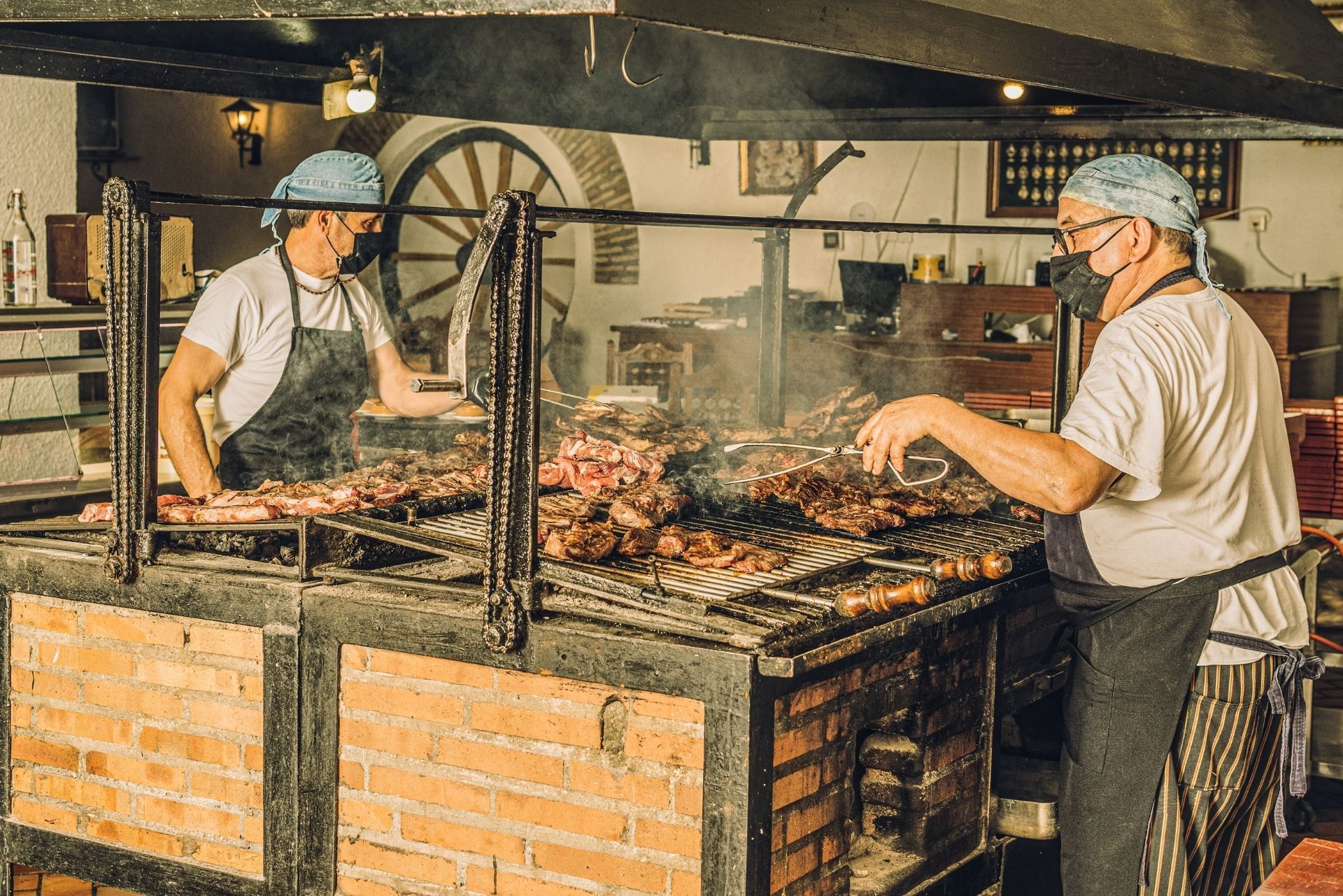
Barbecue restaurants operate in a high-risk environment. Open flames, hot smokers, and grease-laden kitchens create conditions ripe for fire incidents. According to Bonnie Steen, Vice President at Burns & Wilcox, fire losses in restaurant kitchens are a major concern, often leading to significant business income loss and liability claims she explains. The smoky aroma that draws customers can also be a warning sign of potential hazards.
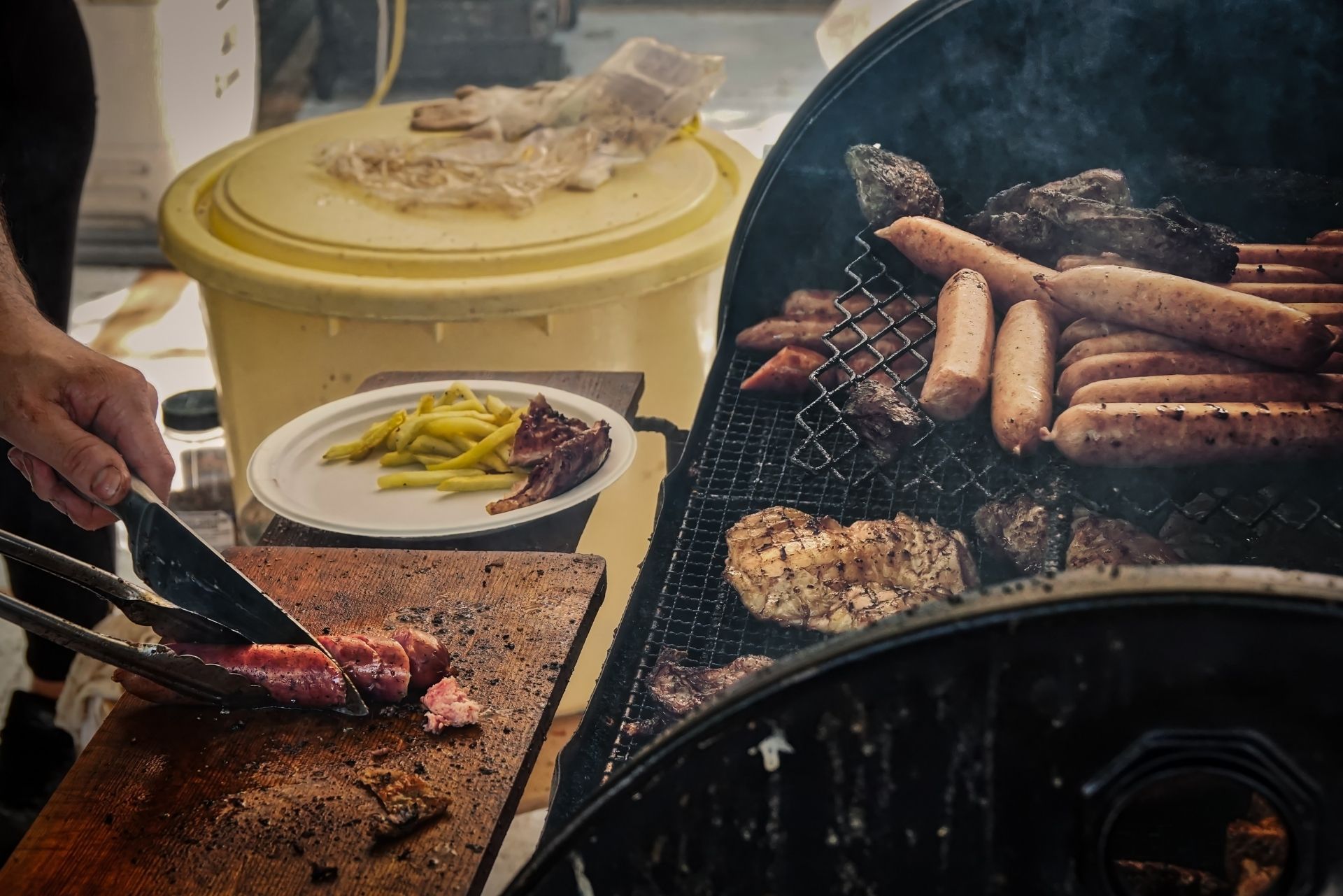
Grilling-related injuries and fires are more common than many realize. Over a decade, emergency department visits for grilling injuries increased by 18%, highlighting the importance of coverage that addresses these specific risks according to recent studies. Additionally, between 2009 and 2013, grilling caused an average of 8,900 house fires annually in the U.S., resulting in fatalities, injuries, and over $100 million in property damage data shows. For BBQ restaurants, this risk is magnified given the volume of grilling and smoking operations. The presence of flammable materials, such as wood chips and propane tanks, further escalates the potential for catastrophic incidents, necessitating stringent safety protocols and comprehensive insurance plans.
On top of fire risks, BBQ restaurants face challenges from extreme weather events and rising operational costs. Insurance premiums have been climbing steadily, driven by catastrophic weather losses averaging $100 billion over the past five years according to industry experts. These factors tighten profit margins and make securing the right insurance coverage more critical than ever. Furthermore, the seasonal nature of barbecue dining can lead to fluctuating revenue streams, making it essential for restaurant owners to anticipate and plan for potential downturns. The unpredictability of weather can also impact outdoor dining, which is a staple for many BBQ establishments, adding another layer of complexity to their operational strategies.
Moreover, BBQ restaurants often rely heavily on local suppliers for fresh ingredients, which can introduce additional risks related to supply chain disruptions. Events such as natural disasters or transportation issues can affect the availability of key items like specialty meats and sauces, leading to menu changes that might disappoint loyal customers. This reliance on local sourcing not only impacts the restaurant's ability to maintain consistent quality but also raises concerns regarding food safety and liability. In an industry where customer satisfaction is paramount, any lapse in quality or service can have lasting repercussions, making it crucial for BBQ restaurant owners to invest in robust risk management strategies and insurance coverage tailored to their unique challenges.

By: Dustin Hulett
Founder & CEO of Cuisine Coverage
Essential Insurance Coverages for BBQ Restaurants
Understanding the right insurance policies can shield BBQ restaurants from financial ruin. Here are key coverages every BBQ restaurant should consider:
Property Insurance
This coverage protects your physical assets-building, kitchen equipment, smokers, grills, and inventory-from damage caused by fire, storms, vandalism, or theft. Given the high risk of fire in BBQ kitchens, property insurance is indispensable. Keep in mind that premiums for property insurance have increased due to the surge in extreme weather events and fire claims, making it essential to shop for policies that balance cost and coverage reports indicate. Additionally, it’s wise to regularly assess the value of your assets to ensure that your coverage limits are adequate. Underinsuring your property can lead to significant financial losses in the event of a disaster, so consider conducting an annual review with your insurance agent to adjust your policy as necessary.
General Liability Insurance
This protects your business against claims of bodily injury or property damage caused by your operations. For BBQ restaurants, this can include slip-and-fall accidents on premises or injuries related to grilling equipment. With the increase in grilling-related injuries, this coverage helps manage the risk of costly lawsuits. Furthermore, general liability insurance can also cover legal fees and settlements, which can be particularly burdensome for small businesses. It’s essential to foster a safe environment by implementing safety protocols and training staff on proper equipment usage, as this not only helps mitigate risks but can also lead to lower premiums over time.
Business Interruption Insurance
Fires or other disasters can force your restaurant to close temporarily, leading to lost income. Business interruption insurance covers lost revenue and ongoing expenses during downtime. Given the fire risks associated with smokers and grills, this coverage can be a financial lifesaver. Moreover, it’s important to document your income and expenses accurately, as insurers often require detailed financial records to process claims. Establishing a contingency plan that outlines steps to take in the event of a disaster can also expedite your recovery and minimize the impact on your business operations.
Equipment Breakdown Insurance
Smokers and grills are specialized equipment that can be expensive to repair or replace. Equipment breakdown insurance covers mechanical failures, helping avoid costly out-of-pocket repairs that can disrupt service. This type of insurance can also extend to other essential kitchen appliances, such as refrigerators and ovens, which are critical for food safety and quality. Regular maintenance of your equipment not only prolongs its lifespan but can also help you avoid costly breakdowns, making it a good practice to keep a maintenance log and schedule routine checks.
Liquor Liability Insurance
If your BBQ restaurant serves alcohol, liquor liability insurance protects against claims related to alcohol consumption, such as accidents or injuries caused by intoxicated patrons. With many BBQ establishments offering a full bar, this coverage is often a must-have. Additionally, it’s crucial to train your staff on responsible alcohol service, including how to identify signs of intoxication and the importance of refusing service when necessary. Implementing a robust training program can not only reduce the risk of incidents but may also lead to discounts on your insurance premiums.
Catering Insurance
Catering operations introduce additional risks, including food safety, transportation, and liability at off-site locations. Specialized catering insurance can cover these exposures, ensuring your business is protected during events beyond your restaurant walls. This coverage often includes protection for food spoilage, which can occur if transportation equipment fails or if events are delayed. Moreover, as catering can involve large gatherings, having a clear contract that outlines responsibilities and liabilities can further safeguard your business and clarify expectations with clients.
Managing Fire and Grilling Risks
Fire is the most significant threat to BBQ restaurants. Kitchens with smokers and grills are prone to grease fires, flare-ups, and equipment malfunctions. Taking proactive steps to reduce fire risk can also help control insurance costs.
Regular maintenance of smokers and grills is crucial. Grease buildup is a common cause of kitchen fires, so cleaning vents, filters, and cooking surfaces should be part of daily routines. Training staff on safe grilling and fire response procedures reduces the likelihood of accidents. Implementing a checklist for daily, weekly, and monthly maintenance can ensure that no aspect of fire safety is overlooked, fostering a culture of vigilance among the staff.
Installing fire suppression systems and smoke detectors tailored for commercial kitchens is another layer of protection. Insurance companies often offer premium discounts for restaurants that invest in these safety measures. Additionally, conducting regular fire drills can prepare employees for emergency situations, ensuring they know how to react swiftly and effectively in the event of a fire. This not only enhances safety but also builds team cohesion and confidence in handling emergencies.
Given the data showing an 18% rise in grilling injuries and thousands of annual fires linked to BBQ equipment, having comprehensive insurance coverage that specifically addresses fire and injury risks is essential studies reveal. This coverage safeguards your business from the financial fallout of accidents and property damage. Furthermore, it is wise to stay informed about local fire codes and regulations, as compliance can prevent costly fines and ensure that your establishment operates within legal safety standards. Regular consultations with fire safety experts can also provide insights into the latest technologies and practices that can further mitigate risks in your BBQ restaurant.
Insurance Challenges and Cost Trends in 2025
Insurance premiums for restaurants, including BBQ spots, have been climbing steadily. Factors driving this increase include higher property values, more frequent extreme weather events, and a rise in litigation costs. Tim Smith, Senior Vice President at IMA Financial Group, attributes property insurance rate hikes primarily to the unprecedented number of catastrophic weather events in recent years he explains.
These rising costs are squeezing profit margins for many restaurant operators. Insurance agents and brokers play a vital role in helping BBQ restaurant owners navigate these challenges by finding coverage that fits their risk profile and budget industry reports note. Without proper insurance, a single fire or lawsuit could devastate a business financially.
Despite these challenges, the BBQ restaurant industry continues to grow, projected to reach $4.9 billion in revenue by 2025 with over 15,000 establishments nationwide
according to market analysis. This growth underscores the importance of having insurance that keeps pace with evolving risks and business needs.
Coverage Comparison: Basic vs. Extended BBQ Restaurant Insurance
| Coverage Type | Basic Coverage | Extended Coverage |
|---|---|---|
| Property Insurance | Covers fire, theft, and basic weather damage | Includes flood, earthquake, equipment breakdown, and extended natural disasters |
| General Liability | Protects against bodily injury and property damage claims | Enhanced with product liability and liquor liability coverage |
| Business Interruption | Covers lost income due to fire or covered perils | Includes extended period coverage and extra expense protection |
| Catering Insurance | Often not included | Protects off-site events, transportation, and food safety liabilities |
| Equipment Breakdown | May be excluded | Covers mechanical failure of smokers, grills, and refrigeration |
This comparison highlights why BBQ restaurants should consider extended coverage options, especially if they operate catering services or rely heavily on specialized equipment. Basic policies may leave gaps that can be costly when disaster strikes.
Protecting Your BBQ Catering Operations
Catering adds a layer of complexity to insurance needs. Transporting food, setting up grills off-site, and serving large groups increase exposure to liability and property risks. Foodborne illness claims, accidents at event locations, and equipment damage during transit are common concerns.
Specialized catering insurance often bundles general liability, auto coverage for delivery vehicles, and protection for catering equipment. This coverage ensures your BBQ business remains protected whether serving in-house or at an outdoor festival.
Given the growing popularity of BBQ catering and the industry's expansion, investing in comprehensive coverage is a smart move. It not only protects your bottom line but also builds trust with clients who expect professionalism and reliability.
What to Remember When Choosing BBQ Restaurant Insurance
Insurance needs vary widely depending on your BBQ restaurant’s size, location, and operations. Here are some practical tips to keep in mind:
- Assess Your Risks: Identify your biggest exposures, such as fire hazards, catering events, or liquor service.
- Work with Experienced Agents: Find insurance professionals familiar with restaurant and BBQ-specific risks.
- Review Coverage Annually: Update your policies to reflect changes in your business or new risk factors.
- Invest in Safety: Fire suppression systems and staff training can reduce claims and lower premiums.
- Understand Policy Exclusions: Know what is not covered and consider endorsements or additional policies if needed.
With 38% of restaurant owners still uninsured, taking these steps can provide a competitive edge and peace of mind
recent statistics show.
Frequently Asked Questions
Q: Is fire insurance enough for a BBQ restaurant?
A: Fire insurance is essential but usually not enough. Comprehensive coverage including liability, business interruption, and equipment breakdown is recommended.
Q: Does my BBQ catering need separate insurance?
A: Yes. Catering involves additional risks that standard restaurant policies may not cover. Specialized catering insurance is advisable.
Q: How can I lower my insurance premiums?
A: Implement safety measures like fire suppression systems, maintain equipment regularly, and work with an agent to tailor coverage to your actual risks.
Q: Are grilling injuries covered under restaurant insurance?
A: General liability insurance typically covers injuries related to your operations, including grilling accidents, but confirm specifics with your insurer.
Q: What happens if my BBQ restaurant is uninsured and a fire occurs?
A: Without insurance, you would be responsible for all damages, lost income, and liability claims, which can be financially devastating.
Q: How often should I review my insurance policy?
A: Review your policy annually or whenever you make significant changes to your operations, such as adding catering services or new equipment.
Q: Can extreme weather affect my BBQ restaurant insurance?
A: Yes. Increasing catastrophic weather events have led to higher property insurance rates for restaurants nationwide.
Securing the right insurance coverage for your BBQ restaurant is about more than compliance-it’s about protecting your passion and livelihood. With the right policies in place, you can focus on what you do best: serving up great barbecue with confidence.
About The Author:
Dustin Hulett
As Owner of Cuisine Coverage powered by Hulett Insurance, I specialize in protecting restaurants, bars, and hospitality businesses with smart, reliable insurance solutions. With years of experience serving the food and beverage industry, my goal is to make coverage simple, transparent, and built around the unique risks that owners face every day.
Contact Us
Business Coverage
Protection for Every Part of Your Food Business
Cuisine Coverage provides specialized insurance for restaurants, food trucks, catering services, and other hospitality businesses. We help owners protect their property, staff, and reputation with policies built around the most common industry risks.

General Liability Insurance
Protects your business from claims related to injury, property damage, or accidents that happen during operations.
General Liability
Liquor Liability Insurance
Covers alcohol-related incidents for restaurants, bars, or venues that serve or sell alcohol.
Liquor Liability
Workers Compensation Insurance
Provides wage replacement and medical benefits to employees injured on the job.
Workers Compensation
Business Interruption Insurance
Helps replace lost income and cover ongoing expenses if your business operations are temporarily halted.
Business Interruption
Product Liability Insurance
Protects against claims related to foodborne illness, contamination, or product defects.
Product Liability
Cyber Liability Insurance
Covers data breaches, online payment issues, and digital risks that can affect modern food businesses.
Cyber Liability
Serving the Food and Hospitality Industry
Insurance Solutions for Every Type of Food Business
Cuisine Coverage provides specialized insurance for restaurants, cafés, and food service professionals across the country. Whether you run a casual kitchen or a mobile food truck, we offer coverage that fits your operations and risk level.
How It Works
Insurance Made Easy for Food Business Owners
We know you don’t have time to deal with complicated insurance forms. That’s why our process is built for speed and simplicity — so you can get back to running your kitchen.
Your Insurance Questions Answered
What Restaurant and Food Business Owners Ask Most
What types of insurance do restaurants and food businesses need?
Most food businesses need general liability, property, and workers’ compensation coverage. These protect against injuries, equipment damage, and employee-related incidents. Businesses serving alcohol should also include liquor liability insurance for extra protection.
Having the right mix of policies helps reduce financial risks. We’ll help you identify the specific coverages your business needs based on your setup, size, and operations.
Do you provide insurance for food trucks and mobile kitchens?
Yes. We specialize in insurance for food trucks, trailers, and mobile vendors. Our coverage includes vehicle protection, cooking equipment, and liability for events or customer interactions.
We can also help you meet licensing and vendor requirements by issuing certificates of insurance quickly — often the same day.
How fast can I get a quote or start coverage?
In most cases, quotes are ready within 24 hours once we have your business details. After approval, coverage and certificates can be issued immediately.
Our process is fully digital but supported by real agents who review each policy for accuracy. You’ll always know exactly what you’re getting before coverage starts.
Do you offer liquor liability insurance for bars or restaurants?
Yes. We provide liquor liability insurance for bars, taverns, and restaurants that sell or serve alcohol. This coverage protects against claims involving intoxicated patrons or alcohol-related incidents.
It’s essential for maintaining compliance with local laws and protecting your business from costly lawsuits. We’ll ensure your policy meets all licensing requirements.
How can I reduce my insurance costs?
You can often lower premiums by bundling multiple coverages, maintaining clean safety records, and conducting regular policy reviews. Many insurers also offer discounts for installing safety systems and training employees.
At Cuisine Coverage, we proactively review your policy before renewal to help you keep costs down without reducing protection.
Do you help with certificates of insurance (COIs)?
Yes. We provide same-day certificates for vendors, landlords, and event partners. You can request them by phone or email anytime.
Having your COI ready keeps your business compliant and avoids delays in operations. Our team handles these requests quickly so you can stay focused on running your business.
From the Kitchen to Coverage
Real Advice for the Food and Hospitality Industry
We share tips, updates, and real-world stories from the food and insurance industries. Whether you’re managing a restaurant or rolling out a food truck, our articles give you useful guidance to protect your business and grow with confidence.
Contact Us
Phone
Location