Oregon Restaurant INSURANCE
OR call us: (214) 667-2729
Running a restaurant in Oregon means navigating a complex mix of risks-from property damage to employee injuries. With the restaurant industry accounting for 11% of Oregon’s employment and serving as the state’s second-largest private sector employer, protecting your business with the right insurance is not just smart, it’s essential. Every dollar spent in Oregon’s table service segment, for example, contributes nearly twice that amount back to the state economy, highlighting the vibrant role eateries play in local communities and why safeguarding them matters.
Whether you operate a cozy café or a bustling eatery, understanding the types of insurance coverage tailored for Oregon’s foodservice sector can save you from costly surprises. This guide breaks down what you need to know to keep your business secure and thriving.
Why Restaurant Insurance is Critical in Oregon
Oregon’s restaurant industry is a powerhouse, employing over 227,000 people as of 2019 and generating significant economic impact. Yet, this success comes with unique vulnerabilities. In 2023, the restaurant industry saw a 15% increase in property claims, reflecting growing risks from everything like fire damage, theft, or equipment failure. Without proper insurance, these incidents can quickly escalate into financial disasters.
Moreover, Oregon boasts some of the lowest workers’ compensation costs in the nation, with a 12-year streak of decreases as of 2025. This makes it more affordable for restaurant owners to provide coverage for employee injuries, an important factor given the physical demands and hazards common in kitchens and dining areas.
Insurance protects not only your physical assets but also your workforce, your customers, and your reputation. With Oregon’s restaurant and foodservice sector contributing billions to the economy, maintaining strong coverage supports the broader community as well.
In addition to the basic coverage, many restaurant owners in Oregon are opting for specialized insurance policies that cater specifically to the unique challenges faced by the foodservice industry. For example, coverage for food spoilage due to equipment failure or power outages has become increasingly popular, especially in a state known for its fresh produce and artisanal ingredients. This type of insurance can be a lifesaver, preventing significant losses and ensuring that restaurants can continue to serve their communities without interruption.
Furthermore, with the rise of food delivery services and outdoor dining options, restaurants are also facing new liabilities. Insurance policies that cover delivery-related incidents or outdoor seating arrangements can provide peace of mind to owners navigating these evolving business models. As the landscape of dining continues to shift, having comprehensive insurance that adapts to these changes is not just beneficial; it’s essential for long-term success.
Learn more about Oregon’s restaurant industry impact from the Oregon Restaurant & Lodging Association.

By: Dustin Hulett
Founder & CEO of Cuisine Coverage
Key Types of Insurance for Oregon Restaurants
General Liability Insurance
This is the foundation of any restaurant’s insurance portfolio. It covers claims related to bodily injury or property damage that occur on your premises. For example, if a customer slips on a wet floor or if your staff accidentally damages a neighboring property, general liability insurance helps cover legal fees and settlements.
Given the high foot traffic in restaurants, this coverage is indispensable. It protects your business from lawsuits that could otherwise drain resources and disrupt operations. Additionally, it can cover claims arising from food-related incidents, such as food poisoning, which can be particularly damaging to a restaurant's reputation. By having this insurance, you not only safeguard your financial stability but also reassure your patrons that you prioritize their safety and well-being.
Property Insurance
Restaurants rely heavily on their physical assets—from kitchen equipment to dining furniture. Property insurance covers damage caused by fire, storms, vandalism, or theft. With the restaurant industry facing a 15% rise in property claims in 2023, this coverage is more important than ever.
Whether you own or lease your location, property insurance can also cover improvements and inventory, ensuring you can recover quickly after an incident. Furthermore, many policies offer additional coverage options, such as business personal property, which protects items like utensils and decor, and equipment breakdown coverage, which can be crucial if a major appliance fails unexpectedly. This comprehensive approach to property insurance can help you maintain operational continuity and protect your investment in your restaurant.
Workers’ Compensation Insurance
Oregon’s relatively low workers’ compensation costs make this coverage accessible for most eateries. It covers medical expenses and lost wages if an employee suffers a work-related injury or illness. In a fast-paced kitchen environment, injuries such as burns, cuts, or slips are common.
Providing workers’ comp insurance not only meets legal requirements but also fosters a safer workplace and helps retain employees by showing you care about their well-being. Additionally, investing in safety training programs can reduce the number of claims and improve morale among staff. By creating a culture of safety, you not only protect your employees but also enhance the overall efficiency and productivity of your restaurant.
Business Interruption Insurance
Unexpected events like fires or natural disasters can force your restaurant to close temporarily. Business interruption insurance compensates for lost income and ongoing expenses during downtime. This coverage can be a lifesaver, helping you stay afloat while repairs are made. It often covers fixed costs such as rent and utilities, ensuring that your financial obligations are met even when your doors are closed.
Moreover, some policies may include coverage for extra expenses incurred while trying to resume operations, such as renting temporary kitchen space or equipment. This flexibility can be crucial in minimizing the impact of an unexpected closure and allows you to focus on getting back to business as usual without the added stress of financial strain.
Liquor Liability Insurance
If your restaurant serves alcohol, liquor liability insurance is a must. It protects against claims related to alcohol-related incidents, such as a customer causing harm after being served at your establishment. Oregon’s strict regulations make this coverage critical for compliance and risk management. Without it, your restaurant could face significant financial repercussions from lawsuits or fines.
Additionally, liquor liability insurance can also cover legal fees and damages resulting from incidents involving intoxicated patrons, such as accidents or altercations. This not only protects your business but also encourages responsible alcohol service practices, which can enhance your establishment's reputation and customer trust.
Commercial Auto Insurance
For restaurants offering delivery services, commercial auto insurance covers vehicles used for business purposes. It protects against accidents, damage, and liability claims involving your delivery drivers.
In addition to standard coverage, many commercial auto insurance policies offer options like cargo coverage, which protects the food and beverages being transported, and uninsured motorist coverage, which safeguards your drivers in case of an accident with an uninsured driver. This comprehensive protection not only secures your assets but also ensures that your delivery operations run smoothly, allowing you to meet customer expectations and maintain a competitive edge in the growing food delivery market.
Understanding Oregon’s Unique Restaurant Industry Landscape
Oregon’s restaurant sector is not only large but also diverse. In 2019, it was the second-largest private sector industry behind healthcare, employing 227,500 people statewide. This scale means that insurance providers often tailor policies specifically for Oregon’s market dynamics. The variety of dining options available—from food trucks to upscale dining—reflects the state's rich agricultural resources and commitment to local sourcing, which has become a hallmark of Oregon's culinary identity.
Spending in Oregon’s table service segment contributes $1.87 to the state economy for every dollar spent, while limited-service restaurants add $1.61 per dollar. These figures highlight how even small cafés and quick-service eateries play a vital role in economic growth. The emphasis on farm-to-table dining experiences has not only enhanced the quality of food but has also encouraged a culture of sustainability, where many restaurants actively participate in reducing food waste and supporting local farmers. This trend has fostered a community-oriented atmosphere, where diners feel connected to the source of their meals.
Oregon’s relatively low workers’ compensation costs, with a 12-year decline as of 2025, make it easier for restaurants to maintain compliance without excessive financial burden. This is a key advantage for small businesses trying to balance costs with adequate coverage. Additionally, the state's progressive labor laws and focus on employee welfare have created a more stable workforce, which is crucial for maintaining the high standards of service that Oregon's diners expect. Many establishments are now investing in employee training and development programs, recognizing that a well-trained staff is essential for delivering exceptional dining experiences.
For a detailed look at Oregon’s economic impact in foodservice, visit the
National Restaurant Association.

Risks Specific to Oregon Restaurants and How Insurance Helps
Property Risks from Natural Disasters
Oregon’s varied climate exposes restaurants to risks like flooding, wildfires, and storms. These events can cause extensive property damage and disrupt operations. Property insurance combined with business interruption coverage ensures you can recover financially and reopen without catastrophic losses. The state’s unique geography, with its lush forests and proximity to the Pacific Ocean, makes it particularly vulnerable to wildfires during the dry summer months. Restaurants located in these high-risk areas must not only prepare for potential evacuations but also consider the impact of smoke damage on their food supplies and equipment. Additionally, flooding can occur in coastal regions and along rivers, necessitating comprehensive flood insurance to safeguard against unexpected deluges.
Employee Injury Risks
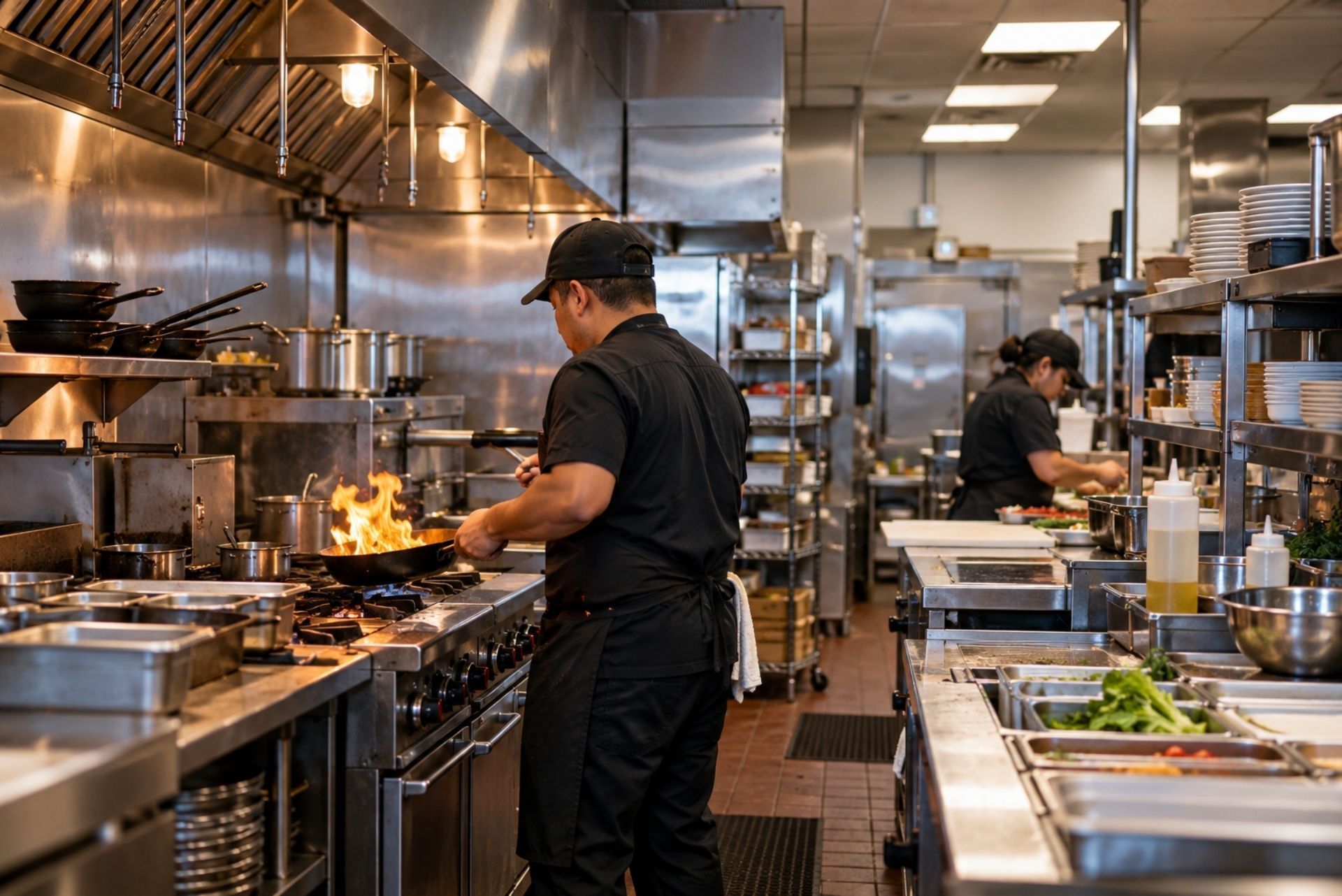
Kitchen environments are inherently hazardous. Cuts, burns, slips, and repetitive strain injuries are common. Oregon’s workers’ compensation system helps cover these incidents affordably, but having the right insurance in place is essential to protect your staff and your bottom line. Furthermore, as the culinary scene in Oregon continues to grow, with many restaurants embracing innovative cooking techniques and local ingredients, the risk of injuries may increase. Training employees in safety protocols and ensuring they have access to proper equipment can mitigate these risks, but insurance remains a critical safety net. Regular safety audits and employee training programs can also foster a culture of safety, reducing the likelihood of accidents and enhancing employee morale.
Liability from Customer Incidents
Restaurants serve the public daily, increasing the chances of accidents on-site. From slip-and-fall injuries to foodborne illness claims, liability insurance shields your business from costly lawsuits and reputational damage. In Oregon, where the farm-to-table movement is prevalent, the emphasis on fresh, locally sourced ingredients can sometimes lead to concerns about food safety. Restaurants must be vigilant in their food handling practices to prevent contamination and ensure compliance with health regulations. Additionally, with the rise of social media, negative customer experiences can quickly escalate into public relations crises, making it essential for restaurant owners to have robust liability coverage that not only protects against legal claims but also helps manage the fallout from potential public scrutiny.
Property Claims Trends
The 15% rise in property claims in 2023 among restaurants underscores the importance of thorough coverage. Whether it’s equipment failure or vandalism, having a policy that covers a broad range of property risks is crucial. This trend may also reflect the increasing frequency of extreme weather events linked to climate change, prompting restaurant owners to reevaluate their insurance needs. Moreover, as technology becomes more integrated into restaurant operations, from advanced kitchen equipment to digital payment systems, the potential for costly property claims related to tech failures or cyber incidents also rises. Restaurants must stay informed about emerging risks and adjust their insurance policies accordingly to ensure comprehensive protection against both traditional and modern threats.
How to Choose the Right Insurance for Your Oregon Restaurant
Choosing the right insurance starts with assessing your specific risks. Consider the size of your operation, whether you serve alcohol, offer delivery, or have a high volume of customers. Smaller restaurants, which make up a large portion of the market in neighboring Washington where 84% employ fewer than 20 people, may have different needs than larger establishments.
Work with an insurance agent familiar with Oregon’s restaurant industry to tailor a package that fits your budget and risk profile. Don’t skip on coverage just to save money upfront-claims can quickly wipe out profits.
Also, keep an eye on regulatory changes and industry trends. For example, the permanent closure of the Oregon Culinary Institute in 2022 due to enrollment declines reflects shifts in workforce training that may affect your hiring and training practices.
Common Questions About Restaurant Insurance in Oregon
Q: Is workers’ compensation insurance mandatory for Oregon restaurants?
A: Yes. Oregon law requires most employers, including restaurants, to carry workers’ compensation insurance to cover employee injuries.
Q: Does general liability insurance cover food poisoning claims?
A: General liability typically covers bodily injury claims, including foodborne illness, but check your policy details to ensure adequate protection.
Q: How does business interruption insurance work for restaurants?
A: It compensates for lost income and ongoing expenses if your restaurant must close temporarily due to a covered event like fire or natural disaster.
Q: Can I bundle different insurance policies for my restaurant?
A: Many insurers offer package policies combining general liability, property, and other coverages, often at a better rate than buying separately.
Q: What factors affect my restaurant insurance premiums in Oregon?
A: Location, size, type of service, claims history, and safety measures all influence your insurance costs.
Before You Go: Protecting Your Oregon Restaurant
Insurance is more than a legal requirement-it’s a strategic investment in your restaurant’s future. Oregon’s restaurant industry is a vital economic engine, and protecting your business helps sustain that strength. From general liability to workers’ compensation and property coverage, the right policies shield you from the unexpected.
Start by evaluating your risks, consulting with a knowledgeable agent, and tailoring coverage to your unique needs. With the right insurance in place, you can focus on what matters most: serving great food and creating memorable experiences for your customers.
For further insights on Oregon’s restaurant industry and economic contributions, visit the Oregon Restaurant & Lodging Association and the National Restaurant Association.
About The Author:
Dustin Hulett
As Owner of Cuisine Coverage powered by Hulett Insurance, I specialize in protecting restaurants, bars, and hospitality businesses with smart, reliable insurance solutions. With years of experience serving the food and beverage industry, my goal is to make coverage simple, transparent, and built around the unique risks that owners face every day.
Contact Us
Business Coverage
Protection for Every Part of Your Food Business
Cuisine Coverage provides specialized insurance for restaurants, food trucks, catering services, and other hospitality businesses. We help owners protect their property, staff, and reputation with policies built around the most common industry risks.

General Liability Insurance
Protects your business from claims related to injury, property damage, or accidents that happen during operations.
General Liability
Liquor Liability Insurance
Covers alcohol-related incidents for restaurants, bars, or venues that serve or sell alcohol.
Liquor Liability
Workers Compensation Insurance
Provides wage replacement and medical benefits to employees injured on the job.
Workers Compensation
Business Interruption Insurance
Helps replace lost income and cover ongoing expenses if your business operations are temporarily halted.
Business Interruption
Product Liability Insurance
Protects against claims related to foodborne illness, contamination, or product defects.
Product Liability
Cyber Liability Insurance
Covers data breaches, online payment issues, and digital risks that can affect modern food businesses.
Cyber Liability
Serving the Food and Hospitality Industry
Insurance Solutions for Every Type of Food Business
Cuisine Coverage provides specialized insurance for restaurants, cafés, and food service professionals across the country. Whether you run a casual kitchen or a mobile food truck, we offer coverage that fits your operations and risk level.

How It Works
Insurance Made Easy for Food Business Owners
We know you don’t have time to deal with complicated insurance forms. That’s why our process is built for speed and simplicity — so you can get back to running your kitchen.
Your Insurance Questions Answered
What Restaurant and Food Business Owners Ask Most
What types of insurance do restaurants and food businesses need?
Most food businesses need general liability, property, and workers’ compensation coverage. These protect against injuries, equipment damage, and employee-related incidents. Businesses serving alcohol should also include liquor liability insurance for extra protection.
Having the right mix of policies helps reduce financial risks. We’ll help you identify the specific coverages your business needs based on your setup, size, and operations.
Do you provide insurance for food trucks and mobile kitchens?
Yes. We specialize in insurance for food trucks, trailers, and mobile vendors. Our coverage includes vehicle protection, cooking equipment, and liability for events or customer interactions.
We can also help you meet licensing and vendor requirements by issuing certificates of insurance quickly — often the same day.
How fast can I get a quote or start coverage?
In most cases, quotes are ready within 24 hours once we have your business details. After approval, coverage and certificates can be issued immediately.
Our process is fully digital but supported by real agents who review each policy for accuracy. You’ll always know exactly what you’re getting before coverage starts.
Do you offer liquor liability insurance for bars or restaurants?
Yes. We provide liquor liability insurance for bars, taverns, and restaurants that sell or serve alcohol. This coverage protects against claims involving intoxicated patrons or alcohol-related incidents.
It’s essential for maintaining compliance with local laws and protecting your business from costly lawsuits. We’ll ensure your policy meets all licensing requirements.
How can I reduce my insurance costs?
You can often lower premiums by bundling multiple coverages, maintaining clean safety records, and conducting regular policy reviews. Many insurers also offer discounts for installing safety systems and training employees.
At Cuisine Coverage, we proactively review your policy before renewal to help you keep costs down without reducing protection.
Do you help with certificates of insurance (COIs)?
Yes. We provide same-day certificates for vendors, landlords, and event partners. You can request them by phone or email anytime.
Having your COI ready keeps your business compliant and avoids delays in operations. Our team handles these requests quickly so you can stay focused on running your business.
From the Kitchen to Coverage
Real Advice for the Food and Hospitality Industry
We share tips, updates, and real-world stories from the food and insurance industries. Whether you’re managing a restaurant or rolling out a food truck, our articles give you useful guidance to protect your business and grow with confidence.
Contact Us
Phone
Location