Product Liability INSURANCE for Restaurants
OR call us: (214) 667-2729
Every restaurant owner knows the stakes are high when it comes to food safety. One contaminated dish can lead to a cascade of issues-from customer illness to costly lawsuits. Foodborne illnesses affect millions annually, and the financial fallout can be devastating. The Centers for Disease Control and Prevention estimates that 48 million people in the U.S. get sick each year due to food-related illnesses, with 128,000 hospitalizations and 3,000 deaths. These numbers highlight the critical need for restaurants to protect themselves beyond basic liability coverage.
Understanding the insurance landscape is essential for navigating these risks effectively.
Why General Liability Insurance Falls Short for Foodborne Illness Claims
Many restaurant owners mistakenly assume that General Liability (GL) Insurance will cover foodborne illness claims. This misunderstanding can leave them dangerously exposed. According to Michael Muglia, Underwriting Manager at Burns & Wilcox, GL insurance typically excludes coverage for foodborne illness incidents. The costs associated with these claims can be substantial, involving medical expenses, legal fees, and reputational damage.
GL insurance is designed to cover bodily injury or property damage resulting from accidents on the premises, but food contamination claims often fall outside its scope. This gap means restaurants need specialized coverage to handle the unique risks posed by food safety issues.
Without proper protection, a foodborne illness outbreak could cripple a restaurant financially. A 2019 report revealed that up to 90% of U.S. restaurants lack adequate coverage for foodborne illness exposures. This gap leaves many vulnerable to lawsuits that could force closures or significant operational setbacks. The risks are real and widespread.
Moreover, the impact of foodborne illnesses extends beyond immediate financial losses. The long-term effects can include a tarnished reputation that may take years to rebuild. Customers who fall ill after dining at a restaurant often share their experiences on social media, which can lead to negative publicity that spreads rapidly. In today's digital age, a single incident can result in a significant decline in patronage, as potential customers may choose to avoid establishments that have been linked to food safety issues.
Additionally, the regulatory landscape surrounding food safety is becoming increasingly stringent. Health departments are more vigilant than ever, and restaurants can face hefty fines and penalties for non-compliance with food safety regulations. This environment underscores the importance of not only having the right insurance coverage but also implementing rigorous food safety protocols. Training staff on proper food handling and regularly reviewing safety practices can help mitigate risks and demonstrate a commitment to customer health, potentially reducing the likelihood of claims and enhancing the restaurant's reputation.

By: Dustin Hulett
Founder & CEO of Cuisine Coverage
Product Liability Insurance: What It Covers and Why It Matters
Product liability insurance is designed to protect restaurants against claims arising from foodborne illnesses and other safety-related incidents linked to their products. This coverage can include legal defense costs, settlements, and judgments if a customer becomes ill due to contaminated food or beverages served. The stakes are high in the food industry, where a single incident can lead to significant financial losses and damage to a restaurant's reputation.
Food and beverage manufacturers have increasingly recognized this need. A 2025 industry report shows that over 78% of manufacturers now include product recall insurance in their policies, reflecting the growing prevalence of contamination claims. Restaurants can benefit from similar protections tailored to their operational risks. With the rise of social media, a single negative review or viral post can amplify the impact of an incident, making it even more crucial for restaurants to have robust insurance coverage in place.
Foodborne illness claims often involve complex litigation. Product liability insurance helps cover the costs that can quickly escalate, including class-action lawsuits or government-mandated recalls. For restaurants, this coverage is a vital safety net that goes beyond what traditional GL policies offer. Moreover, the legal landscape surrounding food safety is constantly evolving, with new regulations and standards being introduced, which can further complicate compliance and increase the risk of claims.
Coverage Examples
Typical product liability insurance for restaurants may cover:
- Customer medical claims due to food poisoning
- Costs related to product recalls or removal of contaminated items
- Legal defense fees and settlements
- Damage to brand reputation through crisis management support
In addition to these standard coverages, some policies may also offer protection against claims related to mislabeling or misrepresentation of food products. For instance, if a dish is advertised as gluten-free but contains traces of gluten, the restaurant could face serious legal repercussions. Furthermore, many insurers now provide risk management services, which can help restaurants identify potential hazards in their operations and implement best practices to mitigate risks. These proactive measures not only enhance safety but can also lead to lower insurance premiums over time.
Another important aspect of product liability insurance is its role in fostering consumer trust. When diners know that a restaurant is adequately insured, they may feel more secure in their choice to dine there. This assurance can be a significant competitive advantage in an industry where customer loyalty is paramount. Additionally, restaurants that prioritize food safety and transparency are more likely to attract health-conscious consumers, further solidifying their reputation in the market. As the food industry continues to evolve, having comprehensive product liability insurance will remain a critical component of a restaurant's risk management strategy.
Emerging Technologies and Risk Detection in Food Safety
Detecting foodborne illness risks before they escalate is a game changer for restaurants. A 2018 study on machine-learned epidemiology demonstrated that advanced models can identify restaurants 3.1 times more likely to fail health inspections. This real-time detection helps prioritize inspections and interventions, potentially reducing outbreaks. By integrating these technologies, restaurants can not only safeguard public health but also enhance their operational efficiency, ensuring that they remain compliant with health regulations and maintain their reputation.
These technologies offer restaurants a proactive approach to risk management. By leveraging data and predictive analytics, establishments can identify vulnerabilities early and take corrective action. This aligns with expert advice emphasizing proactive risk control. For instance, the use of IoT devices can monitor temperature and humidity levels in food storage areas, alerting staff to any deviations that could lead to spoilage or contamination. Furthermore, machine learning algorithms can analyze historical data to predict potential risk factors, allowing restaurants to implement preventative measures before issues arise.
David Derigiotis, Corporate Vice President at Burns & Wilcox, highlights that insurers prefer restaurants that understand their risks and actively manage them. Implementing technology-driven safety measures can improve a restaurant’s standing with insurers and reduce premiums.
Proactive risk management is a key differentiator in a tough insurance market. Additionally, as consumers become increasingly aware of food safety issues, restaurants that adopt these technologies can enhance their brand image, attracting health-conscious patrons who prioritize dining establishments that prioritize safety. This not only fosters customer loyalty but also positions restaurants as leaders in the industry, setting a standard for others to follow.
The Growing Market for Food and Beverage Product Liability Insurance
The food and beverage product liability insurance market is expanding rapidly. Forecasts indicate a compound annual growth rate of 8.59% from 2024 to 2030. This growth reflects heightened awareness of contamination risks and the increasing complexity of food safety regulations.
Restaurants and manufacturers alike are recognizing that traditional insurance policies no longer suffice. The market’s growth is driven by rising contamination claims and the need for specialized coverage that addresses foodborne illness risks directly.
As the market evolves, insurers are developing more tailored products to meet the unique needs of the food service industry. This trend benefits restaurant owners by providing more options and better coverage terms. The insurance landscape is adapting to the realities of food safety challenges.
With the rise of social media and instant communication, the repercussions of foodborne illnesses can be immediate and far-reaching. A single incident can lead to a viral outbreak on platforms like Twitter or Instagram, amplifying the reputational damage for businesses involved. This digital age has made it crucial for food and beverage companies to not only invest in quality control but also in comprehensive insurance coverage that can protect against the fallout of such incidents. As consumers become more discerning and informed, the expectation for transparency and accountability in food safety practices has never been higher.
Moreover, regulatory bodies are tightening their grip on food safety standards, creating a landscape where compliance is paramount. The introduction of new regulations, such as the Food Safety Modernization Act in the United States, places greater responsibility on manufacturers and distributors to ensure the safety of their products. This evolving regulatory environment necessitates that businesses stay ahead of the curve, not only to avoid potential legal pitfalls but also to maintain consumer trust. Insurers are responding by offering educational resources and risk management tools alongside their policies, empowering businesses to navigate these complexities more effectively.
Financial Impact of Foodborne Illness on Restaurants
Foodborne illnesses are not just a health issue—they carry a heavy financial burden. The U.S. faces an estimated $15 billion annual cost related to foodborne illness. This figure includes medical expenses, lost productivity, and legal costs. The Centers for Disease Control and Prevention (CDC) estimates that each year, 48 million people are affected by foodborne illnesses, resulting in 128,000 hospitalizations and 3,000 deaths. These staggering statistics highlight the critical need for effective food safety measures within the food service industry.
For restaurants, the impact can be even more direct. Beyond the immediate cost of claims and lawsuits, there is lost revenue from closures, damaged reputation, and customer trust erosion. Recovering from a foodborne illness outbreak can take years. A single incident can lead to a significant drop in patronage as customers may hesitate to return, fearing for their health. Furthermore, the media coverage surrounding such outbreaks can amplify the damage, leading to a long-lasting negative perception that is difficult to overcome. Restaurants may also face increased scrutiny from health inspectors and regulatory bodies, further complicating their recovery efforts.
Product liability insurance helps mitigate these financial risks. It ensures that restaurants have the resources to cover claims without jeopardizing their operations. Without this coverage, a single incident could lead to bankruptcy or permanent closure. Additionally, insurance premiums can increase dramatically after a claim, placing further financial strain on the establishment. This reality underscores the importance of not only having insurance but also ensuring that it is adequate to cover potential liabilities associated with foodborne illnesses.
Risk Management Strategies
Insurance is just one part of a broader risk management strategy. Restaurants should also focus on:
- Strict food safety protocols and staff training
- Regular health inspections and compliance with regulations
- Supplier vetting and ingredient traceability
- Leveraging technology for early detection of contamination risks
These measures not only reduce the likelihood of claims but also demonstrate to insurers that the restaurant is a responsible risk, potentially lowering insurance costs. Implementing comprehensive training programs for staff can significantly enhance food handling practices, ensuring that employees are well-versed in hygiene standards and safe food preparation techniques. Regular audits and mock inspections can also help identify potential vulnerabilities before they lead to real issues. Furthermore, maintaining open lines of communication with suppliers about food safety practices and sourcing high-quality ingredients can help prevent contamination at the source, thereby safeguarding the restaurant's reputation and financial health.
Comparing General Liability and Product Liability Insurance for Restaurants
| Coverage Aspect | General Liability Insurance me | Product Liability Insurance |
|---|---|---|
| Scope | Injuries or damages on premises or from operations | Claims related to products causing harm, including foodborne illnesses |
| Foodborne Illness Claims | Generally excluded | Specifically covered |
| Recall Coverage | Not included | Often included or available as an add-on |
| Legal Defense Costs | Covered for covered claims | Covered for product-related claims |
| Reputation Management | Limited or none | May include crisis management support |
What Restaurant Owners Should Know Before Buying Coverage
Choosing the right insurance requires understanding your restaurant’s specific risks. Product liability insurance policies can vary significantly in coverage limits, exclusions, and additional features such as recall assistance or crisis management.
Start by assessing your menu, sourcing practices, and food preparation processes. Restaurants serving high-risk foods or those with complex supply chains may need broader coverage. Consulting with an insurance professional who specializes in the food and beverage industry can provide tailored recommendations.
Remember that insurers favor restaurants that actively manage risks. Demonstrating strong food safety practices and leveraging emerging technologies can improve your chances of securing favorable terms and pricing.
With foodborne illnesses affecting millions and the potential for costly claims, investing in product liability insurance is a smart move. It protects not just your finances but also your reputation and future.
Frequently Asked Questions
Q: Does General Liability Insurance cover food poisoning claims?
A: Typically, no. General Liability insurance usually excludes foodborne illness claims, which is why product liability insurance is necessary for this risk.
Q: What does product liability insurance for restaurants cover?
A: It covers claims related to foodborne illnesses, product recalls, legal defense costs, and sometimes crisis management related to contaminated food or beverages.
Q: How common are foodborne illness outbreaks in restaurants?
A: Foodborne illnesses affect about 48 million people annually in the U.S., with many cases linked to restaurant food. This makes outbreaks a significant concern for foodservice businesses.
Q: Can technology help reduce food safety risks?
A: Yes. Machine-learned models and data analytics can identify restaurants at higher risk of safety violations, helping prevent outbreaks before they happen.
Q: How can I show insurers that my restaurant manages risks well?
A: Implement strict food safety protocols, maintain compliance with health regulations, use technology for monitoring, and document your risk management efforts.
Q: Is product recall insurance included in product liability policies?
A: Often it is included or available as an add-on. Many food and beverage manufacturers now carry product recall insurance due to rising contamination claims.
Q: What are the financial risks of not having product liability insurance?
A: Without coverage, a foodborne illness claim could lead to costly lawsuits, medical expenses, lost revenue, and even business closure.
About The Author:
Dustin Hulett
As Owner of Cuisine Coverage powered by Hulett Insurance, I specialize in protecting restaurants, bars, and hospitality businesses with smart, reliable insurance solutions. With years of experience serving the food and beverage industry, my goal is to make coverage simple, transparent, and built around the unique risks that owners face every day.
Contact Us
Business Coverage
Protection for Every Part of Your Food Business
Cuisine Coverage provides specialized insurance for restaurants, food trucks, catering services, and other hospitality businesses. We help owners protect their property, staff, and reputation with policies built around the most common industry risks.

General Liability Insurance
Protects your business from claims related to injury, property damage, or accidents that happen during operations.
General Liability
Liquor Liability Insurance
Covers alcohol-related incidents for restaurants, bars, or venues that serve or sell alcohol.
Liquor Liability
Workers Compensation Insurance
Provides wage replacement and medical benefits to employees injured on the job.
Workers Compensation
Business Interruption Insurance
Helps replace lost income and cover ongoing expenses if your business operations are temporarily halted.
Business Interruption
Product Liability Insurance
Protects against claims related to foodborne illness, contamination, or product defects.
Product Liability
Cyber Liability Insurance
Covers data breaches, online payment issues, and digital risks that can affect modern food businesses.
Cyber Liability
Serving the Food and Hospitality Industry
Insurance Solutions for Every Type of Food Business
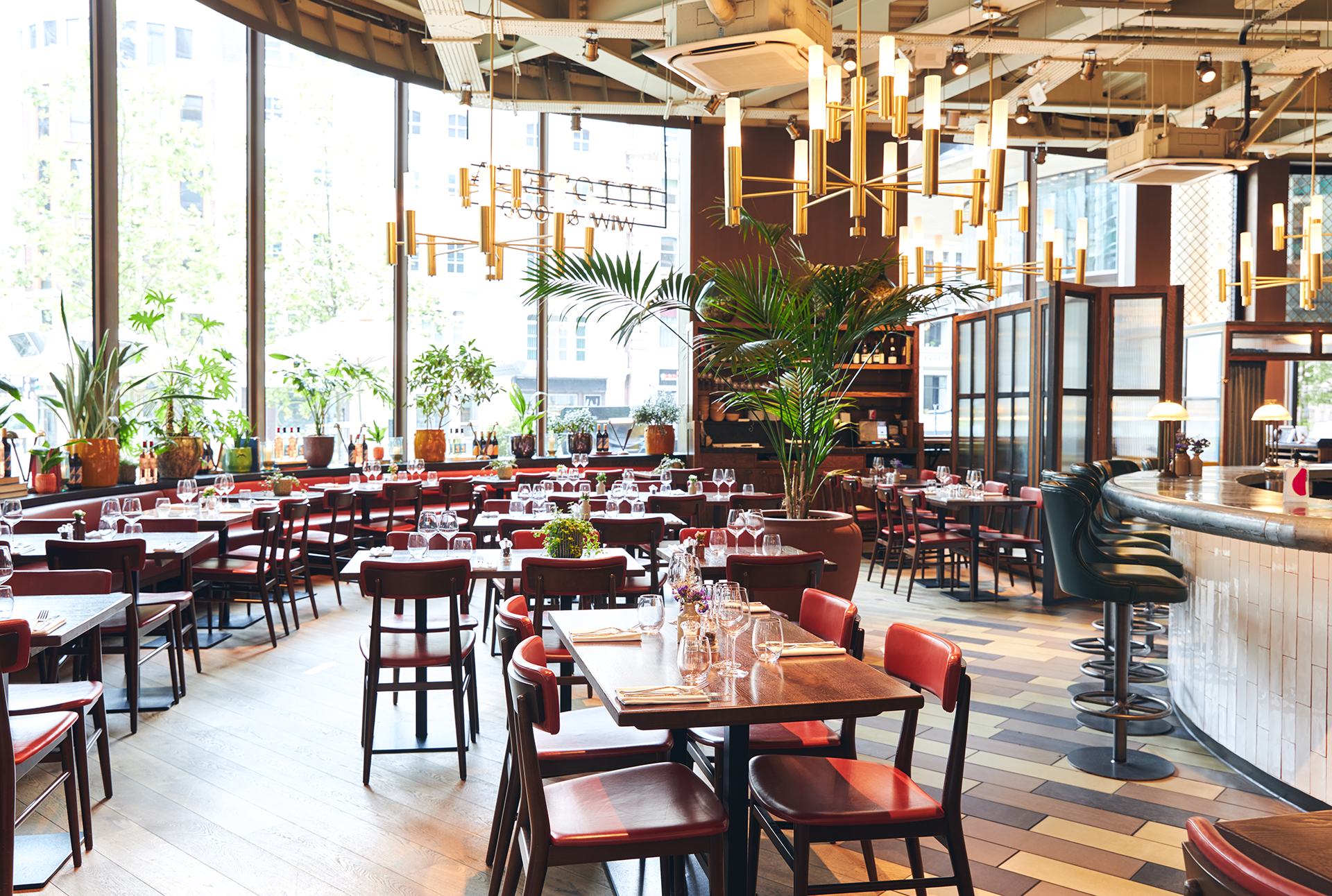
Cuisine Coverage provides specialized insurance for restaurants, cafés, and food service professionals across the country. Whether you run a casual kitchen or a mobile food truck, we offer coverage that fits your operations and risk level.
How It Works
Insurance Made Easy for Food Business Owners
We know you don’t have time to deal with complicated insurance forms. That’s why our process is built for speed and simplicity — so you can get back to running your kitchen.
Your Insurance Questions Answered
What Restaurant and Food Business Owners Ask Most
What types of insurance do restaurants and food businesses need?
Most food businesses need general liability, property, and workers’ compensation coverage. These protect against injuries, equipment damage, and employee-related incidents. Businesses serving alcohol should also include liquor liability insurance for extra protection.
Having the right mix of policies helps reduce financial risks. We’ll help you identify the specific coverages your business needs based on your setup, size, and operations.
Do you provide insurance for food trucks and mobile kitchens?
Yes. We specialize in insurance for food trucks, trailers, and mobile vendors. Our coverage includes vehicle protection, cooking equipment, and liability for events or customer interactions.
We can also help you meet licensing and vendor requirements by issuing certificates of insurance quickly — often the same day.
How fast can I get a quote or start coverage?
In most cases, quotes are ready within 24 hours once we have your business details. After approval, coverage and certificates can be issued immediately.
Our process is fully digital but supported by real agents who review each policy for accuracy. You’ll always know exactly what you’re getting before coverage starts.
Do you offer liquor liability insurance for bars or restaurants?
Yes. We provide liquor liability insurance for bars, taverns, and restaurants that sell or serve alcohol. This coverage protects against claims involving intoxicated patrons or alcohol-related incidents.
It’s essential for maintaining compliance with local laws and protecting your business from costly lawsuits. We’ll ensure your policy meets all licensing requirements.
How can I reduce my insurance costs?
You can often lower premiums by bundling multiple coverages, maintaining clean safety records, and conducting regular policy reviews. Many insurers also offer discounts for installing safety systems and training employees.
At Cuisine Coverage, we proactively review your policy before renewal to help you keep costs down without reducing protection.
Do you help with certificates of insurance (COIs)?
Yes. We provide same-day certificates for vendors, landlords, and event partners. You can request them by phone or email anytime.
Having your COI ready keeps your business compliant and avoids delays in operations. Our team handles these requests quickly so you can stay focused on running your business.
From the Kitchen to Coverage
Real Advice for the Food and Hospitality Industry
We share tips, updates, and real-world stories from the food and insurance industries. Whether you’re managing a restaurant or rolling out a food truck, our articles give you useful guidance to protect your business and grow with confidence.
Contact Us
Phone
Location