Restaurant Equipment INSURANCE
OR call us: (214) 667-2729
Imagine the fryer suddenly stops working during the dinner rush, or the refrigeration unit fails on a busy weekend. These breakdowns not only disrupt service but can also lead to costly repairs and lost revenue. For restaurant owners, protecting kitchen equipment is more than just maintenance; it’s about securing the lifeblood of the business. Understanding restaurant equipment insurance is key to managing these risks effectively.
Between January 2021 and July 2024, equipment breakdown was the leading cause of restaurant insurance claims, accounting for 17% of all claims, according to data from
Oysterlink. This makes it a critical area for coverage consideration, especially as restaurants face rising operational costs and increasing industry pressures.
Why Equipment Breakdown Claims Are So Common
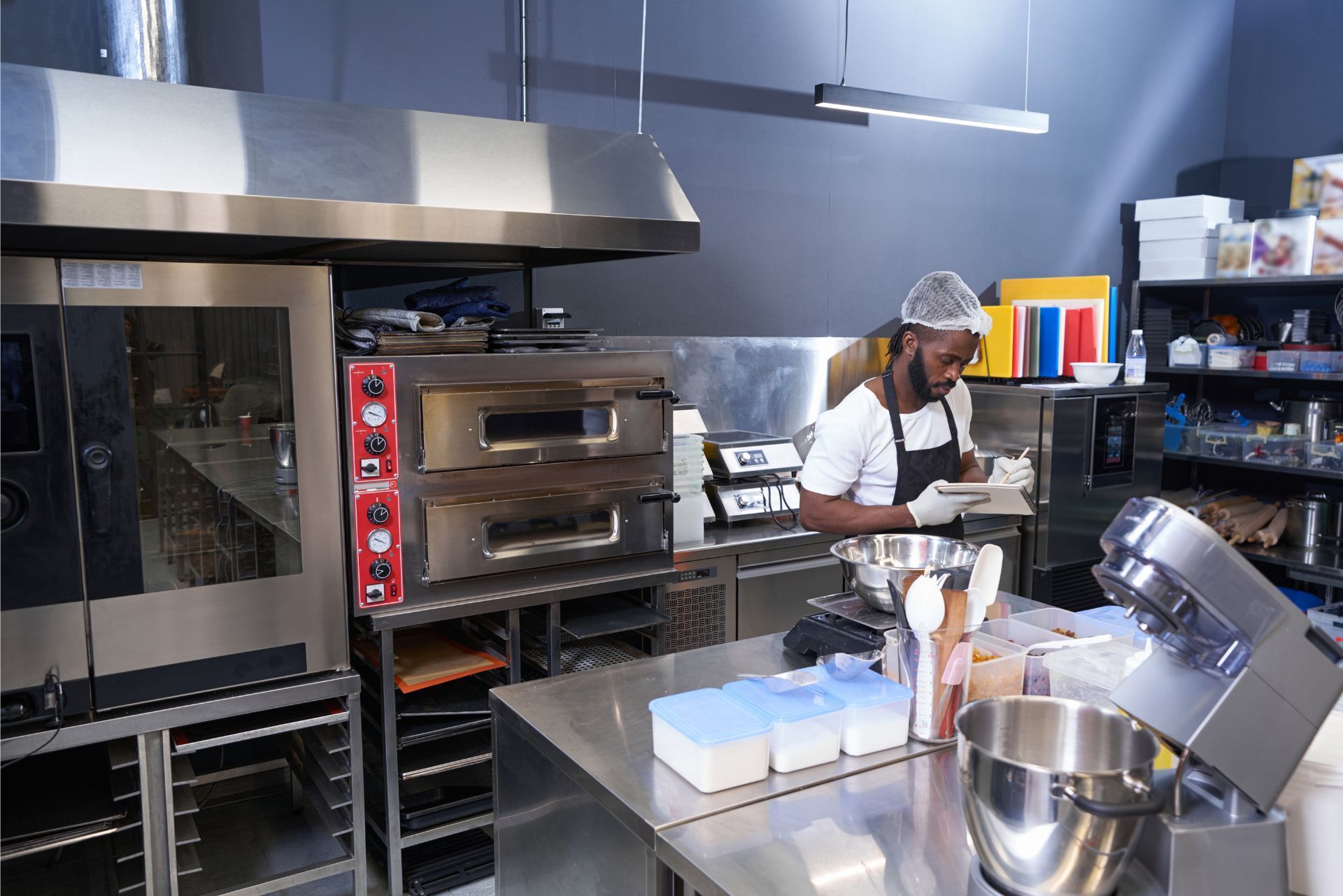
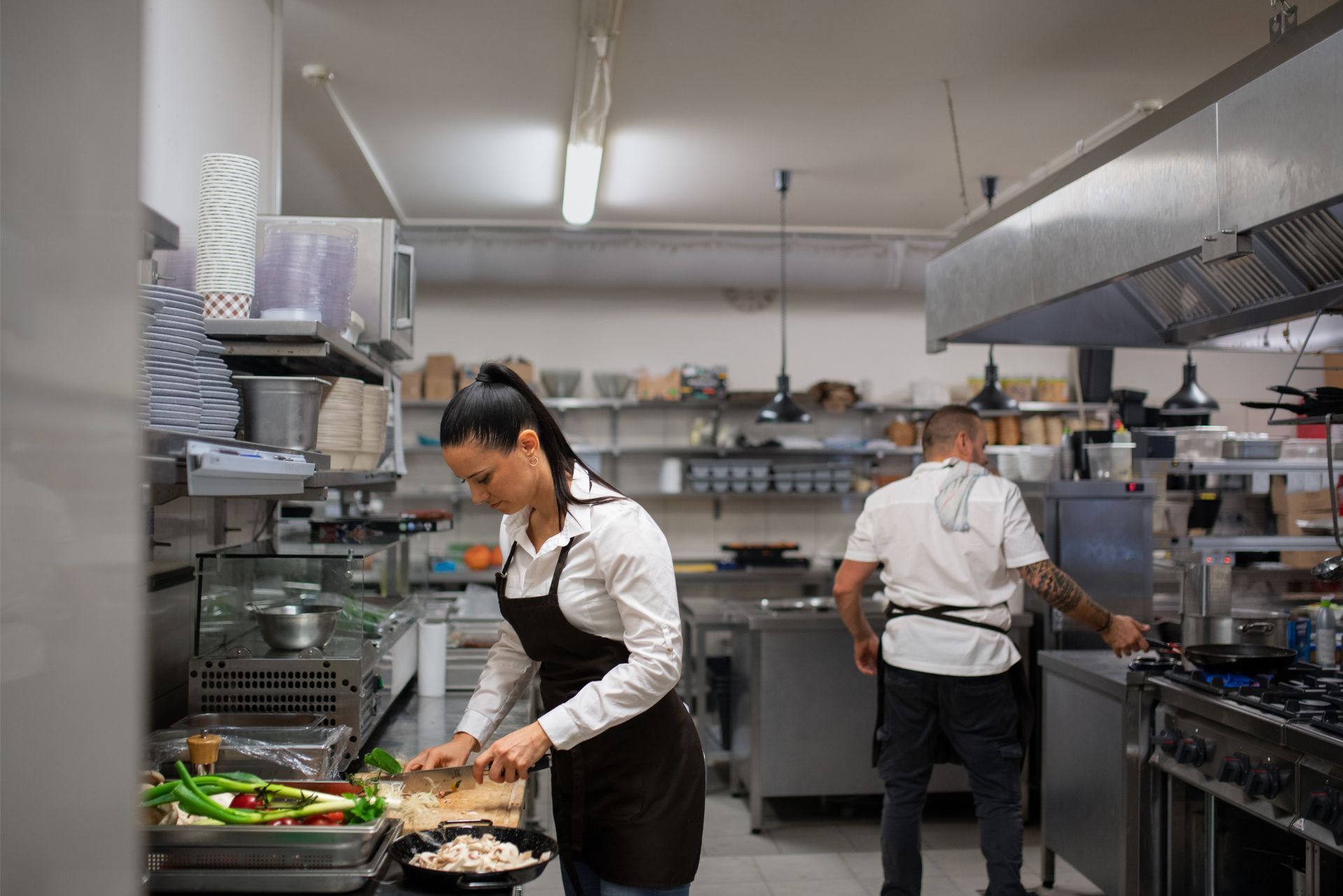
Kitchen equipment endures heavy use every day. From ovens and stoves to refrigeration and dishwashers, these machines work nonstop to keep the restaurant running smoothly. Over time, wear and tear can lead to mechanical failures or electrical issues. When equipment breaks down unexpectedly, the resulting downtime can cause a domino effect - spoiled food, delayed orders, and unhappy customers.
Equipment breakdown claims include more than just physical damage. They often cover the costs of repairs, replacement parts, and sometimes even lost income during the downtime. For fine dining establishments, these claims tend to be significantly higher than average, sometimes nearly double the typical $9,000 loss reported by other restaurants, highlighting the importance of tailored insurance solutions for different types of operations.
Given the frequency and cost of these claims, it’s clear why having specialized equipment insurance is vital. It helps restaurants avoid major financial hits when their kitchen technology fails. Additionally, the complexity of modern kitchen equipment means that even minor issues can escalate quickly. For instance, a malfunctioning refrigerator can lead to a complete loss of inventory, resulting in thousands of dollars in wasted food and lost sales. Restaurants must also consider the potential impact on their reputation; a single night of poor service due to equipment failure can deter customers from returning.
Moreover, the rapid evolution of kitchen technology adds another layer of risk. With the introduction of smart appliances and integrated systems, the potential for software glitches or
cybersecurity threats increases. Restaurants that invest in cutting-edge equipment may find themselves facing unique challenges, as traditional insurance policies may not adequately cover these advanced technologies. As such, restaurant owners must stay informed about their insurance options and ensure they have comprehensive coverage that addresses the specific risks associated with their equipment and operational needs.

By: Dustin Hulett
Founder & CEO of Cuisine Coverage
What Does Restaurant Equipment Insurance Cover?
Restaurant equipment insurance typically protects against sudden and accidental breakdowns of essential kitchen machinery. This includes:
- Refrigerators and freezers
- Ovens, stoves, and ranges
- Dishwashers and sinks
- Heating, ventilation, and air conditioning (HVAC) systems
- Electrical panels and wiring related to kitchen equipment
Coverage often extends to the costs of repairing or replacing damaged equipment, as well as expenses related to business interruption caused by the breakdown. This means restaurants can recover lost income during the repair period, a crucial factor considering the average labor costs for restaurants have risen by 31% over the past four years, according to the National Restaurant Association. Furthermore, the potential for equipment failure can lead to significant losses in inventory, especially for establishments that rely heavily on fresh ingredients. A malfunctioning refrigerator can spoil thousands of dollars worth of food, making timely repairs not just a matter of convenience but a critical financial necessity.
However, it’s important to note that not all policies are created equal. Some may exclude wear and tear or require regular maintenance documentation to qualify for claims. Understanding the fine print and working with an insurance provider who knows the restaurant industry can make a significant difference. Additionally, some policies might offer optional add-ons, such as coverage for equipment breakdown due to power surges or natural disasters, which can further safeguard a restaurant's operations. As restaurants often operate on thin margins, investing in comprehensive equipment insurance can provide peace of mind, allowing owners to focus on delivering exceptional dining experiences without the constant worry of unexpected equipment failures.
How Rising Costs and Risks Impact Insurance Needs
Labor costs, equipment expenses, and the risk of catastrophic weather events all play a role in shaping insurance premiums and coverage requirements. For instance, property insurance rates have surged due to an unprecedented number of catastrophic weather events, which Moody’s estimates have caused $100 billion in losses over the past five years. This trend directly affects restaurant owners, especially those in vulnerable regions. The increase in frequency and severity of storms, floods, and wildfires means that restaurant owners must now consider not only their immediate operational costs but also the long-term sustainability of their businesses in the face of these environmental threats.
Additionally, nearly 40% of restaurant owners still operate without business insurance, a figure that rose from 29% just a year earlier. This leaves a significant portion of the industry exposed to potentially devastating losses. Without proper coverage, a single equipment failure could lead to a chain reaction of financial strain, especially as restaurant sales are projected to hit a record $1 trillion in 2024, driving more competition and tighter margins. The lack of insurance can also hinder a restaurant's ability to secure financing or attract investors, as lenders often require proof of adequate coverage before approving loans. This creates a precarious situation for many owners who may be forced to operate on thin margins while risking their entire investment.
Given these challenges, investing in comprehensive equipment insurance is a strategic move to safeguard the kitchen and the business as a whole. Such policies not only cover the cost of replacing or repairing essential kitchen equipment but can also provide peace of mind during peak seasons when the risk of breakdowns is heightened. Moreover, restaurant owners should consider additional coverage options, such as business interruption insurance, which can help mitigate losses during unforeseen closures. By proactively addressing these insurance needs, restaurant owners can better position themselves to weather the storms—both literally and figuratively—that threaten their livelihoods.
Choosing the Right Equipment Insurance for Your Restaurant
Finding the right insurance involves assessing your specific risks and understanding the scope of coverage. Here are some key considerations:
Evaluate Your Equipment and Usage
List all critical kitchen equipment and note their age, condition, and maintenance history. Older machines might require more frequent repairs, increasing the risk of breakdowns. This information helps in selecting coverage limits and identifying potential exclusions. Additionally, consider the frequency of use for each piece of equipment; high-use items, such as ovens and fryers, may warrant more comprehensive coverage due to their essential role in daily operations. Keeping a detailed inventory can also assist in negotiations with insurers, as it demonstrates diligence and preparedness.
Consider Business Interruption Coverage
When equipment fails, the kitchen often cannot operate, leading to lost sales. Business interruption coverage compensates for this lost income, helping restaurants stay afloat during repairs. This is particularly important for fine dining venues where claim costs tend to be higher. Moreover, understanding the duration of coverage is crucial; some policies may only cover a limited timeframe, while others offer extended periods that can be beneficial in the event of significant repairs or replacements. Restaurants should also assess their peak business periods to ensure that coverage aligns with their operational calendar.
Understand Policy Exclusions and Deductibles
Some policies exclude damage caused by gradual wear and tear or lack of maintenance. Others might have high deductibles that could make small claims less practical. Clarifying these details upfront prevents surprises when filing a claim. It's also wise to inquire about any additional endorsements that can be added to the policy, which may cover specific risks unique to your establishment, such as equipment breakdowns due to power surges or natural disasters. These tailored options can provide a more comprehensive safety net for your restaurant.
Working with an insurance provider experienced in hospitality can streamline this process. As Effi Fuks Leichtag, Chief Product Officer at NEXT Insurance, points out, analyzing data trends helps businesses plan smarter and grow sustainably. This expertise is invaluable when tailoring coverage to your restaurant’s unique needs. Furthermore, engaging in regular reviews of your insurance policy can ensure that it evolves alongside your business, adapting to new equipment acquisitions or changes in operational scale. Staying proactive in these discussions can lead to better rates and more suitable coverage options over time.
Preventive Measures to Reduce Equipment Breakdown Risks
Insurance is essential, but prevention remains the best defense. Regular maintenance, staff training, and timely upgrades can significantly reduce the likelihood of equipment failure.
Implement a maintenance schedule that includes routine inspections, cleaning, and servicing of all kitchen appliances. Train employees to recognize early warning signs of malfunction and encourage prompt reporting. Investing in quality equipment and replacing outdated machines before they fail can also save money in the long run.
These steps not only lower the risk of costly breakdowns but can also positively impact insurance premiums. Insurers often reward businesses that demonstrate proactive risk management.
In addition to regular maintenance, consider leveraging technology to enhance your preventive measures. Utilizing equipment monitoring systems can provide real-time data on performance and alert staff to potential issues before they escalate. For example, smart sensors can track temperature fluctuations in refrigeration units, ensuring that food safety standards are maintained while also preventing costly spoilage. Furthermore, integrating a digital maintenance log can streamline the tracking of service history, making it easier to identify patterns that may indicate underlying problems.
Moreover, fostering a culture of safety and accountability among staff is crucial. Encourage team members to participate in safety drills and workshops, which can enhance their understanding of equipment operation and maintenance. By empowering employees to take ownership of their roles, businesses can create an environment where everyone is vigilant about equipment care. This not only leads to fewer breakdowns but also boosts morale, as employees feel valued and engaged in the overall success of the operation.
What Happens When Equipment Breaks Down?
When a breakdown occurs, quick action is crucial. Document the incident thoroughly with photos and repair estimates. Notify your insurance provider promptly to start the claims process. Having detailed records of maintenance and repairs can speed up approval and reimbursement.
Keep in mind that the average claim cost for equipment breakdowns hovers around $9,000, but this can vary widely depending on the type of restaurant and equipment affected. Fine dining establishments, for example, often face nearly double these costs due to specialized equipment and higher operational stakes.
In addition to the immediate financial implications, equipment breakdowns can also disrupt service and negatively impact customer satisfaction. A malfunctioning oven or refrigerator can lead to spoiled food and lost revenue, as well as a tarnished reputation if customers experience delays or subpar meals. Therefore, it is essential for restaurant owners to have contingency plans in place, such as backup equipment or alternative suppliers, to mitigate the effects of a breakdown. Regular training for staff on how to handle equipment failures can also ensure that they are prepared to act swiftly and efficiently in such situations.
Moreover, investing in preventative maintenance can significantly reduce the likelihood of unexpected breakdowns. Establishing a routine check-up schedule for all equipment, from dishwashers to HVAC systems, can help identify potential issues before they escalate into costly repairs. Many restaurants have found success by partnering with specialized maintenance companies that offer comprehensive service agreements, which not only provide regular inspections but also prioritize emergency repairs. This proactive approach not only safeguards the restaurant's operations but can also lead to long-term savings by extending the lifespan of expensive equipment.
Balancing Coverage and Cost
Insurance premiums can be a significant expense, especially as labor and operational costs rise. However, the cost of going without coverage or having inadequate protection can be far greater. A single equipment failure can quickly lead to thousands in repair bills and lost sales.
To find the best balance, consider bundling equipment insurance with other business policies such as general liability or workers compensation. This can often lead to discounts and simplified management. Also, regularly review your coverage to ensure it matches your current equipment inventory and business size.
Tim Smith, Senior Vice President at IMA Financial Group, highlights the importance of understanding market dynamics, especially with insurance rate hikes driven by external factors like extreme weather. Staying informed helps restaurant owners make smarter insurance decisions and avoid unexpected costs.
Frequently Asked Questions About Restaurant Equipment Insurance
Q: Is equipment breakdown coverage included in standard restaurant insurance?
A: Not always. Many standard policies exclude equipment breakdown, so it’s important to check and add specific coverage if needed.
Q: How can I lower my equipment insurance premiums?
A: Regular maintenance, installing safety devices, and bundling policies can help reduce premiums.
Q: Does equipment insurance cover damage caused by power surges?
A: Coverage varies by policy. Some include electrical damage, while others require additional endorsements.
Q: What should I do if my kitchen equipment breaks down during peak hours?
A: Prioritize safety, document the issue, notify your insurer promptly, and arrange for repairs as soon as possible.
Q: Can equipment insurance cover losses from food spoilage?
A: Yes, if the spoilage results from a covered equipment breakdown like refrigeration failure.
Q: Are leased kitchen appliances covered under equipment insurance?
A: Coverage depends on the policy and lease agreements. Verify with your insurer and leasing company.
Q: How often should I review my equipment insurance policy?
A: At least annually, or whenever you add or replace significant kitchen equipment.
What to Remember When Protecting Your Kitchen
Kitchen equipment is the backbone of any restaurant. Protecting it with the right insurance coverage ensures that unexpected breakdowns don’t turn into business disasters. With equipment breakdown claims leading the pack in restaurant insurance, it pays to be prepared.
Combine insurance with preventive maintenance and stay informed about industry trends and risks. This approach helps restaurants not only survive but thrive in a competitive market projected to reach $1 trillion in sales this year. Protect your kitchen wisely to keep your doors open and your customers satisfied.
For more insights on restaurant insurance trends and risk management, see the
Insurance Journal's feature on hospitality insurance and the
Alera Group's analysis of the restaurant insurance market.
About The Author:
Dustin Hulett
As Owner of Cuisine Coverage powered by Hulett Insurance, I specialize in protecting restaurants, bars, and hospitality businesses with smart, reliable insurance solutions. With years of experience serving the food and beverage industry, my goal is to make coverage simple, transparent, and built around the unique risks that owners face every day.
Contact Us
Business Coverage
Protection for Every Part of Your Food Business
Cuisine Coverage provides specialized insurance for restaurants, food trucks, catering services, and other hospitality businesses. We help owners protect their property, staff, and reputation with policies built around the most common industry risks.

General Liability Insurance
Protects your business from claims related to injury, property damage, or accidents that happen during operations.
General Liability
Liquor Liability Insurance
Covers alcohol-related incidents for restaurants, bars, or venues that serve or sell alcohol.
Liquor Liability
Workers Compensation Insurance
Provides wage replacement and medical benefits to employees injured on the job.
Workers Compensation
Business Interruption Insurance
Helps replace lost income and cover ongoing expenses if your business operations are temporarily halted.
Business Interruption
Product Liability Insurance
Protects against claims related to foodborne illness, contamination, or product defects.
Product Liability
Cyber Liability Insurance
Covers data breaches, online payment issues, and digital risks that can affect modern food businesses.
Cyber Liability
Serving the Food and Hospitality Industry
Insurance Solutions for Every Type of Food Business
Cuisine Coverage provides specialized insurance for restaurants, cafés, and food service professionals across the country. Whether you run a casual kitchen or a mobile food truck, we offer coverage that fits your operations and risk level.

How It Works
Insurance Made Easy for Food Business Owners
We know you don’t have time to deal with complicated insurance forms. That’s why our process is built for speed and simplicity — so you can get back to running your kitchen.
Your Insurance Questions Answered
What Restaurant and Food Business Owners Ask Most
What types of insurance do restaurants and food businesses need?
Most food businesses need general liability, property, and workers’ compensation coverage. These protect against injuries, equipment damage, and employee-related incidents. Businesses serving alcohol should also include liquor liability insurance for extra protection.
Having the right mix of policies helps reduce financial risks. We’ll help you identify the specific coverages your business needs based on your setup, size, and operations.
Do you provide insurance for food trucks and mobile kitchens?
Yes. We specialize in insurance for food trucks, trailers, and mobile vendors. Our coverage includes vehicle protection, cooking equipment, and liability for events or customer interactions.
We can also help you meet licensing and vendor requirements by issuing certificates of insurance quickly — often the same day.
How fast can I get a quote or start coverage?
In most cases, quotes are ready within 24 hours once we have your business details. After approval, coverage and certificates can be issued immediately.
Our process is fully digital but supported by real agents who review each policy for accuracy. You’ll always know exactly what you’re getting before coverage starts.
Do you offer liquor liability insurance for bars or restaurants?
Yes. We provide liquor liability insurance for bars, taverns, and restaurants that sell or serve alcohol. This coverage protects against claims involving intoxicated patrons or alcohol-related incidents.
It’s essential for maintaining compliance with local laws and protecting your business from costly lawsuits. We’ll ensure your policy meets all licensing requirements.
How can I reduce my insurance costs?
You can often lower premiums by bundling multiple coverages, maintaining clean safety records, and conducting regular policy reviews. Many insurers also offer discounts for installing safety systems and training employees.
At Cuisine Coverage, we proactively review your policy before renewal to help you keep costs down without reducing protection.
Do you help with certificates of insurance (COIs)?
Yes. We provide same-day certificates for vendors, landlords, and event partners. You can request them by phone or email anytime.
Having your COI ready keeps your business compliant and avoids delays in operations. Our team handles these requests quickly so you can stay focused on running your business.
From the Kitchen to Coverage
Real Advice for the Food and Hospitality Industry
We share tips, updates, and real-world stories from the food and insurance industries. Whether you’re managing a restaurant or rolling out a food truck, our articles give you useful guidance to protect your business and grow with confidence.
Contact Us
Phone
Location