Louisiana Franchisee and Franchisor Restaurant INSURANCE
OR call us: (214) 667-2729
Running a franchise restaurant in Louisiana means dealing with risks that most other states don't share: hurricane season stretching from June through November, some of the highest
workers' compensation costs in the South, and a legal environment that favors plaintiffs in personal injury cases. Whether you own a single Popeyes location in Baton Rouge or manage a
multi-unit Raising Cane's operation across the Gulf Coast, your insurance portfolio needs to reflect both your franchisor's contractual demands and Louisiana's unique exposure profile. Understanding how
restaurant insurance works for both franchisees and franchisors in Louisiana isn't optional knowledge; it's the difference between surviving a bad year and closing your doors permanently. Roughly 76.4% of Louisiana business owners have experienced premium increases in recent years, contributing to a 27.2% rise in restaurant menu prices. That pressure makes it critical to know exactly what coverage you need, what you can skip, and where you're overpaying.
Core Liability Protections for Louisiana Franchisees
Liability claims are the single fastest way for a restaurant to hemorrhage money. Louisiana's direct-action statute allows injured parties to sue your insurer directly, which means claims move quickly and settle expensively. Your liability program needs to be airtight from day one.
General Liability and Slip-and-Fall Coverage
General liability (GL) is the foundation of every
franchise restaurant's insurance program. It covers bodily injury and property damage claims from third parties, including the classic slip-and-fall on a wet floor. Most franchise agreements require a minimum of $1 million per occurrence and $2 million aggregate. In Louisiana, where jury awards tend to run higher than the national median, many franchisees carry $5 million or more through an umbrella policy layered on top of the base GL. A single slip-and-fall verdict in Orleans Parish can easily exceed $500,000, so skimping here is a poor gamble.
Liquor Liability for Full-Service Concepts
If your franchise serves alcohol, whether it's a Buffalo Wild Wings or a locally branded daiquiri concept, you need a separate liquor liability policy. Louisiana's dram shop laws hold establishments liable when they serve visibly intoxicated patrons who later cause injury. Premiums for liquor liability typically range from $2,500 to $8,000 annually depending on your alcohol-to-food sales ratio. Franchises where alcohol accounts for more than 30% of revenue will see steeper rates. Training your staff through programs like TIPS or ServSafe Alcohol can help reduce those premiums by 5% to 15%.
Product Liability and Foodborne Illness Claims
A single norovirus outbreak can generate dozens of claims simultaneously. Product liability coverage protects you when a customer alleges illness from food prepared at your location. This is typically included within your GL policy, but you should confirm that the coverage extends to contamination events. Louisiana's warm climate accelerates spoilage risk, and the state's health department actively investigates foodborne illness clusters. Keep detailed temperature logs and HACCP records; your insurer will want them if a claim arises.
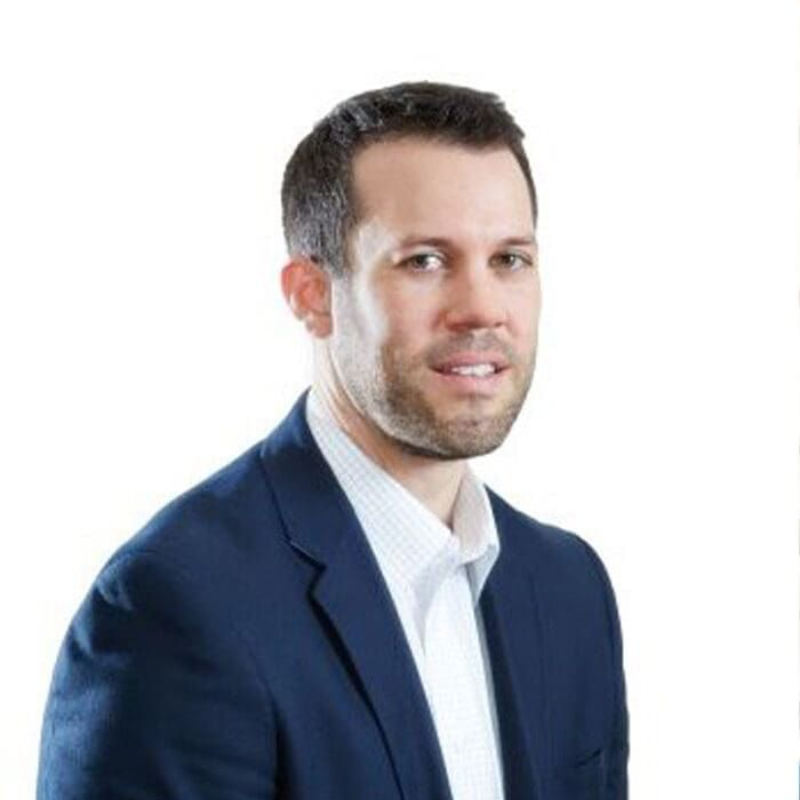
By: Dustin Hulett
Founder & CEO of Cuisine Coverage
Protecting Physical Assets Against Coastal Risks
Louisiana's geography creates property insurance challenges that franchise operators in landlocked states simply don't face. Your building, your equipment, and your income stream all need protection against weather events that can shut you down for weeks.
Commercial Property and Kitchen Equipment Insurance
A standard commercial property policy covers your building (if you own it), tenant improvements, and business personal property like fryers, walk-in coolers, and POS terminals. For a mid-sized franchise restaurant, equipment replacement values often run between $150,000 and $400,000. Don't rely on a generic estimate. Walk through your kitchen with your agent and document every piece of specialized equipment, from combi ovens to commercial smokers. Custom buildouts, branded signage, and interior finishes should be scheduled separately to ensure accurate replacement cost coverage.
Windstorm and Hurricane Deductibles in Louisiana
Here's where Louisiana gets expensive. Most standard property policies exclude wind damage in coastal parishes. You'll need a separate windstorm policy, often through the Louisiana Citizens Property Insurance Corporation if private market options are limited. Hurricane deductibles in Louisiana typically run between 2% and 5% of the insured value, meaning a restaurant insured for $500,000 could face a $10,000 to $25,000 out-of-pocket deductible per named storm. Budget for this. It catches first-time franchise owners off guard every hurricane season.
Business Interruption and Extra Expense Coverage
When a hurricane forces your restaurant to close for three weeks, your fixed costs don't stop. Rent, loan payments, and payroll for key employees all continue. Business interruption insurance replaces lost income during the closure period, while extra expense coverage pays for costs like renting a temporary location or expediting equipment repairs. Make sure your policy includes a civil authority provision, which kicks in when the government orders an evacuation or curfew that prevents you from operating even if your building is undamaged.
Louisiana State Mandates and Workforce Coverage
Louisiana requires specific coverages that directly affect your payroll costs and legal exposure as an employer.
Workers' Compensation Compliance and Rates
Louisiana mandates workers' compensation for any business with one or more employees, with no exceptions for restaurant franchises. The state's workers' comp rates for restaurant operations (classification code 9082/9083) are among the higher ones in the region. Expect to pay roughly $3.50 to $5.00 per $100 of payroll, though your experience modification rate can push that number up or down significantly. Burns, cuts, and repetitive strain injuries are the most common claims in restaurant kitchens. Installing proper guard equipment on slicers and mandating non-slip footwear can reduce your mod rate over time.
Employment Practices Liability Insurance (EPLI)
EPLI covers claims of wrongful termination, discrimination, sexual harassment, and wage-and-hour disputes. Franchise restaurants with high turnover, which describes most of them, face elevated EPLI exposure. A single harassment claim can cost $75,000 to $150,000 to defend, even if you win. Most franchise agreements don't require EPLI, but carrying it is smart
risk management. Policies typically start around $1,200 annually for a single-location franchise with fewer than 25 employees.
Franchisor Insurance Requirements and Compliance
Your franchise agreement is an insurance document as much as it is a business contract. Failing to meet its insurance specifications can put your franchise rights at risk.
Understanding Minimum Coverage Limits in Franchise Agreements
Every major franchisor specifies minimum insurance requirements in the Franchise Disclosure Document (FDD). These typically include GL at $1 million/$2 million, commercial auto at $1 million combined single limit, workers' compensation at statutory limits, and umbrella coverage of $5 million or more. Some franchisors, particularly national brands like McDonald's or Chick-fil-A, mandate higher limits. Review your FDD carefully and compare it against your current policy declarations page at every renewal. Falling out of compliance, even temporarily, can trigger a default notice.
Additional Insured Status and Indemnification
Nearly every franchise agreement requires you to name the franchisor as an additional insured on your GL and umbrella policies. This means your insurance responds first if someone sues both you and the franchisor over an incident at your location. The indemnification clause in your franchise agreement likely requires you to hold the franchisor harmless for claims arising from your operations. Make sure your agent endorses the franchisor correctly on your policy; a misspelled entity name or wrong address can create coverage gaps during a claim.
Specialized Endorsements for Modern Food Service
Standard policies leave gaps that modern restaurant operations expose daily. These endorsements fill those holes.
Cyber Liability for POS and Online Ordering Systems
A data breach affecting your POS system or third-party ordering platform can expose thousands of customer credit card numbers. Cyber liability coverage pays for notification costs, credit monitoring, forensic investigation, and legal defense. For a single franchise location, expect premiums between $500 and $2,000 annually for $1 million in coverage. With most franchises now running integrated digital ordering through apps and kiosks, this endorsement has moved from optional to essential.
Spoilage and Power Outage Endorsements
Louisiana's storm season means power outages are a near certainty. A spoilage endorsement covers the cost of food inventory lost due to equipment breakdown or power failure. For a restaurant carrying $15,000 to $30,000 in perishable inventory at any given time, this endorsement typically costs $200 to $500 annually. It pays for itself the first time a transformer blows during August.
Hired and Non-Owned Auto Liability for Delivery
If your employees use personal vehicles for deliveries, catering runs, or bank deposits, you need hired and non-owned auto (HNOA) coverage. Your commercial GL policy won't cover auto accidents, and your employee's personal auto policy may exclude business use. HNOA coverage typically adds $300 to $800 annually to your policy and protects you when an employee causes an accident while on the clock.
Premiums in Louisiana are high, but they're not immovable. Bundling your GL, property, and business income coverage into a Business Owner's Policy (BOP) can save 10% to 20% compared to purchasing each policy separately. Installing a monitored fire suppression system and maintaining current ServSafe certifications for your management team signal lower risk to underwriters. Work with a broker who specializes in restaurant franchises rather than a generalist agent; they'll know which carriers are competitive in Louisiana's coastal market and which ones quietly non-renew after a single claim. Request quotes from at least three carriers at every renewal, and ask your broker about loss-sensitive programs if you operate multiple locations.
| Coverage Type | Typical Annual Premium | Common Minimum Limit |
|---|---|---|
| General Liability | $3,000 - $7,500 | $1M per occurrence / $2M aggregate |
| Commercial Property | $4,000 - $15,000+ | Replacement cost value |
| Workers' Compensation | $3.50 - $5.00 per $100 payroll | Statutory |
| Liquor Liability | $2,500 - $8,000 | $1M per occurrence |
| EPLI | $1,200 - $4,000 | $500K - $1M |
| Cyber Liability | $500 - $2,000 | $1M |
| Umbrella | $1,500 - $5,000 | $5M |
Louisiana franchise restaurant insurance demands more attention than a standard small business policy. Between franchisor compliance requirements, coastal property risks, and the state's plaintiff-friendly legal system, your coverage gaps can become six-figure problems overnight. Start by pulling your franchise agreement and comparing its insurance requirements line by line against your current declarations pages. Identify any gaps in windstorm, spoilage, or cyber coverage. Then sit down with a broker who knows both the restaurant industry and the Louisiana market. The right coverage won't just keep you compliant with your franchisor; it'll keep your business standing after the next storm rolls through.
Frequently Asked Questions
Does my franchisor's insurance cover my individual location? No. The franchisor's policy protects the franchisor, not your specific restaurant. You're required to carry your own coverage and name the franchisor as an additional insured on your policies.
How much does restaurant franchise insurance cost in Louisiana per year? A single-location franchise restaurant in Louisiana typically spends $15,000 to $40,000 annually on a full insurance program, depending on location, sales volume, and whether you serve alcohol.
Can I use my personal auto insurance for delivery drivers? Personal auto policies usually exclude business use. You need hired and non-owned auto coverage on your commercial policy to protect against accidents during deliveries or work errands.
Do I need separate flood insurance in Louisiana? Yes. Standard commercial property policies exclude flood damage. You'll need a separate flood policy, often through the National Flood Insurance Program, especially if your restaurant sits in a FEMA-designated flood zone.
What happens if I don't meet my franchisor's insurance requirements? Most franchise agreements treat insurance non-compliance as a material default. The franchisor can issue a cure notice, and if you don't correct the gap within the specified period, they can terminate your franchise agreement.
About The Author:
Dustin Hulett
As Owner of Cuisine Coverage powered by Hulett Insurance, I specialize in protecting restaurants, bars, and hospitality businesses with smart, reliable insurance solutions. With years of experience serving the food and beverage industry, my goal is to make coverage simple, transparent, and built around the unique risks that owners face every day.
Contact Us
Business Coverage
Protection for Every Part of Your Food Business
Cuisine Coverage provides specialized insurance for restaurants, food trucks, catering services, and other hospitality businesses. We help owners protect their property, staff, and reputation with policies built around the most common industry risks.

General Liability Insurance
Protects your business from claims related to injury, property damage, or accidents that happen during operations.
General Liability
Liquor Liability Insurance
Covers alcohol-related incidents for restaurants, bars, or venues that serve or sell alcohol.
Liquor Liability
Workers Compensation Insurance
Provides wage replacement and medical benefits to employees injured on the job.
Workers Compensation
Business Interruption Insurance
Helps replace lost income and cover ongoing expenses if your business operations are temporarily halted.
Business Interruption
Product Liability Insurance
Protects against claims related to foodborne illness, contamination, or product defects.
Product Liability
Cyber Liability Insurance
Covers data breaches, online payment issues, and digital risks that can affect modern food businesses.
Cyber Liability
Serving the Food and Hospitality Industry
Insurance Solutions for Every Type of Food Business
Cuisine Coverage provides specialized insurance for restaurants, cafés, and food service professionals across the country. Whether you run a casual kitchen or a mobile food truck, we offer coverage that fits your operations and risk level.
How It Works
Insurance Made Easy for Food Business Owners
We know you don’t have time to deal with complicated insurance forms. That’s why our process is built for speed and simplicity — so you can get back to running your kitchen.
Your Insurance Questions Answered
What Restaurant and Food Business Owners Ask Most
What types of insurance do restaurants and food businesses need?
Most food businesses need general liability, property, and workers’ compensation coverage. These protect against injuries, equipment damage, and employee-related incidents. Businesses serving alcohol should also include liquor liability insurance for extra protection.
Having the right mix of policies helps reduce financial risks. We’ll help you identify the specific coverages your business needs based on your setup, size, and operations.
Do you provide insurance for food trucks and mobile kitchens?
Yes. We specialize in insurance for food trucks, trailers, and mobile vendors. Our coverage includes vehicle protection, cooking equipment, and liability for events or customer interactions.
We can also help you meet licensing and vendor requirements by issuing certificates of insurance quickly — often the same day.
How fast can I get a quote or start coverage?
In most cases, quotes are ready within 24 hours once we have your business details. After approval, coverage and certificates can be issued immediately.
Our process is fully digital but supported by real agents who review each policy for accuracy. You’ll always know exactly what you’re getting before coverage starts.
Do you offer liquor liability insurance for bars or restaurants?
Yes. We provide liquor liability insurance for bars, taverns, and restaurants that sell or serve alcohol. This coverage protects against claims involving intoxicated patrons or alcohol-related incidents.
It’s essential for maintaining compliance with local laws and protecting your business from costly lawsuits. We’ll ensure your policy meets all licensing requirements.
How can I reduce my insurance costs?
You can often lower premiums by bundling multiple coverages, maintaining clean safety records, and conducting regular policy reviews. Many insurers also offer discounts for installing safety systems and training employees.
At Cuisine Coverage, we proactively review your policy before renewal to help you keep costs down without reducing protection.
Do you help with certificates of insurance (COIs)?
Yes. We provide same-day certificates for vendors, landlords, and event partners. You can request them by phone or email anytime.
Having your COI ready keeps your business compliant and avoids delays in operations. Our team handles these requests quickly so you can stay focused on running your business.
From the Kitchen to Coverage
Real Advice for the Food and Hospitality Industry
We share tips, updates, and real-world stories from the food and insurance industries. Whether you’re managing a restaurant or rolling out a food truck, our articles give you useful guidance to protect your business and grow with confidence.
Contact Us
Phone
Location