Mississippi Franchisee and Franchisor Restaurant INSURANCE
OR call us: (214) 667-2729
Running a franchise restaurant in Mississippi means juggling two sets of expectations: the franchisor's corporate standards and the state's own regulatory requirements. A single insurance gap can leave you exposed to lawsuits, property damage, or compliance violations that threaten your entire operation. Whether you own a single-unit franchise on the Gulf Coast or oversee dozens of locations across the state as a franchisor, your insurance program needs to satisfy both sides of that equation. The right coverage protects your physical assets, your employees, and your legal standing under Mississippi law. Getting it wrong doesn't just risk a denied claim; it can void your franchise agreement entirely. Mississippi franchisee and franchisor restaurant insurance isn't a one-size-fits-all product, and understanding the specific layers involved is the first step toward building a policy that actually works for your business.
Core Insurance Requirements for Mississippi Restaurants
Every restaurant in Mississippi faces a baseline set of insurance obligations, regardless of whether it's a franchise or an independent operation. These requirements come from state law, landlord agreements, and basic business risk. Missing any of them can result in fines, lawsuits, or forced closures.
General Liability and Property Coverage
General liability insurance is the foundation of any restaurant policy. It covers third-party bodily injury and property damage, like a customer slipping on a wet floor or a server accidentally spilling hot coffee. Most franchise agreements require a minimum of $1 million per occurrence and $2 million aggregate. Property coverage protects your building (if you own it), equipment, furniture, and inventory from fire, theft, and other covered perils.
One common mistake franchise owners make is underinsuring their equipment. A commercial fryer, walk-in cooler, or specialty pizza oven can cost $15,000 to $50,000 to replace. If your property coverage is based on outdated valuations, you'll face a significant gap at claim time. Review your equipment schedule annually and update it whenever you add or replace items. Businesses looking to establish operations in Mississippi should factor these costs into their startup budgets from day one.
Mississippi Workers' Compensation Laws
Mississippi requires workers' compensation insurance for any employer with five or more employees. Restaurants almost always hit that threshold. Workers' comp covers medical expenses and lost wages for employees injured on the job, from knife cuts and burns to slip-and-fall accidents.
The premiums depend on your payroll size and classification code. Restaurant workers typically fall under classification codes with higher rates due to the physical nature of the work. Expect to pay between $2,500 and $8,000 annually for a small franchise with 10 to 15 employees. Implementing safety training programs and maintaining a clean claims history can lower your experience modification rate over time, which directly reduces premiums.
Liquor Liability for Full-Service Establishments
If your franchise serves alcohol, you need liquor liability insurance. Mississippi's dram shop laws hold establishments responsible if they serve a visibly intoxicated person who then causes injury or property damage. A single liquor liability claim can easily exceed $500,000.
Liquor liability is often excluded from standard general liability policies, so you'll need a separate endorsement or standalone policy. Premiums vary based on alcohol sales as a percentage of total revenue. A sports bar franchise where alcohol accounts for 40% of sales will pay significantly more than a family restaurant where it's 10%. Training staff through programs like ServSafe Alcohol can help reduce your risk profile and may qualify you for premium discounts.

By: Dustin Hulett
Founder & CEO of Cuisine Coverage
Balancing Franchise Agreements and State Regulations
Franchise restaurant insurance in Mississippi requires satisfying two masters. Your franchisor's operations manual spells out specific coverage types and limits, while state law sets its own minimums. Conflicts between the two aren't rare, and resolving them incorrectly can put your franchise rights at risk.
Meeting Minimum Coverage Mandates from Franchisors
Most franchise agreements specify exact insurance requirements. These typically include general liability, property, workers' comp, business auto, and umbrella coverage. Some franchisors require $5 million umbrella policies, which can feel excessive for a single-location operator but reflect the brand's overall risk management strategy.
Your franchisor may also mandate specific endorsements or policy language. For example, many require "occurrence-based" rather than "claims-made" general liability policies. Mississippi's franchise regulations, which govern the franchisor-franchisee relationship, don't typically override these contractual insurance requirements. If your franchise agreement calls for higher limits than state law requires, you must meet the higher standard. Failing to do so is often grounds for termination of your franchise agreement.
The Role of Additional Insured Endorsements
Nearly every franchisor requires that they be listed as an additional insured on your general liability policy. This endorsement gives the franchisor coverage under your policy if they're named in a lawsuit stemming from your operations. It's standard practice, but it has real implications for your coverage.
Adding your franchisor as an additional insured doesn't typically increase your premium significantly, usually $50 to $200 per year. However, you need to confirm that the endorsement language matches what your franchise agreement requires. Some franchisors want "primary and non-contributory" status, meaning your policy pays first before theirs kicks in. Your insurance agent should review both the franchise agreement and the endorsement to make sure they align. Landlords often require similar endorsements, so a single policy might carry multiple additional insured parties.
Comparing Standard vs. Specialized Restaurant Coverage
Not all restaurant insurance policies are created equal. A generic business owner's policy (BOP) may cover the basics, but franchise restaurants face specific risks that require tailored coverage. Here's how standard and specialized options compare.
Coverage Comparison Table
| Coverage Feature | Standard BOP | Specialized Restaurant Policy |
|---|---|---|
| General Liability | $1M per occurrence | $1M-$2M per occurrence |
| Property Coverage | Basic replacement cost | Equipment breakdown included |
| Food Spoilage | Often excluded | Typically $25K-$50K included |
| Liquor Liability | Excluded | Available as endorsement |
| Business Interruption | Limited (30-60 days) | Extended (up to 12 months) |
| Hired/Non-Owned Auto | Excluded | Available as endorsement |
| Equipment Breakdown | Excluded | Included for commercial kitchen gear |
| Typical Annual Premium | $2,500-$5,000 | $5,000-$12,000 |
A specialized restaurant policy costs more upfront but fills the gaps that lead to denied claims. For franchise operators, the specialized option is almost always the better fit because it aligns more closely with franchisor requirements and
Mississippi-specific restaurant risks.
Protecting Against Regional Risks and Business Interruptions
Mississippi's geography creates insurance challenges that restaurants in other states don't face. From hurricane season on the Gulf Coast to inland flooding along the Mississippi River basin, regional perils require specific endorsements that standard policies won't cover.
Flood and Hurricane Endorsements
Standard property insurance policies exclude flood damage. If your franchise is in a FEMA-designated flood zone, your lender will require a separate flood policy through the National Flood Insurance Program (NFIP) or a private carrier. NFIP commercial policies cap at $500,000 for building coverage and $500,000 for contents, which may not be enough for a large restaurant build-out.
Hurricane and windstorm damage is typically covered under your property policy, but many carriers impose separate wind/hail deductibles in coastal counties. These deductibles are often 2% to 5% of the insured value rather than a flat dollar amount. For a restaurant insured at $800,000, a 3% wind deductible means you'd pay the first $24,000 out of pocket. Under Mississippi law, certain franchise entities must maintain comprehensive general liability and automobile liability insurance with specified minimum limits, adding another layer to your coverage planning.
Food Contamination and Spoilage Insurance
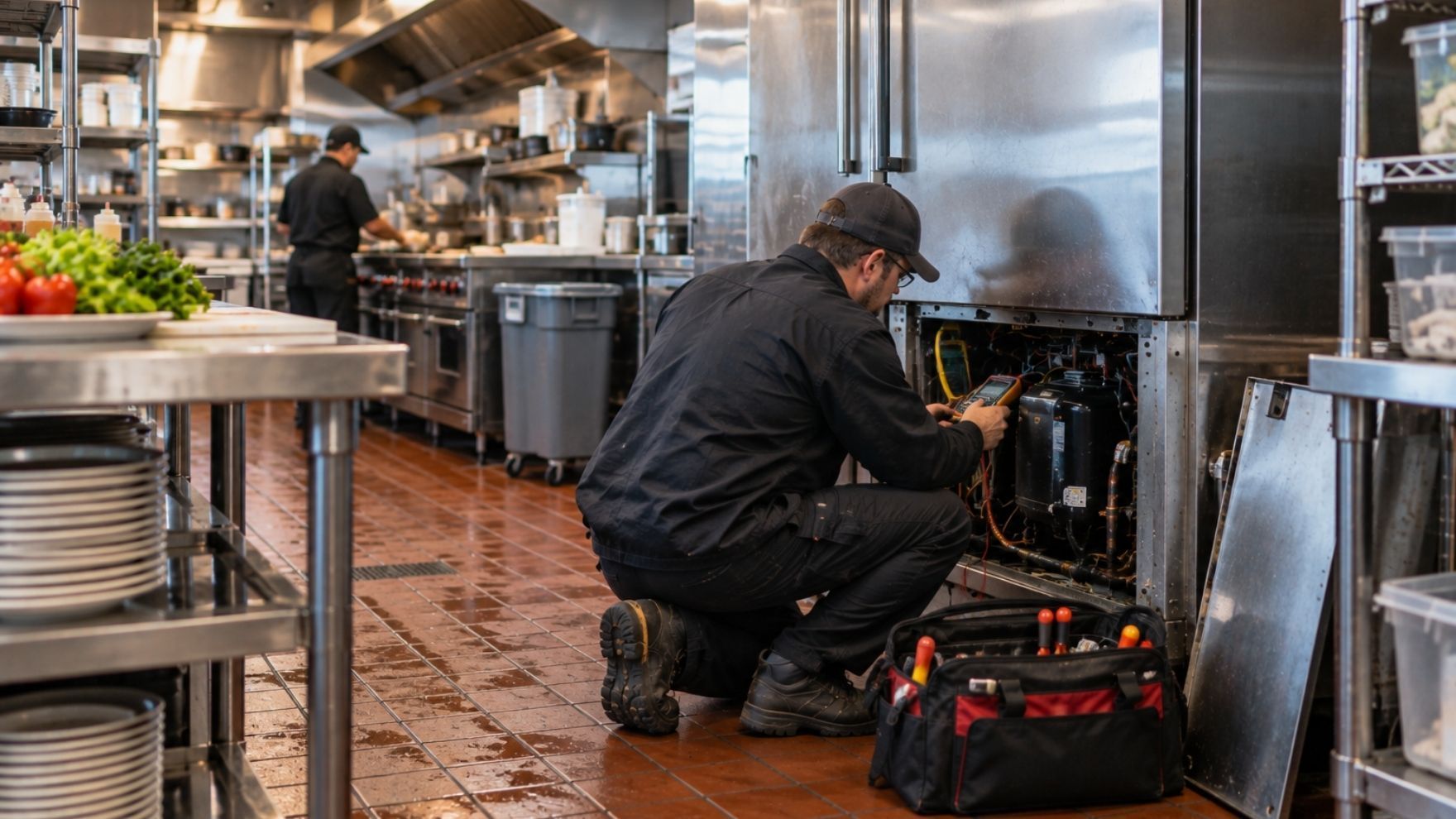
A power outage lasting 48 hours can destroy $10,000 to $30,000 worth of perishable inventory in a busy franchise restaurant. Food spoilage coverage reimburses you for lost inventory due to equipment breakdown or power failure. This endorsement typically costs $200 to $500 annually and covers $25,000 to $50,000 in spoiled goods.
Food contamination liability goes further. If a customer gets sick from contaminated food and your restaurant is identified as the source, you could face medical bills, legal fees, and a mandatory shutdown. Contamination coverage helps pay for third-party testing, PR response, and lost income during a closure. Franchisors often require this coverage because a contamination event at one location can damage the entire brand.
Common Questions About Mississippi Restaurant Policies
How much does insurance usually cost for a small franchise?
A single-location franchise restaurant in Mississippi typically pays between $8,000 and $18,000 annually for a comprehensive insurance package. This includes general liability, property, workers' comp, and common endorsements. Costs vary based on location, revenue, number of employees, and whether you serve alcohol.
Do I need separate insurance if my franchisor has a master policy?
Usually, yes. Most master policies only cover the franchisor's corporate liability, not individual franchisee operations. Your franchise agreement will almost certainly require you to carry your own policies. Check with your franchisor and review the specific franchise law requirements that apply to your situation.
Is cyber insurance necessary for a restaurant using a POS system?
If your POS system processes credit card transactions, cyber insurance is worth considering. A data breach affecting customer payment information can trigger notification costs, credit monitoring expenses, and regulatory fines. Policies start around $500 to $1,500 per year for small restaurants, and some franchisors now require it.
Does my policy cover delivery drivers using their own cars?
No. Personal auto policies exclude commercial use, and your business auto policy won't cover vehicles you don't own. You need a hired and non-owned auto endorsement, which covers liability when employees use their personal vehicles for business purposes like deliveries. This endorsement typically costs $300 to $800 annually.
What happens if I don't have workers' comp in Mississippi?
Operating without required workers' comp coverage is a misdemeanor in Mississippi. You could face fines, lawsuits from injured employees, and personal liability for medical expenses and lost wages. Your franchisor may also terminate your agreement for non-compliance with insurance requirements.
Making the Right Choice for Your Franchise
Building the right insurance program for a Mississippi franchise restaurant means treating your franchise agreement and state regulations as a single checklist, not two separate ones. Start by pulling the insurance requirements from your franchise operations manual and comparing them against Mississippi's statutory minimums. The higher standard always wins.
Work with an insurance agent or broker who understands both franchise operations and Mississippi-specific risks. A generalist agent may miss the nuances of additional insured endorsements, franchise-mandated umbrella limits, or Gulf Coast wind deductibles. Ask for a policy review against your franchise agreement before you bind coverage.
Your insurance isn't just a cost of doing business. It's the safety net that keeps a grease fire, a slip-and-fall lawsuit, or a hurricane from shutting you down permanently. Take the time to get it right, revisit your coverage annually, and don't wait for a claim to discover what your policy doesn't cover.
About The Author:
Dustin Hulett
As Owner of Cuisine Coverage powered by Hulett Insurance, I specialize in protecting restaurants, bars, and hospitality businesses with smart, reliable insurance solutions. With years of experience serving the food and beverage industry, my goal is to make coverage simple, transparent, and built around the unique risks that owners face every day.
Contact Us
Business Coverage
Protection for Every Part of Your Food Business
Cuisine Coverage provides specialized insurance for restaurants, food trucks, catering services, and other hospitality businesses. We help owners protect their property, staff, and reputation with policies built around the most common industry risks.

General Liability Insurance
Protects your business from claims related to injury, property damage, or accidents that happen during operations.
General Liability
Liquor Liability Insurance
Covers alcohol-related incidents for restaurants, bars, or venues that serve or sell alcohol.
Liquor Liability
Workers Compensation Insurance
Provides wage replacement and medical benefits to employees injured on the job.
Workers Compensation
Business Interruption Insurance
Helps replace lost income and cover ongoing expenses if your business operations are temporarily halted.
Business Interruption
Product Liability Insurance
Protects against claims related to foodborne illness, contamination, or product defects.
Product Liability
Cyber Liability Insurance
Covers data breaches, online payment issues, and digital risks that can affect modern food businesses.
Cyber Liability
Serving the Food and Hospitality Industry
Insurance Solutions for Every Type of Food Business
Cuisine Coverage provides specialized insurance for restaurants, cafés, and food service professionals across the country. Whether you run a casual kitchen or a mobile food truck, we offer coverage that fits your operations and risk level.
How It Works
Insurance Made Easy for Food Business Owners
We know you don’t have time to deal with complicated insurance forms. That’s why our process is built for speed and simplicity — so you can get back to running your kitchen.
Your Insurance Questions Answered
What Restaurant and Food Business Owners Ask Most
What types of insurance do restaurants and food businesses need?
Most food businesses need general liability, property, and workers’ compensation coverage. These protect against injuries, equipment damage, and employee-related incidents. Businesses serving alcohol should also include liquor liability insurance for extra protection.
Having the right mix of policies helps reduce financial risks. We’ll help you identify the specific coverages your business needs based on your setup, size, and operations.
Do you provide insurance for food trucks and mobile kitchens?
Yes. We specialize in insurance for food trucks, trailers, and mobile vendors. Our coverage includes vehicle protection, cooking equipment, and liability for events or customer interactions.
We can also help you meet licensing and vendor requirements by issuing certificates of insurance quickly — often the same day.
How fast can I get a quote or start coverage?
In most cases, quotes are ready within 24 hours once we have your business details. After approval, coverage and certificates can be issued immediately.
Our process is fully digital but supported by real agents who review each policy for accuracy. You’ll always know exactly what you’re getting before coverage starts.
Do you offer liquor liability insurance for bars or restaurants?
Yes. We provide liquor liability insurance for bars, taverns, and restaurants that sell or serve alcohol. This coverage protects against claims involving intoxicated patrons or alcohol-related incidents.
It’s essential for maintaining compliance with local laws and protecting your business from costly lawsuits. We’ll ensure your policy meets all licensing requirements.
How can I reduce my insurance costs?
You can often lower premiums by bundling multiple coverages, maintaining clean safety records, and conducting regular policy reviews. Many insurers also offer discounts for installing safety systems and training employees.
At Cuisine Coverage, we proactively review your policy before renewal to help you keep costs down without reducing protection.
Do you help with certificates of insurance (COIs)?
Yes. We provide same-day certificates for vendors, landlords, and event partners. You can request them by phone or email anytime.
Having your COI ready keeps your business compliant and avoids delays in operations. Our team handles these requests quickly so you can stay focused on running your business.
From the Kitchen to Coverage
Real Advice for the Food and Hospitality Industry
We share tips, updates, and real-world stories from the food and insurance industries. Whether you’re managing a restaurant or rolling out a food truck, our articles give you useful guidance to protect your business and grow with confidence.
Contact Us
Phone
Location