South Dakota Franchisee and Franchisor Restaurant INSURANCE
OR call us: (214) 667-2729
Running a franchise restaurant in South Dakota means juggling obligations from two directions: your franchisor's corporate requirements and the state's own regulatory demands. A single gap in coverage can leave you personally liable for thousands, or even force a permanent closure. Whether you're opening your first
Subway in Sioux Falls or managing a cluster of
Applebee's locations across the Black Hills, the right insurance program isn't optional. It's the financial backbone of your operation.
South Dakota franchisee and franchisor restaurant insurance can feel complicated because it sits at the intersection of corporate mandates, state law, and the unique risks your specific location faces. Understanding each layer helps you avoid paying for coverage you don't need while making sure nothing critical falls through the cracks. This guide breaks down the core policies, state-specific risks, cost factors, and common questions that
franchise restaurant owners in South Dakota deal with every year.
Core Insurance Requirements for South Dakota Franchisees
Every franchise restaurant in the state needs a foundation of coverage that satisfies both legal minimums and the franchisor's contractual standards. Missing even one required policy can trigger a franchise agreement violation or leave you exposed to a claim that wipes out your investment.
General Liability and Property Damage
General liability insurance is the first policy any restaurant owner should secure. It covers third-party bodily injury, property damage, and advertising injury claims. If a customer slips on a wet floor near the salad bar and breaks a wrist, your general liability policy pays for medical bills and legal defense.
Most franchise agreements require a minimum of $1 million per occurrence and $2 million aggregate. Property damage coverage protects your building, equipment, furniture, and inventory from fire, storms, vandalism, and other covered perils. In South Dakota, where severe thunderstorms and hail are common from May through August, property coverage should account for roof damage and potential flooding in low-lying areas. A typical general liability premium for a mid-sized franchise restaurant in the state runs between $3,500 and $7,000 annually, depending on your claims history and location.
State-Mandated Workers' Compensation
South Dakota requires workers' compensation insurance for all employers, with no minimum employee threshold. Even if you have a single part-time dishwasher, you need a policy in place. The state's Department of Labor and Regulation enforces this, and penalties for non-compliance include fines and potential criminal charges.
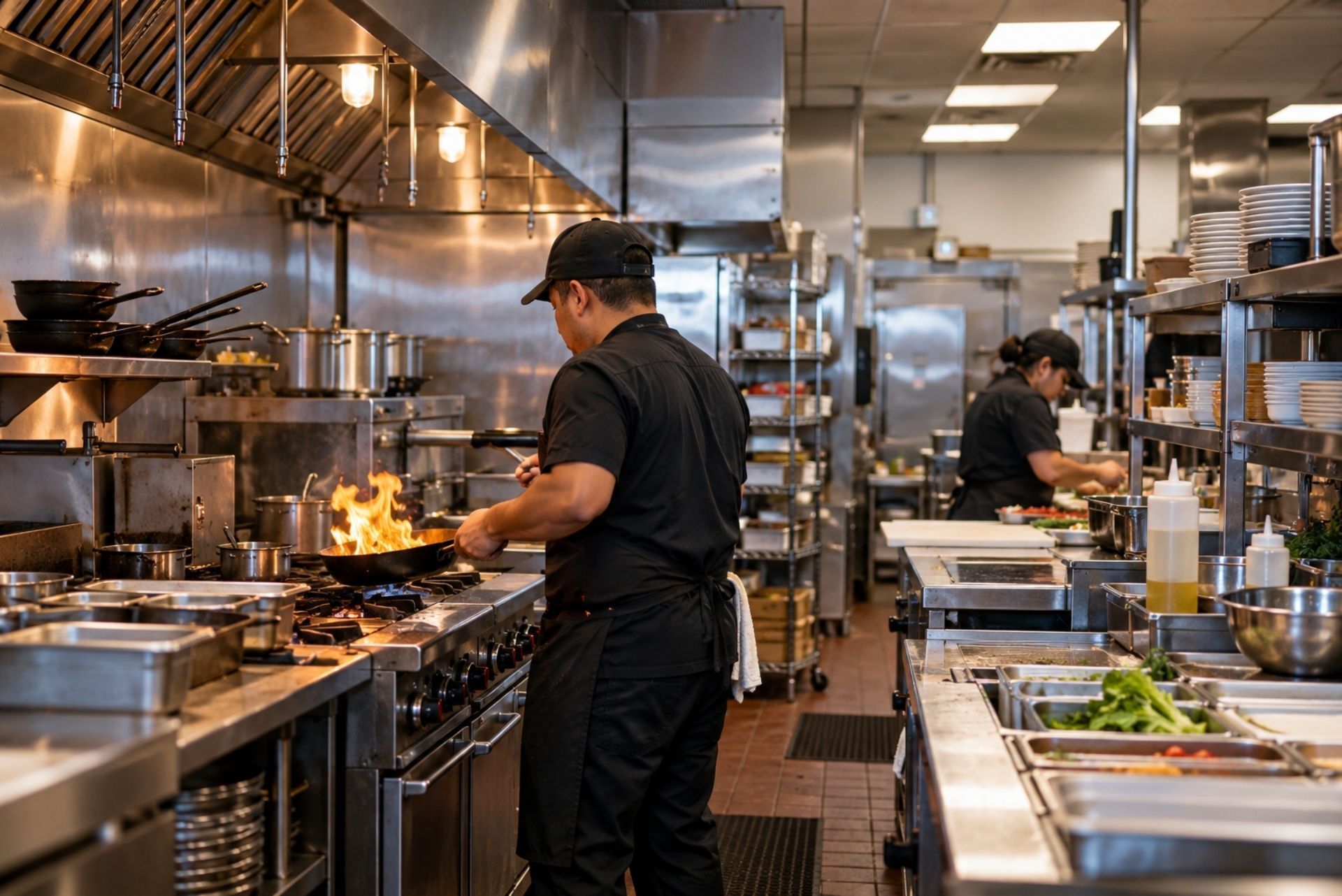
Workers' comp covers medical expenses, lost wages, and rehabilitation costs for employees injured on the job. Restaurant kitchens are high-risk environments: burns, slips, cuts, and repetitive strain injuries are common claims. South Dakota's workers' comp rates for restaurant classifications typically fall between $2.50 and $4.00 per $100 of payroll, though your experience modification rate can push that number up or down significantly. Maintaining a clean safety record and investing in slip-resistant flooring, proper knife training, and burn prevention protocols can lower your premium over time.
Franchisor Contractual Obligations
Your franchise agreement almost certainly includes an insurance exhibit listing minimum coverage types and limits. These requirements often exceed state minimums. Common mandates include naming the franchisor as an additional insured on your general liability policy, carrying umbrella coverage of $1 million or more, and maintaining business interruption insurance.
Failing to meet these requirements can put you in default of your franchise agreement. Some franchisors conduct annual insurance audits, requesting certificates of insurance and verifying that your policies haven't lapsed. Before signing any franchise agreement, have your insurance broker review the insurance exhibit line by line. They can flag unusual requirements or endorsements that may be difficult to place in the
South Dakota market.
By: Dustin Hulett
Founder & CEO of Cuisine Coverage
Specific Risks for Local Food Service Operations
South Dakota's geography, climate, and regulatory environment create risks that franchise owners in other states may not face. Tailoring your coverage to these local factors is just as important as meeting baseline requirements.
Liquor Liability in the Mount Rushmore State
If your franchise serves alcohol, you need liquor liability insurance. South Dakota follows a modified dram shop law, meaning your restaurant can be held liable if you serve alcohol to a visibly intoxicated person who then causes injury or property damage. A single dram shop claim can easily exceed $500,000.
Liquor liability premiums depend on what percentage of your revenue comes from alcohol sales. A franchise where drinks represent 30% or more of revenue will pay significantly more than one where alcohol is a small add-on. Expect premiums ranging from $2,000 to $5,500 per year. Staff training through programs like TIPS or ServSafe Alcohol can help reduce your risk profile and may qualify you for premium discounts.
Food Contamination and Spoilage Coverage
A power outage during a South Dakota blizzard can destroy thousands of dollars in perishable inventory overnight. Standard property policies often cap spoilage coverage at low limits, sometimes just $5,000. For a franchise restaurant carrying $15,000 to $25,000 in food inventory, that gap is dangerous.
Food contamination liability is a separate concern. If a batch of contaminated ground beef makes it into your supply chain and sickens customers, you could face medical claims, health department shutdowns, and lost revenue. Product contamination endorsements cover the cost of disposing of tainted inventory, deep cleaning your kitchen, and managing the public relations fallout. These endorsements typically add $500 to $1,500 annually to your policy.
Employment Practices Liability (EPLI)
Restaurants have one of the highest rates of employment-related claims in any industry. Allegations of harassment, wrongful termination, discrimination, and wage disputes are common. EPLI covers your legal defense costs and settlements for these claims.
South Dakota franchise restaurants with 15 to 50 employees can expect EPLI premiums between $1,200 and $3,500 per year. The policy is especially important for franchise operations where high turnover creates frequent hiring and firing decisions. One wrongful termination lawsuit can cost $75,000 or more in legal fees alone, even if you win.
Comparing Coverage: BOP vs. Standalone Policies
Franchise restaurant owners often face a choice between bundling coverage into a Business Owner's Policy or purchasing each line separately. The right approach depends on your size, risk profile, and franchisor requirements.
A BOP combines general liability, property coverage, and business interruption insurance into a single package at a discounted rate. For smaller franchise locations with straightforward risk profiles, a BOP can save 15% to 20% compared to buying those same coverages individually. The trade-off is less flexibility in customizing limits and endorsements.
Standalone policies give you more control. You can set higher limits on property coverage while keeping lower limits on other lines, or add specialized endorsements that a BOP might not accommodate. Larger or multi-location franchise operations typically benefit from standalone policies because their risk exposure varies across locations.
Comparison Table: Business Owner's Policy vs. Individual Lines
| Feature | Business Owner's Policy (BOP) | Standalone Policies |
|---|---|---|
| Cost | 15-20% less than equivalent standalone | Higher total premium |
| Flexibility | Limited customization | Full control over each line |
| Best for | Single-location, under $1M revenue | Multi-location or complex operations |
| Bundled coverages | GL, property, business interruption | Each purchased separately |
| Endorsement options | Fewer available | Wide range of add-ons |
| Franchisor compliance | May need supplemental policies | Easier to match exact requirements |
| Typical annual cost | $4,000-$8,000 | $6,000-$12,000+ |
Your premium isn't a fixed number pulled from a chart. Insurers weigh multiple variables specific to your operation, your location, and your history.
Location and Square Footage
A franchise restaurant in downtown Rapid City faces different risks than one in a small town like Brookings. Urban locations typically carry higher premiums due to greater foot traffic, higher property values, and increased theft exposure. Square footage matters too: a 4,500-square-foot sit-down restaurant costs more to insure than a 1,200-square-foot quick-service location.
Proximity to fire stations and hydrants also affects your property premium. Rural South Dakota locations more than five miles from a fire station may see property rates increase by 10% to 25%. If your building is older and lacks updated electrical or plumbing systems, expect additional surcharges.
Annual Revenue and Payroll Estimates
General liability premiums are partly based on your projected annual revenue. A franchise generating $1.5 million in sales will pay more than one doing $600,000. Workers' comp premiums tie directly to your total payroll, broken down by job classification. Kitchen staff carry higher rates than front-of-house employees because of greater injury exposure.
Accurate estimates matter. If you underreport payroll at the start of your policy term, you'll face an audit adjustment at renewal that could result in a large lump-sum payment. Be honest with your projections, and update your broker if your staffing levels change significantly mid-year.
Common Questions About South Dakota Restaurant Coverage
Franchise owners consistently ask the same practical questions about their insurance obligations. Here are direct answers to the most frequent ones.
FAQ: Do I need insurance before I open my doors?
Yes. Your landlord will require a certificate of insurance before handing over the keys, and your franchisor will need proof of coverage before approving your opening date. Secure your policies at least 30 days before your planned launch.
FAQ: Does my franchisor provide my insurance for me?
Almost never. Some franchisors offer access to group purchasing programs that may lower your rates, but you're responsible for buying and maintaining your own policies. The franchisor sets the minimum requirements; you handle the rest.
FAQ: How much workers' comp do I need in South Dakota?
South Dakota doesn't set a specific coverage amount. Instead, the state requires you to carry workers' comp that meets statutory benefit levels. Your insurer structures the policy to comply automatically. You don't choose a limit the way you would with general liability.
FAQ: Will my policy cover delivery drivers?
Standard commercial auto or general liability policies typically exclude delivery drivers using personal vehicles. You'll need a hired and non-owned auto endorsement, which covers liability when employees drive their own cars for business purposes. If you use third-party delivery services like DoorDash, confirm whether your agreement includes indemnification clauses.
FAQ: What happens if a customer gets food poisoning?
Your general liability policy covers bodily injury claims from food poisoning. The insurer pays for medical costs, legal defense, and any settlement or judgment. If the contamination is traced to a supplier, your insurer may pursue subrogation against that supplier's policy. Document your food safety procedures thoroughly, as this evidence strengthens your defense.
Protecting Your Investment Long-Term
Insurance for South Dakota franchise restaurants isn't a one-time purchase you can forget about. Your coverage needs will shift as you add locations, hire more staff, introduce alcohol service, or remodel your space. Review your policies annually with a broker who understands both franchise requirements and the South Dakota market.
Building a relationship with a broker who specializes in restaurant insurance pays off. They'll catch gaps you might miss, like inadequate equipment breakdown coverage for a $30,000 commercial fryer or insufficient business interruption limits that wouldn't sustain you through a two-month closure after a kitchen fire. They'll also help you bundle where it makes sense and separate policies where you need more control.
The cost of proper coverage is real, but it's a fraction of what a single uninsured claim could cost you. Treat your insurance program as an investment in your franchise's future, not just a line item on your expense report. Talk to a broker who knows South Dakota franchisee and franchisor restaurant insurance, get your policies reviewed, and make sure you're covered before the next storm, lawsuit, or health inspection catches you off guard.
About The Author:
Dustin Hulett
As Owner of Cuisine Coverage powered by Hulett Insurance, I specialize in protecting restaurants, bars, and hospitality businesses with smart, reliable insurance solutions. With years of experience serving the food and beverage industry, my goal is to make coverage simple, transparent, and built around the unique risks that owners face every day.
Contact Us
Business Coverage
Protection for Every Part of Your Food Business
Cuisine Coverage provides specialized insurance for restaurants, food trucks, catering services, and other hospitality businesses. We help owners protect their property, staff, and reputation with policies built around the most common industry risks.

General Liability Insurance
Protects your business from claims related to injury, property damage, or accidents that happen during operations.
General Liability
Liquor Liability Insurance
Covers alcohol-related incidents for restaurants, bars, or venues that serve or sell alcohol.
Liquor Liability
Workers Compensation Insurance
Provides wage replacement and medical benefits to employees injured on the job.
Workers Compensation
Business Interruption Insurance
Helps replace lost income and cover ongoing expenses if your business operations are temporarily halted.
Business Interruption
Product Liability Insurance
Protects against claims related to foodborne illness, contamination, or product defects.
Product Liability
Cyber Liability Insurance
Covers data breaches, online payment issues, and digital risks that can affect modern food businesses.
Cyber Liability
Serving the Food and Hospitality Industry
Insurance Solutions for Every Type of Food Business
Cuisine Coverage provides specialized insurance for restaurants, cafés, and food service professionals across the country. Whether you run a casual kitchen or a mobile food truck, we offer coverage that fits your operations and risk level.
How It Works
Insurance Made Easy for Food Business Owners
We know you don’t have time to deal with complicated insurance forms. That’s why our process is built for speed and simplicity — so you can get back to running your kitchen.
Your Insurance Questions Answered
What Restaurant and Food Business Owners Ask Most
What types of insurance do restaurants and food businesses need?
Most food businesses need general liability, property, and workers’ compensation coverage. These protect against injuries, equipment damage, and employee-related incidents. Businesses serving alcohol should also include liquor liability insurance for extra protection.
Having the right mix of policies helps reduce financial risks. We’ll help you identify the specific coverages your business needs based on your setup, size, and operations.
Do you provide insurance for food trucks and mobile kitchens?
Yes. We specialize in insurance for food trucks, trailers, and mobile vendors. Our coverage includes vehicle protection, cooking equipment, and liability for events or customer interactions.
We can also help you meet licensing and vendor requirements by issuing certificates of insurance quickly — often the same day.
How fast can I get a quote or start coverage?
In most cases, quotes are ready within 24 hours once we have your business details. After approval, coverage and certificates can be issued immediately.
Our process is fully digital but supported by real agents who review each policy for accuracy. You’ll always know exactly what you’re getting before coverage starts.
Do you offer liquor liability insurance for bars or restaurants?
Yes. We provide liquor liability insurance for bars, taverns, and restaurants that sell or serve alcohol. This coverage protects against claims involving intoxicated patrons or alcohol-related incidents.
It’s essential for maintaining compliance with local laws and protecting your business from costly lawsuits. We’ll ensure your policy meets all licensing requirements.
How can I reduce my insurance costs?
You can often lower premiums by bundling multiple coverages, maintaining clean safety records, and conducting regular policy reviews. Many insurers also offer discounts for installing safety systems and training employees.
At Cuisine Coverage, we proactively review your policy before renewal to help you keep costs down without reducing protection.
Do you help with certificates of insurance (COIs)?
Yes. We provide same-day certificates for vendors, landlords, and event partners. You can request them by phone or email anytime.
Having your COI ready keeps your business compliant and avoids delays in operations. Our team handles these requests quickly so you can stay focused on running your business.
From the Kitchen to Coverage
Real Advice for the Food and Hospitality Industry
We share tips, updates, and real-world stories from the food and insurance industries. Whether you’re managing a restaurant or rolling out a food truck, our articles give you useful guidance to protect your business and grow with confidence.
Contact Us
Phone
Location