Chick-fil-A FranchiseE INSURANCE
OR call us: (214) 667-2729
Running a Chick-fil-A restaurant isn't like operating most other franchises. The company owns the real estate, the equipment, and even the restaurant itself. You, as the operator, run the day-to-day business under a unique licensing agreement that shifts certain risks to corporate and others squarely onto your shoulders. That split creates an insurance situation unlike anything else in quick-service dining.
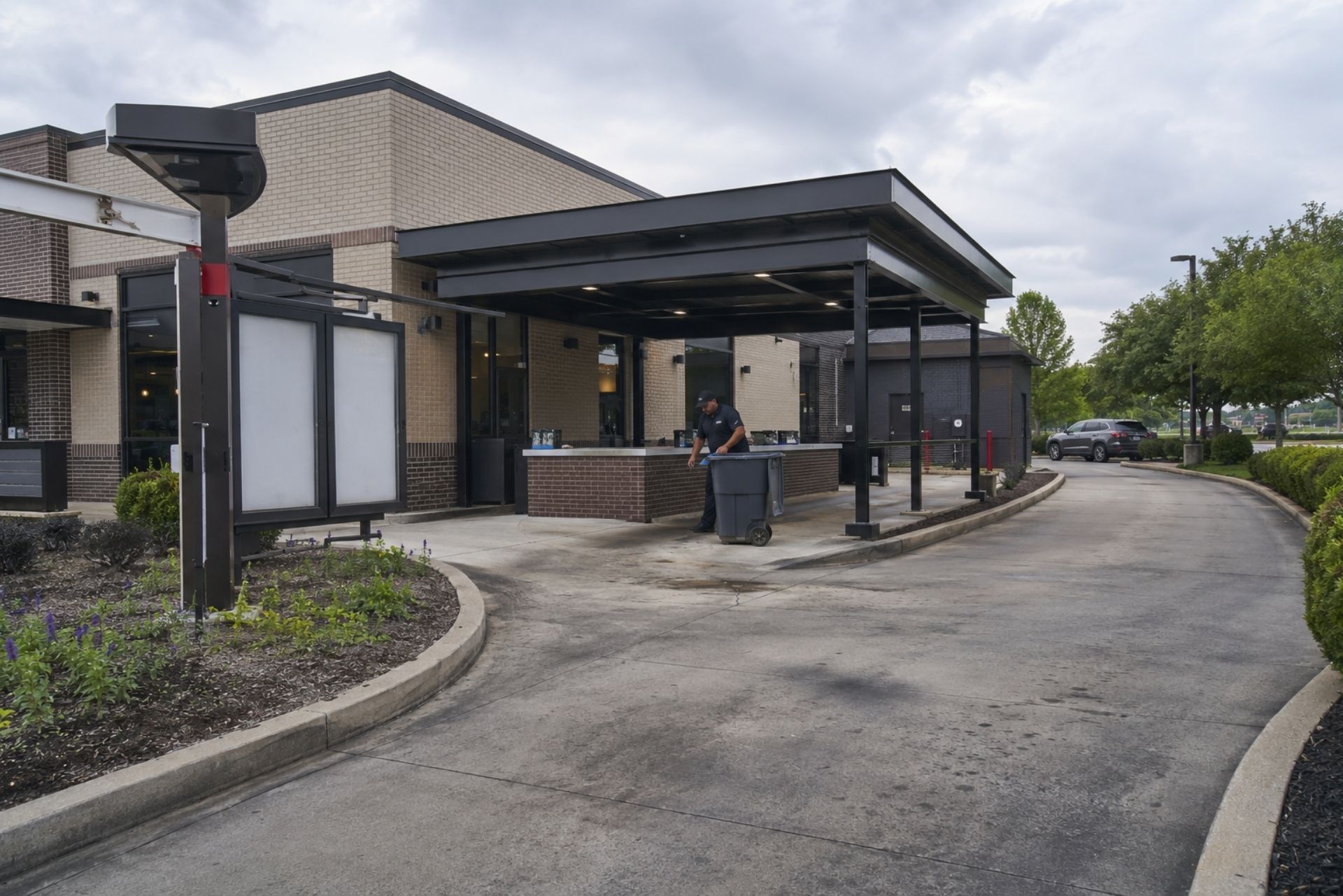
Understanding what coverage you're required to carry, what Chick-fil-A handles on its end, and where gaps can leave you exposed is essential before you sign any agreement. The operator model demands specific liability, workers' compensation, and employment practices policies, each with minimum limits that reflect the high-volume, high-traffic nature of these restaurants. Drive-through lanes process hundreds of cars daily. Delivery partnerships add third-party driver risk. A single slip-and-fall claim from a customer or a workplace injury can generate costs that dwarf your annual earnings if you're underinsured.
This guide breaks down the insurance obligations and operator requirements you'll face as a Chick-fil-A franchisee, covering property considerations, liability thresholds, employee-related policies, delivery exposures, and the selection process that determines whether you even get the chance to operate. Whether you're preparing for your first interview or already deep in the application pipeline, knowing these details gives you a realistic picture of the financial commitments ahead.
Understanding Chick-fil-A's Unique Operator Model
Chick-fil-A's franchise structure stands apart from virtually every other major restaurant chain. The company doesn't sell franchises in the traditional sense. Instead, it selects operators who pay a modest initial fee of $10,000, far below the six-figure investments required by competitors like McDonald's or Wendy's. But that low entry cost comes with trade-offs that directly affect how insurance responsibilities are divided.
The Financial Partnership and Risk Sharing
The $10,000 fee covers your right to operate, not to own. Chick-fil-A retains ownership of the land, building, and equipment, which means the company carries the property insurance on those assets. Your financial stake is smaller upfront, but you're sharing a significant portion of revenue with corporate. Operators typically keep a percentage of net profits rather than paying a flat royalty, which ties your income directly to performance.
This arrangement means your personal financial risk is lower on the property side but higher on the operational side. If a customer is injured in your restaurant, that claim falls on your liability policy, not corporate's. If an employee files a discrimination lawsuit, your employment practices coverage responds. The Chick-fil-A Franchise Disclosure Document outlines these obligations in detail, and every prospective operator should read it before committing.
Corporate vs. Operator Responsibilities
Chick-fil-A handles building maintenance, major equipment replacement, and property insurance on the physical assets it owns. You're responsible for everything tied to running the business: hiring staff, managing food safety, handling customer complaints, and carrying the insurance policies that protect against operational risks.
One common misconception is that corporate's insurance umbrella covers operators broadly. It doesn't. You need your own general liability, workers' comp, and employment practices policies. Think of it this way: Chick-fil-A protects its assets, and you protect your operation. The line between those two is clear in the franchise agreement, and crossing it without proper coverage can leave you personally liable.

By: Dustin Hulett
Founder & CEO of Cuisine Coverage
Mandatory Insurance Coverage for Operators
Every Chick-fil-A operator must maintain specific insurance policies with minimum coverage limits. These aren't suggestions. They're contractual requirements that, if unmet, can result in termination of your operator agreement.
General and Excess Liability Limits
Your general liability policy needs to cover bodily injury, property damage, and personal injury claims arising from restaurant operations. Most operator agreements require a minimum of $1 million per occurrence and $2 million in aggregate coverage. Given the volume of customers passing through a typical Chick-fil-A, especially locations with drive-throughs processing 300-plus cars during peak hours, these limits aren't excessive.
An excess or umbrella liability policy is also typically required, often with limits of $5 million or more. Restaurant operators across the industry are rethinking their approach to liability coverage as claim severity continues to rise. A single serious injury, like a customer scalded by hot coffee or a child injured on the premises, can easily exceed a $1 million policy limit.
Workers' Compensation and State Compliance
Workers' comp is mandatory in nearly every state, and Chick-fil-A operators must comply with the specific requirements of the state where their restaurant is located. Coverage limits, reporting timelines, and even which insurance carriers are approved vary significantly from state to state. Texas, for example, doesn't technically require private employers to carry workers' comp, but Chick-fil-A's operator agreement overrides that flexibility and mandates coverage regardless.
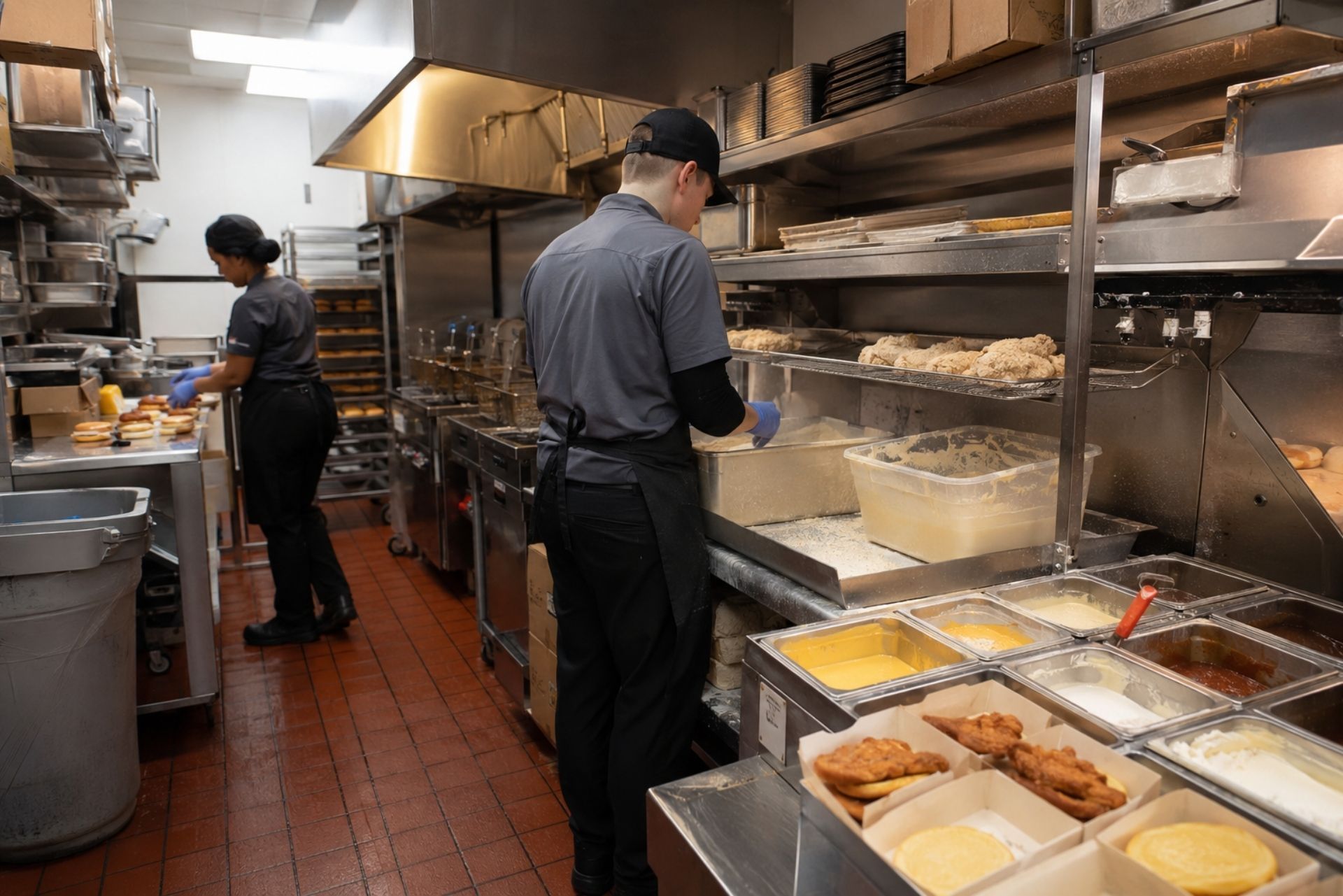
Premiums for restaurant workers' comp tend to run between $2,000 and $5,000 annually per $100,000 in payroll, depending on your state's rates and your claims history. Kitchen burns, slips on wet floors, and repetitive motion injuries are the most common claims. A strong safety program, including documented training and incident reporting, can reduce your experience modification rate and lower premiums over time.
Employment Practices Liability Insurance (EPLI)
EPLI covers claims from employees alleging wrongful termination, discrimination, harassment, or retaliation. With Chick-fil-A operators typically managing 80 to 120 employees across full-time and part-time roles, the exposure here is real. A single harassment lawsuit can cost $75,000 to $200,000 in legal defense alone, even if the claim is ultimately dismissed.
Recent litigation highlights why this coverage matters. A case in Oklahoma involving
Chick-fil-A's discovery obligations during employee disputes illustrates how quickly operational decisions can become legal battles. The
Oklahoma Supreme Court's ruling in a related case reinforced that operators bear direct responsibility for employment-related claims, separate from corporate. EPLI policies typically start around $1,500 to $3,000 annually for a single-location restaurant, with deductibles ranging from $2,500 to $10,000.
Comparison of Essential Coverage Types
Understanding the differences between your required policies helps you budget accurately and avoid coverage gaps.
Table: General Liability vs. Employment Practices Liability
| Feature | General Liability | Employment Practices Liability (EPLI) |
|---|---|---|
| What It Covers | Customer injuries, property damage, advertising injury | Employee claims: wrongful termination, harassment, discrimination |
| Who Files Claims | Customers, vendors, visitors | Current, former, or prospective employees |
| Typical Minimum Limit | $1M per occurrence / $2M aggregate | $500K to $1M per claim |
| Average Annual Premium | $2,500 - $6,000 | $1,500 - $3,000 |
| Common Claim Example | Customer slips on wet floor near drink station | Employee alleges wrongful termination after reporting safety concern |
| Required by Chick-fil-A? | Yes | Yes |
| Deductible Range | $500 - $2,500 | $2,500 - $10,000 |
Both policies are non-negotiable for operators. Carrying one without the other leaves a significant gap in your protection.
Operator Selection and Training Requirements
Getting approved as a Chick-fil-A operator is famously competitive. The company accepts less than 1% of applicants in most years, making the selection process more selective than admission to many Ivy League universities.
The Multi-Stage Interview and Selection Process
The process typically spans 12 to 24 months and includes multiple rounds of interviews, background checks, financial reviews, and character assessments. Chick-fil-A looks for leadership ability, community involvement, and a willingness to be hands-on in daily operations. You can't be a passive investor. The company expects you behind the counter, not behind a desk somewhere else.
Financial qualifications are less about net worth and more about demonstrating fiscal responsibility. You don't need $500,000 in liquid assets like some competing franchises require. But you do need to show that you can manage money, carry the required insurance policies, and absorb the startup costs beyond the $10,000 franchise fee, including working capital for the first several months of operation.
Hands-on Training and Operational Readiness
Once selected, you'll complete several weeks of intensive training at Chick-fil-A's headquarters and in existing restaurants. This training covers food preparation, customer service standards, employee management, and operational compliance, including your insurance obligations.
You'll learn how to document incidents for insurance claims, maintain safety protocols that reduce premium costs, and manage the specific risks tied to high-volume drive-through operations. The training isn't optional or abbreviated. Chick-fil-A treats operational readiness as a prerequisite for handing you the keys, and your understanding of risk management is part of that readiness assessment.
Common Questions About Chick-fil-A Requirements
How much insurance do I need to start?
Plan for $1 million per occurrence in general liability, a $5 million umbrella policy, workers' comp that meets your state's requirements, and EPLI coverage. Total annual premiums typically range from $8,000 to $15,000 depending on location, state regulations, and your claims history.
Does Chick-fil-A provide my business insurance?
No. Chick-fil-A carries property insurance on the building and equipment it owns. You're responsible for purchasing and maintaining all operational insurance policies, including general liability, workers' comp, and EPLI.
What happens if my state has different insurance laws?
Your operator agreement requires you to meet both Chick-fil-A's minimums and your state's legal requirements, whichever is higher. States like California and New York tend to have stricter workers' comp and employment regulations. Work with a broker who understands restaurant insurance in your specific state.
Can I have another job while being an operator?
No. Chick-fil-A requires operators to be full-time, hands-on leaders in their restaurant. You can't own other businesses or hold outside employment. This full commitment is a core part of the operator agreement.
Do I need special insurance for delivery drivers?
If your location partners with third-party delivery services like DoorDash or Uber Eats, those companies carry their own driver insurance. But you should still carry hired and non-owned auto coverage to protect against claims that could trace back to your restaurant. Cyber insurance is also increasingly critical for operators, as it's now considered the single hottest product for restaurant operators, covering mandatory customer notification costs following data breaches. A
2024 data breach affecting Chick-fil-A customers in Texas and Massachusetts demonstrated exactly why this coverage belongs in every operator's policy portfolio.
The Bottom Line for Potential Operators
Chick-fil-A's franchise model offers a lower financial barrier to entry than most major restaurant chains, but the insurance and operational requirements are anything but casual. You'll need general liability, excess liability, workers' compensation, and EPLI at minimum, with annual premiums likely running $8,000 to $15,000 before you add cyber coverage or other endorsements.
The operator selection process filters for people who take these responsibilities seriously. If you're preparing an application, start by understanding the full scope of coverage you'll be required to carry and budgeting for it realistically. Talk to a commercial insurance broker who specializes in restaurant coverage before your first interview, not after. Showing up with a working knowledge of your insurance obligations signals exactly the kind of operational readiness Chick-fil-A is looking for.
Your insurance isn't just a contractual checkbox. It's the financial foundation that lets you operate confidently in a business where hundreds of customers and dozens of employees depend on you every single day.
About The Author:
Dustin Hulett
As Owner of Cuisine Coverage powered by Hulett Insurance, I specialize in protecting restaurants, bars, and hospitality businesses with smart, reliable insurance solutions. With years of experience serving the food and beverage industry, my goal is to make coverage simple, transparent, and built around the unique risks that owners face every day.
Contact Us
Business Coverage
Protection for Every Part of Your Food Business
Cuisine Coverage provides specialized insurance for restaurants, food trucks, catering services, and other hospitality businesses. We help owners protect their property, staff, and reputation with policies built around the most common industry risks.

General Liability Insurance
Protects your business from claims related to injury, property damage, or accidents that happen during operations.
General Liability
Liquor Liability Insurance
Covers alcohol-related incidents for restaurants, bars, or venues that serve or sell alcohol.
Liquor Liability
Workers Compensation Insurance
Provides wage replacement and medical benefits to employees injured on the job.
Workers Compensation
Business Interruption Insurance
Helps replace lost income and cover ongoing expenses if your business operations are temporarily halted.
Business Interruption
Product Liability Insurance
Protects against claims related to foodborne illness, contamination, or product defects.
Product Liability
Cyber Liability Insurance
Covers data breaches, online payment issues, and digital risks that can affect modern food businesses.
Cyber Liability
Serving the Food and Hospitality Industry
Insurance Solutions for Every Type of Food Business
Cuisine Coverage provides specialized insurance for restaurants, cafés, and food service professionals across the country. Whether you run a casual kitchen or a mobile food truck, we offer coverage that fits your operations and risk level.

How It Works
Insurance Made Easy for Food Business Owners
We know you don’t have time to deal with complicated insurance forms. That’s why our process is built for speed and simplicity — so you can get back to running your kitchen.
Your Insurance Questions Answered
What Restaurant and Food Business Owners Ask Most
What types of insurance do restaurants and food businesses need?
Most food businesses need general liability, property, and workers’ compensation coverage. These protect against injuries, equipment damage, and employee-related incidents. Businesses serving alcohol should also include liquor liability insurance for extra protection.
Having the right mix of policies helps reduce financial risks. We’ll help you identify the specific coverages your business needs based on your setup, size, and operations.
Do you provide insurance for food trucks and mobile kitchens?
Yes. We specialize in insurance for food trucks, trailers, and mobile vendors. Our coverage includes vehicle protection, cooking equipment, and liability for events or customer interactions.
We can also help you meet licensing and vendor requirements by issuing certificates of insurance quickly — often the same day.
How fast can I get a quote or start coverage?
In most cases, quotes are ready within 24 hours once we have your business details. After approval, coverage and certificates can be issued immediately.
Our process is fully digital but supported by real agents who review each policy for accuracy. You’ll always know exactly what you’re getting before coverage starts.
Do you offer liquor liability insurance for bars or restaurants?
Yes. We provide liquor liability insurance for bars, taverns, and restaurants that sell or serve alcohol. This coverage protects against claims involving intoxicated patrons or alcohol-related incidents.
It’s essential for maintaining compliance with local laws and protecting your business from costly lawsuits. We’ll ensure your policy meets all licensing requirements.
How can I reduce my insurance costs?
You can often lower premiums by bundling multiple coverages, maintaining clean safety records, and conducting regular policy reviews. Many insurers also offer discounts for installing safety systems and training employees.
At Cuisine Coverage, we proactively review your policy before renewal to help you keep costs down without reducing protection.
Do you help with certificates of insurance (COIs)?
Yes. We provide same-day certificates for vendors, landlords, and event partners. You can request them by phone or email anytime.
Having your COI ready keeps your business compliant and avoids delays in operations. Our team handles these requests quickly so you can stay focused on running your business.
From the Kitchen to Coverage
Real Advice for the Food and Hospitality Industry
We share tips, updates, and real-world stories from the food and insurance industries. Whether you’re managing a restaurant or rolling out a food truck, our articles give you useful guidance to protect your business and grow with confidence.
Contact Us
Phone
Location