Domino's FranchiseE INSURANCE
OR call us: (214) 667-2729
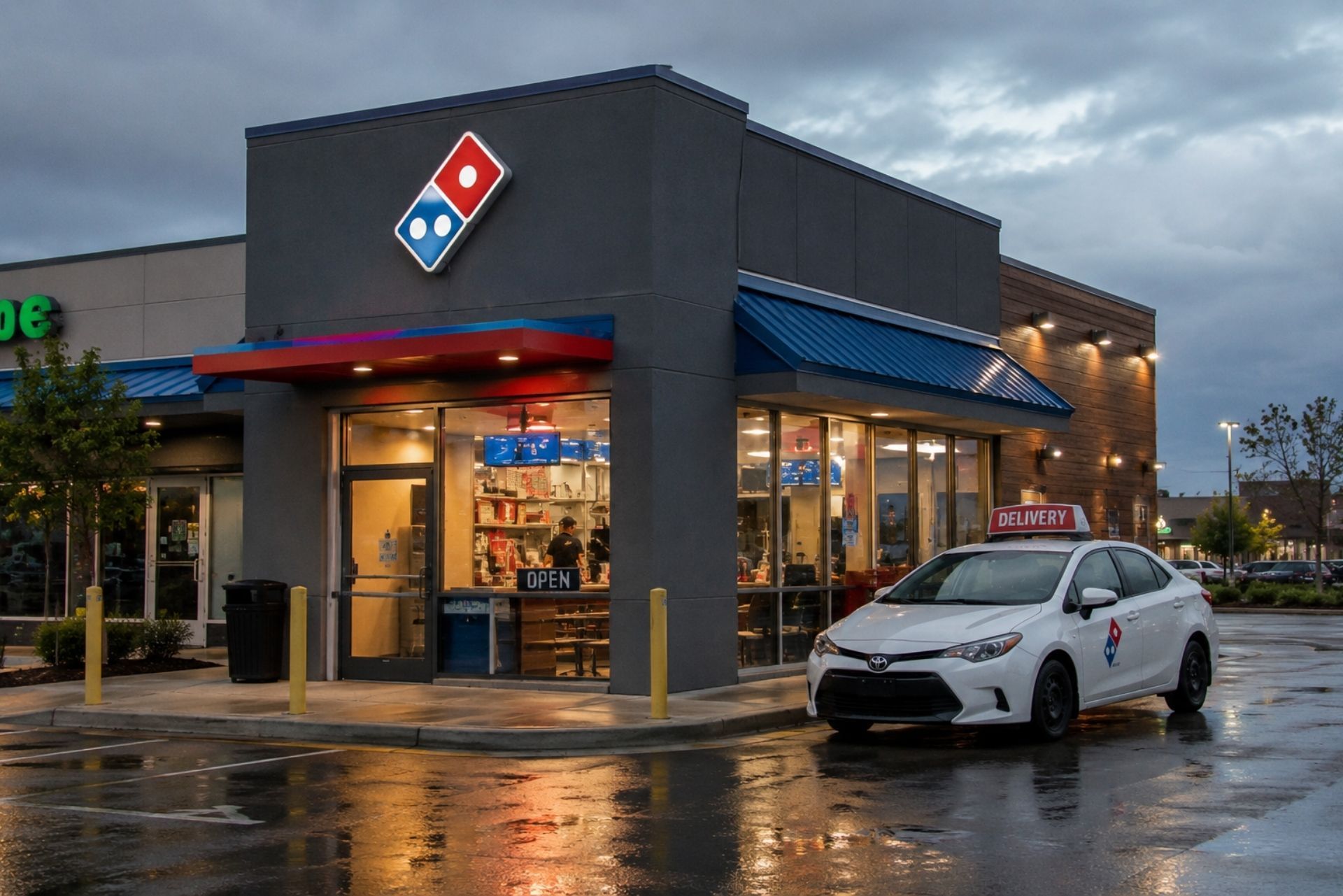
Opening a Domino's franchise means managing a web of insurance obligations that most new owners underestimate. Between delivery vehicles on the road, employees handling hot ovens, and thousands of online orders flowing through your POS system every month, the exposure points are real and varied. The estimated initial investment for insurance alone ranges from $15,000 to $75,000 for a traditional Domino's store, and that figure doesn't account for the ongoing annual premiums you'll pay for the life of the business.
Your franchise agreement spells out minimum coverage thresholds, but meeting minimums isn't always the smartest play. A single delivery accident or a data breach involving customer payment information can generate claims that dwarf what a bare-bones policy will cover. The gap between what the franchisor requires and what actually protects your investment is where most franchisees get into trouble.
This guide breaks down every major insurance category you'll need as a Domino's franchise owner: from
general liability and property coverage to delivery auto, workers' compensation, cyber liability, and the specific franchisor requirements baked into your agreement. Whether you're signing your first franchise agreement or renewing policies on an existing location, understanding these coverages will help you avoid costly gaps and stay compliant.
Core Insurance Requirements for Domino's Franchisees
Every Domino's franchise agreement includes a section dedicated to insurance obligations. These aren't suggestions. Failing to maintain the required policies can trigger a default on your franchise agreement, which puts your entire investment at risk. The franchisor reviews certificates of insurance regularly, and your landlord likely has their own coverage demands layered on top.
The two foundational policies every location needs are general liability and commercial property insurance. Most franchisees bundle these into a Business Owner's Policy (BOP), which typically saves 10-15% compared to purchasing each policy separately. A BOP also simplifies renewals and claims management since you're dealing with one carrier for both coverages.
General Liability and Property Coverage
General liability (GL) insurance protects you when a customer slips on a wet floor, bites into something that causes an allergic reaction, or claims your employee damaged their property during a delivery. A standard GL policy for a pizza delivery operation typically covers bodily injury, property damage, personal injury, and advertising injury claims.
Commercial property coverage handles the physical assets inside your store: ovens, dough mixers, refrigeration units, the Pulse POS system, signage, and tenant improvements. One mistake franchisees commonly make is insuring these assets at their depreciated value rather than replacement cost. If a fire destroys your makeline and three conveyor ovens, you don't want a check based on what five-year-old equipment is worth on paper. You want enough to buy new equipment and reopen.
Don't overlook business interruption coverage, which is usually available as a rider on your property policy. If a kitchen fire shuts you down for six weeks, business interruption pays for lost revenue and ongoing fixed costs like rent and loan payments.
Mandatory Franchise Agreement Limits
Domino's franchise agreements specify minimum limits for each coverage type. While exact figures can vary by agreement year and location, the standard requirements generally include $1 million per occurrence and $2 million aggregate for general liability, along with property coverage sufficient to replace all equipment and improvements at full value.
Your agreement also requires you to name Domino's Pizza LLC as an additional insured on your GL and umbrella policies. This gives the franchisor protection if a lawsuit names both you and the brand. Failing to add this endorsement is one of the most common compliance errors, and it's one of the easiest to fix. Just ask your agent to add the additional insured endorsement, and send the updated certificate directly to the franchisor's insurance compliance team.

By: Dustin Hulett
Founder & CEO of Cuisine Coverage
Managing Delivery Risks and Hired Auto Liability
Delivery is the heart of Domino's business model, and it's also the single largest source of liability exposure. Your drivers are on the road in all weather conditions, often during peak traffic hours, carrying hot food and racing against delivery time targets. Auto-related claims are the most frequent and most expensive category of insurance losses for pizza franchisees.
Hired and Non-Owned Auto (HNOA) Basics
Most Domino's locations don't own every delivery vehicle. Drivers typically use their own cars, which creates a specific coverage gap. Your drivers' personal auto policies almost certainly exclude commercial use, meaning their insurer can deny a claim that happens during a delivery run. That's where Hired and Non-Owned Auto (HNOA) coverage steps in.
HNOA protects your business when an employee causes an accident while using their personal vehicle for work purposes. "Hired" covers vehicles you rent or lease for business use. "Non-owned" covers employee-owned vehicles used for deliveries. Without this policy, your franchise is directly exposed to lawsuits from anyone injured in a delivery accident, and pizza delivery insurance specialists consistently flag this as the most critical coverage gap in the industry.
Typical HNOA limits for a Domino's franchise run $1 million per occurrence, though some franchisees carry higher limits depending on their state's litigation environment.
Protecting Drivers and the Brand
Beyond HNOA, smart franchisees implement driver screening programs that double as risk management tools. Requiring motor vehicle record (MVR) checks, setting minimum age requirements (most insurers want drivers to be at least 18), and establishing maximum violation thresholds all help reduce your premium costs.
Some carriers offer discounts of 5-10% for franchisees who use GPS tracking, dashcams, or formal driver safety training programs. These aren't just premium reducers. They also create documentation that can protect you during litigation. If a plaintiff claims your driver was speeding, dashcam footage showing otherwise can make a six-figure difference in a settlement.
Not all Domino's franchise insurance packages are equal. The difference between meeting minimum requirements and building a genuinely protective program often comes down to a few key upgrades that cost less than most owners expect.
Table: Essential vs. Recommended Coverage
| Coverage Type | Essential (Minimum) | Recommended (Enhanced) |
|---|---|---|
| General Liability | $1M per occurrence / $2M aggregate | $2M per occurrence / $4M aggregate |
| Commercial Property | Replacement cost, basic perils | Replacement cost, all-risk, equipment breakdown |
| HNOA | $1M combined single limit | $1M CSL + umbrella extension |
| Workers' Comp | State minimum | State minimum + return-to-work program |
| Cyber Liability | Not always required | $1M with PCI-DSS coverage |
| EPLI | Not always required | $500K-$1M with third-party coverage |
| Business Interruption | 30 days coverage | 90-180 days with extended period |
The enhanced column isn't about gold-plating your insurance. It's about closing the gaps that actually generate claims. An umbrella policy that costs $1,200-$2,500 per year can provide an extra $1-3 million in coverage over your underlying policies, and that's often the difference between a manageable claim and a business-ending one.
Workers' Compensation and Employment Practices
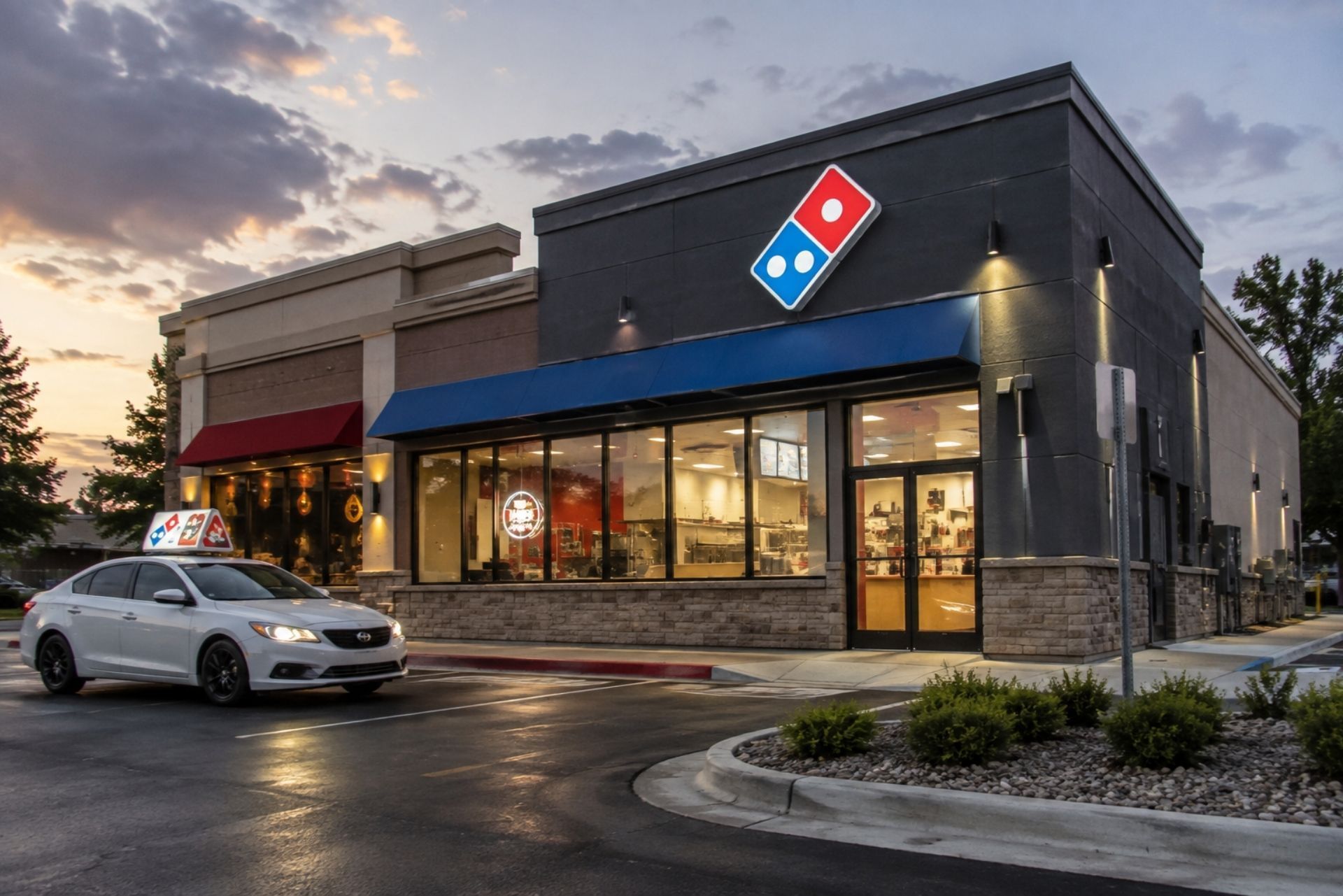
A typical Domino's location employs 15-30 people, many of them part-time. Between hot ovens, sharp pizza cutters, wet floors, and the physical demands of delivery driving, workplace injuries are a regular occurrence in pizza operations.
State Mandates for Pizza Delivery Staff
Workers' compensation insurance is mandatory in nearly every state once you have employees, though the exact threshold varies. Texas remains the only state where workers' comp is technically optional for private employers, but your franchise agreement may still require it regardless of state law.
Premiums are calculated based on your payroll and the classification codes assigned to each job function. Delivery drivers carry a higher classification rate than in-store workers because of the driving exposure. In most states, delivery driver workers' comp rates run between $5 and $12 per $100 of payroll, while in-store staff rates are closer to $2-$4 per $100.
One effective way to reduce premiums over time is establishing a formal return-to-work program. Offering light-duty tasks to injured employees, like folding boxes or answering phones, reduces claim duration and signals to your carrier that you're actively managing losses.
Employment Practices Liability Insurance (EPLI)
EPLI covers claims from employees alleging wrongful termination, discrimination, harassment, or wage-and-hour violations. With a young, high-turnover workforce, pizza franchisees face these claims more often than you might think. A single wrongful termination lawsuit can cost $75,000-$150,000 to defend, even if you win.
EPLI policies for franchise restaurants typically cost $1,500-$4,000 per year for $500,000-$1,000,000 in coverage. The policy usually covers defense costs, settlements, and judgments. Some policies also include third-party coverage, which protects you if a customer files a discrimination complaint against your staff.
Common Questions About Pizza Franchise Insurance
How much does insurance cost for a Domino's location?
Annual insurance costs for a single Domino's franchise typically fall between $15,000 and $40,000, depending on your state, claims history, number of drivers, and coverage limits. Multi-unit operators often negotiate volume discounts through
programs designed specifically for pizza delivery operators.
Does my personal car insurance cover pizza delivery?
Almost never. Most personal auto policies explicitly exclude commercial delivery use. If your driver gets into an accident during a delivery and their personal insurer denies the claim, your HNOA policy is the backstop. Without it, your business is directly liable.
What is the difference between GL and HNOA?
General liability covers incidents at your store or related to your operations in general, like a customer slipping on your floor. HNOA specifically covers auto accidents involving vehicles you don't own but that employees use for deliveries. They protect against different types of claims, and you need both.
Do I need cyber insurance for my online orders?
Yes, and this is becoming a harder coverage to skip. Domino's processes millions of digital orders, and your location stores customer payment data and personal information. Cyber insurance covers data breach notification costs, forensic investigations, and liability claims. Carriers now expect businesses to demonstrate
specific cybersecurity controls before they'll underwrite a policy, including multi-factor authentication and endpoint detection.
Are umbrella policies required by the franchisor?
Most Domino's franchise agreements require an umbrella or excess liability policy with a minimum of $1 million. The umbrella sits on top of your GL, HNOA, and employer's liability policies, providing additional limits when underlying coverage is exhausted. Given that a serious delivery accident can easily generate claims exceeding $1 million, many franchisees carry $2-5 million in umbrella coverage.
Getting your Domino's franchise insurance right isn't a one-time task. Your coverage needs change as you add locations, hire more drivers, or expand your digital ordering capabilities. The franchise agreement sets the floor, but your actual risk profile should determine the ceiling.
Start by requesting a coverage review from a broker who specializes in restaurant or franchise operations. Bring your franchise agreement to the meeting so they can map every requirement to a specific policy. Ask them to identify gaps between what the agreement demands and what your current program provides.
Review your policies annually, not just at renewal. Mid-year changes like adding a second location, switching to a new POS system, or hiring significantly more drivers can all create coverage gaps that won't show up until you file a claim. Keep your certificates of insurance current with both the franchisor and your landlord.
The cost of proper coverage is real, but it's a fraction of what a single uninsured claim can cost. Treat your insurance program as a financial safety net that protects not just your store, but the years of work and capital you've invested in building it.
About The Author:
Dustin Hulett
As Owner of Cuisine Coverage powered by Hulett Insurance, I specialize in protecting restaurants, bars, and hospitality businesses with smart, reliable insurance solutions. With years of experience serving the food and beverage industry, my goal is to make coverage simple, transparent, and built around the unique risks that owners face every day.
Contact Us
Business Coverage
Protection for Every Part of Your Food Business
Cuisine Coverage provides specialized insurance for restaurants, food trucks, catering services, and other hospitality businesses. We help owners protect their property, staff, and reputation with policies built around the most common industry risks.

General Liability Insurance
Protects your business from claims related to injury, property damage, or accidents that happen during operations.
General Liability
Liquor Liability Insurance
Covers alcohol-related incidents for restaurants, bars, or venues that serve or sell alcohol.
Liquor Liability
Workers Compensation Insurance
Provides wage replacement and medical benefits to employees injured on the job.
Workers Compensation
Business Interruption Insurance
Helps replace lost income and cover ongoing expenses if your business operations are temporarily halted.
Business Interruption
Product Liability Insurance
Protects against claims related to foodborne illness, contamination, or product defects.
Product Liability
Cyber Liability Insurance
Covers data breaches, online payment issues, and digital risks that can affect modern food businesses.
Cyber Liability
Serving the Food and Hospitality Industry
Insurance Solutions for Every Type of Food Business
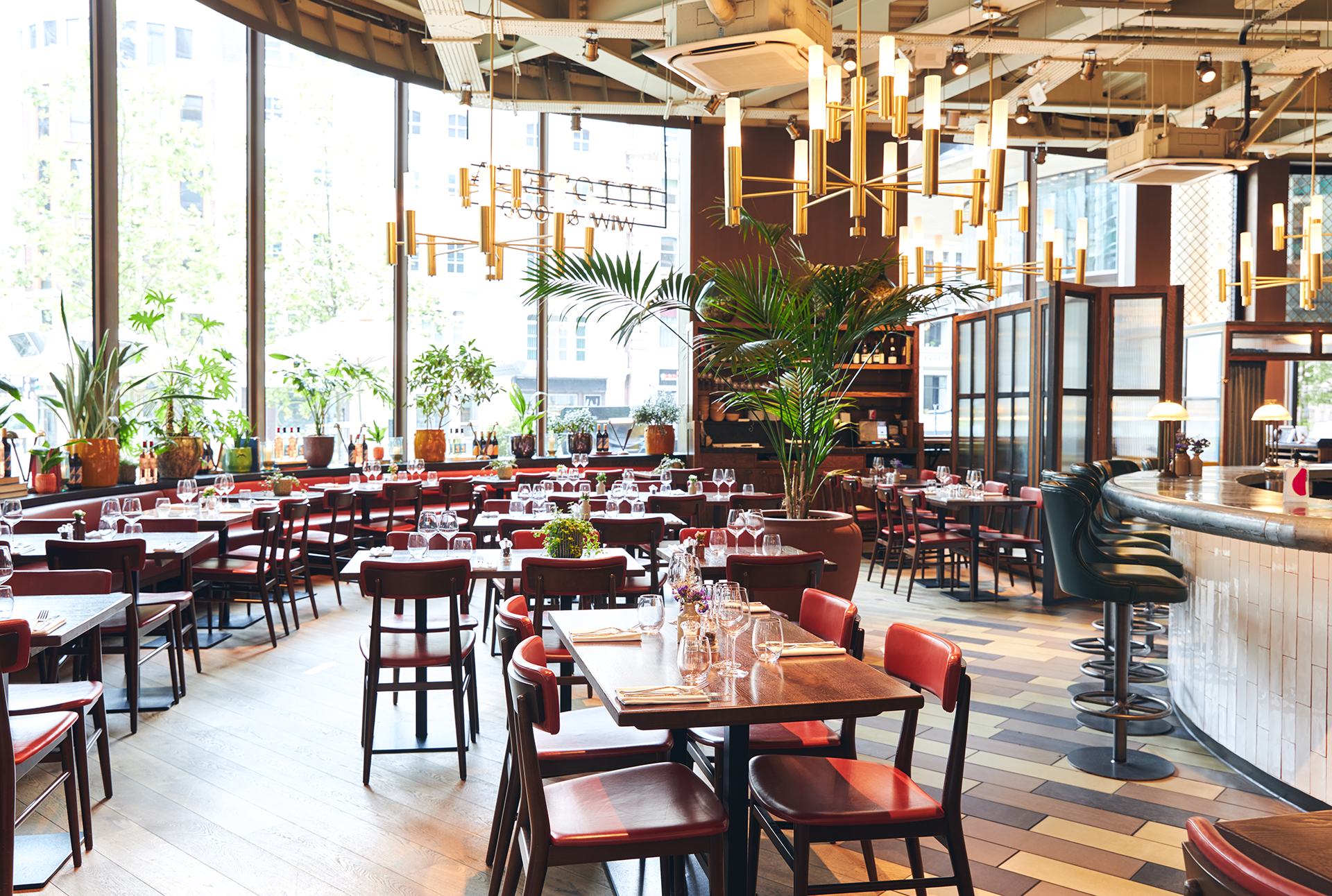
Cuisine Coverage provides specialized insurance for restaurants, cafés, and food service professionals across the country. Whether you run a casual kitchen or a mobile food truck, we offer coverage that fits your operations and risk level.

How It Works
Insurance Made Easy for Food Business Owners
We know you don’t have time to deal with complicated insurance forms. That’s why our process is built for speed and simplicity — so you can get back to running your kitchen.
Your Insurance Questions Answered
What Restaurant and Food Business Owners Ask Most
What types of insurance do restaurants and food businesses need?
Most food businesses need general liability, property, and workers’ compensation coverage. These protect against injuries, equipment damage, and employee-related incidents. Businesses serving alcohol should also include liquor liability insurance for extra protection.
Having the right mix of policies helps reduce financial risks. We’ll help you identify the specific coverages your business needs based on your setup, size, and operations.
Do you provide insurance for food trucks and mobile kitchens?
Yes. We specialize in insurance for food trucks, trailers, and mobile vendors. Our coverage includes vehicle protection, cooking equipment, and liability for events or customer interactions.
We can also help you meet licensing and vendor requirements by issuing certificates of insurance quickly — often the same day.
How fast can I get a quote or start coverage?
In most cases, quotes are ready within 24 hours once we have your business details. After approval, coverage and certificates can be issued immediately.
Our process is fully digital but supported by real agents who review each policy for accuracy. You’ll always know exactly what you’re getting before coverage starts.
Do you offer liquor liability insurance for bars or restaurants?
Yes. We provide liquor liability insurance for bars, taverns, and restaurants that sell or serve alcohol. This coverage protects against claims involving intoxicated patrons or alcohol-related incidents.
It’s essential for maintaining compliance with local laws and protecting your business from costly lawsuits. We’ll ensure your policy meets all licensing requirements.
How can I reduce my insurance costs?
You can often lower premiums by bundling multiple coverages, maintaining clean safety records, and conducting regular policy reviews. Many insurers also offer discounts for installing safety systems and training employees.
At Cuisine Coverage, we proactively review your policy before renewal to help you keep costs down without reducing protection.
Do you help with certificates of insurance (COIs)?
Yes. We provide same-day certificates for vendors, landlords, and event partners. You can request them by phone or email anytime.
Having your COI ready keeps your business compliant and avoids delays in operations. Our team handles these requests quickly so you can stay focused on running your business.
From the Kitchen to Coverage
Real Advice for the Food and Hospitality Industry
We share tips, updates, and real-world stories from the food and insurance industries. Whether you’re managing a restaurant or rolling out a food truck, our articles give you useful guidance to protect your business and grow with confidence.
Contact Us
Phone
Location