Jersey Mike's FranchiseE INSURANCE
OR call us: (214) 667-2729
Opening a Jersey Mike's franchise means more than perfecting the art of slicing subs. You're also taking on real financial risk, from a grease fire that shuts down your store for weeks to a customer who slips on a freshly mopped floor. The right insurance program protects your investment, satisfies your franchisor, and keeps your doors open when something goes wrong. Jersey Mike's franchise insurance covers property, liability, workers' compensation, delivery exposures, and specific franchisor requirements, and each piece plays a distinct role in your risk management strategy.
The initial investment for insurance at a Jersey Mike's location ranges from $4,125 to $21,670, depending on your state, store size, claims history, and the specific coverages you select. That's a wide spread, and where you land on it depends on how well you understand what's required versus what's simply smart to carry. Getting this wrong can mean paying too much for coverage you don't need, or worse, discovering a gap when you're staring down a six-figure claim.
This guide breaks down the core insurance requirements, compares mandatory and recommended coverages, highlights risks unique to
sub shops, and walks you through the policy features that matter most. Whether you're signing your first franchise agreement or renewing policies at an existing location, the goal is the same: build a coverage program that checks every box without wasting money.
Core Insurance Requirements for Jersey Mike's Franchisees
Every Jersey Mike's franchisee must carry a baseline set of insurance policies before opening day. Your franchise agreement spells out minimum coverage types and limits, and your landlord will likely have additional requirements layered on top. Failing to meet either set of requirements can trigger a default on your lease or your franchise agreement, so this isn't an area where you want to wing it.
General Liability and Property Coverage
General liability insurance is the foundation of your program. It covers third-party bodily injury, property damage, and personal injury claims, think a customer who burns their mouth on a hot sandwich or trips over a wet floor sign. Most franchise agreements require a minimum of $1 million per occurrence and $2 million aggregate, though your landlord may push for higher limits.
Property coverage protects your physical assets: your buildout, equipment, inventory, and signage. A standard Jersey Mike's location includes commercial meat slicers, proofing ovens, refrigeration units, and the brand's distinctive interior finishes. Make sure your policy covers replacement cost rather than actual cash value, because depreciated payouts rarely cover what it actually costs to rebuild and reopen. You should also confirm that your policy includes business income coverage, which replaces lost revenue during a covered shutdown. A fire or water damage event can easily keep you closed for 60 to 90 days, and rent doesn't stop just because your store does.
Workers' Compensation and Employer Liability
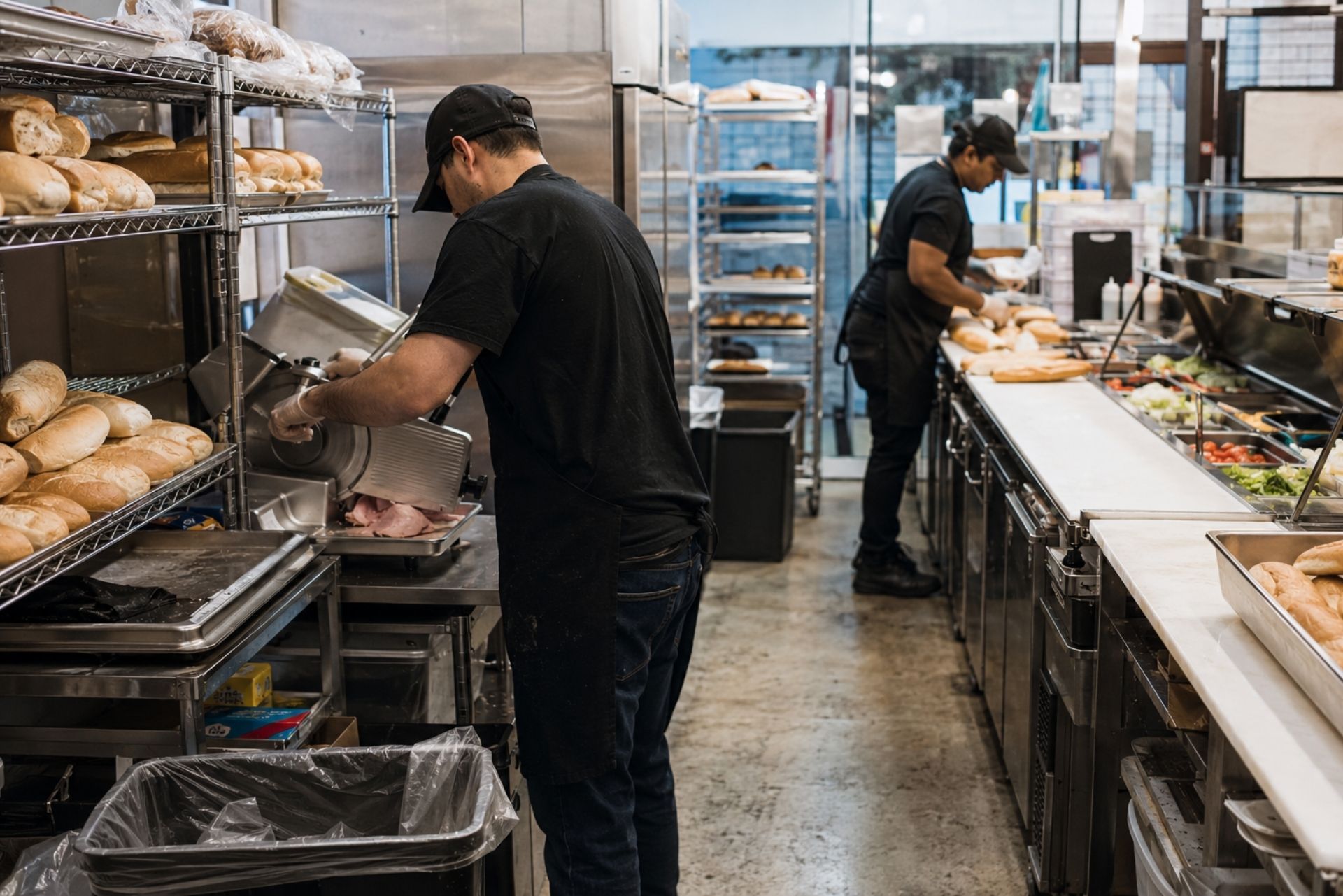
Workers' compensation is mandatory in nearly every state, and Jersey Mike's locations typically employ 15 to 30 people across shifts. Your crew handles sharp blades, hot ovens, and slippery kitchen floors daily. Cuts, burns, and slip-and-fall injuries are the most common claims in quick-service restaurants, and a single serious injury can generate tens of thousands in medical bills and lost wages.
Workers' comp premiums are calculated based on your state's rates, your payroll, and your experience modification rate (your "mod rate"). A clean claims history keeps your mod rate below 1.0, which directly lowers your premiums. Investing in safety training, slip-resistant mats, and cut-resistant gloves pays for itself through lower insurance costs over time. Employer liability coverage, which is typically bundled with your workers' comp policy, protects you if an employee sues outside the workers' comp system, alleging negligence or unsafe conditions.
Umbrella and Excess Liability Limits
An umbrella policy sits on top of your general liability, auto liability, and employer liability policies, providing additional limits when a claim exceeds the underlying coverage. Jersey Mike's typically requires franchisees to carry umbrella coverage with limits of $1 million or more, and many landlords in high-traffic retail centers demand the same.
Think of it as your financial backstop. A serious foodborne illness outbreak or a multi-vehicle delivery accident can blow through a $1 million general liability limit fast. Umbrella policies are relatively inexpensive for the amount of protection they provide, often costing $1,000 to $3,000 annually for $1 million to $5 million in additional coverage.

By: Dustin Hulett
Founder & CEO of Cuisine Coverage
Mandatory vs. Recommended Coverage Comparison
Not every policy your insurance agent suggests is required by your franchise agreement, but that doesn't mean it's optional in practice. Here's how the most common coverages break down:
| Coverage Type | Mandatory? | Typical Limits | Why It Matters |
|---|---|---|---|
| General Liability | Yes | $1M per occurrence / $2M aggregate | Required by franchisor and landlord |
| Property / BOP | Yes | Replacement cost of buildout and equipment | Protects your physical investment |
| Workers' Compensation | Yes (most states) | Statutory limits | State law requirement for employers |
| Umbrella Liability | Yes | $1M to $5M | Franchisor and landlord requirement |
| Hired/Non-Owned Auto | Yes (if delivering) | $1M combined single limit | Covers delivery driver accidents |
| EPLI | Recommended | $500K to $1M | Protects against employee lawsuits |
| Food Contamination | Recommended | $250K to $500K | Covers spoilage and recall costs |
| Cyber Liability | Recommended | $100K to $500K | POS system breach protection |
Bundling your general liability and property coverage into a Business Owner's Policy (BOP) often saves 10% to 15% compared to purchasing them separately. Ask your broker about packaging options, especially if you're operating multiple locations.
Industry-Specific Risks for Sub Shops
Running a sub shop carries risks that generic restaurant insurance doesn't always address. Jersey Mike's stores handle large volumes of fresh meat and produce daily, run delivery operations, and employ a young, high-turnover workforce. Each of these factors creates exposures that deserve specific attention.
Food Contamination and Spoilage Insurance
Your walk-in cooler holds thousands of dollars in perishable inventory at any given time. A compressor failure on a July weekend can spoil your entire stock of deli meats, cheeses, and produce before you even notice. Standard property policies may include limited spoilage coverage, but the sublimits are often too low for a high-volume sub shop.
A dedicated food contamination endorsement covers the cost of discarded inventory, deep cleaning, and even lost business income during a contamination event. If a health department investigation forces a temporary closure, this coverage keeps you from absorbing the entire financial hit. Given that Jersey Mike's prides itself on fresh-sliced, never-frozen ingredients, the spoilage exposure is higher here than at many other QSR concepts.
Hired and Non-Owned Auto Liability for Deliveries
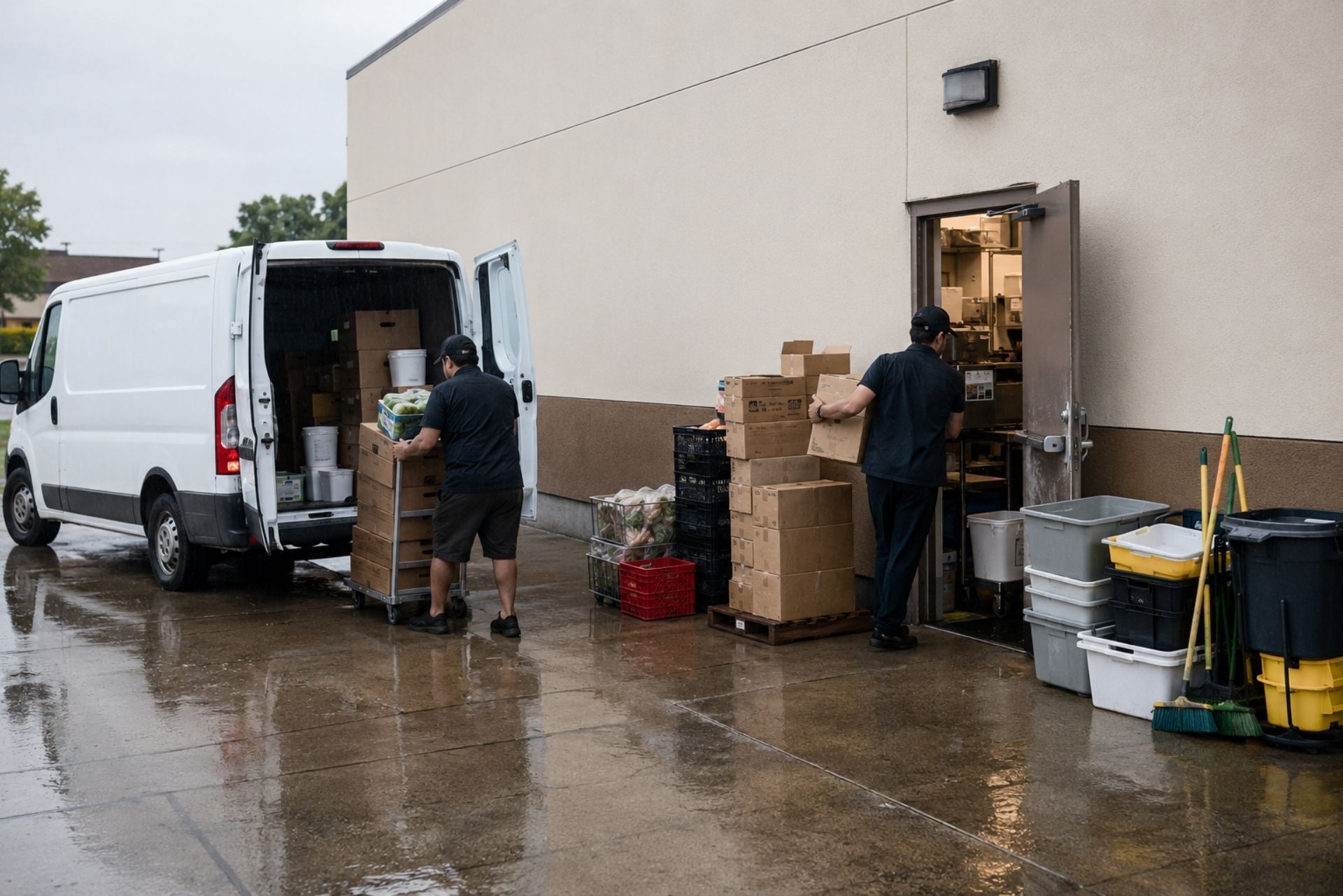
Delivery has become a significant revenue stream for Jersey Mike's locations, whether through in-house drivers or third-party platforms. If your employees use their personal vehicles for deliveries, you need hired and non-owned auto liability coverage. Their personal auto policies won't cover accidents that happen during work-related driving, and you'll be named in the lawsuit regardless.
This coverage typically runs $500 to $1,500 per year and provides
protection when employees drive their own cars for business purposes. If you operate company-owned delivery vehicles, you'll need a commercial auto policy instead, which costs significantly more but covers the vehicle itself along with liability. Either way, don't assume that third-party delivery apps absorb all the risk. Their insurance has gaps, and your franchise is often still exposed.
Employment Practices Liability (EPLI)
Quick-service restaurants face a disproportionate number of employment-related claims. Wrongful termination, discrimination, harassment, and wage-and-hour disputes are common in industries with young workers, high turnover, and shift-based scheduling. EPLI covers defense costs and settlements for these claims, which can easily reach $50,000 to $150,000 even when you've done nothing wrong.
Jersey Mike's doesn't always mandate EPLI, but experienced franchisees carry it anyway. A single disgruntled former employee with a lawyer can consume months of your time and tens of thousands of dollars. EPLI policies typically cost $800 to $3,000 annually for a single location, making them one of the better values in your insurance program.
Standard Limits and Policy Features
Your franchise agreement will specify minimum limits, but meeting the minimum isn't always the smartest move. Standard general liability limits of $1 million per occurrence and $2 million aggregate work for most locations, but franchisees in litigious states like California, Florida, or New York often carry higher limits or larger umbrella policies.
Pay attention to your deductibles. A $1,000 deductible on your property policy keeps premiums lower, but make sure you can absorb that cost comfortably if a claim hits. For workers' comp, many states allow you to choose a deductible option that reduces your premium in exchange for paying the first $500 to $2,500 of each claim out of pocket.
Your landlord will almost certainly require "additional insured" status on your general liability policy. This is standard and costs nothing extra, but you need to request the endorsement from your carrier and provide a certificate of insurance before your lease closes. Some landlords also require specific property coverage limits tied to the value of the tenant improvements they've financed. Review your lease carefully and share it with your insurance broker before binding coverage.
One often-overlooked feature is ordinance or law coverage. If your store suffers major damage and local building codes have changed since your original buildout, you could be required to upgrade electrical, plumbing, or ADA features during reconstruction. Standard property policies don't cover these increased costs unless you add this endorsement.
Common Questions About Insuring a Jersey Mike's
Does Jersey Mike's require a specific insurance carrier? No. You can choose any admitted carrier that meets the franchisor's minimum coverage requirements. That said, working with a broker who specializes in franchise insurance can streamline the process and ensure you don't miss any requirements.
Can I bundle all my coverages into one policy? A BOP combines general liability and property coverage, and you can often add endorsements for spoilage, equipment breakdown, and business income. Workers' comp and auto liability are typically separate policies.
What happens if I let my coverage lapse? Your franchise agreement likely includes a provision allowing Jersey Mike's corporate to purchase insurance on your behalf and charge you for it, usually at a much higher rate. A lapse can also trigger a default on your lease.
How do I lower my premiums? Maintain a clean claims history, invest in safety equipment, bundle policies where possible, and shop your coverage every two to three years. Installing fire suppression systems and maintaining ServSafe certifications can also earn you discounts with certain carriers.
Do I need separate coverage for catering operations? Your general liability policy typically covers catering, but confirm with your broker that off-premises events are included. If you're transporting food in vehicles, your hired and non-owned auto coverage needs to be in place.
Is cyber liability insurance necessary for a sub shop? If you process credit card transactions, and you do, a POS system breach can expose customer data and trigger notification costs, fines, and lawsuits. Cyber liability policies for small restaurants typically cost $500 to $1,500 per year.
Getting your Jersey Mike's franchise insurance right isn't just about checking boxes on a franchise agreement. It's about building a financial safety net that lets you focus on running your business instead of worrying about what could go wrong. Start by requesting a copy of your franchise agreement's insurance exhibit and your lease's insurance requirements. Hand both documents to a broker who understands franchise operations, not a generalist who sells homeowners' policies on the side.
Get quotes from at least three carriers, compare not just premiums but deductibles, exclusions, and endorsement options. Ask specifically about spoilage coverage limits, hired and non-owned auto, and whether your BOP includes ordinance or law coverage. Review your program annually, because your payroll changes, your revenue grows, and your risk profile shifts with every new delivery driver you hire.
The franchisees who handle insurance well treat it as a business tool, not a grudge purchase. The right program protects your investment, satisfies your franchisor and landlord, and gives you the confidence to grow. Take the time to build it correctly from the start, and you'll spend far less time and money dealing with coverage problems down the road.
About The Author:
Dustin Hulett
As Owner of Cuisine Coverage powered by Hulett Insurance, I specialize in protecting restaurants, bars, and hospitality businesses with smart, reliable insurance solutions. With years of experience serving the food and beverage industry, my goal is to make coverage simple, transparent, and built around the unique risks that owners face every day.
Contact Us
Business Coverage
Protection for Every Part of Your Food Business
Cuisine Coverage provides specialized insurance for restaurants, food trucks, catering services, and other hospitality businesses. We help owners protect their property, staff, and reputation with policies built around the most common industry risks.

General Liability Insurance
Protects your business from claims related to injury, property damage, or accidents that happen during operations.
General Liability
Liquor Liability Insurance
Covers alcohol-related incidents for restaurants, bars, or venues that serve or sell alcohol.
Liquor Liability
Workers Compensation Insurance
Provides wage replacement and medical benefits to employees injured on the job.
Workers Compensation
Business Interruption Insurance
Helps replace lost income and cover ongoing expenses if your business operations are temporarily halted.
Business Interruption
Product Liability Insurance
Protects against claims related to foodborne illness, contamination, or product defects.
Product Liability
Cyber Liability Insurance
Covers data breaches, online payment issues, and digital risks that can affect modern food businesses.
Cyber Liability
Serving the Food and Hospitality Industry
Insurance Solutions for Every Type of Food Business
Cuisine Coverage provides specialized insurance for restaurants, cafés, and food service professionals across the country. Whether you run a casual kitchen or a mobile food truck, we offer coverage that fits your operations and risk level.
How It Works
Insurance Made Easy for Food Business Owners
We know you don’t have time to deal with complicated insurance forms. That’s why our process is built for speed and simplicity — so you can get back to running your kitchen.
Your Insurance Questions Answered
What Restaurant and Food Business Owners Ask Most
What types of insurance do restaurants and food businesses need?
Most food businesses need general liability, property, and workers’ compensation coverage. These protect against injuries, equipment damage, and employee-related incidents. Businesses serving alcohol should also include liquor liability insurance for extra protection.
Having the right mix of policies helps reduce financial risks. We’ll help you identify the specific coverages your business needs based on your setup, size, and operations.
Do you provide insurance for food trucks and mobile kitchens?
Yes. We specialize in insurance for food trucks, trailers, and mobile vendors. Our coverage includes vehicle protection, cooking equipment, and liability for events or customer interactions.
We can also help you meet licensing and vendor requirements by issuing certificates of insurance quickly — often the same day.
How fast can I get a quote or start coverage?
In most cases, quotes are ready within 24 hours once we have your business details. After approval, coverage and certificates can be issued immediately.
Our process is fully digital but supported by real agents who review each policy for accuracy. You’ll always know exactly what you’re getting before coverage starts.
Do you offer liquor liability insurance for bars or restaurants?
Yes. We provide liquor liability insurance for bars, taverns, and restaurants that sell or serve alcohol. This coverage protects against claims involving intoxicated patrons or alcohol-related incidents.
It’s essential for maintaining compliance with local laws and protecting your business from costly lawsuits. We’ll ensure your policy meets all licensing requirements.
How can I reduce my insurance costs?
You can often lower premiums by bundling multiple coverages, maintaining clean safety records, and conducting regular policy reviews. Many insurers also offer discounts for installing safety systems and training employees.
At Cuisine Coverage, we proactively review your policy before renewal to help you keep costs down without reducing protection.
Do you help with certificates of insurance (COIs)?
Yes. We provide same-day certificates for vendors, landlords, and event partners. You can request them by phone or email anytime.
Having your COI ready keeps your business compliant and avoids delays in operations. Our team handles these requests quickly so you can stay focused on running your business.
From the Kitchen to Coverage
Real Advice for the Food and Hospitality Industry
We share tips, updates, and real-world stories from the food and insurance industries. Whether you’re managing a restaurant or rolling out a food truck, our articles give you useful guidance to protect your business and grow with confidence.
Contact Us
Phone
Location