See How We're Different:
OR call us: (214) 667-2729
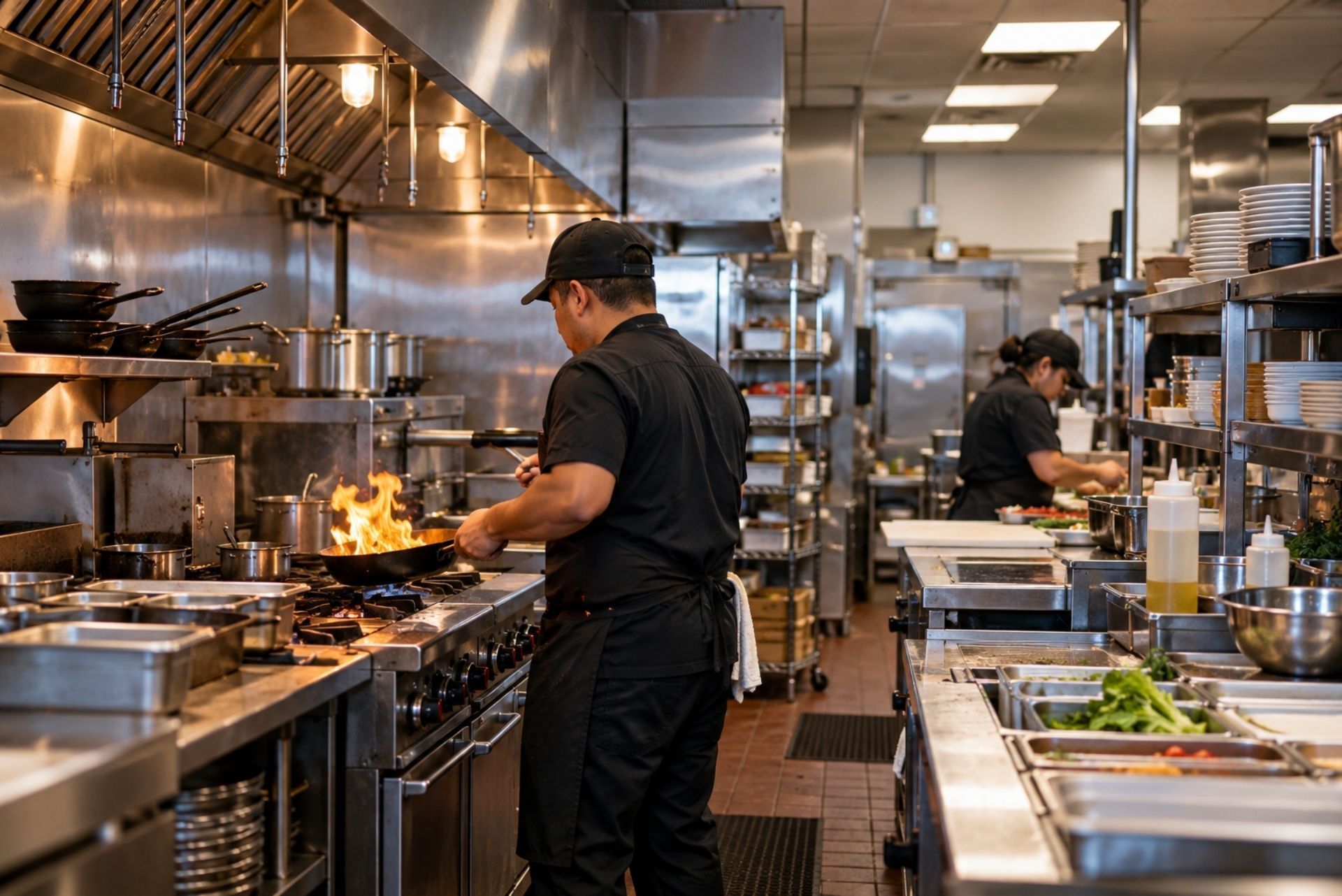
Imagine a bustling restaurant kitchen where one unnoticed slip in food safety could cost tens of thousands-or even millions-in damages. Foodborne illness outbreaks are not just health hazards; they can cripple a restaurant’s finances overnight. A single outbreak can cost anywhere from $4,000 to $1.9 million, depending on how severe the incident is and the losses involved. This stark reality underscores why risk management must come before insurance shopping in the restaurant business. The financial stakes are high, and protecting profits starts with understanding and mitigating risks.
Understanding the Biggest Risks Restaurants Face
Food Safety and Its Financial Fallout
Foodborne illnesses represent one of the most significant threats to restaurants. Beyond the immediate health impact, the financial damage can be devastating. Costs pile up from legal fees, settlements, lost customers, and regulatory fines. Even a minor outbreak can lead to a temporary shutdown, wiping out daily revenue streams. The unpredictability of these incidents makes them especially dangerous.
Emerging technologies like the FINDER model, which uses machine learning to predict which restaurants are more likely to fail health inspections, are changing the game. This model identifies risky establishments at a rate 3.1 times higher than traditional inspections, helping operators focus their safety efforts where it matters most. Innovations like this highlight how data-driven approaches can reduce risk before it becomes a costly problem.
Moreover, the implications of food safety extend beyond immediate financial losses. A restaurant's reputation can suffer irreparable damage following a food safety incident, leading to long-term declines in patronage. Customers today are more informed and vocal about their dining experiences, often sharing their opinions on social media platforms. A single negative review can deter potential customers, making it essential for restaurants to prioritize hygiene and transparency in their operations. Implementing rigorous training programs for staff and maintaining an open dialogue with customers about food sourcing and safety practices can help build trust and mitigate these risks.
Operational Risks and CEO Overconfidence
Running a restaurant involves juggling many moving parts, from supply chain logistics to staffing and customer service. One subtle but impactful risk comes from leadership decisions. Research shows that overconfident CEOs in the restaurant industry often push for aggressive growth strategies. While this can boost sales, it may also lead to overestimating returns and underestimating risks, ultimately hurting profitability.
Leaders must balance ambition with caution. Understanding the limits of projections and maintaining a realistic view of operational challenges can prevent costly missteps. Data-backed insights into leadership behavior provide a valuable lens for managing these risks effectively.
Additionally, the restaurant industry is characterized by rapid changes in consumer preferences and market trends, which can further complicate decision-making for CEOs. A leader's overconfidence may lead to ignoring critical feedback from employees or customers, resulting in a disconnect between the restaurant's offerings and what patrons truly desire. By fostering a culture of open communication and encouraging input from all levels of staff, restaurant leaders can create a more adaptive and resilient business model. This approach not only helps in mitigating operational risks but also enhances employee morale and customer satisfaction, ultimately contributing to a more sustainable growth trajectory.
How Digital Channels Strengthen Resilience
Surviving Demand Shocks with Online Presence
The COVID-19 pandemic exposed how vulnerable traditional restaurant models can be to sudden demand shocks. However, restaurants that embraced digital ordering and delivery platforms saw higher survival rates one year after lockdowns ended. Digital channels offer a buffer during crises, allowing restaurants to maintain revenue streams even when in-person dining is restricted. The shift towards digital not only provided immediate relief but also opened up new avenues for customer engagement, enabling restaurants to build loyalty through personalized marketing and targeted promotions.
Investing in a robust online presence is no longer optional. It’s a critical part of risk management that supports long-term resilience. Restaurants that leverage digital tools can adapt faster to changing market conditions and customer preferences, reducing the risk of closure. For instance, many establishments have started utilizing social media platforms to showcase their offerings, share behind-the-scenes content, and interact with customers in real-time. This engagement fosters a sense of community and connection, which is invaluable during times of uncertainty. Research confirms that digital readiness correlates strongly with survival in turbulent times.
Cost Allocation and Safety Improvements
Managing costs effectively is another pillar of resilience. The 2024 Restaurant Loss Cost Trends Report by Marsh emphasizes the value of formal cost allocation systems. These systems help operators identify where losses occur and allocate resources to safety and prevention measures strategically. This approach not only curbs expenses but also enhances overall safety, reducing the likelihood of incidents that lead to insurance claims. Furthermore, by investing in technology that tracks inventory and labor costs, restaurants can optimize their operations and minimize waste, ensuring that every dollar spent contributes to their sustainability.
By understanding exactly where money is going, restaurants can make smarter decisions that protect both their bottom line and their reputation. This level of insight allows operators to pivot quickly in response to market demands, whether that means adjusting menu prices, altering staffing levels, or even rethinking supply chain partnerships. Marsh’s findings offer a practical roadmap for operators aiming to tighten risk controls. Moreover, the integration of safety protocols into daily operations not only safeguards employees and patrons but also enhances the establishment's credibility, making it a preferred choice for health-conscious consumers in a post-pandemic world.
Why Many Restaurants Still Close Despite Industry Growth
Market Contraction and Chain Closures
Despite the U.S. foodservice industry generating approximately $879 billion in sales in 2022, nearly 33% of the top 500 restaurant chains saw a net decrease in locations during 2023. Closures have continued into 2024, signaling that growth figures alone don’t tell the full story. The restaurant business remains highly competitive and fraught with risks that can quickly erode profits.
Many closures stem from a failure to manage risks effectively, whether related to food safety, operational challenges, or adapting to market shifts. Owners who neglect risk management may find that insurance alone cannot shield them from financial ruin. Instead, proactive strategies are essential to survive and thrive in this volatile environment. This trend highlights the urgency of building resilience before buying coverage. Additionally, the increasing prevalence of food delivery services and changing consumer preferences have forced many establishments to rethink their business models. Restaurants that fail to adapt to these shifts may find themselves unable to compete, leading to a decline in customer loyalty and ultimately, closures.
Entrepreneurial Factors Influencing Success
Research into restaurant entrepreneurship reveals that success is influenced by more than just business acumen. Factors such as age, gender, income, perception of opportunities, fear of failure, and connections with other entrepreneurs all play a role. Understanding these human elements can help operators anticipate challenges and leverage strengths.
For example, knowing other entrepreneurs or acting as a business angel can provide valuable mentorship and financial support. Recognizing and addressing fears of failure can also empower owners to make more calculated decisions. This study sheds light on the personal dimensions of risk management that often go overlooked in the restaurant industry. Furthermore, the role of community engagement cannot be understated; restaurants that actively participate in local events and foster relationships with their patrons tend to build a loyal customer base. This sense of community can act as a buffer during tough times, providing a support network that extends beyond mere transactions.
Building a Comprehensive Risk Management Plan
Start with a Risk Assessment
Before shopping for insurance, restaurants need a clear picture of their risk landscape. Conducting a thorough risk assessment identifies vulnerabilities in food safety, operations, staffing, and financial management. This process should include reviewing past incidents, analyzing customer feedback, and evaluating compliance with health regulations.
Technology can assist here, too. Tools like the FINDER model can guide inspections and safety audits more precisely, helping prioritize areas that require immediate attention. A well-documented risk assessment lays the foundation for targeted prevention efforts that reduce the likelihood of costly claims. Additionally, involving staff in the risk assessment process can provide valuable insights, as they are often the first to notice potential hazards in their daily routines. Engaging employees not only fosters a culture of safety but also empowers them to take ownership of their roles in risk management.
Implement Safety Protocols and Training
Once risks are identified, putting safety protocols in place is critical. This includes standardized food handling procedures, regular staff training, and clear communication channels for reporting hazards. Consistent training ensures everyone understands their role in maintaining safety and compliance.
Regular audits and refresher courses keep standards high and help catch emerging risks early. Investing in staff education not only protects customers but also shields the business from liability and reputational damage. Furthermore, creating a safety committee that meets regularly can enhance accountability and encourage open dialogue about safety concerns. This committee can also be responsible for evaluating the effectiveness of existing protocols and suggesting improvements, ensuring that the restaurant remains proactive rather than reactive when it comes to safety.
Leverage Insurance as a Safety Net, Not a First Line of Defense
Insurance is vital, but it should be the last step after robust risk management measures are in place. Policies can protect against financial losses from lawsuits, property damage, and business interruptions, but they cannot prevent incidents from happening. Operators who rely solely on insurance may face higher premiums or denied claims if risk controls are lacking.
Choosing the right coverage depends on understanding the specific risks your restaurant faces. General liability, product liability, workers compensation, and business interruption insurance are common types, but the best mix varies by operation size and complexity. Consulting with knowledgeable insurance professionals who understand the restaurant industry can help tailor coverage appropriately. Additionally, it’s crucial to regularly review and update insurance policies to reflect changes in the business environment, such as expansion, new menu items, or shifts in customer demographics. This proactive approach ensures that the restaurant is adequately protected against evolving risks while maintaining financial stability.
Practical Tools and Tips to Protect Your Restaurant
Use Data Analytics to Monitor Performance
Data is a powerful ally in risk management. Tracking sales patterns, customer complaints, and inspection results can reveal trends that point to potential problems. Analytics also help measure the effectiveness of safety protocols and identify areas needing improvement.
For example, monitoring kitchen operations and supply chain quality can prevent spoilage and contamination. Digital tools that integrate with point-of-sale systems provide real-time insights, enabling faster responses to emerging risks. Additionally, utilizing customer feedback platforms can enhance your understanding of guest experiences, allowing you to pinpoint specific areas where service or food quality may be lacking. By analyzing this data, you can implement targeted training for staff, ensuring that every team member is equipped to uphold your restaurant's standards.
Create a Crisis Response Plan
Preparation for worst-case scenarios is essential. A crisis response plan outlines steps to take in the event of a foodborne illness outbreak, fire, or other emergencies. This plan should include communication strategies, roles and responsibilities, and procedures for cooperating with health authorities.
Having a clear, practiced plan minimizes confusion and damage when incidents occur, preserving customer trust and reducing downtime. Regular training sessions and drills can keep your staff familiar with the procedures, ensuring that everyone knows their role during a crisis. Furthermore, consider designating a crisis management team responsible for overseeing the implementation of the plan, which can streamline decision-making and enhance coordination during emergencies.
Maintain Strong Vendor Relationships
Suppliers play a critical role in food quality and safety. Establishing clear expectations and regular audits of vendors helps ensure ingredients meet standards. Building strong relationships encourages transparency and quick resolution of issues before they escalate.
Choosing reputable suppliers with proven safety records reduces the risk of contamination and supply disruptions, protecting both customers and profits. Additionally, fostering open communication with vendors can lead to collaborative problem-solving, where both parties can work together to improve product quality and safety measures. Consider hosting regular meetings or check-ins to discuss performance metrics and any potential concerns, which can further strengthen these valuable partnerships and ensure that your restaurant consistently receives the best possible ingredients.
Wrapping Things Up: Protecting Profits Starts with Prevention
Restaurant risk management is more than buying insurance. It’s about understanding the unique challenges your business faces and taking proactive steps to reduce those risks. From food safety to leadership decisions and digital resilience, every aspect matters.
Insurance is a crucial safety net, but it cannot replace solid risk controls. Embracing data-driven tools, investing in staff training, and preparing for crises all contribute to a stronger, more profitable operation. With nearly a third of major chains shrinking in recent years, those who prioritize risk management will be best positioned to survive and grow.
Start with a thorough risk assessment, implement smart safety practices, and choose insurance that fits your needs. Protecting profits before buying coverage is the smartest move any restaurant owner can make.
Frequently Asked Questions
Q: How much can a foodborne illness outbreak cost my restaurant?
A: Costs can range from $4,000 to $1.9 million depending on the severity and associated losses.
Q: Why is CEO overconfidence a risk for restaurants?
Overconfident CEOs may overestimate returns and underestimate risks, which can hurt profitability despite driving growth.
Q: How can digital channels help my restaurant survive crises?
Restaurants with strong digital ordering and delivery options have higher survival rates during demand shocks like the COVID-19 pandemic.
Q: What is the FINDER model and how does it improve food safety?
FINDER uses machine learning to identify restaurants more likely to fail health inspections, improving inspection accuracy and safety.
Q: Should I rely solely on insurance to protect my restaurant?
No. Insurance is important but should complement strong risk management practices, not replace them.
Q: What role does cost allocation play in risk management?
Formal cost allocation helps identify loss sources and allocate resources effectively to improve safety and reduce expenses.
About The Author:
Dustin Hulett
As Owner of Cuisine Coverage powered by Hulett Insurance, I specialize in protecting restaurants, bars, and hospitality businesses with smart, reliable insurance solutions. With years of experience serving the food and beverage industry, my goal is to make coverage simple, transparent, and built around the unique risks that owners face every day.
Contact Us