See How We're Different:
OR call us: (214) 667-2729
Seasonal restaurants face a unique set of challenges that demand a tailored approach to risk management. With nearly half a million seasonal jobs expected to be added in 2025 alone, this sector is booming but also exposed to risks that differ significantly from year-round establishments. Understanding these risks and planning accordingly can make the difference between a profitable season and costly setbacks.
Seasonal Hiring and Labor Challenges
Restaurants are projected to add 490,000 seasonal jobs in 2025, up from 459,000 in 2024. This surge reflects the growing demand for temporary staff during peak periods, but it also brings labor-related risks that require special attention.
One key challenge is recruiting quality team members in high-income areas. Barry Redler, President of JRI Hospitality, highlights that hourly roles in these regions often face staffing difficulties. This can lead to increased turnover, training costs, and operational disruptions. The competitive nature of these markets means that restaurants must not only offer attractive wages but also create appealing work environments that foster employee satisfaction and loyalty.
Seasonal hires tend to have less experience and shorter tenure, which raises the likelihood of workplace accidents and compliance issues. Restaurants must invest in thorough onboarding and safety training to mitigate these risks effectively. Additionally, leveraging technology such as mobile training apps can enhance the onboarding process, allowing new hires to access training materials at their convenience and ensuring they are well-prepared for their roles.
Moreover, the fluctuating nature of seasonal employment can lead to a lack of commitment from workers, who may view these positions as temporary stops rather than career opportunities. To combat this, some restaurants are exploring innovative retention strategies, such as offering performance bonuses or incentives for returning seasonal employees. These initiatives not only help build a more experienced workforce but also contribute to a positive workplace culture that can attract talent in the long run.
Barry Redler’s insights on labor challenges underscore the importance of adapting risk strategies to the seasonal workforce’s unique profile.
Operational Risks Unique to Seasonal Restaurants
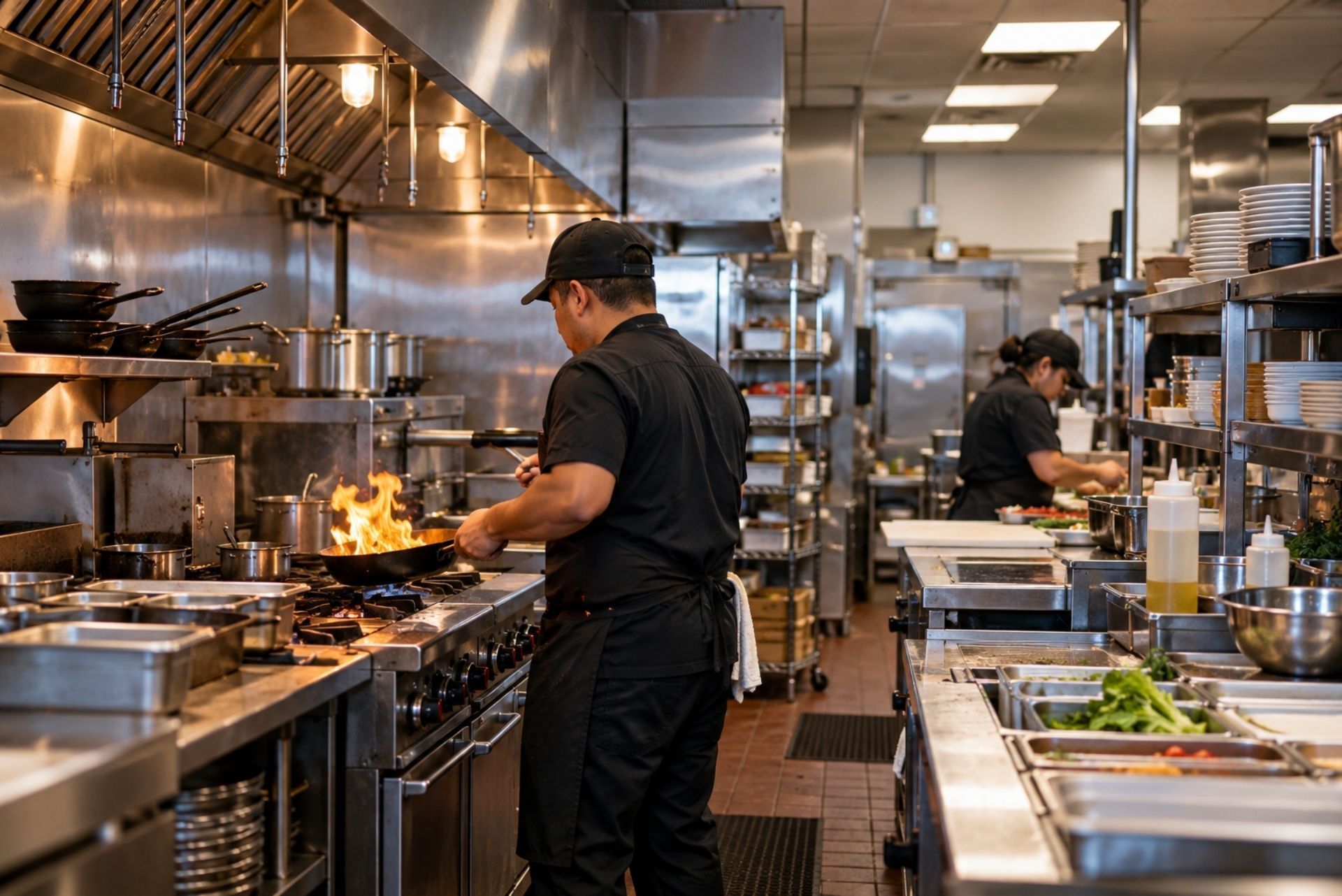
Seasonal operations often involve rapid scaling up and down of staff, inventory, and services. This fluctuation can expose restaurants to a variety of risks, including slip-and-fall incidents, food safety lapses, and equipment failures. The challenge of hiring and training seasonal staff in a short time frame can lead to inconsistencies in service and safety practices, which can compromise the establishment's reputation and operational efficiency.
Slip-and-fall accidents are a common hazard, especially when new employees are unfamiliar with safety protocols. Liquor-related incidents also spike during busy seasons, requiring vigilant oversight and staff training to prevent costly lawsuits. Furthermore, the pressure to serve a high volume of customers quickly can lead to rushed service, increasing the likelihood of errors that can result in injuries or accidents. Adequate training programs and clear communication of safety standards are crucial to mitigate these risks and ensure a safe environment for both employees and patrons.
Proactive risk control is essential. Restaurants that anticipate these challenges can implement stronger safety measures and insurance coverage tailored to seasonal spikes. This approach helps avoid the pitfalls that come with rapid operational changes. Additionally, investing in technology, such as point-of-sale systems that track inventory and sales trends, can help managers make informed decisions about staffing and supplies, ultimately reducing the risk of overextension or shortages during peak times.
Industry experts emphasize the need for proactive risk management to navigate the complex insurance landscape and reduce exposure. By fostering a culture of safety and awareness among staff, seasonal restaurants can not only protect their bottom line but also enhance the overall dining experience for their customers. Regular safety drills and feedback sessions can further reinforce the importance of safety protocols, ensuring that every team member is well-prepared to handle the unique challenges that come with a seasonal business model.
Food Safety and Demand Forecasting
Foodborne illness outbreaks can devastate a restaurant’s reputation and finances. A single outbreak can cost millions, making food safety a critical concern for seasonal establishments that handle fluctuating customer volumes. The impact of such outbreaks extends beyond immediate financial loss; they can lead to long-term damage to customer trust and loyalty, which is often hard to rebuild. For seasonal restaurants, where customer relationships are built over a short period, maintaining impeccable food safety standards is essential to ensure repeat business and positive word-of-mouth.
Accurate demand forecasting plays a vital role in minimizing food waste and ensuring quality. A Bayesian approach to predicting food and beverage sales has shown promise in staff canteens and restaurants, helping operators prepare the right amount of food without overstocking. This method not only enhances the accuracy of predictions but also allows for the incorporation of various factors such as historical sales data, seasonal trends, and even local events that may influence customer turnout. By leveraging these insights, restaurants can optimize their inventory management, ensuring that they always have fresh ingredients on hand while reducing the likelihood of spoilage.
Implementing such forecasting methods can improve profitability and reduce the risk of spoilage-related losses. Seasonal restaurants, with their unpredictable customer flow, benefit greatly from these advanced tools. Additionally, integrating technology such as point-of-sale systems and inventory management software can further streamline operations. By analyzing real-time data, restaurant owners can make informed decisions about menu offerings, portion sizes, and purchasing practices, ultimately leading to a more sustainable operation. This proactive approach not only enhances customer satisfaction through consistent quality but also contributes to a more environmentally friendly business model by minimizing food waste.
Learn more about demand forecasting techniques that support smarter food preparation and waste reduction. Understanding these methodologies can empower restaurant operators to navigate the complexities of food service, especially in a landscape where customer preferences and market dynamics are constantly evolving. By adopting a data-driven approach, establishments can not only safeguard their reputation but also position themselves for long-term success in a competitive industry.
Innovations in Delivery and Kitchen Operations
The rise of ghost kitchens is reshaping how seasonal restaurants manage delivery. These centralized complexes allow multiple restaurants to prepare meals simultaneously, optimizing resources and reducing delivery times.
For seasonal operators, ghost kitchens offer a way to expand reach without the overhead of a full-service location. This model also helps mitigate risks related to delivery delays and food quality, which can be harder to control during peak seasons.
Adopting ghost kitchen strategies requires a shift in risk management, focusing on coordination, quality control, and technology integration.
Explore the concept of ghost kitchens and how they address delivery challenges in the restaurant industry.
In addition to the logistical advantages, ghost kitchens also provide an opportunity for culinary experimentation. Chefs can test new menu items or concepts without the financial burden of a traditional restaurant setup. This flexibility allows for rapid iteration based on customer feedback, enabling seasonal operators to adapt their offerings in real-time to meet changing consumer preferences. Furthermore, the ability to collaborate with multiple brands under one roof can lead to innovative fusion dishes that attract a broader audience.
Moreover, the technology that underpins ghost kitchens is continually evolving. Advanced kitchen management systems streamline operations, from inventory tracking to order processing, ensuring that each dish meets the highest standards of quality. Integration with delivery platforms enhances visibility and efficiency, allowing restaurants to monitor performance metrics and adjust strategies accordingly. This data-driven approach not only improves service but also fosters a culture of continuous improvement, essential for staying competitive in a fast-paced market.
Financial Implications and Risk Exposure
Restaurant operator spending is projected to reach $323.6 billion in 2024, reflecting the scale and economic impact of the industry. Seasonal restaurants contribute significantly to this figure but face distinct financial risks. These establishments often rely on a concentrated period of high traffic to generate the majority of their annual revenue, which can lead to a precarious financial balance if not managed properly. The influx of customers during peak seasons can create a false sense of security, masking underlying vulnerabilities that may emerge during off-peak times.
Seasonal peaks can strain cash flow and increase liability exposure. Insurance claims related to employee injuries, foodborne illnesses, and property damage tend to rise with seasonal activity. Without a tailored risk strategy, these claims can erode profits quickly. Moreover, the rapid hiring and training of temporary staff during busy seasons can further complicate risk management efforts, as inexperienced employees may inadvertently contribute to operational mishaps or safety incidents. This highlights the importance of not only having adequate insurance but also implementing rigorous training programs to ensure that all staff are well-versed in safety protocols and operational best practices.
Effective risk management includes not only insurance coverage but also operational controls and employee training. This holistic approach helps seasonal restaurants maintain financial stability through fluctuating business cycles. By investing in comprehensive training and clear operational guidelines, restaurant operators can mitigate risks associated with high turnover rates and seasonal hiring. Additionally, employing technology solutions such as inventory management systems can help streamline operations and reduce waste, further bolstering financial health. Seasonal restaurants that adopt these proactive measures are better positioned to navigate the complexities of their business environment.
For more on the financial landscape, see the latest industry spending projections.
Wrapping Things Up: Why a Specialized Risk Strategy Matters
Seasonal restaurants operate in a fast-paced, high-risk environment that demands more than a one-size-fits-all insurance policy. From labor challenges and operational hazards to food safety and financial exposure, each aspect requires careful planning and proactive management. The unique challenges faced by these establishments, such as fluctuating customer demand and the necessity to hire temporary staff, can create vulnerabilities that need to be addressed head-on.
Adapting risk strategies to the seasonal nature of the business helps protect against costly incidents and supports long-term success. Whether investing in employee training, leveraging technology for demand forecasting, or embracing new operational models like ghost kitchens, seasonal restaurants benefit from a comprehensive, tailored approach. For instance, implementing robust training programs for seasonal staff not only enhances service quality but also reduces the likelihood of accidents or food safety violations, which can be particularly damaging during peak periods.
Ignoring these unique risks can lead to expensive claims and operational disruptions that jeopardize the entire season. A well-crafted risk strategy is not just a safety net but a competitive advantage in a crowded, dynamic market. Additionally, seasonal restaurants must consider the implications of weather-related disruptions; a sudden storm can halt operations and lead to significant financial losses. By incorporating weather-related contingencies into their risk management plans, operators can mitigate these impacts and ensure they are prepared for unexpected challenges.
Seasonal restaurant operators who understand and act on these risks position themselves for smoother seasons and stronger growth. Furthermore, engaging with local suppliers and community resources can bolster their risk strategies by creating a network of support that enhances resilience. Collaborating with local farms not only ensures fresh ingredients but also fosters goodwill and strengthens community ties, which can be invaluable during challenging times. In this way, a specialized risk strategy not only safeguards the business but also enriches the overall dining experience for patrons, ultimately leading to a more sustainable and successful operation.
Frequently Asked Questions
Q: Why do seasonal restaurants need different insurance than year-round ones?
A: Seasonal restaurants face fluctuating staffing levels and operational changes that increase certain risks. Their insurance needs to cover these unique exposures during peak periods. Additionally, the nature of seasonal operations often means that restaurants may not have the same level of experience with high-volume service, which can lead to increased liability. For instance, a beachside café that operates only in the summer may not be as adept at managing large crowds as a year-round establishment, necessitating tailored insurance solutions to mitigate those risks.
Q: How can seasonal restaurants reduce food waste?
A: Using demand forecasting techniques helps predict customer volume more accurately, allowing better inventory and food preparation management. Moreover, implementing a system for tracking food usage and waste can provide invaluable insights. By analyzing trends from previous seasons, restaurants can adjust their menus and purchasing strategies to align more closely with customer preferences, ultimately minimizing excess inventory and reducing the environmental impact of food waste.
Q: What are ghost kitchens, and how do they help seasonal restaurants?
A: Ghost kitchens are centralized food preparation hubs that serve multiple restaurants, improving delivery efficiency and reducing overhead costs. This model allows seasonal restaurants to expand their reach without the burden of additional physical locations. By utilizing ghost kitchens, they can offer delivery services even during off-peak seasons, maintaining customer engagement and revenue streams, while also streamlining operations and focusing on core menu items that resonate with their target audience.
Q: What common risks increase during seasonal peaks?
A: Slip-and-fall incidents, liquor-related claims, food safety issues, and employee injuries tend to rise with higher customer and staff volumes. Furthermore, the rush of seasonal business can lead to increased pressure on kitchen staff, potentially resulting in mistakes that could compromise food safety. Restaurants must be vigilant about maintaining cleanliness and adhering to safety protocols, as the influx of customers can create a chaotic environment where oversights are more likely to occur.
Q: How important is employee training for seasonal hires?
A: Very important. Seasonal staff often have less experience, so thorough training reduces accidents and compliance risks. Effective training programs not only cover operational procedures but also emphasize customer service excellence, which is crucial during busy periods. Additionally, fostering a culture of teamwork and communication among seasonal employees can enhance efficiency and create a more enjoyable work environment, ultimately leading to better customer experiences.
Q: Can technology improve risk management for seasonal restaurants?
A: Yes. Tools like demand forecasting and digital coordination platforms help optimize operations and reduce risks. Furthermore, implementing point-of-sale systems that track sales patterns in real-time can provide valuable data for making informed decisions about staffing and inventory. By leveraging technology, seasonal restaurants can adapt quickly to changing conditions, ensuring they are well-prepared to meet customer demand while minimizing potential liabilities.
About The Author:
Dustin Hulett
As Owner of Cuisine Coverage powered by Hulett Insurance, I specialize in protecting restaurants, bars, and hospitality businesses with smart, reliable insurance solutions. With years of experience serving the food and beverage industry, my goal is to make coverage simple, transparent, and built around the unique risks that owners face every day.
Contact Us