See How We're Different:
OR call us: (214) 667-2729
Every franchise owner knows that running a restaurant is more than just serving great food. Behind the scenes, risk management plays a crucial role in protecting the brand, safeguarding customers, and ensuring steady growth. For franchises, these risks multiply-spanning from food safety to leadership decisions and operational costs. Navigating this complex landscape requires a clear understanding of the often unspoken rules that keep a franchise thriving.
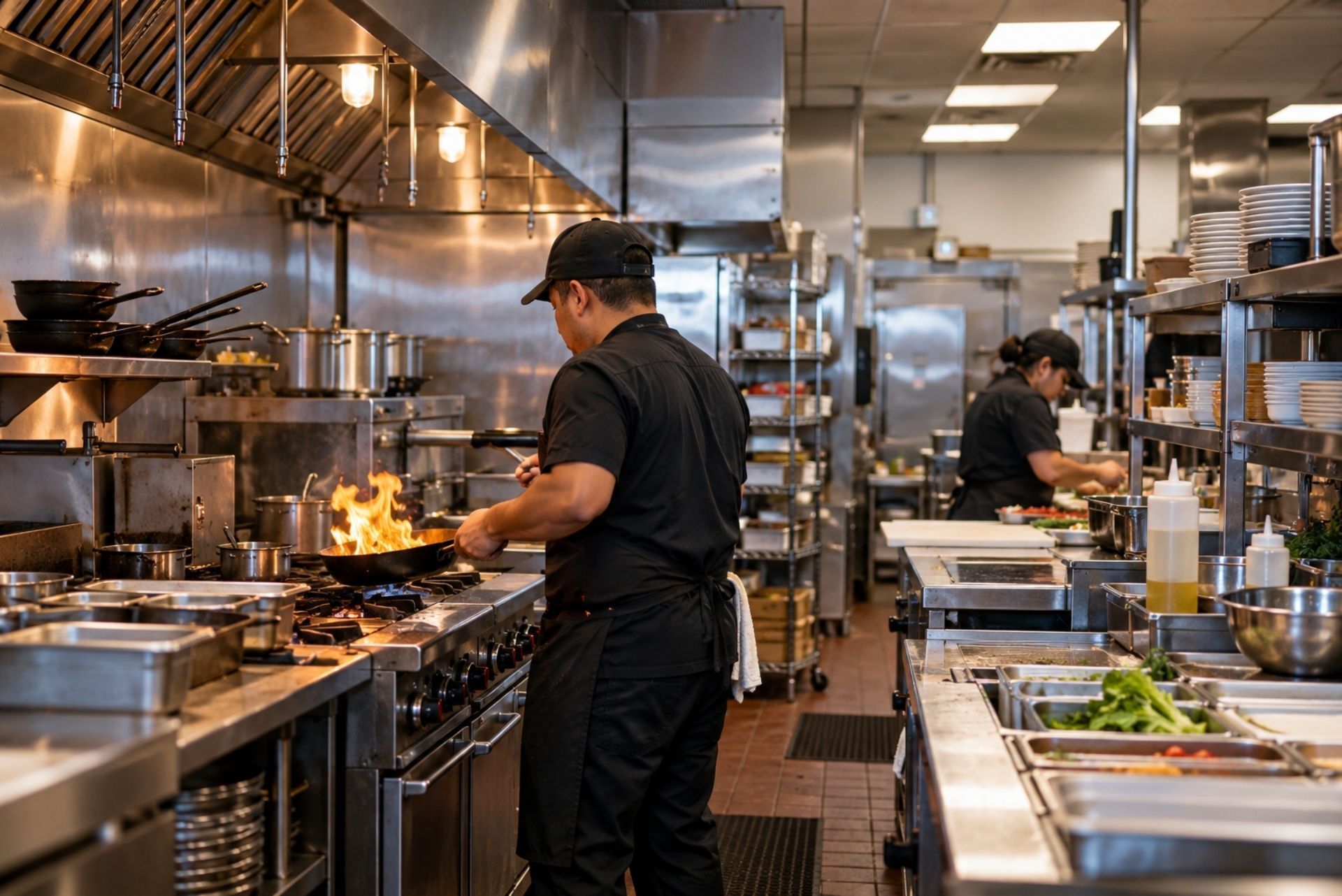
Food Safety: The Frontline of Franchise Risk
Foodborne illnesses remain one of the most significant threats to restaurant franchises. The statistics are sobering: approximately 48 million Americans fall ill each year due to food-related diseases, with 128,000 hospitalizations and 3,000 deaths. This is not just a public health issue; it’s a direct risk to brand reputation and financial stability.
Franchise operators must prioritize rigorous food safety protocols. This means more than just meeting minimum health standards—it requires proactive measures such as continuous staff training, regular audits, and adopting technology that can flag potential hazards early. For example, models like FINDER have been shown to improve health inspection accuracy by identifying restaurants 3.1 times more likely to fail inspections, allowing franchises to address issues before they escalate.
Investing in formal cost allocation systems can also reduce the financial impact of food safety lapses. According to Marsh’s 2024 Restaurant Loss Cost Trends Report, these systems not only help control expenses but also improve safety outcomes by pinpointing risk areas within operations. For franchises, this translates into better resource management and fewer costly incidents.
Moreover, the role of technology in enhancing food safety cannot be overstated. Advanced data analytics and real-time monitoring systems can provide invaluable insights into food handling practices and inventory management. For instance, IoT devices can track temperature fluctuations in refrigeration units, alerting staff to potential issues before they compromise food safety. This proactive approach not only mitigates risks but also fosters a culture of accountability among employees, ensuring that everyone understands their role in maintaining high safety standards.
Furthermore, maintaining open lines of communication with suppliers is essential for ensuring the safety of ingredients. Franchises should establish strong relationships with vendors who prioritize food safety and adhere to strict quality controls. Regularly reviewing supplier practices and certifications can help franchises avoid the pitfalls associated with contaminated or subpar ingredients, ultimately safeguarding both customer health and the franchise’s reputation. In an industry where trust is paramount, transparency in the supply chain can be a significant competitive advantage.
Foodborne illness statistics remind franchise leaders that prevention is the best defense. The stakes are too high to treat food safety as an afterthought.
CEO Overconfidence and Its Impact on Franchise Growth
Leadership style can make or break a franchise. Research reveals that CEO overconfidence has a significant positive effect on firm growth, pushing companies to innovate and expand aggressively. However, this trait comes with risks, especially in a franchised environment where local managers and franchisees must align with broader corporate strategies.
Interestingly, franchising itself acts as a moderating force. It can temper the downsides of CEO overconfidence by distributing decision-making and risk across multiple stakeholders. This reduces the likelihood of costly mistakes that might arise from overly optimistic leadership. In fact, franchising has been identified as a strategic tool to mitigate profitability risks linked to CEO overconfidence.
For franchise systems, this means balancing bold leadership with structured governance. Encouraging open communication and data-driven decisions can harness the benefits of confident leadership while keeping growth sustainable. The role of franchisees becomes crucial in this dynamic, as their on-the-ground insights can provide valuable feedback that helps temper the CEO's ambitious plans with practical realities. This two-way communication fosters a culture of collaboration, where franchisees feel empowered to voice concerns and contribute to strategic discussions, ultimately leading to more informed decision-making.
Moreover, the impact of CEO overconfidence on franchise growth can also be seen in the realm of marketing and brand positioning. A confident CEO may push for aggressive marketing campaigns or expansion into new territories, which can invigorate brand presence and attract new customers. However, if these initiatives are not grounded in thorough market research or fail to consider local consumer preferences, they can backfire. Therefore, it is essential for franchise systems to implement robust market analysis frameworks that allow for the integration of the CEO's vision with empirical data, ensuring that the franchise not only grows but thrives in diverse markets.
Studies on CEO overconfidence highlight the importance of this balance in franchise success.
Technology Investments: A Double-Edged Sword
Technology is transforming restaurant operations, from ordering systems to inventory management. In 2023, restaurants are expected to spend $15 billion on technology, up from $12 billion the previous year. For franchises, technology can streamline processes, reduce errors, and enhance customer experience. But it also introduces new risks, such as cybersecurity threats and operational disruptions.
Choosing the right technology means understanding both its benefits and vulnerabilities. Platforms that increase the number of providers can expand market reach but also intensify competition among franchisees. This digital resilience requires careful vendor selection and ongoing monitoring to ensure systems remain secure and effective.
Franchises should adopt technology that supports risk management goals—such as tools that improve food safety tracking or automate compliance reporting—while avoiding overreliance on untested solutions. Additionally, the integration of artificial intelligence and machine learning into restaurant operations can provide valuable insights into customer preferences and operational efficiencies. These technologies can analyze vast amounts of data to predict trends, optimize menus, and even personalize marketing efforts, thereby enhancing customer engagement and loyalty.
However, the implementation of such advanced technologies necessitates a skilled workforce capable of managing and interpreting the data generated. Training staff to effectively utilize these tools is crucial, as is fostering a culture of adaptability and continuous learning within the organization. As the landscape of restaurant technology evolves, staying ahead of the curve will not only require financial investment but also a commitment to developing human capital that can leverage these innovations for sustained growth.
Restaurant technology spending trends underscore the need for strategic investment.
Operational Safety and Cost Control
Beyond food safety, operational risks include workplace injuries, equipment failures, and property damage. These incidents can quickly escalate costs and disrupt service. For franchises, maintaining consistent safety standards across locations is essential. Each franchise location must adhere to a unified safety protocol to ensure that all employees are aware of potential hazards and the necessary precautions to mitigate them. This consistency not only protects the workforce but also enhances customer confidence in the brand, as patrons are more likely to return to an establishment that prioritizes their safety.
Formal cost allocation systems play a key role here as well. By accurately tracking where losses occur, franchises can target safety improvements and reduce insurance premiums. Marsh’s 2024 report emphasizes that such systems not only cut costs but also foster a culture of safety that benefits employees and customers alike. Implementing these systems requires a commitment to data analysis and continuous improvement, as franchises must regularly review incident reports and adjust their safety measures accordingly. This proactive approach can lead to significant long-term savings and a more resilient operational framework.
Regular training, clear safety protocols, and investment in durable equipment are unwritten rules that successful franchises follow without exception. These practices protect the bottom line and reinforce brand trust. Furthermore, engaging employees in safety discussions can lead to innovative ideas and solutions that management may not have considered. By creating an environment where staff feel empowered to speak up about safety concerns, franchises can not only enhance their safety measures but also improve employee morale and retention.
Marsh's insights on loss cost trends provide valuable guidance for franchises aiming to tighten operational safety. These insights can serve as a benchmark for assessing current practices and identifying areas for improvement. Additionally, franchises can benefit from networking with other businesses in the industry to share best practices and learn from one another's experiences, ultimately leading to a safer and more efficient operational environment.
Preparing for the Future: Market Growth and Risk Management
The U.S. restaurant management market is poised for significant growth between 2025 and 2034. This expansion presents both opportunities and challenges for franchises. As the industry grows, so does the complexity of managing risks across a larger, more diverse network. Factors such as changing consumer preferences, technological advancements, and economic fluctuations will all play a role in shaping the landscape of restaurant management.
Franchises that embed risk management into their growth strategies will be better positioned to capitalize on market trends. This includes leveraging data analytics to identify emerging risks, adopting flexible franchising models, and continuously updating safety and operational standards. For instance, the integration of artificial intelligence and machine learning can help predict customer behavior and optimize inventory management, thereby reducing waste and enhancing profitability. Additionally, franchises must remain vigilant about regulatory changes, especially those related to health and safety, which can vary significantly from one region to another.
Staying ahead means recognizing that risk management is not a static checklist but an evolving practice that adapts to new market realities and consumer expectations. As sustainability becomes increasingly important to consumers, franchises may also need to incorporate environmental risk assessments into their strategies. This could involve evaluating supply chain practices, sourcing local ingredients, and minimizing carbon footprints, all while maintaining quality and customer satisfaction.
Industry forecasts signal a robust outlook, making proactive risk management more critical than ever. By fostering a culture of resilience and adaptability, franchises can not only navigate potential pitfalls but also seize new opportunities that arise in this dynamic market landscape. Engaging in regular training and development for staff can further enhance a franchise's ability to respond to challenges, ensuring that all team members are equipped with the knowledge and skills necessary to thrive in a rapidly changing environment.
Frequently Asked Questions
Q: How can franchises reduce the risk of foodborne illnesses?
A: Implementing strict food safety protocols, continuous staff training, and using technology like the FINDER model for early detection can significantly lower risks. Additionally, regular audits and inspections can help ensure compliance with health regulations. Franchises should also consider sourcing ingredients from reputable suppliers who prioritize food safety, as this can further mitigate the risk of contamination. Engaging customers in food safety practices, such as encouraging them to report any concerns, can create a culture of safety that benefits both the franchise and its patrons.
Q: Why is CEO overconfidence both good and bad for franchises?
A: Overconfidence can drive growth and innovation but may also lead to risky decisions. Franchising helps balance this by spreading risk and encouraging oversight. A confident CEO might pursue aggressive expansion strategies or invest in new product lines that could pay off significantly. However, this same overconfidence can blind them to potential pitfalls, such as market saturation or changing consumer preferences. It’s crucial for franchise systems to have checks and balances in place, such as advisory boards or franchisee feedback mechanisms, to ensure that ambitious plans are grounded in reality and supported by data.
Q: What should franchises consider when investing in technology?
A: Focus on solutions that enhance safety and efficiency, while being mindful of cybersecurity and vendor reliability. Franchises should also evaluate the scalability of technology solutions to ensure they can grow alongside the business. Investing in point-of-sale systems that integrate inventory management can streamline operations and reduce waste. Furthermore, franchises should stay informed about emerging technologies, such as artificial intelligence and machine learning, which can provide valuable insights into customer behavior and operational efficiencies, ultimately leading to improved service and profitability.
Q: How do formal cost allocation systems benefit franchises?
A: They help identify where losses occur, enabling targeted safety improvements and cost reductions. By breaking down expenses into specific categories, franchises can pinpoint inefficiencies and make informed decisions about resource allocation. This level of transparency can also foster accountability among staff, as they understand the financial implications of their actions. Moreover, formal cost allocation can assist in pricing strategies, ensuring that products are competitively priced while still covering costs and contributing to profitability.
Q: Is risk management important for franchise growth?
A: Absolutely. Effective risk management supports sustainable expansion and protects brand reputation. It involves not only identifying potential risks but also developing strategies to mitigate them, such as diversifying supply chains or implementing crisis management plans. A proactive approach to risk management can enhance a franchise's resilience in the face of unforeseen challenges, such as economic downturns or public health crises. Additionally, franchises that demonstrate a commitment to risk management can build trust with consumers and franchisees alike, reinforcing their brand integrity and encouraging loyalty
Frequently Asked Questions
Q: How can franchises reduce the risk of foodborne illnesses?
A: Implementing strict food safety protocols, continuous staff training, and using technology like the FINDER model for early detection can significantly lower risks. Additionally, regular audits and inspections can help ensure compliance with health regulations. Franchises should also consider sourcing ingredients from reputable suppliers who prioritize food safety, as this can further mitigate the risk of contamination. Engaging customers in food safety practices, such as encouraging them to report any concerns, can create a culture of safety that benefits both the franchise and its patrons.
Q: Why is CEO overconfidence both good and bad for franchises?
A: Overconfidence can drive growth and innovation but may also lead to risky decisions. Franchising helps balance this by spreading risk and encouraging oversight. A confident CEO might pursue aggressive expansion strategies or invest in new product lines that could pay off significantly. However, this same overconfidence can blind them to potential pitfalls, such as market saturation or changing consumer preferences. It’s crucial for franchise systems to have checks and balances in place, such as advisory boards or franchisee feedback mechanisms, to ensure that ambitious plans are grounded in reality and supported by data.
Q: What should franchises consider when investing in technology?
A: Focus on solutions that enhance safety and efficiency, while being mindful of cybersecurity and vendor reliability. Franchises should also evaluate the scalability of technology solutions to ensure they can grow alongside the business. Investing in point-of-sale systems that integrate inventory management can streamline operations and reduce waste. Furthermore, franchises should stay informed about emerging technologies, such as artificial intelligence and machine learning, which can provide valuable insights into customer behavior and operational efficiencies, ultimately leading to improved service and profitability.
Q: How do formal cost allocation systems benefit franchises?
A: They help identify where losses occur, enabling targeted safety improvements and cost reductions. By breaking down expenses into specific categories, franchises can pinpoint inefficiencies and make informed decisions about resource allocation. This level of transparency can also foster accountability among staff, as they understand the financial implications of their actions. Moreover, formal cost allocation can assist in pricing strategies, ensuring that products are competitively priced while still covering costs and contributing to profitability.
Q: Is risk management important for franchise growth?
A: Absolutely. Effective risk management supports sustainable expansion and protects brand reputation. It involves not only identifying potential risks but also developing strategies to mitigate them, such as diversifying supply chains or implementing crisis management plans. A proactive approach to risk management can enhance a franchise's resilience in the face of unforeseen challenges, such as economic downturns or public health crises. Additionally, franchises that demonstrate a commitment to risk management can build trust with consumers and franchisees alike, reinforcing their brand integrity and encouraging loyalty
What to Remember
Franchise risk management is a multifaceted challenge that touches every part of the business. From preventing foodborne illnesses to balancing leadership dynamics and investing wisely in technology, the unwritten rules are about vigilance, adaptability, and strategic foresight. Embracing these principles helps franchises not only survive but thrive in a competitive market. For instance, implementing stringent health and safety protocols can significantly reduce the likelihood of health-related incidents, thereby protecting both the brand's reputation and its bottom line. Additionally, franchises that invest in training programs for their staff can foster a culture of awareness and accountability, which is essential in mitigating risks associated with employee behavior and operational practices.
Ignoring these risks can lead to costly setbacks, while proactive management builds resilience and trust with customers and franchisees alike. The future belongs to those who treat risk management as a core part of their operational DNA. This proactive approach not only safeguards the franchise but also enhances its credibility in the eyes of stakeholders. Moreover, by leveraging technology such as data analytics and risk assessment tools, franchises can identify potential vulnerabilities before they escalate into major issues. This forward-thinking mindset not only prepares businesses for unforeseen challenges but also positions them to capitalize on new opportunities, ensuring long-term sustainability and growth in an ever-evolving marketplace.
About The Author:
Dustin Hulett
As Owner of Cuisine Coverage powered by Hulett Insurance, I specialize in protecting restaurants, bars, and hospitality businesses with smart, reliable insurance solutions. With years of experience serving the food and beverage industry, my goal is to make coverage simple, transparent, and built around the unique risks that owners face every day.
Contact Us