Meal Prep Business INSURANCE
OR call us: (214) 667-2729
A single foodborne illness claim can cost your meal prep business anywhere from $10,000 to well over $75,000 when you factor in legal fees, settlements, and the devastating hit to your reputation. I've seen promising operations shut down permanently after just one contamination incident because they carried the wrong coverage or, worse, none at all.
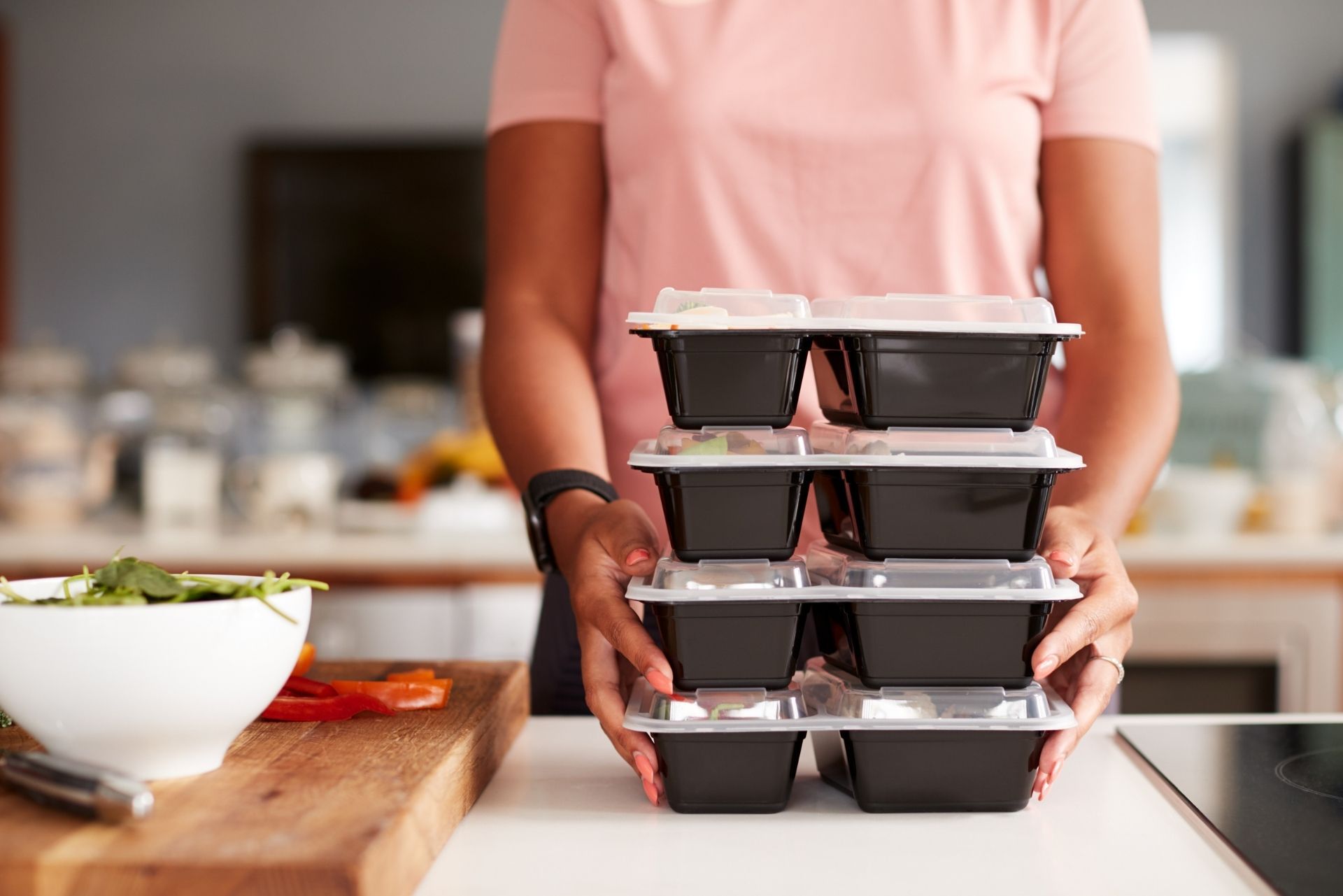
Running a ready-to-eat food operation means you're handling perishable ingredients, managing temperature-sensitive storage, coordinating deliveries, and trusting that every meal leaving your kitchen meets safety standards. Each of these steps creates exposure points that standard business insurance simply wasn't designed to address. Meal prep business insurance protects your operations by covering the specific risks that come with preparing, storing, and delivering food directly to consumers.
The meal prep industry has exploded over the past five years, with more entrepreneurs launching home-based or commercial kitchen operations than ever before. Health departments have responded with stricter regulations, and insurance carriers have developed specialized products to match these unique risks. Understanding what coverage you actually need versus what agents try to sell you can save thousands annually while ensuring you're genuinely protected when something goes wrong.
The Vital Role of Insurance in the Meal Prep Industry
Food businesses operate in a liability minefield that most other small businesses never encounter. You're not just selling a product: you're asking customers to consume something you prepared, trust that it won't make them sick, and believe that your kitchen meets health standards they'll never personally inspect.
Identifying Unique Risks for Food Businesses
Meal prep operations face risks that overlap with restaurants, catering companies, and food manufacturers, but don't fit neatly into any single category. Your exposure includes preparation hazards like cross-contamination, improper cooking temperatures, and allergen mixing. Storage risks involve refrigeration failures, pest contamination, and ingredient spoilage. Delivery adds another layer with temperature control during transport and vehicle accidents.
A customer with a severe nut allergy could suffer anaphylaxis from cross-contact in your prep area. A power outage over a weekend could spoil hundreds of dollars in prepared meals. A delivery driver could cause an accident while rushing to meet a schedule. Each scenario triggers different coverage types, and gaps in your policy leave you personally liable.
Legal Requirements and Compliance Standards
Most states require food businesses to carry minimum liability coverage before issuing permits. California, Texas, and Florida mandate proof of insurance for commercial kitchen licenses. Many shared commercial kitchens won't let you rent space without a certificate of insurance naming them as additional insured.
Beyond legal minimums, your contracts with clients, delivery platforms, and suppliers often specify coverage requirements. Corporate meal delivery contracts typically demand $1 million to $2 million in general liability. Failing to meet these thresholds means losing business opportunities, not just risking fines.

By: Dustin Hulett
Founder & CEO of Cuisine Coverage
Core Coverage Types for Food Preparation
Building the right insurance package means layering several policy types to eliminate gaps. No single policy covers everything a meal prep business needs.
General Liability and Product Liability
General liability covers third-party bodily injury and property damage claims that occur on your premises or because of your operations. If a customer slips on a wet floor during pickup or your delivery driver damages a client's property, general liability responds.
Product liability specifically covers claims arising from the food itself. When someone gets sick from your meals, alleges contamination, or claims an allergic reaction,
product liability pays for their medical bills, your legal defense, and any settlement. Most carriers bundle these coverages, but verify that product liability limits match your general liability limits. Some policies cap product claims at lower amounts.
| Coverage Type | What It Covers | Typical Limits |
|---|---|---|
| General Liability | Slip-and-fall, property damage, advertising injury | $1M per occurrence / $2M aggregate |
| Product Liability | Foodborne illness, contamination, allergic reactions | $1M per occurrence / $2M aggregate |
| Combined GL/PL | Both coverages in one policy | $1M-$2M per occurrence |
Commercial Property and Kitchen Equipment Protection
Your commercial kitchen equipment represents a significant investment. Commercial-grade refrigerators, freezers, ovens, and prep stations can easily total $50,000 or more. Commercial property insurance covers these assets against fire, theft, vandalism, and certain natural disasters.
Standard policies often exclude flood and earthquake damage, so check your location's risk profile. If you operate from a rented commercial kitchen, your landlord's policy covers the building but not your equipment inside. You need your own coverage for everything you own or lease.
Workers' Compensation for Kitchen Staff
Once you hire employees, workers' compensation becomes mandatory in nearly every state. Kitchen work involves burns, cuts, repetitive motion injuries, and slip hazards. A single serious injury without workers' comp coverage can result in state penalties plus personal liability for the employee's medical bills and lost wages.
Even if you only hire part-time prep help or delivery drivers, workers' comp applies. Independent contractor classifications don't automatically exempt you: misclassifying employees to avoid coverage creates massive legal exposure if someone gets hurt.
Specialized Policies for Delivery and Transport
Meal prep businesses that deliver face risks that standard policies explicitly exclude. Your personal auto insurance won't cover accidents that occur while delivering food for profit.
Commercial Auto Insurance vs. Personal Policies
Personal auto policies contain business use exclusions. If your driver causes an accident while delivering meals, your personal insurer will deny the claim. You'll face the other party's lawsuit with no coverage backing you up.
Commercial auto insurance covers vehicles used for business purposes, including delivery. If you use your personal vehicle for deliveries, you need a commercial policy or a hired and non-owned auto endorsement on your business policy. The latter covers liability when employees use their own vehicles for your business but doesn't cover physical damage to their cars.
Inland Marine Insurance for Goods in Transit
Inland marine insurance sounds like it covers boats, but it actually protects goods while they're being transported over land. For meal prep businesses, this coverage pays for spoiled or damaged food during delivery.
If your delivery vehicle breaks down and $500 worth of prepared meals spoils, inland marine coverage reimburses you. If a driver gets into an accident and the food is destroyed, this policy responds. Standard property insurance only covers items at your fixed location, not items in transit.
Protecting Against Spoilage and Contamination
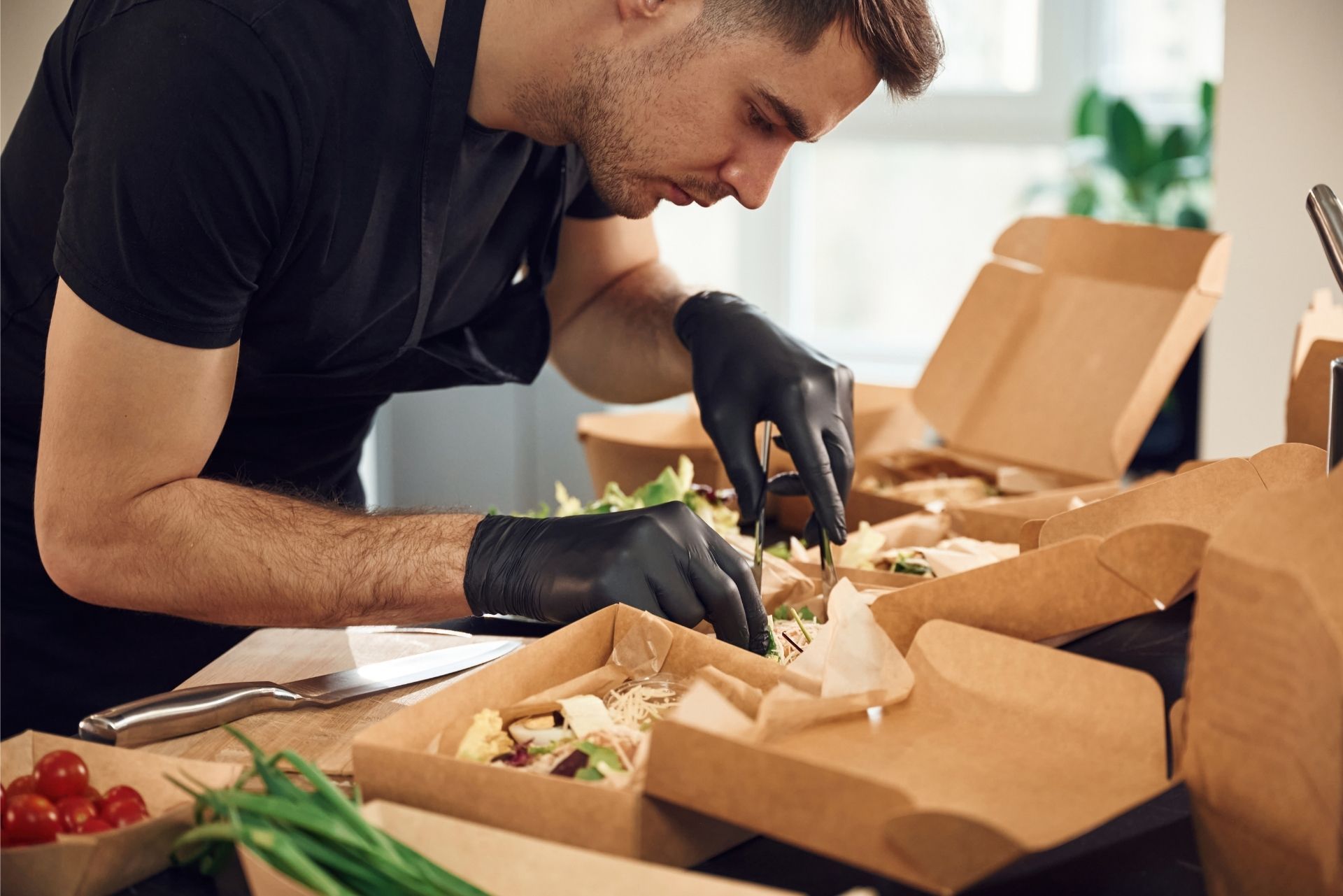
Food spoilage represents one of the most common and costly risks for meal prep operations. A single refrigeration failure can destroy days of prep work and create potential liability if spoiled food reaches customers.
Equipment Breakdown and Power Outage Riders
Standard property insurance covers damage from external causes like fire or storms but excludes mechanical breakdown. Equipment breakdown coverage, sometimes called boiler and machinery insurance, pays to repair or replace equipment that fails due to internal mechanical or electrical problems.
Spoilage coverage works alongside equipment breakdown to reimburse you for food lost when refrigeration fails. Some policies also cover spoilage from power outages, though coverage limits and waiting periods vary. A typical policy might cover up to $25,000 in spoiled inventory after a 24-hour waiting period.
Food Contamination and Recall Coverage
Contamination coverage goes beyond product liability. If a supplier provides tainted ingredients and you need to recall meals already delivered, recall coverage pays for customer notification, product retrieval, disposal costs, and business interruption while you address the issue.
This coverage matters most for operations with significant weekly output. A recall affecting 500 customers creates logistical and financial challenges that basic liability coverage doesn't address. Contamination policies also cover testing costs and public relations expenses to manage reputation damage.
How to Choose and Scale Your Coverage
Buying insurance isn't a one-time decision. Your coverage needs to evolve as your business grows, and overpaying for unnecessary coverage hurts your margins just like being underinsured hurts your security.
Evaluating Costs and Deductibles
Annual premiums for meal prep businesses typically range from $2,000 to $8,000 depending on revenue, location, number of employees, and coverage limits. Higher deductibles reduce premiums but increase your out-of-pocket costs when claims occur.
A $1,000 deductible might save you $400 annually compared to a $500 deductible. If you rarely file claims, the higher deductible makes financial sense. If you're in a high-risk area or have had previous claims, lower deductibles provide more protection when you need it.
Get quotes from at least three carriers, and work with agents who specialize in food service businesses. General business insurance agents often miss coverage gaps specific to food operations.
Managing Risks to Lower Your Premiums
Insurance companies reward businesses that demonstrate risk management practices. Documenting your food safety protocols, maintaining ServSafe certifications for staff, and implementing HACCP procedures can qualify you for premium discounts.
Installing temperature monitoring systems with alerts, maintaining backup power for refrigeration, and using GPS tracking for delivery vehicles all reduce your risk profile. Some carriers offer 5% to 15% discounts for documented safety programs.
Claims history dramatically affects your premiums. One significant claim can increase rates by 25% or more at renewal. Investing in prevention often costs less than the premium increases that follow claims.
Frequently Asked Questions
How much does meal prep business insurance cost per month? Most meal prep operations pay between $150 and $650 monthly for comprehensive coverage, depending on revenue, location, and policy limits.
Do I need insurance if I only operate from home? Yes. Homeowner's insurance excludes business activities, and most states require food business licensing that mandates liability coverage.
What's the difference between general liability and product liability? General liability covers accidents on your premises or from your operations. Product liability specifically covers claims from the food you sell.
Does my personal car insurance cover food deliveries? No. Personal auto policies exclude business use. You need commercial auto coverage or a hired/non-owned auto endorsement.
How quickly can I get coverage for my meal prep business? Many carriers offer same-day certificates of insurance once your application is approved. Approval typically takes one to three business days.
Should I get coverage before or after getting my food license? Before. Most health departments require proof of insurance as part of the licensing application.
Making the Right Choice for Your Business
Safeguarding your ready-to-eat food operations requires matching coverage to your actual risk profile, not buying a generic package that leaves gaps or wastes money on unnecessary add-ons. Start with general and product liability as your foundation, add property and equipment coverage based on your asset value, and layer in specialized policies for delivery and spoilage as your operation grows.
Review your coverage annually or whenever you make significant changes like adding employees, expanding delivery range, or increasing production volume. The right insurance partner understands food service risks and can adjust your coverage as your business evolves. Protect what you've built so a single incident doesn't undo years of hard work.
About The Author:
Dustin Hulett
As Owner of Cuisine Coverage powered by Hulett Insurance, I specialize in protecting restaurants, bars, and hospitality businesses with smart, reliable insurance solutions. With years of experience serving the food and beverage industry, my goal is to make coverage simple, transparent, and built around the unique risks that owners face every day.
Contact Us
Business Coverage
Protection for Every Part of Your Food Business
Cuisine Coverage provides specialized insurance for restaurants, food trucks, catering services, and other hospitality businesses. We help owners protect their property, staff, and reputation with policies built around the most common industry risks.

General Liability Insurance
Protects your business from claims related to injury, property damage, or accidents that happen during operations.
General Liability
Liquor Liability Insurance
Covers alcohol-related incidents for restaurants, bars, or venues that serve or sell alcohol.
Liquor Liability
Workers Compensation Insurance
Provides wage replacement and medical benefits to employees injured on the job.
Workers Compensation
Business Interruption Insurance
Helps replace lost income and cover ongoing expenses if your business operations are temporarily halted.
Business Interruption
Product Liability Insurance
Protects against claims related to foodborne illness, contamination, or product defects.
Product Liability
Cyber Liability Insurance
Covers data breaches, online payment issues, and digital risks that can affect modern food businesses.
Cyber Liability
Serving the Food and Hospitality Industry
Insurance Solutions for Every Type of Food Business
Cuisine Coverage provides specialized insurance for restaurants, cafés, and food service professionals across the country. Whether you run a casual kitchen or a mobile food truck, we offer coverage that fits your operations and risk level.
How It Works
Insurance Made Easy for Food Business Owners
We know you don’t have time to deal with complicated insurance forms. That’s why our process is built for speed and simplicity — so you can get back to running your kitchen.
Your Insurance Questions Answered
What Restaurant and Food Business Owners Ask Most
What types of insurance do restaurants and food businesses need?
Most food businesses need general liability, property, and workers’ compensation coverage. These protect against injuries, equipment damage, and employee-related incidents. Businesses serving alcohol should also include liquor liability insurance for extra protection.
Having the right mix of policies helps reduce financial risks. We’ll help you identify the specific coverages your business needs based on your setup, size, and operations.
Do you provide insurance for food trucks and mobile kitchens?
Yes. We specialize in insurance for food trucks, trailers, and mobile vendors. Our coverage includes vehicle protection, cooking equipment, and liability for events or customer interactions.
We can also help you meet licensing and vendor requirements by issuing certificates of insurance quickly — often the same day.
How fast can I get a quote or start coverage?
In most cases, quotes are ready within 24 hours once we have your business details. After approval, coverage and certificates can be issued immediately.
Our process is fully digital but supported by real agents who review each policy for accuracy. You’ll always know exactly what you’re getting before coverage starts.
Do you offer liquor liability insurance for bars or restaurants?
Yes. We provide liquor liability insurance for bars, taverns, and restaurants that sell or serve alcohol. This coverage protects against claims involving intoxicated patrons or alcohol-related incidents.
It’s essential for maintaining compliance with local laws and protecting your business from costly lawsuits. We’ll ensure your policy meets all licensing requirements.
How can I reduce my insurance costs?
You can often lower premiums by bundling multiple coverages, maintaining clean safety records, and conducting regular policy reviews. Many insurers also offer discounts for installing safety systems and training employees.
At Cuisine Coverage, we proactively review your policy before renewal to help you keep costs down without reducing protection.
Do you help with certificates of insurance (COIs)?
Yes. We provide same-day certificates for vendors, landlords, and event partners. You can request them by phone or email anytime.
Having your COI ready keeps your business compliant and avoids delays in operations. Our team handles these requests quickly so you can stay focused on running your business.
From the Kitchen to Coverage
Real Advice for the Food and Hospitality Industry
We share tips, updates, and real-world stories from the food and insurance industries. Whether you’re managing a restaurant or rolling out a food truck, our articles give you useful guidance to protect your business and grow with confidence.
Contact Us
Phone
Location