Seafood Restaurant INSURANCE
OR call us: (214) 667-2729
A single refrigeration failure on a busy Friday night can destroy $15,000 worth of fresh lobster, scallops, and premium fish in hours. A customer's undisclosed shellfish allergy can result in an emergency room visit and a lawsuit that threatens everything you've built. Running a seafood restaurant means managing risks that other dining establishments simply don't face. The combination of highly perishable inventory, specialized equipment, and serious allergen concerns creates a unique operational landscape that demands careful attention to both daily protocols and comprehensive insurance protection.
Understanding how to safeguard your fish and shellfish dining operation requires looking beyond basic restaurant coverage. Seafood restaurant insurance needs to address spoilage risks,
contamination liability, and the specialized equipment that keeps your operation running. This guide breaks down the essential protections and
operational strategies that separate thriving seafood establishments from those constantly fighting preventable disasters.
Establishing Rigorous Food Safety and Storage Protocols
Your reputation lives and dies by the freshness of what you serve. Seafood spoils faster than any other protein, and the margin for error is measured in hours rather than days. Building reliable systems protects both your customers and your bottom line.
Maintaining the Cold Chain from Dock to Table
Temperature control isn't optional with seafood. Fresh fish should stay between 30-34°F from the moment it leaves the boat until it hits the grill. Install digital thermometers with alarm systems in every cooler and walk-in unit. These devices cost a few hundred dollars but can save you from catastrophic spoilage claims.
Document temperatures at receiving, during storage, and before service. Your insurance company will ask for these records if you file a spoilage claim. Many policies require proof that you maintained proper temperatures before they'll pay out. Train receiving staff to reject any delivery where product temperature exceeds 40°F, regardless of how fresh it looks.
Preventing Cross-Contamination and Allergen Risks
Shellfish allergies can be fatal. This isn't an exaggeration for liability purposes: it's medical reality. Separate storage, cutting boards, and preparation areas for shellfish items should be standard practice. Color-coded equipment helps staff maintain separation during busy service.
Cross-contact claims represent some of the largest liability payouts in the restaurant industry. Your general liability policy covers these incidents, but your premium reflects your prevention practices. Document your allergen protocols and train every kitchen employee, including dishwashers who might not realize the importance of proper sanitization between allergen and non-allergen items.
Implementing FIFO and Traceability Systems
First In, First Out isn't just inventory management: it's your defense against serving compromised product. Date every item at receiving and organize storage so older inventory gets used first. Digital inventory systems can track lot numbers back to specific suppliers, which becomes critical during recall situations.
The FDA's traceability requirements for seafood have tightened considerably. If contaminated product gets traced to your establishment, you need records showing exactly where it came from and when. This documentation can be the difference between your insurance covering a claim and denying it based on inadequate record-keeping.

By: Dustin Hulett
Founder & CEO of Cuisine Coverage
Securing Your Supply Chain and Sourcing
The quality of your seafood depends entirely on the reliability of your suppliers. A broken supply chain creates both immediate operational problems and long-term reputation damage.
Vetting Reputable Seafood Wholesalers
Request HACCP plans and inspection records from every supplier before signing contracts. Visit their facilities if possible. The cheapest supplier often becomes the most expensive when you factor in quality issues and potential liability exposure.
Establish relationships with backup suppliers for your highest-volume items. When your primary source can't deliver, you need alternatives that meet your quality standards. Document supplier certifications and update them annually. Your insurance application may ask about supplier vetting procedures, and strong answers can influence your premium.
Mitigating Seasonal Price Fluctuations and Scarcity
Wild-caught seafood availability varies dramatically by season. Lock in pricing contracts during peak availability periods for items you can freeze without quality loss. For items requiring fresh delivery, build menu flexibility that allows substitutions when specific catches become scarce or prohibitively expensive.
Consider the insurance implications of menu changes. If you're covered for specific inventory types and you shift to different species,
notify your insurer.
Coverage gaps can emerge when your actual inventory doesn't match what's listed on your policy.
Mitigating Operational and Financial Risks
Financial protection for seafood operations requires specialized coverage that standard restaurant policies often lack. Understanding these gaps before a loss occurs saves enormous headaches.
Specialized Insurance Coverage for Spoilage and Liability
| Coverage Type | What It Protects | Typical Limits | Key Exclusions |
|---|---|---|---|
| Equipment Breakdown | Refrigeration failure, walk-in compressor damage | $50,000-$250,000 | Gradual wear, maintenance neglect |
| Spoilage Coverage | Inventory loss from power outage or equipment failure | $25,000-$100,000 | Improper storage, known equipment issues |
| Product Liability | Claims from foodborne illness or allergen reactions | $1M-$2M per occurrence | Intentional contamination |
| Business Interruption | Lost income during forced closure | 6-12 months coverage | Pandemic-related closures (often) |
Standard commercial property policies typically exclude spoilage unless you add specific endorsements. Request quotes that include equipment breakdown coverage with spoilage extension. The premium increase is modest compared to the cost of replacing a walk-in full of premium seafood.
Waste Management and Portion Control Strategies
Seafood waste costs more than other proteins because of higher purchase prices. Track waste daily by species and identify patterns. Are prep cooks over-trimming fish? Is portion sizing inconsistent? Small improvements in yield translate to significant annual savings.
Proper waste disposal also affects your liability exposure. Seafood waste attracts pests and creates slip hazards if not managed properly. Document your waste handling procedures as part of your overall risk management program.
Protecting Brand Reputation and Compliance
Regulatory compliance and public perception work together. A health department violation becomes a reputation crisis within hours thanks to social media and review platforms.
Adhering to Health Department and FDA Regulations
Health inspections for seafood establishments focus heavily on temperature control, source documentation, and allergen handling. Schedule quarterly internal audits using the same criteria inspectors use. Finding problems yourself is far better than having them discovered during an official visit.
Keep your permits current and visible. Expired licenses create immediate closure risk and can void certain insurance protections. Many policies include compliance warranties that require you to maintain all necessary permits and licenses.
Managing Online Reviews and Food Quality Disputes
One negative review mentioning food poisoning can damage months of positive reputation building. Respond professionally to complaints, offer to make things right, and document every customer interaction. If a complaint escalates to a claim, your response history becomes evidence.
Train front-of-house staff to handle allergy questions correctly. A server who says "I think it's fine" when asked about allergens creates liability exposure. The correct answer is always to verify with the kitchen or manager.
Ensuring Workplace Safety and Staff Training
Seafood kitchens present unique hazards that require specific training and equipment. Workers' compensation claims from preventable injuries drive up your premiums and reduce productivity.
Handling High-Risk Equipment and Sharp Tools
Oyster shucking causes more hand injuries than almost any other kitchen task. Require cut-resistant gloves for all shellfish processing. Provide proper training on fillet knife technique: rushed or improper cutting leads to serious lacerations.
Steam kettles, fryers, and other high-temperature equipment require clearance zones and proper training. Document all equipment training and maintain records showing when each employee completed certification. This documentation supports your workers' compensation claims management.
Slip and Fall Prevention in Wet Environments
Seafood prep areas stay wet. Non-slip mats, proper drainage, and immediate spill cleanup are essential. Install adequate floor drains and maintain them regularly to prevent standing water.
Slip and fall claims represent a significant portion of restaurant workers' compensation costs. Your premium directly reflects your claim history. Investing in prevention pays for itself through lower insurance costs and reduced lost worktime.
Future-Proofing Your Business Against Industry Shifts
Sustainability certifications are becoming table stakes for premium seafood restaurants. Customers increasingly ask about sourcing practices, and some are willing to pay more for verified sustainable options. Consider MSC or ASC certification for key menu items.
Climate change affects seafood availability and pricing in ways that will accelerate over coming years. Build relationships with suppliers who source from multiple regions. Menu flexibility becomes more important as traditional species become less reliable.
Review your insurance coverage annually with an agent who understands seafood operations. As your business evolves, your coverage needs change. The policy that protected you three years ago may have gaps that leave you exposed today.
Frequently Asked Questions
Does standard restaurant insurance cover seafood spoilage from power outages? Usually not without a specific spoilage endorsement. Standard property policies exclude perishable inventory losses. Request equipment breakdown coverage with spoilage extension.
How much product liability coverage do seafood restaurants need? Most carriers recommend $1-2 million per occurrence for seafood operations due to allergen and contamination risks. Your specific needs depend on volume and menu composition.
What documentation do insurers require after a spoilage claim? Temperature logs, equipment maintenance records, inventory receipts, and photos of damaged product. Claims without documentation are frequently denied or reduced.
Can I be held liable if a supplier provides contaminated seafood? Yes. Customers sue the restaurant regardless of contamination source. You may have recourse against your supplier, but you're responsible for what you serve.
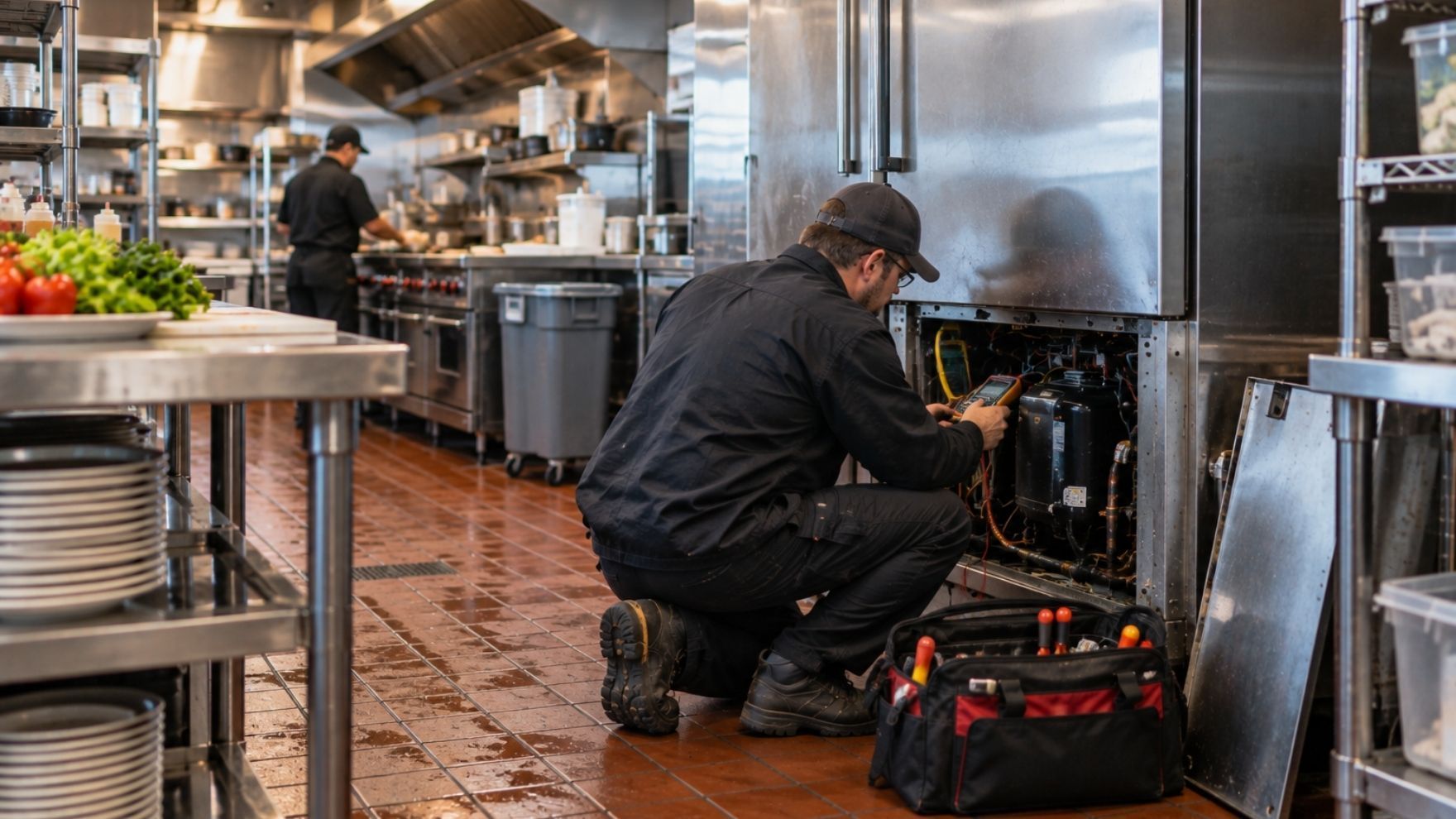
How often should refrigeration equipment be professionally serviced?
Quarterly maintenance is standard for commercial refrigeration. More frequent service may be required by your insurance policy or equipment warranty.
What This Means for Your Operation
Protecting a seafood restaurant requires attention to details that other establishments can ignore. The combination of perishable inventory, serious allergen risks, and specialized equipment creates exposures that demand both operational excellence and appropriate insurance coverage. Work with an insurance professional who understands these specific challenges. The right coverage, combined with strong daily protocols, lets you focus on serving exceptional seafood rather than worrying about the next potential disaster.
About The Author:
Dustin Hulett
As Owner of Cuisine Coverage powered by Hulett Insurance, I specialize in protecting restaurants, bars, and hospitality businesses with smart, reliable insurance solutions. With years of experience serving the food and beverage industry, my goal is to make coverage simple, transparent, and built around the unique risks that owners face every day.
Contact Us
Business Coverage
Protection for Every Part of Your Food Business
Cuisine Coverage provides specialized insurance for restaurants, food trucks, catering services, and other hospitality businesses. We help owners protect their property, staff, and reputation with policies built around the most common industry risks.

General Liability Insurance
Protects your business from claims related to injury, property damage, or accidents that happen during operations.
General Liability
Liquor Liability Insurance
Covers alcohol-related incidents for restaurants, bars, or venues that serve or sell alcohol.
Liquor Liability
Workers Compensation Insurance
Provides wage replacement and medical benefits to employees injured on the job.
Workers Compensation
Business Interruption Insurance
Helps replace lost income and cover ongoing expenses if your business operations are temporarily halted.
Business Interruption
Product Liability Insurance
Protects against claims related to foodborne illness, contamination, or product defects.
Product Liability
Cyber Liability Insurance
Covers data breaches, online payment issues, and digital risks that can affect modern food businesses.
Cyber Liability
Serving the Food and Hospitality Industry
Insurance Solutions for Every Type of Food Business
Cuisine Coverage provides specialized insurance for restaurants, cafés, and food service professionals across the country. Whether you run a casual kitchen or a mobile food truck, we offer coverage that fits your operations and risk level.
How It Works
Insurance Made Easy for Food Business Owners
We know you don’t have time to deal with complicated insurance forms. That’s why our process is built for speed and simplicity — so you can get back to running your kitchen.
Your Insurance Questions Answered
What Restaurant and Food Business Owners Ask Most
What types of insurance do restaurants and food businesses need?
Most food businesses need general liability, property, and workers’ compensation coverage. These protect against injuries, equipment damage, and employee-related incidents. Businesses serving alcohol should also include liquor liability insurance for extra protection.
Having the right mix of policies helps reduce financial risks. We’ll help you identify the specific coverages your business needs based on your setup, size, and operations.
Do you provide insurance for food trucks and mobile kitchens?
Yes. We specialize in insurance for food trucks, trailers, and mobile vendors. Our coverage includes vehicle protection, cooking equipment, and liability for events or customer interactions.
We can also help you meet licensing and vendor requirements by issuing certificates of insurance quickly — often the same day.
How fast can I get a quote or start coverage?
In most cases, quotes are ready within 24 hours once we have your business details. After approval, coverage and certificates can be issued immediately.
Our process is fully digital but supported by real agents who review each policy for accuracy. You’ll always know exactly what you’re getting before coverage starts.
Do you offer liquor liability insurance for bars or restaurants?
Yes. We provide liquor liability insurance for bars, taverns, and restaurants that sell or serve alcohol. This coverage protects against claims involving intoxicated patrons or alcohol-related incidents.
It’s essential for maintaining compliance with local laws and protecting your business from costly lawsuits. We’ll ensure your policy meets all licensing requirements.
How can I reduce my insurance costs?
You can often lower premiums by bundling multiple coverages, maintaining clean safety records, and conducting regular policy reviews. Many insurers also offer discounts for installing safety systems and training employees.
At Cuisine Coverage, we proactively review your policy before renewal to help you keep costs down without reducing protection.
Do you help with certificates of insurance (COIs)?
Yes. We provide same-day certificates for vendors, landlords, and event partners. You can request them by phone or email anytime.
Having your COI ready keeps your business compliant and avoids delays in operations. Our team handles these requests quickly so you can stay focused on running your business.
From the Kitchen to Coverage
Real Advice for the Food and Hospitality Industry
We share tips, updates, and real-world stories from the food and insurance industries. Whether you’re managing a restaurant or rolling out a food truck, our articles give you useful guidance to protect your business and grow with confidence.
Contact Us
Phone
Location