California Franchisee and Franchisor Restaurant INSURANCE
OR call us: (214) 667-2729
Running a
franchise restaurant in California means juggling two worlds: the brand's national playbook and the state's own thick book of rules. Whether you're a franchisee operating a
single burger joint in Fresno or a franchisor overseeing 200 locations statewide, your
insurance program can't be an afterthought. A complete
restaurant coverage package in California can cost around $4,306 yearly, but the real expense comes from getting it wrong. Gaps in coverage, misunderstood franchise agreements, and California-specific exposures like earthquake risk and aggressive labor laws can turn a minor incident into a six-figure problem. This guide breaks down how insurance responsibilities split between franchisors and franchisees, what California law demands, and where operators most commonly stumble.
The Landscape of California Restaurant Franchise Insurance
The franchise model creates a unique insurance puzzle. Two separate businesses, the franchisor and the franchisee, share a brand but don't share the same risk profile. Understanding who covers what, and where California law adds extra layers, is the starting point for any smart coverage strategy.
Distinguishing Between Franchisor and Franchisee Liabilities
A franchisee owns and operates the restaurant. That means they carry the direct exposure: a customer who slips on a wet floor, an employee who burns their hand on a fryer, a delivery driver who rear-ends someone in the parking lot. The franchisee's insurance portfolio covers these day-to-day operational risks.
The franchisor, on the other hand, faces liability tied to the brand itself. If a systemwide recipe causes an allergic reaction, or if the training manual fails to address a known safety hazard, the franchisor could be pulled into the lawsuit. Courts in California have shown a willingness to hold franchisors accountable under vicarious liability theories, especially when the franchisor exercises significant control over daily operations.
California-Specific Regulatory Requirements for Food Service
California doesn't make it easy. The state requires workers' compensation insurance for every business with even one employee, no exceptions. Health department permits, Cal/OSHA compliance, and the California Retail Food Code all create regulatory touchpoints that influence your insurance needs.
The state's labor laws are among the strictest in the country. Wage-and-hour claims, meal and rest break violations, and wrongful termination suits are common in the
restaurant industry. These exposures make employment practices liability insurance (EPLI) far more important here than in most other states.


By: Dustin Hulett
Founder & CEO of Cuisine Coverage
Essential Coverage for Restaurant Franchisees
As a franchisee, you're the one signing the lease, hiring the staff, and serving the food. Your insurance needs to reflect that hands-on exposure.
General Liability and Product Liability for Food Safety
General liability insurance is your foundation. It covers bodily injury, property damage, and personal injury claims from third parties. For California restaurants, general liability premiums can range from $70 to $180 per month, depending on your location, menu, and claims history.
Product liability is baked into most general liability policies for restaurants, but it deserves special attention. A foodborne illness outbreak tied to your location, say contaminated romaine lettuce or undercooked chicken, can generate dozens of claims simultaneously. If you're serving items like house-made fermented kimchi or raw-bar oysters, your risk profile is higher than a standard quick-service operation.
Commercial Property and Business Interruption Protection
Your commercial property policy covers the physical assets: kitchen equipment, furniture, signage, and inventory. Don't overlook specialty items. A commercial smoker, a custom wood-fired pizza oven, or imported Italian espresso machines can cost tens of thousands to replace. Make sure your policy reflects actual replacement value, not depreciated book value.
Business interruption insurance is the piece many franchisees skip until they need it. If a kitchen fire shuts you down for three months, this coverage replaces lost income and helps cover ongoing expenses like rent and loan payments. A business owner's policy (BOP), which bundles property and liability coverage, averages around $59 per month for California restaurants and often includes business interruption as a standard feature.
California Workers' Compensation and Employment Practices Liability
Workers' comp isn't optional in California. Restaurant work is physically demanding, and claims for burns, cuts, slips, and repetitive stress injuries are frequent. Workers' compensation insurance costs approximately $2.65 to $4.00 per $100 in payroll, with the rate depending on your specific job classifications and experience modification factor.
EPLI is a separate but equally critical policy. California employees file wage-and-hour lawsuits at a higher rate than nearly any other state. A single class-action claim over missed meal breaks can cost a multi-unit franchisee hundreds of thousands in settlements. EPLI covers defense costs and damages for claims including discrimination, harassment, and wrongful termination.
Franchisor Insurance Obligations and Vicarious Liability
Franchisors face a different set of risks, mostly centered on the brand, the franchise system, and the support they provide to operators.
Professional Liability for Franchise Support and Training
If a franchisor's training program fails to adequately cover food safety protocols, and a franchisee's customer gets sick, the franchisor could face a professional liability claim. This coverage, sometimes called errors and omissions (E&O) insurance, protects against allegations of negligent advice, inadequate support, or flawed operational guidance.
Franchise disclosure document (FDD) errors also fall under this umbrella. Misrepresentations in the FDD, whether intentional or accidental, can trigger lawsuits from franchisees who feel misled about earnings potential or territory rights.
Structuring Master Insurance Programs for Brand Consistency
Many large franchisors establish master insurance programs that all franchisees must participate in. These programs use the franchisor's collective buying power to negotiate better rates and ensure consistent coverage across every location.
The trade-off is flexibility. Franchisees in a master program may not be able to shop for their own policies or adjust coverage limits beyond what the program dictates. That said, master programs typically deliver lower per-unit costs and eliminate the risk of a single
underinsured location dragging the whole brand into a coverage dispute.

Unique Risks Facing California Restaurant Operators
California's geography, culture, and legal environment create risks you won't find in most other states.
Managing Liquor Liability and Dram Shop Laws
If your franchise serves alcohol, you need liquor liability insurance. California's dram shop laws hold establishments responsible when they serve a visibly intoxicated person who then causes harm. A single drunk-driving accident linked to your bar can produce a claim well into seven figures.
Liquor liability is typically excluded from standard general liability policies. You'll need a separate endorsement or standalone policy. Premiums depend heavily on what percentage of your revenue comes from alcohol sales, with bars and nightlife-oriented restaurants paying significantly more than a family dining concept that happens to offer wine.
Natural Disaster Resilience: Earthquake and Fire Coverage
Standard commercial property policies in California exclude earthquake damage. You need a separate earthquake policy, and given the state's seismic activity, this isn't something to skip. Deductibles on earthquake policies are typically 10% to 15% of the insured value, which means you'll absorb a significant portion of any loss before coverage kicks in.
Wildfire risk has also reshaped the California insurance market. Restaurants in fire-prone zones, particularly in the foothills and rural areas, face higher premiums and sometimes struggle to find coverage at all. Claims activity and severity have been
increasing notably through 2025, pushing some carriers to exit the state entirely.
Your franchise agreement isn't just a business contract. It's an insurance blueprint that dictates what you must carry and how you must carry it.
Understanding Minimum Coverage Limits and Additional Insured Status
Most franchise agreements specify minimum coverage limits, often $1 million per occurrence and $2 million aggregate for general liability. Some franchisors require higher limits or demand umbrella policies of $5 million or more.
The "additional insured" requirement is standard. This means your general liability policy must name the franchisor as an additional insured party, giving them coverage under your policy for claims arising from your operations. Failing to add the franchisor as an additional insured is one of the most common compliance mistakes franchisees make, and it can trigger a default under your franchise agreement.
The Role of Certificates of Insurance in Compliance
A certificate of insurance (COI) is proof that you carry the required coverage. Your franchisor, your landlord, and sometimes your lender will all want one. The COI lists your policy types, coverage limits, effective dates, and any additional insured parties.
Keeping COIs current is an ongoing task. Policies renew annually, and any lapse or change in coverage requires an updated certificate. Many franchisors now use automated COI tracking platforms that flag non-compliant franchisees in real time.
Restaurant operators feeling financial pressure from rising food costs and tighter margins, as Daryle Stafford of Veracity Insurance has noted about the industry entering 2026, need every dollar to count. Here are practical ways to lower your insurance spend without sacrificing protection:
- Bundle into a BOP: Combining general liability and property coverage into a business owner's policy almost always costs less than buying each separately.
- Invest in loss prevention: Fire suppression systems, security cameras, non-slip flooring, and ServSafe certifications signal lower risk to underwriters.
- Raise deductibles strategically: A higher deductible lowers your premium, but make sure you can actually cover that amount out of pocket if a claim hits.
- Review classifications annually: If your payroll mix or menu changes, your workers' comp and liability classifications might need updating. Incorrect classifications lead to overpayment.
- Work with a franchise-experienced broker: A broker who understands both California regulations and franchise insurance requirements can spot gaps and negotiate better terms than a generalist.
| Coverage Type | Typical Monthly Cost | What It Covers |
|---|---|---|
| General Liability | $70 - $180 | Third-party injury, property damage |
| Business Owner's Policy (BOP) | ~$59 | Property + liability + business interruption |
| Workers' Compensation | $2.65 - $4.00 per $100 payroll | Employee injuries on the job |
| Liquor Liability | Varies by alcohol revenue % | Claims from serving intoxicated patrons |
| EPLI | $50 - $300+ | Employment-related lawsuits |
Frequently Asked Questions
Does my franchisor's insurance cover my individual location? No. The franchisor's policy covers the franchisor's own liabilities. You're responsible for insuring your specific location, employees, and operations separately.
Can my franchise agreement be terminated if I let coverage lapse? Yes. Most franchise agreements treat an insurance lapse as a material default. Even a brief gap can give the franchisor grounds to terminate your agreement.
Do I really need earthquake insurance if I'm not near a fault line? California has hundreds of fault lines, and seismic activity can affect areas far from the epicenter. If you own significant equipment or have a long lease, earthquake coverage is worth serious consideration.
Is EPLI worth it for a small franchise with only a few employees? A single wrongful termination or harassment claim can cost $75,000 or more in legal fees alone. Even small operations benefit from EPLI, especially in California's litigious employment environment.
What happens if my insurance doesn't meet the franchise agreement minimums? Your franchisor may purchase coverage on your behalf and bill you for it, often at a much higher rate than you'd pay on your own.
Making the Right Choice for Your Franchise
California franchise restaurant insurance isn't a one-size-fits-all purchase. Your coverage needs depend on whether you're the franchisor or franchisee, what your franchise agreement requires, where your restaurant sits geographically, and how your menu and operations create specific exposures. Start by reading your franchise agreement's insurance provisions line by line. Then work with a broker who knows both the California market and the franchise model. The goal isn't just checking boxes for compliance. It's building a financial safety net that keeps your business running when something goes wrong, because in the restaurant industry, something always does.
About The Author:
Dustin Hulett
As Owner of Cuisine Coverage powered by Hulett Insurance, I specialize in protecting restaurants, bars, and hospitality businesses with smart, reliable insurance solutions. With years of experience serving the food and beverage industry, my goal is to make coverage simple, transparent, and built around the unique risks that owners face every day.
Contact Us
Business Coverage
Protection for Every Part of Your Food Business
Cuisine Coverage provides specialized insurance for restaurants, food trucks, catering services, and other hospitality businesses. We help owners protect their property, staff, and reputation with policies built around the most common industry risks.

General Liability Insurance
Protects your business from claims related to injury, property damage, or accidents that happen during operations.
General Liability
Liquor Liability Insurance
Covers alcohol-related incidents for restaurants, bars, or venues that serve or sell alcohol.
Liquor Liability
Workers Compensation Insurance
Provides wage replacement and medical benefits to employees injured on the job.
Workers Compensation
Business Interruption Insurance
Helps replace lost income and cover ongoing expenses if your business operations are temporarily halted.
Business Interruption
Product Liability Insurance
Protects against claims related to foodborne illness, contamination, or product defects.
Product Liability
Cyber Liability Insurance
Covers data breaches, online payment issues, and digital risks that can affect modern food businesses.
Cyber Liability
Serving the Food and Hospitality Industry
Insurance Solutions for Every Type of Food Business
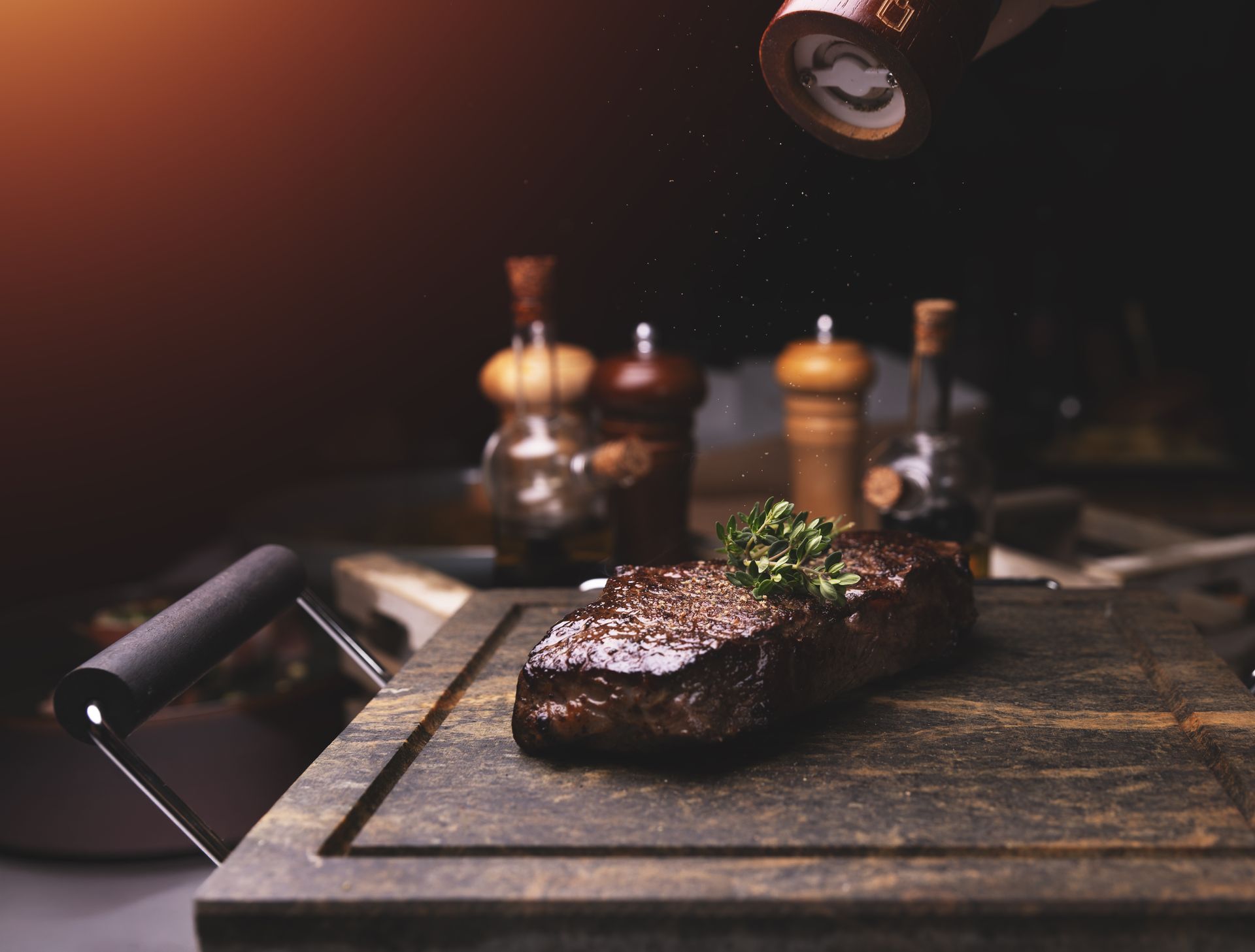
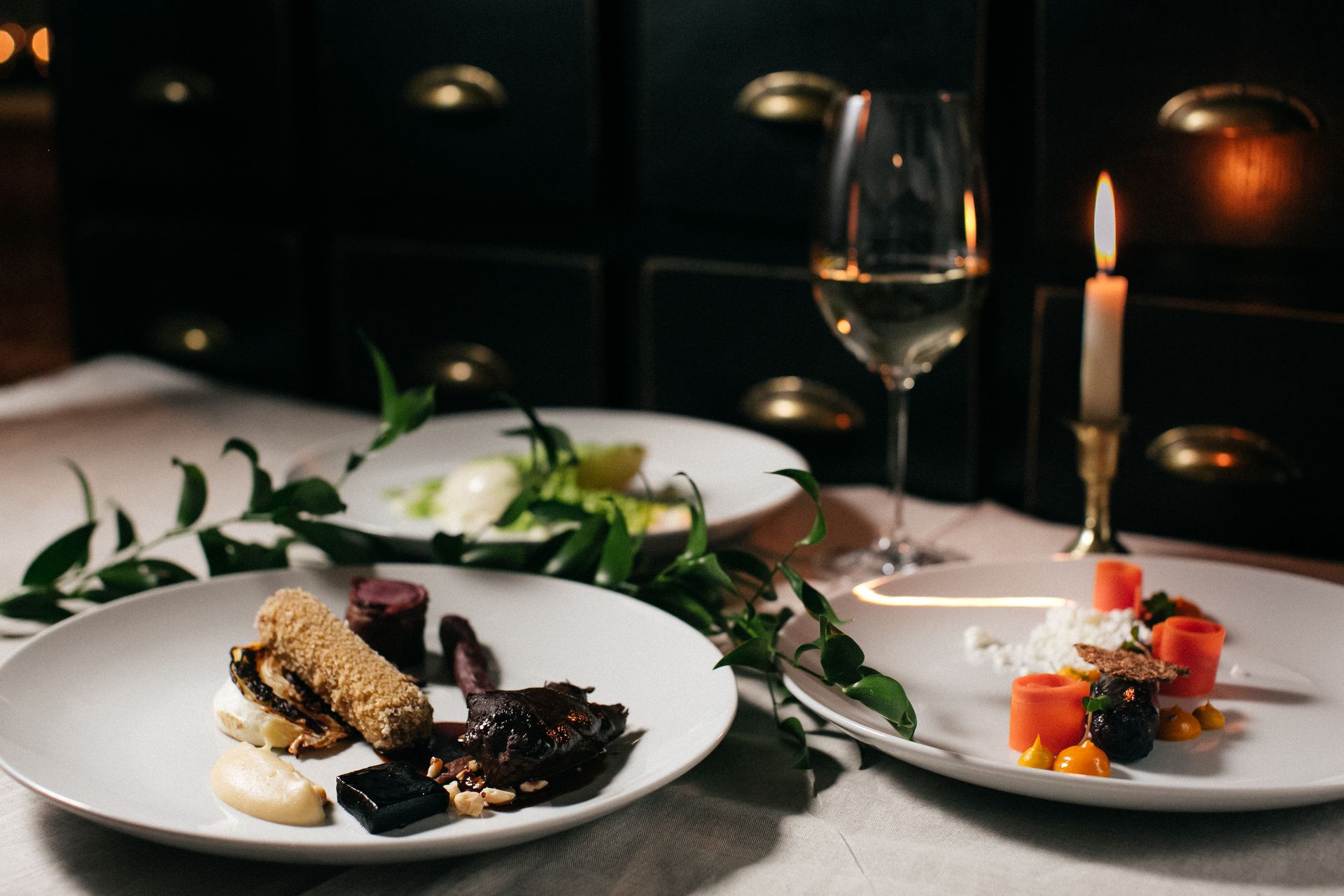
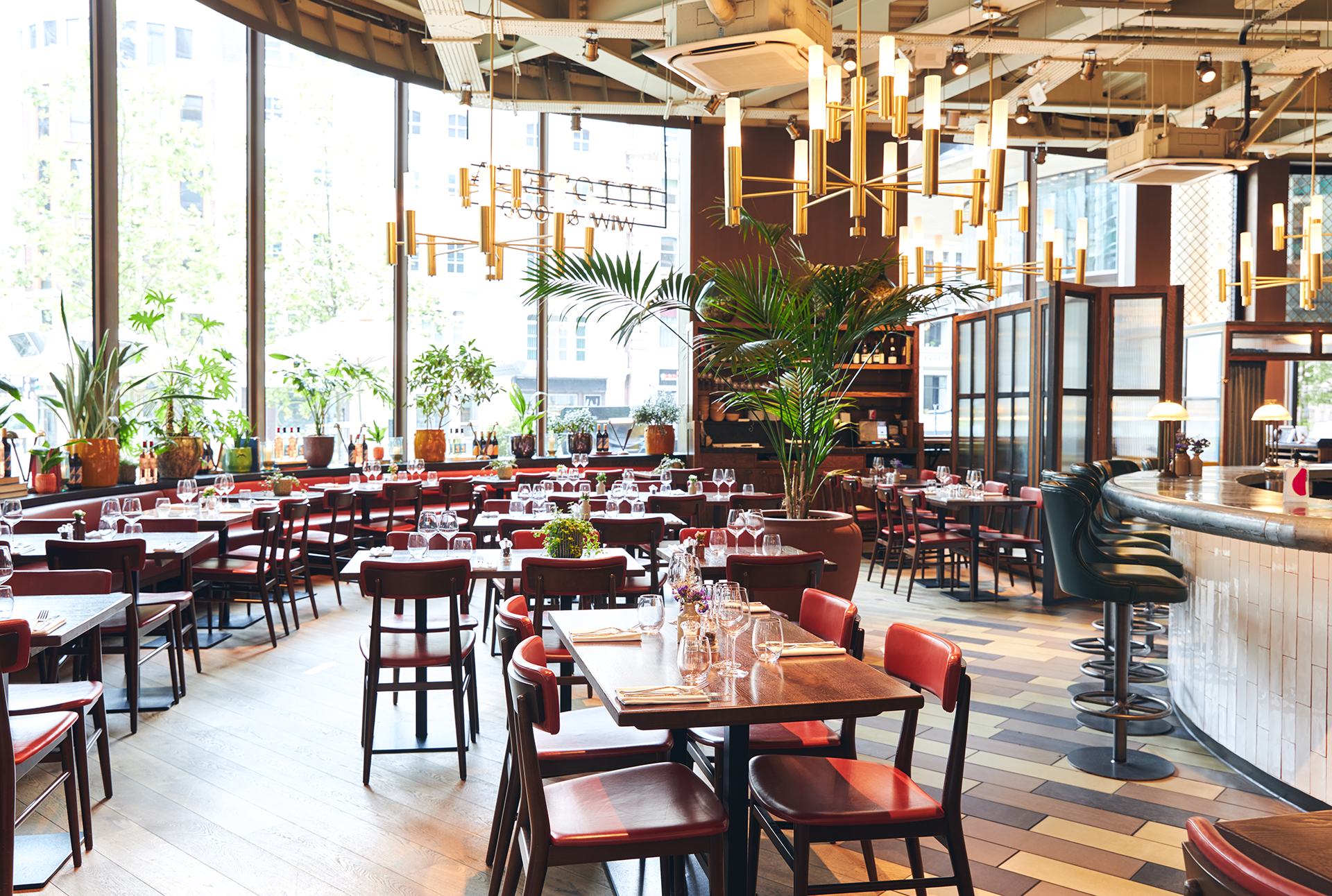
Cuisine Coverage provides specialized insurance for restaurants, cafés, and food service professionals across the country. Whether you run a casual kitchen or a mobile food truck, we offer coverage that fits your operations and risk level.
How It Works
Insurance Made Easy for Food Business Owners
We know you don’t have time to deal with complicated insurance forms. That’s why our process is built for speed and simplicity — so you can get back to running your kitchen.
Your Insurance Questions Answered
What Restaurant and Food Business Owners Ask Most
What types of insurance do restaurants and food businesses need?
Most food businesses need general liability, property, and workers’ compensation coverage. These protect against injuries, equipment damage, and employee-related incidents. Businesses serving alcohol should also include liquor liability insurance for extra protection.
Having the right mix of policies helps reduce financial risks. We’ll help you identify the specific coverages your business needs based on your setup, size, and operations.
Do you provide insurance for food trucks and mobile kitchens?
Yes. We specialize in insurance for food trucks, trailers, and mobile vendors. Our coverage includes vehicle protection, cooking equipment, and liability for events or customer interactions.
We can also help you meet licensing and vendor requirements by issuing certificates of insurance quickly — often the same day.
How fast can I get a quote or start coverage?
In most cases, quotes are ready within 24 hours once we have your business details. After approval, coverage and certificates can be issued immediately.
Our process is fully digital but supported by real agents who review each policy for accuracy. You’ll always know exactly what you’re getting before coverage starts.
Do you offer liquor liability insurance for bars or restaurants?
Yes. We provide liquor liability insurance for bars, taverns, and restaurants that sell or serve alcohol. This coverage protects against claims involving intoxicated patrons or alcohol-related incidents.
It’s essential for maintaining compliance with local laws and protecting your business from costly lawsuits. We’ll ensure your policy meets all licensing requirements.
How can I reduce my insurance costs?
You can often lower premiums by bundling multiple coverages, maintaining clean safety records, and conducting regular policy reviews. Many insurers also offer discounts for installing safety systems and training employees.
At Cuisine Coverage, we proactively review your policy before renewal to help you keep costs down without reducing protection.
Do you help with certificates of insurance (COIs)?
Yes. We provide same-day certificates for vendors, landlords, and event partners. You can request them by phone or email anytime.
Having your COI ready keeps your business compliant and avoids delays in operations. Our team handles these requests quickly so you can stay focused on running your business.
From the Kitchen to Coverage
Real Advice for the Food and Hospitality Industry
We share tips, updates, and real-world stories from the food and insurance industries. Whether you’re managing a restaurant or rolling out a food truck, our articles give you useful guidance to protect your business and grow with confidence.
Contact Us
Phone
Location