Maine Franchisee and Franchisor Restaurant INSURANCE
OR call us: (214) 667-2729
Running a franchise restaurant in Maine means juggling two sets of expectations: your franchisor's mandated insurance requirements and the state's own regulatory framework. Whether you own a single
Dunkin' location in Portland or oversee a
multi-unit Subway operation along the coast, the insurance decisions you make will shape your financial resilience for years. This guide to Maine franchisee and franchisor restaurant insurance coverage breaks down the policies you need, the risks unique to this state, and the strategies that keep premiums manageable without leaving
dangerous gaps. Maine's mix of harsh winters, seasonal tourism spikes, and coastal weather events creates a risk profile unlike any other
New England state. Pair that with franchise disclosure document requirements that often exceed state minimums, and you've got a complex puzzle. The good news: Maine remains one of the most affordable states in New England for general liability insurance, with small businesses averaging about $112 per month. That affordability gives you room to build a coverage portfolio that actually protects your investment rather than just checking boxes.
Franchise restaurant insurance in Maine sits at the intersection of state law, federal franchise regulations, and your franchisor's brand standards. Understanding where these overlap, and where they conflict, is the first step toward building a policy structure that satisfies everyone.
Understanding State-Specific Compliance Requirements
Maine requires all employers to carry workers' compensation insurance, with no exceptions for small restaurant operations. The state's Bureau of Insurance regulates policy forms and rate filings, and Maine follows a "file and use" system where insurers must submit rates before applying them. This means pricing is more standardized than in some states, but you still have room to shop.
The state also mandates that restaurants serving alcohol obtain liquor liability coverage, which we'll cover in detail below. Maine's dram shop laws hold establishments liable for serving visibly intoxicated patrons who later cause harm. Your
commercial general liability policy won't cover alcohol-related claims unless you've added a specific liquor liability endorsement or standalone policy.
The Relationship Between FDD Insurance Requirements and State Law
Your Franchise Disclosure Document spells out minimum insurance requirements, and they almost always exceed what Maine law demands. A typical FDD might require $1 million per occurrence and $2 million aggregate in general liability, plus commercial auto coverage, umbrella policies, and property insurance with specific sublimits.
Here's where it gets tricky: your FDD requirements are contractual obligations, not legal mandates. Failing to meet them can trigger default provisions in your franchise agreement. Some franchisors conduct annual insurance audits and will issue compliance notices if your certificates of insurance don't match their specifications. Review your FDD's Item 8 carefully, as it details the exact coverage types, limits, and carrier rating requirements your franchisor expects.

By: Dustin Hulett
Founder & CEO of Cuisine Coverage
Essential Coverage for Maine Franchise Owners
Every franchise restaurant needs a core set of policies. These aren't optional, and skimping on limits here is the fastest way to put your business at risk.
General Liability and Property Protection
General liability covers third-party bodily injury and property damage claims, from a customer slipping on a wet floor to a delivery driver backing into a parked car. Most Maine franchise restaurants should carry at least $1 million per occurrence with a $2 million aggregate. A Business Owner's Policy, or BOP, bundles general liability with commercial property coverage and often costs less than buying each separately.
For property coverage, document everything: your commercial fryer systems, walk-in coolers, POS terminals, and any custom buildout your franchise brand requires. Replacement cost coverage is worth the premium difference over actual cash value, especially for specialized equipment like high-volume espresso machines or custom exhaust hoods that depreciate quickly on paper but cost a fortune to replace.
Maine Workers' Compensation and Employer Liability
Maine's workers' compensation system is administered through the Workers' Compensation Board, and every employer with one or more employees must carry coverage. Restaurant workers face elevated injury rates from burns, cuts, slips, and repetitive motion injuries. Your experience modification rate, or e-mod, directly affects your premium. A clean safety record can push your e-mod below 1.0, saving you thousands annually.
Employer liability coverage, typically included as Part B of your workers' comp policy, protects you if an employee sues outside the workers' comp system. This happens more often than you'd expect, particularly in cases involving allegations of gross negligence.
Liquor Liability for Food Service Establishments
If your franchise serves beer, wine, or spirits, you need standalone liquor liability or an endorsement on your general liability policy. Maine's dram shop statute creates direct liability for establishments that serve alcohol to visibly intoxicated individuals. Claims under these statutes can easily exceed $500,000 when serious injuries or fatalities are involved.
Typical liquor liability limits for a Maine franchise restaurant range from $300,000 to $1 million per occurrence. Your franchisor may specify higher limits. Staff training through programs like ServSafe Alcohol can reduce your premium and, more importantly, reduce the likelihood of an incident.
Franchisor Protection and Risk Management Strategies
Franchisors carry their own set of risks tied to every unit operating under their brand. The insurance relationship between franchisor and franchisee is a two-way street.
Additional Insured Status and Indemnity Agreements
Most franchise agreements require you to name the franchisor as an additional insured on your general liability and umbrella policies. This gives the franchisor direct rights under your policy if a claim arises from your operations. The additional insured endorsement should be "ongoing operations" rather than "completed operations" for restaurant businesses.
Your franchise agreement also likely contains an indemnification clause requiring you to hold the franchisor harmless for claims originating at your location. These clauses are enforceable in Maine, so your insurance needs to be robust enough to back them up.
Vicarious Liability and Brand Protection Coverage
Franchisors face vicarious liability claims when plaintiffs argue the franchisor exercised enough control over daily operations to share responsibility for an incident. A foodborne illness outbreak at one location can generate lawsuits naming both the franchisee and the parent brand. Franchisors typically carry their own commercial general liability and umbrella policies, but they rely on franchisee-level coverage as the first line of defense.
Brand protection also extends to product recall coverage. If a supplier provides contaminated ingredients used across multiple franchise locations, coordinated recall coverage can mean the difference between a managed crisis and a financial catastrophe.
Addressing Coastal and Seasonal Risks in Maine
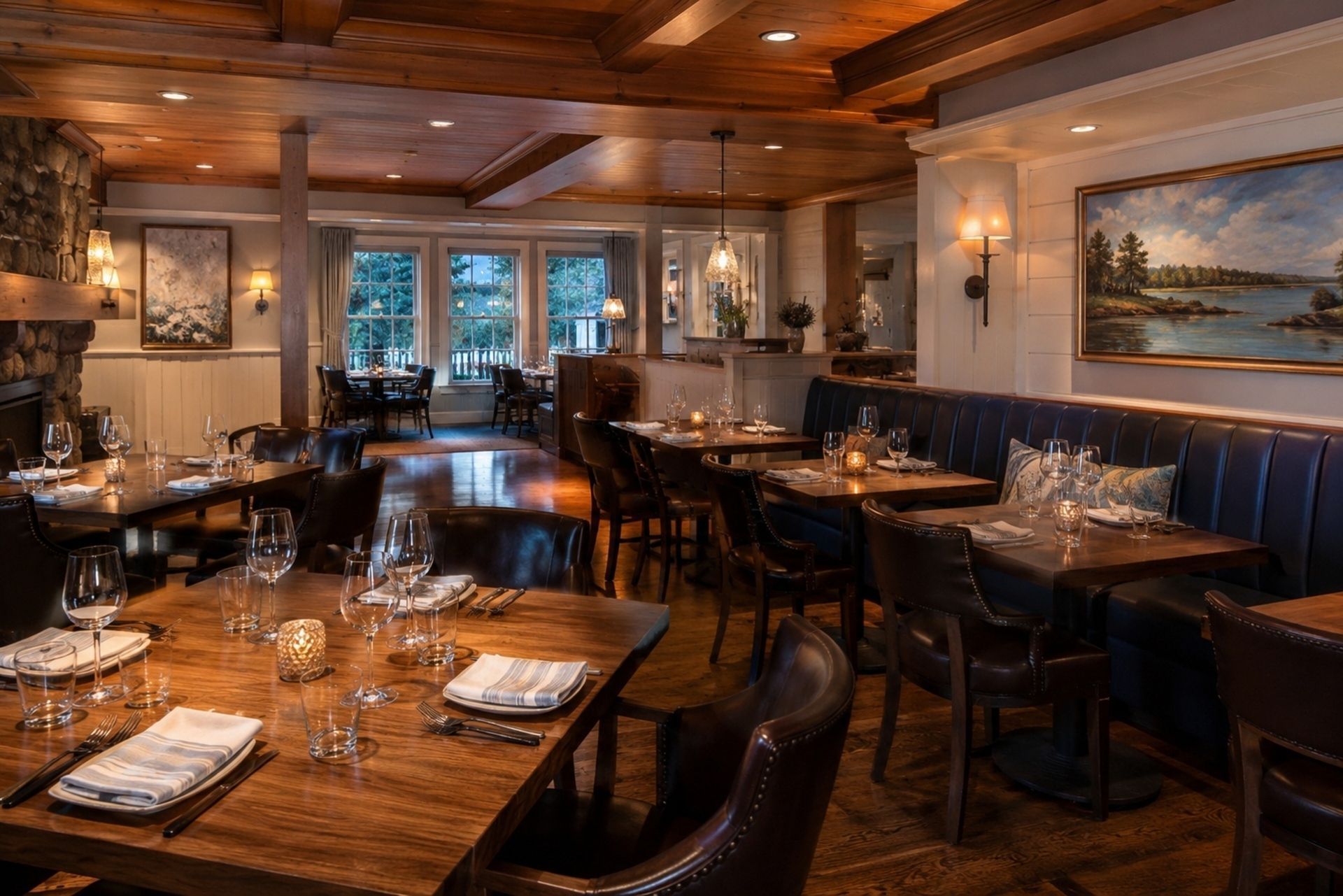
Maine's geography and tourism-driven economy create insurance challenges you won't find in most other states.
Business Interruption for Seasonal Fluctuations
A franchise restaurant in Bar Harbor might generate 60% of its annual revenue between June and September. If a fire or storm forces a closure during peak season, standard business interruption coverage calculates lost income based on historical financials. Make sure your policy accounts for seasonal revenue swings rather than averaging income across twelve months.
The waiting period, often 72 hours, matters too. For a high-volume summer restaurant, three days of lost revenue during July can exceed $30,000. Some policies offer reduced waiting periods for an additional premium, and that trade-off is often worth it for seasonal operations.
Flood and Storm Damage Considerations for Shoreline Locations
Standard commercial property policies exclude flood damage. If your franchise sits in a coastal town like Kennebunkport, Boothbay Harbor, or Old Orchard Beach, you'll need a separate flood policy through the National Flood Insurance Program or a private flood insurer. NFIP commercial policies cap at $500,000 for building coverage and $500,000 for contents, which may fall short for a fully built-out restaurant.
Nor'easters and ice storms also pose risks. Wind damage is typically covered under your property policy, but check your deductible structure. Some coastal policies include separate wind or named-storm deductibles that can be 2% to 5% of the insured value.
Specialized Endorsements for Modern Restaurant Operations
The standard BOP or general liability policy leaves gaps that modern restaurant operations need to fill with targeted endorsements.
Cyber Liability for POS Systems and Delivery Apps
Every franchise restaurant processes credit card transactions, and many integrate with third-party delivery platforms like DoorDash and Uber Eats. A data breach affecting your POS system can trigger notification costs, forensic investigation fees, and potential PCI fines. Cyber liability policies for small restaurants typically start around $1,000 to $2,500 annually for $1 million in coverage.
Your franchisor may require cyber coverage as part of their brand protection standards, especially if your POS system connects to a centralized network.
Employment Practices Liability Insurance (EPLI)
EPLI covers claims of wrongful termination, discrimination, harassment, and wage disputes. Restaurant turnover rates remain high in 2026, and each separation creates potential exposure. A single wrongful termination claim can cost $75,000 to $150,000 in legal defense alone, even if you win.
Maine follows at-will employment principles, but exceptions exist for discrimination and retaliation claims under the
Maine Human Rights Act. EPLI policies typically range from $800 to $3,000 annually for small franchise operations, depending on employee count and claims history.
Food Spoilage and Equipment Breakdown Coverage
A power outage during a January ice storm can destroy thousands of dollars in perishable inventory. Food spoilage coverage, sometimes called "refrigerated goods" coverage, reimburses you for lost inventory due to mechanical breakdown or power failure. Equipment breakdown coverage goes further, covering the cost to repair or replace commercial refrigeration units, HVAC systems, and cooking equipment that fails due to electrical or mechanical causes.
| Coverage Type | What It Covers | Typical Annual Cost | Common Limit |
|---|---|---|---|
| Food Spoilage | Perishable inventory lost to power failure or equipment malfunction | $150 - $400 | $10,000 - $25,000 |
| Equipment Breakdown | Repair/replacement of failed commercial equipment | $300 - $800 | $50,000 - $250,000 |
| Cyber Liability | Data breaches, PCI fines, notification costs | $1,000 - $2,500 | $1,000,000 |
| EPLI | Wrongful termination, discrimination, harassment claims | $800 - $3,000 | $500,000 - $1,000,000 |
Keeping your insurance costs in check while meeting both state and franchisor requirements takes deliberate effort. Bundling policies into a BOP saves 10% to 15% compared to purchasing general liability and property coverage separately. Installing fire suppression systems, maintaining ServSafe certifications, and implementing documented safety training programs all signal lower risk to underwriters.
Work with a broker who understands franchise insurance specifically. They'll know how to read your FDD's insurance requirements, negotiate endorsements that satisfy your franchisor's compliance team, and structure your program so you're not paying for overlapping coverage. Request an annual policy review every fall before your renewal date, and keep your certificates of insurance current with your franchisor's compliance portal.
Frequently Asked Questions
Does my franchisor's insurance cover my individual location? No. Franchisor policies protect the parent company, not individual franchisees. You're responsible for purchasing your own coverage that meets both state requirements and your FDD specifications.
Can I choose any insurance carrier for my franchise restaurant? Most FDDs require carriers with an A.M. Best rating of A- or higher. Some franchisors maintain preferred carrier lists, but you're generally free to shop within those rating guidelines.
How much does a full insurance package cost for a Maine franchise restaurant? A typical single-unit franchise restaurant in Maine spends between $8,000 and $18,000 annually on a comprehensive insurance program, depending on location, revenue, employee count, and whether alcohol is served.
What happens if I let my coverage lapse? Your franchisor will likely issue a default notice, and Maine's Bureau of Insurance may impose penalties for lapsed workers' compensation. Some franchise agreements allow termination for insurance non-compliance.
Do I need separate coverage for catering or food truck operations? Yes. Off-premises operations typically require endorsements or separate policies. Your standard general liability and auto coverage won't automatically extend to catering events or mobile food service.
About The Author:
Dustin Hulett
As Owner of Cuisine Coverage powered by Hulett Insurance, I specialize in protecting restaurants, bars, and hospitality businesses with smart, reliable insurance solutions. With years of experience serving the food and beverage industry, my goal is to make coverage simple, transparent, and built around the unique risks that owners face every day.
Contact Us
Business Coverage
Protection for Every Part of Your Food Business
Cuisine Coverage provides specialized insurance for restaurants, food trucks, catering services, and other hospitality businesses. We help owners protect their property, staff, and reputation with policies built around the most common industry risks.

General Liability Insurance
Protects your business from claims related to injury, property damage, or accidents that happen during operations.
General Liability
Liquor Liability Insurance
Covers alcohol-related incidents for restaurants, bars, or venues that serve or sell alcohol.
Liquor Liability
Workers Compensation Insurance
Provides wage replacement and medical benefits to employees injured on the job.
Workers Compensation
Business Interruption Insurance
Helps replace lost income and cover ongoing expenses if your business operations are temporarily halted.
Business Interruption
Product Liability Insurance
Protects against claims related to foodborne illness, contamination, or product defects.
Product Liability
Cyber Liability Insurance
Covers data breaches, online payment issues, and digital risks that can affect modern food businesses.
Cyber Liability
Serving the Food and Hospitality Industry
Insurance Solutions for Every Type of Food Business
Cuisine Coverage provides specialized insurance for restaurants, cafés, and food service professionals across the country. Whether you run a casual kitchen or a mobile food truck, we offer coverage that fits your operations and risk level.
How It Works
Insurance Made Easy for Food Business Owners
We know you don’t have time to deal with complicated insurance forms. That’s why our process is built for speed and simplicity — so you can get back to running your kitchen.
Your Insurance Questions Answered
What Restaurant and Food Business Owners Ask Most
What types of insurance do restaurants and food businesses need?
Most food businesses need general liability, property, and workers’ compensation coverage. These protect against injuries, equipment damage, and employee-related incidents. Businesses serving alcohol should also include liquor liability insurance for extra protection.
Having the right mix of policies helps reduce financial risks. We’ll help you identify the specific coverages your business needs based on your setup, size, and operations.
Do you provide insurance for food trucks and mobile kitchens?
Yes. We specialize in insurance for food trucks, trailers, and mobile vendors. Our coverage includes vehicle protection, cooking equipment, and liability for events or customer interactions.
We can also help you meet licensing and vendor requirements by issuing certificates of insurance quickly — often the same day.
How fast can I get a quote or start coverage?
In most cases, quotes are ready within 24 hours once we have your business details. After approval, coverage and certificates can be issued immediately.
Our process is fully digital but supported by real agents who review each policy for accuracy. You’ll always know exactly what you’re getting before coverage starts.
Do you offer liquor liability insurance for bars or restaurants?
Yes. We provide liquor liability insurance for bars, taverns, and restaurants that sell or serve alcohol. This coverage protects against claims involving intoxicated patrons or alcohol-related incidents.
It’s essential for maintaining compliance with local laws and protecting your business from costly lawsuits. We’ll ensure your policy meets all licensing requirements.
How can I reduce my insurance costs?
You can often lower premiums by bundling multiple coverages, maintaining clean safety records, and conducting regular policy reviews. Many insurers also offer discounts for installing safety systems and training employees.
At Cuisine Coverage, we proactively review your policy before renewal to help you keep costs down without reducing protection.
Do you help with certificates of insurance (COIs)?
Yes. We provide same-day certificates for vendors, landlords, and event partners. You can request them by phone or email anytime.
Having your COI ready keeps your business compliant and avoids delays in operations. Our team handles these requests quickly so you can stay focused on running your business.
From the Kitchen to Coverage
Real Advice for the Food and Hospitality Industry
We share tips, updates, and real-world stories from the food and insurance industries. Whether you’re managing a restaurant or rolling out a food truck, our articles give you useful guidance to protect your business and grow with confidence.
Contact Us
Phone
Location