Minnesota Franchisee and Franchisor Restaurant INSURANCE
OR call us: (214) 667-2729
Running a restaurant franchise in Minnesota means juggling two sets of expectations at once: your franchisor's corporate requirements and the state's own regulatory demands. A single gap in your insurance program can trigger a franchise agreement violation, a state fine, or worse, an uncovered claim that drains your operating capital. Commercial property insurance rates in Minnesota have
climbed by 12% to 18% on average in the first half of 2026, making it more expensive than ever to get coverage wrong. Whether you own one location or ten, understanding the intersection of franchise obligations and Minnesota law is the difference between a protected business and an exposed one. The right insurance portfolio for a restaurant franchise in Minnesota goes well beyond a basic general liability policy. It accounts for harsh winter conditions, liquor service, food safety, and the specific contractual language buried in your Franchise Disclosure Document. This guide breaks down what you need, what you can skip, and where most franchisees make costly mistakes.
Essential Insurance for Minnesota Restaurant Franchisees
Franchise restaurant insurance sits at the crossroads of corporate mandates and state law. Your franchisor dictates minimum coverage types and limits through the FDD, while Minnesota imposes its own requirements, particularly around workers' compensation and auto insurance. Getting both right is non-negotiable. Failing to meet either standard can result in penalties ranging from franchise termination to state-imposed fines.
Meeting Franchise Disclosure Document (FDD) Requirements
Your FDD is a binding contract, and its insurance provisions aren't suggestions. Most major restaurant franchisors require general liability coverage of at least $1 million per occurrence and $2 million aggregate. Many also mandate umbrella policies with limits of $5 million or more, especially for franchisees operating multiple units.
One detail franchisees often overlook is the "additional insured" requirement. Your franchisor will almost always require that the parent company be listed as an additional insured on your general liability and umbrella policies. This gives them direct rights under your policy if a claim arises. If your certificate of insurance doesn't reflect this status, your franchisor's compliance team will flag it, and you could face a breach notice.
Beyond liability, most FDDs specify property coverage requirements tied to the replacement cost of your buildout, signage, and equipment. A franchise location with a commercial kitchen, walk-in coolers, and branded interior finishes can easily carry $500,000 or more in insurable property value. Document every piece of specialized equipment, from your convection ovens to your POS system, to ensure your policy reflects accurate replacement costs.
Minnesota State Mandates for Workers' Compensation
Minnesota requires workers' compensation insurance for virtually all employers, with very few exceptions. If you have even one employee, you need a policy. The state's Department of Labor and Industry enforces this strictly, and operating without coverage can result in a stop-work order and fines of up to $1,000 per day.
Restaurant franchises face elevated workers' comp costs because kitchen injuries, burns, lacerations, and repetitive strain are common. Your experience modification rate, or "mod rate," directly affects your premiums. Franchisees who invest in safety training programs like ServSafe and maintain clean incident records can lower their mod rate over time, sometimes saving 10% to 20% on annual premiums. A typical Minnesota restaurant with 15 to 25 employees might pay between $8,000 and $18,000 annually for workers' comp, depending on the mod rate and job classifications.

By: Dustin Hulett
Founder & CEO of Cuisine Coverage
Core Coverages vs. Specialized Add-ons
Not every policy your franchisor recommends will be relevant to your specific operation. Understanding which coverages form your foundation and which are situational add-ons helps you spend wisely without leaving gaps.
General Liability and Property Protection
General liability is the backbone of any restaurant insurance program. It covers third-party bodily injury, property damage, and personal injury claims. A customer who slips on a wet floor, burns themselves on a hot plate, or alleges food poisoning will trigger your GL policy. Standard limits of $1 million per occurrence and $2 million aggregate are the minimum for most franchise agreements.
Many franchisees bundle general liability with property coverage through a Business Owner's Policy, or BOP. A BOP typically costs less than purchasing each policy separately and includes business interruption coverage, which pays lost income if a covered event forces you to close temporarily. For a mid-sized franchise location in Minnesota, annual BOP premiums generally range from $3,500 to $7,500, depending on your revenue, square footage, and claims history.
Liquor Liability for Minnesota Establishments
If your franchise serves beer, wine, or spirits, you need a separate liquor liability policy. Minnesota's dram shop law holds establishments liable for injuries caused by intoxicated patrons they served. This liability extends to third parties injured by someone you overserved, meaning a single drunk driving accident tied to your restaurant could generate a claim well into six figures.
Liquor liability coverage typically runs $2,000 to $5,000 per year for a restaurant-format franchise. The cost depends on your alcohol-to-food sales ratio. A franchise where alcohol represents 30% or more of revenue will pay significantly more than one where it's 10%. Staff training programs focused on responsible alcohol service, such as the Minnesota Alcohol and Gambling Enforcement Division's server training requirements, can help reduce both risk and premiums.
Spoilage and Food Contamination Coverage
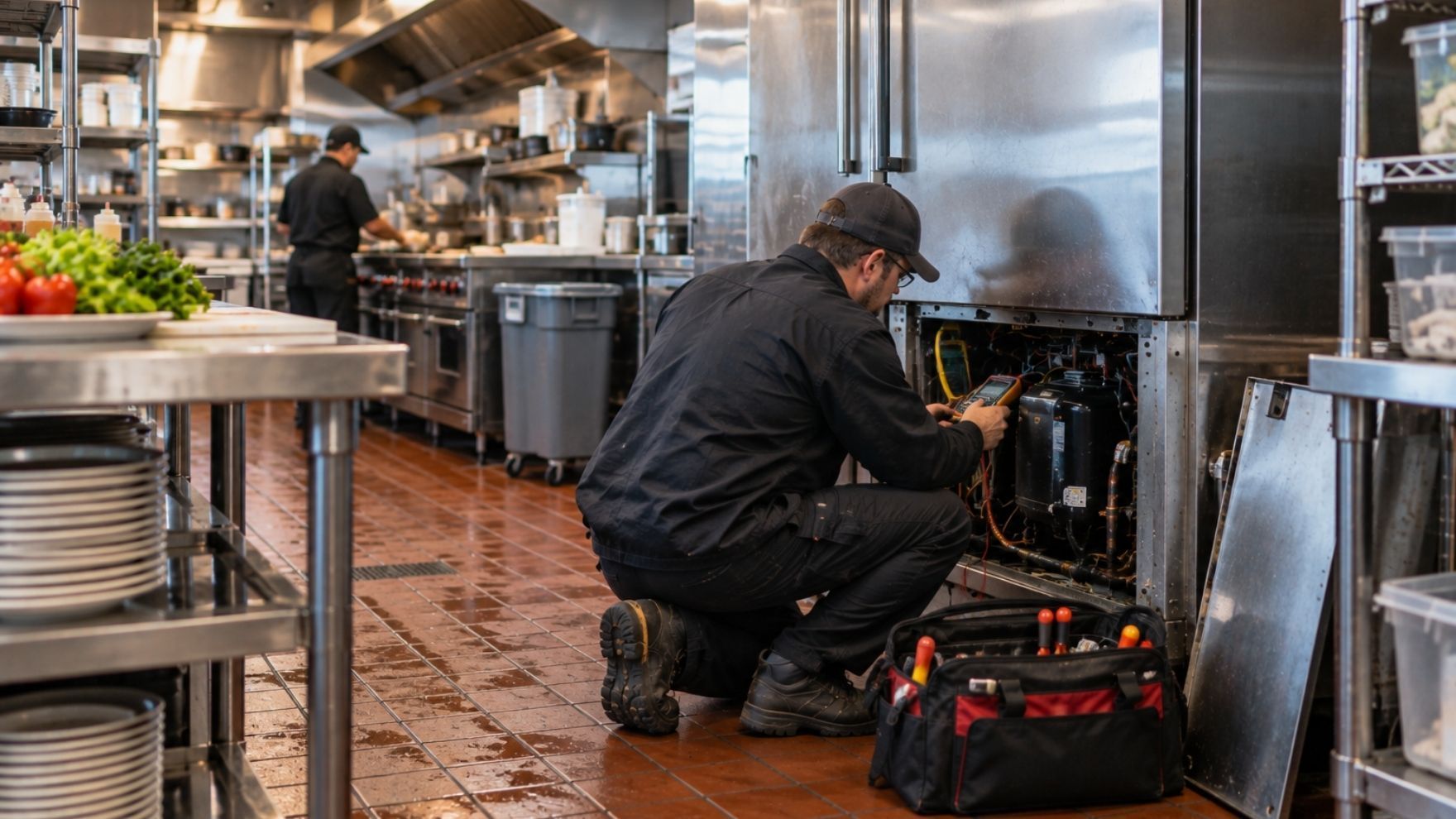
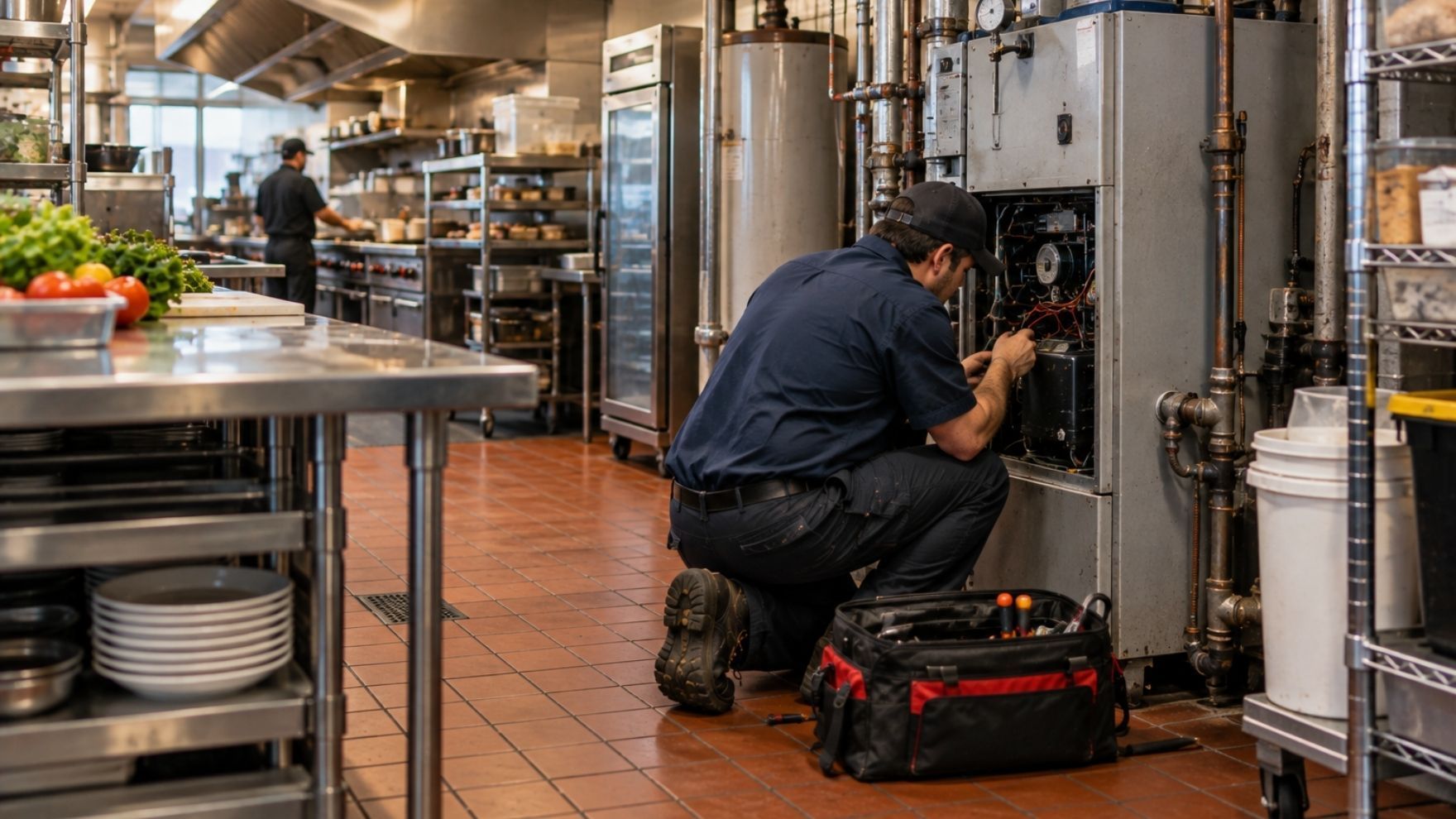
Walk-in coolers and freezers full of perishable inventory represent thousands of dollars in potential loss. A standard property policy often excludes or severely limits spoilage coverage. A dedicated spoilage endorsement covers inventory loss from equipment breakdown, power outages, or refrigerant leaks.
Food contamination coverage goes a step further. If a health department investigation forces you to discard inventory or shut down temporarily, this coverage reimburses lost product and income. For a franchise location carrying $10,000 to $25,000 in perishable inventory at any given time, a spoilage endorsement typically adds $300 to $800 annually to your policy, a small price relative to the potential loss.
Comparing Coverage: Basic vs. Comprehensive Franchise Plans
Choosing between a stripped-down policy and a comprehensive plan has real financial consequences. Here's how the two approaches compare for a typical Minnesota franchise restaurant:
| Coverage Element | Basic Plan | Comprehensive Plan |
|---|---|---|
| General Liability | $1M per occurrence / $2M aggregate | $1M per occurrence / $2M aggregate |
| Property Coverage | Actual cash value | Replacement cost |
| Business Interruption | Not included | Up to 12 months lost income |
| Liquor Liability | Not included | $1M per occurrence |
| Spoilage | $5,000 sublimit | $25,000+ with equipment breakdown |
| Hired/Non-Owned Auto | Not included | $1M combined single limit |
| Umbrella | Not included | $5M excess liability |
| Estimated Annual Cost | $3,000 - $5,000 | $9,000 - $16,000 |
The basic plan might satisfy your state's minimum requirements, but it won't meet most FDD mandates. More critically, it leaves you exposed to the specific risks that Minnesota restaurant operations actually face. The comprehensive plan costs more upfront but prevents the kind of uncovered losses that close businesses.
Managing Risks Unique to Minnesota Operations
Minnesota's climate and consumer habits create insurance challenges you won't find in warmer states. Your risk management strategy should account for seasonal patterns that directly affect your exposure and your premiums.
Winter Weather and Slip-and-Fall Liability
Slip-and-fall claims spike between November and March across Minnesota. Ice accumulation in parking lots, entryways, and drive-through lanes creates constant liability exposure. A single slip-and-fall claim can cost $20,000 to $50,000 in medical expenses and legal fees, and severe injuries push that number much higher.
Your lease likely requires you to maintain the sidewalks and entryways adjacent to your restaurant. Documenting your snow and ice removal schedule is critical. Keep timestamped logs, photos, and contractor invoices. If a claim arises, this documentation becomes your primary defense. Some insurers offer premium discounts for businesses that implement formal winter maintenance protocols, so ask your broker about available credits.
Delivery Driver Risks and Hired Auto Insurance
If your franchise offers delivery, whether through your own drivers or third-party apps, you need hired and non-owned auto coverage. When an employee uses their personal vehicle for a delivery run and causes an accident, their personal auto policy may deny the claim because it occurred during commercial activity. That denial shifts liability directly to your business.
Hired and non-owned auto insurance typically costs $500 to $1,500 annually and provides $1 million in combined single limit coverage. Even if you rely on third-party delivery platforms like DoorDash or Uber Eats, you're not fully insulated from liability. If a customer alleges that your food packaging contributed to a driver's distraction, your GL policy, not the platform's, is the one that responds.
Frequently Asked Questions About Restaurant Insurance
How much does restaurant franchise insurance cost in Minnesota? Most franchisees pay between $9,000 and $18,000 annually for a comprehensive package. Your exact cost depends on revenue, number of employees, liquor sales, and claims history.
Does my franchisor choose my insurance company? Usually not. Most FDDs specify minimum coverage types and limits but let you choose your carrier. Some franchisors have preferred vendor programs that may offer group rates.
Can I bundle my franchise locations under one policy? Yes. Multi-location franchisees often save 10% to 15% by consolidating locations under a single program. Your broker can structure a master policy with individual location schedules.
What happens if my insurance lapses? Your franchisor will receive notice of cancellation and may issue a default notice under your franchise agreement. Minnesota's workers' comp board may also impose fines and a stop-work order.
Do I need cyber liability insurance for my restaurant? If you process credit card transactions, which nearly every restaurant does, a data breach could expose you to significant costs. Cyber liability policies for restaurants typically start around $500 to $1,500 per year and cover breach notification, forensic investigation, and regulatory fines.
Is Employment Practices Liability Insurance worth it?
EPLI covers claims of wrongful termination, discrimination, and harassment. Restaurants with high employee turnover face elevated exposure. Policies typically cost $1,200 to $3,000 per year for a single location.
Making the Right Choice for Your Franchise
Getting the right insurance for your Minnesota restaurant franchise isn't about buying the most expensive plan available. It's about matching your coverage to the actual risks your operation faces, from winter slip-and-fall exposure to FDD compliance requirements and liquor liability.
Start by reading your Franchise Disclosure Document's insurance provisions line by line. Then work with a broker who understands both franchise requirements and Minnesota-specific regulations. A broker experienced in franchisee and franchisor restaurant insurance in Minnesota will spot gaps that a generalist won't.
Review your policies annually, especially given the rate increases hitting Minnesota commercial property coverage in 2026. Equipment values change, revenue fluctuates, and your risk profile shifts as you add locations or services. The franchisees who treat insurance as an ongoing management task, rather than a one-time purchase, are the ones who survive the claims that close their competitors.
About The Author:
Dustin Hulett
As Owner of Cuisine Coverage powered by Hulett Insurance, I specialize in protecting restaurants, bars, and hospitality businesses with smart, reliable insurance solutions. With years of experience serving the food and beverage industry, my goal is to make coverage simple, transparent, and built around the unique risks that owners face every day.
Contact Us
Business Coverage
Protection for Every Part of Your Food Business
Cuisine Coverage provides specialized insurance for restaurants, food trucks, catering services, and other hospitality businesses. We help owners protect their property, staff, and reputation with policies built around the most common industry risks.

General Liability Insurance
Protects your business from claims related to injury, property damage, or accidents that happen during operations.
General Liability
Liquor Liability Insurance
Covers alcohol-related incidents for restaurants, bars, or venues that serve or sell alcohol.
Liquor Liability
Workers Compensation Insurance
Provides wage replacement and medical benefits to employees injured on the job.
Workers Compensation
Business Interruption Insurance
Helps replace lost income and cover ongoing expenses if your business operations are temporarily halted.
Business Interruption
Product Liability Insurance
Protects against claims related to foodborne illness, contamination, or product defects.
Product Liability
Cyber Liability Insurance
Covers data breaches, online payment issues, and digital risks that can affect modern food businesses.
Cyber Liability
Serving the Food and Hospitality Industry
Insurance Solutions for Every Type of Food Business
Cuisine Coverage provides specialized insurance for restaurants, cafés, and food service professionals across the country. Whether you run a casual kitchen or a mobile food truck, we offer coverage that fits your operations and risk level.
How It Works
Insurance Made Easy for Food Business Owners
We know you don’t have time to deal with complicated insurance forms. That’s why our process is built for speed and simplicity — so you can get back to running your kitchen.
Your Insurance Questions Answered
What Restaurant and Food Business Owners Ask Most
What types of insurance do restaurants and food businesses need?
Most food businesses need general liability, property, and workers’ compensation coverage. These protect against injuries, equipment damage, and employee-related incidents. Businesses serving alcohol should also include liquor liability insurance for extra protection.
Having the right mix of policies helps reduce financial risks. We’ll help you identify the specific coverages your business needs based on your setup, size, and operations.
Do you provide insurance for food trucks and mobile kitchens?
Yes. We specialize in insurance for food trucks, trailers, and mobile vendors. Our coverage includes vehicle protection, cooking equipment, and liability for events or customer interactions.
We can also help you meet licensing and vendor requirements by issuing certificates of insurance quickly — often the same day.
How fast can I get a quote or start coverage?
In most cases, quotes are ready within 24 hours once we have your business details. After approval, coverage and certificates can be issued immediately.
Our process is fully digital but supported by real agents who review each policy for accuracy. You’ll always know exactly what you’re getting before coverage starts.
Do you offer liquor liability insurance for bars or restaurants?
Yes. We provide liquor liability insurance for bars, taverns, and restaurants that sell or serve alcohol. This coverage protects against claims involving intoxicated patrons or alcohol-related incidents.
It’s essential for maintaining compliance with local laws and protecting your business from costly lawsuits. We’ll ensure your policy meets all licensing requirements.
How can I reduce my insurance costs?
You can often lower premiums by bundling multiple coverages, maintaining clean safety records, and conducting regular policy reviews. Many insurers also offer discounts for installing safety systems and training employees.
At Cuisine Coverage, we proactively review your policy before renewal to help you keep costs down without reducing protection.
Do you help with certificates of insurance (COIs)?
Yes. We provide same-day certificates for vendors, landlords, and event partners. You can request them by phone or email anytime.
Having your COI ready keeps your business compliant and avoids delays in operations. Our team handles these requests quickly so you can stay focused on running your business.
From the Kitchen to Coverage
Real Advice for the Food and Hospitality Industry
We share tips, updates, and real-world stories from the food and insurance industries. Whether you’re managing a restaurant or rolling out a food truck, our articles give you useful guidance to protect your business and grow with confidence.
Contact Us
Phone
Location