Ohio Restaurant INSURANCE
OR call us: (214) 667-2729
Ohio’s restaurant scene is vast and vibrant, with nearly 25,000 establishments generating over $33 billion in annual sales and employing more than 450,000 people as of 2025. Running a restaurant here means navigating a competitive market alongside unique risks, from winter weather damage to workplace injuries. Understanding the insurance landscape is crucial for protecting your business, your employees, and your livelihood.
Whether you operate a small mom-and-pop diner or a bustling urban eatery, having the right insurance coverage tailored to Ohio’s requirements can make all the difference. This guide breaks down what restaurant owners in Ohio need to know about insurance options, costs, and legal mandates, helping you make informed decisions that keep your doors open and your risks managed.
Why Insurance Is Essential for Ohio Restaurants
Running a restaurant involves more than just serving great food. It means managing risks that can quickly spiral into costly claims. Slip-and-fall accidents, property damage from harsh winters, and workplace injuries are all common threats. For instance, 40% of Ohio restaurant owners reported winter weather-related property damage in early 2025, a slight improvement from 48% the previous year, but still a significant concern for many operators NEXT Insurance.
Smaller restaurants, especially family-run businesses, often face more pressure. John Barker, President and CEO of the Ohio Restaurant Association, highlights that this remains a stressful period for many operators who lack the scale to absorb rising costs and operational challenges Axios. Insurance acts as a safety net, helping to cover unexpected expenses and legal liabilities that could otherwise cripple a business.
In addition to covering physical damages, insurance can also provide crucial support in the event of a foodborne illness outbreak. With the rise of social media, a single negative review can spread like wildfire, potentially damaging a restaurant's reputation and leading to significant financial losses. Having liability insurance can help protect against claims and lawsuits that arise from such incidents, allowing restaurant owners to focus on what they do best—serving delicious meals and creating memorable dining experiences.
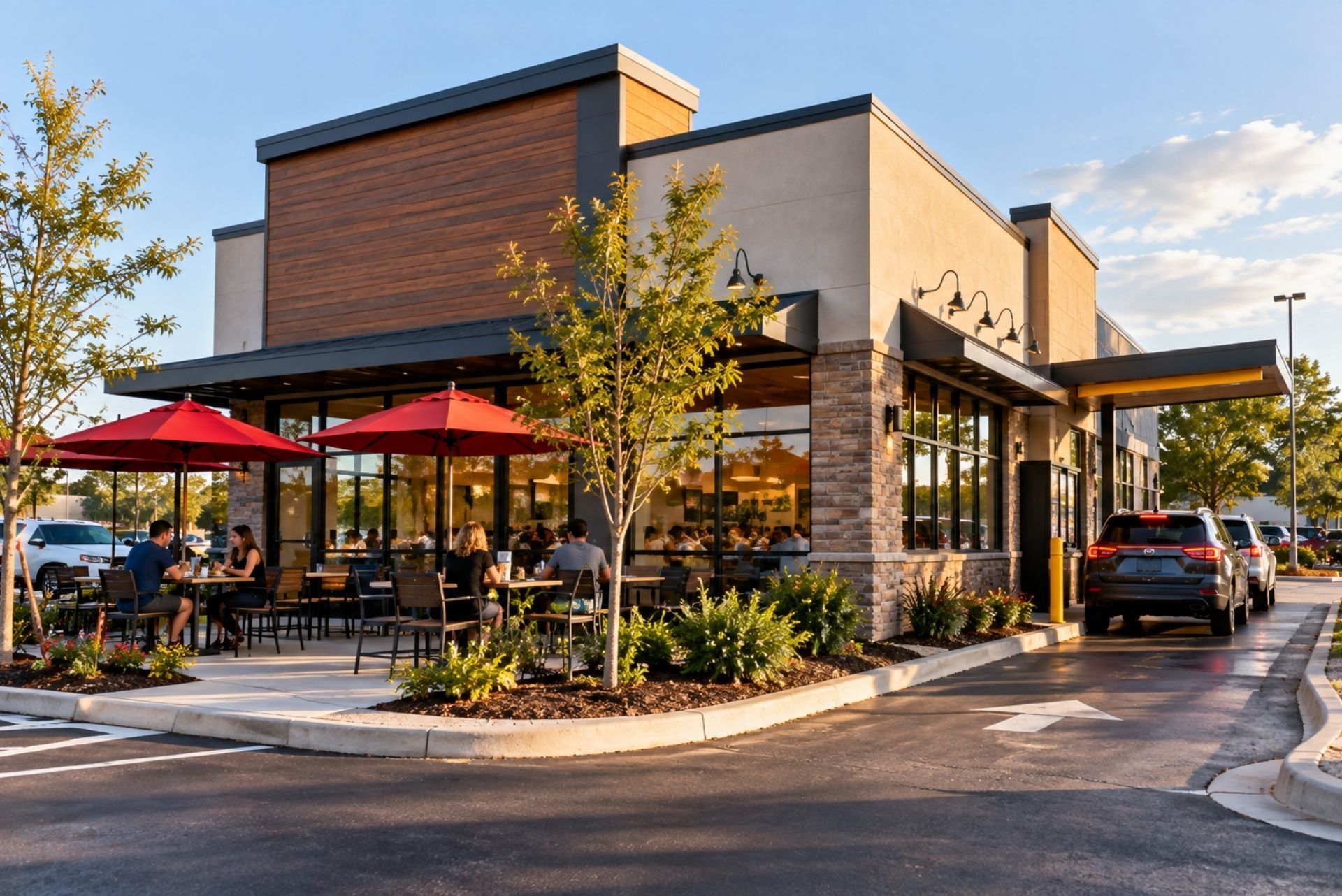
Moreover, as the restaurant industry continues to evolve, with trends like outdoor dining and food delivery services gaining popularity, insurance policies are also adapting to meet these new challenges. Coverage options are becoming more comprehensive, offering protection for outdoor seating areas, food delivery vehicles, and even cyber liability for online ordering systems. This adaptability is essential for Ohio restaurants looking to thrive in a competitive market, ensuring they are prepared for both traditional risks and the unforeseen challenges that come with innovation.


By: Dustin Hulett
Founder & CEO of Cuisine Coverage
Mandatory Workers’ Compensation Coverage in Ohio
One of the most critical insurance requirements for Ohio restaurants is workers’ compensation coverage. Unlike some states where private insurers can provide this coverage, Ohio mandates that restaurants purchase workers’ compensation insurance exclusively through the Ohio Bureau of Workers’ Compensation (BWC). This system covers medical expenses and compensation benefits for employees who suffer work-related injuries, illnesses, or fatalities.
About two-thirds of Ohio’s workforce is covered by the BWC, ensuring that injured workers receive timely support while protecting employers from costly lawsuits Ohio Bureau of Workers' Compensation. For restaurant owners, this means compliance is non-negotiable, and understanding the BWC’s processes and rates is essential to budgeting for this expense.
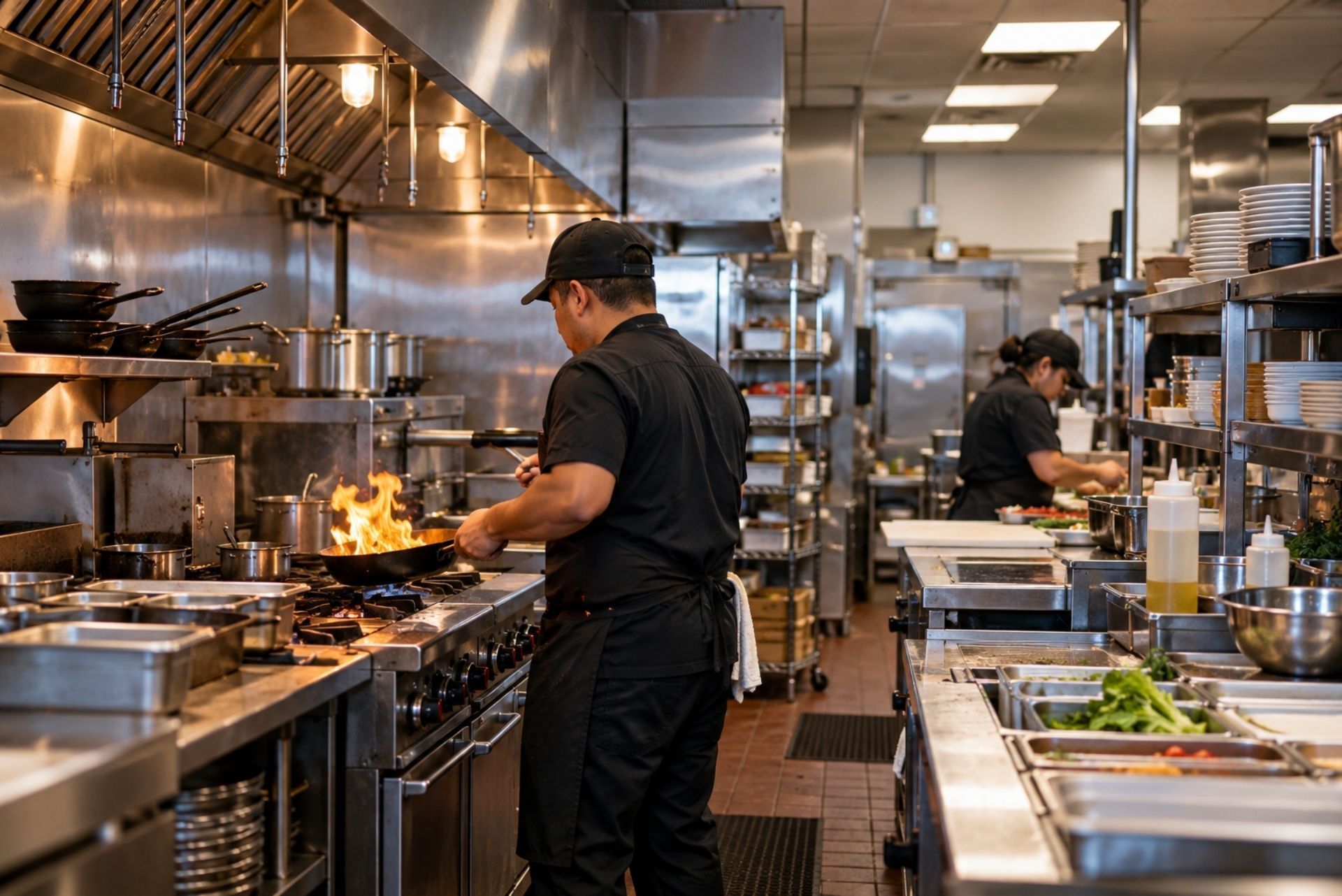
Workers’ comp claims in restaurants often involve kitchen-related injuries such as burns, cuts, or slips. Having this coverage not only meets legal obligations but also fosters a safer workplace environment, which can reduce claim frequency over time.
In addition to the financial implications, investing in workers’ compensation can significantly enhance employee morale. When staff members know that their health and well-being are prioritized, they are more likely to feel valued and engaged in their work. This can lead to lower turnover rates, which is particularly beneficial in the restaurant industry, where high employee turnover can disrupt service quality and increase training costs. Furthermore, a positive workplace culture can translate into better customer experiences, as satisfied employees often provide superior service.
Moreover, the BWC offers various resources and programs aimed at promoting workplace safety and preventing injuries. Restaurants can take advantage of these initiatives to implement safety training and ergonomic assessments, which not only help in reducing the likelihood of accidents but also demonstrate a commitment to employee welfare. By proactively addressing safety concerns, restaurant owners can create a more resilient business model that withstands the challenges posed by workplace injuries while fostering a culture of care and responsibility.
General Liability Insurance: Protecting Against Common Risks
General liability insurance is a cornerstone of restaurant risk management. It typically covers claims related to bodily injury, property damage, and advertising injury. For example, if a customer slips on a wet floor or if your signage causes damage to a neighboring property, general liability insurance can cover legal fees and settlements.
In Ohio, restaurant general liability policies usually offer coverage limits between $1 million and $2 million. This range provides a solid buffer against most common claims without breaking the bank. Many small food and beverage businesses pay less than $50 per month for this coverage, averaging around $525 annually Insureon.
Choosing the right coverage amount depends on your restaurant’s size, location, and risk profile. For instance, a busy downtown eatery with heavy foot traffic might need higher limits than a small suburban cafe. Consulting with an insurance expert familiar with Ohio’s market can help tailor coverage effectively.
In addition to the basic coverage provided, many general liability policies can be customized with endorsements that address specific risks unique to your restaurant. For example, if you host events or offer catering services, adding coverage for these activities can help protect against potential liabilities that arise from them. Furthermore, understanding the nuances of your policy can empower restaurant owners to make informed decisions about their risk management strategies, ensuring that they are adequately protected against unforeseen circumstances.
Moreover, it’s essential to stay informed about the legal landscape and evolving regulations that may impact your restaurant. For instance, changes in health and safety laws can influence the types of claims that may arise. Regularly reviewing your insurance policy and adjusting your coverage as needed can help you maintain a robust safety net. Engaging with local restaurant associations or industry groups can also provide valuable insights into common risks faced by similar establishments, enabling you to proactively address potential vulnerabilities.

Additional Coverage Options to Consider
Beyond workers’ comp and general liability, restaurants face other risks that specialized insurance can address. Property insurance protects your physical assets from fire, theft, vandalism, and weather-related damage. Given Ohio’s winter weather challenges, this coverage is particularly relevant. With heavy snowfall and icy conditions, the risk of roof collapses or damage to outdoor dining areas increases significantly. Investing in comprehensive property insurance not only safeguards your building and equipment but also ensures that you can quickly recover from unexpected incidents, allowing you to focus on serving your customers without the added stress of financial loss.
Cyber liability insurance is becoming increasingly important as restaurants rely on digital payment systems and store customer data. This coverage helps manage risks related to data breaches and cyberattacks, which can disrupt operations and harm your reputation. As more patrons opt for online reservations and mobile ordering, the amount of sensitive information being processed grows, making restaurants prime targets for cybercriminals. By securing cyber liability insurance, you can not only protect your business from the financial repercussions of a data breach but also gain access to resources that help you implement robust cybersecurity measures, ensuring that your customers' information remains safe and secure.
Business interruption insurance covers lost income if your restaurant must close temporarily due to a covered event, such as a fire or severe storm. This can be a lifeline for maintaining payroll and fixed expenses during downtime. Additionally, this type of insurance can also cover extra expenses incurred while trying to resume operations, such as renting temporary space or equipment. Understanding the nuances of this coverage can help you tailor your policy to fit the specific needs of your restaurant, ensuring that you are adequately protected against the unpredictable nature of the food service industry.
Another important coverage to consider is
equipment breakdown insurance, which protects against the unexpected failure of essential kitchen equipment. In a restaurant, a malfunctioning refrigerator or oven can lead to significant losses, not only in terms of spoiled inventory but also in terms of lost sales and customer dissatisfaction. This insurance can help cover repair costs or even the replacement of critical equipment, allowing you to minimize downtime and maintain the quality of service that your patrons expect. Furthermore, having this coverage can provide peace of mind, knowing that you are prepared for the unexpected challenges that come with running a busy kitchen.
Survival Challenges and the Importance of Adequate Coverage
Starting and maintaining a restaurant in Ohio is no easy feat. According to a study by Ohio State University, 60% of restaurants fail within their first year, and 80% of those that survive do not make it past five years Fearnow Insurance. Many factors contribute to these statistics, but inadequate risk management and insurance can accelerate a business’s downfall.
Having the right insurance coverage can protect against financial shocks that might otherwise force closure. It also helps build credibility with landlords, lenders, and suppliers, who often require proof of insurance before entering into contracts.
For operators, especially smaller ones, balancing cost and coverage is key. While insurance adds to monthly expenses, the protection it offers against lawsuits, property damage, and employee claims is invaluable. Furthermore, the restaurant industry is particularly susceptible to unique risks such as foodborne illnesses, equipment breakdowns, and natural disasters. For instance, a single incident of food poisoning can lead to significant legal ramifications and damage to a restaurant's reputation, making comprehensive liability coverage essential.
Additionally, many restaurant owners may overlook the importance of business interruption insurance. This type of coverage can be a lifesaver in the event of a disaster, as it provides financial assistance to cover lost income and ongoing expenses while the restaurant is closed for repairs. Understanding the nuances of various insurance policies can empower restaurant owners to make informed decisions that not only safeguard their business but also enhance their operational resilience in a competitive market.
How to Choose the Right Insurance for Your Ohio Restaurant
Start by assessing your specific risks. Consider your location, size, employee count, and the types of food service you provide. Each of these factors plays a crucial role in determining the types of coverage you might need. For instance, a restaurant located in a high-traffic urban area may face different risks compared to one in a quieter suburb. Additionally, if you offer outdoor dining or catering services, you may need to account for weather-related risks or liability associated with off-site events. Understanding these nuances can help you create a comprehensive risk profile that informs your insurance decisions.
Next, understand Ohio’s legal requirements, especially the mandatory workers’ compensation coverage through the BWC. This coverage is essential not only for compliance but also for protecting your employees in the event of workplace injuries. Familiarize yourself with the nuances of Ohio’s laws, as they may vary by industry and can impact your insurance needs. For example, if you serve alcohol, you may also need liquor liability insurance to protect against claims related to alcohol service. Engaging with a knowledgeable insurance agent can provide clarity on these requirements and help you navigate the complexities of state regulations.
Work with an insurance agent or broker who knows the Ohio restaurant market well. They can help you compare policies, coverage limits, and premiums to find a plan that fits your budget and risk profile. Don’t hesitate to ask about bundling options, which can sometimes lower costs by combining general liability, property, and other coverages. Additionally, inquire about endorsements or riders that can enhance your policy, such as coverage for food spoilage or equipment breakdown, which can be particularly relevant in the restaurant industry where perishable goods are a significant concern.
Regularly review your insurance policies as your business grows or changes. An annual check-in ensures your coverage keeps pace with new risks or operational shifts. For example, if you decide to expand your menu or increase your seating capacity, your existing coverage may no longer suffice. It’s also wise to stay informed about industry trends and emerging risks, such as cybersecurity threats, which are increasingly relevant for restaurants that utilize digital payment systems. By proactively managing your insurance, you can safeguard your business against unforeseen challenges and ensure that you’re adequately protected as you adapt to the evolving landscape of the restaurant industry.
Insurance Cost Considerations for Ohio Restaurants
Insurance costs vary widely based on coverage type, limits, and risk factors. Many small restaurants in Ohio pay around $525 annually for general liability insurance, which is affordable relative to the protection it provides Insureon. Workers’ compensation premiums depend on your payroll size and claims history but are required by law, so they must be factored into your budget.
Weather-related claims can also impact premiums. Although winter damage claims have decreased slightly in Ohio, they remain a significant risk for many restaurants NEXT Insurance. Investing in preventive measures like proper snow removal and maintenance can help lower insurance costs over time.
What to Remember When Insuring Your Ohio Restaurant
Insurance is not just a regulatory box to check; it is a vital part of your restaurant’s survival strategy. Ohio’s unique requirements, such as mandatory workers’ compensation through the BWC, set the foundation. From there, general liability and property coverage protect against everyday risks that could otherwise lead to expensive claims.
Keep in mind that many restaurants face tight margins, so finding cost-effective coverage without sacrificing protection is essential. Leveraging expert advice and regularly reviewing your insurance portfolio will help you stay ahead of risks.
Ultimately, insurance offers peace of mind, allowing you to focus on what matters most: running a successful restaurant that serves your community well into the future.
Frequently Asked Questions
Q: Is workers’ compensation insurance mandatory for all Ohio restaurants?
A: Yes. Ohio requires all restaurants to purchase workers’ compensation coverage through the Ohio Bureau of Workers’ Compensation (BWC).
Q: How much does general liability insurance typically cost for small Ohio restaurants?
A: Many small food and beverage businesses pay less than $50 per month, averaging about $525 annually for general liability insurance.
Q: What does general liability insurance cover for restaurants?
A: It protects against claims like slip-and-fall injuries, third-party property damage, and advertising injury.
Q: How common is weather-related property damage for Ohio restaurants?
A: About 40% of Ohio restaurant owners reported winter weather-related property damage in early 2025, down from 48% the previous year.
Q: Can private insurers provide workers’ compensation coverage in Ohio?
A: No. Ohio law requires workers’ compensation insurance to be purchased exclusively through the Ohio Bureau of Workers’ Compensation.
Q: What percentage of Ohio restaurants survive beyond five years?
A: Only about 20% of restaurants that survive their first year make it past five years, according to a study by Ohio State University.
About The Author:
Dustin Hulett
As Owner of Cuisine Coverage powered by Hulett Insurance, I specialize in protecting restaurants, bars, and hospitality businesses with smart, reliable insurance solutions. With years of experience serving the food and beverage industry, my goal is to make coverage simple, transparent, and built around the unique risks that owners face every day.
Contact Us
Business Coverage
Protection for Every Part of Your Food Business
Cuisine Coverage provides specialized insurance for restaurants, food trucks, catering services, and other hospitality businesses. We help owners protect their property, staff, and reputation with policies built around the most common industry risks.

General Liability Insurance
Protects your business from claims related to injury, property damage, or accidents that happen during operations.
General Liability
Liquor Liability Insurance
Covers alcohol-related incidents for restaurants, bars, or venues that serve or sell alcohol.
Liquor Liability
Workers Compensation Insurance
Provides wage replacement and medical benefits to employees injured on the job.
Workers Compensation
Business Interruption Insurance
Helps replace lost income and cover ongoing expenses if your business operations are temporarily halted.
Business Interruption
Product Liability Insurance
Protects against claims related to foodborne illness, contamination, or product defects.
Product Liability
Cyber Liability Insurance
Covers data breaches, online payment issues, and digital risks that can affect modern food businesses.
Cyber Liability
Serving the Food and Hospitality Industry
Insurance Solutions for Every Type of Food Business
Cuisine Coverage provides specialized insurance for restaurants, cafés, and food service professionals across the country. Whether you run a casual kitchen or a mobile food truck, we offer coverage that fits your operations and risk level.

How It Works
Insurance Made Easy for Food Business Owners
We know you don’t have time to deal with complicated insurance forms. That’s why our process is built for speed and simplicity — so you can get back to running your kitchen.
Your Insurance Questions Answered
What Restaurant and Food Business Owners Ask Most
What types of insurance do restaurants and food businesses need?
Most food businesses need general liability, property, and workers’ compensation coverage. These protect against injuries, equipment damage, and employee-related incidents. Businesses serving alcohol should also include liquor liability insurance for extra protection.
Having the right mix of policies helps reduce financial risks. We’ll help you identify the specific coverages your business needs based on your setup, size, and operations.
Do you provide insurance for food trucks and mobile kitchens?
Yes. We specialize in insurance for food trucks, trailers, and mobile vendors. Our coverage includes vehicle protection, cooking equipment, and liability for events or customer interactions.
We can also help you meet licensing and vendor requirements by issuing certificates of insurance quickly — often the same day.
How fast can I get a quote or start coverage?
In most cases, quotes are ready within 24 hours once we have your business details. After approval, coverage and certificates can be issued immediately.
Our process is fully digital but supported by real agents who review each policy for accuracy. You’ll always know exactly what you’re getting before coverage starts.
Do you offer liquor liability insurance for bars or restaurants?
Yes. We provide liquor liability insurance for bars, taverns, and restaurants that sell or serve alcohol. This coverage protects against claims involving intoxicated patrons or alcohol-related incidents.
It’s essential for maintaining compliance with local laws and protecting your business from costly lawsuits. We’ll ensure your policy meets all licensing requirements.
How can I reduce my insurance costs?
You can often lower premiums by bundling multiple coverages, maintaining clean safety records, and conducting regular policy reviews. Many insurers also offer discounts for installing safety systems and training employees.
At Cuisine Coverage, we proactively review your policy before renewal to help you keep costs down without reducing protection.
Do you help with certificates of insurance (COIs)?
Yes. We provide same-day certificates for vendors, landlords, and event partners. You can request them by phone or email anytime.
Having your COI ready keeps your business compliant and avoids delays in operations. Our team handles these requests quickly so you can stay focused on running your business.
From the Kitchen to Coverage
Real Advice for the Food and Hospitality Industry
We share tips, updates, and real-world stories from the food and insurance industries. Whether you’re managing a restaurant or rolling out a food truck, our articles give you useful guidance to protect your business and grow with confidence.
Contact Us
Phone
Location