Brunch Restaurant INSURANCE
OR call us: (214) 667-2729
Brunch has become more than just a meal; it is a weekend ritual that combines affordability with indulgence. With 70% of diners ordering alcoholic beverages during brunch-compared to 40% at dinner-this dining concept offers unique opportunities and challenges for restaurant owners. Yet, the financial margins remain tight. According to industry insights, many restaurants operate on slim profits, often around 10% after expenses. This delicate balance makes protecting your business with the right insurance coverage essential, especially when weather and operational risks threaten your bottom line.
Understanding how insurance fits into the brunch restaurant model can help owners safeguard their investments and maintain steady operations even when unexpected events occur. This article breaks down what brunch restaurant insurance covers, why it matters, and how to tailor your policy to weekend dining’s distinct risks and rewards.
Why Brunch Restaurants Face Unique Insurance Needs
Brunch menus typically rely on cost-effective ingredients like eggs, potatoes, and bread, which help improve profit margins. Dominick Purnomo, owner of Day Line in New York’s Hudson Valley, points out that these ingredients keep costs down while attracting a steady crowd. However, the popularity of brunch also means higher foot traffic during peak weekend hours, increasing exposure to certain liabilities.
Alcohol sales, a key driver of brunch’s appeal, add another layer of risk. With 70% of brunch diners ordering alcoholic beverages, the chance of alcohol-related incidents rises. This makes liquor liability coverage a critical component of any brunch restaurant’s insurance plan.
Moreover, weekend weather can be unpredictable. Nearly 40% of restaurant owners reported lacking insurance coverage for extreme weather events in 2025, and 37% were unsure if their policies covered winter weather damages, up from 26% the previous year. This uncertainty can leave brunch spots vulnerable to costly repairs or closures during storms.
For these reasons, brunch restaurants need a comprehensive insurance strategy that addresses operational, weather-related, and customer liability risks. NEXT Insurance’s 2025 report highlights how many establishments underestimate the importance of weather coverage, a gap that can prove costly when severe conditions strike.
Additionally, brunch venues often host special events like bottomless mimosa brunches or holiday gatherings, which can further complicate their insurance needs. These events not only attract larger crowds but also create a heightened risk of overconsumption and potential accidents. As a result, restaurants must ensure that their insurance policies are tailored to accommodate these unique scenarios, including provisions for event-specific liability and increased staffing requirements during busy periods.
Furthermore, the rise of social media has transformed the brunch experience into a highly visual event, where patrons are eager to share their dining experiences online. While this can be beneficial for marketing, it also raises the stakes for maintaining a pristine environment. Any slip-ups, from food safety issues to unsightly spills, can quickly become public relations nightmares. Therefore, brunch restaurants must prioritize not only their insurance coverage but also their operational standards, ensuring that they are prepared to handle any situation that could lead to negative publicity or legal repercussions.


By: Dustin Hulett
Founder & CEO of Cuisine Coverage
Core Insurance Coverages for Brunch Restaurants
Running a brunch restaurant involves juggling multiple risks. Here are the essential insurance coverages to consider:
General Liability Insurance
This protects against claims of bodily injury or property damage occurring on your premises. Slip-and-fall incidents are common in busy dining environments, accounting for 12.8% of restaurant insurance claims between 2021 and 2024. Having robust general liability coverage can help cover medical costs and legal fees if a customer is injured. Additionally, this insurance can also protect against claims related to foodborne illnesses, which can arise from improper food handling or preparation. Such incidents can severely damage your restaurant's reputation and lead to costly lawsuits, making general liability insurance a cornerstone of your risk management strategy.
Liquor Liability Insurance
With alcohol sales so prominent during brunch, this coverage is crucial. It protects your business if a guest causes harm to themselves or others after consuming alcohol served on your premises. Given that 70% of brunch patrons order drinks, this insurance shields you from potentially expensive lawsuits related to intoxication. Furthermore, liquor liability insurance can also cover incidents that occur off-premises, such as if a guest gets into a car accident after leaving your restaurant. This added layer of protection is essential for brunch spots that pride themselves on their cocktail menus, ensuring that your business remains secure even in the event of unforeseen consequences.
Property Insurance
Property insurance covers damage to your restaurant’s physical assets, including kitchen equipment and furnishings. Equipment breakdown claims made up 17% of restaurant insurance claims in recent years, making this coverage vital to keep your kitchen running smoothly. In addition to protecting against theft and vandalism, property insurance can also cover losses due to natural disasters, such as fires or floods. Given that brunch restaurants often rely on specialized equipment like espresso machines and griddles, having comprehensive property insurance ensures that you can quickly replace or repair essential tools without incurring crippling out-of-pocket expenses.
Business Interruption Insurance
When severe weather or other covered events force your restaurant to close temporarily, business interruption insurance helps replace lost income. Considering that 33% of restaurant owners felt unprepared for severe winter weather in 2025, this coverage can provide a financial lifeline during unexpected closures. It can also cover ongoing expenses, such as rent and utilities, even when your doors are closed, allowing you to maintain financial stability during tough times. This type of insurance is particularly important for brunch restaurants that may experience seasonal fluctuations in customer traffic, ensuring that they can weather the storm during slower months.
Workers’ Compensation Insurance
Employee injuries are another frequent claim type, accounting for 12.9% of insurance claims in the restaurant sector. Workers’ compensation insurance covers medical expenses and lost wages for employees hurt on the job, protecting both staff and business owners. This coverage not only helps to foster a safer work environment but also promotes employee morale, as staff members feel valued and protected. Furthermore, in an industry where turnover can be high, offering comprehensive workers’ compensation can be a significant factor in attracting and retaining skilled employees, ultimately contributing to the overall success of your brunch restaurant.
Choosing the right mix of these coverages ensures your brunch restaurant is protected from the most common risks. It also aligns with expert advice emphasizing that restaurants operate on tight margins, making insurance a critical safeguard against financial setbacks. David DeLorenzo, CEO of Ambassador Group Insurance, notes that restaurants often work with just a 10% profit margin after expenses, underscoring the importance of solid protection. Additionally, as the brunch dining scene continues to evolve, with trends such as farm-to-table and artisanal offerings gaining popularity, being adequately insured can provide peace of mind, allowing owners to focus on culinary innovation and customer experience without the constant worry of potential liabilities lurking around every corner.
Weather Risks and Insurance Preparedness for Weekend Dining
Weekend dining concepts like brunch can be particularly vulnerable to weather disruptions. Severe winter storms, floods, or other extreme events can damage property, disrupt supply chains, and deter customers. Despite this, many restaurant owners remain underinsured or uncertain about their coverage.
In 2025, only 45% of restaurant owners felt very prepared for severe winter weather, while 33% felt unprepared. This gap in readiness is concerning given the increased frequency of extreme weather events. Without adequate insurance, a single storm could lead to significant financial losses.
Business interruption and property insurance policies should be carefully reviewed to confirm coverage for weather-related damages. Some policies exclude certain natural disasters or impose restrictions that may leave gaps. Consulting with an insurance expert can help identify and fill these gaps before disaster strikes.
For brunch restaurants, which often rely on weekend traffic, even a short closure can have outsized effects on annual revenue. The National Restaurant Association forecasts restaurant sales exceeding $1 trillion in 2024, yet 38% of restaurants reported no profit in 2023. This reality makes weather preparedness not just a matter of safety but survival.
Moreover, the impact of weather on customer behavior cannot be underestimated. On sunny weekends, outdoor seating fills up quickly, and patrons are more likely to venture out for leisurely brunches. Conversely, heavy rain or snow can lead to a drastic drop in foot traffic, causing restaurants to miss out on valuable sales opportunities. Understanding these patterns can help restaurant owners strategize their marketing and staffing in anticipation of weather changes, ensuring they remain resilient in the face of unpredictability.
Additionally, implementing proactive measures such as creating a weather contingency plan can further bolster a restaurant's preparedness. This could include establishing communication protocols for staff, adjusting inventory orders based on weather forecasts, and even offering special promotions during inclement weather to entice customers to dine in. By taking these steps, restaurant owners can not only protect their financial interests but also foster a loyal customer base that appreciates their adaptability and commitment to service, regardless of the weather conditions.
More information on restaurant owners’ concerns about weather coverage can be found in the
NEXT Insurance 2025 report.

Managing Liability Risks in a Busy Brunch Environment
Brunch crowds bring energy and revenue but also increase liability exposure. Slip-and-fall accidents, employee injuries, and alcohol-related incidents are the most common claims in the restaurant industry. Between January 2021 and July 2024, equipment breakdowns led claims at 17%, followed closely by employee injuries at 12.9% and slip-and-fall incidents at 12.8%, according to OysterLink data.
Implementing safety protocols and staff training can reduce these risks. For example, maintaining clean, dry floors and clear walkways helps prevent slips. Proper equipment maintenance minimizes breakdowns and potential hazards. Training staff on responsible alcohol service reduces the chances of intoxication-related incidents. Additionally, regular safety drills can prepare staff for emergencies, ensuring they know how to respond quickly and effectively, which can further mitigate risks during busy brunch hours.
Insurance is the safety net when accidents happen despite precautions. Liability coverage protects your business from costly lawsuits, while workers’ compensation supports injured employees. Given the thin profit margins in the restaurant industry, these protections are essential to avoid financial strain. Moreover, investing in comprehensive training programs can not only help in reducing incidents but also enhance employee morale and retention. When staff feel equipped and confident in their roles, they are more likely to provide excellent service, which can lead to repeat business and a stronger reputation in the community.
Furthermore, the layout of your restaurant plays a crucial role in managing liability risks. Designing a space that allows for smooth traffic flow can help minimize congestion and reduce the likelihood of accidents. Considerations such as the placement of furniture, the width of walkways, and the strategic positioning of high-traffic areas can significantly enhance safety. Incorporating signage that reminds guests to be cautious in certain areas, especially during peak hours, can also serve as a proactive measure to prevent accidents and ensure a safer dining experience for everyone involved.
Customizing Insurance for Your Brunch Concept
Every brunch restaurant has unique needs based on location, menu, and customer base. Customizing your insurance policy means assessing specific risks and choosing coverage that fits your business model.
For instance, a brunch spot in an area prone to severe winter weather should prioritize comprehensive property and business interruption coverage. A restaurant with a strong focus on alcoholic beverages must ensure adequate liquor liability limits. Similarly, venues with outdoor seating or high customer volume may need additional liability protections.
Working with an insurance professional who understands the restaurant industry can help identify these nuances. They can guide you through policy options, endorsements, and exclusions so you get the right coverage without paying for unnecessary extras.
Additionally, it’s essential to consider the impact of food safety regulations on your insurance needs. Restaurants are required to adhere to strict health codes, and any violation could lead to significant financial losses or even closure. Having coverage that includes foodborne illness liability can protect your business from the fallout of unforeseen incidents, such as a customer becoming ill after dining at your establishment. This type of coverage not only safeguards your finances but also helps maintain your reputation in the community.
Moreover, as brunch culture continues to evolve, many establishments are embracing innovative concepts like pop-up events or collaborations with local artisans. These unique offerings can attract a diverse clientele but may also introduce new risks. For example, if you partner with a local bakery to feature exclusive pastries, it’s crucial to ensure that both parties have appropriate liability coverage in case of any mishaps. Understanding the intricacies of these partnerships and how they affect your insurance needs is vital for safeguarding your brunch concept's success.
What to Remember When Choosing Brunch Restaurant Insurance
Insurance is not a one-size-fits-all solution. Here are key takeaways for brunch restaurant owners:
- Assess your risks carefully, including weather, liability, and equipment vulnerabilities.
- Include liquor liability coverage given the high rate of alcohol sales during brunch.
- Review your policy annually to adjust for changes in your business or emerging risks.
- Consider business interruption insurance to protect against revenue loss during unexpected closures.
- Train staff and maintain safety standards to reduce claim frequency and severity.
By taking these steps, brunch restaurant owners can protect their investments and focus on delivering great weekend dining experiences.
Frequently Asked Questions
Q: Do I need liquor liability insurance if I only serve alcohol during brunch?
A: Yes. Since 70% of brunch diners order alcoholic beverages, liquor liability insurance is essential to protect your business from alcohol-related claims.
Q: How can I tell if my insurance covers extreme weather damage?
A: Review your policy details or consult your insurance agent. Many restaurant owners are unsure about this coverage, so it’s important to confirm what is included and consider adding endorsements if needed.
Q: What is the most common insurance claim for restaurants?
A: Equipment breakdown claims are the most frequent, followed by employee injuries and slip-and-fall incidents.
Q: How can business interruption insurance help my brunch restaurant?
A: It replaces lost income if your restaurant must close temporarily due to a covered event, such as severe weather or equipment failure.
Q: Is workers’ compensation insurance mandatory for restaurant employees?
A: In most states, yes. It covers medical expenses and lost wages for employees injured on the job, protecting both staff and business owners.
Q: How often should I update my restaurant insurance policy?
A: At least once a year or whenever you make significant changes to your business, such as expanding your menu, renovating, or increasing alcohol sales.
Q: Can I get insurance tailored specifically for brunch restaurants?
A: Yes. Many insurers offer customizable policies that address the unique risks of brunch concepts, including weekend traffic patterns and alcohol service.
About The Author:
Dustin Hulett
As Owner of Cuisine Coverage powered by Hulett Insurance, I specialize in protecting restaurants, bars, and hospitality businesses with smart, reliable insurance solutions. With years of experience serving the food and beverage industry, my goal is to make coverage simple, transparent, and built around the unique risks that owners face every day.
Contact Us
Business Coverage
Protection for Every Part of Your Food Business
Cuisine Coverage provides specialized insurance for restaurants, food trucks, catering services, and other hospitality businesses. We help owners protect their property, staff, and reputation with policies built around the most common industry risks.

General Liability Insurance
Protects your business from claims related to injury, property damage, or accidents that happen during operations.
General Liability
Liquor Liability Insurance
Covers alcohol-related incidents for restaurants, bars, or venues that serve or sell alcohol.
Liquor Liability
Workers Compensation Insurance
Provides wage replacement and medical benefits to employees injured on the job.
Workers Compensation
Business Interruption Insurance
Helps replace lost income and cover ongoing expenses if your business operations are temporarily halted.
Business Interruption
Product Liability Insurance
Protects against claims related to foodborne illness, contamination, or product defects.
Product Liability
Cyber Liability Insurance
Covers data breaches, online payment issues, and digital risks that can affect modern food businesses.
Cyber Liability
Serving the Food and Hospitality Industry
Insurance Solutions for Every Type of Food Business
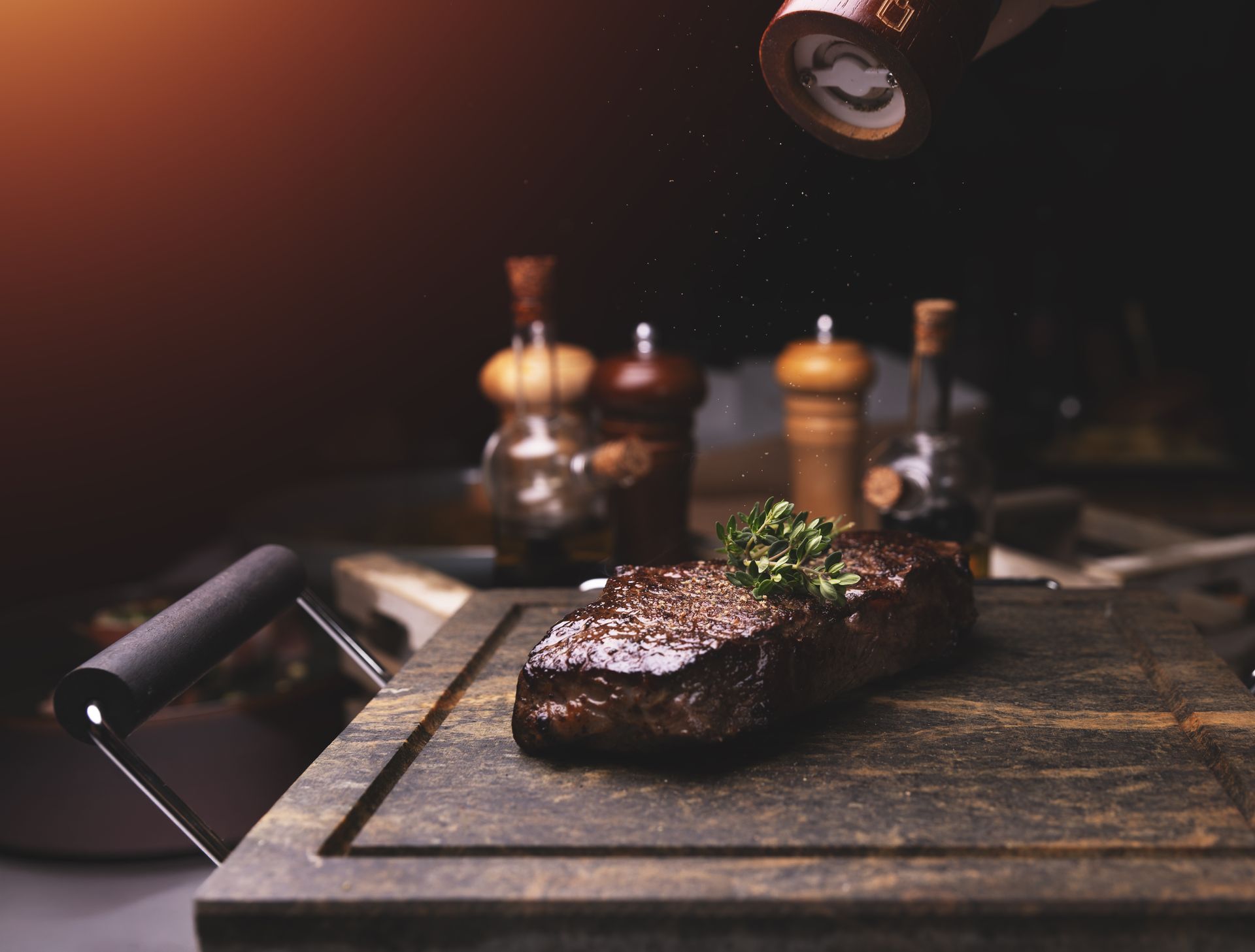
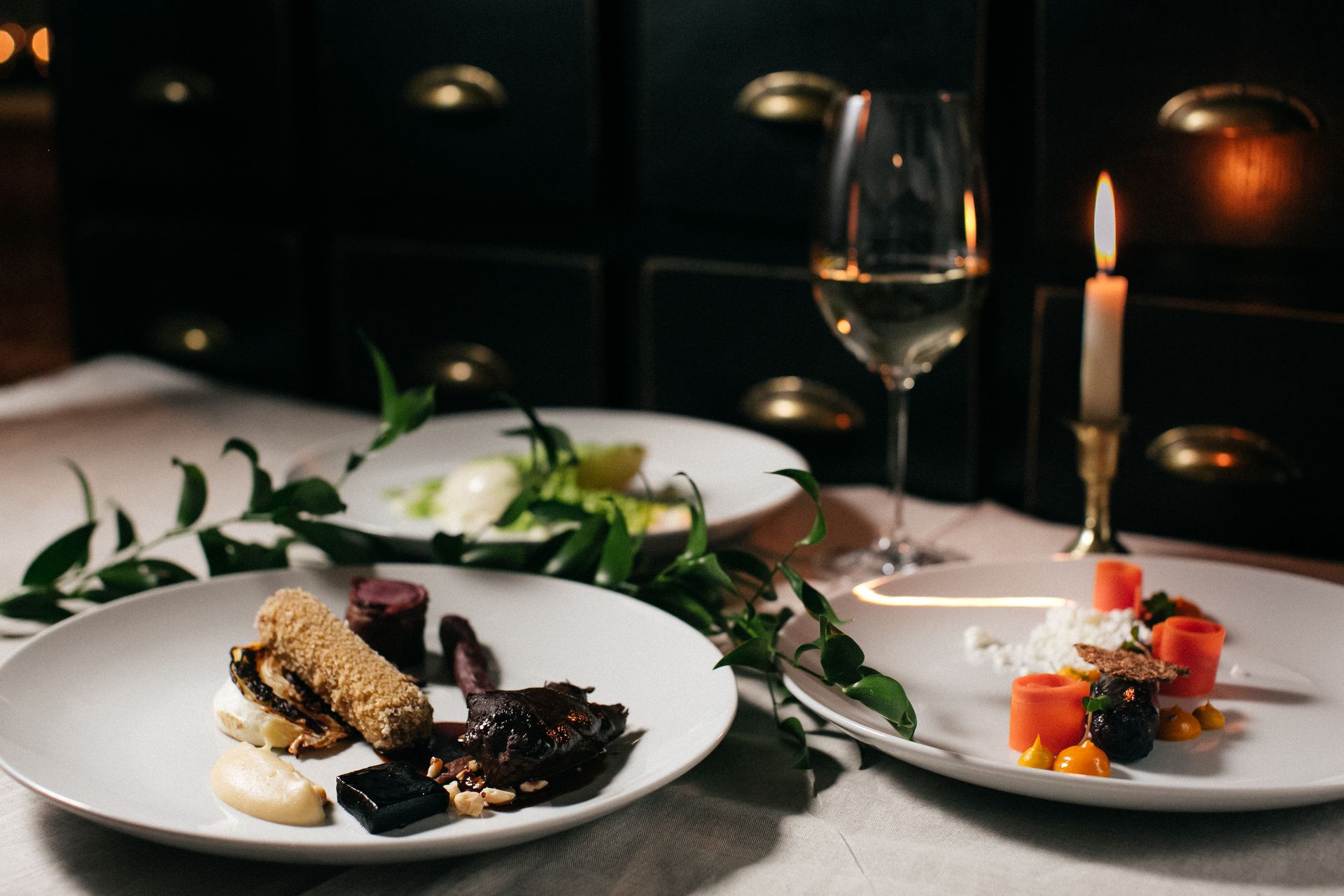
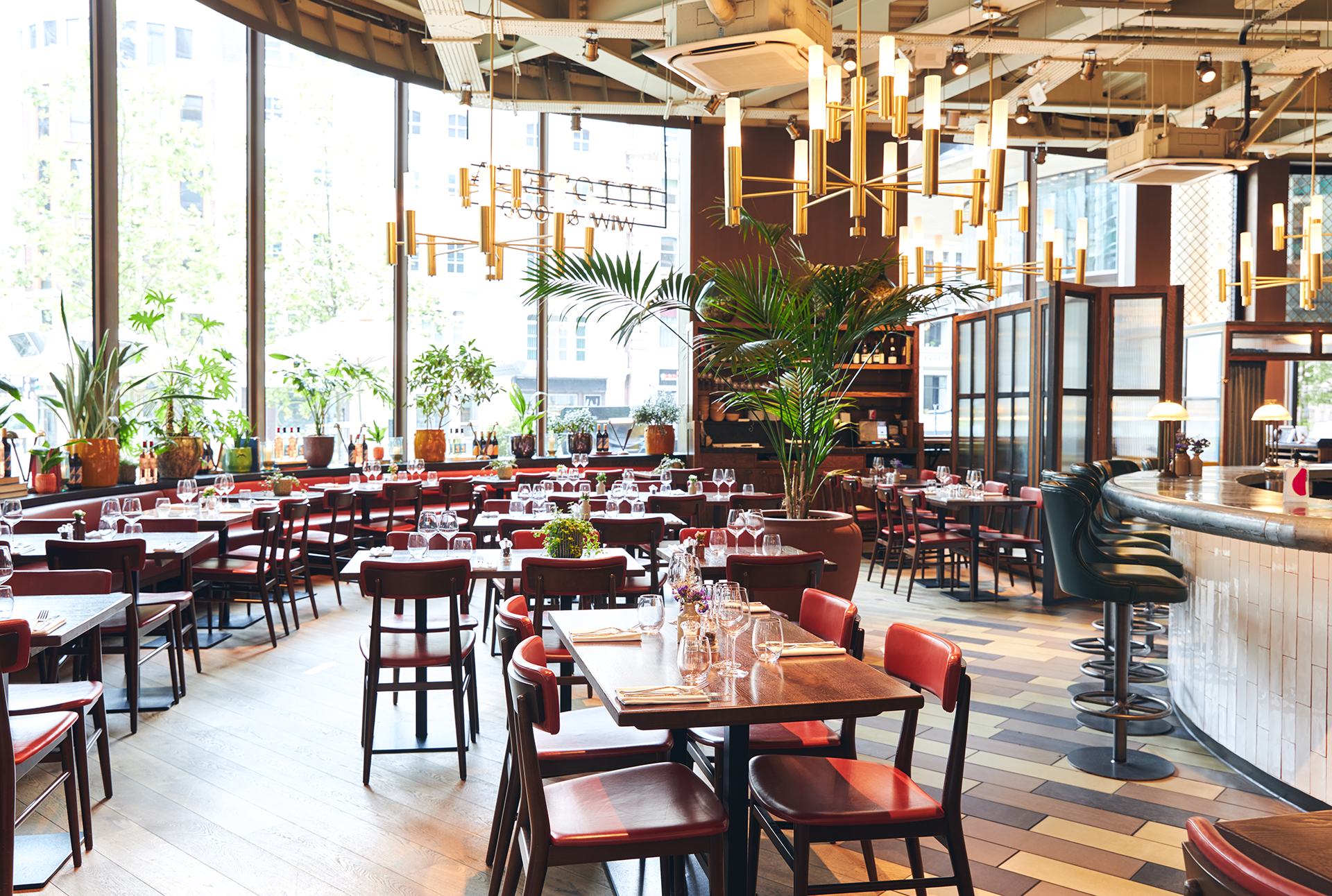
Cuisine Coverage provides specialized insurance for restaurants, cafés, and food service professionals across the country. Whether you run a casual kitchen or a mobile food truck, we offer coverage that fits your operations and risk level.
How It Works
Insurance Made Easy for Food Business Owners
We know you don’t have time to deal with complicated insurance forms. That’s why our process is built for speed and simplicity — so you can get back to running your kitchen.
Your Insurance Questions Answered
What Restaurant and Food Business Owners Ask Most
What types of insurance do restaurants and food businesses need?
Most food businesses need general liability, property, and workers’ compensation coverage. These protect against injuries, equipment damage, and employee-related incidents. Businesses serving alcohol should also include liquor liability insurance for extra protection.
Having the right mix of policies helps reduce financial risks. We’ll help you identify the specific coverages your business needs based on your setup, size, and operations.
Do you provide insurance for food trucks and mobile kitchens?
Yes. We specialize in insurance for food trucks, trailers, and mobile vendors. Our coverage includes vehicle protection, cooking equipment, and liability for events or customer interactions.
We can also help you meet licensing and vendor requirements by issuing certificates of insurance quickly — often the same day.
How fast can I get a quote or start coverage?
In most cases, quotes are ready within 24 hours once we have your business details. After approval, coverage and certificates can be issued immediately.
Our process is fully digital but supported by real agents who review each policy for accuracy. You’ll always know exactly what you’re getting before coverage starts.
Do you offer liquor liability insurance for bars or restaurants?
Yes. We provide liquor liability insurance for bars, taverns, and restaurants that sell or serve alcohol. This coverage protects against claims involving intoxicated patrons or alcohol-related incidents.
It’s essential for maintaining compliance with local laws and protecting your business from costly lawsuits. We’ll ensure your policy meets all licensing requirements.
How can I reduce my insurance costs?
You can often lower premiums by bundling multiple coverages, maintaining clean safety records, and conducting regular policy reviews. Many insurers also offer discounts for installing safety systems and training employees.
At Cuisine Coverage, we proactively review your policy before renewal to help you keep costs down without reducing protection.
Do you help with certificates of insurance (COIs)?
Yes. We provide same-day certificates for vendors, landlords, and event partners. You can request them by phone or email anytime.
Having your COI ready keeps your business compliant and avoids delays in operations. Our team handles these requests quickly so you can stay focused on running your business.
From the Kitchen to Coverage
Real Advice for the Food and Hospitality Industry
We share tips, updates, and real-world stories from the food and insurance industries. Whether you’re managing a restaurant or rolling out a food truck, our articles give you useful guidance to protect your business and grow with confidence.
Contact Us
Phone
Location