See How We're Different:
OR call us: (214) 667-2729
Running a restaurant means juggling countless responsibilities, from managing staff to ensuring food safety and customer satisfaction. One task that often gets overlooked is conducting a risk audit. Yet, a quick risk audit can reveal vulnerabilities before they turn into costly problems. With the U.S. restaurant industry projected to hit $1.1 trillion in sales this year, staying ahead of risks is more crucial than ever according to Kroll’s 2024 report. This guide will show you how to perform a thorough risk audit in under an hour, helping protect your business without disrupting your busy day.
Why a Risk Audit Matters for Restaurants
Restaurants face unique challenges that can impact their bottom line and reputation. From food safety lapses to cybersecurity threats, the risks are varied and sometimes hidden. About 80% of restaurants are small businesses with fewer than 50 employees, which means many operate with limited resources to manage these risks effectively according to industry statistics. A quick risk audit helps identify weak points in your operations, allowing you to address them before they escalate.
Consider recent changes such as the California Food Accountability and Standards Recovery Act (FAST Act), which mandates a $20 per hour minimum wage for fast-food workers starting April 2024. This law impacts labor costs and compliance requirements, adding another layer to your risk management strategy as noted in Kroll’s report. Staying compliant is just one piece of the puzzle.
In addition to labor laws, restaurants must also navigate the complexities of food safety regulations, which can vary significantly by region. For instance, the implementation of the Food Safety Modernization Act (FSMA) has placed a greater emphasis on preventive measures rather than reactive ones. This shift means that restaurants need to establish robust food safety management systems to avoid costly violations and protect their customers. Regular training for staff on food handling and hygiene practices is essential, as is maintaining accurate records to demonstrate compliance during inspections.
Moreover, the rise of digital ordering and payment systems has introduced new cybersecurity vulnerabilities. Restaurants are increasingly becoming targets for cyberattacks, which can lead to data breaches and financial losses. Implementing a comprehensive cybersecurity strategy, including regular software updates, employee training on phishing scams, and secure payment processing systems, is crucial. By conducting a thorough risk audit, restaurant owners can not only safeguard their operations but also build trust with their customers, ensuring that they feel secure when dining out.
Step 1: Prepare Your Risk Audit Checklist
Before diving in, gather the right tools and documents. A checklist tailored to your restaurant’s size and operations will keep the process efficient. Focus on key risk areas:
- Food safety and hygiene
- Employee safety and labor compliance
- Financial controls and fraud prevention
- Cybersecurity and data protection
- Physical security and property risks
Using a checklist ensures you don’t miss critical points during your audit. For food safety, machine-learned models like FINDER have shown how technology can detect active food safety issues in real time, emphasizing the importance of regular checks according to recent studies. While you may not have access to such advanced tools, simple regular inspections can catch many problems early.
In addition to the key risk areas mentioned, consider incorporating a section on customer feedback and satisfaction. Understanding how patrons perceive your restaurant can provide invaluable insights into potential risks related to service quality and food presentation. Regularly reviewing customer comments, whether through online platforms or direct feedback, can help identify trends that may indicate underlying issues that need addressing. Moreover, it can foster a culture of continuous improvement, ensuring that your restaurant not only meets but exceeds customer expectations.
Furthermore, it’s essential to involve your staff in the risk audit process. Employees often have firsthand knowledge of operational challenges and can provide perspectives that management might overlook. By encouraging team members to contribute to the checklist, you not only enhance the thoroughness of your audit but also promote a sense of ownership and accountability within your workforce. This collaborative approach can lead to innovative solutions and improvements that benefit the entire establishment.
Step 2: Conduct a Quick Walkthrough
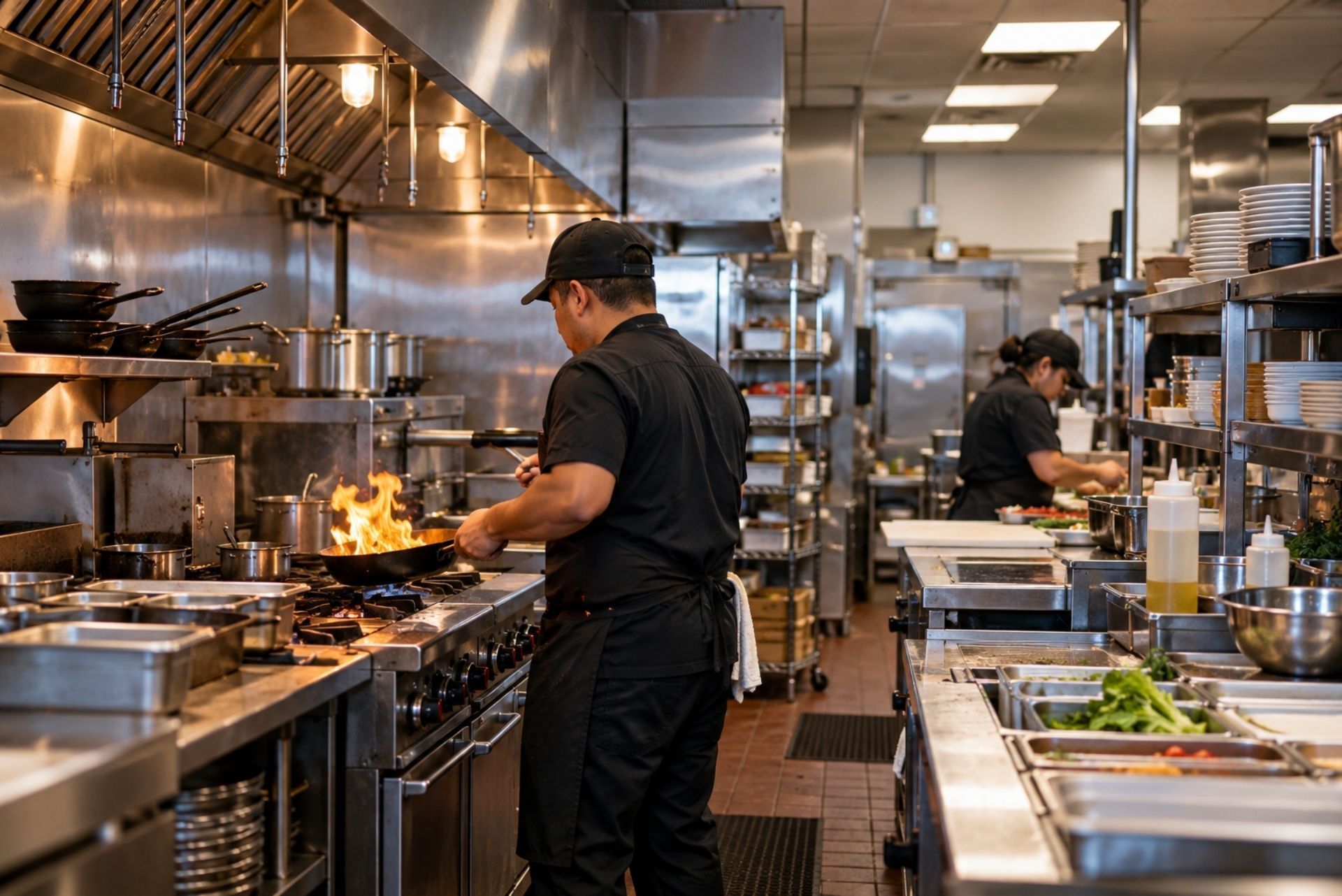
Spend 15 to 20 minutes walking through your restaurant with your checklist in hand. Observe the following:
- Kitchen and food prep areas: Check cleanliness, storage temperatures, and expiration dates.
- Dining and service areas: Look for slip hazards, proper sanitation stations, and emergency exits.
- Employee areas: Confirm compliance with labor laws, including break times and wage postings.
This walkthrough is your chance to spot visible risks. For example, cluttered aisles or improperly stored food can lead to accidents or violations. Remember, technology is a growing asset in hospitality, but human observation remains critical as Derrick Yarbrough from AlixPartners points out.
During your walkthrough, it’s also essential to engage with your staff. Ask them about any challenges they face in maintaining cleanliness or safety standards. Their insights can be invaluable, as they are on the front lines and may notice issues that you might overlook. For instance, they might have suggestions for improving workflow in the kitchen or ideas for better signage in the dining area to remind guests of safety protocols. Encouraging open communication fosters a culture of safety and accountability, which is vital in maintaining a high standard of operations.
Moreover, consider using this time to assess the overall ambiance of your restaurant. The atmosphere plays a significant role in the dining experience. Pay attention to lighting, music volume, and even the comfort of seating. A well-lit, inviting space can enhance customer satisfaction and encourage repeat visits. If you notice areas that feel too dim or too loud, take note of these aspects as they can significantly impact the overall dining experience. Creating a welcoming environment not only helps in retaining customers but also boosts employee morale, as they take pride in working in a well-maintained and pleasant space.
Step 3: Review Your Financial and Compliance Records
Next, spend 10 to 15 minutes reviewing key documents. Focus on:
- Payroll records to ensure compliance with minimum wage laws like the FAST Act.
- Invoices and receipts to detect any irregularities or fraud risks.
- Insurance policies and claims history to understand coverage gaps.
Marsh’s 2024 Restaurant Loss Cost Trends report highlights the importance of proactive risk management to reduce loss experiences. Regularly reviewing your financial controls can prevent costly surprises according to Marsh. This step also helps you verify that your insurance aligns with your current risk profile.
In addition to these critical documents, consider examining your cash flow statements and balance sheets. These financial statements provide insight into the overall health of your business and can reveal trends that may need addressing. For instance, a sudden drop in cash flow could indicate underlying issues such as increased operational costs or declining sales, prompting timely interventions to mitigate potential losses.
Furthermore, it is essential to maintain an open line of communication with your financial advisor or accountant during this review process. Their expertise can help identify areas of concern that you might overlook, such as tax liabilities or compliance deadlines. Engaging them in discussions about your financial health can lead to strategic adjustments that enhance your restaurant's profitability and sustainability in a competitive market.
Step 4: Assess Cybersecurity Risks
Cyber threats are a growing concern for restaurants, especially those handling customer payment data. Use 10 minutes to evaluate your cybersecurity measures:
- Are your payment systems up to date and PCI compliant?
- Do you have strong password policies and multi-factor authentication?
- Is there a plan for responding to cyberattacks?
The Real Cyber Value at Risk (RCVaR) approach shows how costly cyberattacks can be, making this an area that cannot be ignored according to recent research. Even small restaurants can suffer major damage from data breaches or ransomware attacks.
In addition to the immediate financial repercussions, the long-term impact on customer trust can be devastating. When patrons learn that their sensitive information has been compromised, they may choose to take their business elsewhere, leading to a decline in sales and a tarnished reputation. This is particularly critical in the restaurant industry, where word-of-mouth and customer loyalty play significant roles in success. Implementing robust cybersecurity measures not only protects your business but also reassures customers that their data is safe in your hands.
Furthermore, consider conducting regular training sessions for your staff on cybersecurity best practices. Employees are often the first line of defense against cyber threats, and their awareness can significantly reduce the risk of breaches. Topics such as recognizing phishing attempts, safe internet browsing habits, and the importance of software updates should be covered. By fostering a culture of cybersecurity within your restaurant, you empower your team to be vigilant and proactive, ultimately enhancing your overall security posture.
Step 5: Summarize Findings and Plan Next Steps
Use the final 10 minutes to compile your notes and prioritize risks. Identify which issues require immediate action and which can be monitored over time. Communicate your findings with your team and assign responsibilities for follow-up tasks. This collaborative approach ensures that everyone is on the same page and understands their role in mitigating risks, fostering a culture of accountability and proactive management.
Remember, risk auditing is not a one-time event. Regular reviews keep your restaurant agile and prepared for changes. Andrew Sharpee from AlixPartners describes this shift as ‘The Great Trade-up,’ where operators invest more in quality and safety to meet rising customer expectations according to his insights. Your risk audit is a key part of that process. By continuously assessing your operations, you can identify emerging trends and potential threats before they escalate into significant issues.
Additionally, consider integrating technology into your risk management strategy. Utilizing software tools can streamline the auditing process, allowing for real-time data collection and analysis. This not only enhances accuracy but also provides a clearer picture of your restaurant's risk landscape. Engaging with your staff during these audits can also yield valuable insights, as they often have firsthand knowledge of operational challenges and customer interactions that may not be immediately visible to management.
As you move forward, it's crucial to document your findings meticulously. This documentation serves as a reference point for future audits and can help track the effectiveness of implemented changes over time. Moreover, sharing these insights with your team can empower them to take ownership of their respective areas, fostering a proactive mindset towards risk management. By cultivating an environment where everyone feels responsible for safety and quality, you not only enhance your restaurant's resilience but also improve overall customer satisfaction.
Quick Risk Audit Checklist for Restaurants
| Risk Area | Key Checks | Action Priority |
|---|---|---|
| Food Safety | Cleanliness, storage temps, expiration dates | High |
| Employee Safety | Slip hazards, emergency exits, labor law posters | High |
| Financial Controls | Payroll accuracy, invoice review, fraud signs | Medium |
| Cybersecurity | Payment system security, password policies, response plan | High |
| Property Security | Locks, alarms, fire safety equipment | Medium |
Before You Go: Keeping Your Restaurant Risk-Ready
Conducting a risk audit in under an hour is entirely doable with a clear plan and focused effort. The insights you gain can save money, protect your reputation, and keep your team safe. As the restaurant industry evolves, so do the risks. Staying proactive is the best way to keep your business thriving.
Technology and data-driven tools are becoming more accessible, but the foundation of risk management remains simple: know your vulnerabilities and act on them. Whether it is adapting to new wage laws or tightening cybersecurity, a quick risk audit keeps you in control.
Frequently Asked Questions
Q: How often should I conduct a risk audit for my restaurant?
A: Ideally, perform a quick risk audit every quarter and a more detailed review annually to stay ahead of emerging risks.
Q: Can I do a risk audit myself, or should I hire a professional?
A: Small restaurants can start with self-audits using checklists. For complex issues like cybersecurity or legal compliance, consulting experts is recommended.
Q: What is the biggest risk for small restaurants?
A: Food safety and labor compliance are top risks, especially with new wage laws and customer expectations on quality.
Q: How can technology help with restaurant risk management?
A: Technology can identify food safety lapses, monitor cybersecurity threats, and streamline compliance, making risk audits more effective.
Q: What should I do if I find a serious risk during the audit?
A: Prioritize immediate corrective actions, communicate with your team, and consider updating your insurance coverage to mitigate potential losses.
Q: Are there tools available to help with risk audits?
A: Yes, many software solutions offer risk assessment templates and tracking features tailored for restaurants.
Q: How does the FAST Act affect my restaurant’s risk profile?
A: The FAST Act increases minimum wage requirements for fast-food workers in California, impacting labor costs and compliance risks for affected restaurants.
About The Author:
Dustin Hulett
As Owner of Cuisine Coverage powered by Hulett Insurance, I specialize in protecting restaurants, bars, and hospitality businesses with smart, reliable insurance solutions. With years of experience serving the food and beverage industry, my goal is to make coverage simple, transparent, and built around the unique risks that owners face every day.
Contact Us