See How We're Different:
OR call us: (214) 667-2729
Every day, restaurant workers face hazards that often go unnoticed until an injury occurs. From sharp knives to hot surfaces and long hours on their feet, the risks are real and frequent. In 2019 alone, full-service restaurants reported nearly 94,000 nonfatal injuries and illnesses, with many cases severe enough to require at least one day away from work. These incidents not only impact the health and wellbeing of employees but also carry significant financial and operational costs for restaurant owners and managers. Understanding these hidden expenses is crucial for anyone involved in the restaurant business.
According to the
U.S. Bureau of Labor Statistics, the injury rate in full-service restaurants was 88.3 cases per 10,000 full-time workers in 2019. This figure highlights how common workplace injuries are in this sector, yet many operators underestimate the ripple effects these injuries have on their bottom line and workforce stability.
Common Injuries and Their Impact on Workers
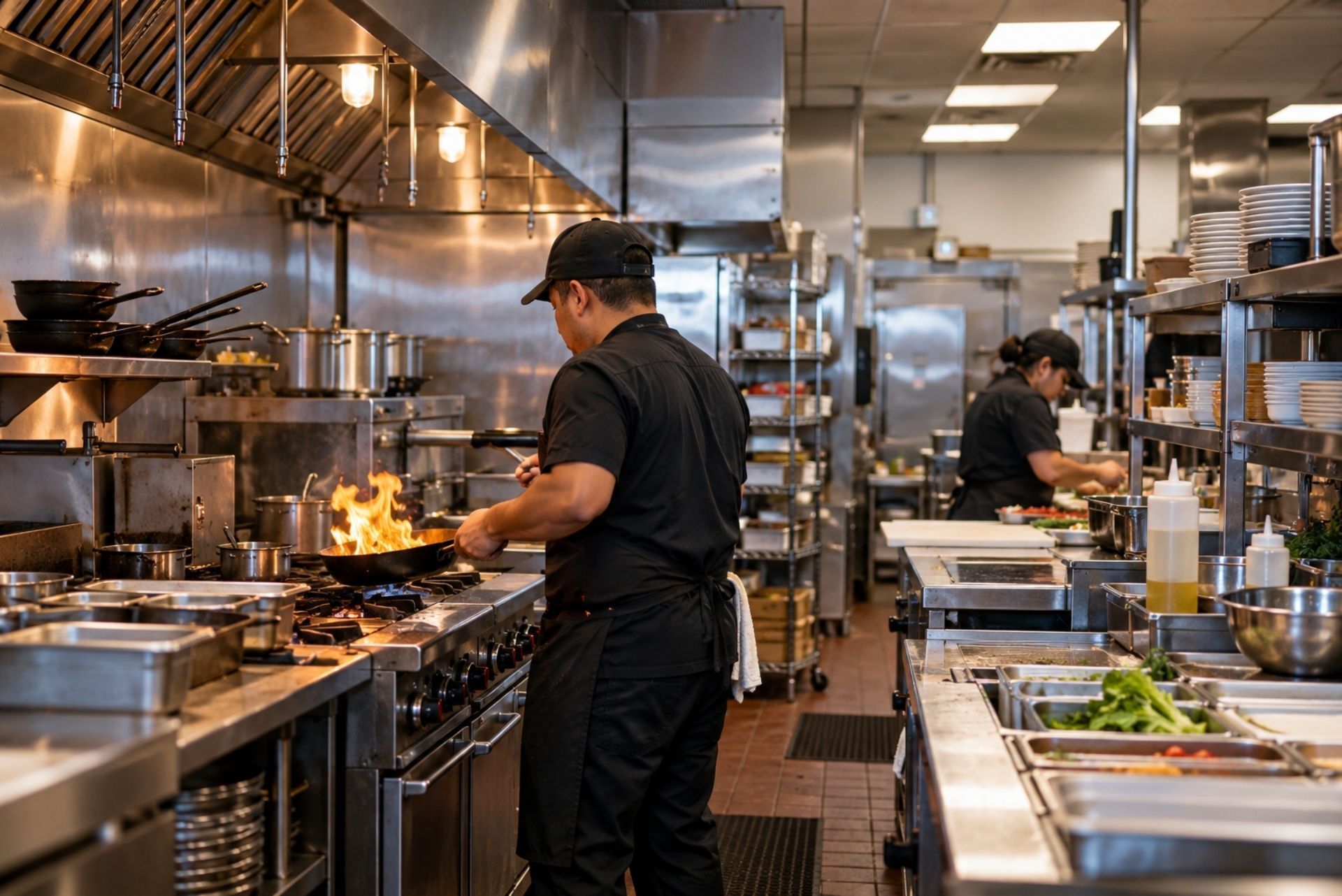
Restaurant work demands physical endurance and exposes employees to a variety of injury types. Cuts and thermal burns top the list, with a study from Shiraz, Iran, revealing that 67.7% of restaurant workers suffered cuts and 63.7% experienced burns. These injuries are often the result of handling knives, hot equipment, and slippery surfaces. The fast-paced environment of a kitchen, where speed and efficiency are paramount, can exacerbate these risks, leading to hurried movements that increase the likelihood of accidents. Moreover, the presence of sharp objects and hot surfaces creates a hazardous landscape that requires constant vigilance from workers.
Musculoskeletal disorders (MSDs) are another major concern. Tasks like lifting heavy items, repetitive motions, and prolonged standing take a toll on backs, wrists, and shoulders. A 2024 report from AmTrust Financial Services notes a rise in back injuries among restaurant workers, likely tied to increased lifting and repetitive activities. In fact, 70.3% of restaurant employees in the Shiraz study reported musculoskeletal issues, with low back pain affecting 57% of them. The physical demands of the job can lead to chronic pain, which not only affects the workers' quality of life but can also lead to long-term disability if not addressed properly. Ergonomic assessments and training can help mitigate these risks, but many establishments still overlook the importance of proper lifting techniques and workstation design.
These injuries are more than just physical setbacks. Matt Zender, Senior Vice President of Workers’ Compensation Product Management at AmTrust, points out that MSDs such as a bad back or sore "barista wrist" are among the most expensive injuries to treat. The cost of treatment, combined with lost productivity and potential workers’ compensation claims, can quickly add up. Additionally, the emotional toll of these injuries cannot be underestimated; workers may experience anxiety and stress about their ability to perform their jobs effectively, which can further impact their mental health and job satisfaction. As the restaurant industry continues to face staffing shortages, the retention of healthy employees becomes increasingly critical, making injury prevention a priority for employers who wish to maintain a stable workforce.
Financial Consequences for Restaurants
Seasonal operations often involve rapid scaling up and down of staff, inventory, and services. This fluctuation can expose restaurants to a variety of risks, including slip-and-fall incidents, food safety lapses, and equipment failures. The challenge of hiring and training seasonal staff in a short time frame can lead to inconsistencies in service and safety practices, which can compromise the establishment's reputation and operational efficiency.
Slip-and-fall accidents are a common hazard, especially when new employees are unfamiliar with safety protocols. Liquor-related incidents also spike during busy seasons, requiring vigilant oversight and staff training to prevent costly lawsuits. Furthermore, the pressure to serve a high volume of customers quickly can lead to rushed service, increasing the likelihood of errors that can result in injuries or accidents. Adequate training programs and clear communication of safety standards are crucial to mitigate these risks and ensure a safe environment for both employees and patrons.
Proactive risk control is essential. Restaurants that anticipate these challenges can implement stronger safety measures and insurance coverage tailored to seasonal spikes. This approach helps avoid the pitfalls that come with rapid operational changes. Additionally, investing in technology, such as point-of-sale systems that track inventory and sales trends, can help managers make informed decisions about staffing and supplies, ultimately reducing the risk of overextension or shortages during peak times.
Industry experts emphasize the need for proactive risk management to navigate the complex insurance landscape and reduce exposure. By fostering a culture of safety and awareness among staff, seasonal restaurants can not only protect their bottom line but also enhance the overall dining experience for their customers. Regular safety drills and feedback sessions can further reinforce the importance of safety protocols, ensuring that every team member is well-prepared to handle the unique challenges that come with a seasonal business model.
Food Safety and Demand Forecasting
When an employee gets injured, the immediate concern is their health. However, the financial fallout for restaurants can be substantial and often overlooked. Direct costs include medical bills and workers’ compensation claims. Indirect costs, which can be even more damaging, involve lost labor hours, training replacement staff, and potential decreases in team morale and customer service quality.
In 2021, the accommodation and food services sector reported 182,500 non-fatal workplace injuries. Notably, over half of these claims came from employees in their first year on the job. This statistic suggests that new hires may be at greater risk, possibly due to insufficient training or unfamiliarity with safety protocols. Restaurants that prioritize comprehensive onboarding and ongoing safety training can mitigate these risks, but the initial investment in time and resources can be daunting for many establishments, especially smaller ones that operate on tight margins.
Staffing shortages only amplify these challenges. Zender also highlights the rise in mental stress among restaurant workers, which can contribute to accidents and injuries. High stress levels, combined with physical strain, create a difficult environment to maintain safety standards consistently. The pressure to meet customer demands during peak hours can lead to rushed actions, increasing the likelihood of accidents. Furthermore, the emotional toll of working in a high-stress environment can lead to burnout, which not only affects the health of employees but also the overall productivity and profitability of the restaurant.
Additionally, the financial implications extend beyond immediate costs. Restaurants may also face increased insurance premiums as a result of higher injury claims, which can further strain their budgets. Moreover, negative customer experiences stemming from understaffed or poorly trained employees can lead to a decline in repeat business. In an industry where reputation is paramount, a few incidents can tarnish a restaurant's image, resulting in long-term financial repercussions. As such, investing in employee well-being and safety measures is not just a legal obligation but a strategic business decision that can safeguard a restaurant's future.
Trends in Workplace Safety and Injury Rates
Despite the risks, there have been some improvements in workplace safety over the years. The National Restaurant Association reported a decrease in non-fatal accidents from 6.2 incidents per 100 full-time equivalent employees in 1998 to 5.5 in 1999. While this is a positive trend, the restaurant industry still faces a high volume of injuries compared to many other sectors. The nature of restaurant work, which often involves long hours on one's feet, heavy lifting, and the use of sharp tools, contributes to this ongoing challenge. Furthermore, the fast-paced environment can lead to rushed actions, increasing the likelihood of accidents.
Recent data indicates that musculoskeletal injuries and mental stress are becoming more prominent issues. The 2024 AmTrust Restaurant Risk Report draws attention to the increase in back injuries, which may be linked to changes in work demands or insufficient ergonomic practices. Addressing these trends requires a proactive approach to workplace safety, focusing on both physical and mental health. Employers are beginning to recognize the importance of implementing ergonomic assessments and training programs that educate staff on proper lifting techniques and the importance of taking breaks to prevent fatigue. Additionally, mental health support is increasingly being integrated into workplace safety protocols, with initiatives aimed at reducing stress and promoting a healthier work-life balance for employees.
Moreover, technology is playing a pivotal role in enhancing workplace safety. The introduction of wearable devices that monitor physical strain and fatigue levels is becoming more common in high-risk environments, including restaurants. These devices can alert workers to potential overexertion before injuries occur, allowing for timely interventions. Furthermore, the use of virtual reality (VR) training programs is gaining traction, providing employees with immersive experiences that simulate real-life scenarios without the associated risks. This innovative approach not only helps in reinforcing safety protocols but also fosters a culture of safety awareness among staff, ultimately contributing to lower injury rates and a more resilient workforce.
Strategies to Reduce Injuries and Costs
Reducing employee injuries in restaurants is not just about compliance; it’s about protecting people and preserving business health. Effective safety programs start with thorough training, especially for new hires who are statistically more prone to injuries. Clear protocols for handling knives, hot equipment, and lifting can prevent many common accidents. Regular safety drills and refresher courses can reinforce these protocols, ensuring that all staff members remain vigilant and informed about potential hazards in the kitchen. Additionally, incorporating real-life scenarios into training can help employees better understand how to react in high-pressure situations, further enhancing their preparedness and confidence.
Ergonomic improvements also make a difference. Adjusting workstations to reduce strain, providing anti-fatigue mats, and encouraging regular breaks can help lower the incidence of musculoskeletal disorders. Investing in these measures may seem costly upfront but can result in savings by reducing injury-related expenses. Furthermore, implementing a feedback system where employees can voice concerns about their work environment can lead to continuous improvements. For instance, if a particular workstation is consistently flagged as uncomfortable, management can take proactive steps to address the issue, ultimately fostering a more productive and less hazardous work environment.
Addressing mental stress is equally important. Staffing shortages and high-pressure environments increase the risk of mistakes and injuries. Promoting a supportive workplace culture, offering mental health resources, and ensuring adequate staffing levels can reduce stress and improve overall safety. Additionally, creating opportunities for team-building and open communication can help employees feel more connected and supported. Regular check-ins with staff can also provide insights into their well-being, allowing management to identify potential stressors before they escalate into larger issues. By prioritizing mental health alongside physical safety, restaurants can cultivate a more resilient workforce, ultimately leading to a more efficient and harmonious workplace.
What Restaurant Owners Should Keep in Mind
Injuries in the restaurant industry have far-reaching effects beyond the immediate medical costs. They disrupt operations, affect employee morale, and can lead to costly insurance claims. Recognizing the most common injury types and their causes allows managers to target prevention efforts more effectively. Common injuries often include slips and falls, cuts from kitchen equipment, and repetitive strain injuries, all of which can be mitigated through proper training and safety protocols. For instance, implementing non-slip mats in high-traffic areas and ensuring that all staff are trained in the safe use of knives and machinery can significantly reduce the incidence of these injuries.
Regularly reviewing injury data and staying informed about emerging risks, like the rise in musculoskeletal issues, helps restaurants adapt their safety programs. Musculoskeletal disorders, often caused by repetitive motions or awkward postures, can be particularly challenging in a fast-paced environment. To combat this, restaurant owners might consider ergonomic assessments of workstations and encourage regular breaks for staff to stretch and rest. Partnering with insurance providers who understand the unique challenges of the restaurant sector can also provide valuable insights and support. These partnerships can lead to tailored safety training programs and risk management strategies that specifically address the vulnerabilities of the restaurant workforce.
Ultimately, investing in employee safety is an investment in the restaurant’s future. Reducing injuries means fewer disruptions, lower costs, and a healthier, more productive workforce. Furthermore, fostering a culture of safety not only protects employees but also enhances the restaurant's reputation. Customers are increasingly aware of workplace safety practices, and a restaurant known for its commitment to employee well-being can attract more patrons. Additionally, a strong safety record can lead to lower insurance premiums over time, creating a win-win situation for both the business and its employees.
Frequently Asked Questions
Q: What are the most common injuries in restaurant work?
A: Cuts and thermal burns are the most frequent, followed by musculoskeletal disorders like back pain and wrist strain. These injuries often stem from the fast-paced environment of a restaurant, where employees are constantly on the move, handling sharp knives, hot surfaces, and heavy equipment. The high-pressure atmosphere can lead to hasty actions, which increase the risk of accidents. Additionally, the use of equipment such as slicers and fryers without proper training can exacerbate the likelihood of sustaining injuries.
Q: Why are new restaurant employees more prone to injuries?
A: New hires often lack experience and may not be fully trained on safety procedures, increasing their risk of accidents. In many cases, they are still acclimating to the fast-paced environment and may not yet have developed the muscle memory needed to perform tasks safely and efficiently. Furthermore, the overwhelming nature of the job can lead to distractions, causing new employees to overlook critical safety protocols, such as wearing appropriate protective gear or following proper lifting techniques.
Q: How do musculoskeletal disorders affect restaurant workers?
A: These injuries cause pain and limit mobility, leading to lost workdays and higher medical costs. Musculoskeletal disorders can also have a ripple effect on team dynamics, as injured workers may require assistance or modifications to their roles, which can disrupt workflow and increase the burden on their colleagues. In the long term, chronic pain from these disorders can lead to decreased job satisfaction and higher turnover rates, which can be particularly detrimental in an industry that relies heavily on a stable workforce.
Q: Can improving workplace ergonomics reduce injuries?
A: Yes. Ergonomic adjustments help reduce strain from repetitive tasks and heavy lifting, lowering injury rates. Implementing ergonomic solutions, such as adjustable workstations, anti-fatigue mats, and proper lifting techniques, can significantly enhance employee comfort and safety. Training staff on these ergonomic practices not only helps in minimizing injuries but also promotes a culture of safety and well-being, which can lead to improved morale and productivity among the team.
Q: How does mental stress contribute to workplace injuries?
A: Stress can impair focus and decision-making, increasing the likelihood of accidents. In a bustling restaurant environment, the pressure to meet customer demands can lead to heightened anxiety levels among staff, which may result in hasty decisions or lapses in judgment. Additionally, mental fatigue can diminish an employee's ability to recognize hazards or follow safety protocols, further compounding the risk of injury. Addressing mental health and providing support systems can be crucial in creating a safer workplace.
Q: What role does workers’ compensation insurance play in managing injury costs?
A: It helps cover medical expenses and lost wages, but preventing injuries is the best way to control costs. Workers’ compensation not only provides financial relief for injured employees but also encourages employers to invest in safety training and preventive measures. This proactive approach not only protects employees but can also lead to lower insurance premiums over time, creating a win-win situation for both workers and restaurant owners. By fostering a culture of safety and accountability, restaurants can significantly reduce the incidence of workplace injuries.
About The Author:
Dustin Hulett
As Owner of Cuisine Coverage powered by Hulett Insurance, I specialize in protecting restaurants, bars, and hospitality businesses with smart, reliable insurance solutions. With years of experience serving the food and beverage industry, my goal is to make coverage simple, transparent, and built around the unique risks that owners face every day.
Contact Us