Subway Franchisee INSURANCE
OR call us: (214) 667-2729
A single slip-and-fall claim can cost a quick-service restaurant $30,000 or more before attorneys even get involved. For Subway franchisees, insurance isn't just a box to check on the franchise agreement: it's the financial backbone that keeps your doors open when something goes wrong. Between property damage, employee injuries, foodborne illness claims, and the growing risks tied to delivery operations, the coverage you carry shapes whether a bad week becomes a business-ending event.
The initial investment for Subway franchise insurance
ranges from roughly $1,500 to $7,500 before opening, with ongoing annual premiums that vary based on your location, claims history, and the specific coverages you select. Getting this right from the start matters more than most new franchisees realize. The wrong policy, or the right policy with the wrong limits, can leave you exposed precisely when you need protection most. This guide breaks down the property, liability, foodborne illness, employee, delivery, and franchisor coverage requirements every Subway owner should understand.
Core Insurance Requirements for Subway Franchisees
Every Subway franchise agreement spells out minimum insurance requirements, and failing to maintain them can put your franchise rights at risk. But the mandated minimums are just the floor, not the ceiling. Understanding each layer of coverage helps you build a program that actually protects your investment rather than one that simply satisfies a compliance checklist.
General Liability and Property Coverage
General liability insurance is the foundation of your risk management program. It covers third-party bodily injury and property damage claims: the customer who slips on a wet floor, the delivery driver whose car gets hit by your sign that blew down in a storm, or the neighboring tenant whose space floods because of a burst pipe in your unit.
Most Subway franchisees carry $1 million per occurrence and $2 million aggregate in general liability. Property coverage sits alongside it, protecting your build-out, equipment, signage, and inventory. A standard Business Owner's Policy, or BOP, bundles these two coverages together and typically saves 10-15% compared to purchasing them separately. Your BOP should cover the full replacement cost of your leasehold improvements, which for a typical Subway location can run $150,000 to $250,000 depending on the market.
One common mistake: underinsuring your property by listing the original build-out cost rather than the current replacement value. Construction costs have climbed steadily, and a policy based on 2020 numbers won't rebuild your store in 2026.
Workers' Compensation for Sandwich Artists
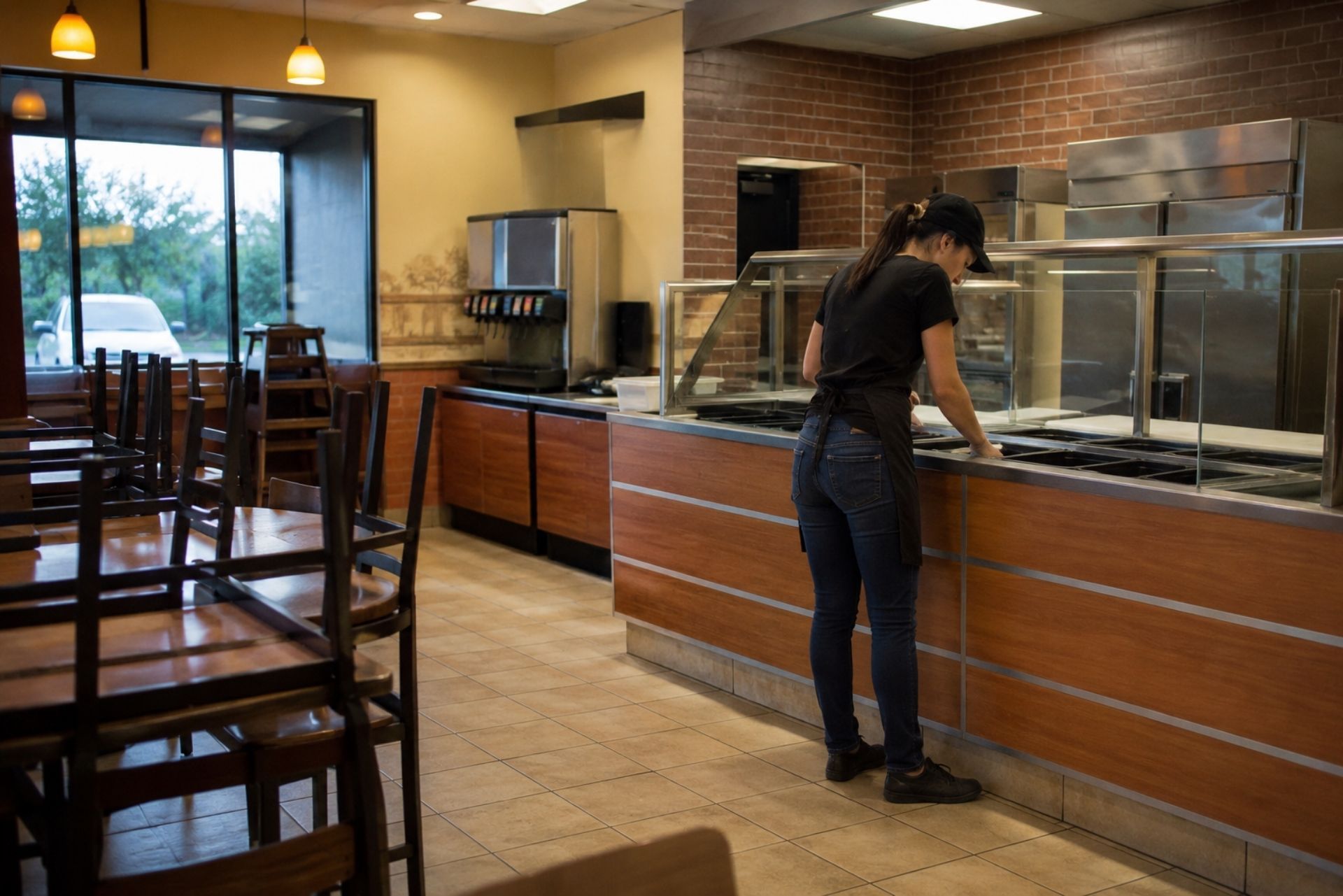
Workers' comp is legally required in nearly every state, and it's non-negotiable for Subway operators. Your Sandwich Artists handle sharp knives, hot ovens, and slippery floors daily. Cuts, burns, and repetitive strain injuries are the most frequent claims, but slip-and-fall incidents generate the highest average payouts.
Premiums are calculated based on your state's classification code for restaurant workers, your total payroll, and your experience modification rate (or "mod rate"). A clean claims history can push your mod rate below 1.0, earning you a discount. Conversely, multiple claims in a short window can spike your premiums for three or more years.
Investing in safety training, non-slip mats, cut-resistant gloves, and proper lifting protocols does more than prevent injuries. It directly lowers your insurance costs over time. Some carriers offer premium credits for documented safety programs and ServSafe certifications.
Franchisor-Mandated Coverage Limits
Subway's franchise agreement requires specific coverage types and minimum limits. You'll typically need to name Subway's parent entity as an additional insured on your general liability policy. This gives the franchisor protection if a claim at your location names them as a co-defendant.
The
franchise disclosure documents outline these requirements in detail, and they're updated periodically. Your landlord will have separate insurance requirements too, often including their own additional insured status and minimum liability limits of $1 million or more. Failing to meet either set of requirements can trigger a default notice, so keep certificates of insurance current and set calendar reminders for renewal dates.

By: Dustin Hulett
Founder & CEO of Cuisine Coverage
Protecting Your Physical Assets and Inventory
Your physical location represents a significant capital investment, and the risks extend well beyond fire or theft. Equipment failures, power outages, and contamination events can all interrupt your revenue stream and spoil thousands of dollars in perishable inventory.
Business Interruption and Loss of Income
If a covered event forces you to close, business interruption insurance replaces your lost net income and covers continuing expenses like rent, loan payments, and payroll. This coverage is usually included in a BOP, but the details matter.
Pay close attention to the waiting period, which is the number of hours after a loss before coverage kicks in. A 72-hour waiting period means you absorb three days of lost revenue yourself. For a location doing $3,000 per day in sales, that's $9,000 out of pocket before the policy responds. Some carriers offer 24-hour waiting periods for an additional premium, and for high-volume locations, that upgrade pays for itself quickly.
Also confirm that your policy covers losses from utility service interruptions, not just damage to your own premises. A power outage caused by a storm three miles away can shut you down just as effectively as a fire in your own unit.
Equipment Breakdown for Ovens and Refrigeration
Standard property policies often exclude mechanical and electrical breakdown. Your proofer, bread oven, refrigeration units, and soda fountain systems represent tens of thousands of dollars in equipment, and they're all susceptible to compressor failures, electrical surges, and motor burnouts.
Equipment breakdown coverage, sometimes called boiler and machinery insurance, fills this gap. It covers repair or replacement costs and can also include the cost of spoiled food resulting from the breakdown. A single compressor failure in your walk-in cooler during a summer heat wave can destroy $2,000 to $5,000 in inventory overnight.
Food Spoilage and Contamination Coverage
Food spoilage coverage reimburses you for perishable inventory lost due to equipment failure, power outages, or contamination. This is distinct from food contamination liability, which covers your legal defense and settlements if a customer gets sick from something they ate at your location.
Risk management confidence in the food industry has been
declining as food safety concerns grow, making contamination coverage more relevant than ever. A single confirmed foodborne illness outbreak can generate six-figure legal costs even if you're ultimately found not at fault. Your contamination liability policy should cover recall expenses, crisis management costs, and third-party bodily injury claims.
Comparing Basic vs. Comprehensive Protection
The difference between a bare-minimum policy and a well-structured insurance program often comes down to a few hundred dollars per month, but the gap in protection can be enormous.
| Coverage Area | Basic (BOP Only) | Comprehensive Program |
|---|---|---|
| General Liability | $1M per occurrence | $1M per occurrence + $1M umbrella |
| Property | Replacement cost, standard perils | Replacement cost + equipment breakdown |
| Business Interruption | 72-hour waiting period | 24-hour waiting period |
| Food Contamination | Not included | $250K-$500K limit |
| Workers' Comp | State minimums | State minimums + return-to-work program |
| Cyber Liability | Not included | $100K-$500K limit |
| EPLI | Not included | $250K-$500K limit |
| Hired/Non-Owned Auto | Not included | $1M combined single limit |
A basic BOP might run $2,500 to $4,000 annually for a single Subway location. A comprehensive program with the additional coverages listed above typically costs $5,000 to $7,500 per year. That extra $200 per month buys protection against the risks most likely to generate five- and six-figure claims.
Specialized Risks in the Quick-Service Industry
Beyond the standard coverages, Subway franchisees face risks that have grown significantly in recent years. Cyber attacks and employment-related lawsuits both target small restaurant operations more frequently than most owners expect.
Cyber Liability for Point-of-Sale Systems
Your POS system processes hundreds of credit card transactions daily, making it a target for data breaches. A single breach can trigger notification costs, credit monitoring obligations, regulatory fines, and class-action exposure. Cyber liability insurance covers these costs, and policies designed for small businesses typically start at $500 to $1,500 per year for $100,000 to $500,000 in coverage.
The commercial insurance market has seen rising pressure on technology-related coverages, and premiums for cyber policies have stabilized somewhat after years of increases. Carriers now expect basic security hygiene: strong passwords, updated software, PCI compliance, and employee training on phishing scams.
Employment Practices Liability Insurance (EPLI)
EPLI protects you against claims of wrongful termination, discrimination, harassment, and wage-and-hour violations. With a largely hourly, high-turnover workforce, Subway locations face these claims more often than you'd think. A single wrongful termination lawsuit can cost $75,000 to $125,000 to defend, even if you win.
EPLI policies for single-location restaurants typically cost $1,200 to $3,000 annually. The coverage is worth every dollar if you've ever had to fire an employee who then filed a complaint with the EEOC or your state labor board. Pair this coverage with solid HR documentation practices: written policies, signed acknowledgments, and consistent disciplinary records.
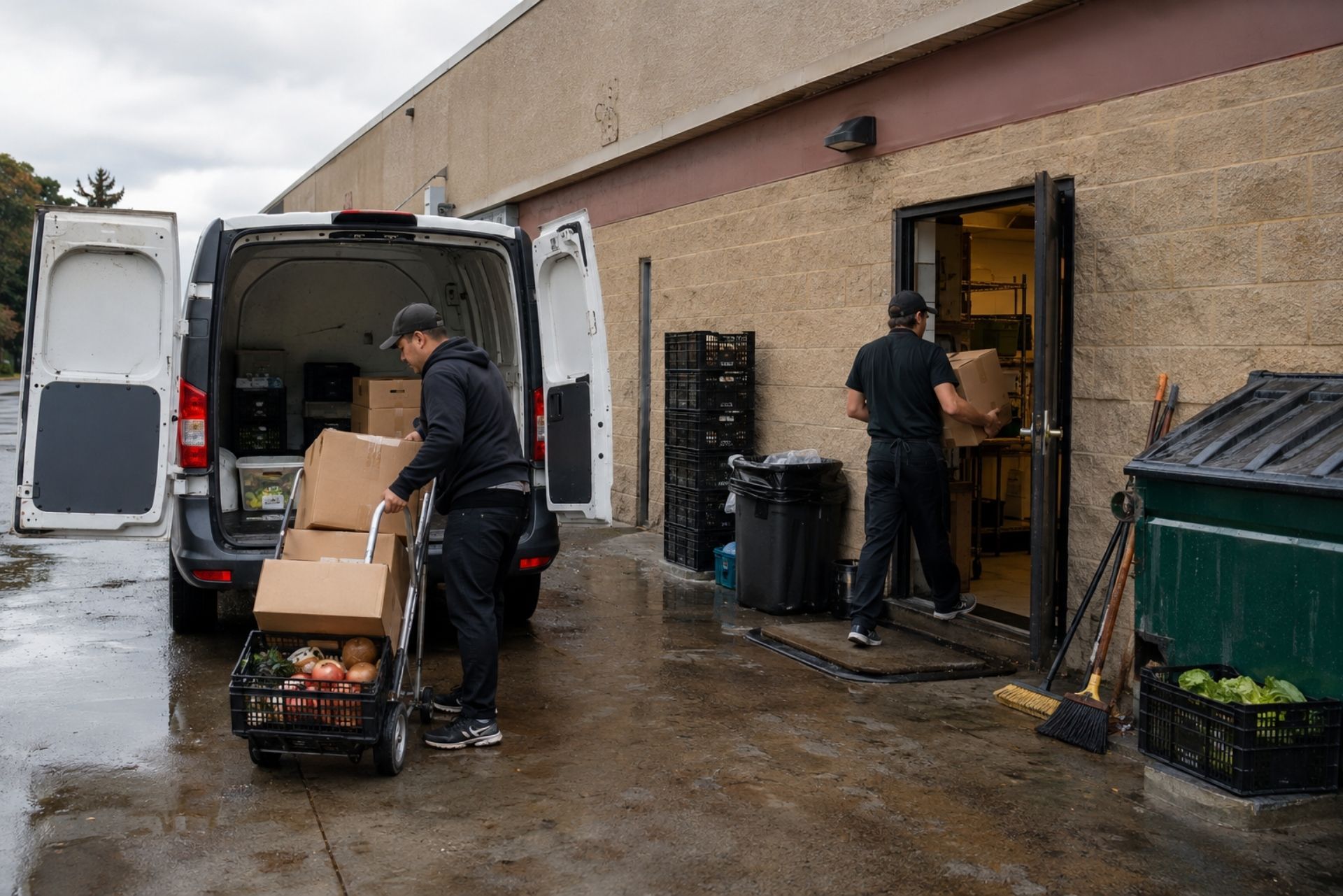
One thing to keep in mind: hired and non-owned auto (HNOA) coverage is also critical if your employees ever use personal vehicles for store errands, catering deliveries, or bank runs. HNOA claims have been
a growing pain point for restaurant operators as delivery operations expand, and your personal auto policy won't cover business use.
Common Questions About Subway Insurance
Does Subway require me to use a specific insurance carrier? No. Subway requires specific coverage types and minimum limits, but you're free to shop carriers. Working with a broker who specializes in franchise or restaurant insurance often gets you better rates and coverage terms.
Will my landlord's insurance cover my business? Your landlord's policy covers the building structure, not your contents, equipment, or liability. You need your own policy, and your lease almost certainly requires it.
Can I bundle coverage for multiple Subway locations? Yes. Multi-location operators can often secure package discounts of 10-20% by insuring all locations under a single program. This also simplifies renewals and claims management.
What happens if a customer claims food poisoning? Your general liability policy responds first. If you carry separate contamination liability coverage, it may also apply depending on the scope of the claim. Document your food safety protocols, temperature logs, and supplier records: these are your best defense.
Do I need separate coverage for third-party delivery apps? Generally, yes. Delivery platforms like DoorDash or Uber Eats carry their own insurance, but it may not fully protect you if a claim traces back to food preparation or packaging at your location. Confirm your general liability policy doesn't exclude delivery-related claims.
How can I lower my premiums? Bundle coverages into a BOP, maintain a clean claims history, invest in safety training, install fire suppression systems, and keep your experience mod rate low. Some carriers also offer credits for security cameras and alarm systems.
What This Means for Your Business
Insurance for your Subway franchise isn't a one-time decision. It's an ongoing part of running a responsible, financially stable operation. The right program protects your physical assets, shields you from liability claims, covers your employees, and keeps you in compliance with both your franchise agreement and your lease.
Start with a BOP that meets Subway's mandated minimums, then layer on equipment breakdown, contamination liability, EPLI, and cyber coverage based on your specific risk profile. Review your policies annually, especially after adding delivery services, hiring more staff, or completing a remodel that increases your property values.
The best time to evaluate your Subway franchise insurance is before you need it. Talk to a broker who understands restaurant and franchise risks, get quotes from at least three carriers, and don't make your decision based on premium alone. The cheapest policy is rarely the best one when a claim hits your desk.
About The Author:
Dustin Hulett
As Owner of Cuisine Coverage powered by Hulett Insurance, I specialize in protecting restaurants, bars, and hospitality businesses with smart, reliable insurance solutions. With years of experience serving the food and beverage industry, my goal is to make coverage simple, transparent, and built around the unique risks that owners face every day.
Contact Us
Business Coverage
Protection for Every Part of Your Food Business
Cuisine Coverage provides specialized insurance for restaurants, food trucks, catering services, and other hospitality businesses. We help owners protect their property, staff, and reputation with policies built around the most common industry risks.

General Liability Insurance
Protects your business from claims related to injury, property damage, or accidents that happen during operations.
General Liability
Liquor Liability Insurance
Covers alcohol-related incidents for restaurants, bars, or venues that serve or sell alcohol.
Liquor Liability
Workers Compensation Insurance
Provides wage replacement and medical benefits to employees injured on the job.
Workers Compensation
Business Interruption Insurance
Helps replace lost income and cover ongoing expenses if your business operations are temporarily halted.
Business Interruption
Product Liability Insurance
Protects against claims related to foodborne illness, contamination, or product defects.
Product Liability
Cyber Liability Insurance
Covers data breaches, online payment issues, and digital risks that can affect modern food businesses.
Cyber Liability
Serving the Food and Hospitality Industry
Insurance Solutions for Every Type of Food Business
Cuisine Coverage provides specialized insurance for restaurants, cafés, and food service professionals across the country. Whether you run a casual kitchen or a mobile food truck, we offer coverage that fits your operations and risk level.
How It Works
Insurance Made Easy for Food Business Owners
We know you don’t have time to deal with complicated insurance forms. That’s why our process is built for speed and simplicity — so you can get back to running your kitchen.
Your Insurance Questions Answered
What Restaurant and Food Business Owners Ask Most
What types of insurance do restaurants and food businesses need?
Most food businesses need general liability, property, and workers’ compensation coverage. These protect against injuries, equipment damage, and employee-related incidents. Businesses serving alcohol should also include liquor liability insurance for extra protection.
Having the right mix of policies helps reduce financial risks. We’ll help you identify the specific coverages your business needs based on your setup, size, and operations.
Do you provide insurance for food trucks and mobile kitchens?
Yes. We specialize in insurance for food trucks, trailers, and mobile vendors. Our coverage includes vehicle protection, cooking equipment, and liability for events or customer interactions.
We can also help you meet licensing and vendor requirements by issuing certificates of insurance quickly — often the same day.
How fast can I get a quote or start coverage?
In most cases, quotes are ready within 24 hours once we have your business details. After approval, coverage and certificates can be issued immediately.
Our process is fully digital but supported by real agents who review each policy for accuracy. You’ll always know exactly what you’re getting before coverage starts.
Do you offer liquor liability insurance for bars or restaurants?
Yes. We provide liquor liability insurance for bars, taverns, and restaurants that sell or serve alcohol. This coverage protects against claims involving intoxicated patrons or alcohol-related incidents.
It’s essential for maintaining compliance with local laws and protecting your business from costly lawsuits. We’ll ensure your policy meets all licensing requirements.
How can I reduce my insurance costs?
You can often lower premiums by bundling multiple coverages, maintaining clean safety records, and conducting regular policy reviews. Many insurers also offer discounts for installing safety systems and training employees.
At Cuisine Coverage, we proactively review your policy before renewal to help you keep costs down without reducing protection.
Do you help with certificates of insurance (COIs)?
Yes. We provide same-day certificates for vendors, landlords, and event partners. You can request them by phone or email anytime.
Having your COI ready keeps your business compliant and avoids delays in operations. Our team handles these requests quickly so you can stay focused on running your business.
From the Kitchen to Coverage
Real Advice for the Food and Hospitality Industry
We share tips, updates, and real-world stories from the food and insurance industries. Whether you’re managing a restaurant or rolling out a food truck, our articles give you useful guidance to protect your business and grow with confidence.
Contact Us
Phone
Location