German Restaurant and Beer Hall INSURANCE
OR call us: (214) 667-2729
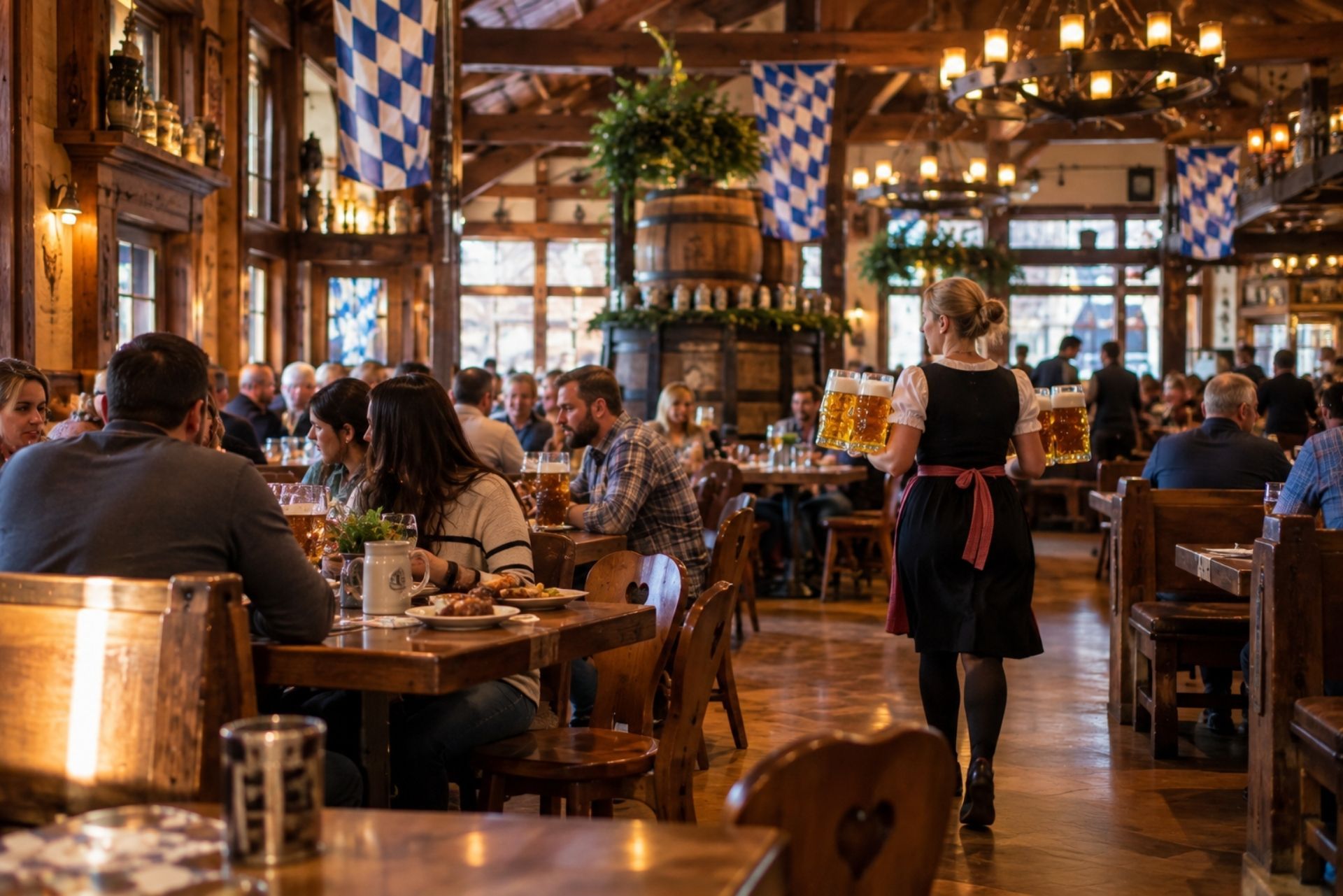
Running a German restaurant or beer hall means managing risks that most standard dining establishments never face. Between communal seating that packs hundreds of guests into tight quarters, imported kegs rolling across wet floors, and Oktoberfest celebrations that stretch late into the night, your insurance needs are anything but ordinary. The right combination of general liability, liquor liability, property coverage, equipment breakdown protection, and workers' compensation can mean the difference between surviving a major claim and closing your doors for good.
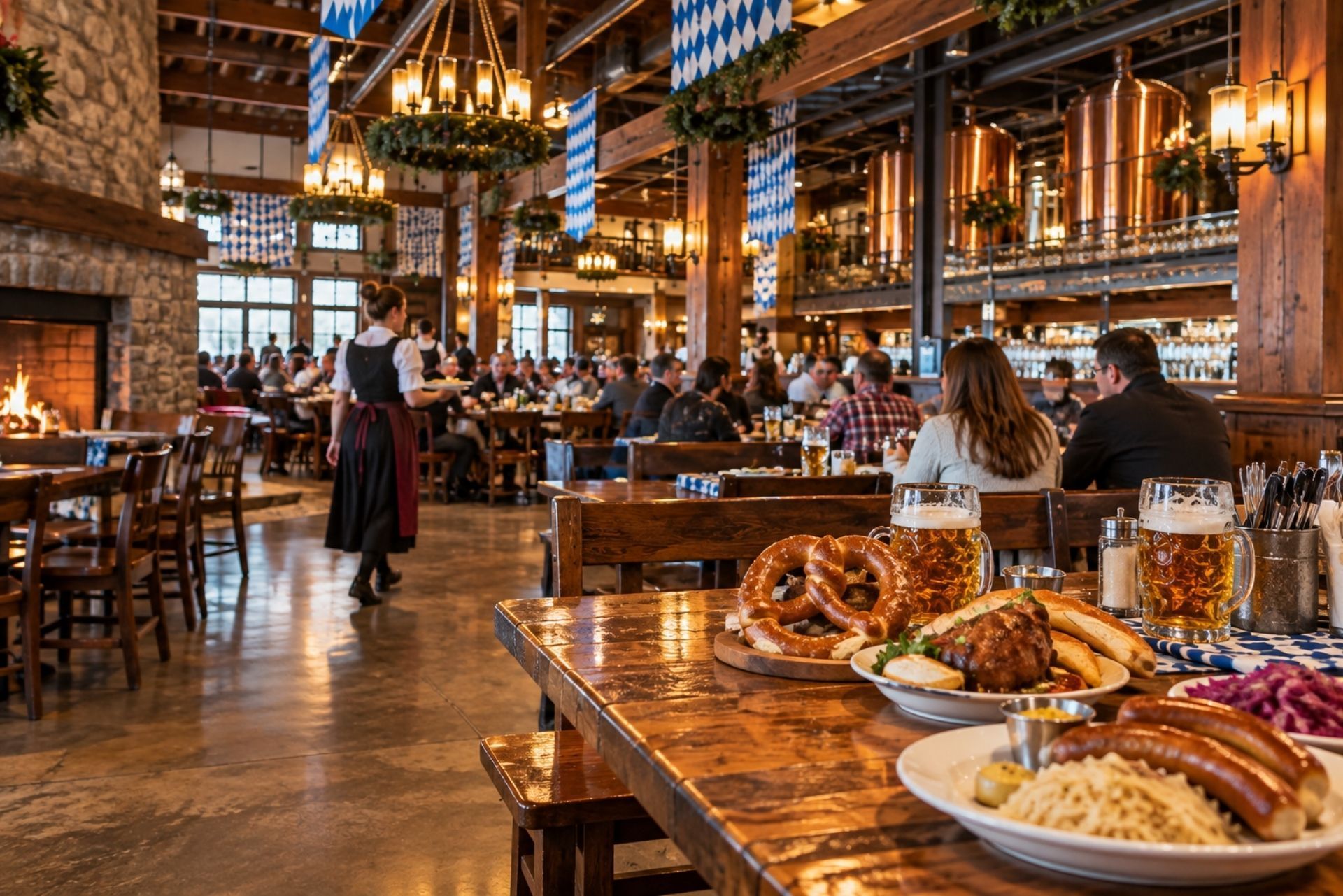
German beer halls also carry a unique cultural identity that translates directly into financial exposure. Custom-built tap systems, imported fermentation tanks, rare Bavarian decor, and specialized kitchen equipment for making schnitzel and spaetzle all carry replacement costs that generic restaurant policies tend to undervalue. If you're operating a biergarten with outdoor seating, your risk profile expands even further, since weather events and crowd-related incidents become part of your daily reality.
This guide breaks down the specific insurance coverages your German restaurant or beer hall needs, what they cost, and how to avoid the coverage gaps that catch so many owners off guard. Whether you're opening a new establishment or reviewing an existing policy, the details here will help you make informed decisions that protect both your investment and your livelihood.
Essential Coverage for German Restaurants and Beer Halls
Every insurance program for a German dining establishment starts with a few non-negotiable policies. These form the foundation of your protection, and getting them wrong can leave you exposed to six-figure claims. Here's what you need to understand about each core coverage.
General Liability for High-Traffic Dining
General liability insurance is your first line of defense against bodily injury and property damage claims from guests. For a beer hall, this coverage matters more than it does for a typical sit-down restaurant. Communal tables, bench seating, and high guest turnover create constant slip-and-fall exposure, especially when beer is involved.
Most policies start at $1 million per occurrence with a $2 million aggregate, but beer halls with 200-plus seats should seriously consider higher limits. Insurers are increasingly issuing conditional non-renewal notices for general liability unless venues can demonstrate strong safety protocols, so documenting your training programs and maintenance schedules isn't optional anymore. Keep records of floor inspections, lighting checks, and staff safety certifications like ServSafe.
Liquor Liability for Beer Hall Operations
If alcohol sales make up more than 30% of your revenue, and for most beer halls they do, liquor liability coverage is critical (https://liabilityauthority.com/liability-insurance-restaurant-food-service/). This policy protects you when an intoxicated patron causes harm to themselves or others after leaving your establishment. Dram shop laws vary by state, but the financial exposure is real everywhere.
Beer halls with outdoor gardens face a particular challenge. Insurers have started bundling weather interruption coverage with liquor liability for these venues, recognizing that biergarten operations carry distinct premises liability risks. Your liquor liability limits should match or exceed your general liability limits, typically $1 million per occurrence at minimum.
Commercial Property and Equipment Breakdown
Your property policy covers the building (if you own it), your business personal property, and your inventory. Equipment breakdown coverage, often added as an endorsement, protects mechanical and electrical failures in your commercial kitchen equipment, HVAC systems, and refrigeration units.
The good news for 2026: property insurance for well-maintained hospitality venues has entered a soft market cycle, reversing years of rising premiums. Establishments in favorable locations are seeing premium reductions of 15% to 25%. That said, you'll only benefit from this trend if your property is well-documented and properly maintained. Get a current appraisal of your building and contents before your next renewal.

By: Dustin Hulett
Founder & CEO of Cuisine Coverage
Protecting Specialized Assets and Traditional Equipment
Standard restaurant policies often fall short when covering the unique assets found in a German beer hall. From imported ingredients to custom brewing equipment, these items need specific attention in your policy.
Spoilage Coverage for Perishable German Imports
Spoilage coverage reimburses you when perishable inventory is lost due to equipment failure, power outage, or contamination. For a German restaurant that imports specialty sausages, sauerkraut cultures, or specific beer varieties, this coverage is more than a nice-to-have. A single refrigeration failure during summer can destroy thousands of dollars in imported stock that takes weeks to replace.
Most spoilage endorsements cap at $25,000 to $50,000 (https://joinalliancerisk.com/assault-battery-insurance/), but you should calculate your actual exposure based on peak inventory levels. If you're stocking up for Oktoberfest or a holiday season, your typical inventory value might double or triple. Make sure your policy reflects those seasonal spikes, or negotiate a rider that accounts for them.
Insuring Custom Tap Systems and Fermentation Tanks
A German beer hall's tap system isn't a standard bar setup. Many feature gravity-fed systems, custom copper lines, or multi-tap towers that require significant investment to install. If you're doing any on-site brewing or conditioning, fermentation tanks and conditioning vessels add another layer of value.
Standard property policies often classify these as "business personal property" with generic replacement values. That's a problem. You need scheduled equipment coverage that lists each major piece with its actual replacement cost. Document your tap systems, fermentation tanks, walk-in coolers, and any imported kitchen equipment like Rational combi ovens or traditional wood-fired smokers with photos, serial numbers, and purchase receipts.
Choosing the right policy structure can save you thousands annually while keeping your coverage strong. The key decision most owners face is whether to buy individual policies or bundle them into a package.
Comparison: Standard vs. Specialized Restaurant Packages
Here's how a basic Business Owner's Policy (BOP) stacks up against a specialized restaurant insurance package for a German beer hall:
| Coverage Feature | Standard BOP | Specialized Restaurant Package |
|---|---|---|
| General Liability | $1M per occurrence | $1M-$2M per occurrence |
| Property Coverage | Generic replacement cost | Scheduled equipment with actual values |
| Liquor Liability | Often excluded | Included with dram shop protection |
| Equipment Breakdown | Basic mechanical only | Covers custom tap systems, brewing equipment |
| Spoilage | $5K-$10K sublimit | $25K-$50K or higher |
| Event/Festival Coverage | Not included | Available as endorsement |
A BOP works fine for a small cafe, but a beer hall with significant alcohol revenue, custom equipment, and event programming needs the specialized package. While premiums for specialized packages are higher, the coverage gap in a standard BOP can cost you far more in an uncovered claim.
Managing Risks Unique to Large Gatherings and Events
German beer halls thrive on events. Oktoberfest celebrations, stein-holding competitions, live polka bands, and private party rentals all drive revenue, but they also create concentrated risk that your standard policy may not fully cover.
Outdoor venues and beer gardens carry unique premises liability risks that require specific attention. If you're hosting events with 100-plus attendees, ask your broker about event-specific endorsements or separate event liability policies. These typically cover the specific dates and expected attendance, filling gaps that your annual policy might not address.
Workers' Compensation for Kitchen and Floor Staff
Workers' comp is mandatory in nearly every state, and German restaurant kitchens are particularly hazardous environments. Deep fryers for schnitzel, heavy cast-iron pans, commercial meat slicers, and the constant movement of full kegs create injury risks that drive up your experience modification rate if claims aren't managed well.
Your premiums are based on payroll and job classification codes. Kitchen staff, servers, and bartenders each carry different rates. One effective strategy: separate your payroll by classification carefully. Hosts and cashiers carry lower rates than line cooks, so lumping everyone together under the highest classification wastes money. Invest in proper training, non-slip footwear programs, and ergonomic keg-handling equipment to keep your mod rate low.
Assault and Battery Coverage for Late-Night Crowds
This is the coverage most beer hall owners don't think about until they need it. Standard general liability policies often exclude assault and battery claims, which means if a fight breaks out during a packed Saturday night, you could be on the hook for medical bills, legal fees, and settlements with no policy backing you up.
Assault and battery coverage is typically added as a separate endorsement with its own limits, often $100,000 to $500,000 (https://www.katalystos.com/blog/restaurant-insurance-coverage-and-exclusions). Insurers will want to see your security plan: door staff training, camera systems, crowd management procedures, and alcohol cut-off protocols. Given that insurers are tightening their stance on security-related claims, having this documentation ready before your renewal is smart planning.
Common Questions About Beer Hall Insurance
How much does insurance typically cost for a German beer hall? Annual premiums vary widely based on location, revenue, seating capacity, and claims history. Comprehensive 2026 pricing data for full-service restaurants with bars indicates a typical annual premium range of $7,000 to $15,000+ (https://www.proinsgrp.com/blog/how-much-does-restaurant-insurance-cost) for a package including general liability, liquor liability, property, and workers' comp.
Do I need separate coverage for Oktoberfest events? Usually, yes. Your annual policy may have attendance caps or exclude temporary structures like outdoor tents and stages. An event-specific endorsement or standalone event policy fills those gaps.
Will my landlord require specific coverage amounts? Almost certainly. Most commercial leases require $1 million in general liability at minimum, and your landlord will want to be listed as an "additional insured" on your policy. Review your lease carefully before purchasing coverage.
Can I reduce premiums by bundling policies? Yes. Bundling general liability, property, and equipment breakdown into a single package through one carrier often saves 10% to 15% (https://www.prnewswire.com/news-releases/hellonation-examines-bundling-insurance-with-insights-from-insurance-agent-tammy-edwards-302889203.html) compared to buying each policy separately. Ask about multi-policy discounts.
Is food contamination covered under my general liability policy? General liability covers third-party bodily injury from foodborne illness, but it won't cover the cost of discarding contaminated inventory or the revenue you lose during a shutdown. You'll need spoilage coverage and business interruption insurance for that.
Do I need coverage for my beer garden or outdoor seating area?
Yes. Outdoor areas introduce weather-related risks, trip hazards on uneven surfaces, and additional premises liability exposure. Make sure your property and liability policies specifically include these areas.
Making the Right Choice for Your Establishment
The insurance needs of a German restaurant or beer hall go well beyond what a standard restaurant policy provides. Custom tap systems, imported inventory, high-volume alcohol service, and large event programming all create exposures that require specialized coverage and careful policy structuring.
Start by getting a detailed inventory of your equipment and its replacement costs. Review your lease for insurance requirements. Calculate your peak inventory values, especially around major events. Then work with a broker who understands hospitality and food-and-beverage operations, not a generalist who handles auto and home policies on the side.
The 2026 soft market for property insurance gives you real negotiating power, but only if you come to the table prepared. Document your safety protocols, maintain your equipment, and keep your claims history clean. Those three things will do more for your premiums than any amount of shopping around. Your beer hall is built on tradition, and protecting it deserves the same level of care you put into every stein you pour.
About The Author:
Dustin Hulett
As Owner of Cuisine Coverage powered by Hulett Insurance, I specialize in protecting restaurants, bars, and hospitality businesses with smart, reliable insurance solutions. With years of experience serving the food and beverage industry, my goal is to make coverage simple, transparent, and built around the unique risks that owners face every day.
Contact Us
Business Coverage
Protection for Every Part of Your Food Business
Cuisine Coverage provides specialized insurance for restaurants, food trucks, catering services, and other hospitality businesses. We help owners protect their property, staff, and reputation with policies built around the most common industry risks.

General Liability Insurance
Protects your business from claims related to injury, property damage, or accidents that happen during operations.
General Liability
Liquor Liability Insurance
Covers alcohol-related incidents for restaurants, bars, or venues that serve or sell alcohol.
Liquor Liability
Workers Compensation Insurance
Provides wage replacement and medical benefits to employees injured on the job.
Workers Compensation
Business Interruption Insurance
Helps replace lost income and cover ongoing expenses if your business operations are temporarily halted.
Business Interruption
Product Liability Insurance
Protects against claims related to foodborne illness, contamination, or product defects.
Product Liability
Cyber Liability Insurance
Covers data breaches, online payment issues, and digital risks that can affect modern food businesses.
Cyber Liability
Serving the Food and Hospitality Industry
Insurance Solutions for Every Type of Food Business
Cuisine Coverage provides specialized insurance for restaurants, cafés, and food service professionals across the country. Whether you run a casual kitchen or a mobile food truck, we offer coverage that fits your operations and risk level.
How It Works
Insurance Made Easy for Food Business Owners
We know you don’t have time to deal with complicated insurance forms. That’s why our process is built for speed and simplicity — so you can get back to running your kitchen.
Your Insurance Questions Answered
What Restaurant and Food Business Owners Ask Most
What types of insurance do restaurants and food businesses need?
Most food businesses need general liability, property, and workers’ compensation coverage. These protect against injuries, equipment damage, and employee-related incidents. Businesses serving alcohol should also include liquor liability insurance for extra protection.
Having the right mix of policies helps reduce financial risks. We’ll help you identify the specific coverages your business needs based on your setup, size, and operations.
Do you provide insurance for food trucks and mobile kitchens?
Yes. We specialize in insurance for food trucks, trailers, and mobile vendors. Our coverage includes vehicle protection, cooking equipment, and liability for events or customer interactions.
We can also help you meet licensing and vendor requirements by issuing certificates of insurance quickly — often the same day.
How fast can I get a quote or start coverage?
In most cases, quotes are ready within 24 hours once we have your business details. After approval, coverage and certificates can be issued immediately.
Our process is fully digital but supported by real agents who review each policy for accuracy. You’ll always know exactly what you’re getting before coverage starts.
Do you offer liquor liability insurance for bars or restaurants?
Yes. We provide liquor liability insurance for bars, taverns, and restaurants that sell or serve alcohol. This coverage protects against claims involving intoxicated patrons or alcohol-related incidents.
It’s essential for maintaining compliance with local laws and protecting your business from costly lawsuits. We’ll ensure your policy meets all licensing requirements.
How can I reduce my insurance costs?
You can often lower premiums by bundling multiple coverages, maintaining clean safety records, and conducting regular policy reviews. Many insurers also offer discounts for installing safety systems and training employees.
At Cuisine Coverage, we proactively review your policy before renewal to help you keep costs down without reducing protection.
Do you help with certificates of insurance (COIs)?
Yes. We provide same-day certificates for vendors, landlords, and event partners. You can request them by phone or email anytime.
Having your COI ready keeps your business compliant and avoids delays in operations. Our team handles these requests quickly so you can stay focused on running your business.
From the Kitchen to Coverage
Real Advice for the Food and Hospitality Industry
We share tips, updates, and real-world stories from the food and insurance industries. Whether you’re managing a restaurant or rolling out a food truck, our articles give you useful guidance to protect your business and grow with confidence.
Contact Us
Phone
Location