Firehouse Subs Franchise INSURANCE
OR call us: (214) 667-2729
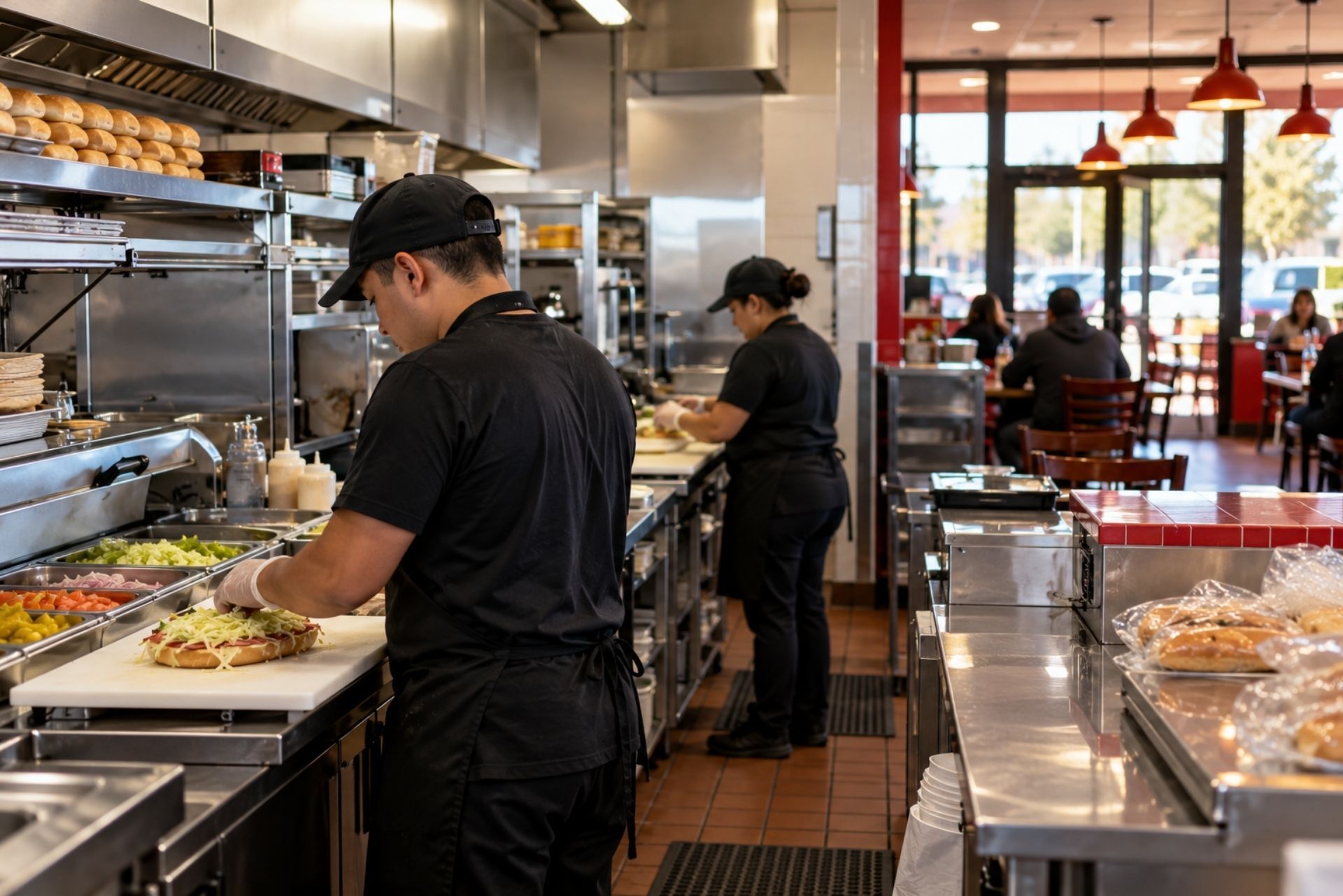
Most new Firehouse Subs owners discover their insurance gaps the hard way. It might be a slip-and-fall near the soda fountain, or a delivery driver rear-ending someone on a lunch run. The
franchise agreement sets a floor, but that floor rarely matches the real exposure of a busy
sub shop running slicers, steamers, and third-party delivery all day. Here's how to think about property, liability, foodborne illness, staffing, delivery, and contract requirements so your policy holds up when a claim lands.
Core Coverage Requirements for Firehouse Subs Franchisees
Your franchise agreement and your lease both dictate minimum coverage, and you need to satisfy both. Standard contract terms call for Commercial General Liability with at least $1 million per occurrence and $2 million annual aggregate. That's the baseline, not the finish line.
Most franchisees build their program around these pieces:
- Commercial General Liability: Covers customer injuries and property damage claims.
- Commercial Property: Protects your build-out, signage, and fire-themed decor.
- Equipment Breakdown: Covers steamers, slicers, walk-in coolers, and POS systems.
- Business Income: Replaces lost revenue during a covered shutdown.
- Workers' Compensation: Required in nearly every state once you hire staff.
One common mistake: insuring equipment at purchase price instead of replacement cost. Document serial numbers and keep invoices for your sub steamers and refrigeration. A Business Owner's Policy (BOP) can bundle property and liability at a lower premium.

By: Dustin Hulett
Founder & CEO of Cuisine Coverage
Managing Risks: Foodborne Illness, Delivery, and Employee Safety
Three exposures drive the biggest claims in quick-service restaurants. Each needs its own coverage decision.
Foodborne Illness and Spoilage
A single contamination complaint can trigger a health department closure. Look for food contamination coverage that pays for cleanup, lost income, and advertising to restore your reputation. Spoilage coverage protects your meats and cheeses when a walk-in cooler fails overnight. Keeping managers ServSafe certified helps on both claims and underwriting.
Delivery Exposure
If employees use their own cars for catering drops, you need Hired and Non-Owned Auto (HNOA) coverage. It covers your business's liability for accidents in an employee's personal vehicle, but it doesn't replace that employee's personal auto policy. Third-party apps don't automatically protect you either.
Employees
Workers' comp handles slicer cuts and burns. Employment Practices Liability (EPLI) covers harassment and wrongful termination claims. Health benefits matter too, since franchisees with
more than 50 full-time-equivalent employees must offer coverage to staff working 30+ hours weekly.
Comparing Essential vs. Enhanced Coverage Limits
Meeting the contract minimum keeps you compliant. Enhanced limits keep you solvent after a serious claim. Here's how the two approaches stack up.
| Coverage | Essential | Enhanced |
|---|---|---|
| General Liability | $1M / $2M aggregate | $1M / $2M plus umbrella |
| Umbrella | None | $1M to $5M |
| Property | Actual cash value | Replacement cost |
| Food Contamination | Often excluded | Endorsement added |
| Delivery | None | HNOA included |
| EPLI | None | Standalone or endorsed |
The gap that hurts most is the umbrella. A serious delivery accident can produce a six-figure settlement that blows past your primary limits fast.
Common Questions About Firehouse Subs Insurance
Does the franchisor provide my insurance? No. You buy your own policies, though you must name the franchisor as an additional insured.
What happens if my coverage lapses? The franchisor may buy coverage for you and bill you, plus a reimbursement fee for expenses capped at $5,000. That's on top of a likely default notice.
Will my landlord need to be listed too? Usually, yes. Most leases require additional insured status and specific limits, so compare lease terms against your franchise contract before you sign.
Is a BOP enough for a sub shop? It covers property and general liability well, but it won't include workers' comp, EPLI, or HNOA.
Should I use a specialized broker? Yes. A broker who works with franchise restaurants knows the contract language and can spot exclusions a generalist will miss.
Making the Right Choice for Your Location
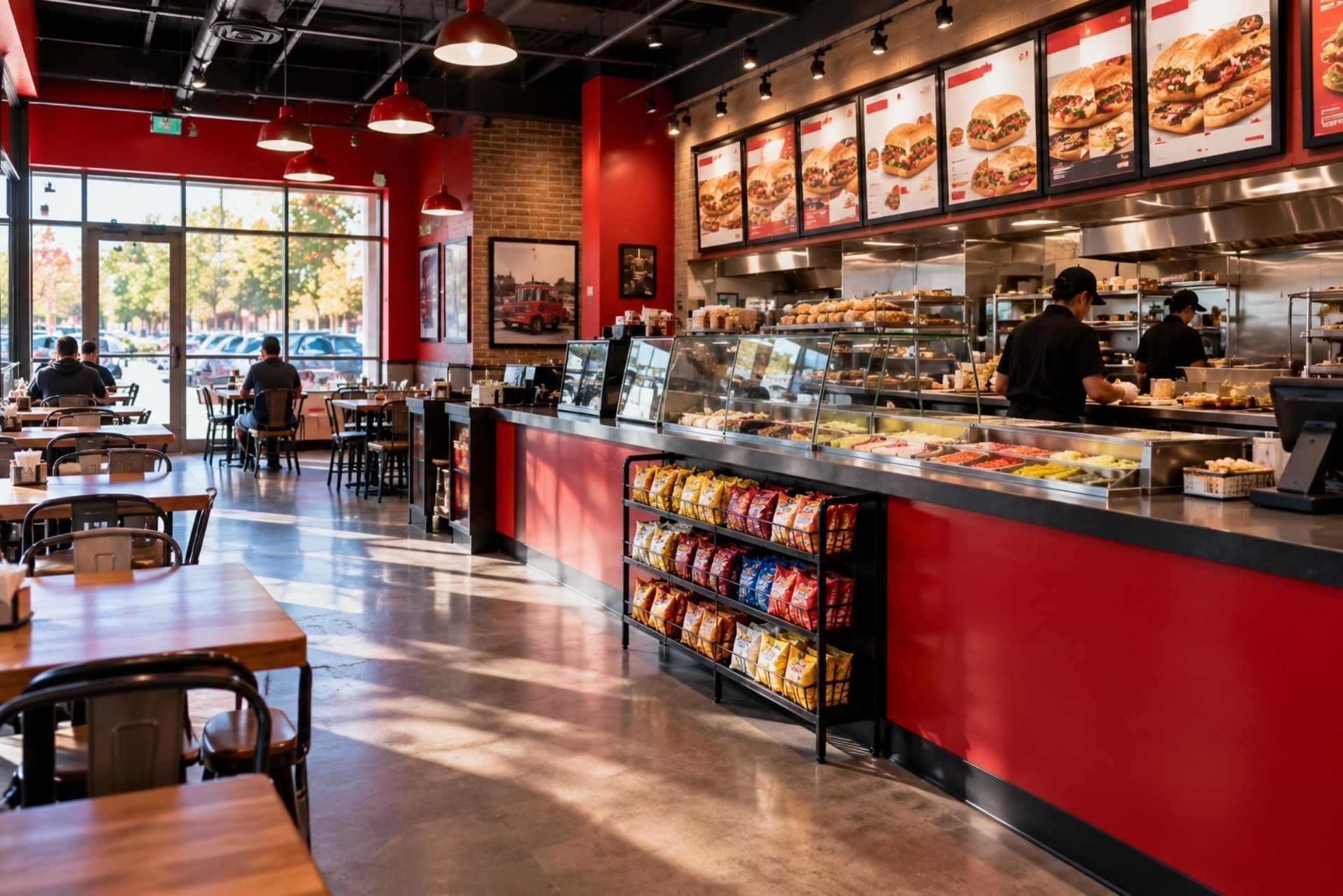
Every Firehouse Subs location carries a different risk profile. A drive-thru unit on a busy corridor faces different auto and liability exposures than a mall food court spot. Before buying, follow these steps:
- Pull the insurance section of your franchise agreement and your lease.
- List every required limit and additional insured party.
- Get a replacement-cost appraisal for your build-out and equipment.
- Ask about discounts for fire suppression systems and ServSafe credentials.
- Review the policy annually as headcount and catering volume grow.
Insurance does more than check a contract box. It's the safety net that lets you reopen after a cooler failure or settle a claim without draining your savings.
The bottom line: treat the franchise minimum as your starting point, then close the gaps around food contamination, delivery, and employees. Have a franchise-savvy broker review your agreement and lease side by side before your opening date.
About The Author:
Dustin Hulett
As Owner of Cuisine Coverage powered by Hulett Insurance, I specialize in protecting restaurants, bars, and hospitality businesses with smart, reliable insurance solutions. With years of experience serving the food and beverage industry, my goal is to make coverage simple, transparent, and built around the unique risks that owners face every day.
Contact Us
Business Coverage
Protection for Every Part of Your Food Business
Cuisine Coverage provides specialized insurance for restaurants, food trucks, catering services, and other hospitality businesses. We help owners protect their property, staff, and reputation with policies built around the most common industry risks.

General Liability Insurance
Protects your business from claims related to injury, property damage, or accidents that happen during operations.
General Liability
Liquor Liability Insurance
Covers alcohol-related incidents for restaurants, bars, or venues that serve or sell alcohol.
Liquor Liability
Workers Compensation Insurance
Provides wage replacement and medical benefits to employees injured on the job.
Workers Compensation
Business Interruption Insurance
Helps replace lost income and cover ongoing expenses if your business operations are temporarily halted.
Business Interruption
Product Liability Insurance
Protects against claims related to foodborne illness, contamination, or product defects.
Product Liability
Cyber Liability Insurance
Covers data breaches, online payment issues, and digital risks that can affect modern food businesses.
Cyber Liability
Serving the Food and Hospitality Industry
Insurance Solutions for Every Type of Food Business
Cuisine Coverage provides specialized insurance for restaurants, cafés, and food service professionals across the country. Whether you run a casual kitchen or a mobile food truck, we offer coverage that fits your operations and risk level.
How It Works
Insurance Made Easy for Food Business Owners
We know you don’t have time to deal with complicated insurance forms. That’s why our process is built for speed and simplicity — so you can get back to running your kitchen.
Your Insurance Questions Answered
What Restaurant and Food Business Owners Ask Most
What types of insurance do restaurants and food businesses need?
Most food businesses need general liability, property, and workers’ compensation coverage. These protect against injuries, equipment damage, and employee-related incidents. Businesses serving alcohol should also include liquor liability insurance for extra protection.
Having the right mix of policies helps reduce financial risks. We’ll help you identify the specific coverages your business needs based on your setup, size, and operations.
Do you provide insurance for food trucks and mobile kitchens?
Yes. We specialize in insurance for food trucks, trailers, and mobile vendors. Our coverage includes vehicle protection, cooking equipment, and liability for events or customer interactions.
We can also help you meet licensing and vendor requirements by issuing certificates of insurance quickly — often the same day.
How fast can I get a quote or start coverage?
In most cases, quotes are ready within 24 hours once we have your business details. After approval, coverage and certificates can be issued immediately.
Our process is fully digital but supported by real agents who review each policy for accuracy. You’ll always know exactly what you’re getting before coverage starts.
Do you offer liquor liability insurance for bars or restaurants?
Yes. We provide liquor liability insurance for bars, taverns, and restaurants that sell or serve alcohol. This coverage protects against claims involving intoxicated patrons or alcohol-related incidents.
It’s essential for maintaining compliance with local laws and protecting your business from costly lawsuits. We’ll ensure your policy meets all licensing requirements.
How can I reduce my insurance costs?
You can often lower premiums by bundling multiple coverages, maintaining clean safety records, and conducting regular policy reviews. Many insurers also offer discounts for installing safety systems and training employees.
At Cuisine Coverage, we proactively review your policy before renewal to help you keep costs down without reducing protection.
Do you help with certificates of insurance (COIs)?
Yes. We provide same-day certificates for vendors, landlords, and event partners. You can request them by phone or email anytime.
Having your COI ready keeps your business compliant and avoids delays in operations. Our team handles these requests quickly so you can stay focused on running your business.
From the Kitchen to Coverage
Real Advice for the Food and Hospitality Industry
We share tips, updates, and real-world stories from the food and insurance industries. Whether you’re managing a restaurant or rolling out a food truck, our articles give you useful guidance to protect your business and grow with confidence.
Contact Us
Phone
Location