Dairy Queen Franchise INSURANCE
OR call us: (214) 667-2729
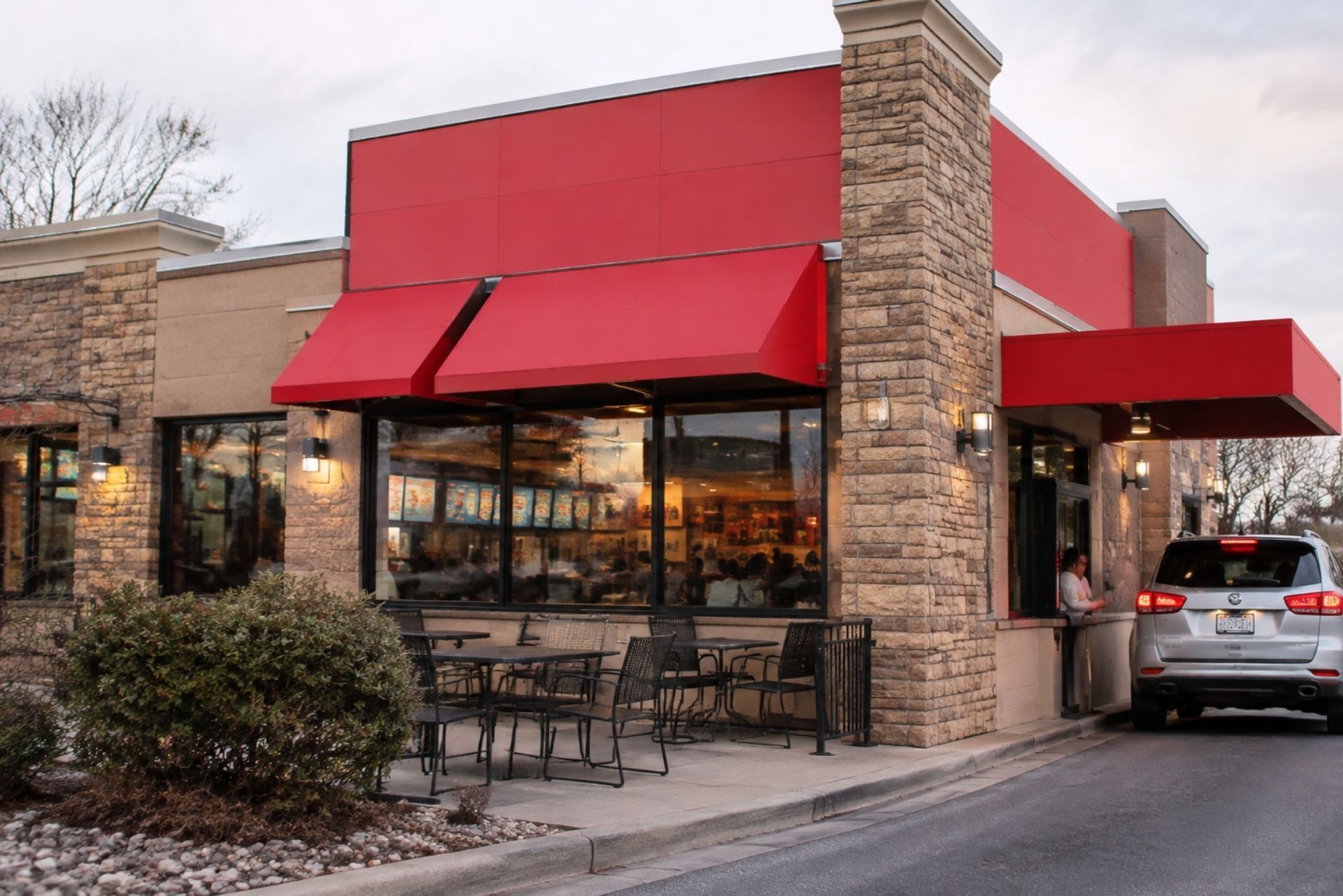
Most Dairy Queen operators budget carefully for the build-out, the Blizzard freezers, and the grand opening. Then the first insurance quote lands, and they find out the franchise agreement already dictates much of what they must carry. The bigger surprise often comes later, when a compressor fails in July or a drive-through lane accident turns into a lawsuit, and they learn where their policy stops.
Insurance for a DQ location is different from coverage for a generic quick-service restaurant. You're running soft serve machines that can't sit idle, holding frozen inventory that melts into a total loss within hours, serving cars in a lane that sits alongside traffic, and employing a crew that often includes teenagers on their first job. Each of those details creates its own exposure. Each one also connects to a specific line of coverage.
This guide walks through Dairy Queen
franchise insurance from the operator's side of the counter. It covers property and equipment breakdown, product liability, employee coverage,
drive-through risks, and what the franchisor expects to see on your certificate. The goal is simple. You should be able to read a quote and know what's missing before you sign.
Essential Insurance Requirements for Dairy Queen Franchisees
Before the coverage details, it helps to understand the baseline the franchisor sets. Dairy Queen requires a comprehensive insurance program built around the DQ Franchise Operating Agreement. That program centers on a package policy that bundles property, general liability, business interruption, and food spoilage. A designated program administrator handles it, and the structure is tailored to the agreement's terms.
The financial bar to get in the door is high. New single-unit owners need at least $400,000 in liquid capital and a total net worth of $750,000. Because of that, the franchisor expects you to protect the investment with more than a bare-minimum policy.
A typical requirements checklist for a QSR franchise like DQ includes:
- Commercial property covering the building (if owned) and your business personal property
- General liability, commonly written at $1 million per occurrence and $2 million aggregate in QSR programs
- Business interruption to replace lost income during a covered shutdown
- Food spoilage for frozen and refrigerated inventory
- Workers' compensation as required by your state
- Umbrella or excess liability layered on top of primary limits
- Additional insured status for the franchisor and, if you lease, your landlord
One thing to keep in mind is that your lease may add requirements of its own. Landlords often demand higher limits, waivers of subrogation, or primary and noncontributory wording. Compare both documents line by line before you bind coverage.
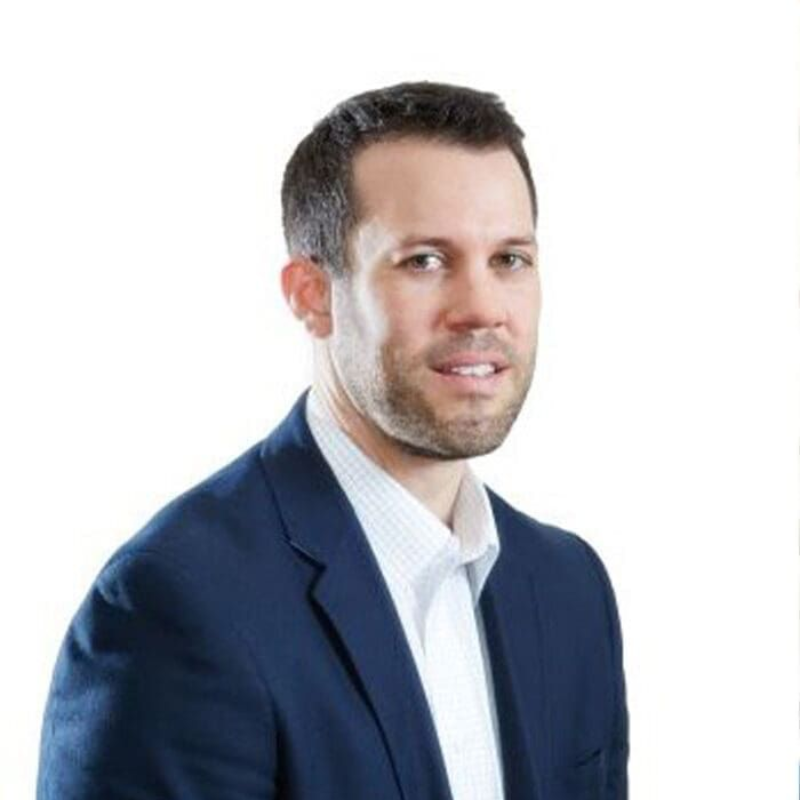
By: Dustin Hulett
Founder & CEO of Cuisine Coverage
Protecting the Building and High-Value Kitchen Assets
Property coverage is where most DQ operators underinsure. They don't skip it. They just set values too low. Your building, signage, menu boards, walk-in freezers, and dining room finishes all need accurate replacement cost figures, not the depreciated numbers from your books.
Document everything. Keep invoices for the soft serve machines, dip cabinets, fryers, grills, and the drive-through speaker and headset system. Photograph custom elements like branded wall graphics, exterior canopies, and pylon signs. Those items cost far more to replace than most owners guess, and an insurer won't pay for what you can't prove.
Ask about installing or certifying a fire suppression system over your cooking line. A properly maintained hood system protects the building and can also help with your property rating.
Equipment Breakdown Coverage for Soft Serve Machines
Standard property policies exclude mechanical and electrical failure. If your soft serve machine's motor burns out, a property policy won't touch it unless you've added equipment breakdown coverage.
That gap matters. In small restaurants, electrical breakdown accounts for 52% of equipment claims, with mechanical failure making up another 36%. For a DQ, a dead machine on a hot Saturday doesn't just mean a repair bill. It means turning away Blizzard and cone orders, which make up the heart of your sales.
A good endorsement covers repair or replacement, expediting costs for rush parts, and the income you lose while the machine is down. Confirm it includes power surge damage, since summer storms are a frequent trigger.
Spoilage Insurance for Perishable Inventory
A power outage or freezer failure can wipe out an entire stock of ice cream mix, frozen novelties, cakes, and burger patties in a single afternoon. Spoilage coverage pays for that inventory. The catch is in the triggers. Some policies cover only breakdown on your premises, while others include off-premises utility outages. If the grid goes down across your town, you want the broader version. Check your sublimit as well, because a low cap won't cover a full summer inventory.
Managing Risks for Drive-Through and Counter Service
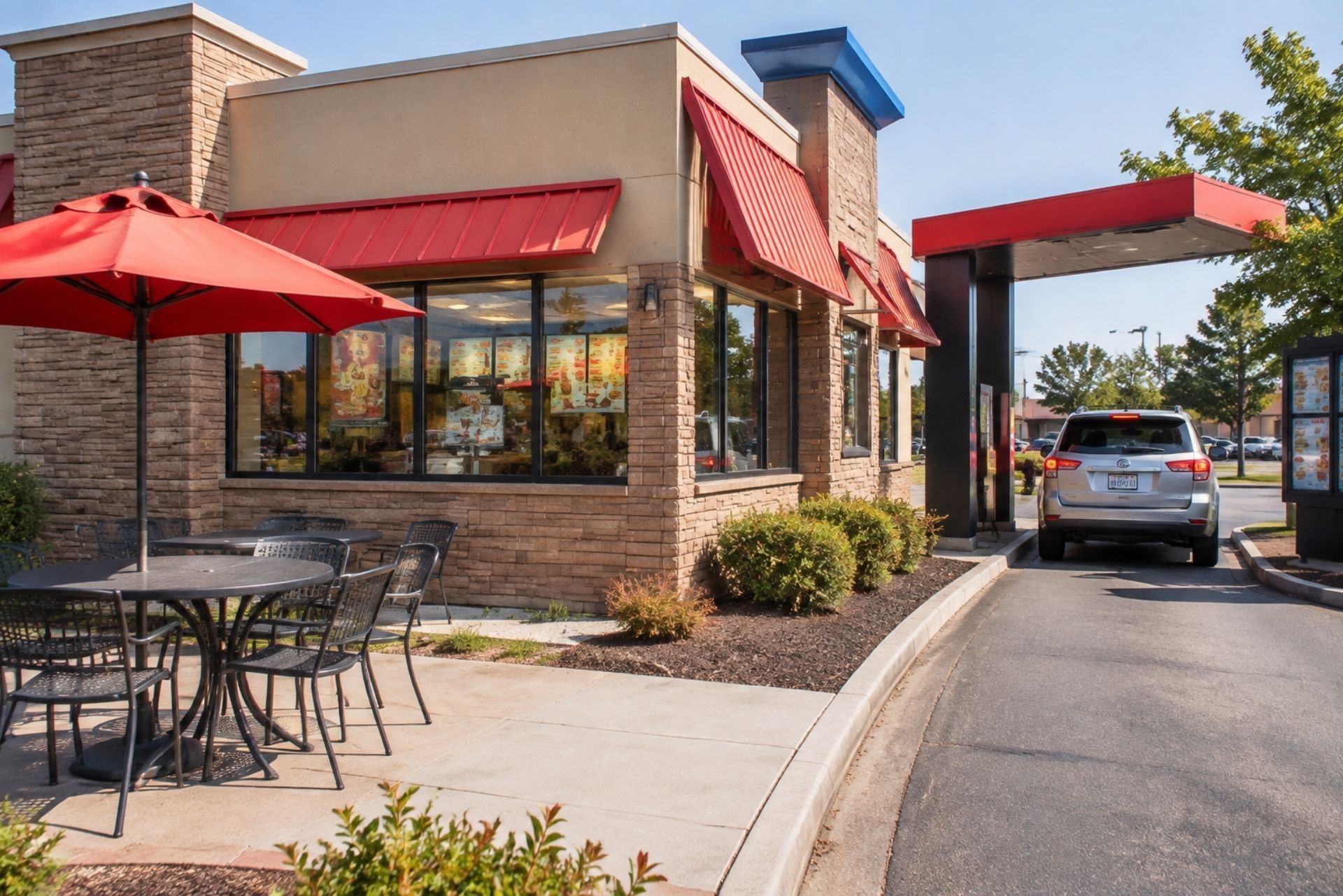
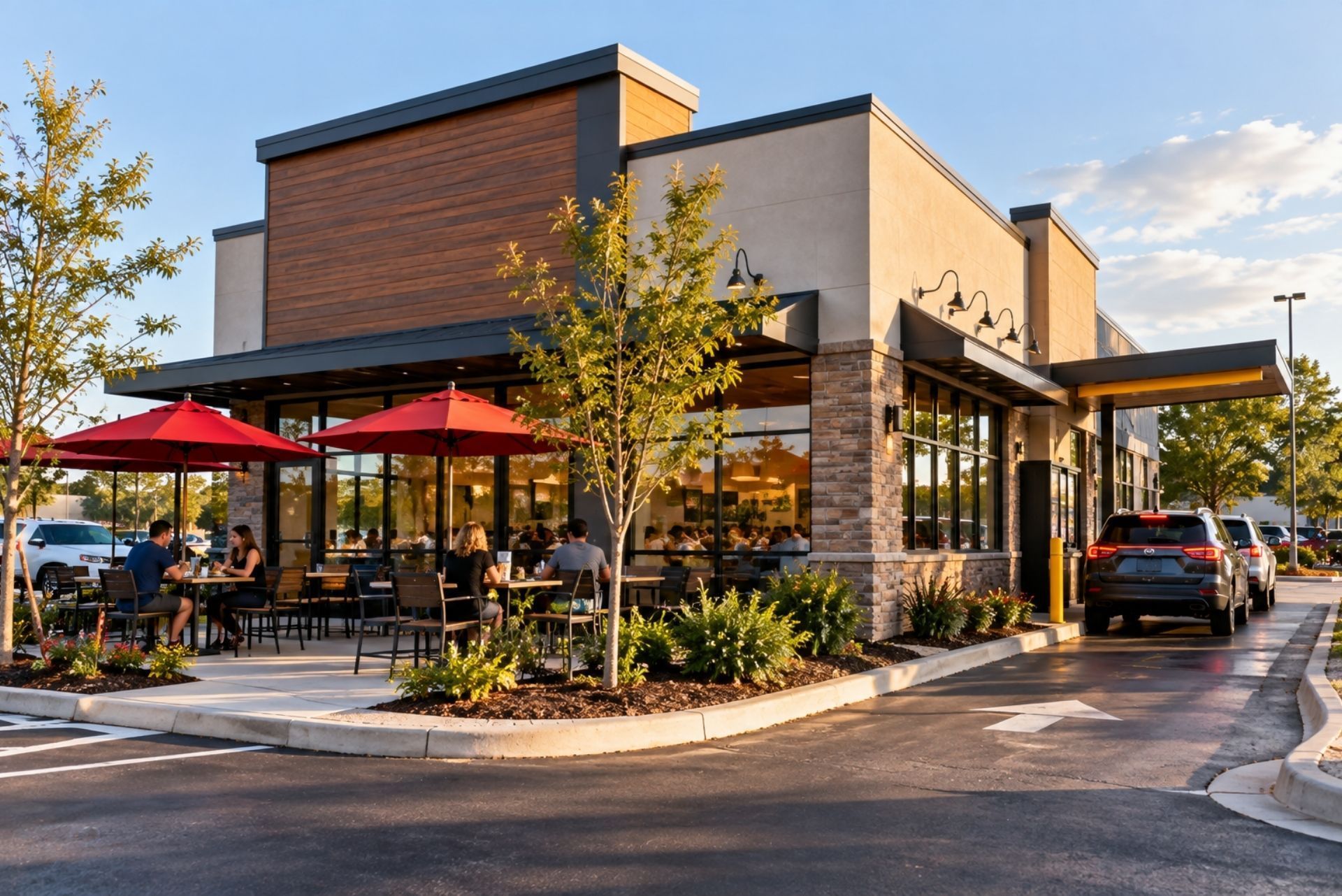
A large share of DQ sales passes through the drive-through window, and the lane brings its own claims. Customers clip bollards, back into menu boards, and occasionally hit each other while waiting. Pedestrians cross the lane to reach the door. A slip on ice near the order speaker can turn into a bodily injury claim against you.
Counter service has its own hazards. Wet floors near the soda station, spilled Blizzards, and crowded lobbies during youth sports nights all raise the odds of a slip and fall.
Technology now sits at the center of this exposure too. Modern QSRs rely on digital POS systems and third-party delivery apps, which makes cyber insurance a fundamental requirement to keep a breach from shutting down operations. If ransomware locks your registers, the drive-through stops.
Here's what that means for you in practice:
- Keep the lane well lit, marked, and clear of snow and ice, and log your inspections.
- Add hired and non-owned auto coverage if employees run errands or make deliveries in their own cars.
- Ask for a cyber policy that covers business interruption from a system outage, not just data breach notification.
General Liability vs. Product Liability: A Comparison
General liability and product liability often get lumped together, and in many package policies they share a single aggregate. They respond to different events, though, and knowing which is which helps you spot gaps.
| Coverage | What Triggers It | DQ Example | Common Gap |
|---|---|---|---|
| General Liability | Injury or damage from your premises or operations | Customer slips on a spilled shake in the lobby | Assault or liquor claims may be excluded |
| Product Liability | Harm caused by food you served | Guest has an allergic reaction to a nut topping | Recall costs often not included |
| Product Recall/Contamination | Costs to pull and replace tainted product | Supplier recalls a contaminated ingredient | Sold separately in most cases |
Product risk carries real reputational weight. Some 94% of U.S. adults say they're concerned about how often food recalls happen, and
67% have avoided entire product categories after a major recall. A single contamination event tied to your store can drive customers away long after the claim closes. Allergen cross-contact is the most common real-world scenario for a DQ, so train staff on dedicated scoops and clean blending spindles.
Employer Obligations: Workers' Comp and Employment Liability
Your crew is your biggest operating cost and one of your biggest liability sources. DQ locations run on young, part-time, high-turnover staff working near hot grills and sharp equipment, which raises both injury and employment claim risk.
Workers' Compensation for Kitchen and Service Staff
Nearly every state requires workers' comp once you have employees, though the thresholds vary. Texas lets most private employers opt out, but doing so strips away key legal defenses. Typical DQ claims include fryer burns, cuts from food prep, back strains from lifting mix cases, and slips behind the counter. Premiums follow your payroll and claims history, so a strong safety record lowers costs over time. Watch your classification codes. Misclassified payroll is a common mistake that leads to painful audit bills at renewal.
Employment Practices Liability Insurance (EPLI)
EPLI covers claims of wrongful termination, harassment, discrimination, and retaliation. General liability won't respond to these. With a young workforce and managers who are often promoted from the crew, harassment and wage disputes come up more than owners expect. Ask whether your policy includes wage and hour defense, since many exclude it entirely. A written handbook and documented training also make claims easier to defend.
Common Questions About Dairy Queen Insurance
Does the franchisor pick my insurance company? Dairy Queen offers a designated program built around its franchise agreement. Whatever carrier you use, your coverage must meet the agreement's minimums and list the franchisor as an additional insured.
Will my landlord need to be on my policy? Usually, yes. Most leases require additional insured status and specific limits, and some include personal guarantees, so review those terms before signing.
Is a Business Owner's Policy enough for a DQ? A BOP bundles property and liability affordably, but it often falls short on equipment breakdown, spoilage limits, and liquor or cyber exposures. Most franchise operators need a package policy plus endorsements.
Why would a spoilage claim get denied? The most common reasons are an outage cause that falls outside the policy's triggers or inventory losses that exceed a low sublimit. Keep temperature logs as proof.
Can I lower my premiums? Bundle policies, maintain your fire suppression system, keep ServSafe certifications current, and document safety training. Carriers reward a clean, well-documented operation.
Should I use a broker who knows restaurants? Yes. A broker who handles QSR franchises understands franchise agreement wording and catches gaps a generalist might miss.
Making the Right Choice for Your Location
Good coverage for a Dairy Queen comes down to matching your policy to how your store makes money. That means the soft serve machines that drive sales, the freezers holding thousands of dollars in product, the drive-through lane, and the crew keeping it all running. The franchise program gives you a baseline, but your lease, your state, and your specific operations decide where the real gaps sit.
Start by pulling your franchise agreement and lease side by side and listing every insurance clause. Then get replacement cost values for your equipment and build-out, and confirm your quote includes equipment breakdown, a realistic spoilage limit, cyber, and EPLI with wage and hour defense.
Treat insurance as part of your operating plan, not paperwork you finish at closing. It protects your investment, and it also builds trust with the customers who keep coming back. Review your coverage every year, before the summer rush, when a single breakdown can cost the most.
About The Author:
Dustin Hulett
As Owner of Cuisine Coverage powered by Hulett Insurance, I specialize in protecting restaurants, bars, and hospitality businesses with smart, reliable insurance solutions. With years of experience serving the food and beverage industry, my goal is to make coverage simple, transparent, and built around the unique risks that owners face every day.
Contact Us
Business Coverage
Protection for Every Part of Your Food Business
Cuisine Coverage provides specialized insurance for restaurants, food trucks, catering services, and other hospitality businesses. We help owners protect their property, staff, and reputation with policies built around the most common industry risks.

General Liability Insurance
Protects your business from claims related to injury, property damage, or accidents that happen during operations.
General Liability
Liquor Liability Insurance
Covers alcohol-related incidents for restaurants, bars, or venues that serve or sell alcohol.
Liquor Liability
Workers Compensation Insurance
Provides wage replacement and medical benefits to employees injured on the job.
Workers Compensation
Business Interruption Insurance
Helps replace lost income and cover ongoing expenses if your business operations are temporarily halted.
Business Interruption
Product Liability Insurance
Protects against claims related to foodborne illness, contamination, or product defects.
Product Liability
Cyber Liability Insurance
Covers data breaches, online payment issues, and digital risks that can affect modern food businesses.
Cyber Liability
Serving the Food and Hospitality Industry
Insurance Solutions for Every Type of Food Business
Cuisine Coverage provides specialized insurance for restaurants, cafés, and food service professionals across the country. Whether you run a casual kitchen or a mobile food truck, we offer coverage that fits your operations and risk level.
How It Works
Insurance Made Easy for Food Business Owners
We know you don’t have time to deal with complicated insurance forms. That’s why our process is built for speed and simplicity — so you can get back to running your kitchen.
Your Insurance Questions Answered
What Restaurant and Food Business Owners Ask Most
What types of insurance do restaurants and food businesses need?
Most food businesses need general liability, property, and workers’ compensation coverage. These protect against injuries, equipment damage, and employee-related incidents. Businesses serving alcohol should also include liquor liability insurance for extra protection.
Having the right mix of policies helps reduce financial risks. We’ll help you identify the specific coverages your business needs based on your setup, size, and operations.
Do you provide insurance for food trucks and mobile kitchens?
Yes. We specialize in insurance for food trucks, trailers, and mobile vendors. Our coverage includes vehicle protection, cooking equipment, and liability for events or customer interactions.
We can also help you meet licensing and vendor requirements by issuing certificates of insurance quickly — often the same day.
How fast can I get a quote or start coverage?
In most cases, quotes are ready within 24 hours once we have your business details. After approval, coverage and certificates can be issued immediately.
Our process is fully digital but supported by real agents who review each policy for accuracy. You’ll always know exactly what you’re getting before coverage starts.
Do you offer liquor liability insurance for bars or restaurants?
Yes. We provide liquor liability insurance for bars, taverns, and restaurants that sell or serve alcohol. This coverage protects against claims involving intoxicated patrons or alcohol-related incidents.
It’s essential for maintaining compliance with local laws and protecting your business from costly lawsuits. We’ll ensure your policy meets all licensing requirements.
How can I reduce my insurance costs?
You can often lower premiums by bundling multiple coverages, maintaining clean safety records, and conducting regular policy reviews. Many insurers also offer discounts for installing safety systems and training employees.
At Cuisine Coverage, we proactively review your policy before renewal to help you keep costs down without reducing protection.
Do you help with certificates of insurance (COIs)?
Yes. We provide same-day certificates for vendors, landlords, and event partners. You can request them by phone or email anytime.
Having your COI ready keeps your business compliant and avoids delays in operations. Our team handles these requests quickly so you can stay focused on running your business.
From the Kitchen to Coverage
Real Advice for the Food and Hospitality Industry
We share tips, updates, and real-world stories from the food and insurance industries. Whether you’re managing a restaurant or rolling out a food truck, our articles give you useful guidance to protect your business and grow with confidence.
Contact Us
Phone
Location