Pizza Hut FranchiseE INSURANCE
OR call us: (214) 667-2729
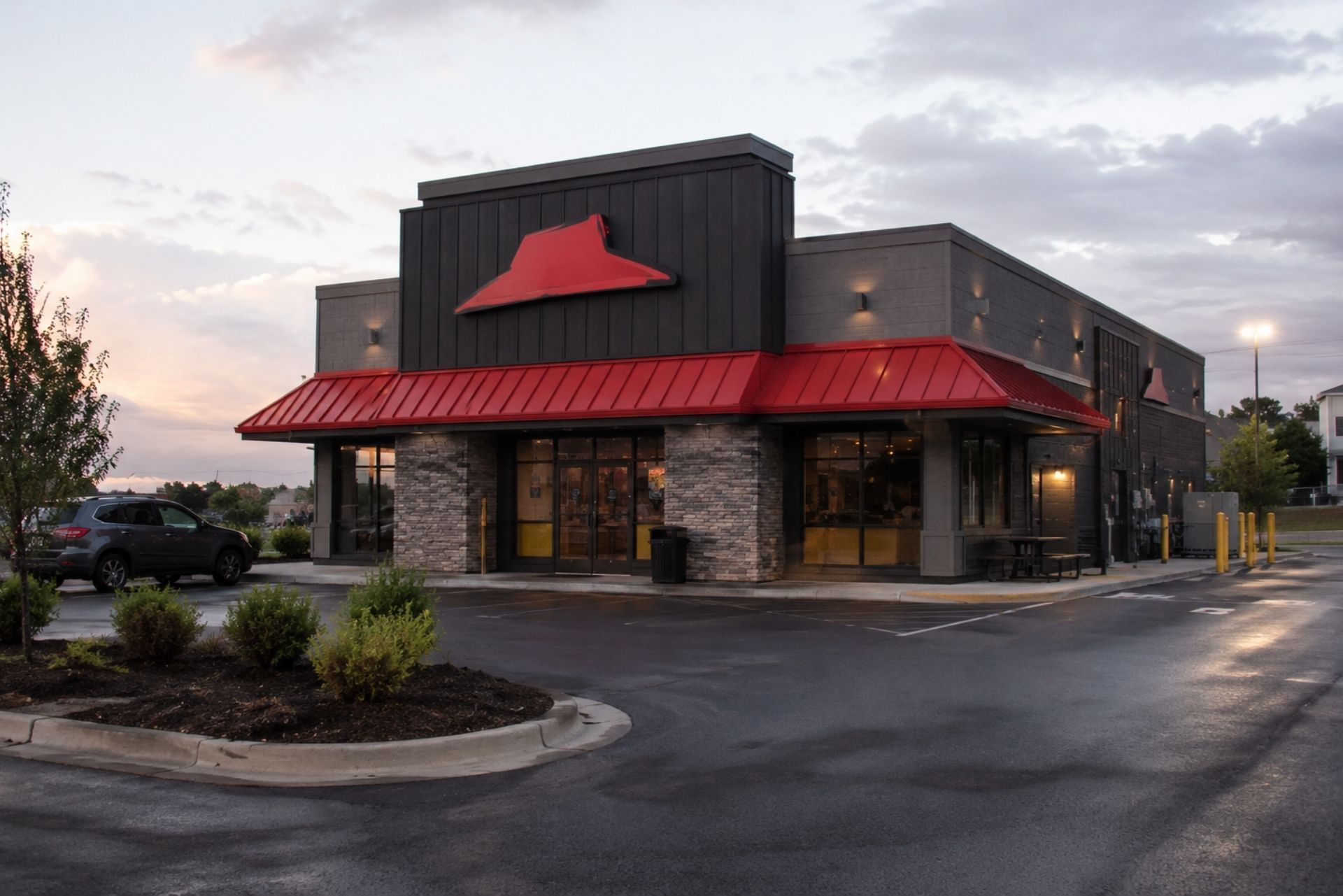
Opening a Pizza Hut franchise means meeting a long list of corporate standards, and insurance sits near the top. Between property coverage, delivery driver risks, liability limits, and employee protections, the insurance requirements for a Pizza Hut franchise touch nearly every part of your operation. Getting it wrong doesn't just put your business at risk: it can violate your franchise agreement and give the franchisor grounds to terminate your license.
The stakes are higher than many new franchisees expect. Franchise pizza shops saw average insurance premiums jump 53.52% at renewal in 2024, a trend that's continued to pressure operators into 2026. That kind of increase can eat into already thin margins if you haven't budgeted properly. Understanding exactly what coverage you need, why each policy matters, and how to control costs is essential before you sign your franchise agreement or renew an existing one.
Your
insurance portfolio isn't just a box to check. It's a financial safety net that protects your investment, your employees, and your customers. A single delivery accident, a slip-and-fall lawsuit, or an oven fire can generate six-figure claims overnight. The right coverage keeps those events from becoming business-ending disasters. Here's what every Pizza Hut franchisee needs to know about building a compliant, cost-effective insurance program.
Mandatory Insurance Requirements for Pizza Hut Franchisees
Pizza Hut's franchise agreement spells out minimum insurance standards that every operator must maintain throughout the life of the contract. These aren't suggestions. Failure to carry the required coverage is treated as a material breach, which means corporate can issue a cure notice or move toward termination.
The franchisor typically requires a combination of commercial general liability, property insurance, auto coverage for delivery operations, workers' compensation, and umbrella or excess liability policies. Each comes with specific minimum limits, and your franchise development representative will review these during the onboarding process. Keep in mind that your state or municipality may impose additional requirements on top of what Pizza Hut mandates.
General Liability and Property Damage Limits
Your commercial general liability (CGL) policy is the foundation of your insurance program. Pizza Hut generally requires a minimum of $1 million per occurrence and $2 million in aggregate coverage. This protects against third-party bodily injury claims, property damage, and advertising injury. If a customer slips on a wet floor or bites into a foreign object, your CGL policy responds first.
Property coverage works alongside your CGL to protect your physical assets. This includes the building (if you own it), tenant improvements, equipment, inventory, and signage. A standard Business Owner's Policy (BOP) bundles general liability with property coverage at a lower combined premium than buying each separately. Make sure your property limits reflect the actual replacement cost of your commercial pizza ovens, walk-in coolers, POS systems, and any custom buildout you've invested in.
The Role of Umbrella and Excess Liability Policies
An umbrella policy kicks in when your underlying liability limits are exhausted. Pizza Hut typically requires umbrella coverage of at least $5 million, though some franchise agreements push that to $10 million depending on your location and sales volume. This isn't overkill. A serious delivery accident involving multiple vehicles or a catastrophic burn injury can blow through a $1 million per-occurrence limit faster than you'd think.
The cost of umbrella coverage is relatively modest compared to the protection it provides. Most single-unit Pizza Hut franchisees pay between $1,500 and $4,000 annually for a $5 million umbrella, though multi-unit operators will see higher premiums. Think of it as the policy you hope you never need but absolutely can't afford to skip.
Naming Pizza Hut as an Additional Insured
Your franchise agreement will require you to name Pizza Hut, LLC (and often its parent company, Yum! Brands) as an additional insured on your general liability, auto, and umbrella policies. This gives the franchisor coverage under your policy if they're named in a lawsuit arising from your operations.
You'll need to provide certificates of insurance (COIs) to corporate before opening and at every renewal. Many franchisees set up automatic COI delivery through their broker to avoid lapses. A gap in coverage, even for a single day, can trigger a default notice from the franchisor.

By: Dustin Hulett
Founder & CEO of Cuisine Coverage
Essential Coverage Types for Pizza Operations
Beyond the corporate minimums, several coverage types address the specific risks of running a pizza delivery and dine-in operation. These policies fill gaps that a standard BOP won't cover.
Hired and Non-Owned Auto Insurance (HNOA)
Delivery is central to the Pizza Hut business model, and it creates significant liability exposure. If your drivers use their personal vehicles, you need Hired and Non-Owned Auto (HNOA) coverage. This policy protects the franchise when an employee causes an accident while driving their own car on company business.
Personal auto policies typically exclude commercial use, which means your driver's insurer may deny the claim. HNOA fills that gap. One Pizza Hut franchisee settled a delivery driver wage dispute for $4 million, illustrating how delivery operations create layered legal exposure beyond just accident claims. If you operate company-owned delivery vehicles, you'll also need a commercial auto policy with liability limits that match your franchise agreement requirements, typically $1 million combined single limit.
Workers' Compensation and State Compliance
Workers' compensation is mandatory in nearly every state, and pizza operations carry real injury risk. Burns from ovens and fryers, cuts from prep work, and slips on greasy floors are common claims. Your workers' comp policy covers medical expenses and lost wages for injured employees, and it protects you from personal injury lawsuits filed by staff.
Each state sets its own workers' comp rules, rates, and approved insurers. Texas, for example, doesn't require private employers to carry workers' comp, but Pizza Hut's franchise agreement overrides that by mandating coverage regardless of state law. Your premium is calculated based on payroll, job classifications, and your experience modification rate (EMR). A clean safety record and active loss prevention program can lower your EMR and save thousands annually.
Employment Practices Liability Insurance (EPLI)
EPLI covers claims made by employees alleging wrongful termination, discrimination, harassment, or wage violations. This is one of the most overlooked policies among franchisees, but it's increasingly important. Lawsuits related to FLSA violations and employment disputes have become more common across the restaurant industry.
A single wrongful termination claim can cost $75,000 to $150,000 in legal fees and settlements, even if you win. EPLI policies typically start around $800 to $2,500 per year for a single-unit franchise, depending on employee count and claims history. Given the high turnover rates in pizza operations, this coverage pays for itself the first time an employee files a complaint.
Comparing Standard vs. Enhanced Franchise Protection
Not all insurance programs are created equal. Here's how a basic compliant package stacks up against an enhanced protection plan:
| Coverage Area | Standard (Minimum Compliance) | Enhanced Protection |
|---|---|---|
| General Liability | $1M per occurrence / $2M aggregate | $2M per occurrence / $4M aggregate |
| Property | Replacement cost, basic perils | Replacement cost, all-risk, equipment breakdown |
| Umbrella | $5M | $10M+ |
| Auto (HNOA) | $1M combined single limit | $1M CSL + underinsured motorist |
| Workers' Comp | State minimums | State minimums + return-to-work program |
| EPLI | Not included | $1M per claim |
| Cyber Liability | Not included | $500K+ (covers POS breaches) |
| Business Interruption | 30 days | 90-180 days with extended period |
The standard package meets your franchise agreement requirements. The enhanced version protects against the scenarios that actually keep experienced operators up at night: a multi-vehicle delivery accident, a data breach through your POS system, or a three-month closure after a kitchen fire.
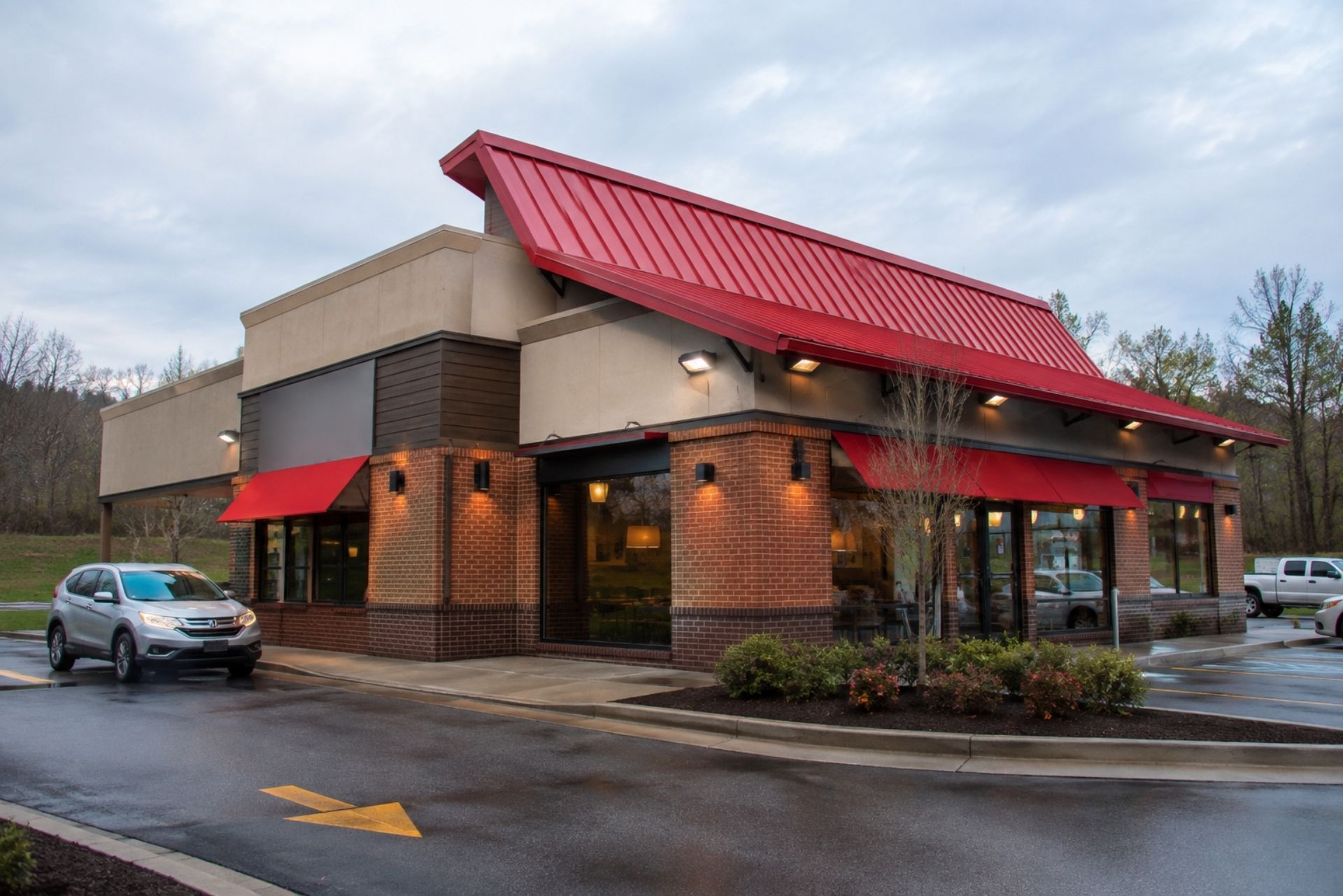
Your annual insurance costs as a Pizza Hut franchisee will vary widely based on several risk factors. Understanding these variables helps you budget accurately and identify areas where you can reduce costs.
Store Location and Local Crime Rates
Insurers price property and liability coverage based on your store's geographic risk profile. A franchise in a high-crime urban area will pay more for property coverage than one in a suburban strip mall. Flood zones, earthquake-prone regions, and areas with high litigation rates also drive premiums up.
Your building's construction type matters too. A freestanding brick-and-mortar location with a modern fire suppression system will cost less to insure than a wood-frame building in an older shopping center. If you're evaluating potential locations, ask your insurance broker to run preliminary quotes for each site before you commit to a lease.
Delivery Volume and Driver Safety Records
Delivery-heavy locations face higher auto liability premiums. If your store processes 200 deliveries per day versus 50, your exposure is dramatically different. Insurers also look at your drivers' motor vehicle records (MVRs). A team of drivers with clean records can save you 15-25% on auto premiums compared to a team with multiple violations.
Implementing a formal driver safety program, requiring MVR checks at hire and annually, and setting minimum age requirements for delivery drivers (21+ is common best practice) all signal lower risk to your insurer. Some carriers offer telematics discounts if you install GPS monitoring in delivery vehicles. These
risk factors directly affect pizza shop insurance costs and should be part of your operational planning from day one.
Common Questions About Pizza Hut Coverage
Does my landlord need to be listed on my insurance policy? Yes, most commercial leases require you to name the landlord as an additional insured. This is separate from the Pizza Hut additional insured requirement, so you'll have multiple additional insureds on your policy.
Can I bundle all my coverage into one policy? A BOP bundles property and general liability, but you'll still need separate policies for workers' comp, commercial auto or HNOA, umbrella, and EPLI. A good franchise insurance broker can package these together for administrative simplicity.
What happens if my insurance lapses? Pizza Hut corporate monitors COIs. A lapse can trigger a default notice under your franchise agreement. Your landlord may also declare a lease violation. Reinstatement after a lapse often comes with higher premiums and potential surcharges.
How much should I budget for insurance annually? A single-unit Pizza Hut franchise typically spends $15,000 to $35,000 per year on a full insurance package, depending on location, delivery volume, and claims history. Multi-unit operators may negotiate volume discounts.
Are employee health benefits part of franchise insurance requirements? Health insurance is separate from your commercial insurance program, but it's a major cost. Family health insurance premiums climbed to nearly $27,000 annually in 2025, making benefits planning critical for franchise budgets.
Do I need cyber liability insurance? Pizza Hut doesn't always mandate it, but if you process credit card payments (and you do), a POS data breach can cost $50,000 to $500,000 in notification costs, fines, and legal fees. Cyber coverage is worth the $500 to $1,500 annual premium.
The Bottom Line for New Franchisees
Building the right insurance program for your Pizza Hut franchise isn't just about checking boxes on the franchise agreement. It's about protecting a six- or seven-figure investment from the risks that come with running a high-volume food service and delivery operation.
Start by working with a broker who specializes in franchise restaurant insurance. They'll understand both the corporate requirements and the coverage gaps that generic policies miss. Get quotes from at least three carriers, and don't automatically choose the cheapest option. Look at claims handling reputation, financial strength ratings, and whether the carrier has experience with pizza delivery operations specifically.
Review your coverage annually, not just at renewal. Changes in delivery volume, new locations, menu expansions, or staffing increases can all create coverage gaps if your policy doesn't keep pace. The best time to discover you're underinsured is during a policy review, not after a claim. Your insurance isn't a static expense. It's a living part of your business strategy that deserves the same attention you give to food costs and labor management.
About The Author:
Dustin Hulett
As Owner of Cuisine Coverage powered by Hulett Insurance, I specialize in protecting restaurants, bars, and hospitality businesses with smart, reliable insurance solutions. With years of experience serving the food and beverage industry, my goal is to make coverage simple, transparent, and built around the unique risks that owners face every day.
Contact Us
Business Coverage
Protection for Every Part of Your Food Business
Cuisine Coverage provides specialized insurance for restaurants, food trucks, catering services, and other hospitality businesses. We help owners protect their property, staff, and reputation with policies built around the most common industry risks.

General Liability Insurance
Protects your business from claims related to injury, property damage, or accidents that happen during operations.
General Liability
Liquor Liability Insurance
Covers alcohol-related incidents for restaurants, bars, or venues that serve or sell alcohol.
Liquor Liability
Workers Compensation Insurance
Provides wage replacement and medical benefits to employees injured on the job.
Workers Compensation
Business Interruption Insurance
Helps replace lost income and cover ongoing expenses if your business operations are temporarily halted.
Business Interruption
Product Liability Insurance
Protects against claims related to foodborne illness, contamination, or product defects.
Product Liability
Cyber Liability Insurance
Covers data breaches, online payment issues, and digital risks that can affect modern food businesses.
Cyber Liability
Serving the Food and Hospitality Industry
Insurance Solutions for Every Type of Food Business
Cuisine Coverage provides specialized insurance for restaurants, cafés, and food service professionals across the country. Whether you run a casual kitchen or a mobile food truck, we offer coverage that fits your operations and risk level.


How It Works
Insurance Made Easy for Food Business Owners
We know you don’t have time to deal with complicated insurance forms. That’s why our process is built for speed and simplicity — so you can get back to running your kitchen.
Your Insurance Questions Answered
What Restaurant and Food Business Owners Ask Most
What types of insurance do restaurants and food businesses need?
Most food businesses need general liability, property, and workers’ compensation coverage. These protect against injuries, equipment damage, and employee-related incidents. Businesses serving alcohol should also include liquor liability insurance for extra protection.
Having the right mix of policies helps reduce financial risks. We’ll help you identify the specific coverages your business needs based on your setup, size, and operations.
Do you provide insurance for food trucks and mobile kitchens?
Yes. We specialize in insurance for food trucks, trailers, and mobile vendors. Our coverage includes vehicle protection, cooking equipment, and liability for events or customer interactions.
We can also help you meet licensing and vendor requirements by issuing certificates of insurance quickly — often the same day.
How fast can I get a quote or start coverage?
In most cases, quotes are ready within 24 hours once we have your business details. After approval, coverage and certificates can be issued immediately.
Our process is fully digital but supported by real agents who review each policy for accuracy. You’ll always know exactly what you’re getting before coverage starts.
Do you offer liquor liability insurance for bars or restaurants?
Yes. We provide liquor liability insurance for bars, taverns, and restaurants that sell or serve alcohol. This coverage protects against claims involving intoxicated patrons or alcohol-related incidents.
It’s essential for maintaining compliance with local laws and protecting your business from costly lawsuits. We’ll ensure your policy meets all licensing requirements.
How can I reduce my insurance costs?
You can often lower premiums by bundling multiple coverages, maintaining clean safety records, and conducting regular policy reviews. Many insurers also offer discounts for installing safety systems and training employees.
At Cuisine Coverage, we proactively review your policy before renewal to help you keep costs down without reducing protection.
Do you help with certificates of insurance (COIs)?
Yes. We provide same-day certificates for vendors, landlords, and event partners. You can request them by phone or email anytime.
Having your COI ready keeps your business compliant and avoids delays in operations. Our team handles these requests quickly so you can stay focused on running your business.
From the Kitchen to Coverage
Real Advice for the Food and Hospitality Industry
We share tips, updates, and real-world stories from the food and insurance industries. Whether you’re managing a restaurant or rolling out a food truck, our articles give you useful guidance to protect your business and grow with confidence.
Contact Us
Phone
Location